Salvete Omnes,

something to think about - the development of the flat saddle aka English saddle
XVII century Dutch and Flemish painters show us some images that can be considered interesting in the aforementioned aspect -


..

..

Valete
Salvete Omnes,
something to think about - the development of the flat saddle aka English saddle
XVII century Dutch and Flemish painters show us some images that can be considered interesting in the aforementioned aspect -
..
..
Salvete Omnes,
[in Polish]

w zeszłym, jakże mocno plagami tego świata doświadczonym roku, nota bene oficjalnym ‘Roku Stanisława Żółkiewskiego’, mieliśmy okrągłą, bo 400 rocznicę, tego tragicznego et porównywalnego z Batohem 1652, wydarzenia w naszej historii militarnej zwanego wyprawą Cecorską.

Ta rocznica, jakże jest smutna i heroiczna zarazem, bo
dotyczy jednej z największych klęsk w historii armii
staropolskiej w walkach z agresją osmańsko-tatarską ale i przykładów heroizmu et poświecenia - mianowicie chodzi o starcie wojsk
koronnych (królewskich i prywatnych magnackich oraz
wolontariuszy) pod wodza hetmana wielkiego koronnego Stanisława
Żółkiewskiego z wojskami osmańskimi i wasalami Padyszacha Osmana II -
tj. Tatarami krymskimi, Nogajami(Tatarami stepowymi z Budziaku i Dobrudży)
i posiłkującymi wojska bejlerbeja Wołochami.
Generalnie mówiąc, całość tej operacji jest
znana jako bitwa pod Cecorą, choć składała się ona z marszu armii
koronnej spod Mohylowa (Podolskiego) nad Dniestrem na stolice Mołdawii Jassy,
zatrzymania się w dawnym obozie warownym kanclerza Zamoyskiego nad Prutem, 2-dniowych walk (w tym jeden w bitwie walnej przed wałami warownego obozem), negocjacji w oblężonym/blokowanym obozie, oraz (29 IX-6X)
nocnego marszu w szyku taborowym obronnym z obozu cecorskiego nad
Prutem ku granicy królestwa jaka była rzeka Dniestr i ku
ufortyfikowanym Mohylowie.

Ale rocznica także dotyczy faktu śmierci hetmana wielkiego i jego podkomendnych w kontekscie przykładu niezwykłego męstwa, wysoce etycznej i bohaterskiej postawy hetmana wielkiego prowadzącego ruchoma fortece taboru przez wrogi kraj (160km marszu w walce) w obliczu napierającego przeciwnika, przy niesubordynacji podkomendnych i ciągle dezintegrującej się wewnętrznie armii koronnej, i finalnie wobec beznadziejnego położenia własnego i wiernych podkomendnych w czasie tragicznych i heroicznych zarazem wydarzeń ostatniej nocy (z 6 na 7 października) odwrotu.
Choć można rzec, ze przewiny hetmana były i są wielkie, to jego własna przelana krew i poświecenie życia podczas wypełniania obowiązków dowódczych do końca na polach nad Dniestrem zmywają niejako hańbę klęski i zaniedbań na polu walki i dowodzenia armia powierzona mu przez Rzeczpospolita i JKM Zygmunta III.
Sama walna bitwa miała miejsce 19 września 1620 roku, gdzie jak
wiemy ze źródeł i z analizy dokonanej min przez prof. Ryszarda
Majewskiego (Cecora - rok 1620. Warszawa: MON, 1970.) hetman
wielki koronny Żółkiewski miał plan stoczenia bitwy przed
obronnym obozem polskim, na równinie w zakolu rzeki Prut sprzyjającej atakowi przełamującemu polskiej
jazdy kopijniczej (czyli husarii).
Hetman Żółkiewski
planował pobić osmańskiego Iskander Pasze atakując 5 pulkami w
oparciu o dwa bojowe taborki lewego i prawego skrzydła.
Jak
wiele dobrych planów w historii militarnej, egzekucja tego planu
zawiodła, i w wyniku otworzenia się luki w szyku prawego
skrzydła wydaje się, ze klęsce a przynajmniej niepowodzeniu
w walnej rozprawie uległy chorągwie husarskie pułków hetmana
polnego Koniecpolskiego i Strusia, i chyba pułku Żółkiewskiego co doprowadziło do rejterady prawego skrzydła i centrum.
Dziennik wyprawy wołoskiej podaje:
''A iże z tylu tedy im nie przyszło i do złożenia kopii w obronie, ale porzuciwszy drzewka ku okopowi poczęli uchodzić. Potym nieprzyjaciel nastąpił na pulki hetmańskie, które in medio stały, tak dobrze, ze tył podali i Hetmana obydwie chorągwie stracone.'' [s. 102]
Klęsce uległy także chorągwie Lisowskie, a z powodu braku
skutecznego kontruderzenia oblężeni żołnierze piechoty i czeladź tego
taborku prawego skrzydła pozostawieni samymi sobie zostali zabici
lub wzięci w jasyr, kiedy armia turecko-tatarska w końcu wzięła
szturmem ruchoma redutę (Hetmani nie byli w stanie zorganizować
sprawnej odsieczy z powodu dezorganizacji armii).
Taborek i pulki
lewego skrzydła armii hetmańskiej dowodzonego przez księcia Koreckiego zdołały powrócić do obozu, formalnie spełniając swoja role na ten dzień.
Według prof. Majewskiego winę za klęskę ponosi sam hetman
wielki.[Cecora, strona 191].
Reasumując to prof. Majewski przyjmuje, ze
armia polska zmniejszyła się o przynajmniej 2600-3000 żołnierzy i pewna ilość czeladzi (bo Mołdawianie hospodara Grazzianiego zrejterowali do
wroga).
Co prawda nie bierze Pan profesor w swoich obliczeniach dokładniejszych strat w czeladzi, o których chyba nic pewnego nie wiemy po
za tym, ze stanowili cześć sił walczących i utraconych w taborze prawego skrzydła (tutaj uwaga - oprócz circa 1000 czeladzi zagarniętej przez tatarskie
zagony pierwszego dnia pojawienia się ord pod walami obozu
cecorskiego armii koronnej).
W nocy z 20 na 21 IX , w czasie wybuchłego tumultu, gdzie rabowała czeladź i cześć soldateski dobytek towarzyszy chorągwianych, w
warownym obozie nad Prutem , cześć wojska zdezerterowała i tym samym
armia hetmańska straciła kolejne circa 2000 żołnierzy, przynajmniej,
i nieznana z liczby ilość czeladzi (za prof Majewskim, st 198), którzy to uszli z obozu w kierunku granic koronnych – tutaj wielkim winowajcą okazał się słynny Chmielecki a także Jan Odrzywolski.
Za dezerterami rzucili się w pogoń Tatarzy oraz obserwujące po
chrustach chłopstwo mołdawskie zajadłe na Polaków za rabunki i plądrowanie kraju.
5000 żołnierzy i pewna liczba czeladzi pozostałych w okopanym obronnym obozie stanęło za hetmanem, który przyrzekł na Ewangelię nie uchodzić z obozu, chyba ze wszystkimi żołnierzami obronnym taborem.
Hetman zdecydował się jeszcze na rokowania, które trwały już od
23 IX , ale ostatecznie upadły i zostały zerwane 28 IX.
Hetman
I jego otoczenie, pewnie będąc chyba pod wrażeniem, ze morale uszczuplonej
mocno armii odbudowało się, przy konieczności prowadzenia walki i
przy malejących zapasach, hetman wielki zdecydowali ruszyć
obronnym taborem ku granicy Rzeczpospolitej.
Tabor uszykował
weteran wojen mołdawskich książę Samuel Korecki, przegrany spod
Sasowego Rogu 1616 i uciekinier z niewoli sułtańskiej. Także okolu 2
godziny przed zmierzchem 29 IX armia polska ruszyła z warownego
obozu w zakolu rzeki Prut pod Cecora.

Porządek miał być następujący (‘Opisanie Wejścia do Wołoch’,
s 496 - ustalony przez księcia Koreckiego):
straż przednia,
tabun koni wierzchowych na czele obronnego tabor
tabor uszykowany w 6 rzędów wozów, w każdym rzędzie 100 wozów ciągnionych przez konie.
Na wozach stanowiących czoło taboru rozmieszczono 5 dział i pewna ilość hakownic, obok jako ruchoma obrona maszerowało 200 polskich hajduków i 100 niemieckich piechurów pod Farensbachem.
Po obu stronach wojennego taboru szły spieszone chorągwie husarskie i kozackie z bronią krotka(pistolety) i długa (karabiny-bandolety etc) nabita gotowa do strzału.
Tyl taboru alias ariergarda broniło 5 działek i pewna ilość hakownic, 500 piechoty polskiej i 50 niemieckiej oraz spieszeni lisowczycy.
Ranni i chorzy byli na wozach wewnątrz taboru.
Pościg tatarski i później turecki jak, i pierwszy poważny atak sil
wrogich nastąpił dopiero następnego dnia, i kontynuowany był przez następne 2 dni. 2 X nadeszła piechota turecka Iskandera Paszy i nastąpił połączony atak turecko-tatarski na armie polska. Atak się załamał jednak przy mężnym a sprawnym działaniu Polaków, a żołnierze piechoty niemieckiej zdobyli nawet
utracone wcześniej 2 działka polowe.
Idący głównie nica w
skrajnie niekorzystnych warunkach tabor polski przebył tedy 24km a następnego dnia 30 km, i 4 X doszła armia hetmańska do rzeki Reut.
Tutaj miała miejsce kolejna bitwa z atakującymi oddziałami
turecko-tatarskimi, którą polscy obrońcy odparli, a następnie 5 X przeszedł tabor kolejne 30km (idąc nocą do południa).
W nocy z
5 na 6 X armia przeszła tylko 12-15km, i wyczerpany tabor zatrzymał się jedynie 12-15km (a możne 10km) od Dniestru i granicy państwa, i
Mohylowa, kolo wsi Serwirini (dzisiaj Sauka).
Turecko-tatarska
armia dokonała, jak się później okazało, ostatniej próby rozerwania i ataku na
polski tabor, i odparta przez obrońców ograniczyła się pozostawania w pobliżu.
Jedynie jak wilk wokół stada bizonów krążył przy polskim taborze wódz
nogajski Kantemir murza na czele swoich wojowników z Bodzaku i Dobrudży.
Wydawało się, ze nic już nie powstrzyma szczęśliwego
powrotu wojsk koronnych w granice Królestwa Korony Polskiej.
Według źródeł w czasie postoju grupa najbardziej poszkodowanych
rabunkami z czasu tumultu 20-21 IX oficerów i żołnierzy-towarzyszy chorągiewnych zażądała od hetmana przeprowadzenia rewizji wśród
czeladzi i innych 'swawolnych' [żołnierzy] w celu odzyskania swego
dobra i ukarania swawolników a rabusiów. Hetman wielki odmówił temu żądaniu, ale przyrzekł surowo ukarać winnych już po przejściu Dniestru.
6 X
wieczorem tabor w szyku bojowym ruszył ku granicy
polskiej, i już po zmierzchu wybuchł tumult wśród czeladzi i swawolników, którzy rzucili się podobnie jak we wrześniu do rabowania wozów, wyprzęgania koni i brania koni z tabunu
jezdnych koni idących w czele taboru i na tych schwytanych i zrabowanych koniach zaczęła się zbiorowa ucieczka już całej zdezorganizowanej armii
ku przeprawom na rzece granicznej Dniestr. W czasie nocnego
zamieszania cały obronny polski tabor przestał istnieć, a hetman
wielki i hetman polny Koniecpolski pozostali na czele palącego się już i nieobronnego taboru z około 300 ludźmi.
Wtedy to sędziwy hetman, siedzący na koniu, zsiadł z wierzchowca, przebił go szabla dając znak, ze nie opuści
swoich podkomendnych.
Po przejściu około 1,5 km ta ostatnia
zwarta grupa wojska polskiego pozostałego z armii koronnej zwana
‘hetmańska’ została rozproszona przez atakujących ja Tatarów, i w konsekwencji tego rozproszenia grupy hetmańskiej hetman wielki pozostał z niewielka grupa rajtarów, hetmanem polnym Stanisławem
Koniecpolskim i rotmistrzem Donhoffem, husarzem Abrahamem Złotopolskim, swoim sługą Kurzawskim i Silnickim. Dalsza walka okryta
jest całunem mroku historii i nie wiemy jak zginał sam hetman wielki
koronny. Oprócz tylko tego, ze po tym jak Złotopolski z Koniecpolskim
wsadzili silą hetmana na konia podstawionego hetman wielki
odgalopował z grupa około 300 jeźdźców polskich, którzy wyłonili się w
mrokach nocy – I te mroki październikowej nocy pochłonęły Stanisława Żółkiewskiego na zawsze.
Chyba musiał być mocno świecący księżyc w
czasie tego polskiego odwrotu znad Prutu ku polskiej granicy na
Dniestrze.
Nazajutrz wrogi patrol odnalazł i rozpoznał ciało hetmana z ranami na ciele, z odcięta prawa ręka i głęboka raną skroni głowy, świadczącymi o gwałtownej a heroicznej walce wręcz na biała broń, około 2 km od granico. Iskander Pasza kazał odciąć głowę hetmanowi a owa głowę wysłał padyszachowi do Konstantynopola.
Ciało odnaleźli wysłannicy żony hetmana wielkiego, Reginy Żółkiewskiej, a i później sama głowa została 'wykupiona z tureckiej 'niewoli' i pohańbienia. Doczesne szczątki Stanisława Żółkiewskiego pochowała zona w kolegiacie świętego Wawrzyńca w Żółkwi, gdzie wciąż się znajdują.
Pacem Aeternam
...

valete
Salvete Omnes.

Reminiscing a bit today -
401 years ago, in the vicinity of the Dniester River the last act of the military tragedy was unfolding.
Our Polish-Lithuanian army had been in full withdrawal from the war laager at Cecora on the River Prut.
After the unsuccessful Cecora battle, during the night of 20-21st of September 1620AD, our Polish war camp underwent a violent and long bout of disharmony, desertion, open rebellion and especially atrocious thievery and robber committed by the camp servants and some unruly elements among the troops, especially accused were the Lisowczyk kozaks. In light of the threat posed by enemy standing menacingly across the field from the Polish ramparts, the commanders and officers brought the camp to some semblance of order and obedience. The crimes were not mentioned and left unpunished, the loss of several thousands who deserted cross Moldavia to the Polish border was hurtful but they pulled the troops in some sort of cohesive army again. When the negotiations with Iskander Pasha failed the plan to withdraw to the Polish border was announced and preparations carried speedily.
The tactical withdrawal started on the 29th of September 1620, two hours after darkness when grand hetman Zolkiewski, field hetman Koniecpolski and about 5,000 officers, soldiers and an unknown number of armed servants started their march away from the safety of the Cecora war laager rampart and moved this moving fortress toward the Polish border, in a wagenburg (wagon fort) formation:
- vanguard, then the entire cavalry horse herd, 6 files of 100 wagons each pulled by horses and chained, finally a rearguard with small field-guns and infantry. Winged hussars, pancerni kozak, Lisowski kozak soldiers marched on foot along and on both sides of this fighting moving fortress, their pistols and carbines ready and charged. Wounded and sick were carried inside the wagon train, in the wagons etc.
During this fighting retreat Polish army wagenburg fought several large engagements with pursuing Ottoman and Tatar forces, attempting to break and destroy the withdrawing army.
Namely, first they fought for 3 days a very tight rearguard action Sept 30-Oct1-2, 16620, then beat off another assault on October 4, and the final assault during the night of October 5-6, 16620. Polish army fought well against all these assaults and successfully repulsed all of them.
Finally, the tired army marching its wageburg formation and maintaining military order had reached the vicinity of the border (some 10 km to the river and then across the river there was Polish border stronghold of Mohylow, today Mohyliv-Podolskyi), near Sawki (the present day village of Sauka) and was resting, while in its immediate vicinity there were columns of Tatar units circling around, mostly Kantemir murza command. They marched circa 165km in six night marches, under lots of pressure, with exhausted troops under the almost constant assault of their merciless foe.
It was there, in the camp during the evening of October 6, 1620, when some of the aggrieved officers and companions demanded that our grand hetman Zolkiewski punish those guilty of the robbery and thievery during the rebellion and general desertion and panic back on the 20-21 st September.
Upon hearing the demand for punishment and return of the stolen property, the camp servants and soldier rabble rebelled and started breaking up the wagon formations, unhitching the horses and riding away towards the safety of the river. The panic and rebellion spread from the rabble to the troops thus far disciplined, and entire banners dissolved and unraveled. Within a short while the army ceased to exist. One of the first to run was the famous rider and commander prince Samuel Korecki - who eventually betrayed by the Moldavians, and was captured by the Tatars, delivered to the Ottomans and died in a Turkish prison in 1622.
Grand Hetman Zolkiewski, with his second in command field hetman Koniecpolski, at first refused to abandon the wagon fort but lacking the necessary soldiers to fend off another Tatar attack and with the light coming from the burning wagons he saw the helplessness of the situation and thus started marching towards the Dniester river, leading some most faithful and disciplined troops, the last remainder of the once proud and powerful Commonwealth army. After about 1,5km to 3km of night marching from the burning and looted wagenburg this last Polish command was attacked by a large body of Tatars, who dispersed the exhausted troops, killing and slave taking during this terrible night.
Grand hetman was left with a small group of cavalrymen, mostly German reiters of Donhoff company along with some faithful like field hetman Koniecpolski, wounded captain Donhoff, winged hussar Abraham Zlotopolski(he survived and made it across the river) , servant Kurzynski, and Silnicki.
He refused to mount a horse brought by a servant, killing it with his sword and saying -
-'I am not going to mount [a horse], it would be sweet dying along with you. Let God finish His judgement over me'
So they walked another several hundred of paces, and finally Koniecpolski and Zlotopolski forced our tired old hetman into a saddle of another horse brought for this purpose. Some disorganized Polish cavalry band appeared from the darkness and grand hetman rode away or perhaps his horse carried him away with them, never to be seen alive again.
His body, with signs of struggle, deep wound on his head and without his right arm, was found and recognized by the Kantemir Tatars about 5km from the river on the following day. They left the body where they found it and Zolkiewski's wife, Regina Zolkiewska, who had sent a special group to find his body, later on she had a monument built on the spot ( but it no longer exists, destroyed in 1890s).
Iskander Pasha ordered the severed head to be taken as a trophy to the very Ottoman sultan's court. The head was displayed in Constantinople.
Only about 3,000 soldiers, quarter army, private and Lisowski kozaks (many of them from the September 21st deserters group under Odrzywolski and Chmielecki) , got away to the safety, along with unnamed number of camp servants. The remainder was dead or in captivity (like the wounded and sick in the abandoned wagon fort) to be ransomed or perish there, including field hetman Stanislaw Koniecpolski, Jan Koniecpolski, Mikolaj Strus, Samuel Korecki, janusz Tyszkiewicz, Jan Zolkiewski, Lukasz Zolkiewski, Mikolaj Potocki, Zaporozhian Cossak Samuel Koszko and still very young Bohdan Chmielnicki and many many other officers, soldiers and camp servants. Some were sent to the galleys, to row to their death the Ottoman boats, others died in captivity being slaves to their Ottoman masters.
Stanislaw Zolkiewski died a heroic and epic death, fighting for his king and country.
Pacem aeternam
Valete
Salvete Omnes,
I have just started watching this SandRhoman History video production - don't know if it is any good - here the link to this YouTube presentation.
screenshot with my 14 figures

Perhaps it will be all right...so enjoy this production of the Battle of Khotyn Project ..

Valete
Salvete Omnes,
[in Polish]

... na platformie 'gugla' YouTube można znaleźć wiele niezwykłych nagrań z bohaterami lub o bohaterach polskich II wojny światowej.
w tym nagraniu rozmawia Piotr Zychowicz z imć Jackiem Komuda, autorem powieści historycznych i producentem filmu Diabeł Łańcucki, na temat dziejów majora Henryka Dobrzańskiego 'Hubala' czyli ostatniego ułana Rzeczpospolitej
Tutaj można obejrzeć nagranie wideo z Chicago z lat 1980tych, którego bohaterem jest jeden z największych polskich pilotów wszechczasów, z asem lotnictwa myśliwskiego II wojny światowej- Stanisławem Stanley'em Skalskim. General Skalski i jego towarzysze podniebnych walk na stalowych rumakach niebios to wcielenie skrzydlatych jeźdźców staropolskich chorągwi husarskich - vivat! ale człowiek, posuszy pachołek nowego reżymu, który skazał bohatera na śmierć sędzia Widaj nigdy nie poniósł kary za owe 'wyrokowania' za mrocznej komuny.
Tutaj debata o Wiźnie 1939 i jej herosie a symbolu postawy oficera Wojska Polskiego - kapitanie Władysławie Raginsie, żołnierzu KOP. Znów z imć Jackiem Komuda, który w trzech powieściach o Hubalu, Westerplatte i o Wiźnie pokazał heroizm i tragizm Września 1939. Choć epopeja obrony Wybrzeża 1939 i ułańska w lasach Podkarpacia tez mogłyby być cudownymi małymi eposami wartymi Jackowego pióra.
Witold Pilecki - heros, ułan w wojnie z bolszewikami, rotmistrz Wojska Polskiego, zamordowany przez sługusów stalinowskiej mrocznej epoki w naszej historii XX wiecznej.
et tysiące innych wielkich Polaków - ave!

valete
Salvete Omnes,
some equine-related fine art from Dutch painter and etcher from Haarlem Pieter van Laer (a while back I wrote about him) , who spent most of 1630s in Italy, and whose sketches probably were used later on by Philips Wouwerman, when he painted his Italianate canvass. Master Wouwerman was greatly influenced by Pieter's work - says National Gallery of Art in Washington.
paintings


Now, in this painting - at Christies - attributed to a follower of van Laer there is a figure or red clad rider with a fur hat, on the right next to a waterfountain, who appears dress in a Polish zupan?

etchings and prints


all from WIki commons
Valete
Salvete Omnes,
I had been involved in this project - Battle of Khotyn 1621 Project - and painted a number of soldiers for it - it was fun albeit kind of late effort - I hope they will work .
this project is a collaboration between our Polish 'afficionados' and SandRhoman History YT channel -
So, I just have got this notice that there is a trailer and that a full video will follow on October 3, 2021 -

Cheers.. -:)
Valete
Salvete Omnes,
[in Polish]
jak wiemy 27-emgo września minęła kolejna rocznica bitwy pod Kircholmem - i w mej 'stajni źródeł i wypisów' o wiktorii kircholmskiej mamy kolejne źródło z epoki - piórem samego hetmana i zwycięzcy kircholmskiego.


kopia miedziorytu Giacomo Lauro na podstawie rysunku Antonio Tempesta z 1606 roku

Valete
Salvete Omens,
back to Chocim campaign -

… young sultan Osman II declared war on Polish-Lithuanian Commonwealth and war preparations entered new phase in the early 1621. But as noted by some chroniclers the Turkish capital elites were much against going to war with Polish realm. Even more than reluctant, they wanted to pay for the already extended costs and expenses towards the 1621 campaign-in-organisation.

Perhaps the Ottoman Turkish elites and even the imperial merchant class were tired of the constant state of warfare the empire had been in since the late XVI century. Polish observers also noted that lackluster will for war against Polish king and his subjects. But it was the sultan who made his will realized, i.e., by undertaking this 'easy war' against the Polish infidels and their Cossack proxies.


Then
they marched along the river in Dobrudja Tatar country, very rough and unhealthy season to be in that swampy province, to the river
port town of Galati, in order to cross the Danube in its vicinity.
Artillery was brought there via the Black Sea shipping and landed on
the left bank of the great river. They all came there in July, and
starting July 11 the crossing of the great river begun. The bridge
built in order to have the army cross was under the strain from the
swift currents of the river(about 700 meters wide there), and the
Ottoman navy under Kapudan-Pasha had to fight off the Cossack
flotilla that attempted to break the bridge. The prisoners taken in
this river battle were executed, including murder by pulling them
apart with the elephants. The massacre of these Cossack prisoners was
to keep the spirit of the army high and bellicose. At the same time
other Cossack flotillas attacked Ottoma shipping on the Black Sea,
including fighting large scale battles with the Ottoman navy (one
flotilla under Bohdan Chmielnicki, future hetman of Zaporozhian
Ukraine). While crossing the river, young sultan practiced
archery(his arrows were able to hit targets across the river) and
received news that his Crimean Tatar vassal, khan Djanibeg/Janibeg
Giray, and his 10,000 Tatars crossed the Dniester river and were
encamped awaiting the emperor's host.
On July 18th
the vanguard of Osman’s army marched away from the Danube. On the
28th of July a column of cavalry under Beylerbey Dylewar Pasha from mostly Kurdish Dyarbekir eyalet in the south-eastern of
Anatolia.
On August 16th the vanguard reached old
Polish camp at Cecora. There the entire army rested and mustered
before their final push towards Chocim on the Dniester River and its
Commonwealth defenders.

The army marching from Cecora camp on the Prut River to Chocim battlefield on the Dnieper River was set up as follows:
10,000 cavalry column from Rumelia and Anatolia commanded by Hussein Pasha.
After them, various
units of Wallachian and Moldavian vassals , charged with repair of
roads and building water crossings and managing terrain obstacles.
Next, marched the remainder
of units from Anatolia and the sultan’s Kapikulu janissary corps under Hussein Pasha, the great vizier.
After that ‘division’ marched sultan himself, with his corps of elephants and entire court, with the timariot cavalry and his spahis corps of Kapikulu army.
After the sultan’s
division marched the artillery, and then the entire train of wagons
and camels, and slaughter animals (oxen, cows, goats and sheep) and
spare horse herd.
The entire Ottoman host was screened by the
light cavalry, aware of the Cossacks bands that had been lurking
around in Moldavia since at least August 8. Hetman Borodwaka and his
Cossacks ruined the countryside between Jassy and the Polish border,
thus the Ottoman host marched across the despoiled and pillaged
country, putting strain on their supply lines and comforts.
Crimean Tatars fought the marauding Cossack bands and
larger units, and some of the fights were epic, the most memorable
were two encounter - the defense of some cave near the Prut River
by a small troop of Cossacks against the entire Ottoman army, as the
Tatars were reluctant to storm the cave full of firearms and
determined Cossack fighters; and the second the defense of about 200
Cossacks who dug pits and felled trees on the other side of the Prut,
across from the first fight. They fought the Ottoman might until the
darkness of the night, and then tried to make their escape. Only few
made it alive to the Polish side. But these and other fights delayed
Ottoman progress and caused waste to the country where the Ottomans
could have relied on getting supplies.(story of hetmans Borodawka and
Konaszewicz_Sahajdaczny conflict and murder during the August march
will be for anther time).
Finally, on September 2nd,
1621 about 3-4 miles from the Chocim Polish camp the vanguard of the
Ottoman forces was sighted.
Thus Osman II reached Chocim and
his army begun building their widely spaced camps and constructing
gun posts for their artillery, while he witnessed his chosen janissaries attack the Cossack camp.

The counting of numbers for this army could present a problem – already, in 1621 contemporary Polish sources noted the following accounting of Osman’s troops:
30,000 Spahis/sipahi,
20,000 Janissaries
60,000 Tatars (Crimeand and Budjak Nogai etc)
100,000 timariot troops and other troops. - in total: 201,000 soldiers [sci!].
Jan Wimmer (1061),
modern historian, cestiamted 100,000 Ottoman soldiers, including
15,000 Tatars.
Jerzy Teodroczyk(1984), another modern historian,
estimated 110,000 soldiers.

XVII century historians – French Ricaut and Turkish Ayna Ali- provided more precise description, and Polish historian Leszek Podhorodecki put down the following list fore the kapikulu, timariot, volunteers, vassals, artillery etc:
-Beylerbey of Anatolia Hassan Pasha – circa 14,000 (max 25,000)
-Beylerbey of Rumelia Jusuf Pasha – 18,000 (max, 22,000)
-Tayjar Bey Pasha of Aleppo sanjak – 2,000 (max 3,000)
-Beylerbey of Diarbekir Dylewar Pasha - 4,000 (max 10,000)
-Beylerbey of Bosnia Hussein Pasza – 7,000 (mac 14,000)
-sanjak of Tripoli – over 1,000
-Beylerbey of Syvash Ibansagly Hassan Pasha – 3,000 (6,000 max)
-Beylerbey of Karaman Mustapha Pasha – 2,000 (3,000 max)
-Sanjak of Marash under Abazy Pasha – 1,000
-Beylerbey of Damascus Nogai Pasha – 2,500 (5,000 max)
-Beylerbey of Caffa Cherkess Hussein Pasha – 2,500 (5,000 max)
-sanjak of Raqqa – 2,000
-volunteers from Dobrudja – 1,000
-various Ottoman officials’ retinues and nomadic vassals – 5,000
finally, Beylerbey of Buda Karakash Pasha – 5,000 (10,00 max) – that came to the sultan’s camp after the siege battle had already started.
So perhaps 55-60,000 to 70,000 – after all the losses from sickness, marching or even desertion.
Next the Kapikulu sultan corps–
8,000 spahis/sipahi corps
12,000 jannisary corps – commanded by Aga Mehmed Pasha
(a part of the kapikulu corps stayed behind, guarding crossings . And actually deserted during the march)
The artillery consisted of at least 62 guns, including 15 heavy ones (up to 55 punders) – managed by perhaps a less than a thousand soldiers and assistants.

The vassal
Tatars – according to Olgierd Gorka, Polish modern historian, -
10,000 Crimean Tatars under the khan, 5,000 Budjak and Dobrudja
Tatars under Kantemir Murza; and 1,000 Tatars of the Sultan guard.

Wallachains – under prinece Radu Minchea 6,000 to 7,000
Moldavians – unde Stefan Tomza circa 5,000.

Finally, all these
soldiers were provided for and were supplemented by the unknown
number of armed and unarmed camp servants and followers – perhaps
as many as 50,- 60,000 thousand men?
Plus thousands of pack
camels, horses, draft oxen, cows, sheep and goats, and probably
thousands of wagons and carts.
…
Perhaps it is worth noting that during the first large engagement, the janisaries attack on the Cossacks camp on September 2, 1621, the first Polish-Lithuanian officers killed during this hot fight were two Muslim Lithuanian Tatars - captain Bohdan from Zenowicz’ pulk and captain Czarowicz from the grand hetman’s pulk – these two captains or rotameister died fighting bravely and heroically in the defense of their king and country.
.
valete
ps
all image from Wiki Commons
Salvete Omnes,
One of the most important battles in Polish history, the one of Chocim (Khotyn) 1621, is not really celebrated in Poland and other former lands of the Polish-Lithuanian Commonwealth. But for these celebrations that took part last Saturday in Rzeszow, Poland.

so I would like to add some info about the Polish-Lithuanian Commonwealth army that mustered in the defensible war laager around the medieval Chocim castle on September 2nd, 1621 AD or at the beginning of a month long 'battle' between the hostile parties. It should be followed by another post about the Ottoman host.
the commander in chief :
Lithuanian grand hetman Jan Karol Chodkiewicz
three major components of the army:
-mercenary soldiers and their retinues, where appropriate
-the Zaporozhain Cossacks
-magnate and lesser lords private banners and companies with appropriate retinue and warmed camp followers.
Polish-Lithuanian Commonwealth army at Chocim had also several separate commands -
-Crown
-Lithuanian grand duchy,
these former armies were untied under one register.
-Zaporozhian Cossack
Now, as far as the total number of soldier there are two troop lists aka registers, that differ slightly as to the number of units and horses/portions(infantry), of the Crown and Lithuanian army divided into different types of units:
Register one Register Two
1. Winged hussars :
-53 banners or 8520 horses (paid for soldiers on paper) or - 70 banners or 8600 horses
2. Pancerny kozak calvary and lisowczyk banners
-66 or 8450 horses or -75 kozak cavalry or 7700 horse and 10 lisowczyk/1300horse
3. German reiter cavalry
- 10 companies/ 2160 horses or - 12 companies 1300 horse
4. regiments of German infantry
-5 regiments / 6450 portions or -6 regiments 6100 portions
5. Polish and Hungarian hajduk infantry
-29 companies/ 7600 portions or -30 regiments /8000 portions
all together
33180 horses and portions. or- 33000 horses and portions
Crown and Lithuanian army also included the camp followers, and some historians count to add about 30 to 35,000 armed camp followers from the hussar, kozak pancerny, reiter and infantry commanders' retinues to the total number of armed combatants. The actual numbers of paid soldiers were at least 10% smaller in fact or so it this thought.
The second important component consisted of the Zaporozhian Cossacks commanded by hetman Petro Konaszewicz-Sahajdaczny and it consisted of about 25-30,000 soldiers or portions(?)
So for the purpose of operational and tactical combat application this Commonwealth army was divided into 'pulk' or temporary divisions of various sizes -
1.prince Władysław Vasa - 10,180 horses and portions
2. Grand hetman Chodkiewicz - 4,600 horses and portions
3.voivode Lubomirski - 3,350 horses and portions
4.Maciej Lesniowski - 1,000 horses and portions
5.Jana Mikolaj Boratynski - 859 horses and portions
6.Mikolaj Zienowicz - 1,750 horses and portions
7.Aleksander Sapieha - 2,000 horses and portions
8.Piotr Opalinski - 1,600 horses and portions
9.Mikolaj Kossakowski - 1,300 horses and portions
10.Mikolaj & Prokop Sieniawski, 1,200 horses and portions
11.Stanislaw Rusinowski - 1,200 lisowski horse
in addition there were 2,650 horses and portions that were not included in these 'pulks', as they arrived separately into the war laager and thus not assigned to any division.
The army had circa 30 pieces of field artillery, only few of them heavier guns.

Zaporozhian Cossacks, with their separate camp extended along the river constituted a self-operating rather huge division ( we do not know how they might have been divided and operated other than they did have a 'pulk' organization too) - like I said experienced fighter, scholar and commander hetman Petro Konaszewicz-Sahajdaczny commanding.

From the very first day the Commonwealth army was not sufficiently provisioned with foodstuffs, horse fodder, munitions and especially gun powder. For some reason the river Dniester was not used to ship food and war supplies into this war laager. Which is interesting in itself since all Commonwealth large rivers were used as the shipping and trading highways, yet Dniester was no used to provide supplies to the fighting army.
to be continued
Valete
Salvete omnes,
let us travel on a fast horse to 1331AD, when on 27th of September or 690 years ago Polish Crown army 'ambushed' the Teutonic Order army rearguard marching towards Brzesc Kujawski, in their, Teutonic Order, attempt to conquer the duchy of Kujawy, and divide the Polish kingdom etc.
The Polish realm, slowly raising from the XIII century divisions and fragmentation, was ruled by His Majesty Wladyslaw I had been at war with the Order for a long time, from a hybrid war to an open combat et; mostly because the Order conquered the Baltic province of the Polish realm- the Gdansk Pomerania, and also took by false pretenses the Ziemia Chelminska (Tierra Culmenssis), and had ample designs to take more.

The latest truce between the sides, negotiated already in the fall of 1330Ad with the arbitration by king of Bohemia John of Luxembourg and the papal legate, with was to expire on June 24, 1331.

The Grand Master Luther von Braunschweig had planed to meet with the king of Bohemia's army near Kalisz (Calisia of the ancients) in the central part of the Polish kingdom in mid, crica 21st of September 1331AD.
Firstly, in the early summer the Order sent a raiding army to raid, kill, pillage and burn Duchy of Kujawy, Polish king's ancestral province, in order to reduce potential operational and economic abilities of Kujawy (Cuiavia) as the bulwark against the Order invasion of Polish Kingdom. Commanded by Grand Marshal Dietrich von Altenburg and komtur of Kulm Otton von Luterburg, this force consisted of cavalry only - 200 Order brother knights, and many mounted retinues of Prussian, Pomeranian and Kulm vassals. They crossed the border on the 22nd of July, captured Bydgoszcz, besieged Inowroclaw, marched south towards Kruszwica (where Piast prince Kazimierz Ziemomyslowic ruled), passed that stronghold and continuously burning and enslaving the population reached Pyzdry on the 27th. There they hoped to capture the king's governor and sole heir apparent, prince Kazimierz (future the Great). There, near the town and castle, the Order raiding force came to grips with the Polish forces lead by Wincenty of Szamotuly(who was not fully supportive of his king and lukewarm towards fighting the invasion), Mikolaj of Nowy, and Tomasz of Zajaczkowo. The Order army won the pitched battle, truncating the GreatPoles without destroying them, but perhaps because they saw the gathering of the Polish defenders, stayed on the right bank of the Warta River, and marched on Poznan, the capital of Greater Poland. The Order army was divided, one marching on towards Poznan, while the smaller division went southerly towards Srem. Near Bnin this smaller division failed to break the earthworks defended there the local levy and Polish horse, and this diversion ended with the Teutonic marching towards Gniezno. The Order army took Klecko and burned it, and also took Gniezno, burning the town but for the cathedral and two monasteries. Along the destruction of towns and churches, they burned and plundered villages belonging to the archbishop of Gniezno in Kujawy and Wielkopolska (Greater Poland), enslaving inhabitants and killing those who tried to defend their homes and knightly keeps. Last town to be taken and burned was Znin. This lightning raid ended with the Order army crossing the border and entering Torun (Thorn) castle sometime in the first days of August.

On the 12th of September, a new army, much greater and including infantry, foreign guests aka crusaders, and war and siege engines, left Torun to march onto Kalisz in Kingdom of Poland, to link with John of Luxembourg army of Bohemia there.
The commander in chief was Otto von Lueterberg, Kulm komtur, aided by the council of Grand Marshal Dietrich von Altenburg, Elblag komptur Herman von Oetingen, Gdansk komtur Albert von Oere, Heidrich von Haugevitz, Grudziac komtur Gunter von Schwarzburg, Balga komtur Herman Reuss von Plauen, and Grand Komtur Otto von Bonsdorf. Livonian Sword Brethren also sent a contingent of troops led by Land Master Eberhard von Monheim. The foreign guests or the crusaders were dominated by a large English contingent of 100 knights? knights and men at arms?, led by Thomas de Ufford, son of Sir Rober d'Uffort?.
Prof. Marian Biskup, in his work Bitwa pod Plowcami (1981) estimated this invading army to have been about 7,000 strong - 200 Order knight brothers, 100 foreign knights, about 1,7-1,800 mounted men at arms, and 2000 retainers/ lighter horsemen from Prussia and Kulmland, finally several thousands of the town and peasant infantry and train and packhorse crews, mostly from the Elblag and Balga komturias.
They did reach Kalisz on the 21st nd put the town and castle to siege, but failed to capture strongly defended Kalisz. Meantime, John of Luxembourg failed to appear with his Bohemian army (due to the Polish ally king of Hungary diversion and menace, and actual fighting against Silesian Piast duke Bolko I of Swidnica near Niemcza, so his Bohemian army approached Poznan in the last days of September, too late do accomplish anything). So various raiding columns of Teutonic Knights spread terror and slaughter in the Polish lands, among the towns destroyed they burned and slaughtered Sieradz, the capital of Sieradz land.
On the 23rd the Order army left strongly defended Kalisz, and started marching towards their border.
Polish Crown forces, concentrating near Leczyca, were commanded by His Royal Majesty Wladyslaw I, but at first the 'spiritus movens' was duke Wladyslaw Siemowitowic and his local Leczyca land knights and men at arms, and local levy. Soon banners and retinues from Greater Poland, Sieradz land, Little Poland reached the king's concentration area. Wincenty of Szamotuly made peace with our king and even more Greater Poland knights and men at arms joined the royal army, this time already marching after the Order's army.
Thus, the royal army, perhaps 4000 fighting men and horses strong (with servants and camp followers), presented a sizable fighting force ready to inflict some damage on the invaders.
Near Konin the vanguard of the royal army,perhaps ambushed, fought against the sudden night or late evening attack of the Order's rearguard?. Although the fighting was not unfavorable towards our king, Wladyslaw I ordered the army to pull back. Left to their own designs Teutonic army stormed Konin and burned it.
On the 25th the Order troops crossed the Notec River and aiming to capture as many as possible Kujawy towns and strongholds the central command decided to march on Brzesc Kujawski, the capital stronghold of Kujawy. On the 26th they reached Radziejow, only 25km from Brzesc Kujawski. On the 27th the Order army divided, with about 2/3 (5,000?) marching towards Brzesc to set up the siege and siege engines. Otto von Luterberg commanded this division, with Herman Reuss von Plauen commanding his vanguard.
Dietrich von Altenburg was left with about 2,000 rearguard - defined in the sources as minor par exercitus - with perhaps 350 Order knights and men at arms. They had infantry and pack trains and wagons, and food supplies, and the ensign carrying the grand banner of the Order also traveled with this rear-group.
Before 9 AM, 27th of September, this rearguard entered the marshy terrain covered with dense fog south of Radziejow. Polish vanguard commanded by Wincenty of Szamotuly encountered this Order column, and waited with their attack until fog would had lifted. Since Grand Marshal knew about the Poles, he ordered his force into 5 unit commands, perhaps similar arrangement was followed by the Poles. Morning fog had lifted and the battle was joined between Plowce and Jarantowice. After about 3 hours of fighting, one of the crossbow-armed Polish retainers mortally wounded the horse ridden by the Order ensign with the Grand Order Banner. He went down with his horse, and could not raise the banner up pinned under the fallen horse. Panicking the Order army collapsed, was cut down and taken prisoner with few escaping towards Brzesc.
Sources (eg Chronicle of Oliwa) say that the 56 brother knights were killed, including komtur Otto von Bonsdorf, Herman von Oettingen, and Albrecht von Oere, while Dietrich von Altenburg was wounded and taken prisoner. The train and wagons were taken by the royal army.
King Wladyslaw ordered his royal army to march toward Brzesc, and around 1 PM the vanguard of his marching army was attacked by the Order troops. The fighting, or the new battle, started in earnest. Heinrich Reuss von Plauen was taken prisoner, komtur Eliger von Hohenstein and 40 other Order brothers were taken prisoner. During the afternoon fighting komutr of Torun Heinrich Rube was also killed.

Royal army was pushed by the main body of the Order force under Otton von Lutterberg back to the side of the morning battle - perhaps some 5km. Then our King ordered the bodyguard protecting prince Kazimierz to withdraw and ride away south.
Polish historians think that the banners from Little Poland gave way to the Order onslaught and thus many Little Poland knights were killed and taken prisoner (Krystyn of Ostrow, Jakub of Szumsk, Grzegorz Nekanda, Grzegorz of Morawica etc).
About 3PM (sunset that day was to be about 4:30 PM ) fighting slowly died out,as the Polish forces continued fighting withdrawal from the battlefield.
The Order army kept the battlefield but was truncated and full of wounded and tired and dispirited. Thus probably during the night of 27th going on the 28th they left the battlefield and marched away to Torun, some 50km away.
Before marching Otton vo Luterberg ordered killing of about 600 lesser Polish prisoners, saving only 56 knights for the future ransom etc. (nota bene they recaptured Dietrich von Altenburg).

Nota bene the execution-style killing of the Order brothers taken prisoner by our king's forces seemingly on Wladyslaw I order was a typical Order propaganda (plenty of it during the XIV and XV centuries) , and is not supported by the sources.
But various German, especially Prussian and Nazi, historians wrote copiously about it, and English and American historians copied it, including the Wikipedia.
We don't know how many Order brother knights were killed in total, at least 73 bodies of them were brought back to Torun. The Bishop of Wloclawek ordered the burial of the dead on the battlefield the following day, burials coming to a total number of 4187 bodies buried. According to the primary sources, most bodies were to belong to the invaders.
Polish army encamped by Brzesc Kujawski and on the 30th of September negotiations about the prisoners were conducted between the king and komtur Gunter von Schwarzburg.

The following year the Order alone invaded again and in fact conquered the duchy of Kujawy, but in 1334 the Teutonic Brother returned the land, people and towns etc to our Kingdom and our new king Kazimierz.
Our ancestors had to wait until 1409Ad when the great war was started, but this is a different story.
Pacem Aeternam to all.
Valete
Salvete Omnes,
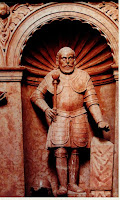
before there was Chocim 1621 there had been the Cecora campaign, Polish invasion of Moldavia that ended in a major disaster for the Commonwealth army and most of its participants - including the heroic death of the commander in chief Stanislaw Zolkiewski and his reiter bodyguard.

The Royal army the marched across the Dniester River into the Moldavian territory;
the army had circa 7,000 horses and portions, divided into a 'pulk ' (temporary divisions) large operational units[1]:
Commander in chief - Crown grand hetman Stanislaw Zolkiewski
(all units identified by the commanders' names)
1 pulk - commanded by the grand hetman de jure, but it was actually commanded by a winged hussar banner captain Makowiecki
- cavalry in total 1,220 lances and horses:
Winged hussar banners:
1. grand hetman banner led by Malynski - 270 lances
2. starost of Chelm Danillowicz - 150 lances
3. starost of Halicz Makowiecki - 150 lances
Pancerni kozak cavalry:
1.starost of Winnica Aleksander Ballaban banner- 150 horses
2. Dworycki/Dworzycki banner - 150 horses
3. voivode of Ruthenia Jan Danillowicz banner -300 horses
4. Wolmar Farensbach banner - 50 horses
Infantry 450 portions
1. Royal court Polish infantry company -300 portions
2. Farensbach's company - 50 portions
3. voivode of Ruthenia Jan Danillowicz's German infantry company - 100 portions
total 1,670 lances, horses and portions

2nd pulk - Crown field hetman Stanislaw Koniecpolski
Cavalry in total - 1,100 lances and horses
Winged hussars banners:
1. field hetman own banner - 200 lances
2. Marcin Kazanowski - 150 lances
3. voivode of Braclaw Potocki - 150 lances
4. Strzyzowski - 150 lances
Reiiters or German pistoliers
1. Herman Denhoff's banner - 200 horses
Pancerni kozak cavalry
1. Odrzywolski (actually commanded by Ujazdowski) - 150 horse
2. Lewikowski - 100 horse
Infantry 430 portions
1. field hetman's own company commanded by Damiecki - 230 portions
2. Rybinski Polish levied infantry- 200 portions
total pulk number of lances, horses and portions - 1,530
3rd pulk -starost of Halicz Mikolaj Strus (famous 'defensoe' of the Kremlin in Moscow in 1611-12)
all Cavalry unit
Winged hussar banners
1.son of voivode of Podolia Sieniawski - 100 lances
2 Malinski - 150 lances
Pancerni kozak cavalry
1. Mikolaj Strus own banner - 100 horses
2. starost of Chmielnik - 100 horses
3. Kowalski - 100 horses
Private volunteers and their retainer - 1500 horses
total pulk number of lances and horses - 2,050
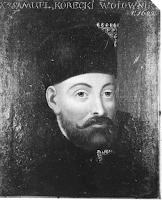
4th pulk - prince Samuel Korecki
Total cavalry numbers - 600 lances and horses
Winged hussars banners:
1. prince Korecki's own banner -150 lances
2. castellan of Kamieniec Podolski - 100 lances
3. Wrzeszcz - 150 lances
Pancerni Kozak banners:
1.prince Samuel Korecki's own - 100 horses
Light cavalry -
Lithuanian? Tatars - 100 horse archers
Infantry companies - total 300 portions
1.Wiadrowski - 200 portions
2.Ujazdowski - 100
Total pulk numbers - 900 lances, horses and portions
5th pulk - starost of Kamieniec Podolski Walenty Kalinowski
total number of lances and horses - 500
Winged hussar banners:
1. starost of Kamieniec Podolski own - 150 lances
2. Firlej - 150 lances
Pancerny Kozak -
1. Kalinski - 100 horses
2. Wachowski - 100 horses
Infantry
1. Starost of Kamieniec Podolski own Polish infantry - 100 portions
2. Starost of Kamieniec Podolski own Ruthenian infantry - 100 portions
total pulk number of lances and horse and portions - 700

Finally, Teofil Szmberg was nominated as the commander of all artillery (16 small field peices and some heavy muskets mounted on wagons ), while Stanislaw Trzebuchowski became the general commander of infantry.
Master of camp/wagon laager was Jan Odrzywolski.

about 3,200 men of this army were the so called 'state soldiers' and under the direct command of the grand hetman, while about 3,600 belonged to the private banners and companies owned and paid for by magnates and lords, esepcially Kalinowski and prince Korecki and their 'vassals' and partisans.
additionally, other private and mercenary units came streaming in to join the marching royal army between the 1 of Spetmeber and 12th of Septmeber, like the 800 soldiers under Stefan Chmielecki, who was a partisan of prince Korecki. Janusz Tyszkiewicz joined the army with 400 Cossacks and 200 infantry.
Then, there were the 12 banners of Lisowski kozaks or Lisowczyks - various sources Hurmuzaki and Miaskowski etc state different numbers, perhaps between1,300 to 1,700 most seasoned horsemen - - under Walenty Rogawskiwith very few retainers if any, but for their commander and officers retinues. They came late on the 11th of September, with a 100 horse banner of Slowinski,, and with another 150 horses banner of prince Zbaraski?.
In total, before the hostilities on the 17th of September the Royal army might have been circa 10,000 lances, horses and portions, and in addition perhaps 8-10,000 camp servants (the infantry was very small in number while cavalry companions relied on their service), that provided for horse fodder, food and herding horses.
On the 2nd and 3rd of September this army, already divided by politics and personal dislikes, crossed te Dniester River, without awaiting the troops coming to join them from the interior of Commonwealth.
On the 7th of September hospodar or prince Graziani join the royal army with as little as 600 Moldavians and mercenary Serbians (Graziani had promised 15,000 troops, but as we can see he failed miserably). Additional 400 Wallachians horsemen led by two captains broke away from the Ottoman command and joined the royal army.
On the 12th of September the entire army reached the old fortified campground near Cecora on the Prut River and on that date perhaps as many as 11,000 thousand lances, horses and portions camped at Cecora war laager. Instead of marching on to contain and besiege the Iskander-Pasha small Ottoman army at Tehinia/Bender, our grand hetman chose to await the enemy at the fortified war laager.

[1] army and war camp organization near the so called 'Gruszka' wilds (12 km east of Mohylev) Sept 1, 1620AD re , Majewski, Cecora, p. 142-45
Valete
