Showing posts with label Walery Eljasz Radzikowski. Show all posts

Sunday, December 31, 2023

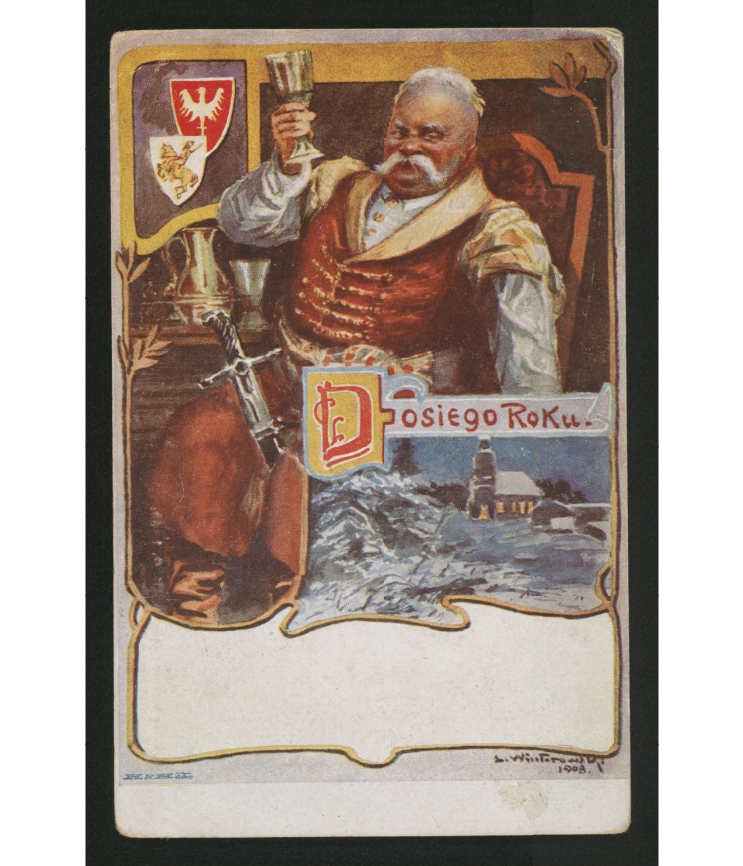
Happy New Year - Feliz Ano Nuevo - Do Siego Roku

Salvete Omnes,


last posting of this 2023 - the old year is about to finish its course..


I wish you  Happy New Year, Feliz ano Nuevo & Do Siego Roku 2024 - may pace return to the Holy Land, Africa and Europe. 


some old, a century old or more Polish greeting cards from Polona (Polish) National Library 

a page adornment from a book printed at the Maciej Wierzbieta's print shop in Krakow, 1585


enjoy 
Valete

Wednesday, January 25, 2023

Orava Castle and Juraj Gyorgy Thurzo

Salvete Omnes,


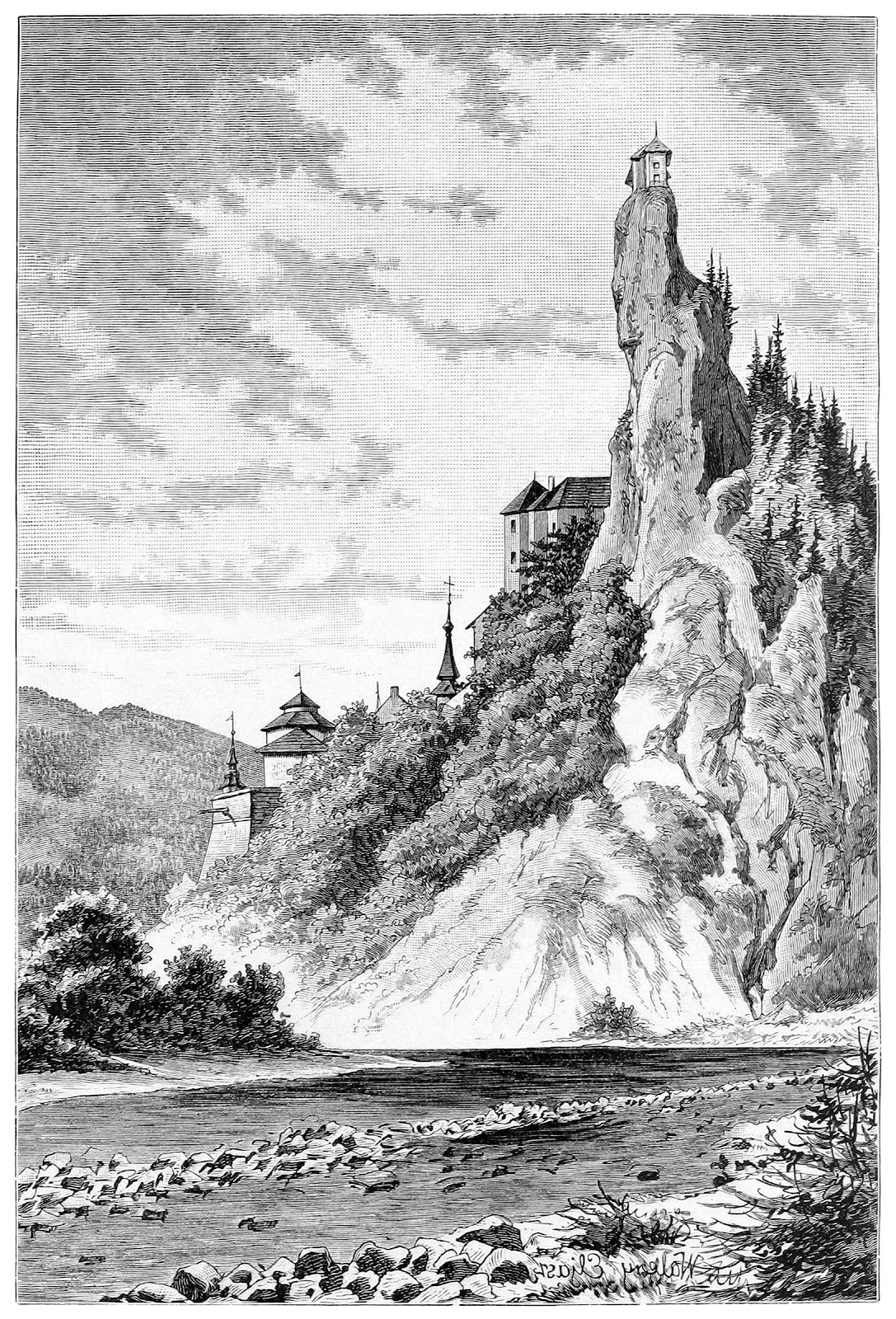
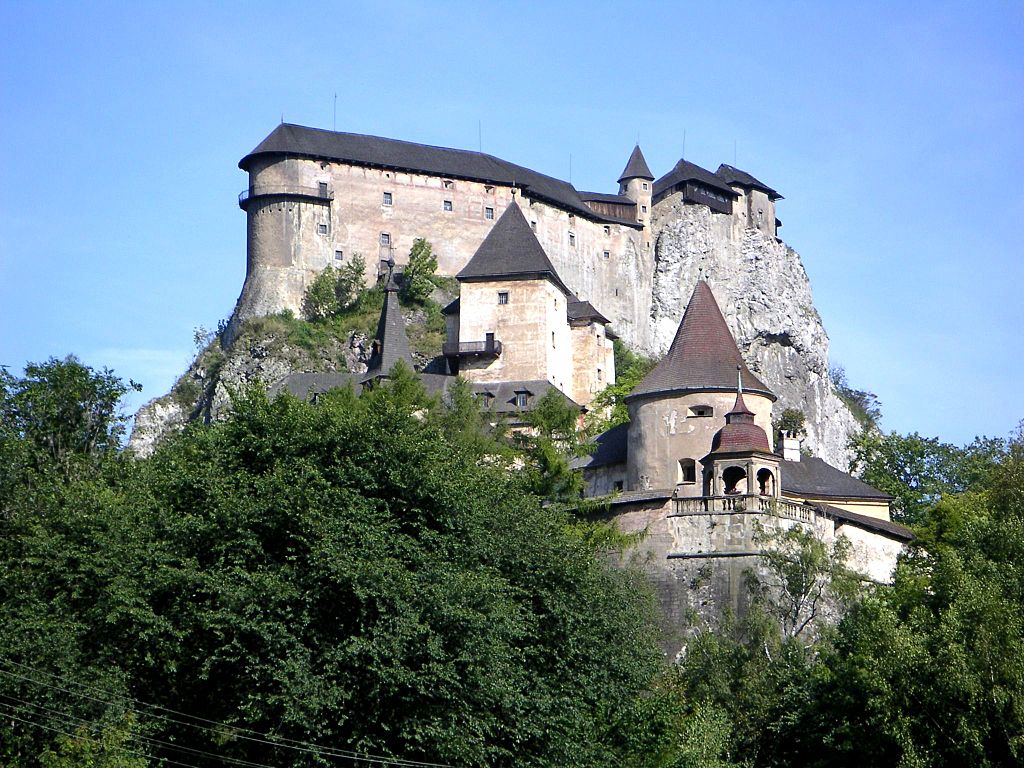
today we shall canter to one of the most picturesque places in Slovakia, where on a high rock above the Orava River there is a beautiful castle (very detailed history in Polish here). Known as Arwa or Orava, 


this castle became the seat of the Thurzo family, when Ferenec Frantisek Thurzo, a bishop of Nitra in Kingdom of Hungary, fell in love with a daughter of Mikulas Kostka/Kosztka,  left the priesthood and became thus the father of the Thurzo line from Orava.


The castle has inspired many artists - like our Polish Eljasz Radzikowski etc.

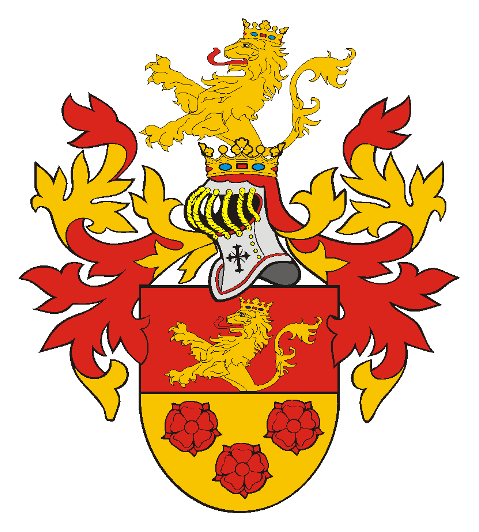
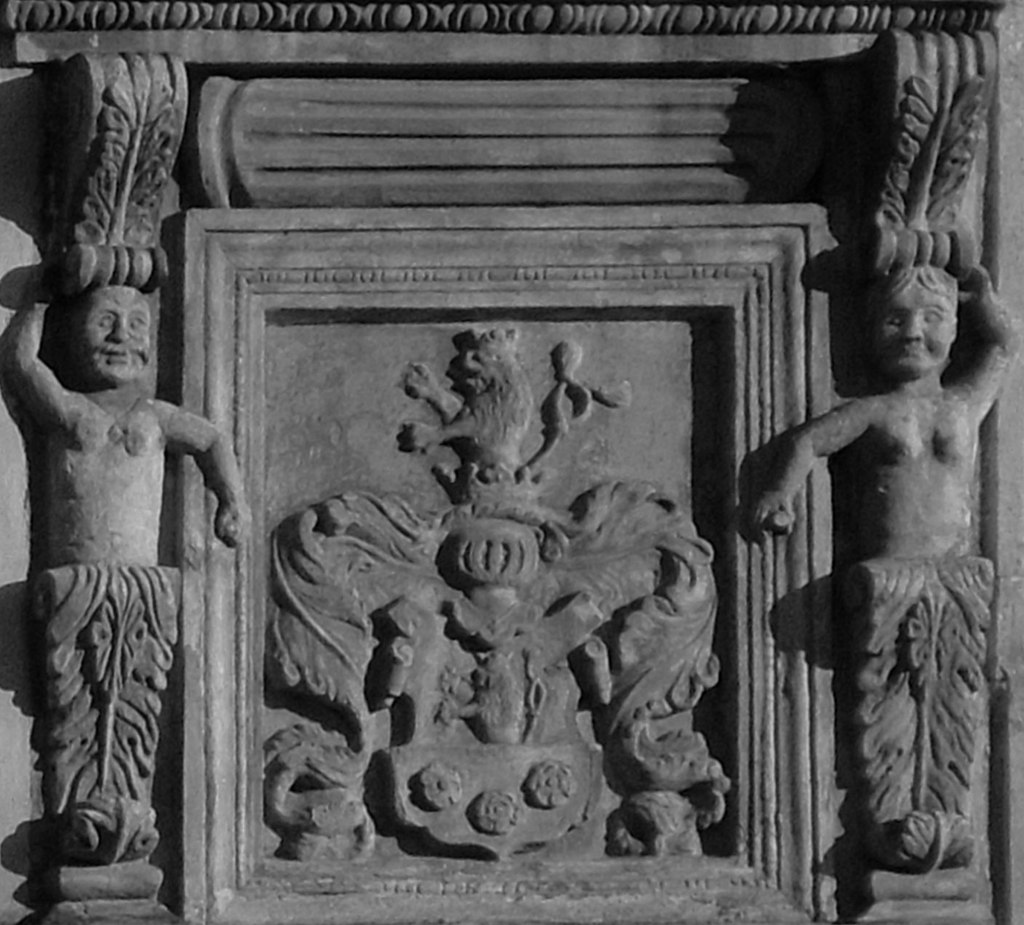
Thurzo coat of arms

bishop Ferenc Fratisek Thurzo coat of art, father of Gyorgy


Inside the castle there are some interesting and beautiful elements worth our glance or two...


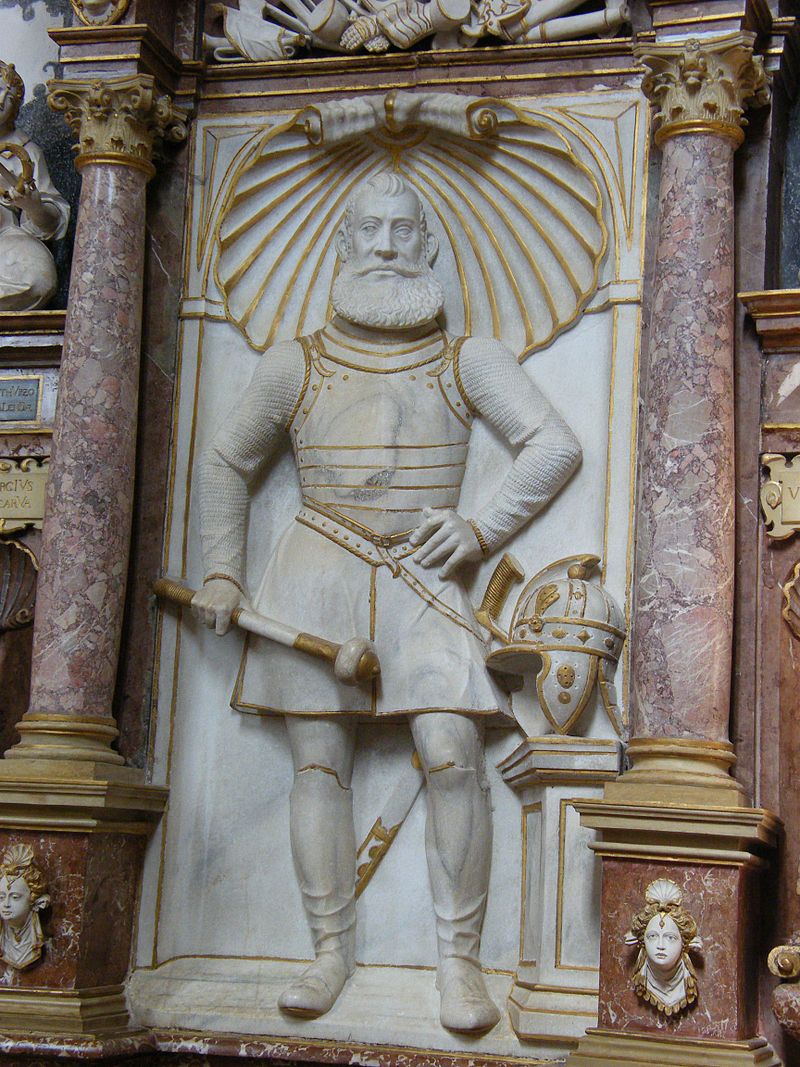
Including this funerary monument to Gyorgy Juraj Thurzo, a power magnate of the Upper Hungary as Slovakia was known then, and between 1609-1616AD Thurzo was the palatine of Hungary.


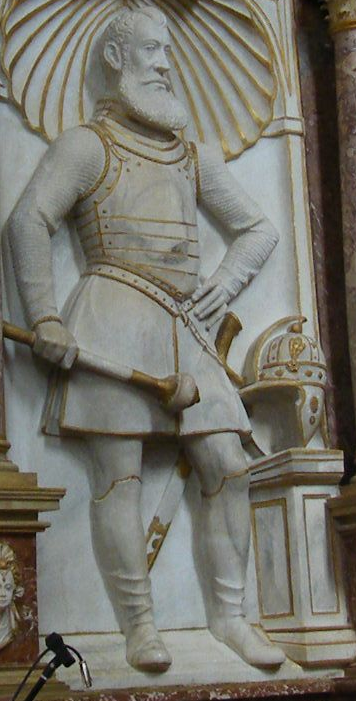
sir Gyorgy aka George was a famous warrior and commander. In this monument he appears as a winged hussar commander

a little bit of a side view

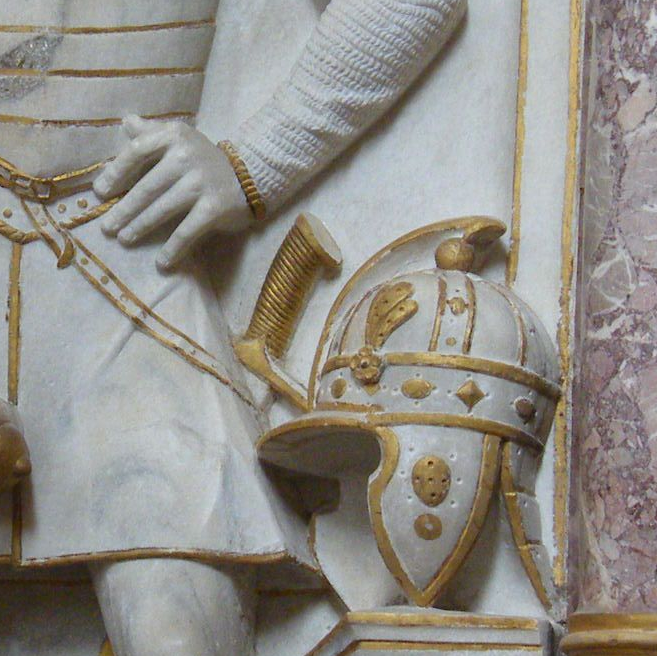
a closeup on the shishak helmet, sabre hilt and the sabre belt, and gilded finishing of his chain-mail sleeve


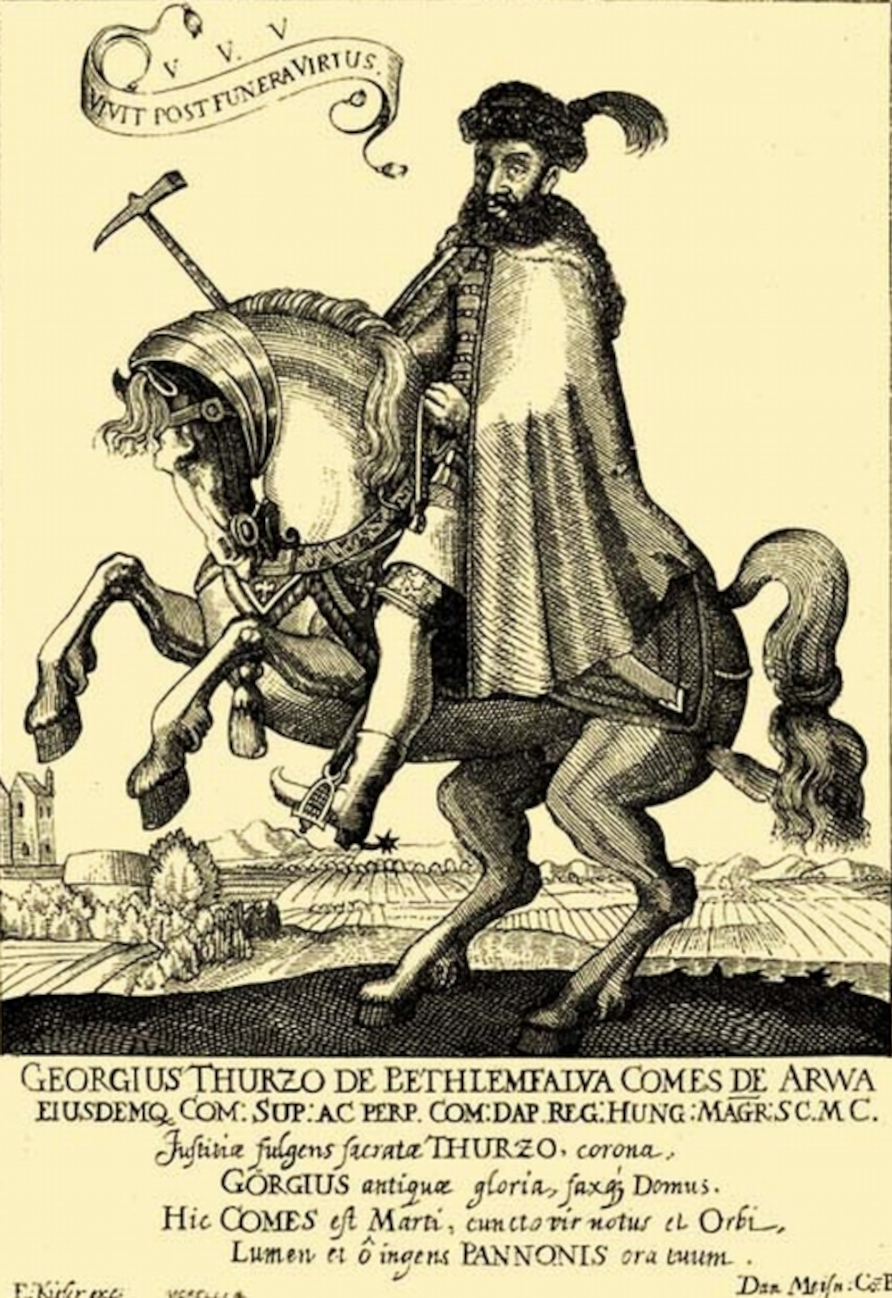
Comes Gyorgy Juraj Thurzo on horseback - a print from the XVII century

in this print we see the splendor of this Hungarian nobleman's horse gear and also a horseman pick, a weapon going back to the Scythians and horse mounted warriors of Eurasia


more photos here.

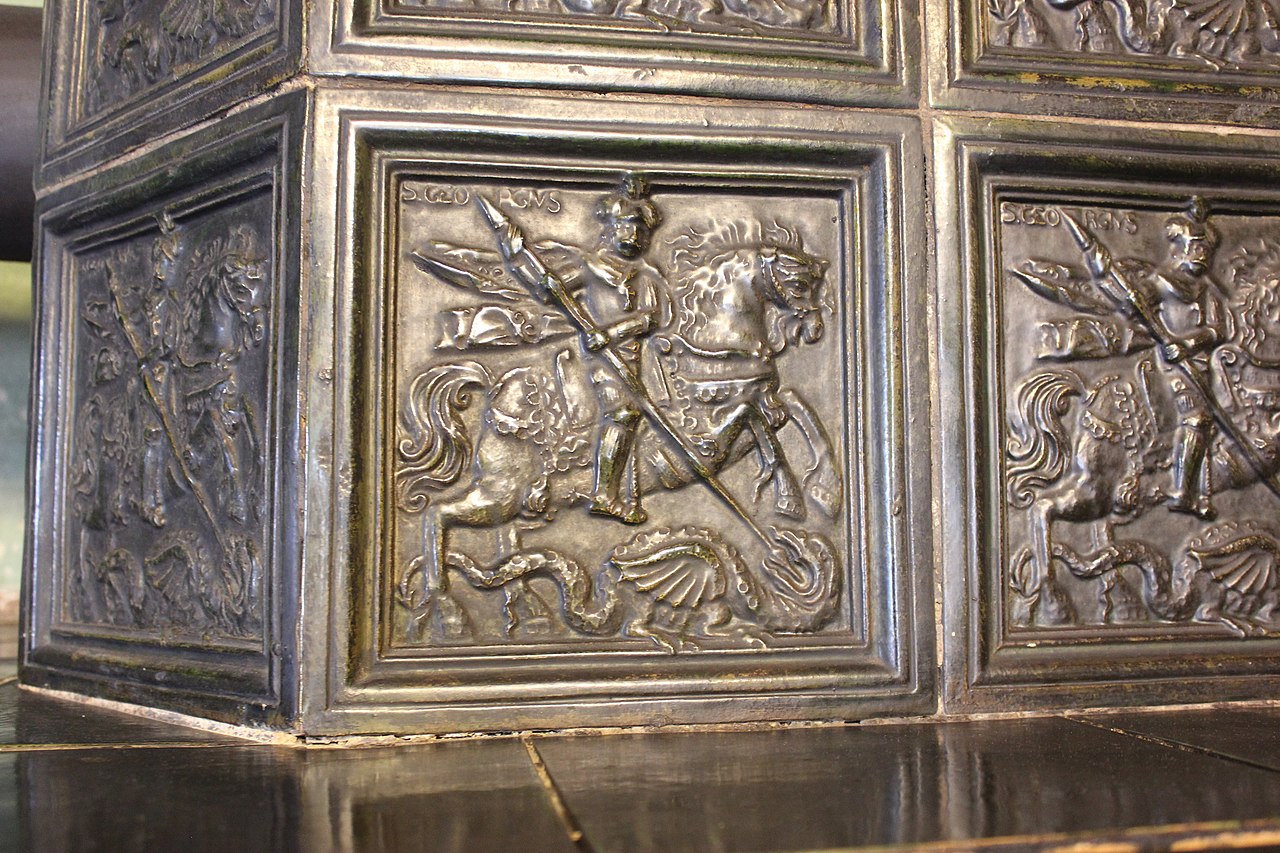
From the inside of the castle come this beautiful imagery of Saint George fighting the dragon,

Saint George appears to be armed and armored like a typical winged hussar of the period, 2nd half of the XVI, early XVII century 


while this detail above, of a wall painting shows a hunting scenes (with dogs, falconry, with a short boar spear chasing wild boar) ,  perhaps comes from an earlier period.

Valete

Saturday, February 23, 2013

Drawings at Archiwum Narodowe w Krakowie


Salve,
 Archiwum Narodowe w Krakowie (The National Archive in Krakow) has been digitizing their collections, and many of these drawings showing historical objects are of great interest to us, aficionados of horse, horse tack and cavaliers associated with the historic horsemanship.

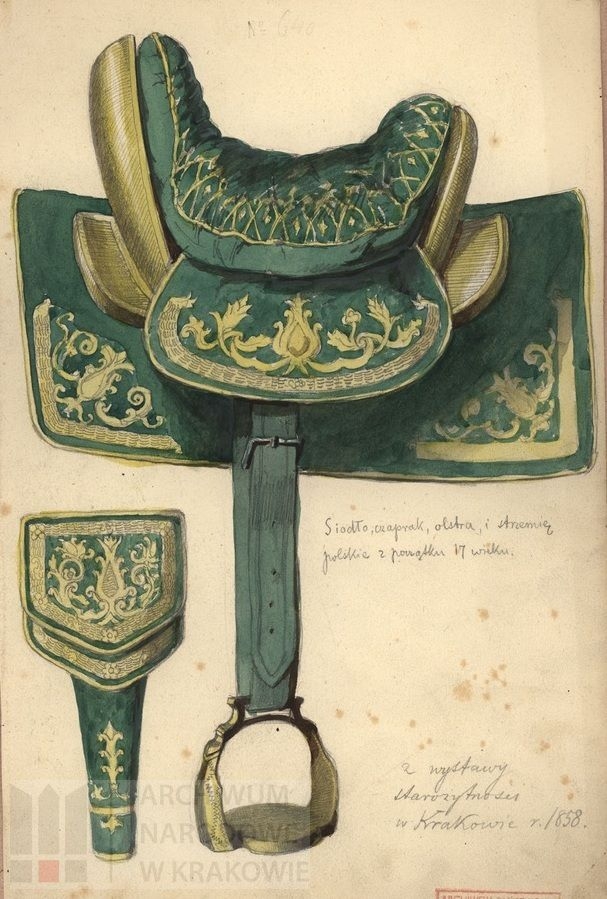
These coloured, watercolor and pencil, drawings showing horse tack were done by a Polish painter Walery Eljasz Radzikowski, prolific illustrator and painter of XIX century partitioned Poland. Here, samples of his work - paintings and illustration etc


.

.


First, the saddles . Here a saddle with a matching pistol holster

    For comparison  a photo of an actual XVII century Polish saddle from the Lwów Museum Przemyslowe (pre-1939)

   Saddle of grand hetman Stanisław Jan Jabłonowski - one image from the digitalized Cracow Archive drawing and one from a magazine print from XIX century, both by Eliasz-Radzikowski. Note the precious stones, gilded metal parts, perhaps gold thread brocade, wide stirrups,
here we have hetman's entire horse tack suit - the bridle  with its exquisite metal and precious stone work, while the curb-bit is of the so called Moorish type aka Morisco type

Horse tack of Jan III Sobieski
  metal net -part of the bridle and a horse tug - this particular style of horse head adornment can be seen in XVI-XVIII centuries art showing Ottoman Turkish and Polish-Hungarian horses and their tack.
 breastplate and crouper - metal 'scales' most likely gilded

Variety of horse tack: detail of the breastplate and crouper - imagine how it shone and sparkled with the sunlight, being gilded metal


 bridle (not throatlatch); breastplate and crouper -details


 crouper and a halzbant (hanging from its strap - part of the bridle)
 details of a bridle, entire crouper, detail of a breastplate


Curb-bits - details

 *
many thanks to Archiwum Narodowe w Krakowie for allowing me to share with you these great records of historic Polish (albeit Tatar and Turkish influenced) horse tack.