Showing posts with label dextrarius. Show all posts

Saturday, August 30, 2025

Horses from XV century San Sebastian piantings

 Salvete Omnes,

Spanish panel - Saint Sebastian and Saint Fabian

Panta rhei -said Heraclitus. So  August 2025 is ending, king of colder and rainier than ususal.
I always enjoy the XV century European art, especially paintings. 
Saint Sebastian (protector or defender against plague etc, patron of archers and athletes) was a popular saint of the Catholic Church during the period, many altar pieces had been painted during that great century, when Europe moved from chivalry to global exploration (reaching the Americas and South and Eastern Asia).

German altar painting from Nuremberg, 1487AD

a chestnut with a star & stripe, and a snip on its face (three socks are visible) , and a grey in a background. Horses have no forelocks

.

Master of the Holy Kinship the Younger painted this retable

grey horses, and one sorrel on the opposite side

German painting - perhaps  the very end of the century


.

Andrea Previtali - Saint Sebastian with a donor in a background

the donor is portrayed   training  his dextrarius , destrier being a  grey horse, while another destrier bay or chestnut horse held in the background by a groom.


enjoy

Valete

Monday, January 1, 2024

1st post of 2024 - let the new journey begin

 Salvete Omnes,


so we have made it to this brand New Year - 

and from the Tristan en prose manuscript circa 147 comes this illumination showing a lance duel between two Arthurian knights  - I have chosen this illumination for a sort of  'allegory' of the New Year' victory over the Old Year

Plate armor, lances, great war horses, saddles and harness including curb-bit etc


so the New 2023 Year  has sailed - let us hope it will be a good journey for all of us on this God given earth 

ps

for my Polish fellow-travelers - prof. Jacek Kowalski about Old Poland's Christmas Holiday Season traditions - from foods to carols.

Valete

Sunday, May 28, 2023

Maciejowski Bible & medieval aquamanile circa 1250 from the MET

 Salvete Omnes,


a little excursion to the field of beautiful art and horses in that field, this being the Medieval art naturally.  


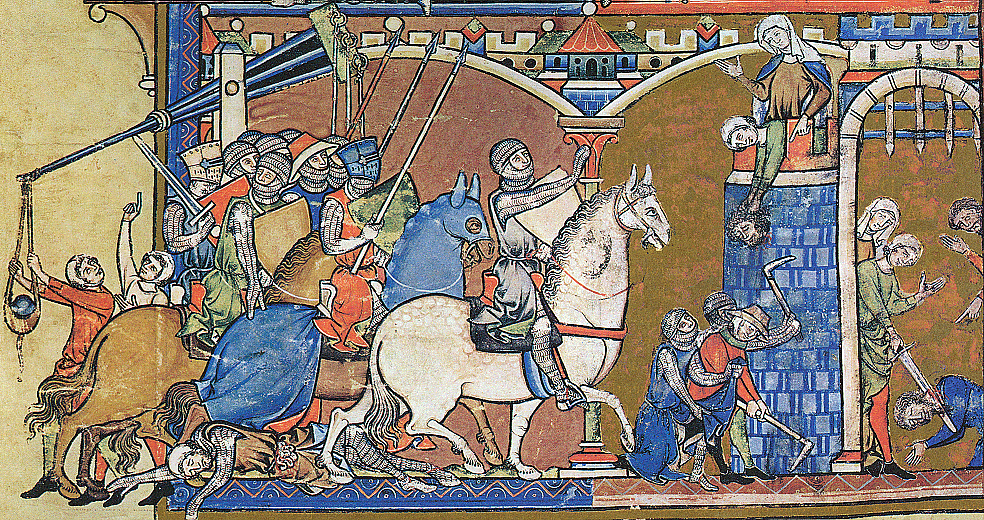
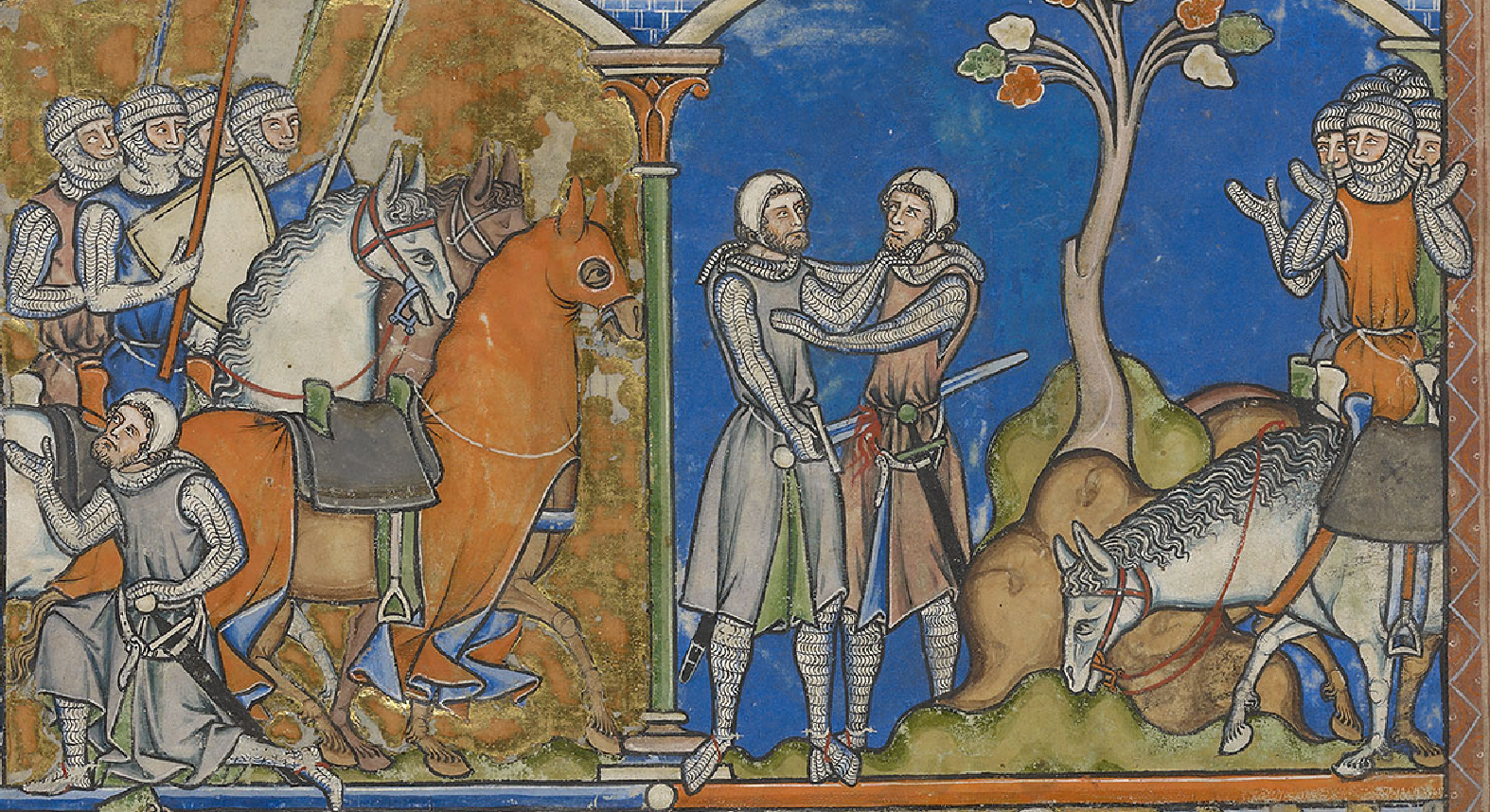
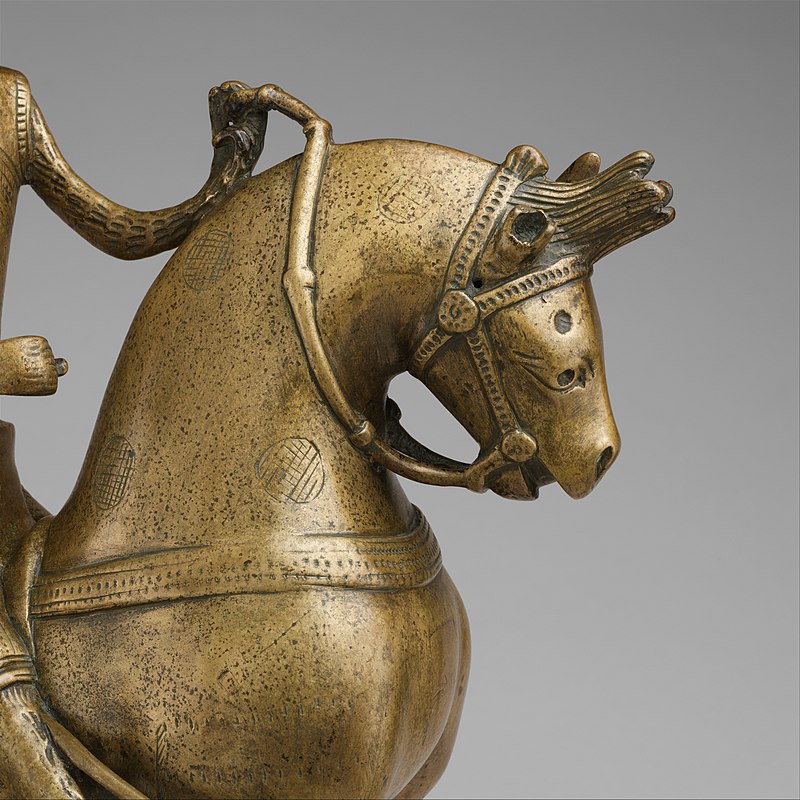
I love looking at the illuminations that complement the text of the Maciejowski Bible. Morgan Library's Maciejowski Bible ( created in the French realm for their saintly crusader king Louis IX, ended up in our Polish Kingdom and was a gift sent by our archbishop Bernard Maciejowski - Ciolek coat of arms - to shah Abbas I  of the Safavid Persia)  is just full of amazingly detailed imagery of that XIII century war horse horse & tack, weaponry and costumes notwithstanding.
so some examples for your viewing pleasures - violent as it may be.


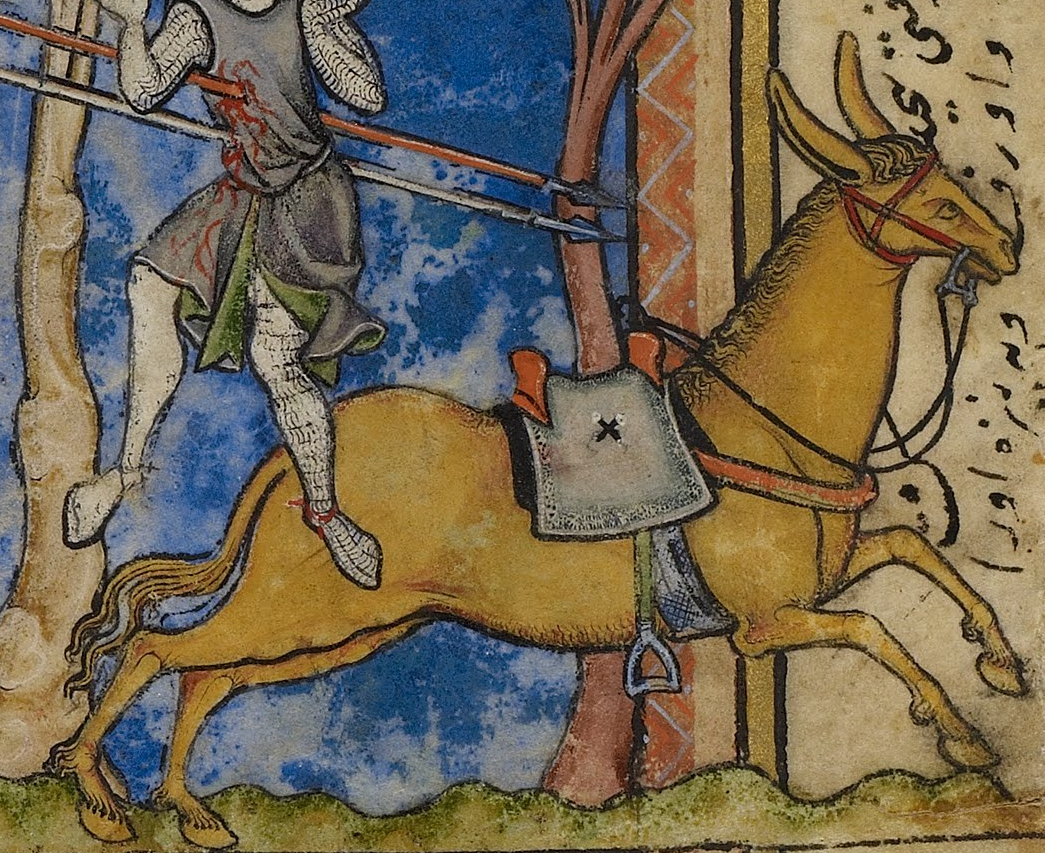
there are saddles shown in several illuminations, including a driving saddle and tack:


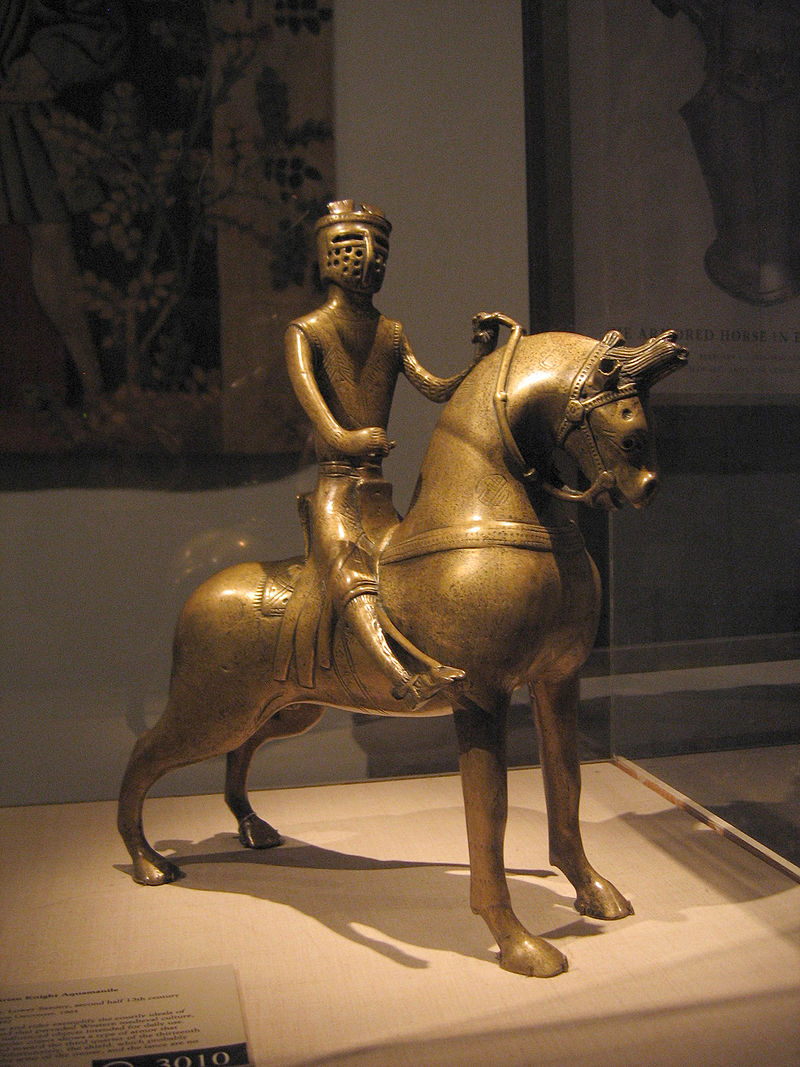
Now, the aquamanile is another beautiful manifestation of the Medieval art and life. Below one of the most splendid examples of this water vessel made within the Holy Roman  Empire during the XIII century.


The MET has this article devoted to the subject of metal aquamanile in general, and their own collections of those artifacts.
While this Medieval scholar presents this article on the hand washing vessel that was the most sumptuous tool to the proper table manners, be it at the castle and rich burghers' houses.


Now, I ran across this article - on  a medieval helmet  from Lucera, Italy. There is some great iconography at the end of this article, showing knights and often their horses.


and last but not least, the unusual aquamanile from the XIII century Azerbaijan to be found among the Hermitage collections, the vessel going back to the traditional Iranian-Persian ancient traditions - its history and provenience.
valete

Sunday, April 9, 2023

Happy Easter - Passion, Jan van Eyck & horses

 Salvete Omnes,


Christos Anesti (Χριστός Ανέστη) - Christ has risen -  Alleluia - Christians unite against the evils of this world - Wesołego Alleluja

Chora church fresco


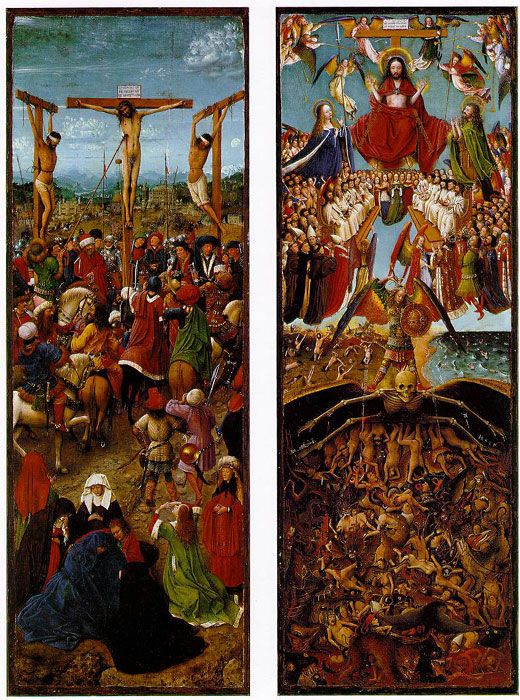
and with that happiness in the hindsight some Jan van Eyck's Passion themes


MET- Crucifixion and Last Judgement


 greatness of Jan van Eyck brushes 

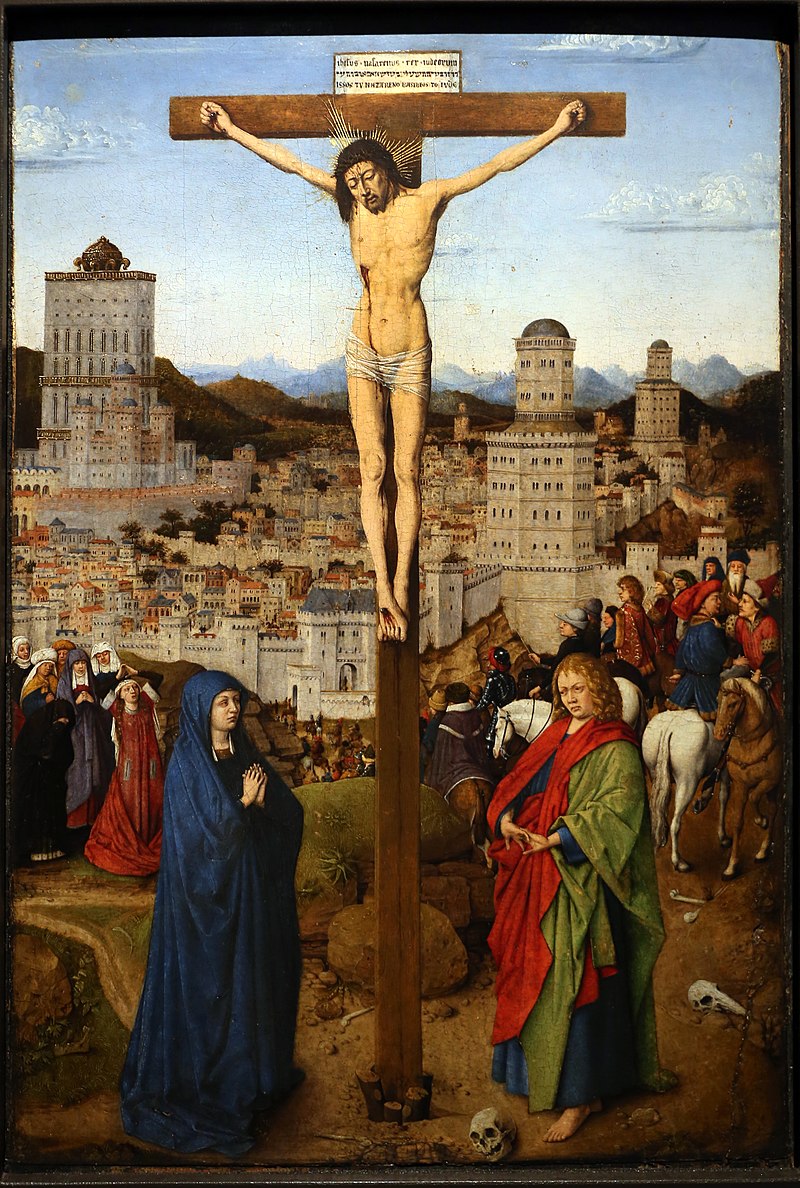
Venice Crucifixion


and another beauty - from Budapest National Museum of Fine Arts, Hungary -   painted after van Eyck's work in the early XVI century


All the best, health and joy, and may peace return to Ethiopia, Ukraine and the Holy Land..

Valete

Friday, January 6, 2023

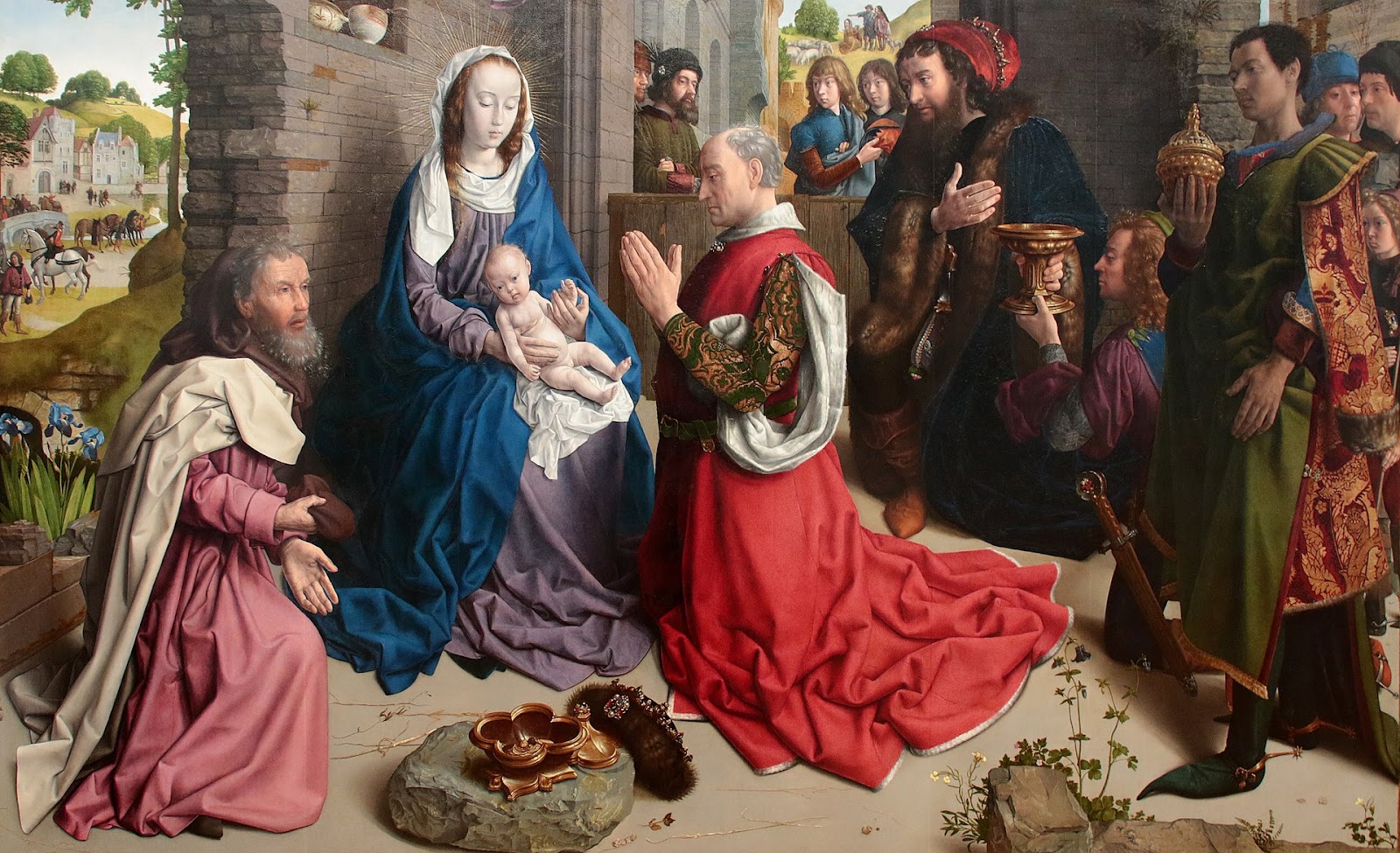
Hugo van der Goes - Nativity with the Magi

 Salvete Omnes,

so today we celebrate the feast of  Epiphany - and with that we can take a look at the splendid world of the XV century Christina Europe, and ... yes, yes the horses too. 

Monforte Altarpiece - a Northern Renaissance masterpiece by Hugo van der Goes


Maestro Hugo was very skilled in his trade, and his horses are of the finest sort painted during that great XV century anywhere in Europe -the riders and pages sport the high  fashion of the day, while our attention is drawn to a splendid gray warhorse led by a page.


spurs - splendid examples of rowel spurs of this period


enjoy your gifts if any given or just enjoy your day and the coming weekend

Valete

Saturday, November 5, 2022

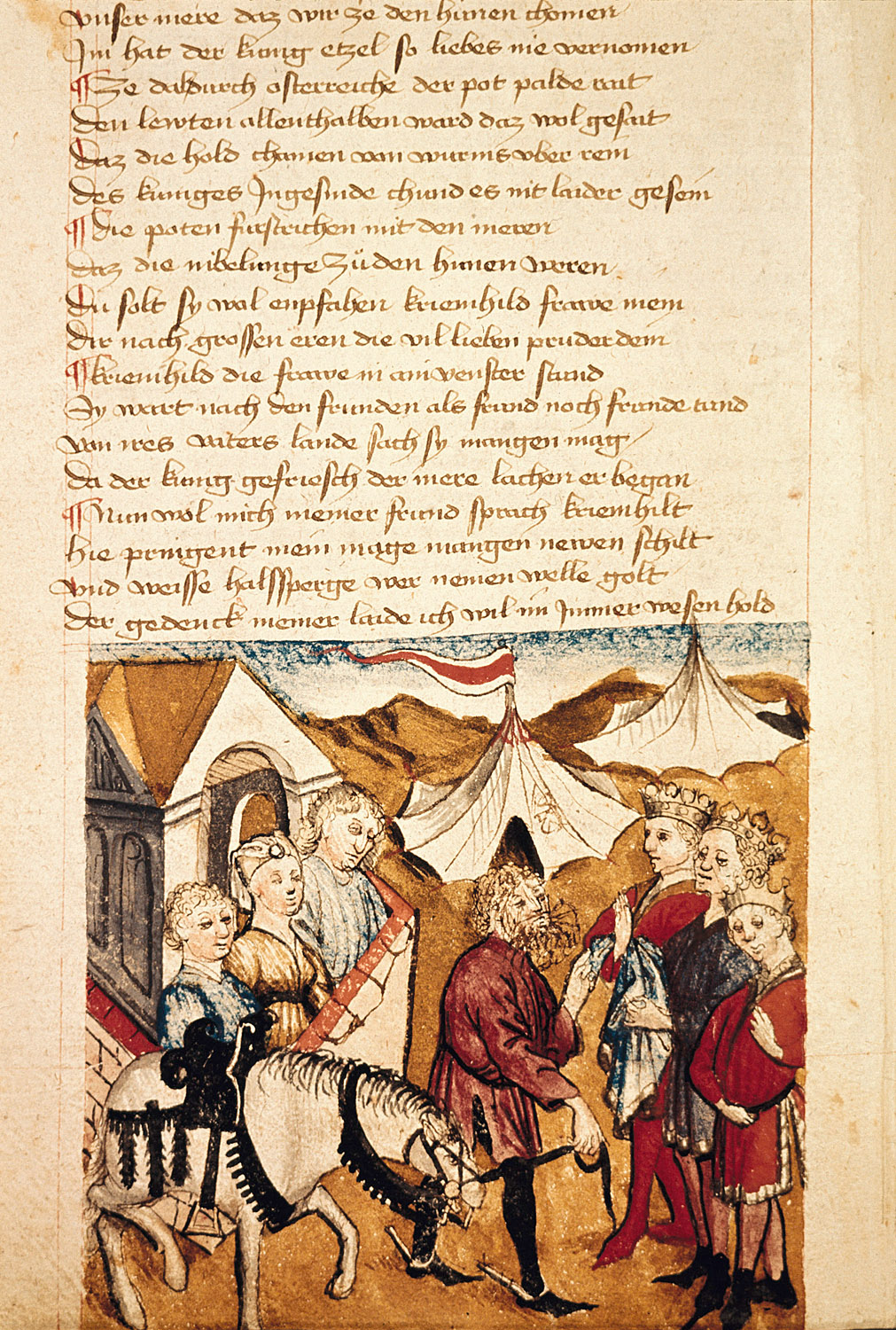
Hundeshagenscher Codex crica 1440AD

 Salvete Omnes,

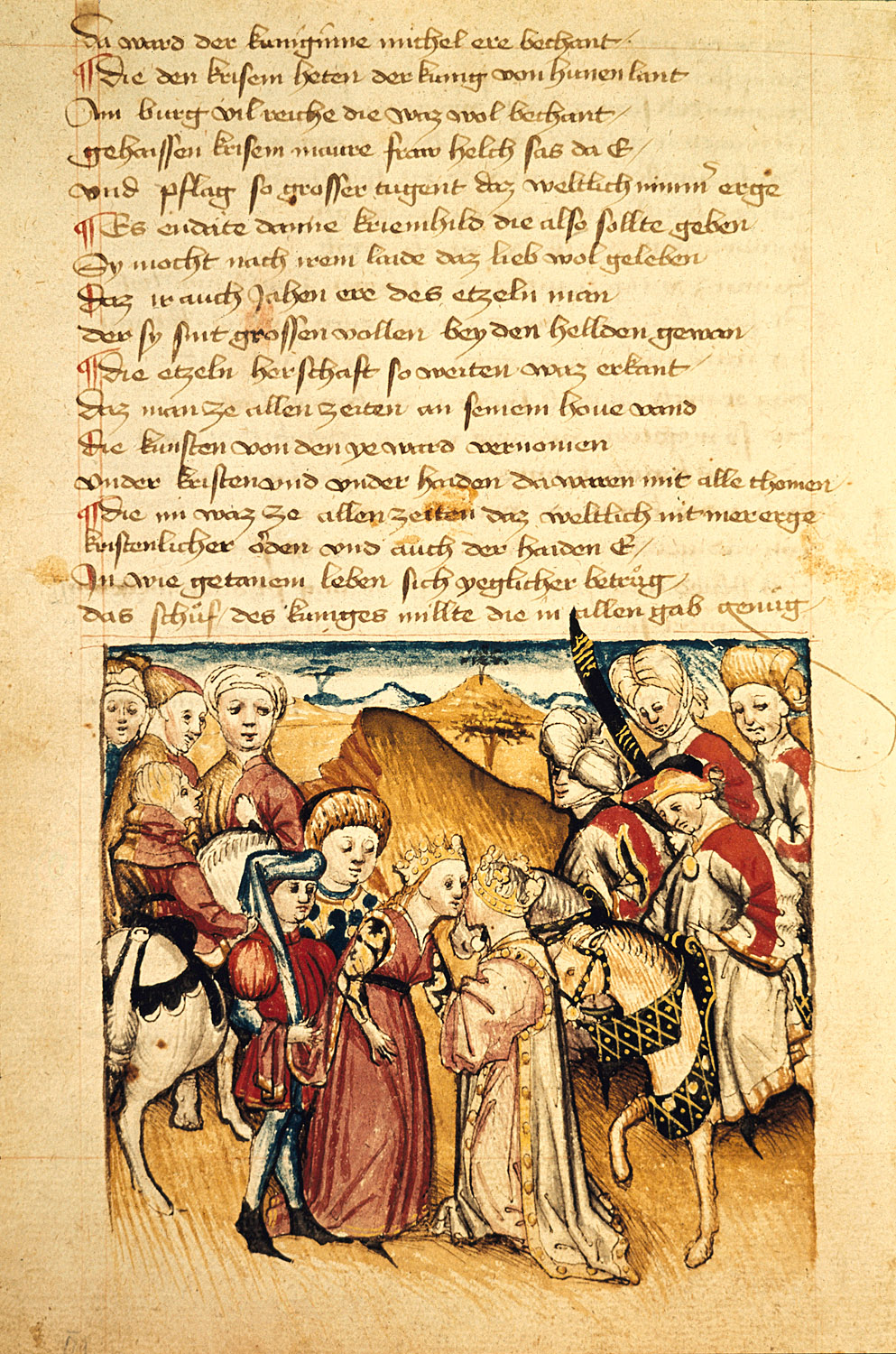
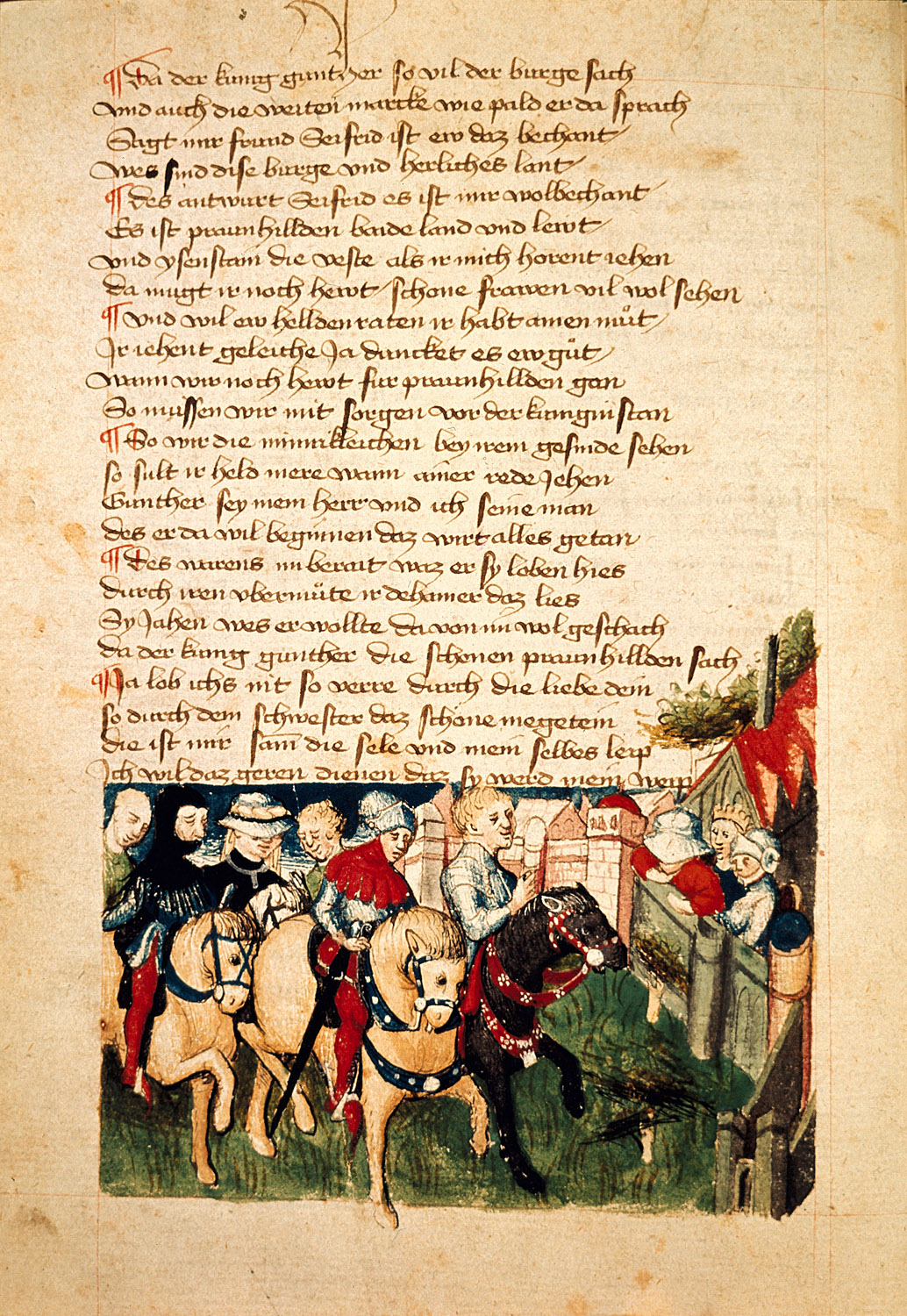
November evenings can be a longish affair for sure, so let us enjoy some high Middle-ages manuscript art from the German lands. And this 1440sAD manuscript  of the Nibelungelied or the Song of Nibelungs epic poem- and is wonderfully illuminated with XV century miniatures - full of vivid colors, complex scenes, and caparisoned destriers, warhorse, palfrey horses, tournaments, damsels, officials  and armored knights and ...other riders. 

The manuscript is held at the National Library in Berlin - nota bene it was named after a XIX century German librarian and art historian Helfrich Bernhard Hundeshagen, who actually worked on preserving and restoring this fine manuscript.


Valete

Tuesday, October 25, 2022

Battle of Agincourt 25th of October 1415

 Salvete Omnes,


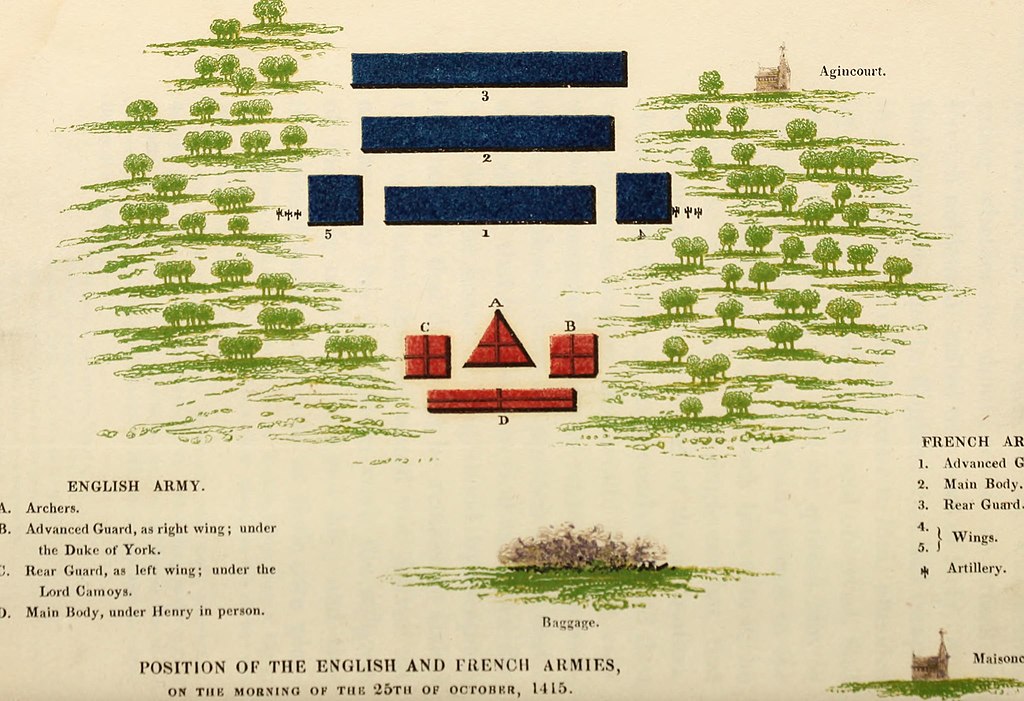
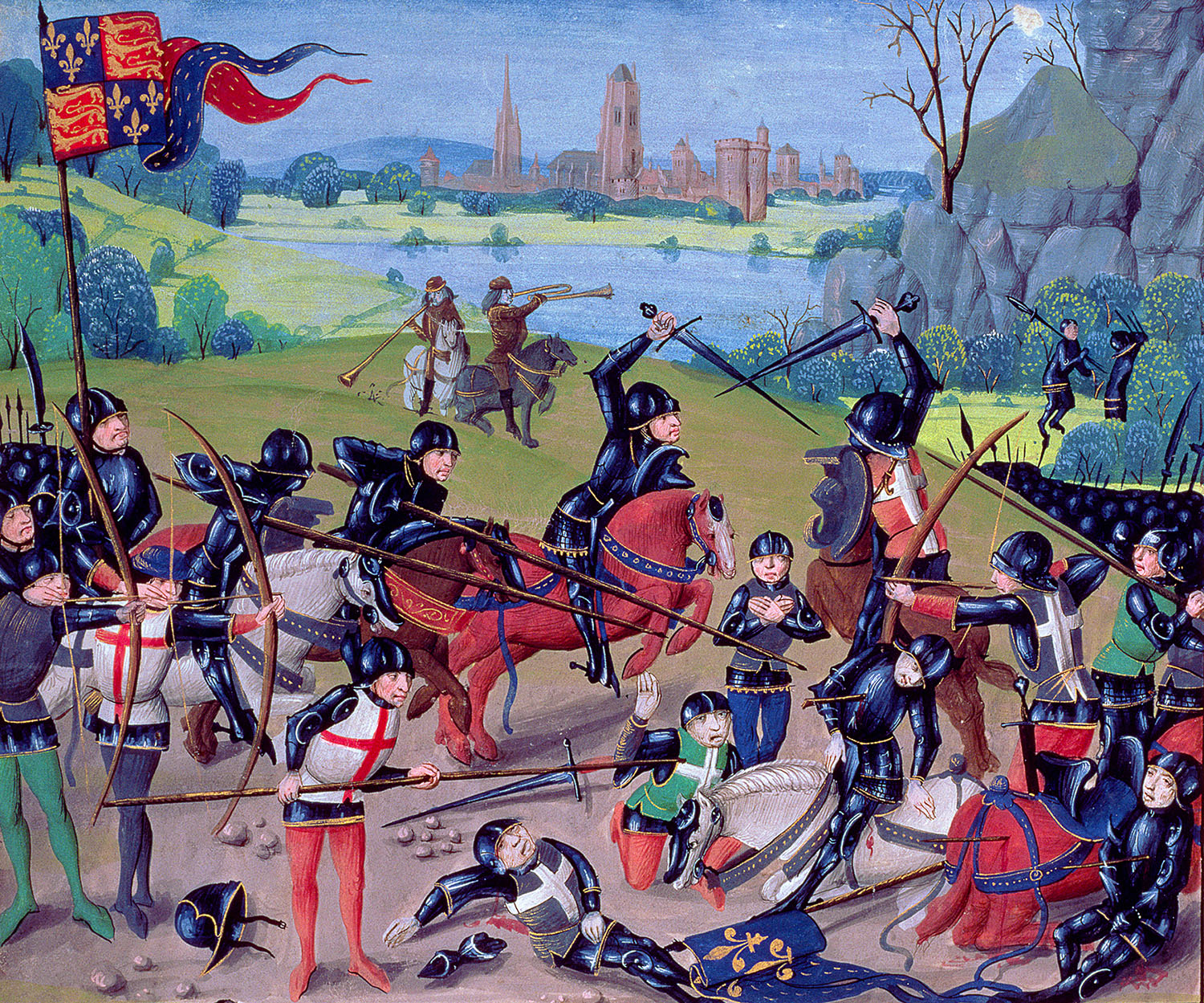
 today is the anniversary of the great French chivalry defeat from the hands of the English at Agincourt, France. Many thousands of knights and men-at-arms rode and then walked their destriers (dextrarius or war horse) across the freshly plowed and muddy field between two densely wooded forests into the volley after volley of the heavy Welsh/English bows archery, i.e, bodkins. And they died and still marched on and died some more... pride before dishonor one could say. But couldn't they chose more wisely the place and time to fight, instead of falling into the English trap? Master Sun Tsu could have said a word or two about this one, had he lived around the time..
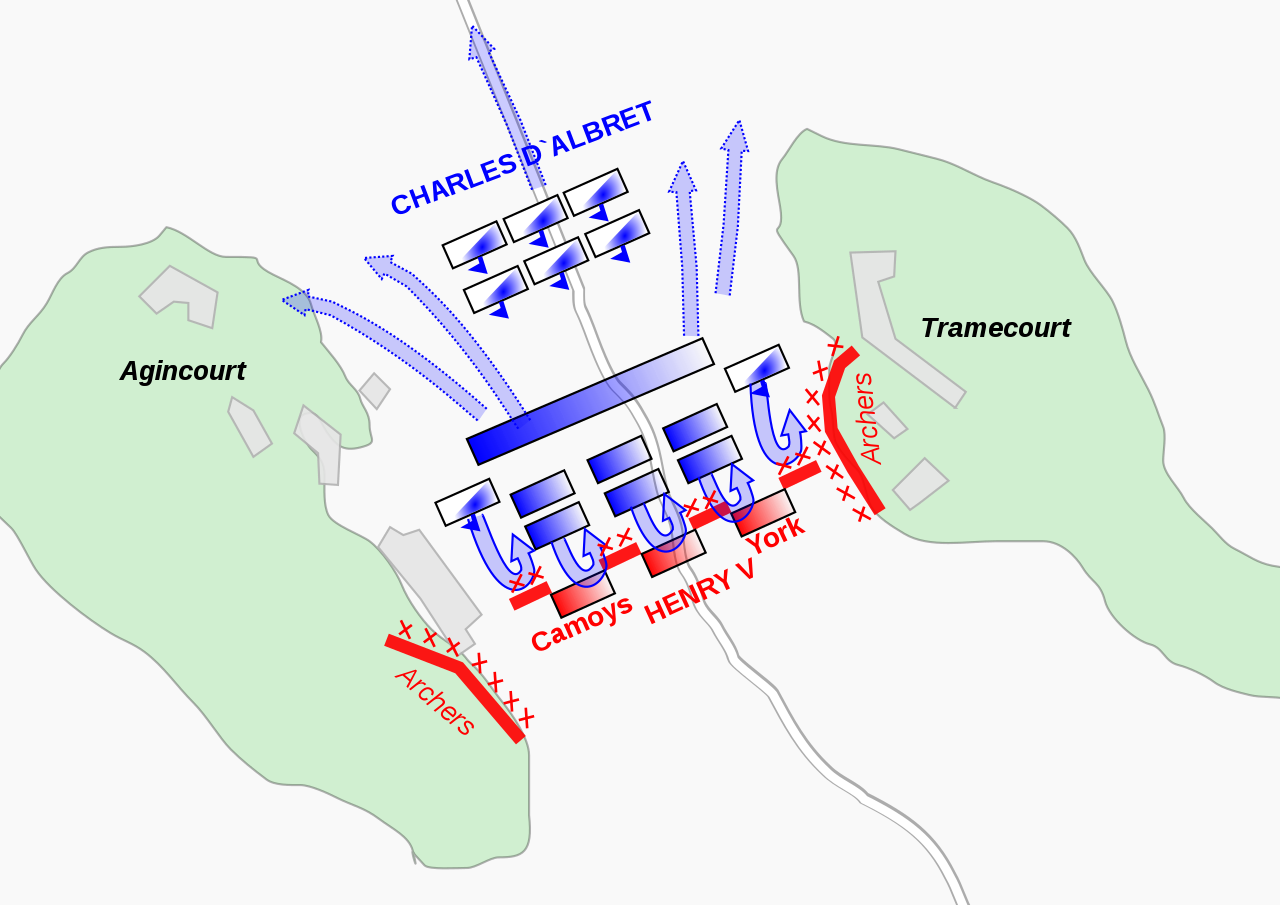


I have read many books on the subject,, bah, I have watched various  feature films about this battle (two based on Shakespeare, and one from Netflix) - and when the date comes around I think about that 1415 October day when French chivalry died in such great numbers from the great bow's war arrows and the merciless knives and swords of the English. The execution of the French men at arms and knight being held prisoner in the back of the English army, in several thousands at least, should be a day of enteral infamy and same for Henry V, king of England. 


Countless British & Anglo-American writers wrote copious pages on how to excuse this crime against the chivalric values and Christian norms and ethics.. C'est la vie. 


The battles of Crecy, Poitiers and this battle, spanning almost a century of conflict,  were the most famous and quite unusual English victories during the Hundred Years War between two realms. 


I must add I have always preferred the French side in this conflict, but I still read many historical research, desertions  and fiction books written from the English side, including some great historical fiction written in America.


But in the end the French prevailed in this struggle  - gaining some great victories  that when fought in more reasonable for cavalry conditions brought them success, but I must add the French also adopted the Welsh/English bow  and these archer companies became a feature of the French XV century armies (along with the heavy armored horse lancers or gendarmes).


Perhaps one day we will look at the hobelars in this war, and other cavalry types and their horse equipment..


and the reenactors today


nota bene, one fine British artist Graham Turner has painted many works representing the battle, its participants and the period military subjects  etc - IMHO his art contains some of the finest representations of the period, the historical  period and the very struggle that ensued in the muddy fields of Azincourt. 

Valete