Salvete Omnes,
end of this 2024 is near, but two days away, so to enliven our last days of the Old Year, a little story from the annals of crime and mayhem in the Old Polish Commonwealth, where even our famous lance cavalry aka winged hussars and Pancerni kozak cavalry were willing participants.
***

So here the today's entry from the famous work by Wladyslaw Lozinski, Prawem i Lewem
in the Old Polish law a zajazd (foray) was supposed to have been an enforcement or execution of the king's court order/verdict conducted/carried out by the winning noble party, sanctioned by the king's representative, the starost (starosta - or castellan/constable) of starostwo (district jurisdiction could more or less covered a powiat - a county). A foray party could include the winning or order holding noble with his or her noble supporters, their retainers and servants, but also their peasants and even hired Cossacks and/or warbands of roaming the borderlands Tatars, Vallachians, Gipsy and Carpathian mountain shepherds etc. In case of a magnate such foray band could include who companies of soldiers, including private army and even the friendly cavalry or infantry units, whose commanders and companions had been asked to participate by the foray organizers.


Ideally this legal action was to have been done only after the refusal of the losing party to submit to the court's order/verdict. In reality it was done when one of the adversaries/parties before a king's tribunal felt stronger or even brazen enough to conduct a foray, which in actuality often could become an armed raid that pillaged, robbed and burned, harvested the land, kidnapped noble family members, servants and peasants & their animal stock, and even cause homicide among the servants and/or noble owners of the forayed estate(s).
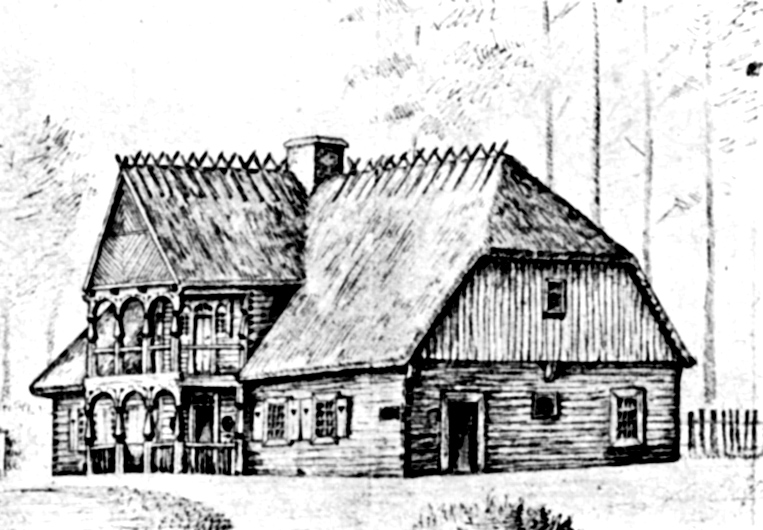
we travel to 1604AD, when a nobleman Kasper Wielzynski of Temerowice (Temerowce (?)) organized a foray against the estate of Olbracht Odrowski (Odorowski).


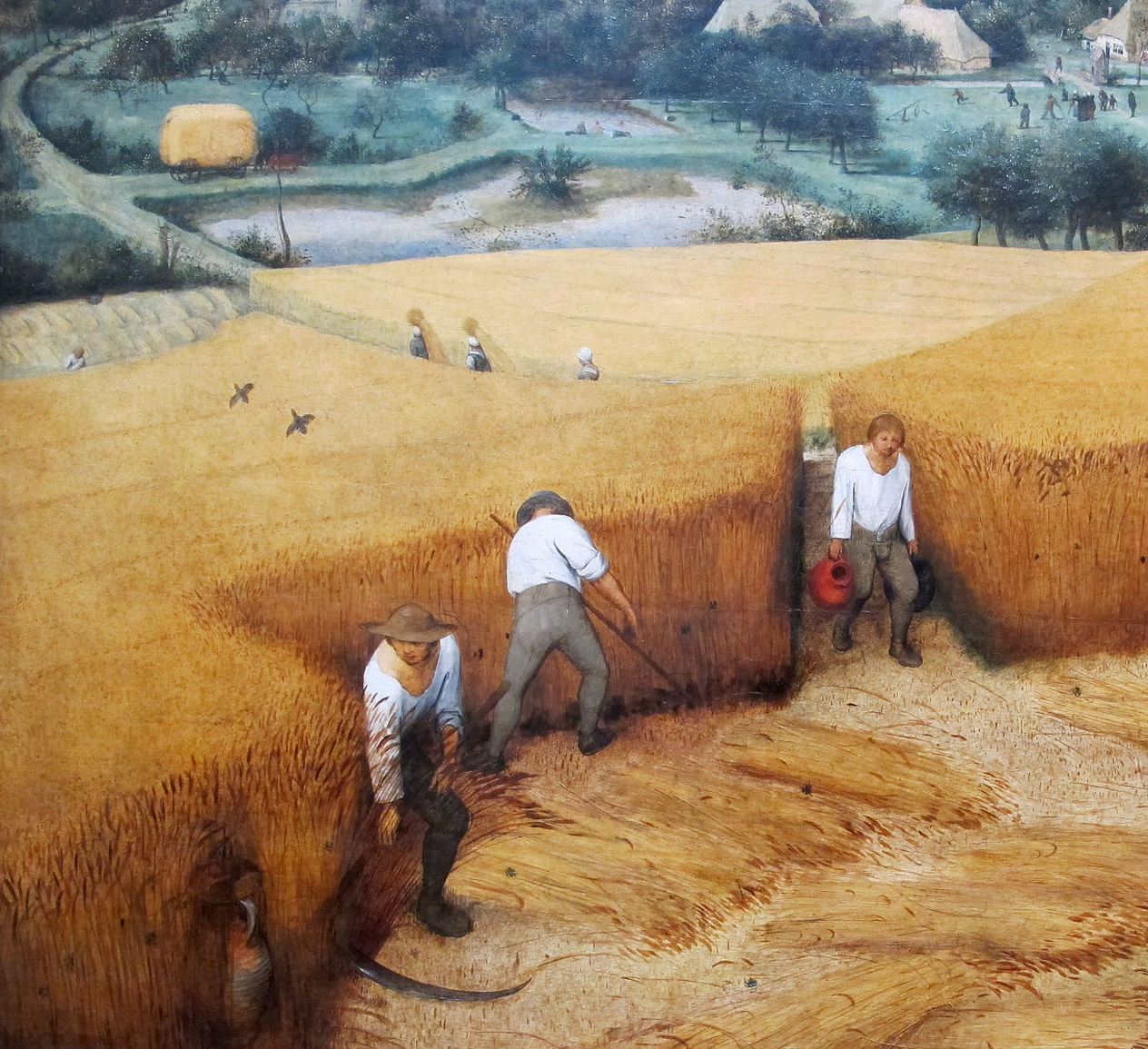
Our pan Kasper, perhaps Nalecz coat of arms, gathered a number of winged hussar companions with their retinues, pancerni companions with their retinues, other noblemen, a number of hajduk infantry, even field artillery pieces and heavy muskets carried on wagons. Also he brought a 100 peasants with sickles, scythes and tools to harvest and gather grain from the fields of his adversary. The whole foray contained 100 wagons to gather the spoils.
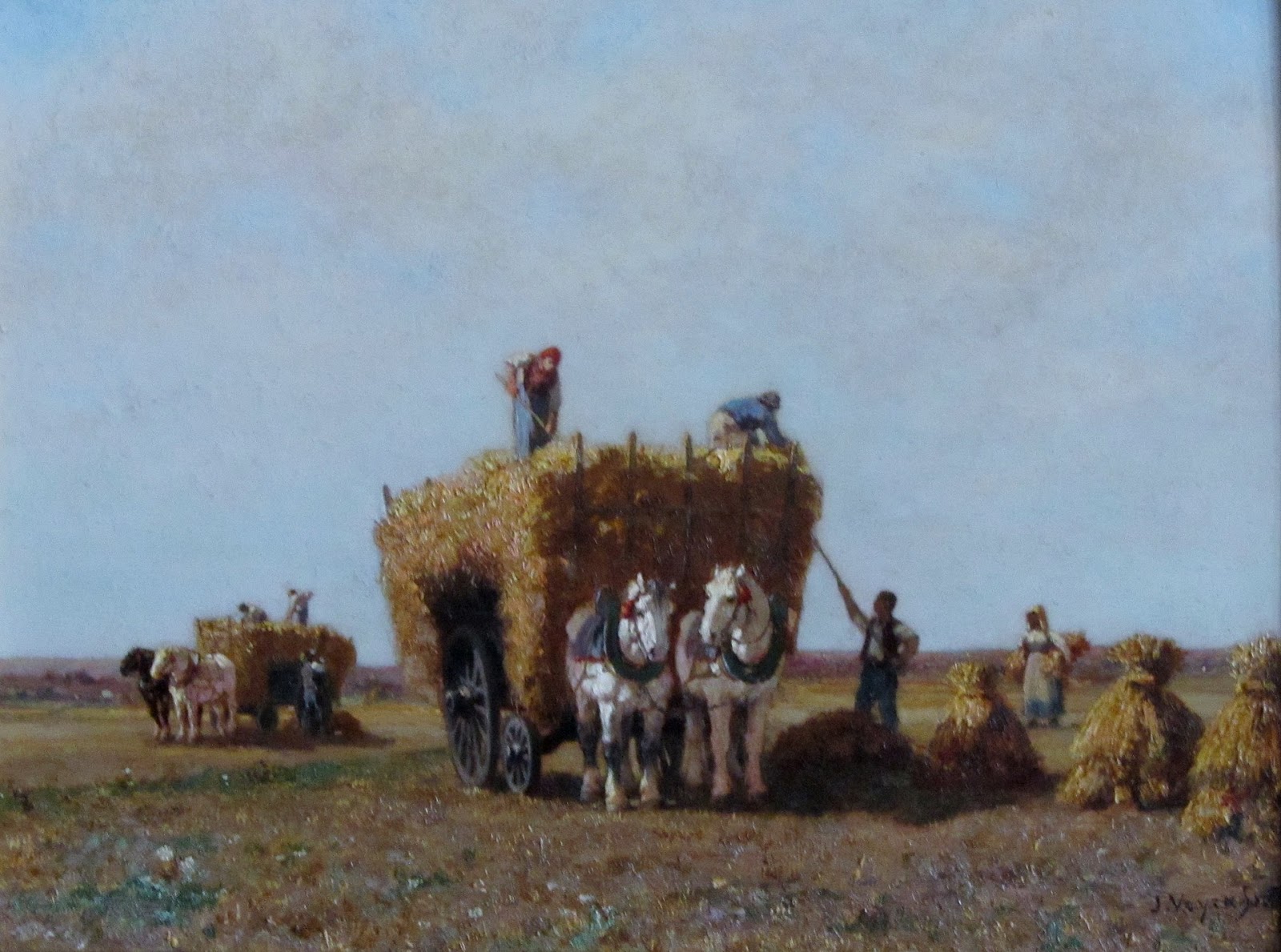
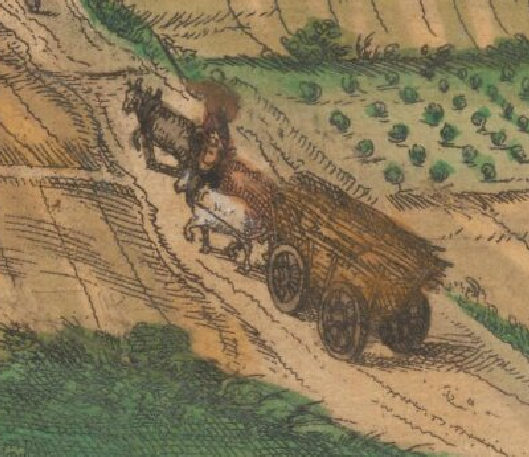
The foray entered the fields of Medynia in fully ready for war, panoply and guns blazing, while his peasants immediately started to harvest the fields and load the wagons with the reaped grains.
Brother of Odrowski, one Bartosz, who was present in Medynia sent a friend and nobleman, Eustachy Zylinski, on horseback to parley and dissuade the foray from committing their numerous transgression and acts against the owner's estates, but this envoy was threatened and he hastily retreated into the villages' manor. But then a company of 30 lancers/winged hussars charged the unprepared defenders of the village, while the associated pancerni retinues flanked hussars' charge and fired on the escaping defenders and thus took the buildings, including the manor.

Bartosz Odrowski was taken prisoner, kidnapped back to Temerowice and came close to getting murdered. The foray party pillaged the village, trampled the fields while collecting a 100 wagons of grain, and eventually retired taking the cattle and herds of livestock.


So, to our surprise the Halicz court chronicles noted the winged hussars presence in this foray. Our Lwow Land historian Lozinski did not explain nor provided additional detail, including the outcome of this legal case between Wielzynski and Odrowski.
Froum other sources we known Wielzynski would became a lowczy ziemi lwowskiej ( Lwow district master of the hunt), while Odrowski was a soldier and king's captain in the Khotyn War of 1621, - nota bene the said Odrowski, then a rotameister or captain, was named 7 times in various court complaints for his pancerny banner pillages and mayhem during the king's campaign of 1621 in Red Ruthenia and Podolia - the Khotyn war)


for my Polish readers I am including the appropriate pages from 'Prawem i Lewem' Wladyslawa Lozinskiego.
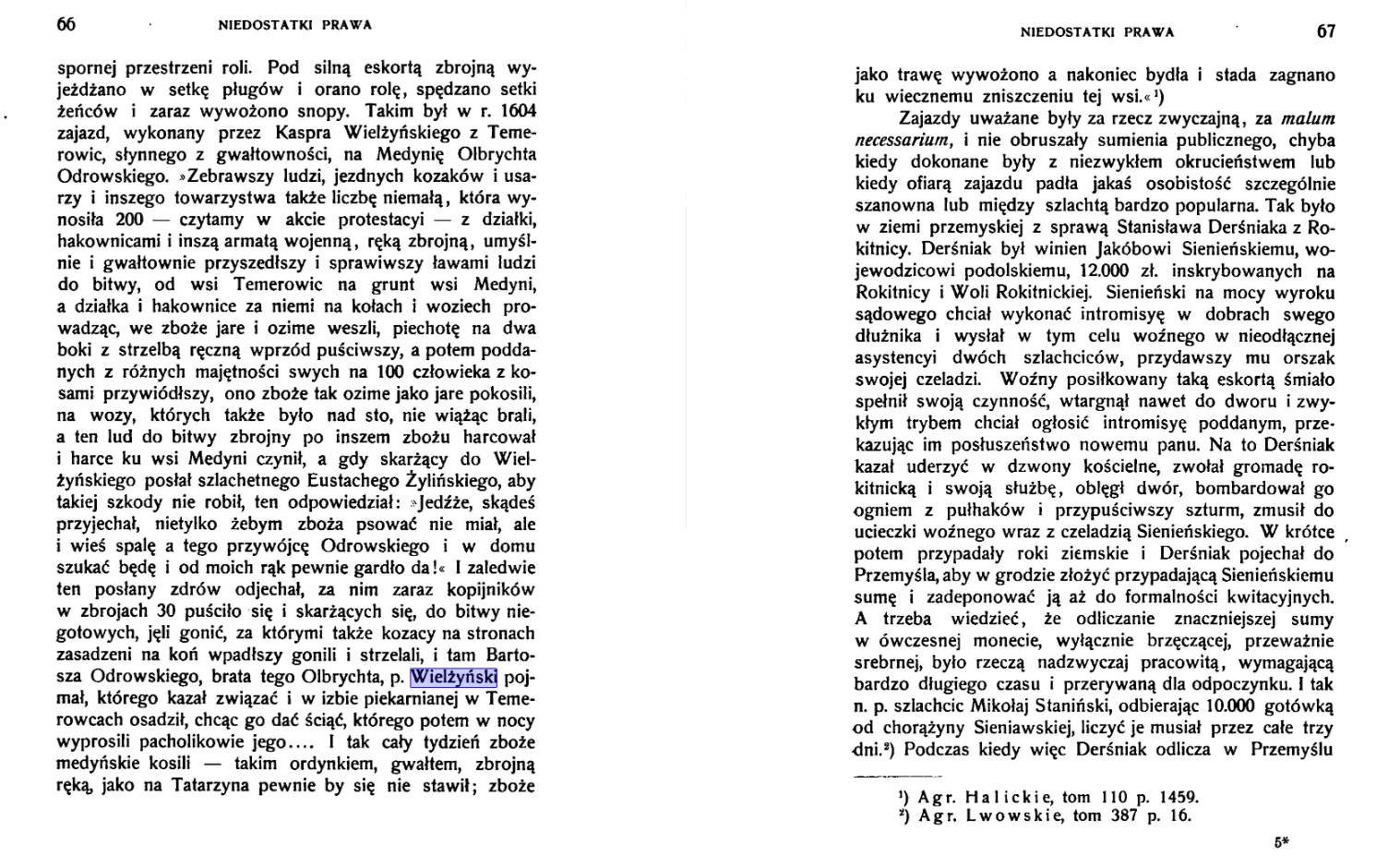 |
| Prawem i Lewem, zajazd pana Kaspra z husaria |
in 1637 the main actor and spiritus movens of this foray, perhaps to pay for his sinful life was supposedly the founder of the Discalced Carmelite nun monastery in Lwow ( in today's Lviv there is a church, saint Agnes Church, the remainder of the Carmelite nun monastery liquidated by the Austrians in 1782AD).
 |
| o zalozeniu klasztoru Karmelitanek we Lwowie |
ps
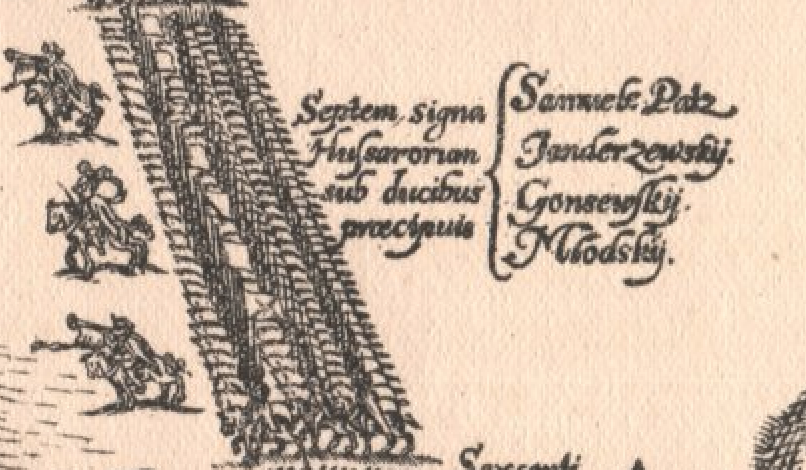
small detailed images come from the Swedish print showing the battle of Walmojza, already a subject my my previous postings,
Valete