Salvete Omnes,

there is a idiomatic saying in Polish - 'Kowal zawinil, Cygana powiesili '- The blacksmith was the guilty one, yet they hung the Gypsy.'
So today we are in for a little excursion into the world of Europe's wandering peoples of the olden days , prior to the XIX century - the Gypsies aka Roma people - and my mussing on the subject are illustrated with he European artworks.
In the Polish language a Gypsy is Cygan/Cyganka (man/woman), while the Gypsies are Cyganie or Roma.


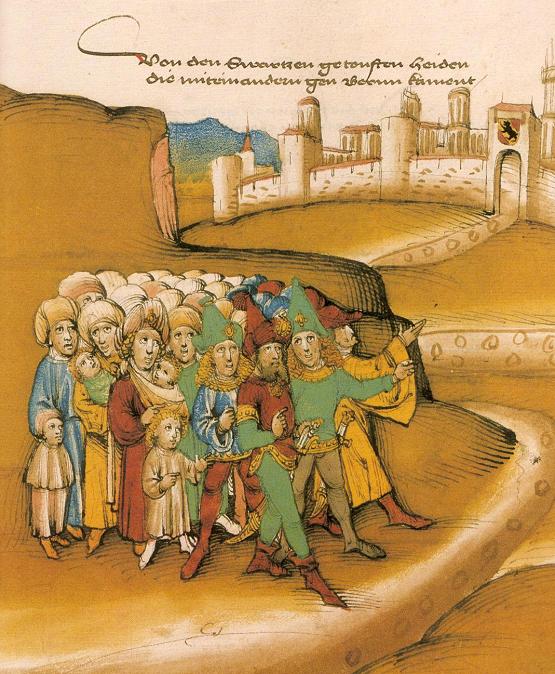
This posting is mostly within the Polish history - from the earliest known period when the 'Carpathian' Gypsies had entered Polish Crown lands to the partitions period-1815AD.


In the Old Poland the Gypsies were wanderers, people of the road, who by the nature of their undefined status and peculiar way of life were always related to horses, trading in horses and cattle, driving wagon and repairing them, while their women would often play roles of fortune tellers and ... prostitutes, especially plying their trades during numerous fairs and markets across the lands of the vast Polish-Lithuanian state. They became notorious for their perceived lawlessness and petty thievery, horse and cattle rustling, and thus blamed for all and any mischief and crimes taking place in the realm, often with tragic consequences.

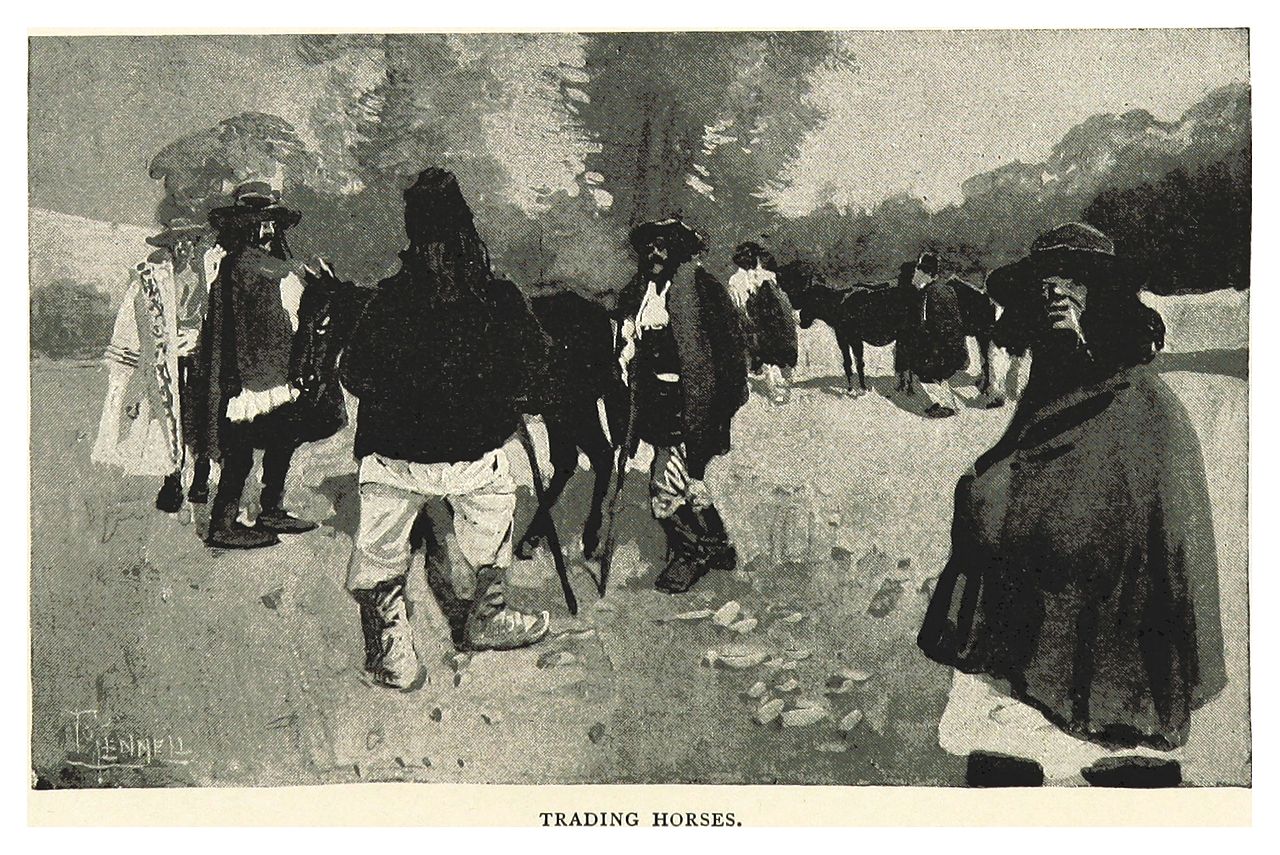
When the Gypsies came to Polish realm -
well, some Polish historians say that around the early XV century the Roma/Romani people came to cross the Carpathian Mountains separating Polish realms and land south of them, perhaps both via Hungarian kingdom and/or the Bohemian Crown (nota bene in the French language they are actually called les Bohemiens), some of the Gypsy going north and north-east into Polish lands and some into the Holy Roman empire and further west, eventually ending up in Andalucia with the Carlos V, and then came the flamenco and the rest of the gitana music and art - :).

One of our XVI century Polish chroniclers, himself a noble hussar-soldier, pan Marcin Bielski wrote, in his Universal Chronicle/Chronicle of Poland, that the Gypsy came in the year of 1417AD. Apart form many negative traits and characteristics, the chief one being a skillful thievery, pan Bielski presented in this paragraph of his Chronicle, he also wrote that they traded in horses, could skillfully work various metals , from gold and silver to iron and copper, make many tools and repair them etc.

According to Polish historians the wandering Gypsies did try or had to settle down for the winter or long colder weather periods, and had to obtain permission from the land owners, town owners or town magistrate in order to set up their rather very temporary huts. For some small personal specialized services ( the rural communities always needed like repair of metal tools, fixing of pots and pans, or simple field work or forestry woodworking) the Gypsy communities were able to dwell somewhere, albeit beyond the village's or town's common borders. Some of them weer skilled in making tar and other wood related products , thus they lived in forests or on their edges (up to the XIX century Polish land were very forested ), exploiting the natural riches of the land for the landowners and their own benefits.
During the warmer months of late spring, summer and early autumn the clans and /or family bands took to their wagons, those wagons being small vehicles (unlike the XIX -XX century ones), pulled by one or two horses, and wandered in search of work and opportunity, most likely along the routs already known from their previous journeys, perhaps set up according to the clans' agreements and well thought through.


Their small children rode in the wagons, while adults walked about the caravan, and many of the Gypsies had no wagon nor horse, being very poor, thus carrying their meager belongings in hand or on their backs, using copious blankets and cloaks. It is agreed that those small wagons always had tar-impregnated canvass coverings, offering protection against the elements, and perhaps becoming tents at night when camping .


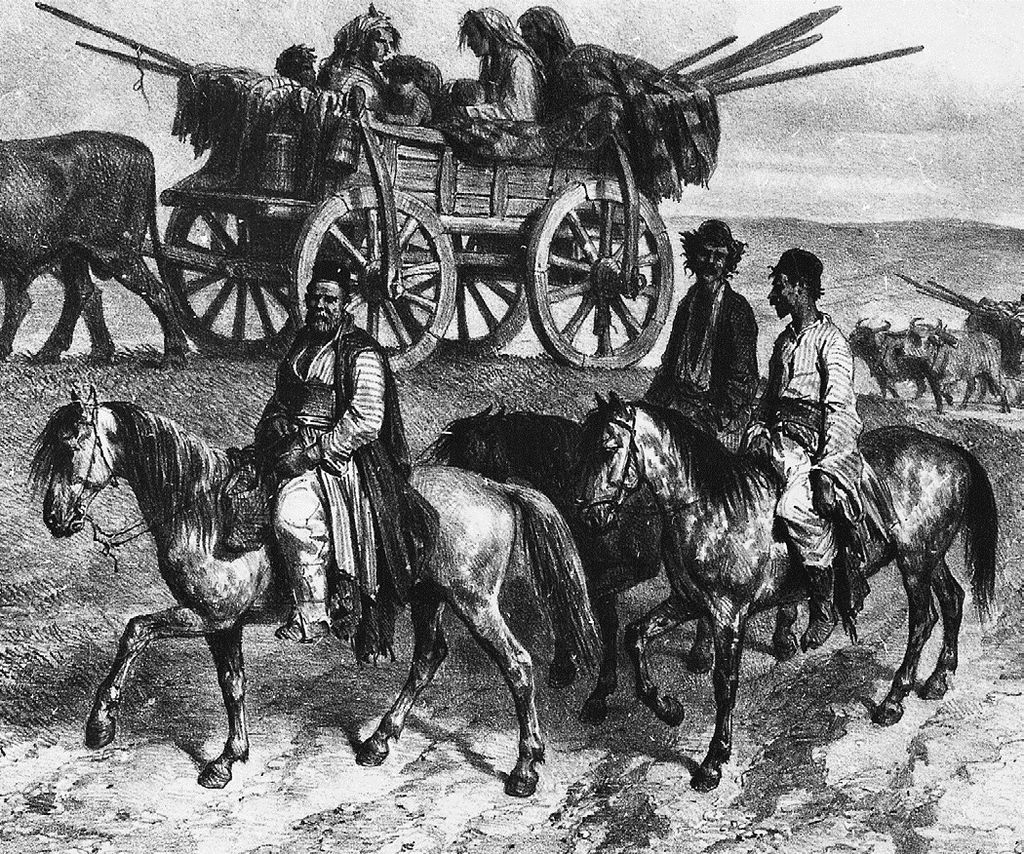


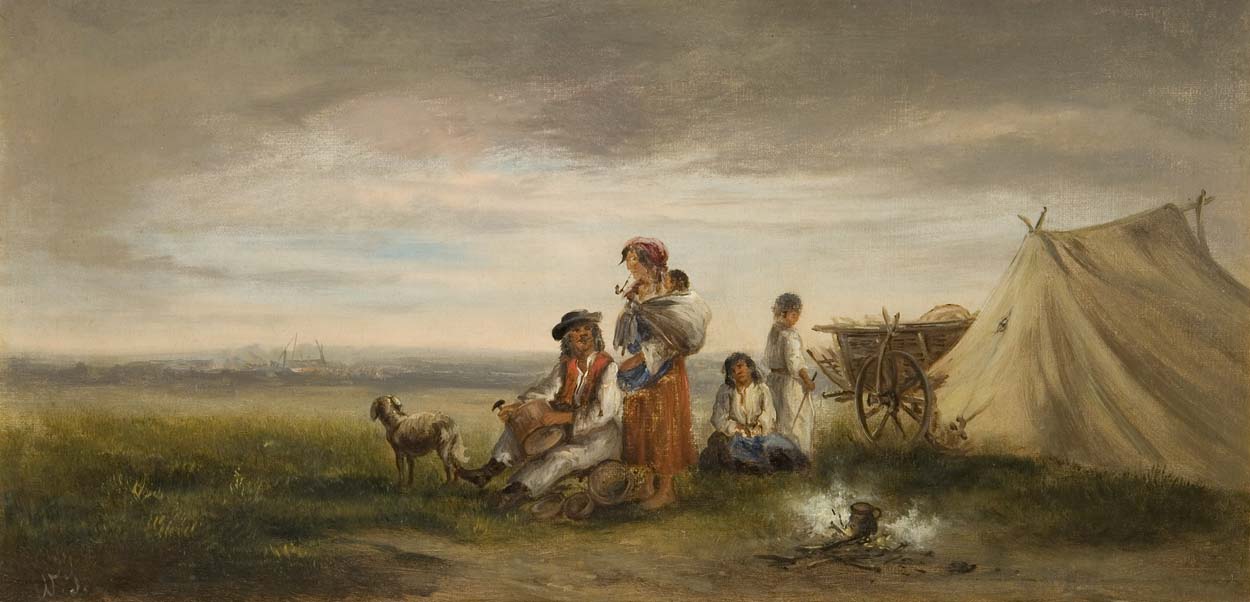
The camps were temporary, and when camped somewhere longer they built tent-like dwellings, using whatever natural materials they could have found in the area.


Often they slept under the wagons or in the very wagons, especially if the camp was very temporary.

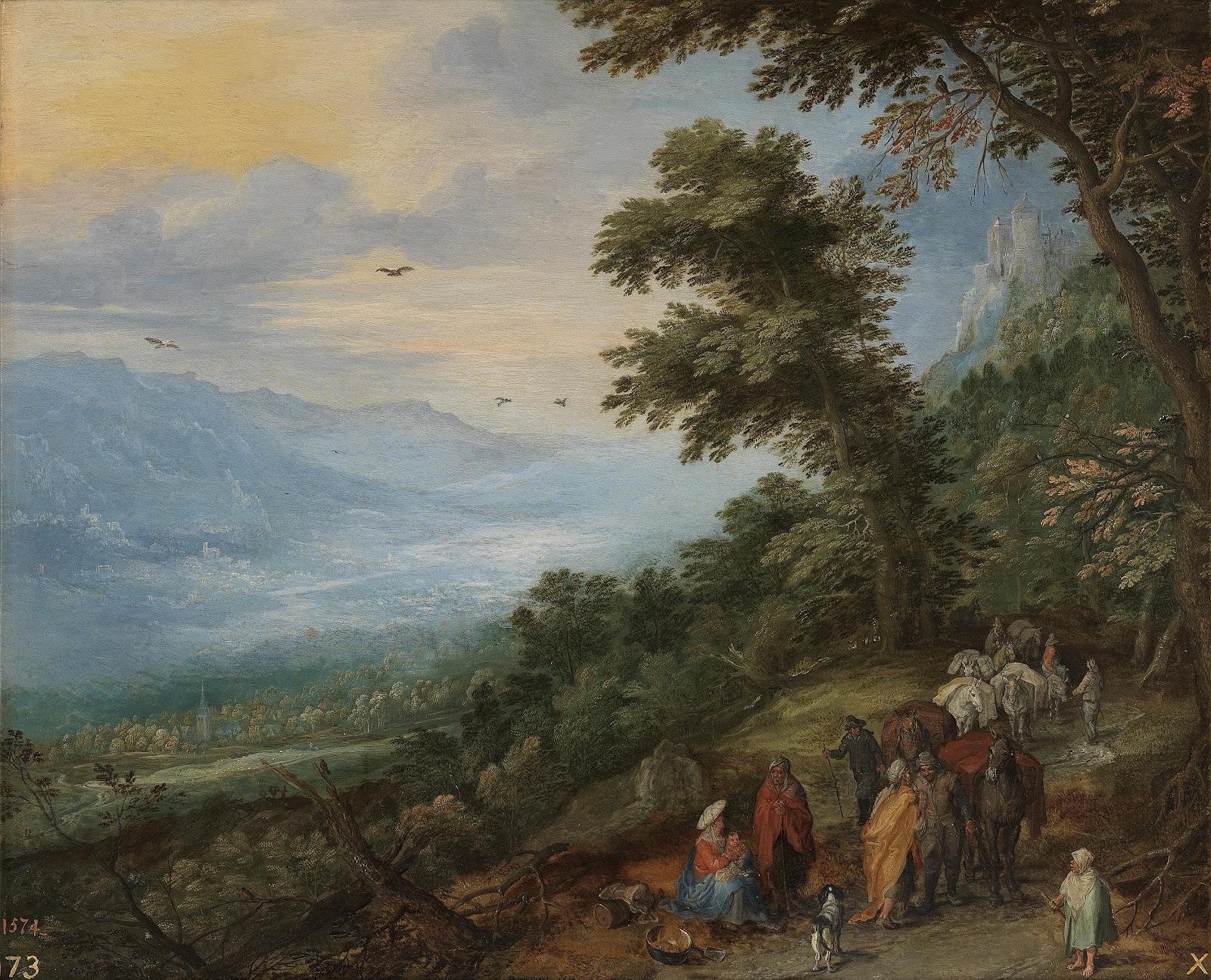

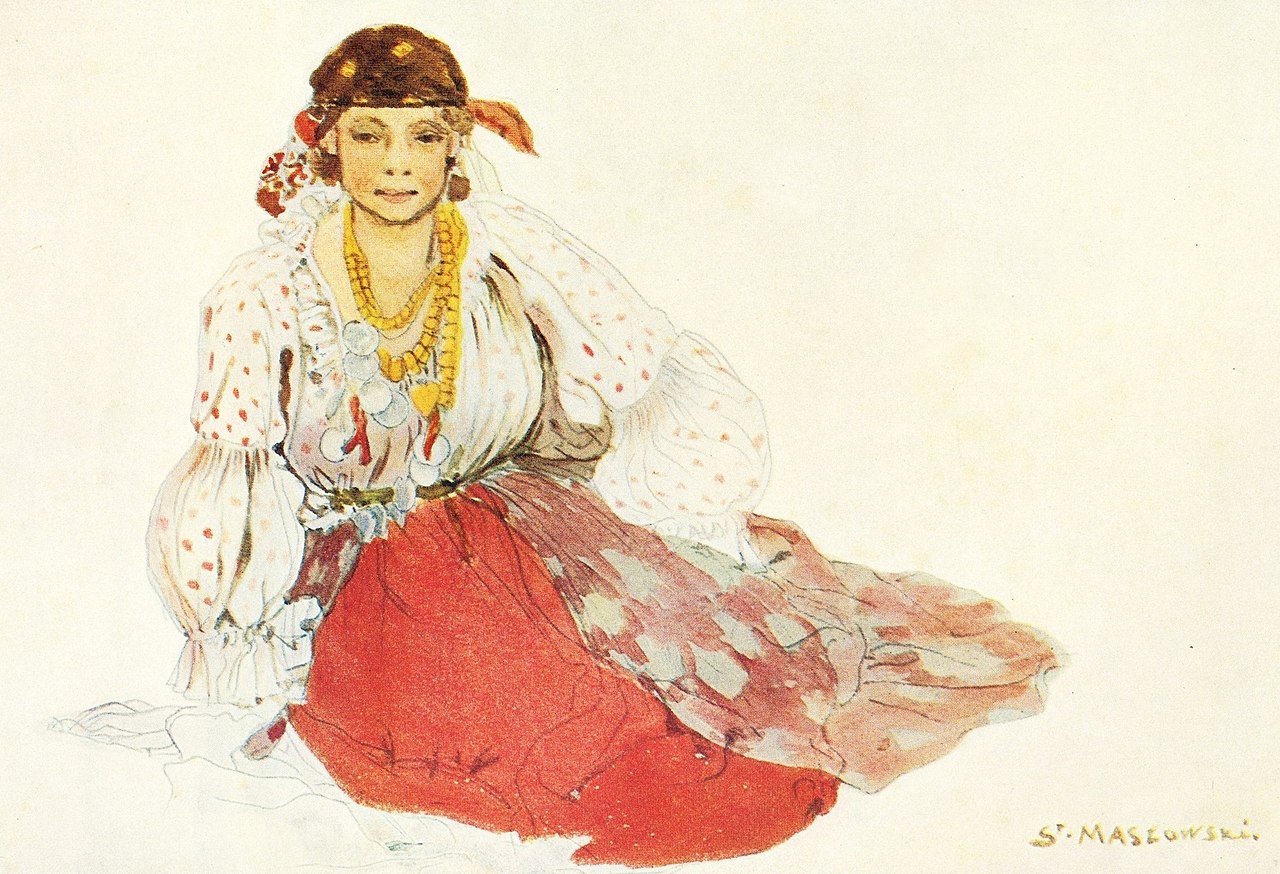
The women were skilled in fortune telling and petty thievery, but it is well agreed that they did no steal where they stayed at the time, avoiding wrath of the local village or town dwellers.


But their women's fortune telling was proverbial, and that trade could bring lots of income, extracting large sums of money or goods from a naive woman or man in search of good fortune - :) . They stole horses and traded in stolen horses, and plenty many court records show men being involved in this 'trade' for which in Polish realms there was only one penalty - death. They got blamed often and unfortunately that led to hangings, thus the saying I quoted in the beginning.

They were musicians in demand and providers of entertainment, skilled in various musical instruments and performers of dances and shows of gymnastics and acrobatics, while they also provided one very special kind of entertainment - bear dances.


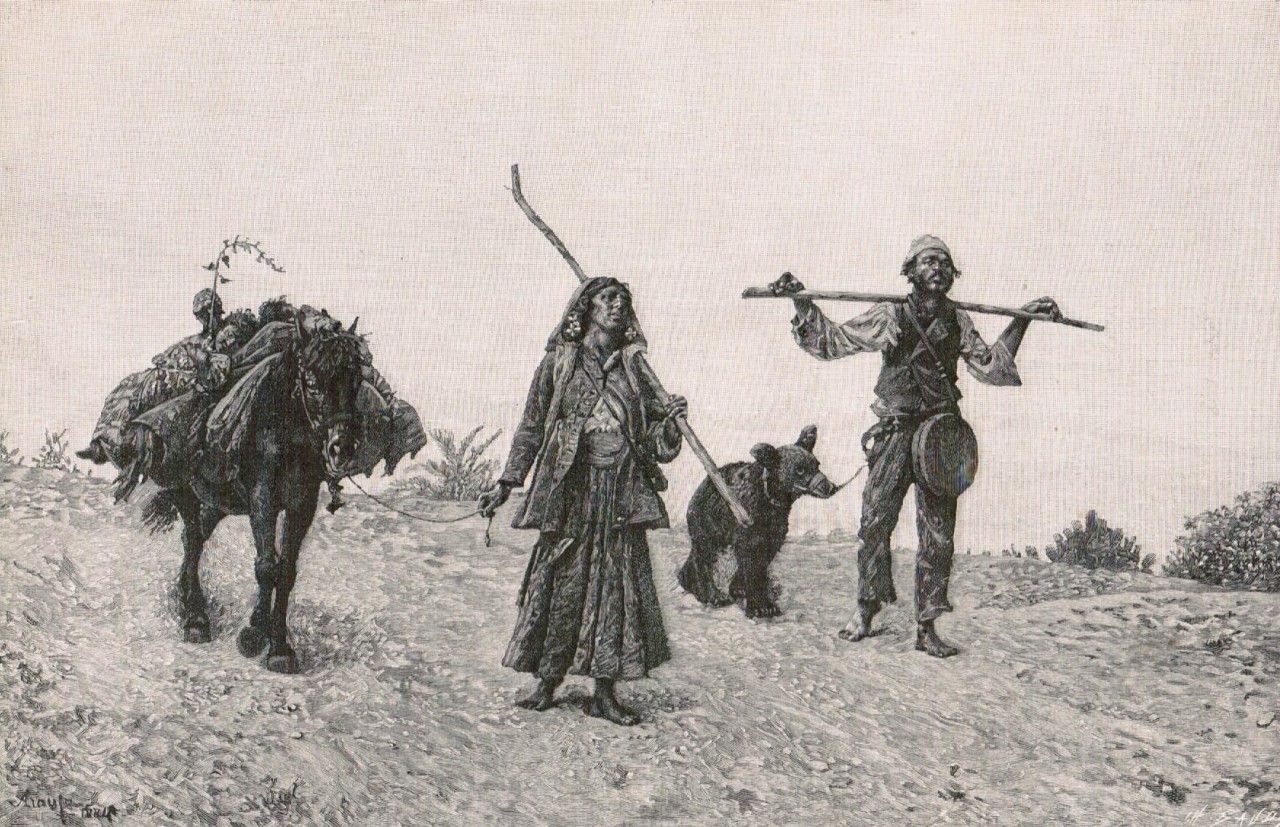
They say there is no real evidence that the Gypsies kidnapped children, but trade in humans/human trafficking was taking place south of Polish Crown during the XV-VIII centuries, mostly in the Ottoman Empire occupied lands, where slavery was part of the economy and sex trade, hence perhaps some border Gypsy banditry could have played a role in human trafficking from Polish lands into the Jewish and Ottoman traders hands. During the XVIII century there was then human trafficking in boys and young men for the Prussian armies, boys and men being induced and tricked into the Prussian service, and also young girls and women for prostitution, but the participants of this trade were mostly Germans and Jewish traders living in Polish realm, and Gypsies being subject to that human trade as well.


Summing up this longish post - sorry - the Gypsy of Old Poland (up to 1815) had a life full of hardships, their existence was not some kind of a romantic life, but rather very demanding, dangerous, often hungry and poor, and due to their reputation often prone to become subject to local population prejudice and violence, if some crimes or perceived crimes might have taken place. But they often were seen as free and freedom loving, prone to dance, music and merriment.


ps
One of my favorite movies is the famous Soviet era film made in Moldova - Gypsies Are Found Near Heaven. In Poland the Roma people keep on living their not so simple lives, mixing traditional and modern lives. They were subject to the Nazi German genocide, like the rest of Polish citizens, and suffered greatly during the awful period of World War II. While during the Communist era their kids had to attend public schools and thus warm seasons camping in wagons was reduced to the summer months etc. Nowadays many of their members are famous musicians and artists, while some keep on plying their more ancient trades....
Valete


