Showing posts with label Horace Vernet. Show all posts

Saturday, March 15, 2025

Battle of Reims 1814

 Salvete Omnes,

on the 13th of this month it passed another anniversary of the battle of Reims, one of the battles during the 1814 campaign of France.

we can see here the splendor of the Hungarian-style uniform of the Guards of Honour


Briefly, as you can read in many books and on many webpages, Emperor Napoleon I brought crica 10,000 strong army against a combined Prussian-Russian command (15,000 strong) under the command of general Emmanuel Saint-Priest.
Polish cavalrymen of the 1st Chevaulegrs Lanciers  Polonais (Polish Lancers of the Guard) commanded by general Wincenty Krasinski  charged across the streets of Reims and breaking Prussian-Russian defences and capturing hundreds of enemy soldiers.


During this battle a cavalry regiment known as the Eclaireurs-Lanciers (3e Regiment d'Eclaireurs de la Garde Imperiale or 3rd Scouts) also distinguished themselves. This cavalry unit was  a regiment organized based on the reorganization of the Polish lancers by the emperor in December 1813. They were attached to our Polish lancers and with mostly Polish officers and sergeants within their ranks. But curiously all the regimental farriers were German by birth, while all 14 trumpeters were all French.  On March 8, 1814 they had 66 officers and 794 men.

Per uniforms they wore a czapka lancer cap (rogatywka) dark-blue kurtka jacker and trousers, armed with lances and sabres & pistols. 
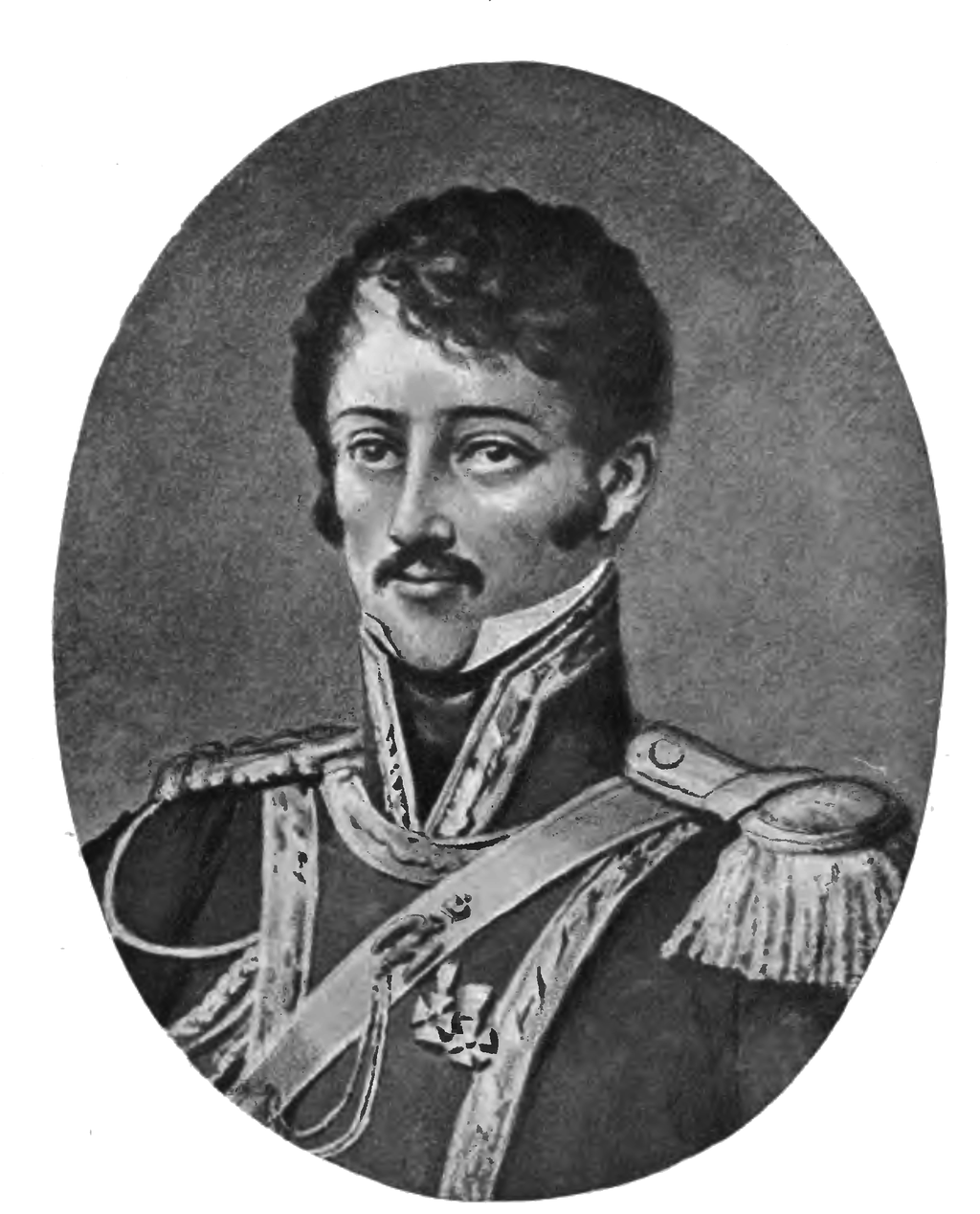


During this battle of Reims Polish officer  captain Wincenty Szeptycki commanded the duty squadron of the 3rd and they attacked with their valiant captain at the head and captured an entire Prussian infantry battalion. 
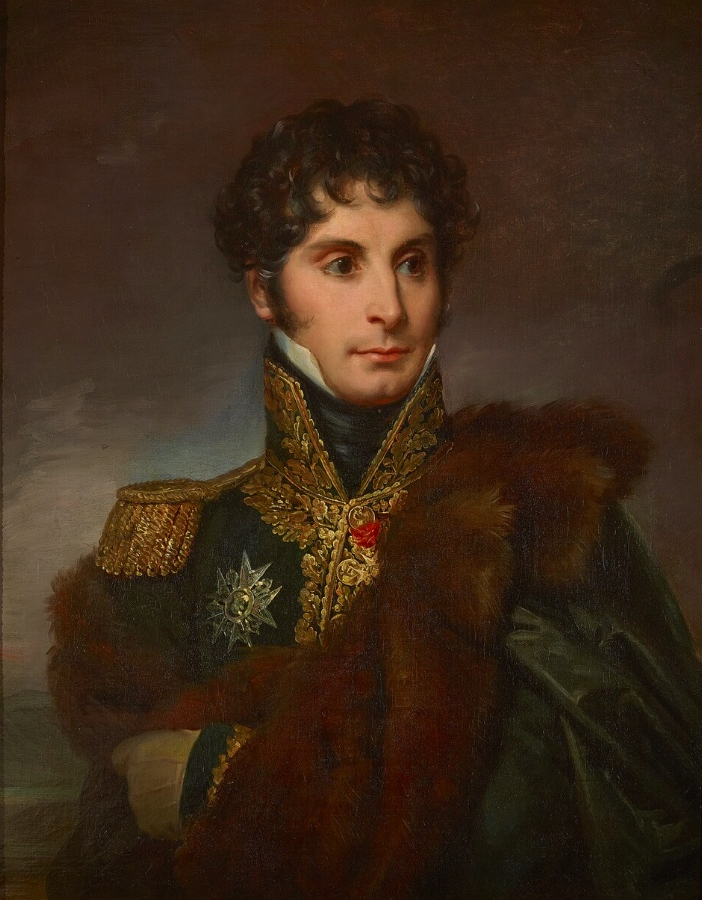


Imperial French cavalry also had another late comer to the Grand Army there , the  3rd Regiment of Guards of Honour, it was organized in Tulouse in 1813 - you see and study their uniforms below. And the 3rd took part in the 1813 and 1814 campaigns. , during this campaign  it was commanded by general Philippe-Paul de Segur,  a seasoned cavalry officer, who commanded personally in front of his horse soldiers, engaging in hand to hand combat with the enemy dragoons and Cossacks. 


 During the battle  the 3rd along with elements of the 1st Regiment of Guards of Honour charged the Russian dragoons at the Soissons-Epernay crossroads, and went through them all the way to the gates and walls of the city. After many deed of valour, facing the artillery fire from the walls and a canister shot form two cannons of the Russian artillery unit and musket fire from the Riazanski , Russian, Regiment, the Honour cavalrymen persisted but many officers and soldiers and their horses sustained many wounds, including mortal ones. 

The colonel-major (2nd in command) Count Cesar Vachon de Belmont-Briancon was killed. The officers of the regiment tasked Horace Vernet to paint a posthumous portrait of the colonel-major as he appeared on the morning of the 13th of March.

light cavalry saddle under the ornate green and silver lace shabraque


 He was dressed in his Hungarian hussar-like campaign dress: dark green pants with silver buttoned side-stripes, dark green pelisse with silver braid and sleeve rank stripes, and a red shako with one narrow and one wide rank stripes at the top and the white plume of a regimental staff officer.  He has a red leather sabretache on his left hip.

light cavalry bridle, in the Hungarian of Old Polish fashion

horses and cavalrymen of the 3rd regiment of the Guards od Honour on campaign  


enjoy

Valete

Friday, March 8, 2024

Vivandiere across the ages

 Salvete Omnes,


detail from a battle of Jemappes by Vernet


today is a good & proper day (Women's Day) to bring the topic of the vivandiere & cantiniere ('markietanka' in Polish, Marquetenterinn in German, cantinera in Spanish)


- at first a type of camp followers then as the women sutlers of the armies of  the bygone eras, especially noted in the iconography during the Napoleonic Wars and the following XIX century conflicts and military life saw female sutlers become 'militarized.'


There is even a book'let by Osprey - sort of short story of women sutlers in the Grande Armee.


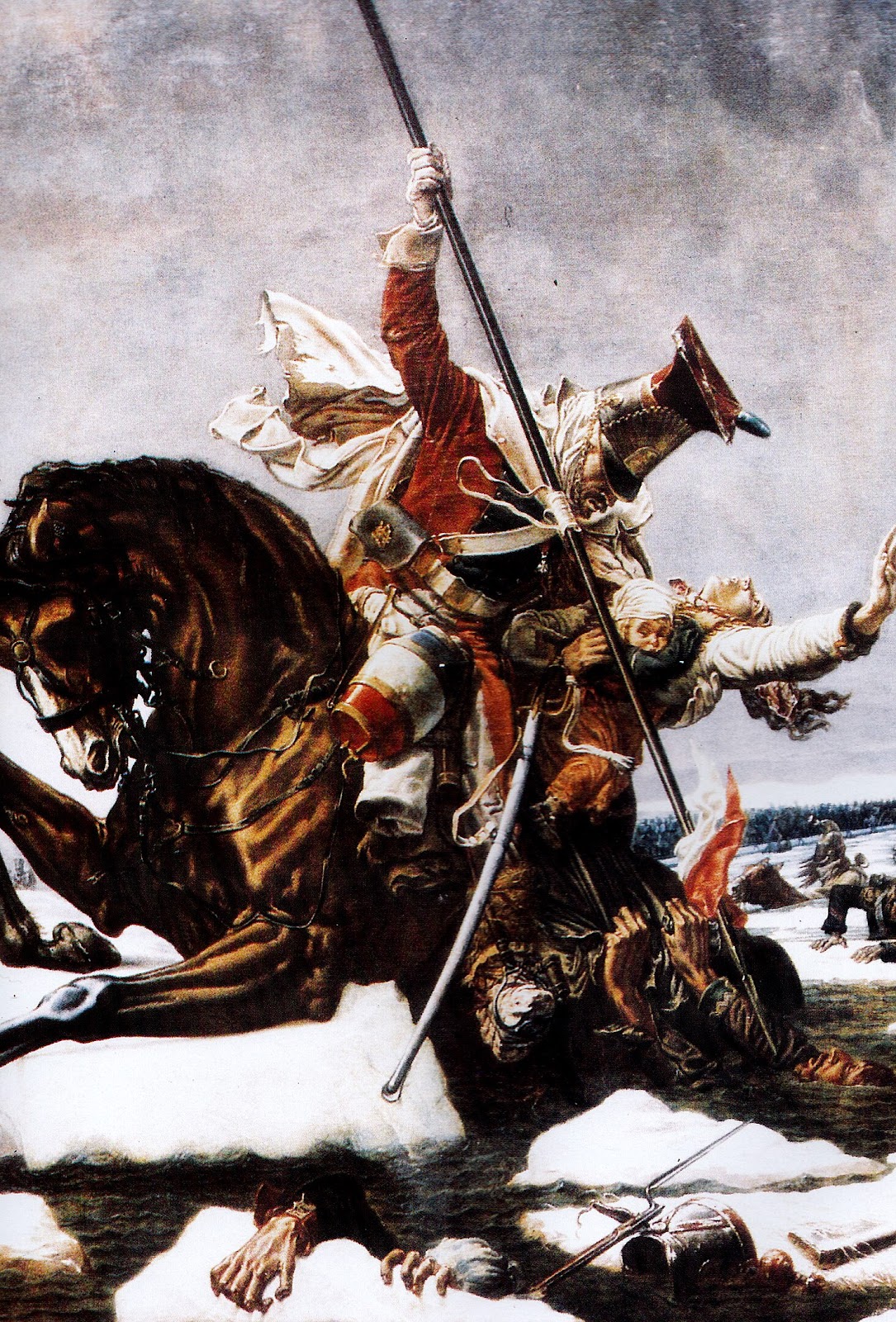
The death of a markietanka

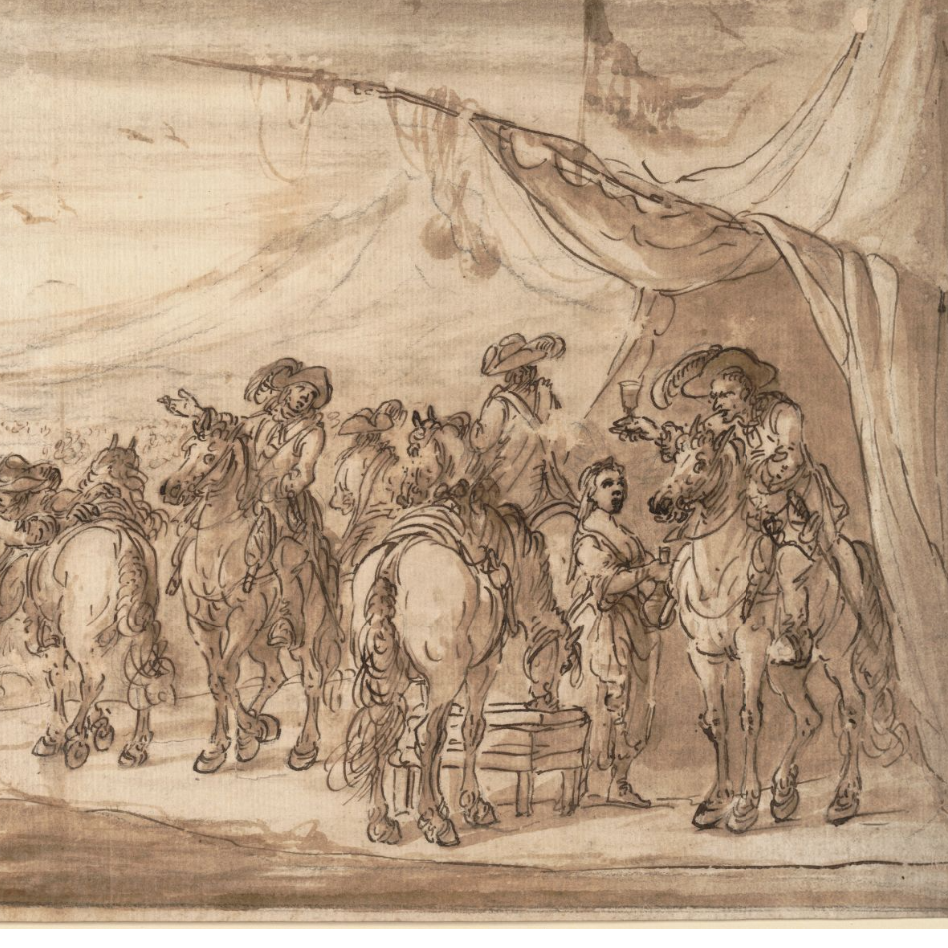
Camp sutler by Wouwerman


including Hispanic America, where she was also known as la rabona.


During the XVI and XVII centuries Polish commanders forbade any females within the military camp of their armies, often under the capital punishment -execution imposed upon the camp followers, including the female sutlers if any. It changed during the Napoleonic Wars. 

Valete 

Thursday, December 9, 2021

Vernet , a few prints

 Salvete Omnes,

going along nicely in this month of December as good things are starting to happen in the goode olde US of A.
So, perhaps a few prints by a French master Carle Vernet or more properly  Antoine Charles Horace Vernet but known as Carle- active during the late Ancient Regime  through Napoleonic Age and Restoration (died 1836). Carle was an avid horseman, and excelled in horse drawing, painting and equestrian print making. He came from a family of artists, his father Joseph Vernet being the first master of brushes among them.

so, I corralled a few prints here:


Maestro Carle was the father of the famous genre and equestrian painter Horace, and teacher of many painters of the era.

Valete,

Tuesday, March 31, 2020

Anegdota o generalach Lubienskim i Krasinskim

Salvete Omnes,
[in Polish]

We dziele zatytułowanym 'Wspomnienia Mojej Młodości' (Lwów, zabór austriacki, AD 1895) autor Henryk Olechnowicz Stecki herbu Radwan załączył anegdotę o swoim wuju generale hrabim Krasińskim herbu Ślepowron i generale Tomaszu Lubieńskim herbu Pomian,
 
którą tutaj w całości załączam:
[29 anegdota, str 226]

''Mój  wuj, jenerał [Wincenty] hr. Krasiński, miał w jednym z salonów swego pałacu w Warszawie kilka pokojów, przedstawiających bitwy, w których uczestniczył.

Jeden z nich, bardzo piękny, na obstalunek robiony przez [Horacego] Verneta, wyobraża bitwę pod Samosiera*; wiadomo, że ten wąwóz trudny do wzięcia, zdobyty był przez polskie legiony, wszystkie główniejsze osobistości są tam portretowane, zapomniano o jenerale Tomaszu Lubieńskim, który tam jednak grał wybitną rolę, natomiast na pierwszym planie siedzi na białym koniu jenerał Krasiński, który podczas tej pamiętnej bitwy tam nie był, bo znajdował się ze swoim oddziałem na innej stronie.[1]

Kiedyśmy raz byli na proszonym większym obiedzie u mego wuja, nim otworzono drzwi do jadalnej sali, goście siedzieli w pomienionym salonie, a jenerał Lubieński przypatrywał się kolejno obrazom.

Stal właśnie przed Samosiera, kiedy gospodarz przystąpił do niego i powiedział:
- Dziwna rzecz, jenerale, ze malarz ciebie nie odmalował.

- Dostateczny dla mnie zaszczyt, żem tam był.- opowiedział Lubieński.

Krasiński poczerwieniał i odszedł.

Stałem obok nich w czasie tej rozmowy.''


Poniżej obraz o którym panowie 'jenerałowie' rozmawiali.

Mości Olechnowicz Stecki nie raz jeszcze zagości na blogu, mam nadzieje, bo zaraźliwe zło z Wuhan szaleje.
Valete
*pisownia orginalna
[1] szef polskiego regimentu szwolezerow gwardii Wincenty Krasiński był przy Napoleonie ale faktycznie w szarzy nie brał udziału.

Friday, November 30, 2018

Somosierra AD 1808-2018

Salvete Omnes,
battle of Somosierra Pass 1808 - 2018 - 210th anniversary this day
Wojciech Kossak - from his unfinished panorama

Suchodolski painting - detail with a glinka bailogrzywy   charger
Suchodolski - fallen horses - detail


Horace Vernet pinxit - detail
...my friend Krzys Komaniecki has been working on a new comics book retelling the story of the battle and famous charge - he has painted already 10 plates, out of 45-60 pages that the finished hand-painted comics will consist of.
Fingers crossed  - :) 
Valete!