Salvete Omnes,
Graff Anton von Oldenburg and his horse graced these pages last year.

. so today just some images and a link to a fine book on the Oldenburger breed from Northern Federal Republic of Germany.


.


enjoy
Valete
Salvete Omnes,
Graff Anton von Oldenburg and his horse graced these pages last year.
Valete
Salvete Omnes,
Good Friday - Day of Crucifixion of Our Lord circa 30 A,D., a little less than 2000 years ago.

So we will travel to circa 1455AD when unknown master painted this Crucifixion for the Benediktbeuern Abbey, in Bavaria. The painter was contemporary to:

Konrad Witz
andMaster of der Darmstädter Passion.

Horses and riders from the Benedictine Crucifixion -
 |
| paint horse |
 |
| 2nd paint horse |
 |
| mounted crossbowman |


Valete
Salvete Omnes,

today we commemorate the battle of Vienna 1683 - I have written many posts on the battle, and I am sure will write many more, God willing.
I would like to commemorate the struggle with the images of horses from the period paintings, mostly from this one - Anonym Entsatz Wien 1683 (painting in Vienna , Austria).


Many thousands, perhaps a hundred thousand, of horses participated in this battle. Horses on both sides suffered from lack of adequate feed. Days before the battle the Ottoman side had to take their horses across the Danube River to pasture and hay cutting parties roamed further and further from the besieged city and their own camps. During the battle some horses died from wounds but many more, especially of the Polish cavalry and wagon trains, died from malnutrition and near starvation (the last couple days before the battle they ate tree leaves or nor food at all, ). After the battle there was very little fodder in and near Vienna, captured Ottoman camps had stores of fodder but they were wasted by the pillaging victorious soldiers, while mostly Polish forces captured more than 20,000 animals in the Ottoman camps, including some very fine Turkish and Arabian noble horses.
Imperial bureaucracy was slow to deliver hay and grain to the encamped armies, while the armies immediate supplies for men and horses. Only when the Polish royal army decamped away from Vienna and entered the country near Pressburg (present Bratislava) they had enough fodder for their horses - but then many Polish soldiers were sick with fever (bloody dysentery) and dying from this plague.
There was more fighting to be had in October against sultan's vizier Kara-Mustafa and his armies.
Valete
Salvete Omnes,

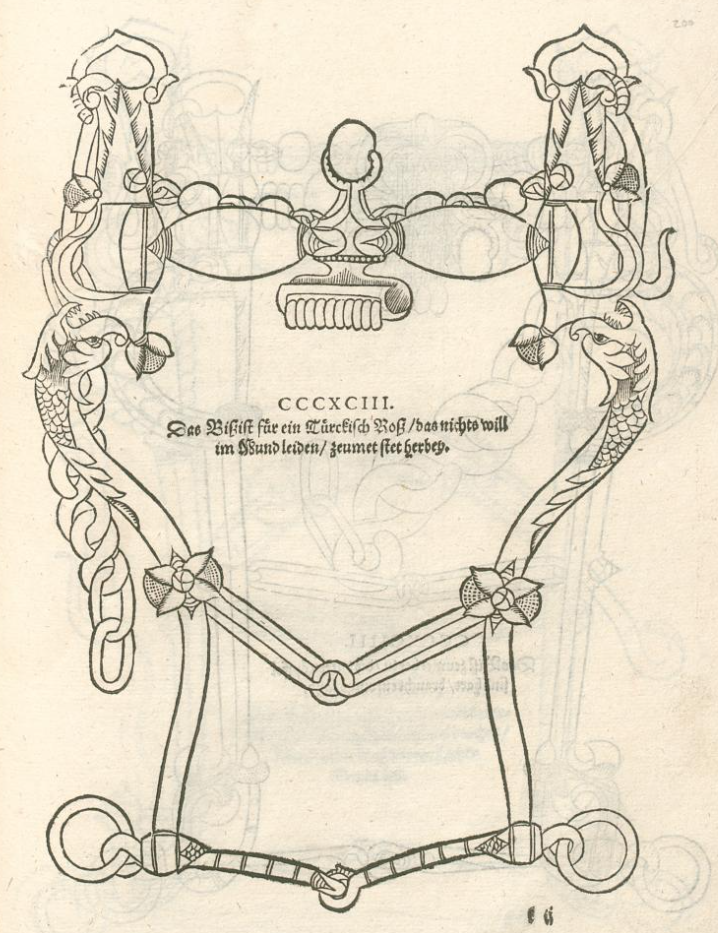
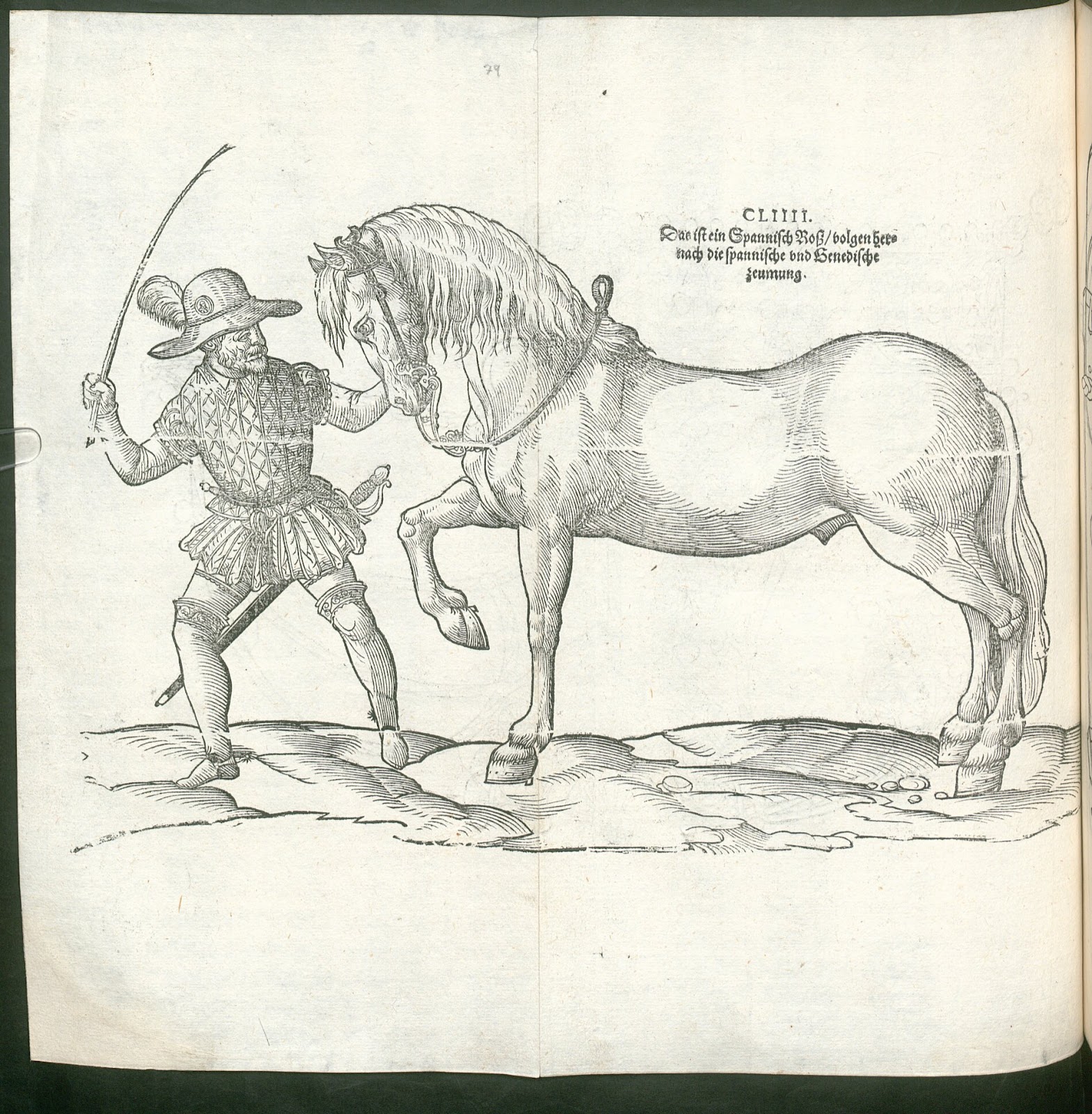
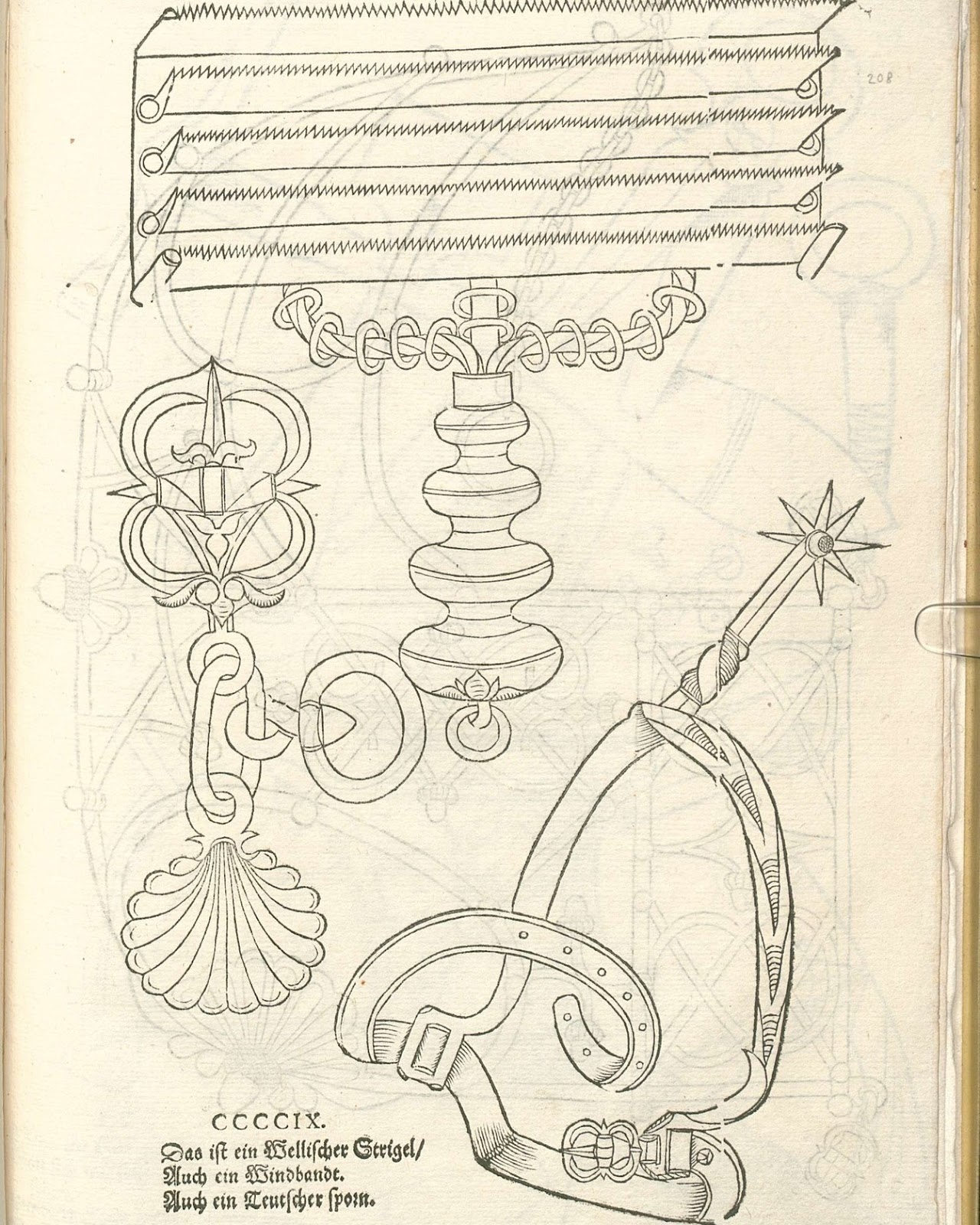
The Bavarian State llibrary has several copies of the XVI century German farrier's work, Hans Kreutzberger, on the bits of the period - I do not read this old German script, but I am trying to decipher the script in the horse plates.
But there are almost 400 curb-bits described in this volume. and some splendid horse woodcuts and drawings showing horse conformation
this is the title page from 1591 edition



Valete