Showing posts with label koncerz. Show all posts

Monday, February 19, 2024

O chędożeniu konia - dr Radoslaw Sikora goscinnie

 Salvete Omnes,

[in Polish only]

Krótko, ale niezwykle, bo dzisiaj gościmy na moim blogu Dr Radoslawa Sikorę, który na swojej stronie Fb zamieścił wypis o [staropolskim] chędożeniu konia.

Wypis imc Radoslawa zamieszczam jako 'obrazek'

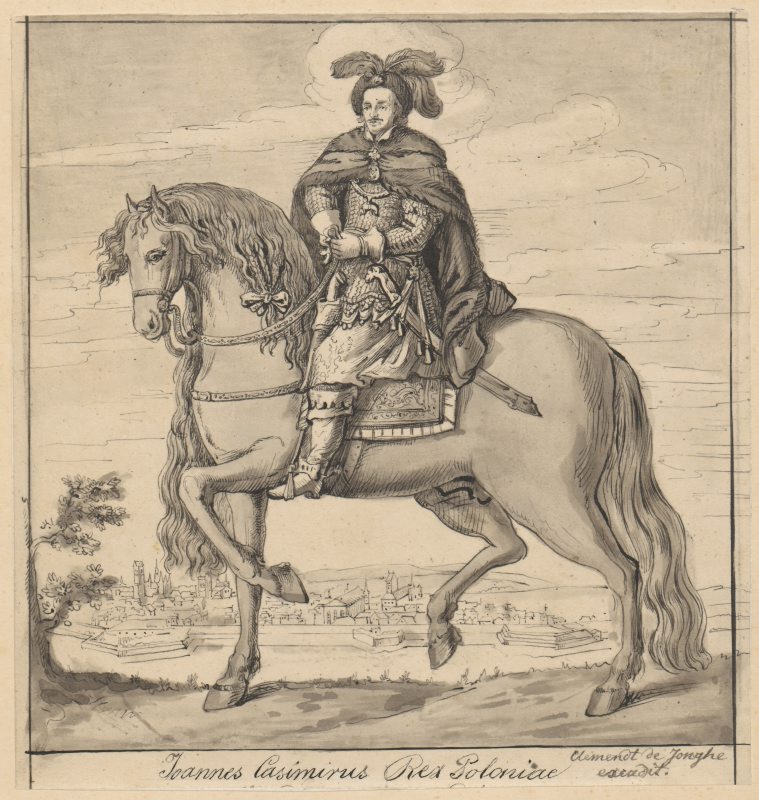
fragment mojego rysunku - panskie oko konia tuczy

plus parę moich własnych dodatków na temat znaczenia i użycia chędożenia w przeszłosci:

A tutaj jak owe 'chędożenie'   widział twórca Słownika Języka Polskiego Samuel B. Linde, wydanie z Warszawy, wtedy stolicy Księstwa Warszawskiego, całkiem niepodległego państwa polskich obywateli & obywatelek i żołnierzy, AD 1807: 


a w słynnym słowniku Alexandra Chodzkiego, (Dokładny Słownik polsko-angielski i angielsko-polski, Berlin 1874) stoi (str 18):
Chędogi - clean, neat

Chędogo - cleanly, neatly, powiedzenie:  choc ubogo, lecz chedogo, poorly but cleanly.

Chędogość - cleanliness, neatness

chędożyć - to clean, to scour

A pismo Przyjaciel domowy, pismo dla gospodarzy, w numerze z października AD 1854 - opisuje tak oto wychowanie źrebiąt i źrebców:


'Pobudka Zacnym Synom Korony Polskiey do służby Woienney' Wojciecha Rakowskiego(1554-1617)


Valete
Sunday, June 12, 2022

Aleksander Lesser - drawings of East-Central European arms and armor

 Salvete Omnes,


a short entry -  various drawings by a Jewish-Polish painter and draughtsman Aleksander Lesser , pre-Jan Matejko historical painter, among others he was a student of the German Nazarene movement artists like Julius Schnorr von Carolsfeld et al. 


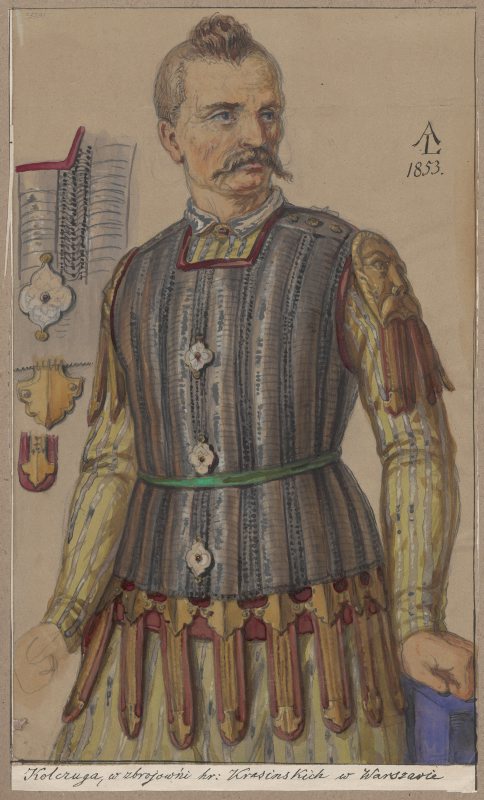
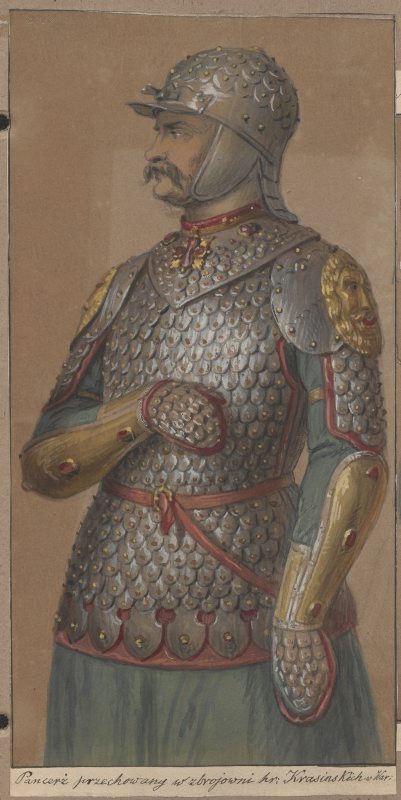
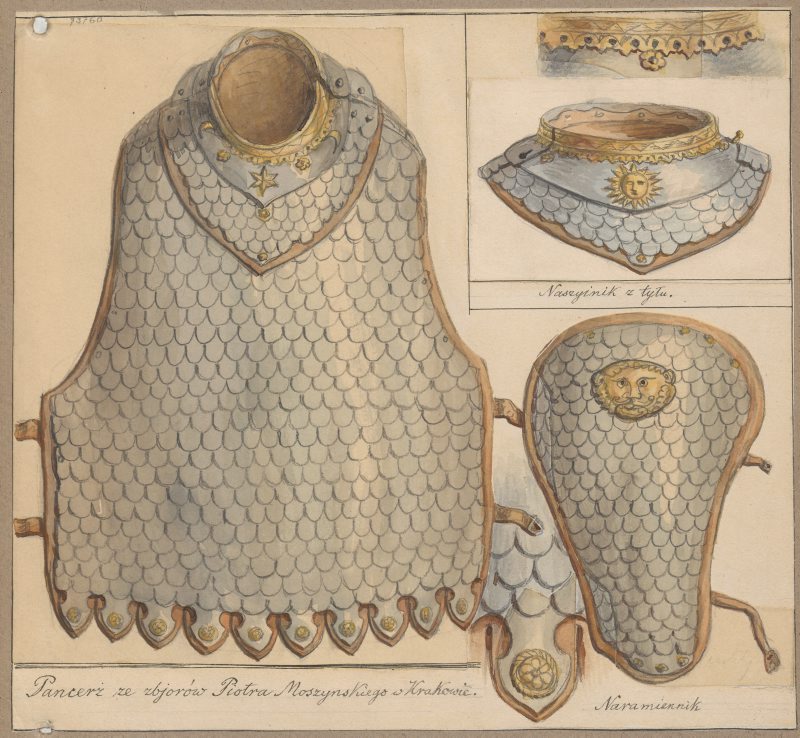
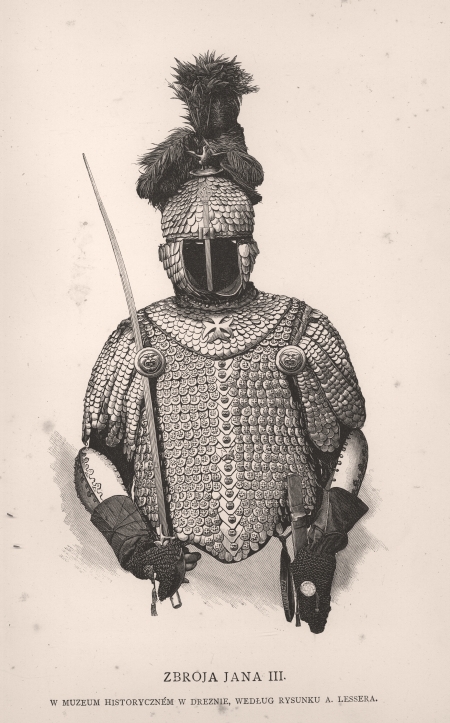
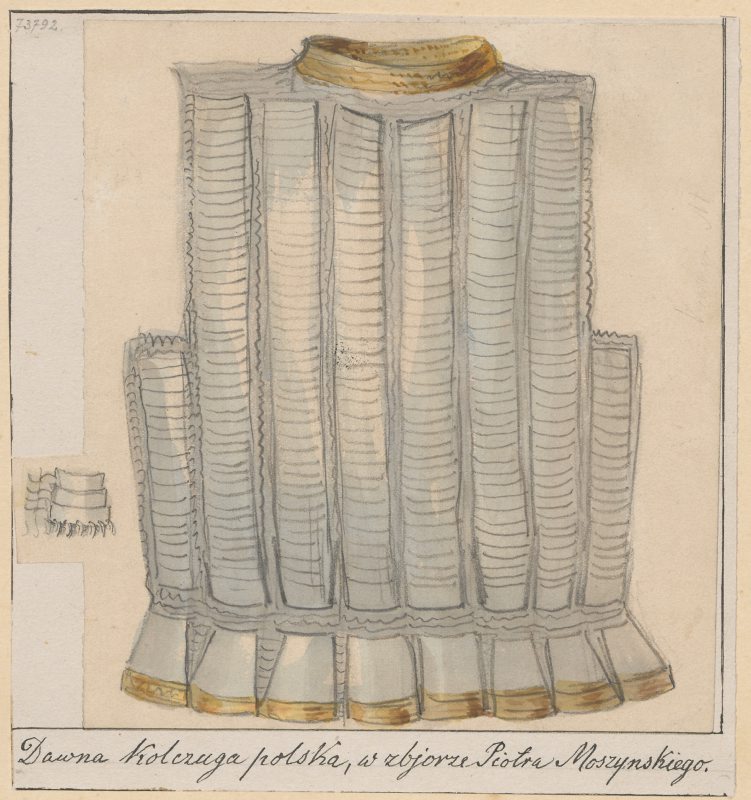
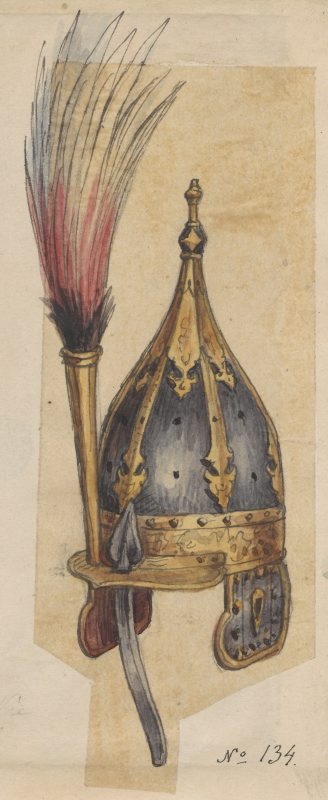
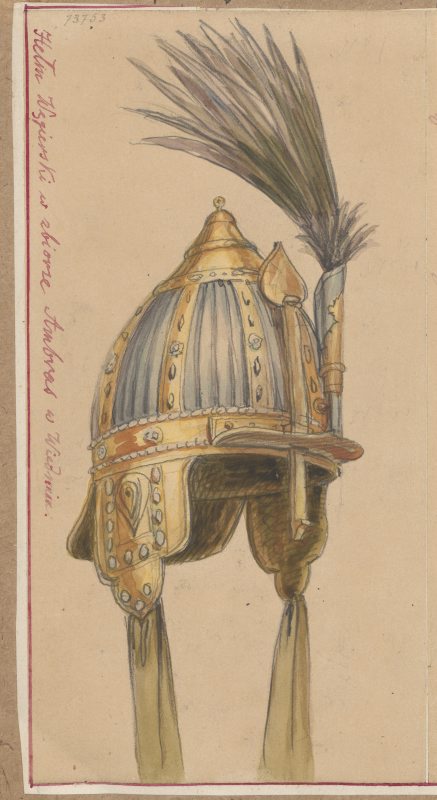
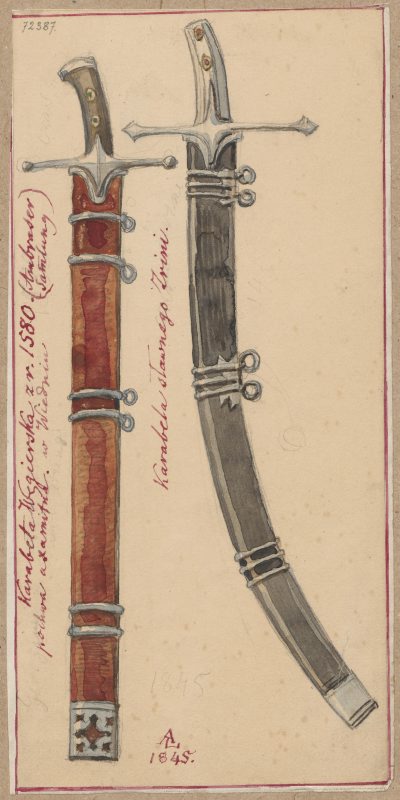
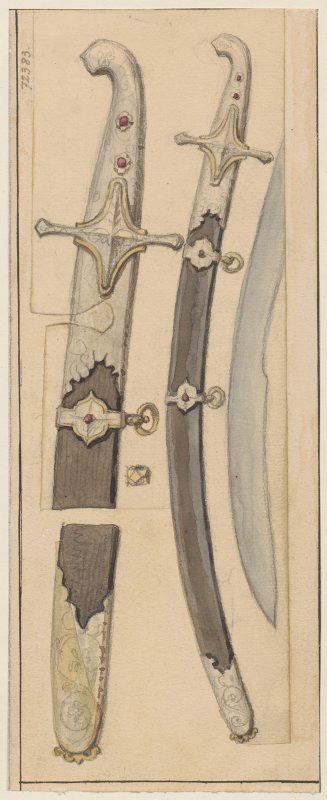
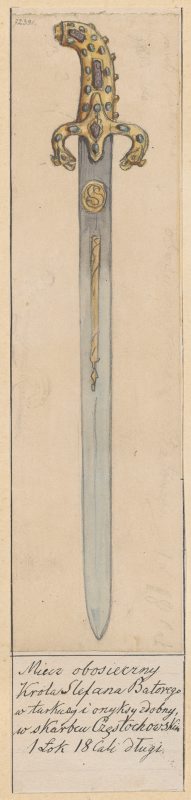
These drawings represent pan Aleksander's research within the  various arms and armor collections in Europe of his age. As he was a Polish historian-artist and researcher - they represent mostly items related to the  Polish-Lithuanian and Hungarian history of the early modern period. Karacena, chain-mail and bechter (mail and plate armor) armor, shishak style helmets, swords and even a winged hussar kopia.
a bechter

a karacena armor suit

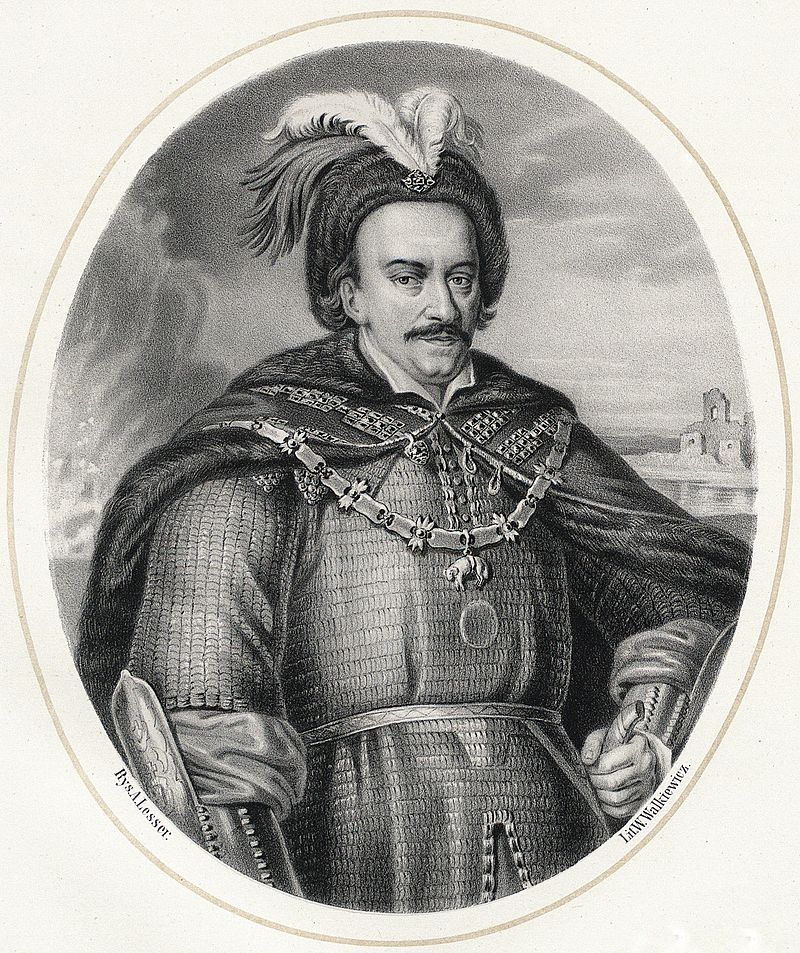
Jan III Sobieski karacena armor


 bechter cuirass

a karacena armor suite


a szabla/sabre and a palasch


a pallasch

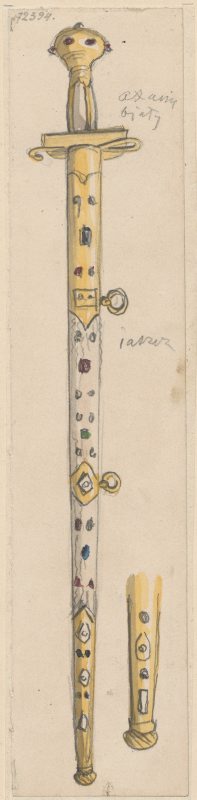
a koncerz

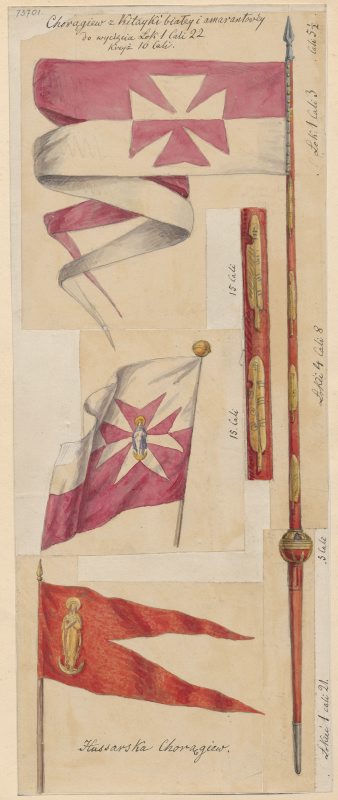
a kopia hussarska, hussar lance, hussar lance pennon

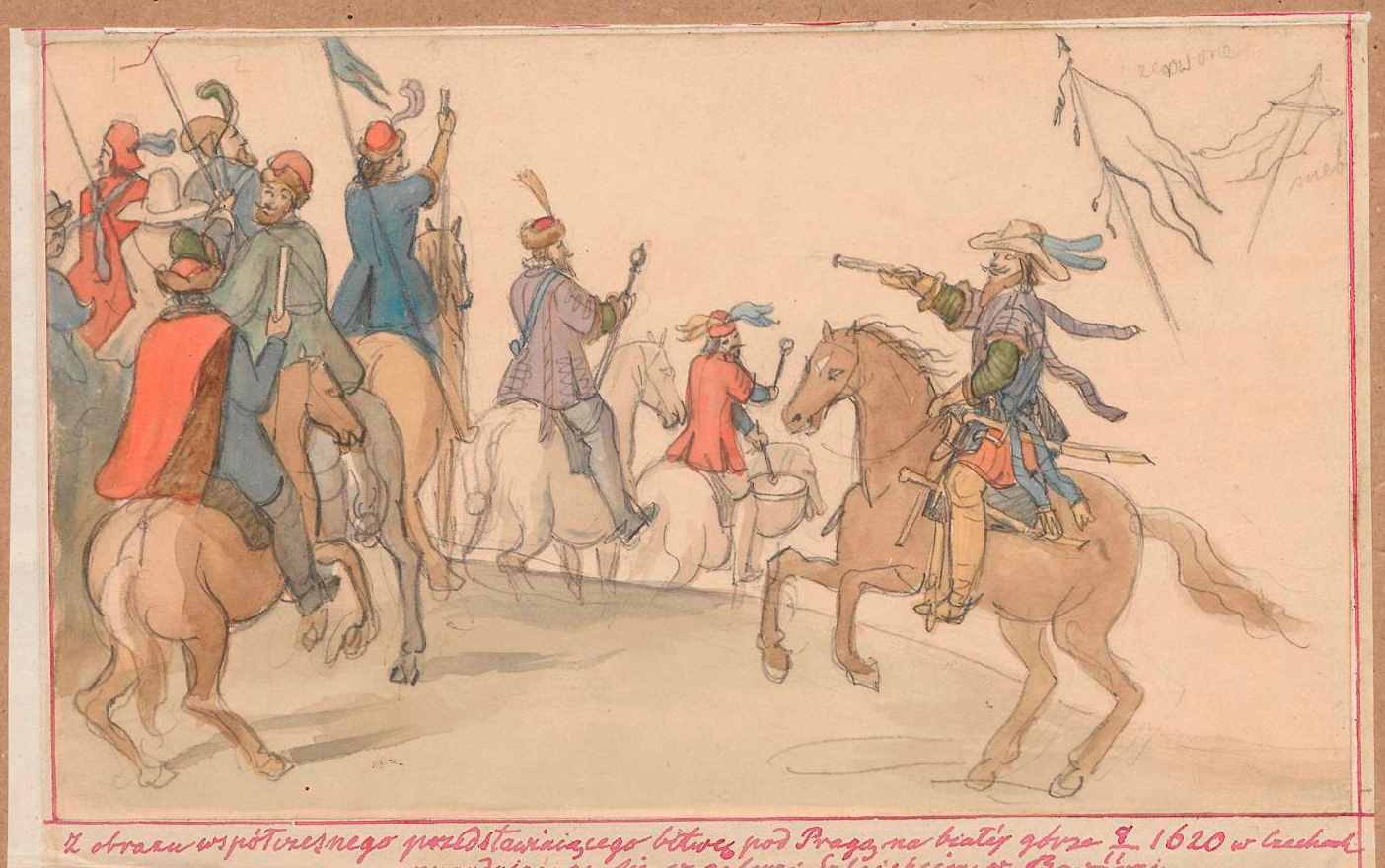
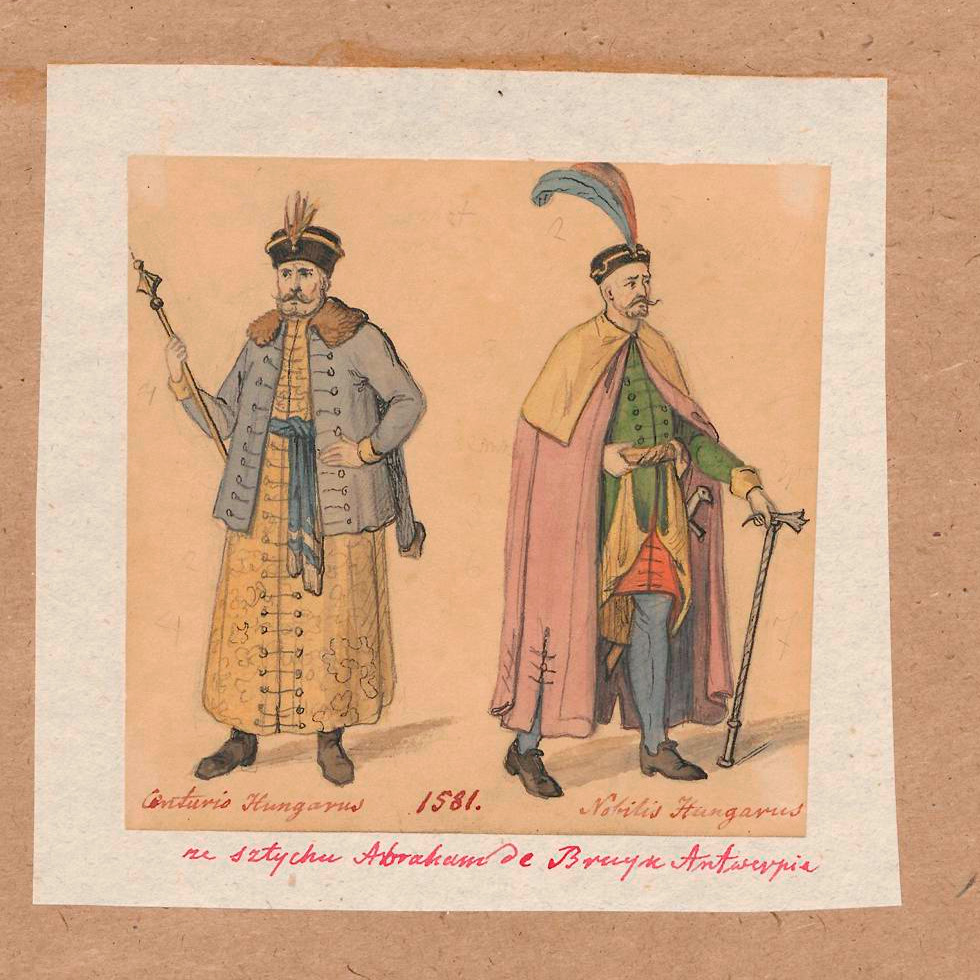
Pan Lesser studied old paintings eg - his sketches


you can explore these and other drawings and paintings via Polish National  Museum digital platform - Aleksander Lesser.

Valete

Saturday, January 29, 2022

Winged Hussar and other images from the Book of friends

Salvete Omnes,


Book of friends -  or more properly Johann Joachim Prack von Asch's liber amicorum was a compilation of entries spanning 1587-1612AD, including the period of the so called Long War (thanks to Bruno Mugnai I have the 2-volume book  on the said war  ), with the paper coming from the ancient paper bazar in Constantinople. Joachim Prack von Asch from was a Hapsburg diplomat, who  traveled between Constantinople,  the capital of  Ottoman Empire and  Bohemia and other lands of his emperor, Rudolph II Hapsburg.

The Book of Friends is available either on the Getty Digital Collections site or on Archive - world's library - and from its pages come this gouache miniature showing a winged hussar killing his lancer adversary, a Turkish Ottoman lancer.


the Christian winged hussar is on the left - piercing with his hussar lance the throat of the Ottoman sipahi or perhaps the elite Deli lancer.
The winged huusar has a large wing on his left side, clearly visible shield, a shishak helmet with three feathers, a leopard pelt on his shoulder, short zupan, red close-fitting breeches, yellow boots with long spurs, under his thigh he carries a hussar war-hammer with pick (nadziak) - he is a picture-perfect winged hussar of the period, be it in Polish realms or the Hungarian lands.  His sorrel horse is caparisoned with an animal pelt, the bridle is with a curb-bit , reins and headstall without any visible adornments .
His Ottoman adversary has a shield,  tall Ottoman shishak with a wing on its front,  he has  some armor(perhaps mail), loose-fitting sharavari (Turkish salvar, from Persian sharavara) pants, a kilij sabre and a koncerz (estoc), also  a painted lance with lance apple.  His gray horse is caparisoned with a long textile fringed shabraque,  his bridle is ornate and sumptuous, at the throatlatch there is a long horse bunczuk(Turkish tug),  

and some other horse-related images


Valete