Showing posts with label early stirrups. Show all posts

Sunday, December 14, 2025

Tang riding horse harness terminology

 Salvete Omnes,


Tang Dynasty period in Chinese history is famous for the ceramics in shape of horse and horse & rider. 


I have a book - actually an exhibit catalog from  the Kentucky Horse Park (published 2000AD).
Title: The Imperial China, The Art of the Horse in Chinese (review). 
In the Chapter: The Horse in Chinese History by Bill Cooke (director emeritus of the International Museum of the Horse at the Kentucky Horse Park) there is a description of the Chinese terminology around the Tang Dynasty period. 


The author provided information on the horse harness terminology -

Jisheng on the crouper harness

Bridle- 'luotou' and the Bit - 'Youle' with cheek-bars - 'Biao'


Saddle - 'An'

Pommel and cantle saddle with tree bars

High pommel saddle with a saddle cover, saddle pad, saddle mud guard, and stirrups

Behind the saddle, to the saddle tree Tang saddlemakers added 4-6 straps hanging down the saddle pad

horse with a crenellated mane


Saddle-pad - 'cun' and  Saddle mud-screen -  'zhang-ni'


Saddle cover - 'Anfu'


Saddle cinch/girth - 'Fudai'

Breastplate/breast-strap - 'Panxiong'


Crouper/crupper - 'Qiu'


Apricot/peach leaf ornament - 'Xingye'


Cranellated /crenelated mane - 'three flower' 'Sanhua'


Bounded Tail -  'Fuwei'


Crupper saddle adornment -'Jisheng' (parasite), also a version known as 'Fire pearl ' - 'Hounzhu'


enjoy

Valete

Saturday, December 6, 2025

Invention of stirrup - evidence from Three Kingdom and Jin Dynasty China

 Salvete Omnes, 

this is a short post about the early stirrup evidence from China- the evidence from the tomb of general Ding Feng during the Three Kingdom period (AD202-280) in Chinese history. Note that the oldest stirrups and saddles with wooden tree with pommel and cantle come from the north: the Mongolian Altai. 


During the last 70 years Chinese archaeologists have been making many monumental and spectacular discoveries, like the 8,000 terracotta army of the First Emperor etc. In the history of equestrian development the discoveries made in the PR of China provinces shed more light on that special history and relationship of the horse and rider, development of the saddle and its variations, tack, chariot, draft harness etc.


In the 1950s and later Chinese researchers discovered tombs of the  Jin Dynasty period (AD266-420).

 Within the artefacts discovered within the site at Changsha there  were ceramic figurines of horses and riders, where the  saddles are present and on the left side of some of the saddles a single  representation  of a stirrup can be seen. 


Dated to AD 302 of the Western Jin in Changsha, the stirrup had been the earliest evidence of a stirrup within the Chinese cultural territories. 

Wu dynasty period ceramic horse, treed saddle without any stirrup


Starting in 2021  the PR of China archaeologists have been excavating and cataloging the discoveries made inside the family tomb of general Ding Feng in Nanjing, Jiangsu Province. The tomb was pillaged in the past so the archaeologists have been working within the many broken remains and debris.

Among discoveries made there the archaeologists found a ceramic figurine  of a rider astride a saddled horse.

The figurine is damaged - both arms and left leg are missing. 
On the left side clearly there is a shape similar to a stirrup. It would make this representation the oldest image of the horse stirrup thus far. 

@Global Times


The missing left foot was not placed in the  stirrup, hence the theory that a single stirrup on the left side was used especially for mounting a saddled  horse, and here clearly we see a saddle with high pommel and cantle. 

Note that in the Eastern Jin Dynasty tomb at Xiangshan Mountain, Nanjing, another  figurine was found where the saddle had two stirrups, thus showing that the Chinese were adopting the steppe technology even more rapidly. this discovery was dated to AD322.


Finally, within the tomb of Feng Sufu,   


Liaoning Province, the Chinese archaeologists found two actual stirrups of some remarkable craftsmanship, and this was dated to AD415. 

Feng Sufu tom, metal stirrup, 23 cm high,  

Photo and article from the Global Times portal. 


Note that this type of stirrups appeared  in the Korean Peninsula (Gaya & Silla kingdoms) and later in the  Kofun Period Japan. 

Valete

Friday, January 17, 2025

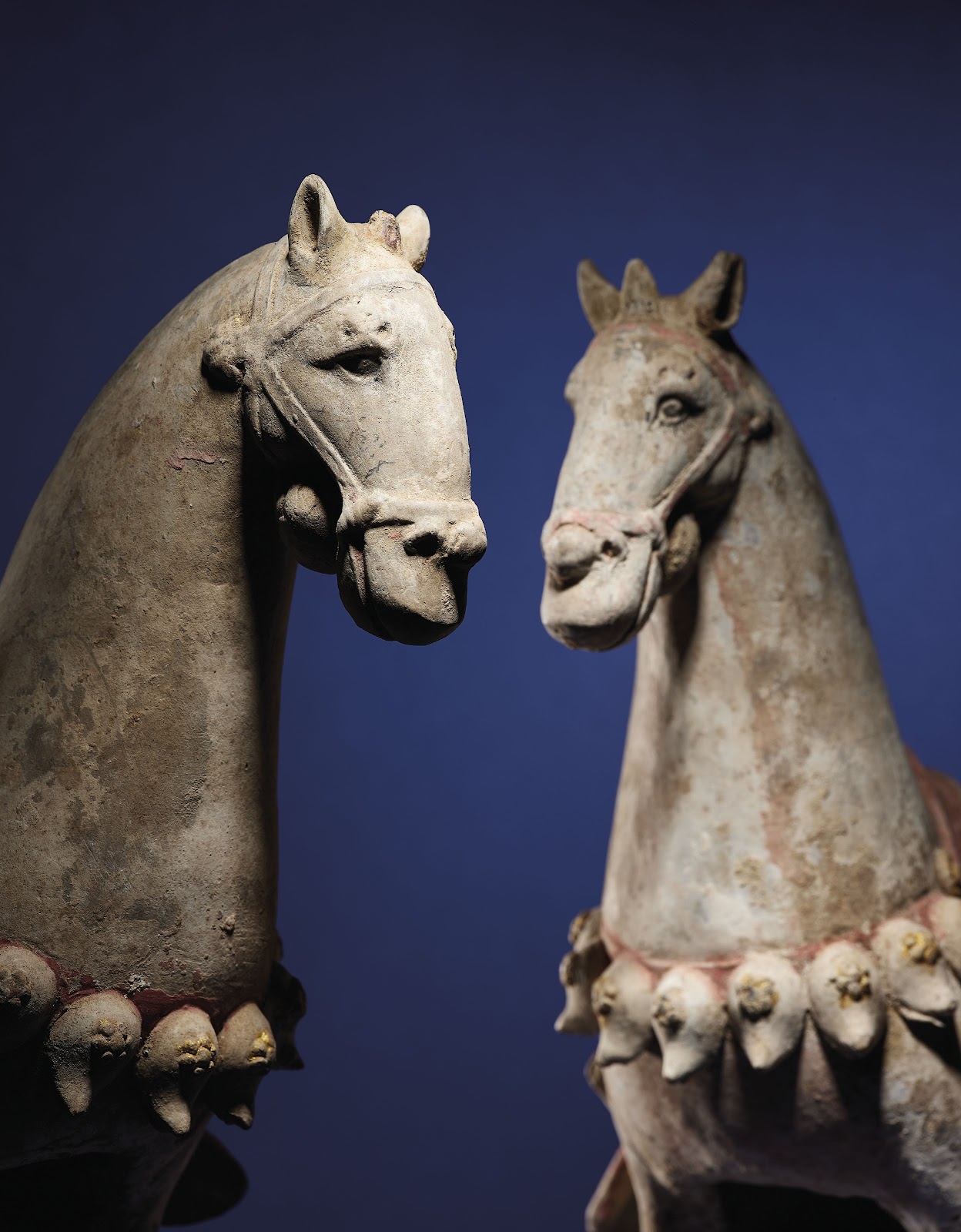
Eastern Wei - caparisoned horses

 Salvete Omnes,


a little visit to early 'Medieval' China - Eastern Wei Empire (AD 534-550) and their warriors and horses.


.

Eastern Wei, albeit short lived, gave us the peculiar sculptures  of fabulously caparisoned and harnessed horses , that where continued during the unifying Sui Dynasty period of the Chinese history, but the Eastern Wei gave way to Northern Qi imperial dynasty (ended in AD 589 by the Sui Empire). 

A Christie's' gallery - larger and full image here. 


A caparisoned horse with a very clearly sculpted saddle and stirrups -


-from this gallery.


Bonhams auction hourse - a Horse Gallery 


In these sculpted horses we can see many elements of the steppe horse harness elements that will endure for more than a thousand years until the modern age.

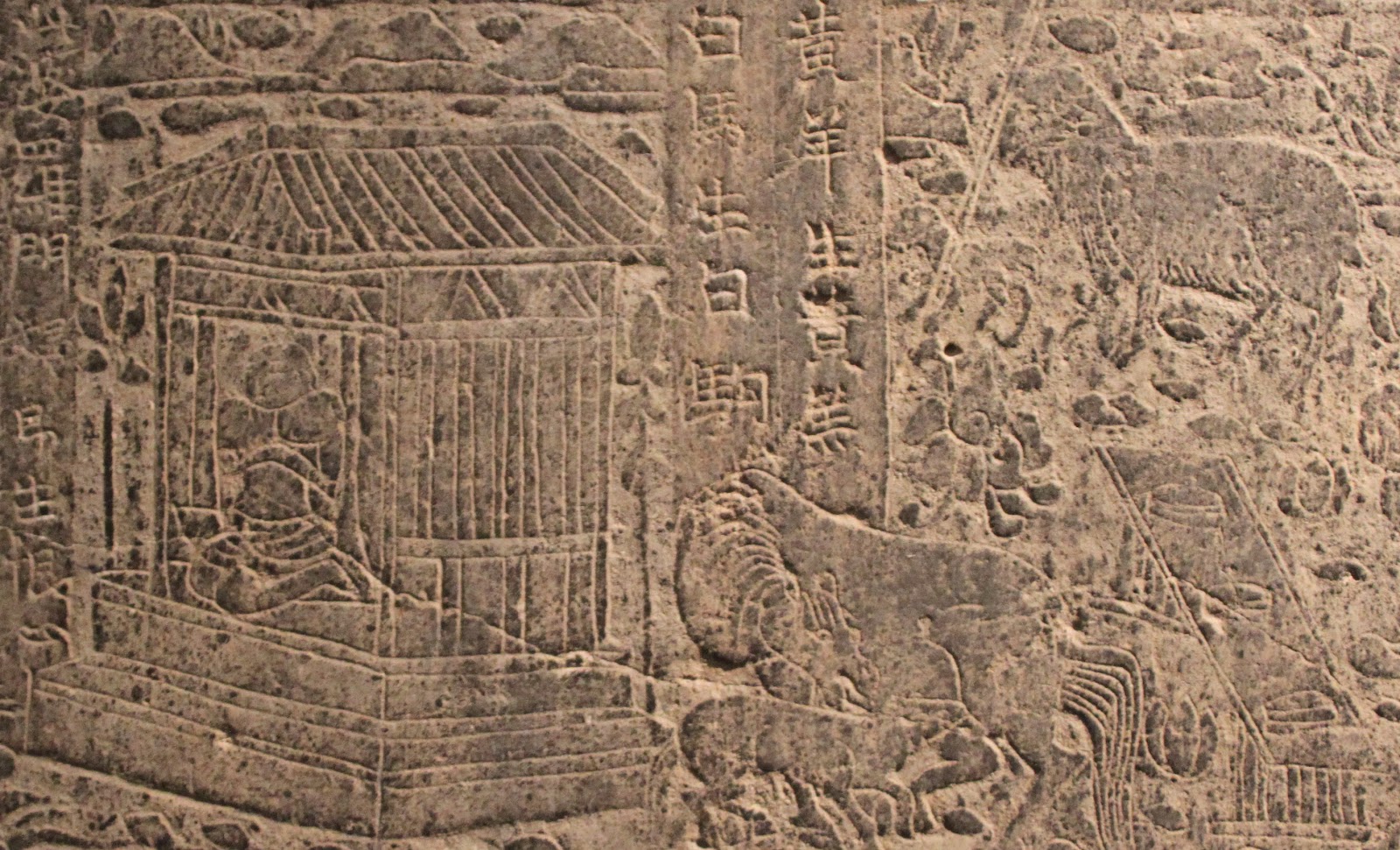
Eastern Wei Stele of 90 Secular Members, 543 AD

a mare with a foal

harnessed horses and carriages

a fine steed in a flying gallop

some personages 


warriors


camel - instrumental in the trade between the Central Asia, Northern Dynasties empires and eastern steppes and Korea.


oxen - 


enjoy

ps 

I will do a post on the Northern Wei and Northern Qi - I hope

Valete
Monday, May 30, 2022

Kofun Japan - horses and tack

 Salvete Omnes,


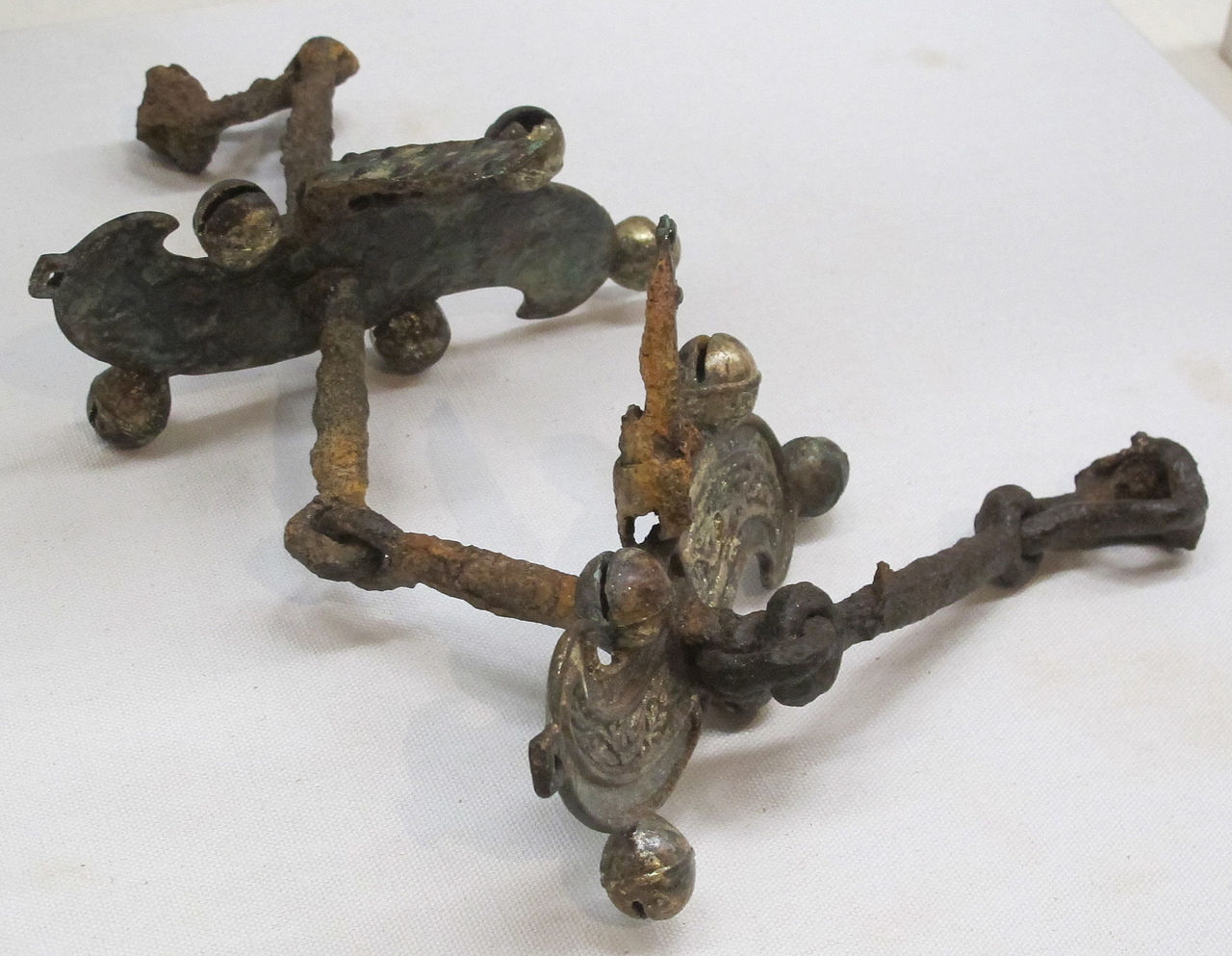
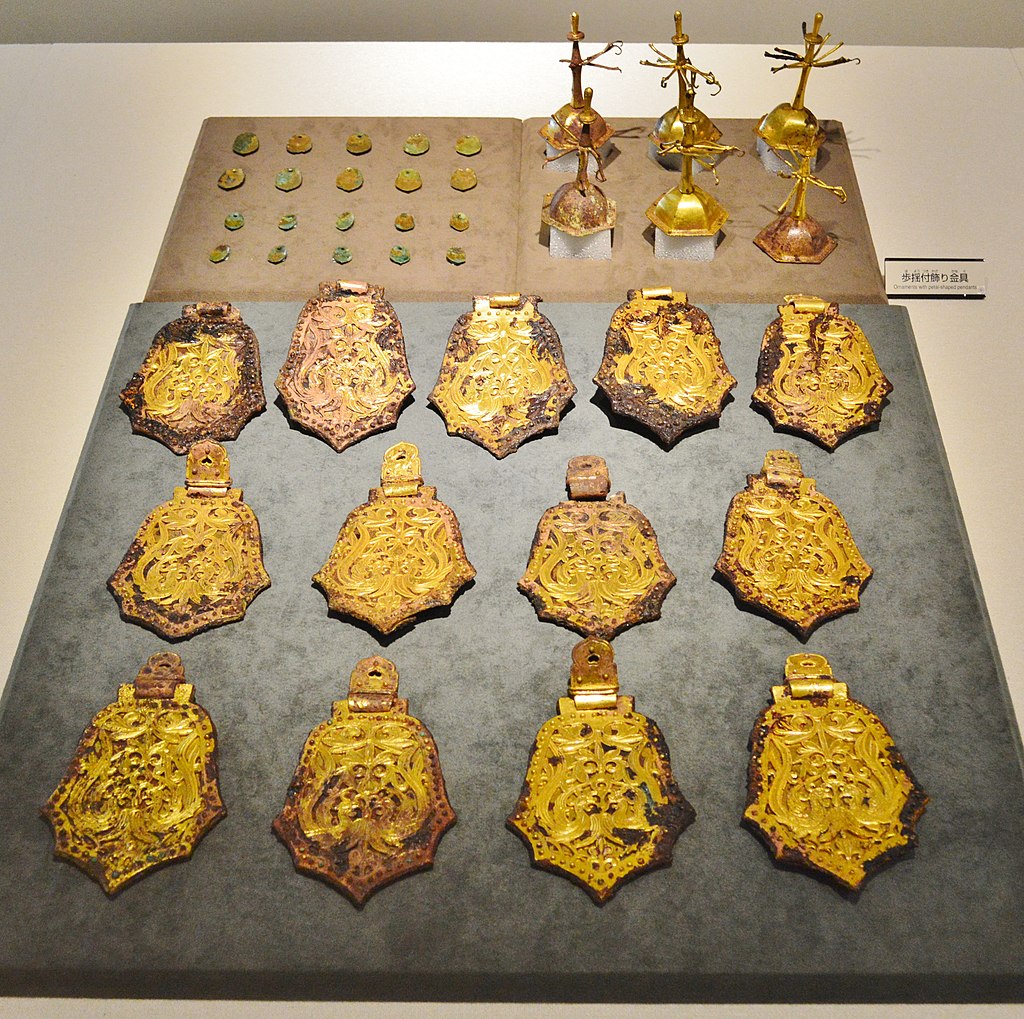
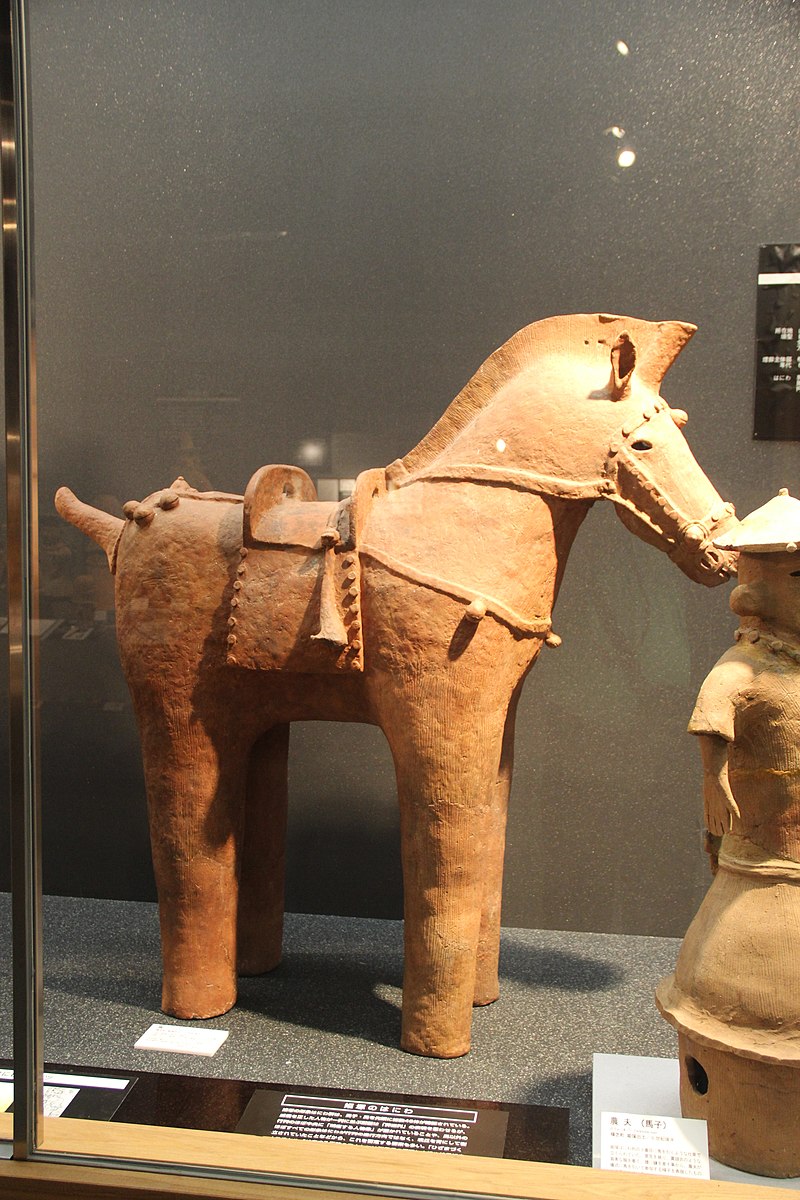
from the archives at Wiki Commons come these elements of the earliest Japanese horse tack - Kofun Japan & Korean Kingdoms  

Both haniwa figures and actual material objects are corralled in this post - 


-bit


-horse tack pieces & stirrups


 - saddle


backing of the cantle 


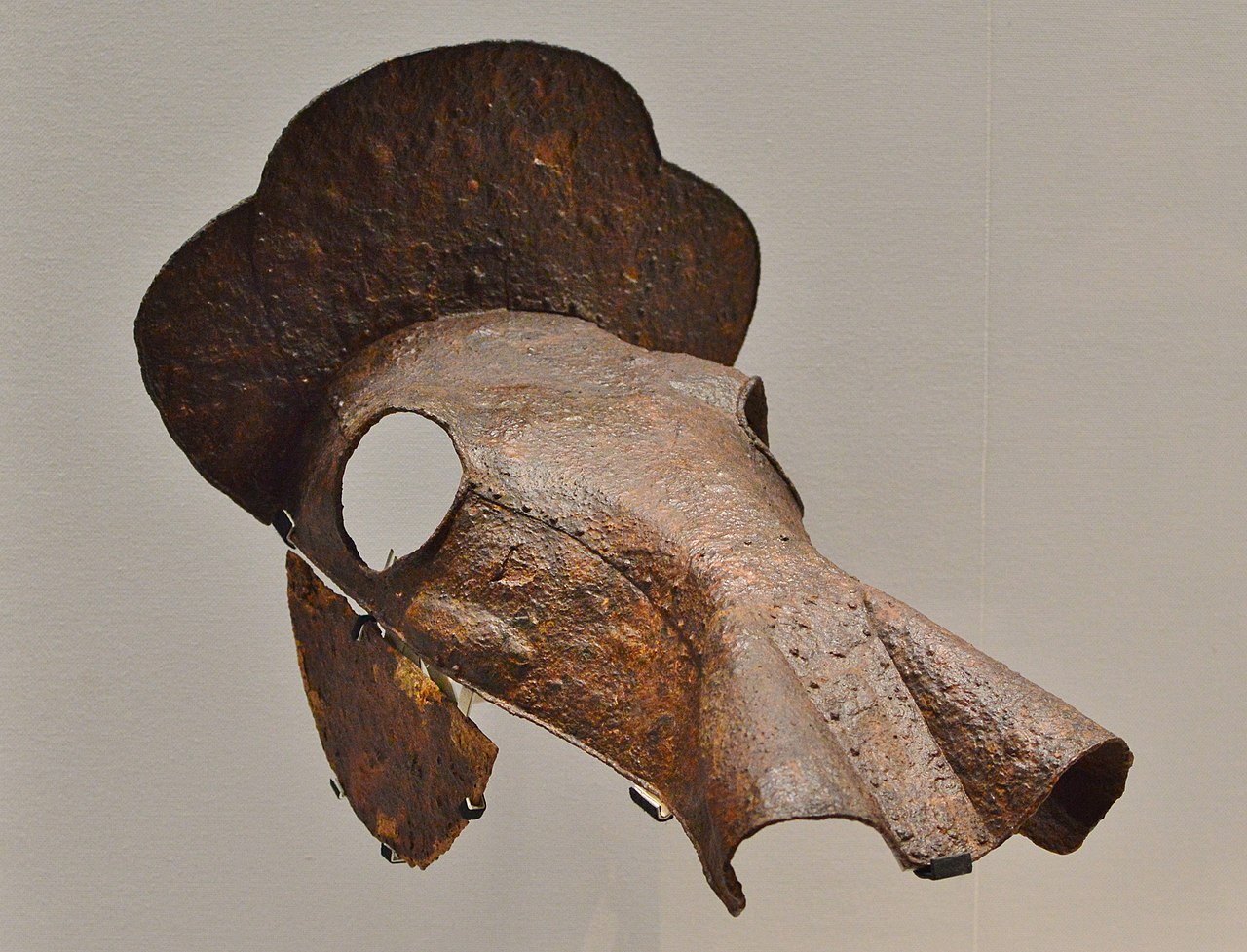
 horse armor


Valete