Showing posts with label Jan Matejko. Show all posts

Sunday, October 12, 2025

Around Jan Sobieski part III - Miaczynski the cavalry commander

Salve, 


The anniversary of battle of  Parkany (9th of October 1683AD) caused me to bring up the person of  one of the most talented Crown army  officers of the king Jan III's reign.
Atanazy Walenty Miączyński, Suchekomnaty coat of arms (1639-1723), voivode of Wołyń (Volhynia), venator Regni,; starost and court treasurer,; pułkownik (commander of the pułk which was a larger than banner/company tactical unit of the pre-1764 Commonwealth armies) lived a long life that was spent in war camps war, in the diplomatic journeys and courtly life (and thus obviously he had to be part of many courtly intrigues). 

 He must have been a fine cavalryman as a young warrior, and pan Antanazy rather quickly and early become a commander of cavalry, eg we know that in 1673 he was a rotameister(captain) of a Vallachian light cavalry banner that took part in many a battle: eg at Bracław (AD1671) the cavalry  banners he commanded blocked the Tatar's retreat thus allowing the complete rout of the Tatars during that engagement; then he commanded cavalry units at  the Podhajce fight; fought under Jan Sobieski   at the war camp of Żurawno, and  while pursuing the fleeing Ottoman soldiers during the final stage  at the battle of Chocim (Khotin) AD 1673 he was seriously wounded -    it is good to remember that the Ottoman cavalry and warriors were terribly skilled in hand-to-hand cavalry combat,  and their swords were most deadly in those close combat encounters. 

Battle of Vienna 1683 campaign - the turning point of his courtly career -  pan Atanazy entered the campaign commanding  3 pancerni cavalry companies (his own and his brothers). He also served personally on the king, along with Andrzej Modrzejowski, who got killed in the preliminary royal winged hussar banner charge against the Ottoman camp. During the general advance on the Turks he captured the Grand Vizier's tent where he took into custody of the famous, with sword Zulfikar (Zulfiqar), banner. 

Then, after the battle and capture of the enemy camp, our king Jan III sent him to pursue the Ottoman forces feeling away  across the river, giving him the 'pulkownik' command of the Polish army's light cavalry banners. 

During the first battle (6th of October) of Parkany he helped to save our good king's life. As we can see he was rather busy, active and very resilient, surviving mayhem and hand to hand combats, camp sickness, hunger, and successfully  commanding larger tactical cavalry units.


The war against the Ottoman Empire and their Tatar allies continued and then came the Polish campaigns to recover Polish Crown Podolia and the fortress of Kamieniec Podolski, fought hard and with much of great war effort, i.e, money and  human and equine participants (and animals for consumption only, including oxen and sheep, and fresh pork where available). The continuous war against the Ottomans saw pan Atanazy grow up in significance within the court, eg during the 1686 Moldavian campaign he was part of the king's war council, as he had become one of the most experienced mid-level commanders of the ''Respublica'' army.

He was significantly involved in the defeat of the Tatars during the winter  battle of Lwow(1695), one of the astonishing feats of audacity, bravery, strength and fury on the part of the nomadic Crimean Tatars. 

 During the reign of the  next Commonwealth ruler, our king Augustus the Strong, when the Great Northern War already had erupted in our part of the woods and plains, he also took to the field, eg commanded units during the Kliszow campaign,  later remained faithfully in the much defeated and troubled king Augustus' camp and that in spite of the Swedish depredation pinpointed against his own estates and his 'people'. 


During his long life he built a castle at Maciejów (now in Ukraine) while at his estate at Zawieprzyce founded a hospital for the soldiers wounded during the wars with the Ottomans and their allies, the Tatars. 


famous painting by Jan Matejko 

Valete

Saturday, May 3, 2025

Constitution that triggered war of 1792

 Salvete Omnes,

some Polish history


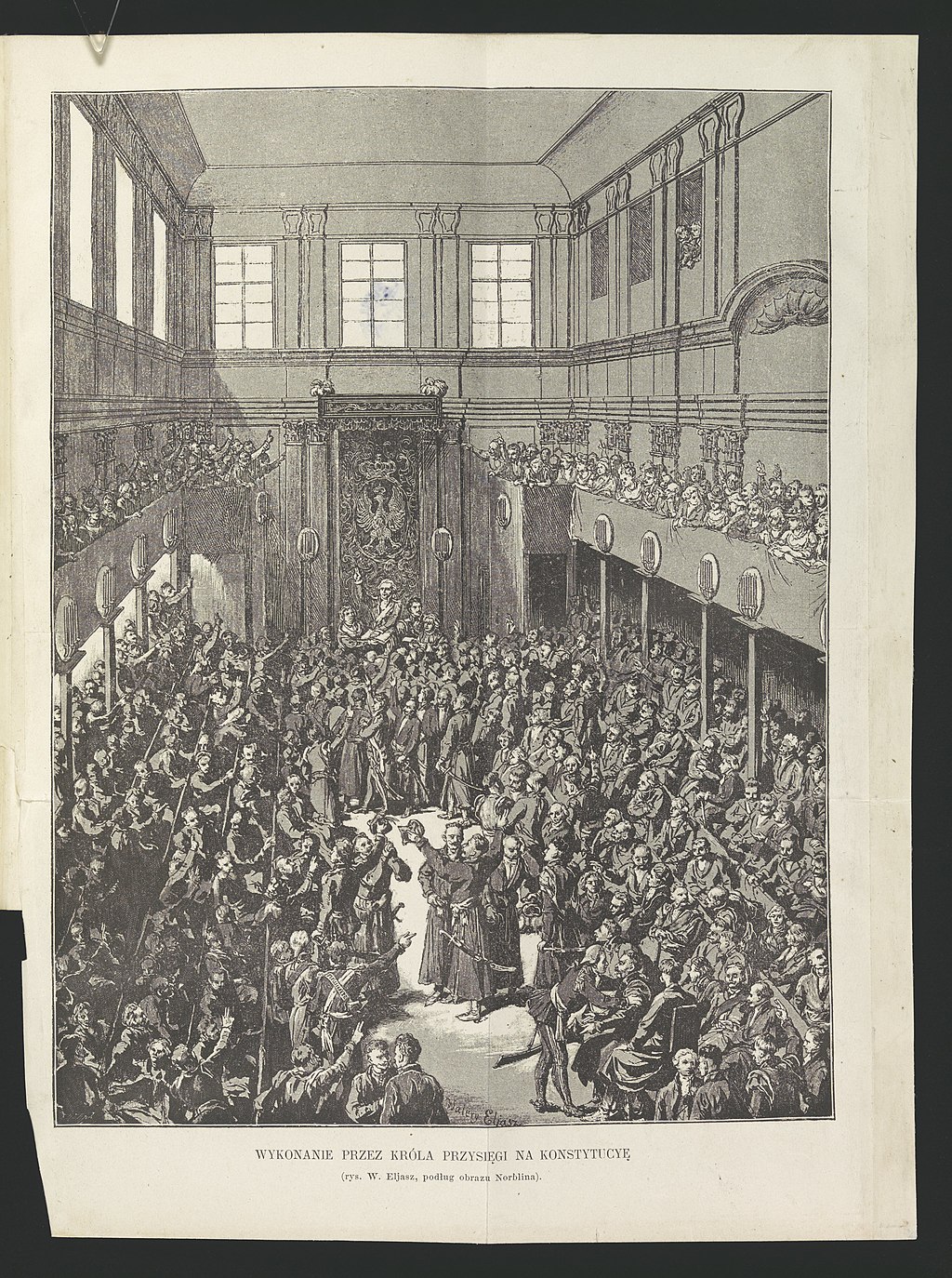
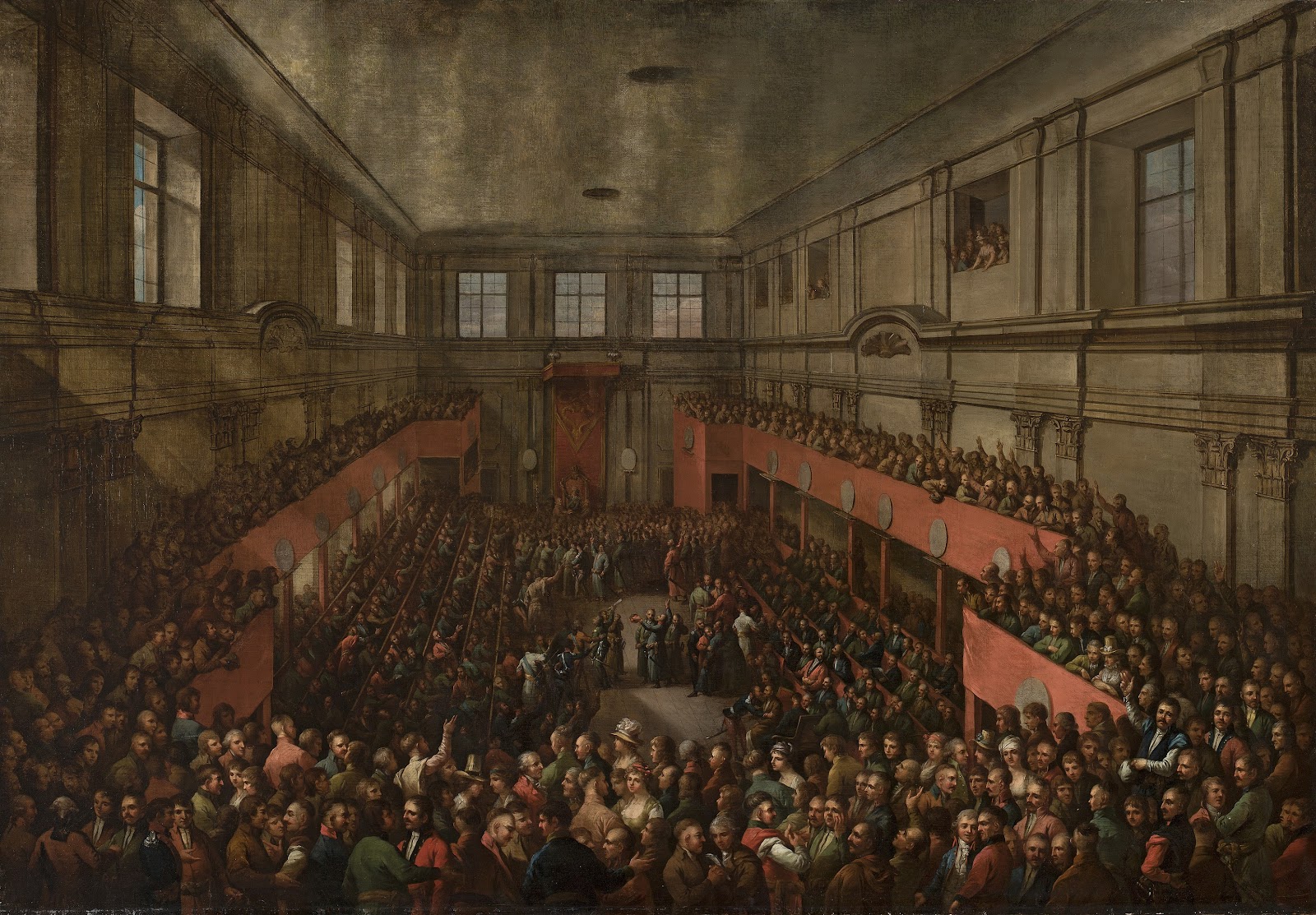
in Poland the third of  May  is celebrated as the official state holiday - the May Constitution Day - established  to  commemorate the final of the Polish constitutions passed by the Sejm (the Polish Legislature) not quite in presence of all parliamentarians present in Warsaw on May 3, 1791 AD. It was the first modern constitution in Polish history and actually also the first one in the European history too, being only second to the American constitution. 


The passing of that new constitution for the Polish-Lithuanian Commonwealth's Sejm was  opposed by many Commonwealth magnates and nobles. The new constitutional  framework for the Polish Republic was not welcomed by Russian Empire, Prussian Kingdom and Austrian Empire, those three powers that in 1772AD already took some parts of the Polish realm (known the the First Partition of Poland).


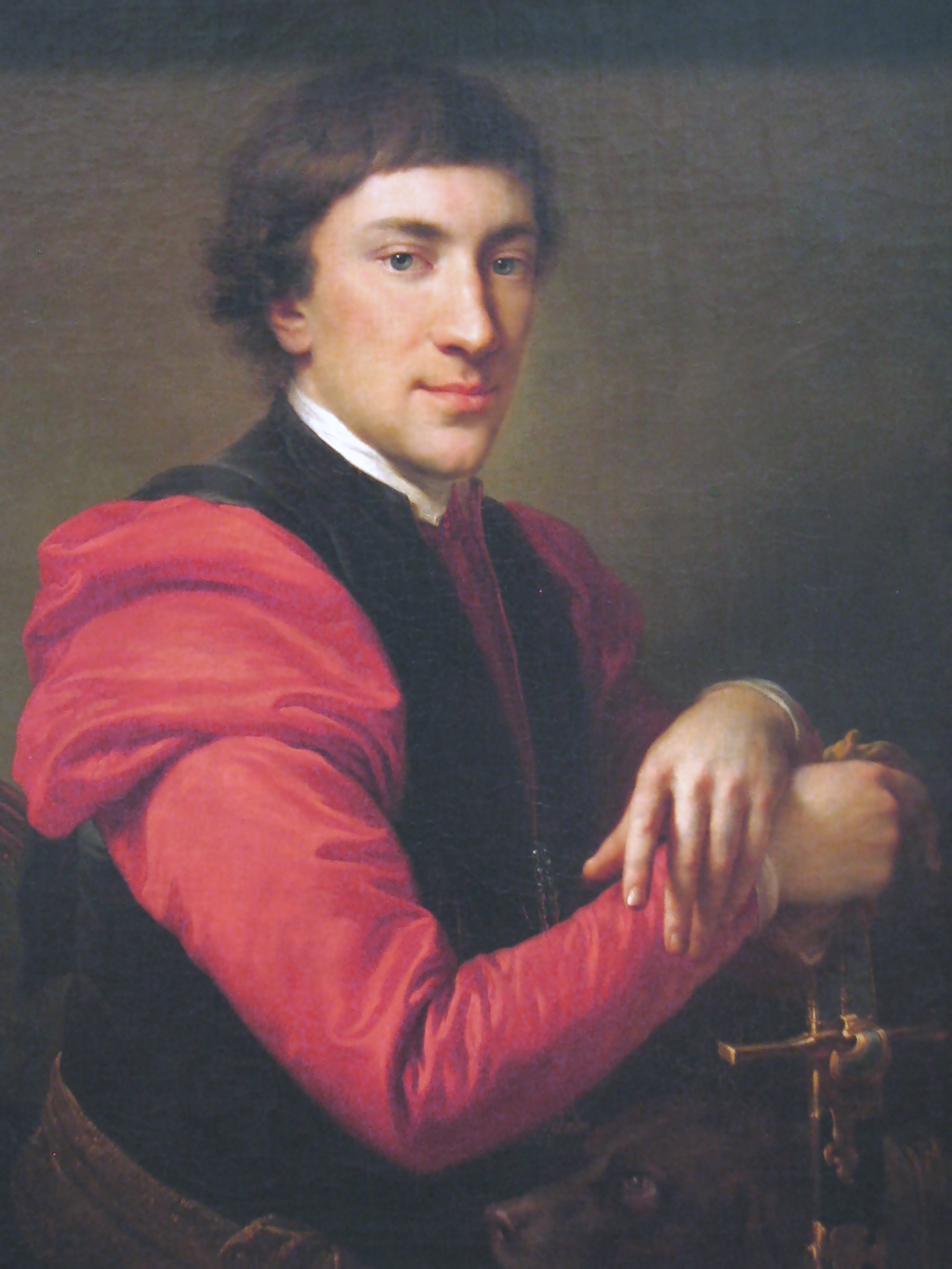
Empress Catherine II, the ruthless enlightened ruler of the Russian Empire, had the rebellion or confederacy (of some of the Polish-Lithuanian magnates, like Franciszek K. Branicki in the painting below,  and noblemen) organized in the winter of the following year ( formally declared in April 1792), and then these Commonwealth confederates commonly and jointly known as the Targowica Confederation called for the Russian intervention. 


And thus in the late spring of 1792 the Russian invasion commenced and a war started known nowadays as the Polish-Russsian war of 1792.


I would say this lawful and needful act of Polish Sejm ( Parliament) in May 1791 might have been the 'final straw that broke the camel's back,' i.e., it led to the Russian invasion,  a defensive war, cowardly  betrayal of the undefeated Polish Crown army in the field  by king Stanislaw August  and the so called reformers,   and in consequence eventually  the 2rd  partition  of the Commonwealth, then the Kosciuszko Insurrection of 1794 and the final Third Partition of Poland of 1795.

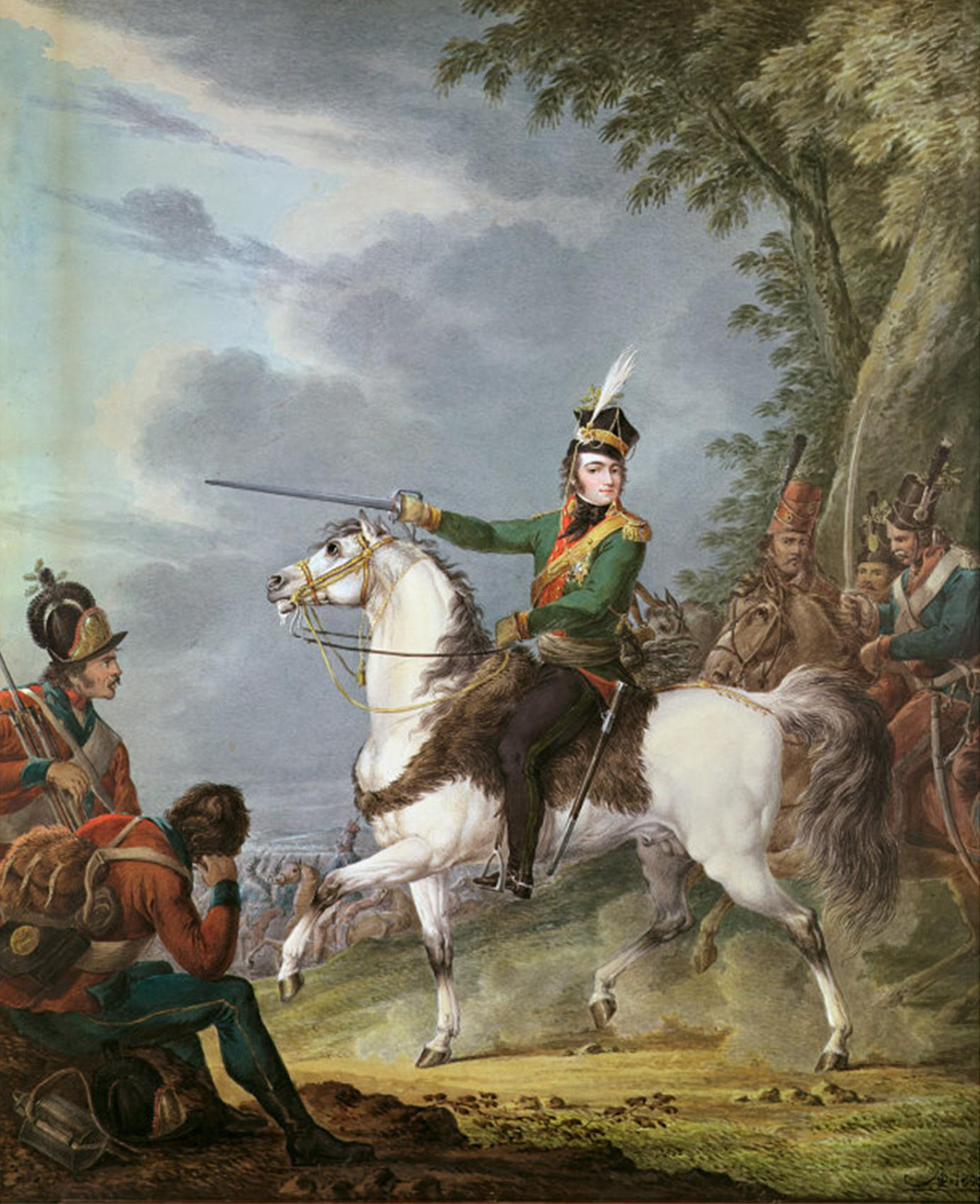
 the very young commander of the Crown Army, Jozef A. Poniatowski
Tadeusz Kosciuszko, commander of one of the divisions and  a veteran of the American Revolution
Pawel Grawbowski, commander of the 3rd infantry Regiment of the Duchy army


We can only guess and wander about the alternative history here, namely what could have happened if Polish-Lithuanian Commonwealth politicians and patriots stayed put for a few more years?
What if  the Great Sejm of 1788-92 ended without any new constitution and with no substantial reforms and thus the weak Polish state, with 900 thousand strong Jewish minority,  continued as the Russian protectorate until the coming of Napoleon and the Napoleonic war?
One could also speculate, not without a reason,  that the Prussians were behind all of this newly found courage suddenly displayed by Polish weak  king and his advisors in 1789-91, as  the Prussians themselves  were in fact  the ones who did benefit the most from the war between Polish state and Russian Empire, and the Prussians ended taking new Polish provinces, and in 1794-5 joined Russia  in fighting and then ending the Commonwealth.


Valete

Thursday, April 10, 2025

Prussian Homage 1525-2025


 Salvete Omnes,

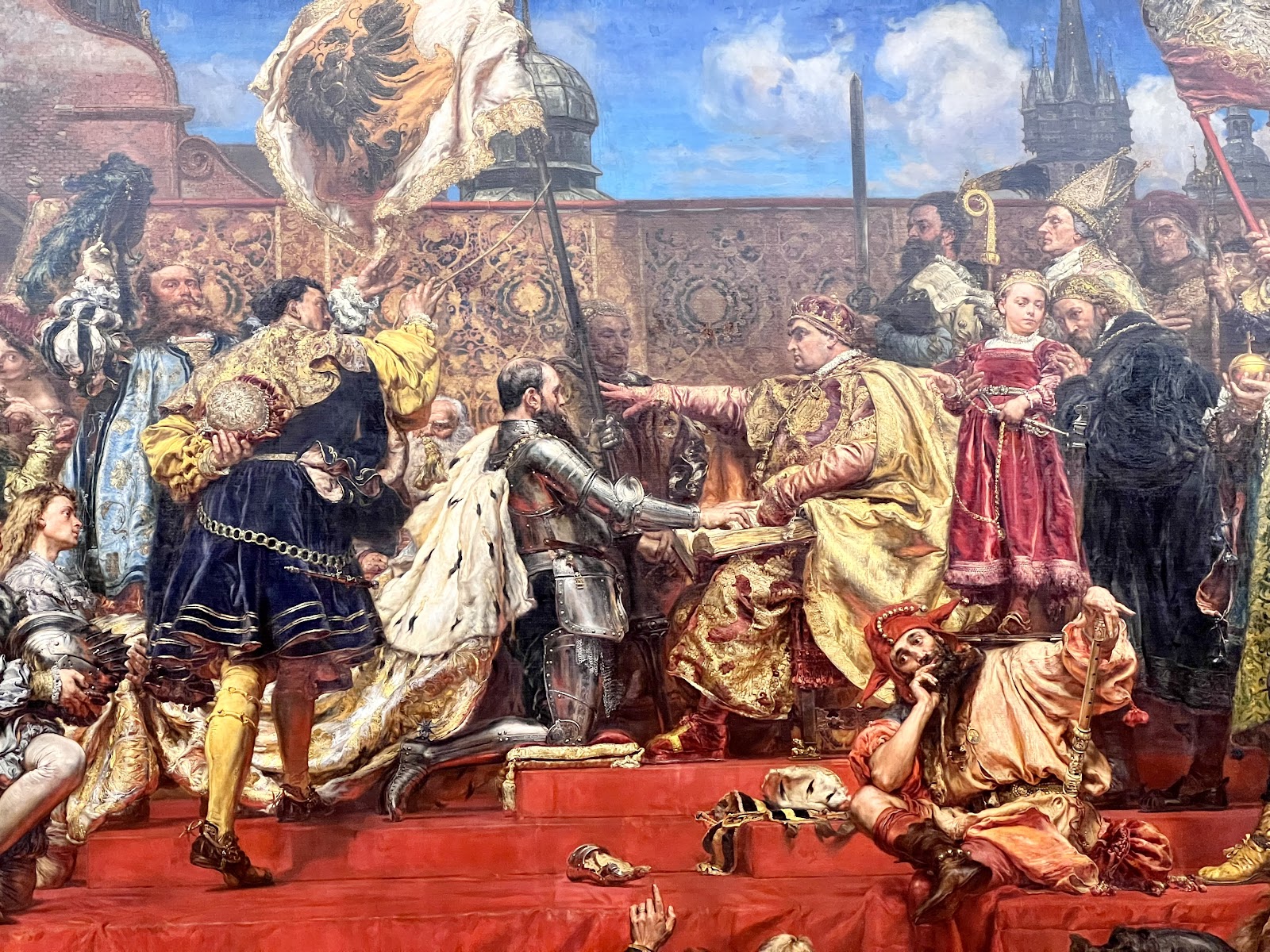
today we could celebrate the 500 years anniversary of the Prussian Homage, when the treasonous and poisonous Teutonic Order State was dissolved and its Grand Master, Albert of Prussia, left the Holy Mother Church for the heretical new Protestant denomination of Lutheranism, was allowed to secularize  his state as the first Protestant state in Europe, and  became a vassal to the Polish king, Sigismund I (the Elder).

Prior to the Homage Grand Master Albert fought the last Polish-Teutonic war 1519-1521AD against the Polish Crown, allied with the Grand Duchy Muscovy and Holy Roman Emperor. Nota bene the pesky Grand Duchy of Lithuanian did not come to aid Polish realm, supposedly busy with the Muscovite onslaught. 

IMHO this treaty of Krakow finalized with the Homage was the gravest error of Polish Jagellon dynasts. One could say that to allow for this viperous state, the arch enemy of Polish kingdom since at least 1309AD,  to continue in its secular form carried not only the promise of treachery and duplicity, but prevented Polish realm from taking complete control over the Baltic shores from  the Gdansk Pomerania to the Lithuanian Zmudz coast.  The Teutonic State should have been incorporated into the  Polish realm, and Polish king made the Order's titular head. The subsequent decisions of Polish monarchs, from Sigismund II to Sigismund III and his son Wladyslaw IV just borught more treachery and promises of doom. In 1772 the ruler of Prussia , archvillain Frederick, instigated the First Partition of Poland.


.


Archbishop and Crown Chancellor  Jan Łaski (1456-1531) was the proponent of liquidation of the Prussian state, along with queen Bona Sforza, but His Royal Majesty Sigismund I, one could say  the very master of many bad political decisions, refused to heed his own wife's and his own chancellor's counsel and advice. 
'Stupid is as stupid does' - said our American fictional hero, Forrest Gump.  
Jan Matejko painted this huge (388cm by 785cm) canvas, started in 1880 and finished in 1882,when Poland was just an idea  in the heads and hearts of the Poles partitioned between Russian Empire, Prussian state known as German Empire and the Austro-Hungarian Empire.
Jan Matejko, with his inspiring paintings, fought back, along with many Polish cultural giants of the era, the doom of Partitions and for the restitution of Polish state. 
Ave Jan Matejko
ps 
currently the Polish culture is in retreat and in a dismal state of nothingness, sadly. 
enjoy
Valete

Saturday, March 22, 2025

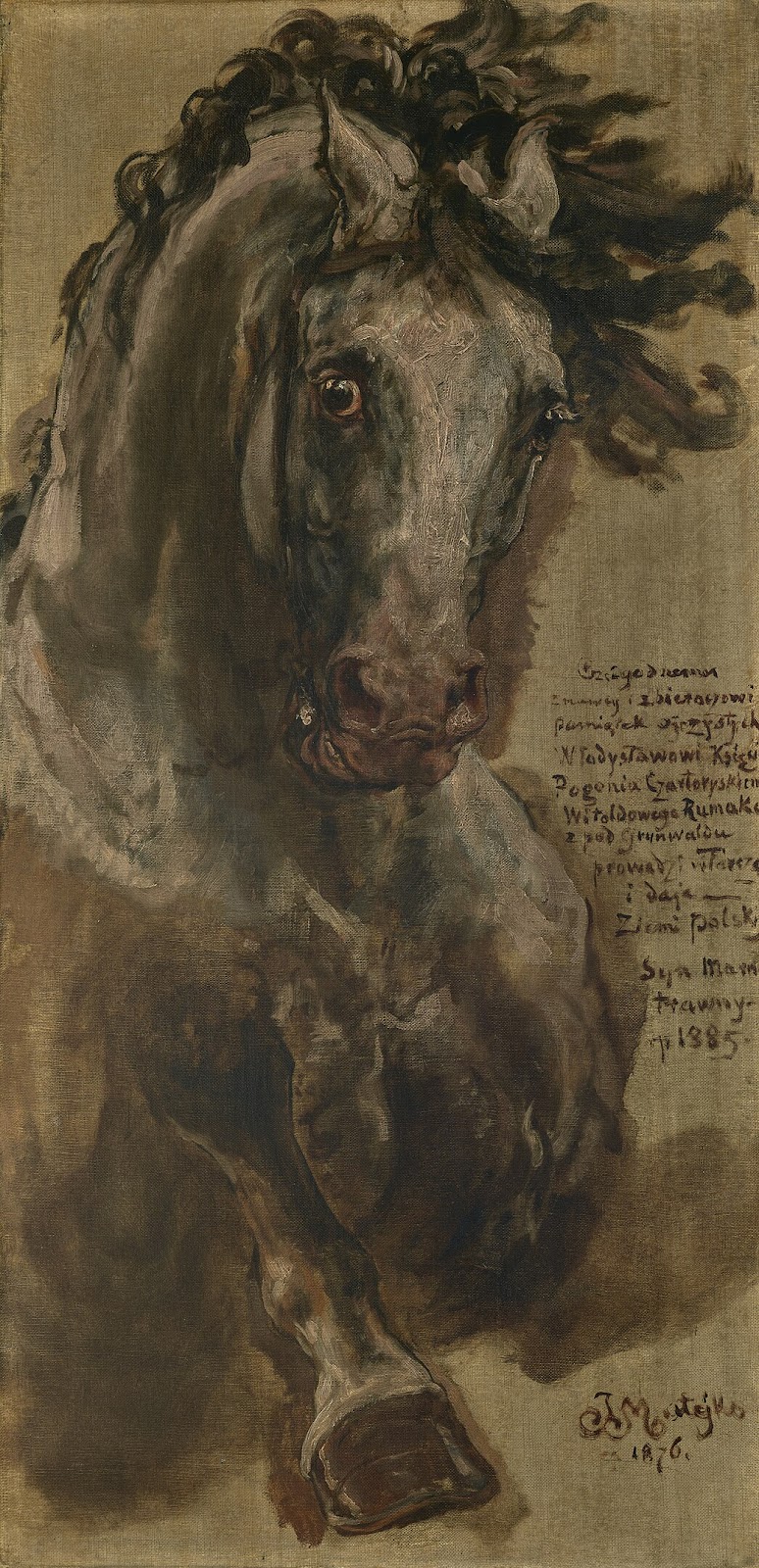
Jan Matejko & horses

 Salvete Omnes,

Jan Matejko's son on horseback


a short entry on text an rich in imagery .

Jan Matejko is one of the most preeminent Polish painters of all times. Famous for his historical paintings, and allegories in art and history, portrait paintings and numerous works on the history of costume and  architecture of his times - 1838-1893. 


horse details from his painting - Grunwald 1410


horses from his Jan III after the Victory at Vienna 1683


 horse studies


..

horses from Kosciuszko at Raclawice 1794


. some of the  medieval  dukes of Kingdom of Poland on horseback

prince Boleslaw I the Tall

prince Boleslaw the Bold Rogatka

prince Trojden I of Masovia

and two very infamous personages in Polish history -   Bohdan Chmielnicki and Tuhay Bey


...

Valete

Wednesday, July 15, 2020

Grunwald 1410-2020

Salvete Omnes,
 
today's date - 15th of July - or the date of the battle of Grunwald is still very important for the Polish collective memory, traditions and history  (also in the memory of Belarus - known as Бі́тва пад Гру́нвальдам,  and Lithuanian - known as Žalgiris ).
 
Priest Jan Długosz, Wieniawa coat of arms and the most important Polish XV century chronicler, wrote a detailed  account of the battle  - in the link the English translation from de re militari site.

I would like to point that  the allied army under king Wladyslaw III Jagiello included between 1000 to 3000 Tatars of the Golden Horde under their emir Saladin Jalal al Din son of khan Tokhtamysh. At that time this princeling was a refugee from the civil wars inside the Horde and had been a vassal to prince Vitold of Grand Duchy of Lithuania. In fact, in 1411 Jalal al Din made his claim to the throne of the Golden Horse and did become the khan of the Golden Horde, albeit for a very short period.
 
The end of the XIV century was the time of the trek and settlement of various  groups of Muslim Tatars under their emirs and mirzas in the Grand Duchy of Lithuania. They became one of the most frightful subjects within the realm and some of their descendants  live in eastern Polish Republic today.

 Vae victis

It took several more wars and the Reformation to finally end the Order rule in the Baltics, the state became secular duchy ruled by prince Albrecht Hohenzollern and as the so called Ducal Prussia the humble vassal to the Polish kings, this status lasted until AD 1657... ( I will not bore you with the details as you can easily read more on many Wikipedia pages devoted to the Prussia's history ).
So let us remember the event, its symbolic significance, marvel at the art devoted to its memory and pray for the souls of our ancestors.
 
Valete!

Thursday, April 14, 2016

the 1050th Anniversary


Salve,
 they say that today, on April 14, but 1050 years earlier or in 966AD a Polish ruler Mieszko (Dagome) and his court were baptized and became members of the Christian community. This ceremony occurred perhaps  in one of the strongholds these Piast rulers had built in Wielkopolska (Greater Poland), either in Ostrow Lednicki or Poznan. He was a ''Rex Barbarorum'', and his state quickly arose to prominence on the eastern flank of the Holy Roman Empire, at odds with the fellow Slavic and Christian Bohemian state, and poised to take more lands and tribes in all directions.

As the records are scant we can but speculate about the extend of his state so by the 990AD


Since the very beginnings of Christian Poland are mostly shrouded in myth, legend and hearsay, other than written records have to provide some more detailed info about the early medieval Poland.

Archeology has provided some answers about the Piast state. It appears now from dendro-chronological analyses undertaken in 1990s that the early medieval Polish state begun at the turn of the IX century, while the huge building projects peaked in the 930s through early 940sAD, thus it can be said with certainty that our Piast Poland rose to prominence in 940AD.