Salvete Omnes,

dog days of the summer - I 'corralled' for us some medieval equestrian drawings by the XIX century French architect and mastermind of many restoration project Eugene E. Viollet-le-Duc


.


.

Valete
Salvete Omnes,
dog days of the summer - I 'corralled' for us some medieval equestrian drawings by the XIX century French architect and mastermind of many restoration project Eugene E. Viollet-le-Duc
Valete
Salvete Omnes,
some years ago I posted about prof. Rostovtzeff's reports on the excavations at Dura Europos, a Roman fortress on the Euphrates frontiers that was captured, after a siege, by the Sassanians and never again functioned as a town & fortress.
Dura Europos site is the sources of the Graffito of the heavy cavalryman

Nowadays it is being preserved at the Yale University.


Sassanian helmet from Dura

Valete
Salvete Omnes,
a short entry - from the Getty Villa, museum in Los Angeles, US -
 |
| Promtopidia |
 |
| Prometopidia - Getty description |


description from the California museum


Valete
Salvete Omnes,

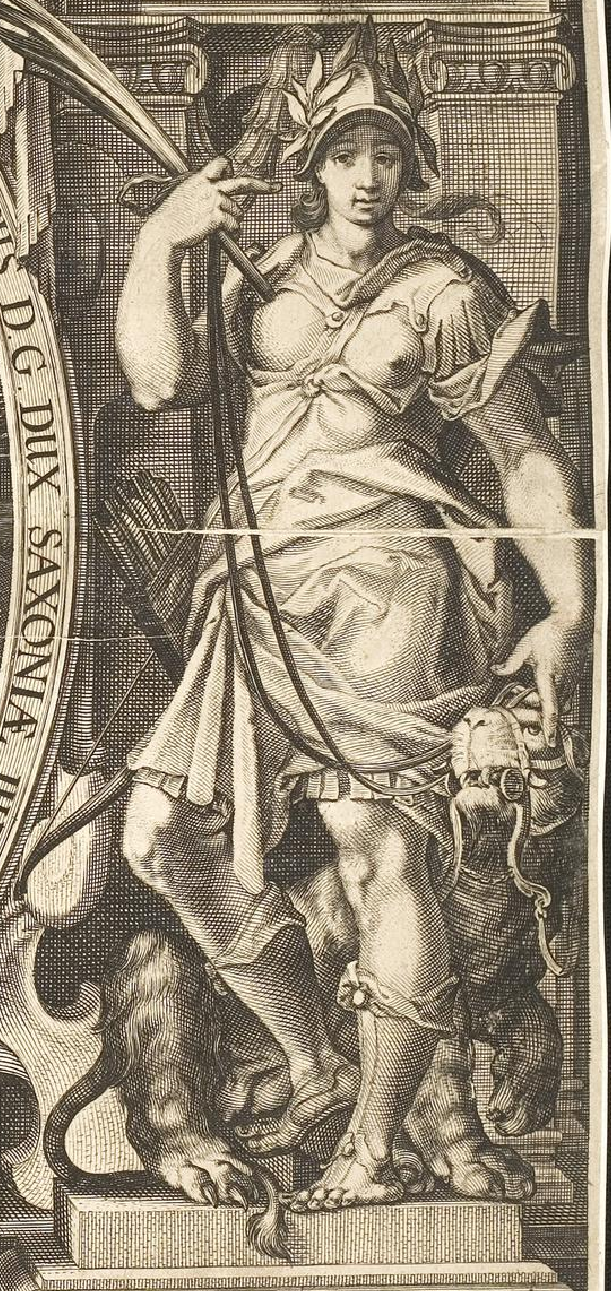
a short entry about another Saxon prince and some interesting iconography associated with this German ruler

Johann Casimir (1564-1633) of the Ernestine branch of the House of Wettin, ruled over his principality of Schsen-Coburg where he was known for his projects to strengthen, enrich, and stabilize his realm.

He fortified his primary fortress Veste Coburg - and at your own leisure you can peruse the Wiki Gallery for some rather remarkable vistas of this schloss - and thanks to his diligence Catholic Imperial and allied Bavarian armies were unable to take this fortress when Protestant prince Johan Casimir decided to enter the war on the Swedish, Protestant, side. Nota bene during his reign the witch trials were at their height in his lands, and he most likely used this mass formation psychosis to accuse of adultery, divorce and imprison his first wife, Anna of Saxony, at the fortress.
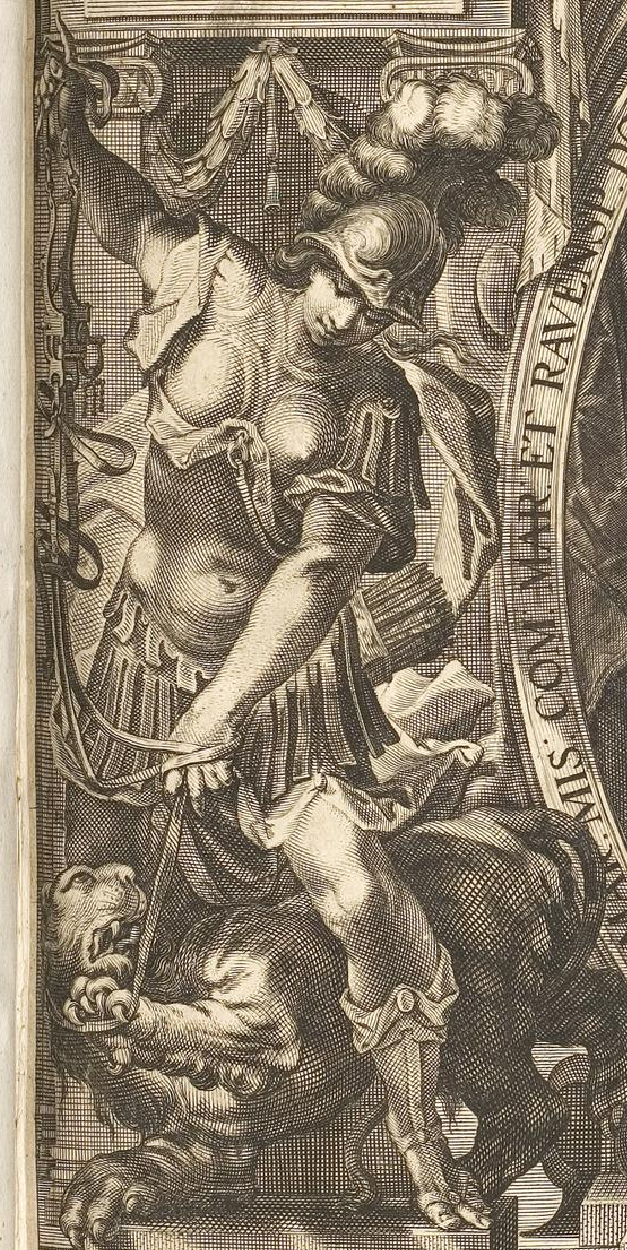 |
| bridle with a curb-bit |

Beautiful epitaph at the Moritzkirche in Coburg. John Casimir had master sculptor Nicolaus Berger build this monument for his father Johann Frederic II of Saxony and his mother Elisabeth of Simmern-Sponheim. The monument was finished in 1598.


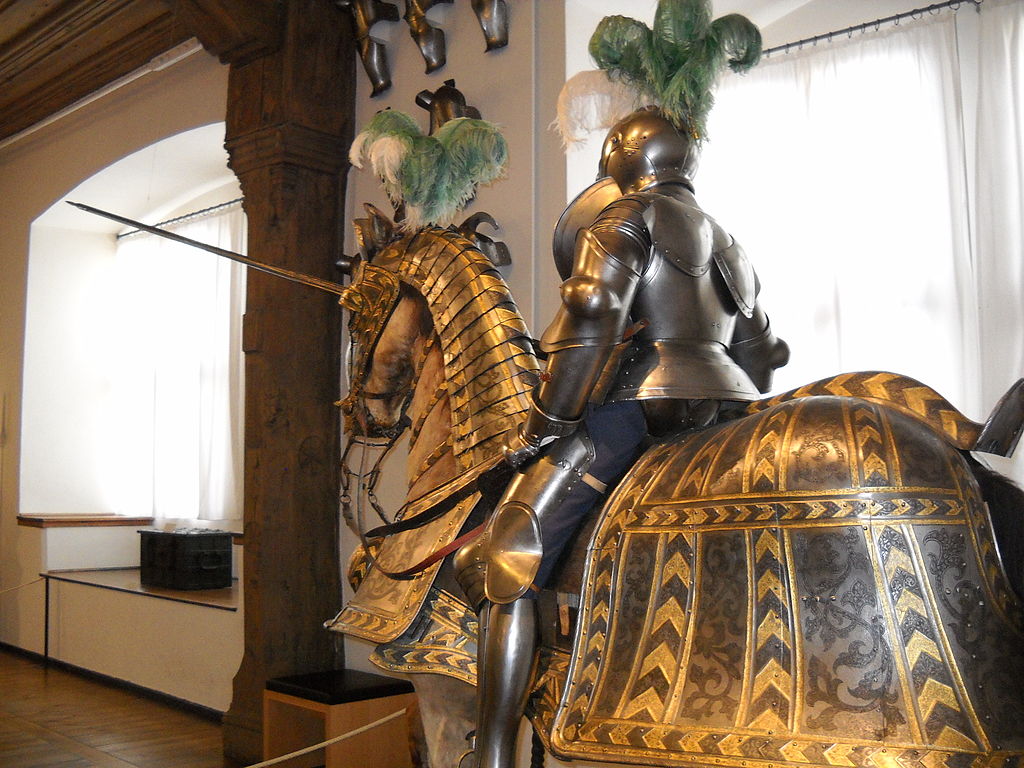
Finally, presently Veste Coburg contains an arms and armour collection - so when you are in Bavarian north do visit this castle.



 |
| beautiful rapier from Solingen |
Valate