Showing posts with label British cavalry. Show all posts

Friday, June 14, 2024

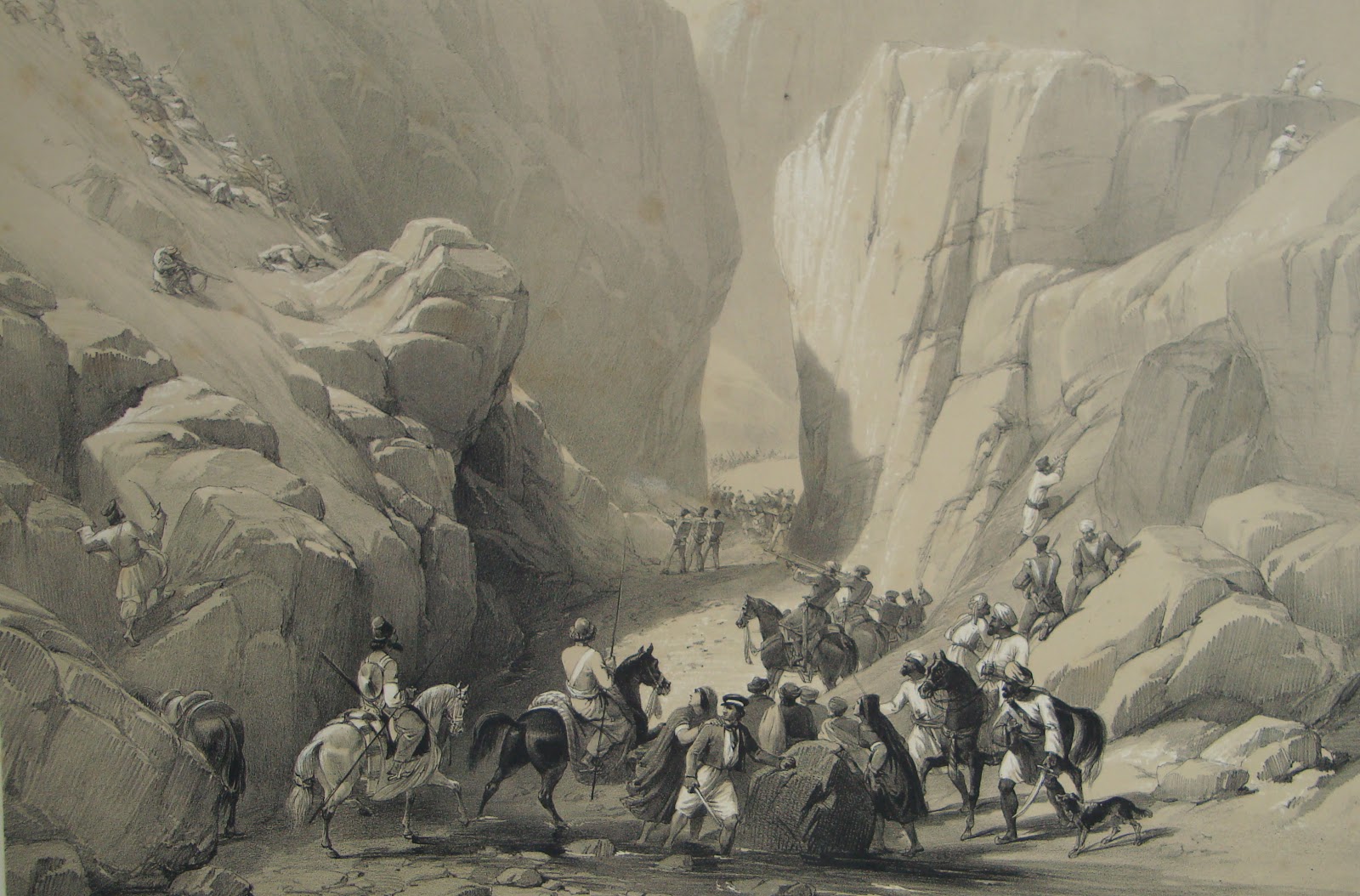
Afghanistan War 1838-41 by doctor Atkinson

Salvete Omnes, 


James Atkinson (1780-1852) was a men of many talents and skills, his profession was medicine and he worked as a doctor in Bengal (part of British India) - being fluent in Persian he translated parts of Shahname into English, while being a man of his era, he was also trained in fine arts.


During the First Anglo-Afghan war he was appointed the chief surgeon to the Army of India (Indus) and thus he participated in the war until 1840,   riding into Afghanistan.


Upon his return to India in 1841, he published his drawings from Afghanistan titled "Sketches in Afghaunistan' and a volume describing the war in Afghanistan  titled 'The Expedition into Affghanistan: Notes and Sketches Descriptive of the Country[..].'
He was one of the European pioneer researchers into the culture of Afghanistan and Persia.


William Hay Macnachten receives Dost Mohammad's surrender


a colored lithograph from Christies - 


During the final fighting with Dost Muhammad  the Bengal Cavalry's 2nd Regiment refused to charge Afghans and flew from their British officers .. the action was described by dr Atkinson.


Valete

Sunday, July 10, 2022

Hardy, honest little beast - Cpt Godfrey Gillson 1906

 Salvete Omnes,


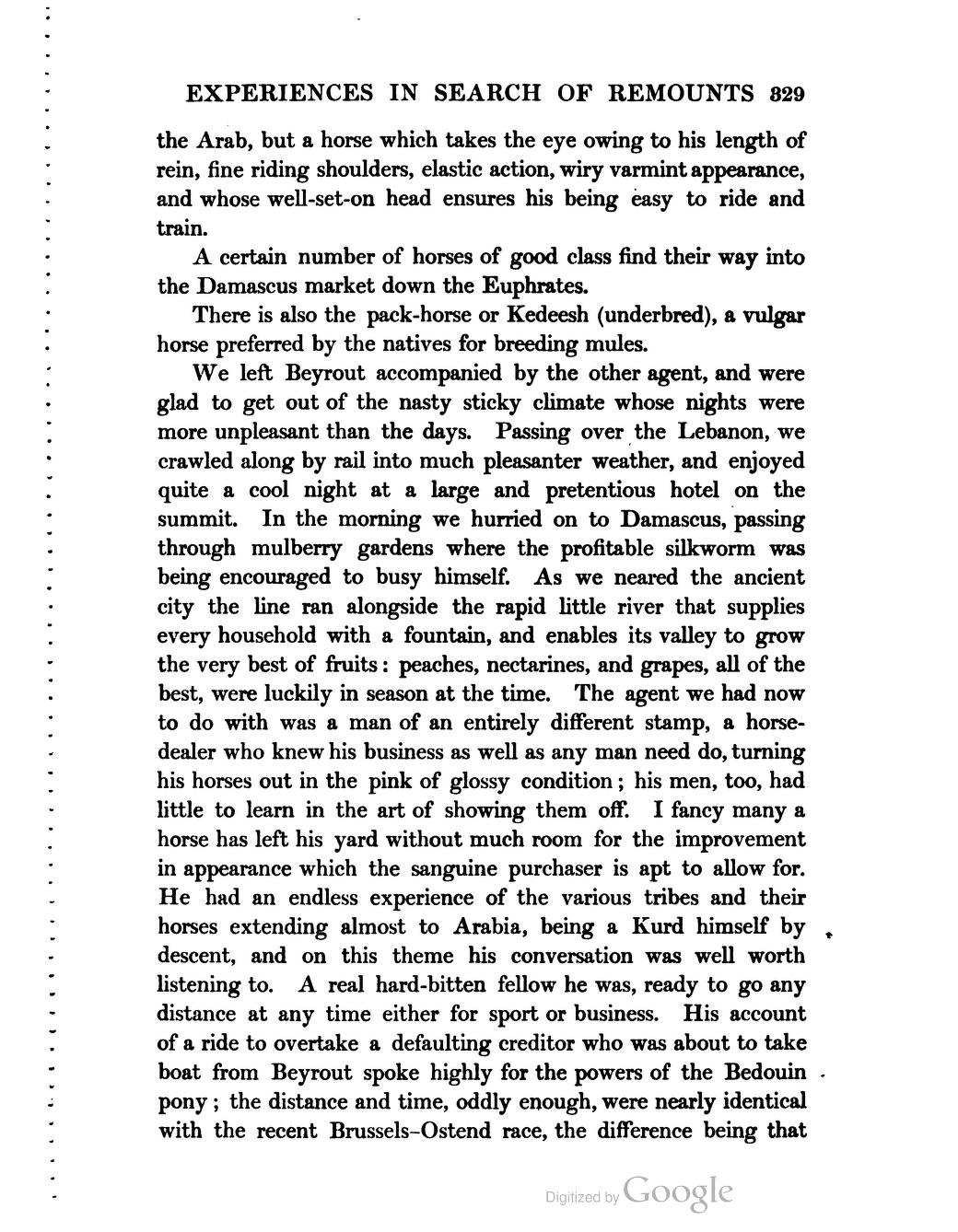
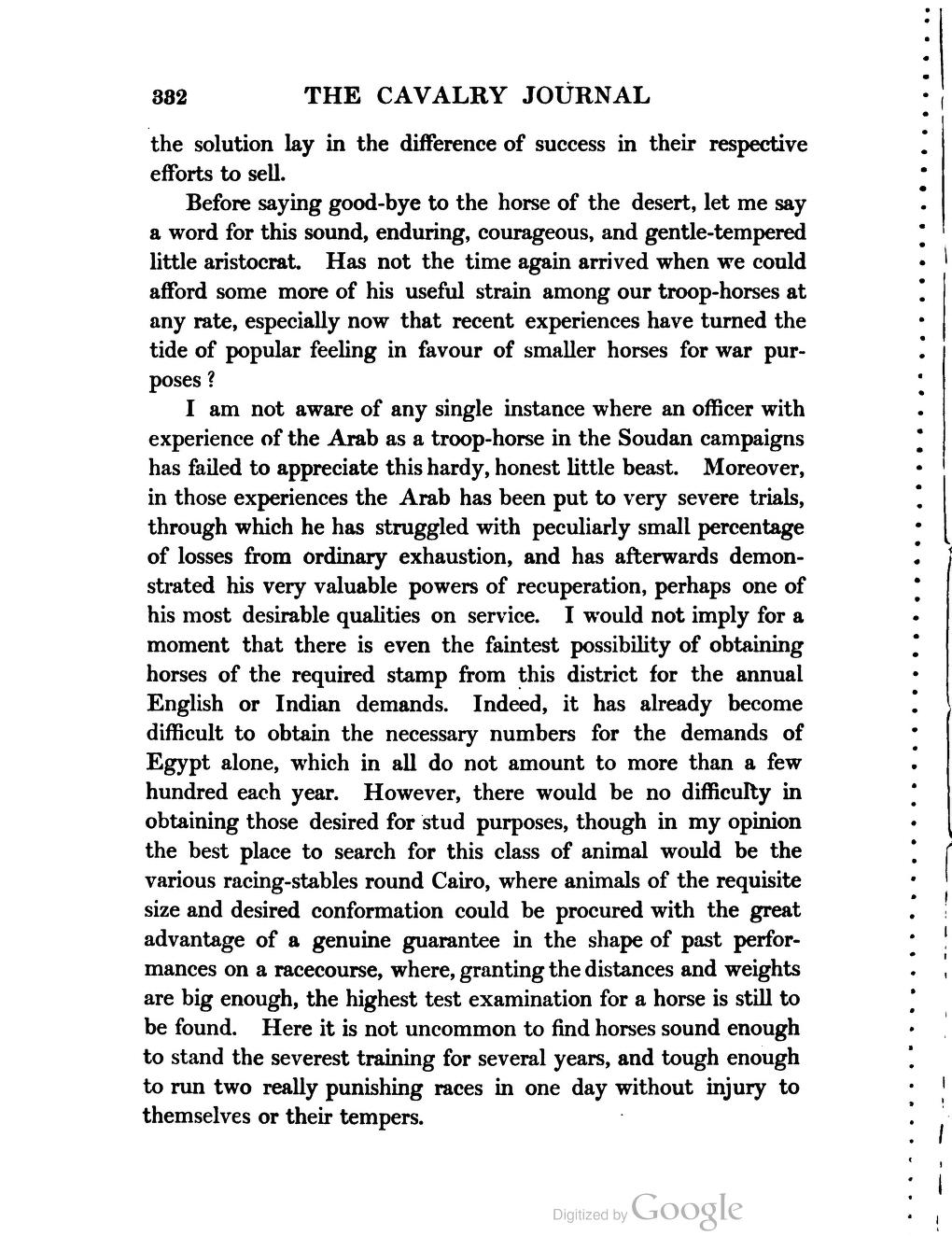
from 1906 AD Cavalry Journal (British) comes this little article on the horses of Syria circa 1906 according to Captain Godfrey Gillson, R.A., Commanding Artillery, Egyptian Army, who is in pursuit of cavalry remounts -


enjoy

valete

Thursday, March 19, 2020

the tilt at Quintain in the early modern England

Salvete Omnes,
a short post or perhaps not so short - :)
one of the great and rather fundamental exercise to learn and to hone one's  skills with a lance while on horseback was the tilt at the 'quitain.'
Samuel Johnson (1805) in his A Dictionary of the English Language has this definition -
Quintain - a post with a turning top, and the he tells us to look up a Quintin -
An upright post, on the top of which a cross post turned upon a pin; at one end of the cross post was a broad board, and at the other a heavy sand bag: the play was to ride against the broad end with a lance, and pass by before the sand bag, coming round, should strike the tilter on the back.
 
I have been perusing the Wiki Commons collections and came across this image of a quintain:

Apparently this Kentish village's quintain is quite old, as the ancient   lance exercise - tilting at the quintain - had been alive into the early modern or even post-Puritan revolution (aka English Civil War) period. 
well, I say that because it appears that during the later part of  XVII century there was still some practice with lances (ok, strong poles or staves) in the countryside.

For evidence we have this interesting description taken from 'The Natural History of Oxfordshire' (Robert Plot, 1677):
''They first set a post perpendicularly into the ground, and then place a slender piece of timber on the top of it on a spindle, with a board nailed to it on one end, and a bag of sand hanging at the other; against this board they antiently rode with spears. Now, as I saw it at Deddington on this county, only with strong staves, which violently bring about the bag of sand, if they make not good speed away, it strikes them in the neck or shoulders, and sometimes knocks them off their horses; the great design of this sport being to try the agility both of horse and man, and to break the board, which whoever does is for that time accounted princeps juventutis. It is now only in request at marriages, and set up in the way for young men to ride at as they carry home the bride, he that breaks the board being counted the best man.''

In 1813 J.N. Brewer (Topography of Oxfordshire) remarked that ''the sport is now  entirely disused, and the oldest man in the town does not remember to have heard his father mention the custom in any other than a traditional way.''

Curiously, during the Peninsular War the British and Spanish forces were truncated more than a dozen times by the Polish lancers in the French service.
In 1816 some of the British cavalry regiments (eg 12th  Royal Lancers, 16th Queen's Lancers  ) became lancer regiments, and tilting must have resumed as part of the training.

a photo of modern reenactment from the famous Malbork castle in Poland (naturally famous for the Teutonic Kinghts, but also the seat of the Malbork voivodeship in the Polish Kingdom AD1466-1772)

Valete

Monday, June 24, 2019

Upton the Uhlan & Arabians, Barbs and Turks in the English Blood Horse

Salvete Omnes,
 
a quick entry-
long time ago an Uhlan from Her Majesty Cavalry Roger D. Upton (1827-81AD) wrote a book titled:
Newmarket & Arabia - examining imported  racers and courses used to create the fabulous English Thoroughbred, and this fine book is available 'libre; at the Archive - world's best library.
 
eg list of 'Oriental' horses used in the English Blood horse breeding from the time of king James until 1800AD (according to major Upton):


We will return to our Uhlan in the future, as he did more of riding and writing on the Arabian horse.
Valete

Wednesday, June 5, 2019

Elizabeth Southerden Thompson, Lady Butler's military equestrian brushworks

Salvete Omnes,

a very short entry - a phenomenal British military painter  who was a woman, You can decide whether this was and still is the most unusual since painting war had not been a typical feminine subject in art history.

Elizabeth Southerden Thompson, Lady Butler or in short Elizabeth Thompson was a very prolific painter and a lady of high social standing, and a published writer.  I find it curious that she became Roman Catholic while studying in Italy in 1869AD.


 Just collected a few close ups of Lady Butler's horses from her painting.


Eventually Lady Butler settled in Ireland, went through the tragedy of the Great War  and then the Irish civil war  and died in Ireland. She  had a long and fruitful live. We can still appreciate her art and her vision of the battlefield, and of course her horses.
Valete

Tuesday, January 26, 2016

16th Light Cavalry - videos


Salve,
a great collection of historic videos showing the men and horses of the 16th Light Cavalry Regiment of the British India - still an existing unit of the modern Indian army.
The videos are courtesy of the National Army Museum - UK.


 Training horses for the 16th Light Cavalry at Sibi Camp, Baluchistan, 1935
 16th Light Cavalry Riding School, 1935
 Assault Course at the 16th Light Cavalry Riding School, 1935
16th Light Cavalry marching from Quetta to Sibi, 1935
16th Light Cavalry jumping a water obstacle, 1935


16th Light Cavalry at the Quetta Horse Show, 1935
 16th Light Cavalry polo players, 1935
 enjoy