Showing posts with label buff coat. Show all posts

Tuesday, February 27, 2024

David Klocker Ehrenstrahl - more horse and some royal riders

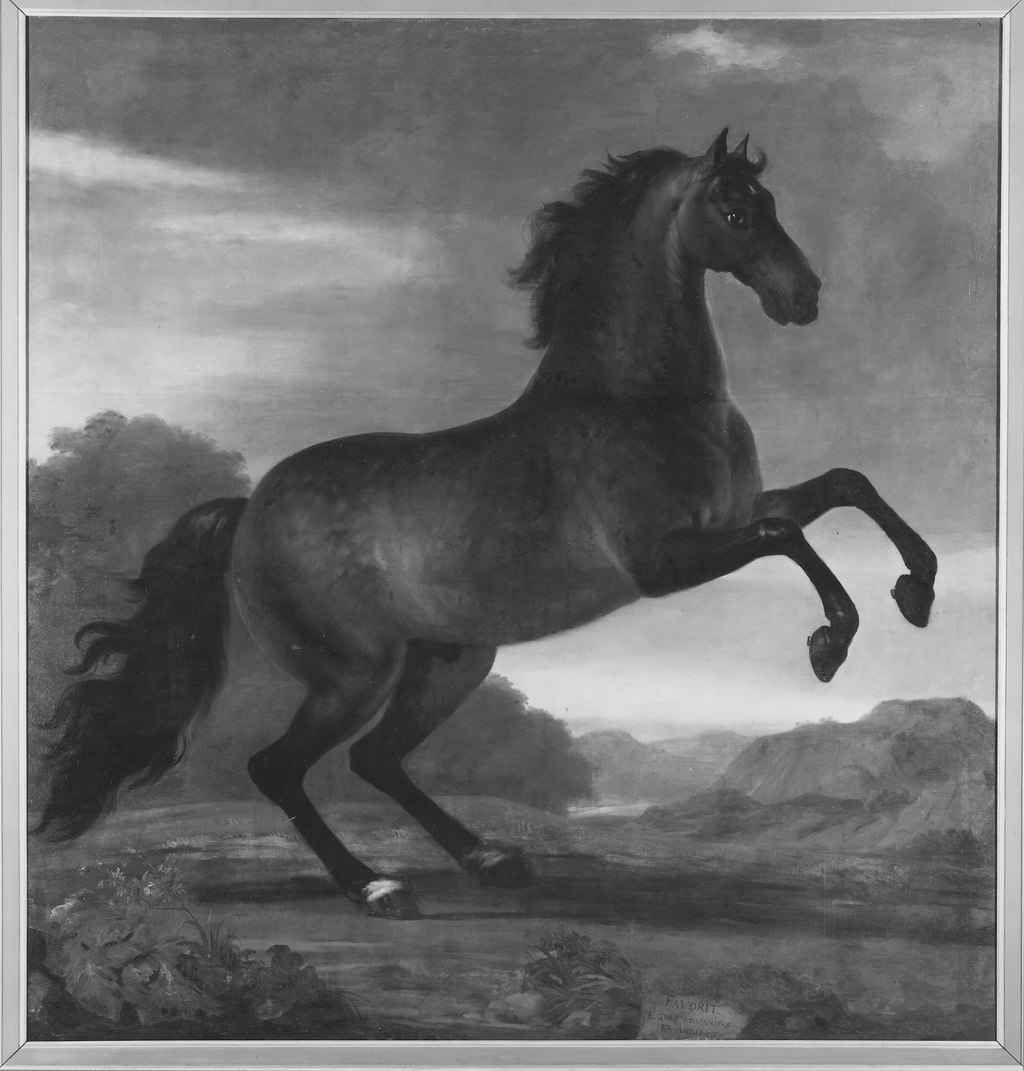
a golden horse of Karl XI

 Salvete Omnes,

a fine bay steed, king in a gilded cuirass

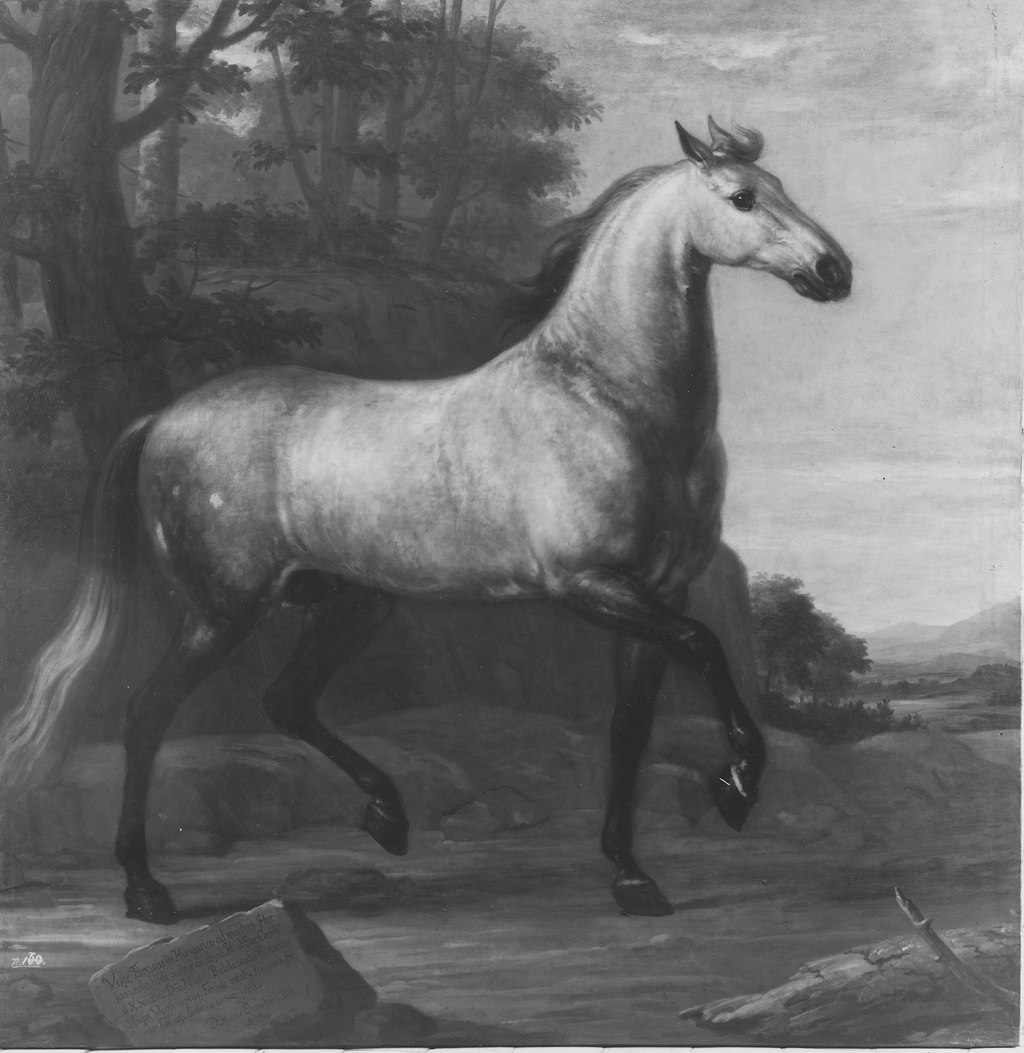
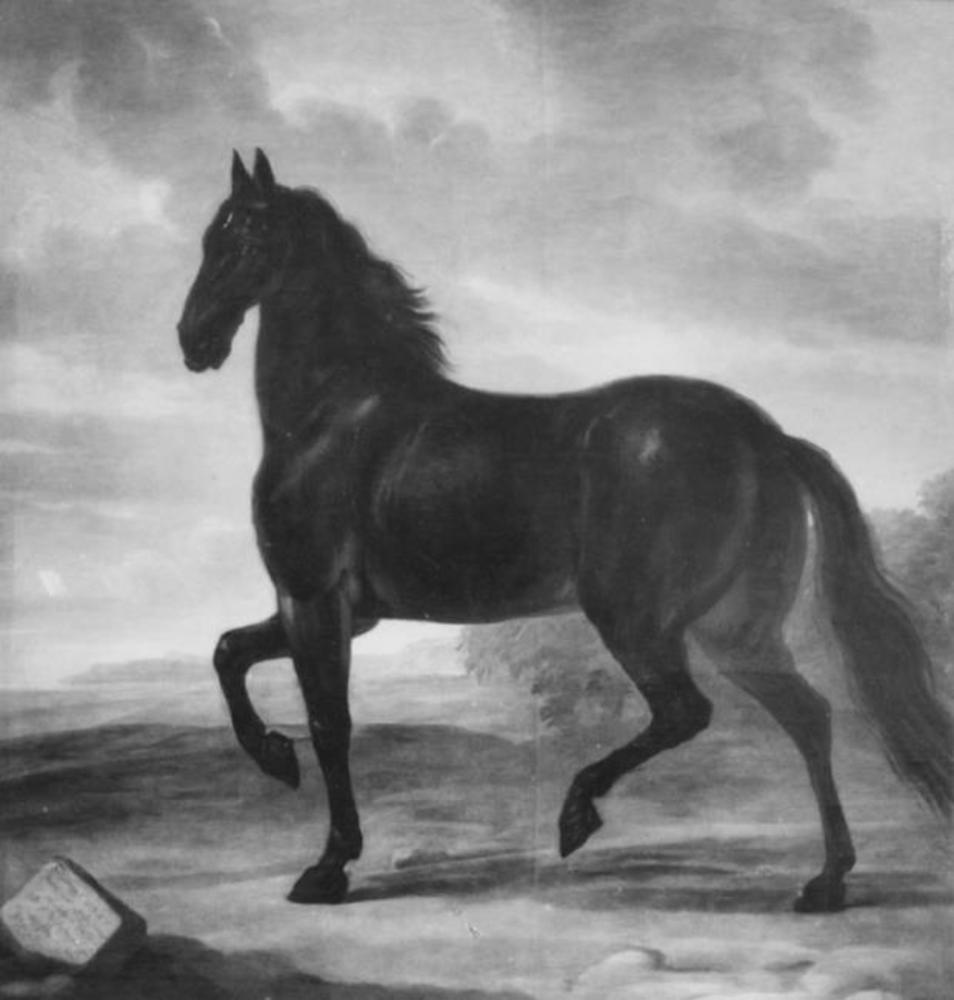
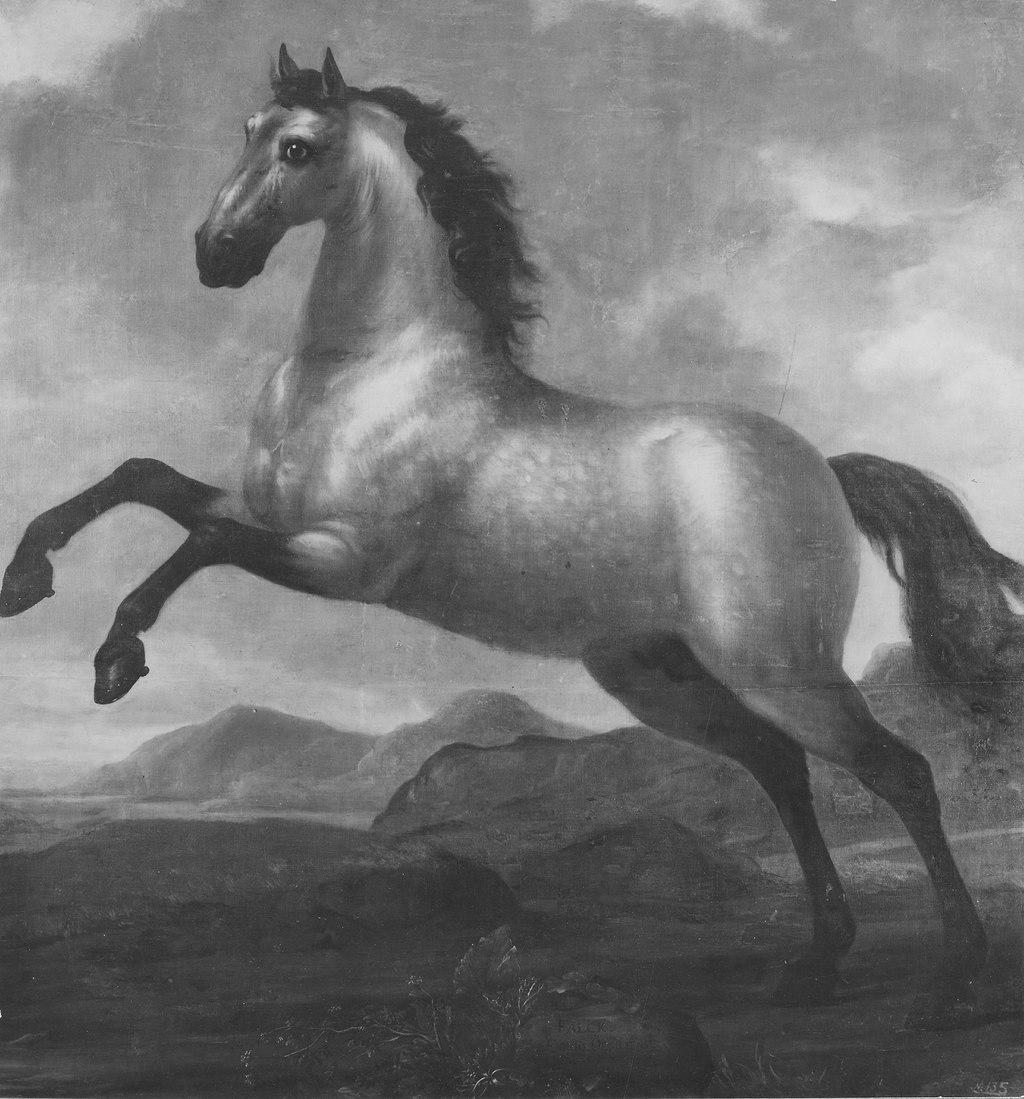
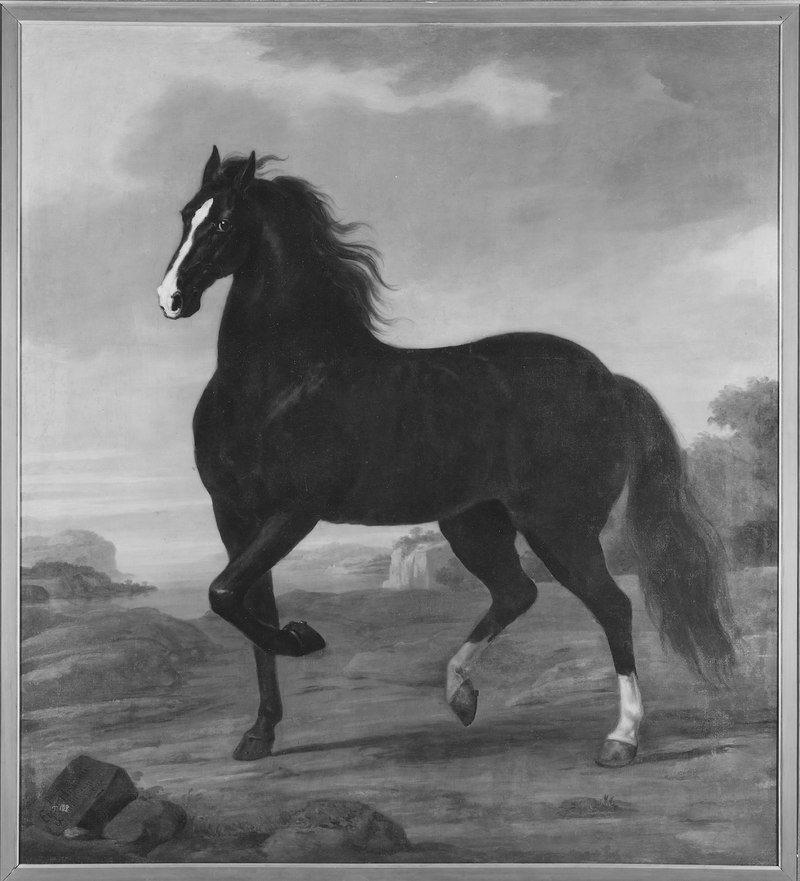
just for your viewing pleasure - some more horses from the brushes of David Klocker Ehrenstrahl, court painter at the Swedish royal court of the XVII century. 

splendid gray 
Karl XI in a buff coat 

bay Sultan

Visir 


a ruler of Holstein - Fredrich IV


Valete

Friday, June 9, 2023

Albrecht Wenzel Eusebius Valdštejn or von Waldstein - a Czech nobleman and war captain

 Salvete Omnes,


let us 'lope' to the first half of the XVII century and we can study the artworks and dip in a bit for a little Czech and Imperial European history of that period.

In this detail from the painting by Strobel - Albrecht in his finery, note his boots and  the boots of a chevalier behind Albrecht on the right, the rowel spurs on both noblemen's heels
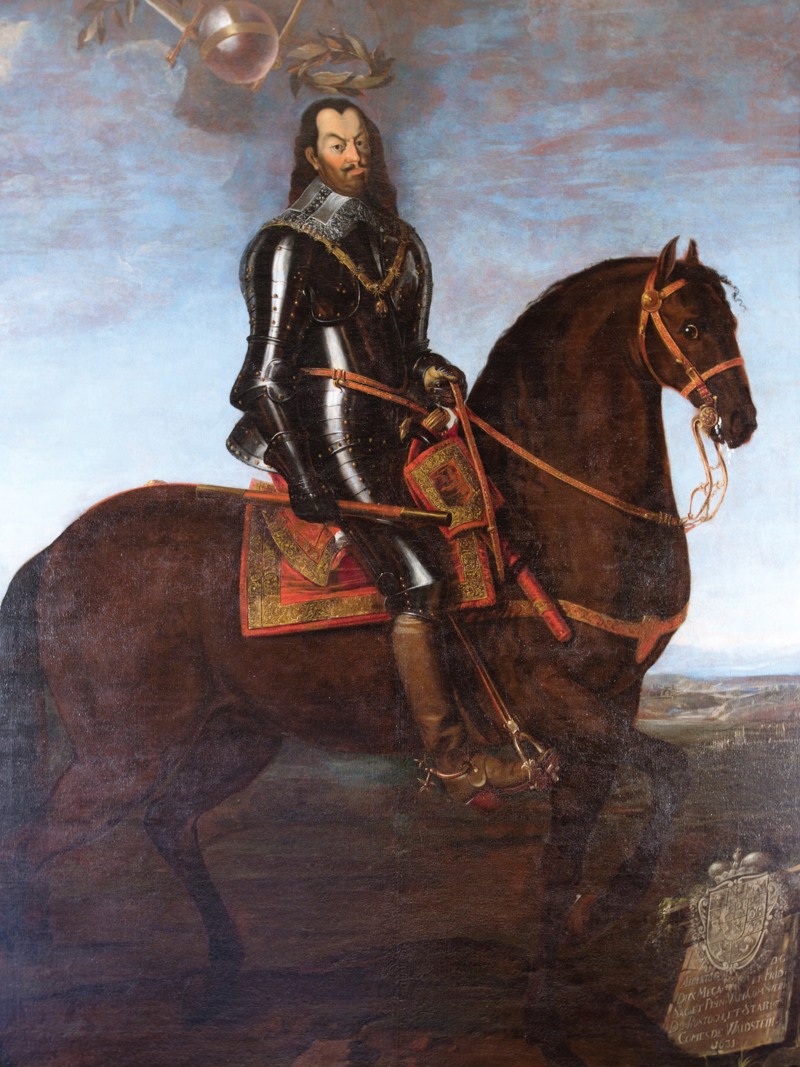
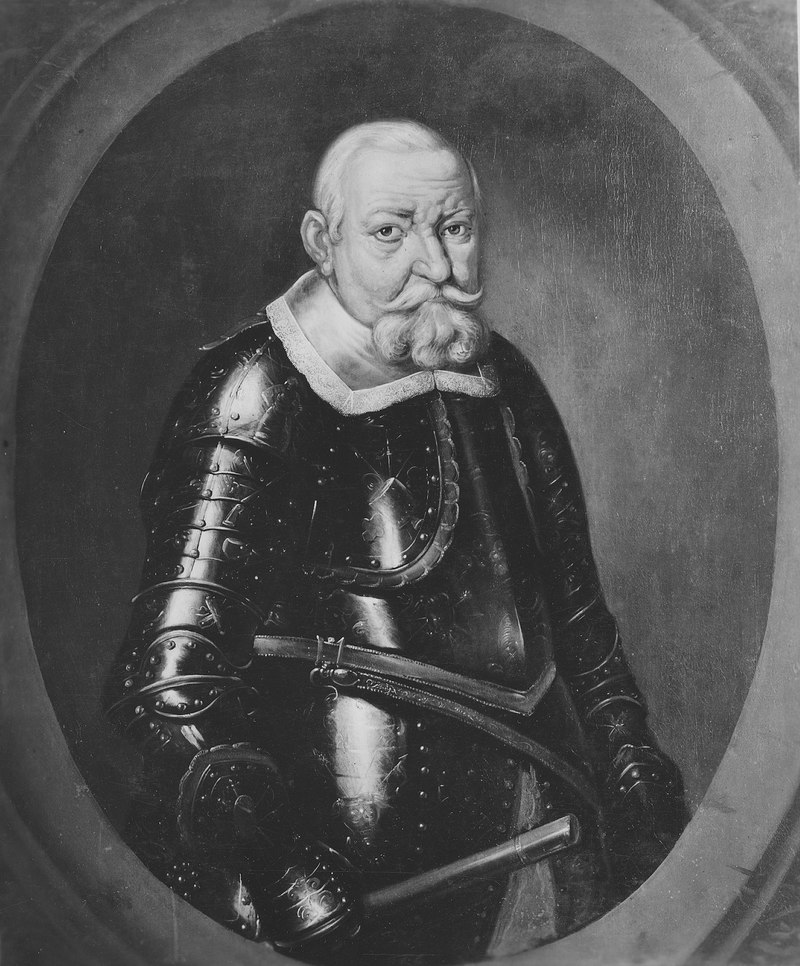
Alcbrecht in a buff coat, with a marshal baton, and with the Golden Fleece

Albrecht in a buff coat and long riding boots, a huge shanks on the crub-bit, and large Western war saddle - copyright Alamy


Albrecht Wenzel Eusebius Valdštejn or von Waldstein/Wallenstein (1583-1634) was a prominent Imperial (Catholic) commander and war leader during the XXX Years War. He, a scion of the Waldstein branch,  was a descendant of the ancient southern Czech noble family of Markvartici.

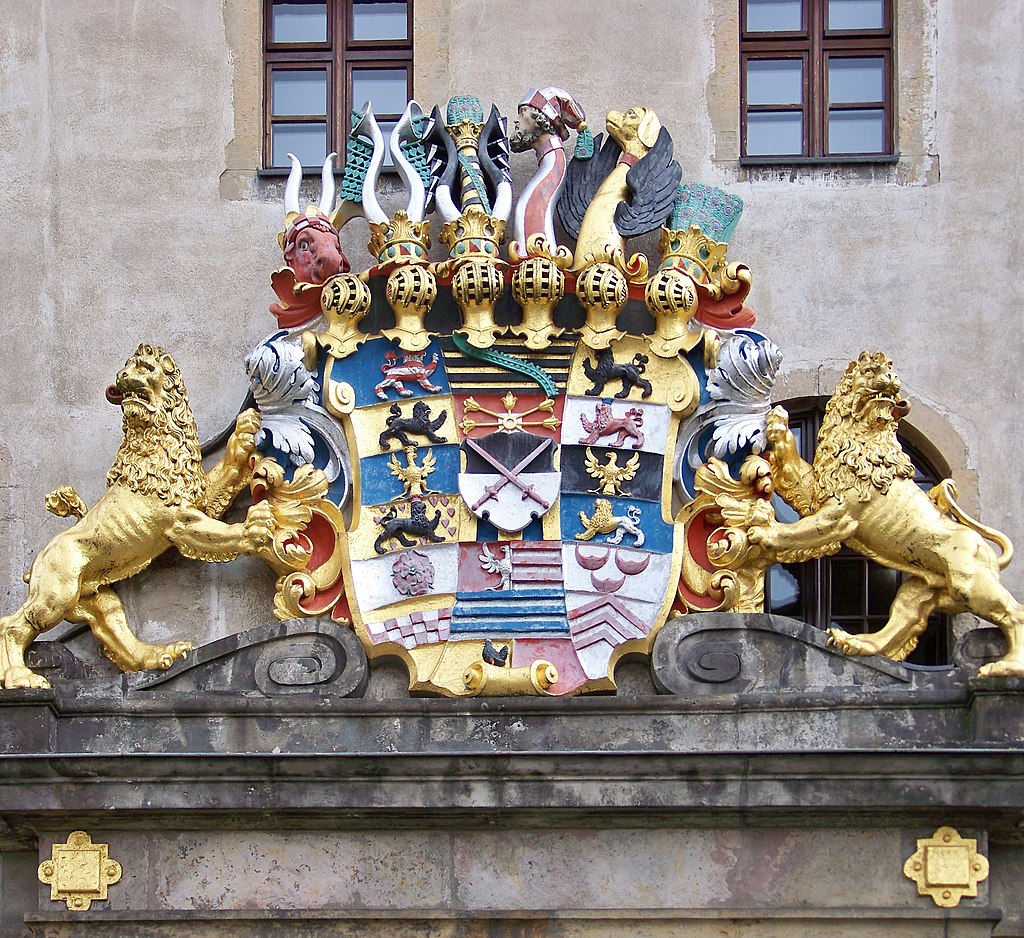
His coat of arms


He is famous for this actions during the tragic war, and perhaps infamous for plotting to switch sides, i.e., going over to the Protestant side. He was murdered by the henchmen, mercenary Scots, sent by his sovereign the Holy Roman Emperor Ferdinand II.
He was suffering from illness at least since 1620AD, after 1632 and battle of Lutzen  he was unable to ride a horse and was carried in a litter, and some researchers ascribe this illness to gout, while some to syphilis etc.


The most interesting to me is his portrait - by some unknown painter. - Waldstein appears to have been mounted on a bay horse

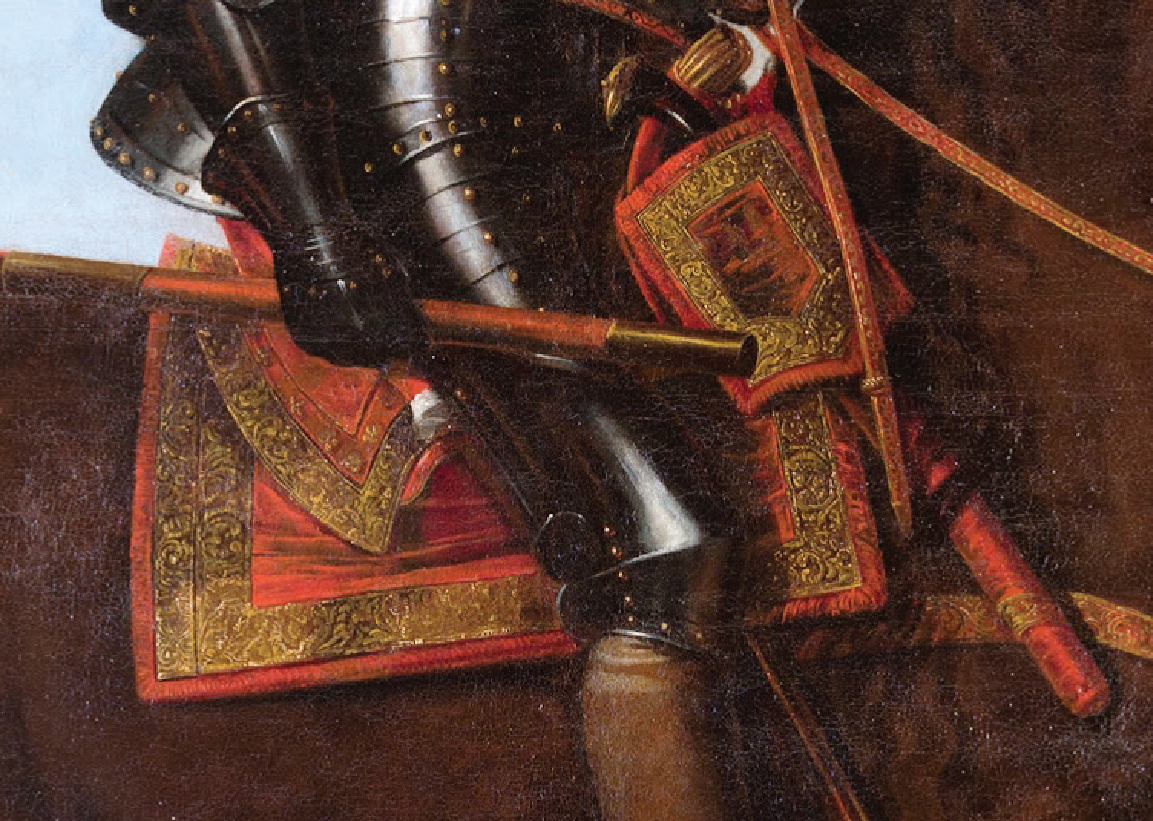
three-quarter cuirassier armor, long riding boots, long presumably wheel-lock pistol
long-shanked curb-bit

sumptuous war saddle, with a horn, and a pistol holstered with a crupper and breastplate

Rowel spurs on his high heeled long riding boot and a very elaborate stirrup


The artwork related to his battles (note, he participated in the the Long Turkish War - Der  lange Turkenkireg -  under Basta) - perhaps the most momentous was his defeat at Lutzen, that paradoxically changed the course of the war, for during the battle Lion of the North, Gustavus Adolphus of Sweden, the arch enemy of the Polish Vasa realm, died  fighting and the Swedish juggernaut was stopped in its relentless  advance upon the Imperials.

White Mountain

Dessau


the siege of Straslund

Lutzen in print

Lutzen on canvass

and an allegory from the palace fresco - Valdštejnský Palác.


Valete

Wednesday, March 15, 2023

Johann Georg of Saxony arms and armor

 Salvete Omnes,


10 days ago I posted about a Scottish pistols for Duke of Courland, one of them held at MET (NYC, USA)and that in 1616AD or so  this pair of pistols was given by Duke Fredrich Ketler to Elector of Saxony, Johann Georg I (1585-1656) of the Wettin House.
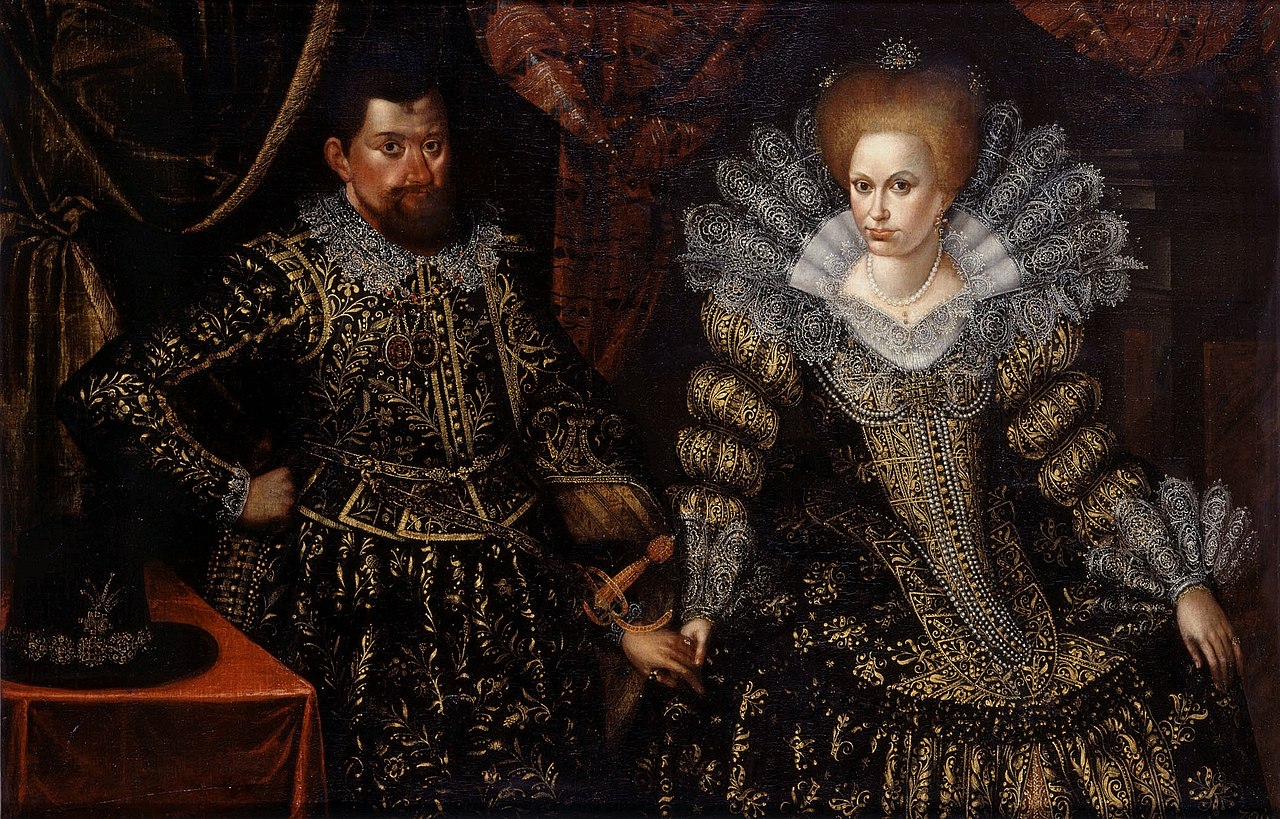
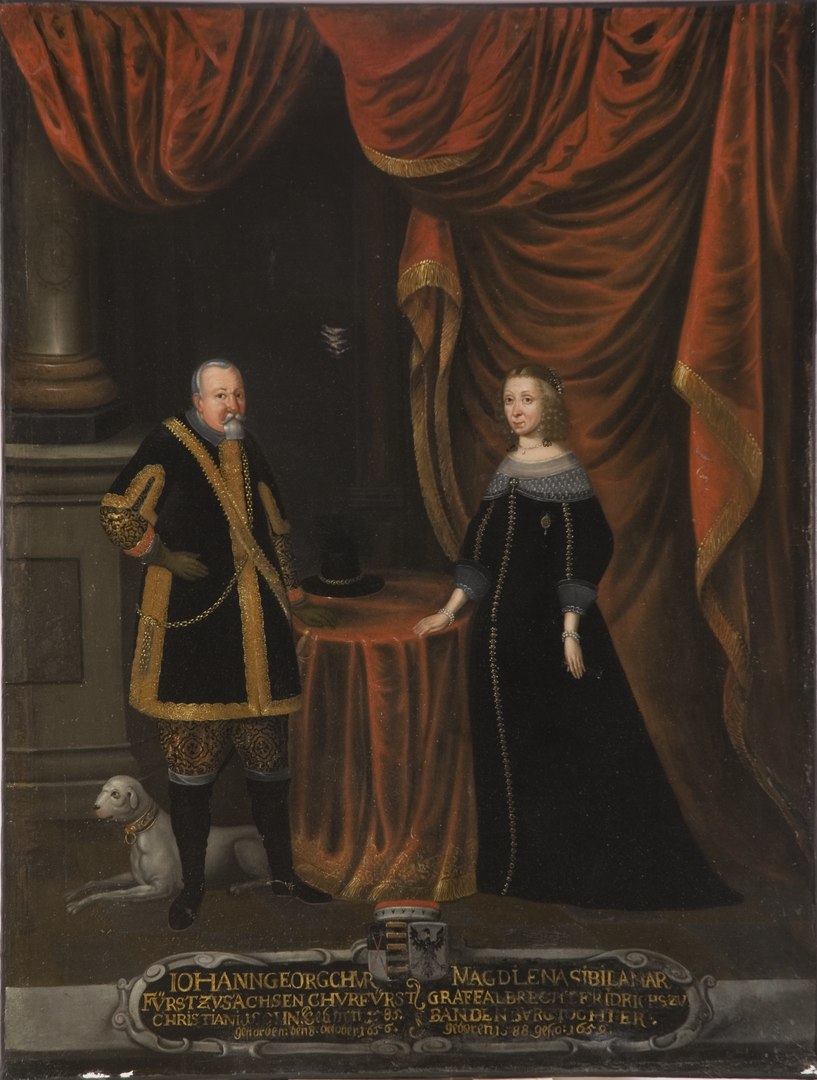
Johann Georg I and His Wife Magdalene Sibylle


During the reign of Johann Georg Dresden Schloss aka Dresden Castle (in Saxony, Fed.Republic of Germany) was the capitol of then quite powerful Saxony (Prussia and her wars on Saxony and Congress of Vienna 1815 reduced Saxony to a shadow of her former glory and importance within the Germanies - more than 270 German states & statelets prior to the Napoleonic Wars).


Johann Georg was reining during some of the most momentous and tragic periods of the European history, namely the Thirty Years
War(1618-1648).


We happily have some interesting iconography related to this prince and chivalry, his wars and reign etc.

our prince in the 30 Years War high fashion - buff coat.


Johann Georg I wearing a riding cassock alias casaque

Back to his Courland connection - dr Mariusz Balcerek,  mentioned in my previous post Polish researcher, wrote an article titled Murder in Jegalva [Mitau/Mitawa] in 1615  - published in 2008AD- can be read from his academia page.
From the article we learn that during the summer of 1615AD duke Wilhelm Ketler, who jointly ruled the duchy with his brother Friedrich, had his henchmen murder  two noble opposition leaders - brothers Nolde. His brother duke Friedrich was somewhat implicated
Upon learning about this crime in Mitau our  Polish suzerain, Sigismund III Vasa, and Polish Diet acted on this Courland high crime and misdemeanor. During the investigation undertaken in January -February 1616AD the royal commission concluded that duke Wilhelm was guilty of these crimes. 
In May 1616AD Sejm aka Polish Parliament extinguished Wilhelm's claims to Courland's throne.   ruled to have duke Wilhelm deposed,  banned from the duchy of Courland. In June our Sejm ruled that since then only duke Friedrich Ketler would remain the ruler of the duchy of Courland. Wilhelm went to live and eventually die in  Kukulow (Kucklow), town belonging  in the realm of West Pomeranian duke Boguslaw XIV.
During the period of late summer 1615 and early spring 1616 duke Wilhelm and his brother Friedrich wanted to preserve the status quo of their duchy as its joint rulers, and even  started hiring soldiers and shouldering support of various lords (like prince Lew Sapieha) and kings of Europe, hence James I of Scotland and England, and Gustavus Adolphus of Sweden, and Johann Georg I of Saxony. Perhaps - says dr Balcerek in a private exchange - the Scottish pair of pistols was part of a larger gift presented by the Kelter brothers to prince elector Johann Georg to ask him to intervene on their behalf at the Polish court.
Pistols stayed in Dresden but Wilhelm had to be gone from Courland for ever.
Fortuna audaces juvat.

Valete