Showing posts with label US Army scouts. Show all posts

Tuesday, June 23, 2026

Curley or Curly - warrior who survived Custer's defeat

 Salvete Omnes,

in the spirit of the 150th anniversary of the Little Big Horn battle - today another Crow scout in historic scenery,  this time in photos.


7th Cavalry scout Curley or Curly (circa 1856-1923) -  the Absaroke/Crow warrior who was probably 19 years old at the time of the battle, also a relatives of White Swan. 
He said he captured a pony and a Winchester rifle from a Sioux warrior during the Custer's command battle.

He was the sole survivor of the Custer's Valley of Death. But according to the several statements given to the American researchers (Camp etc) post-1900 he had left before the Lakota and Northern Cheyennes killed all American officers, soldiers (5 companies), interpreters & scouts (note that  three Crow scouts run away before the Custer's command advance into the battlefield started) and thus the only eyewitness from the American side, and who lived to tell his tale.


 Curley provided perhaps the earliest account of the defeat to Helena Daily Herald in July 1876. In order to communicate with the authorities he made a drawing to show the battle. 


.

.


.

.


. In 1920 Curley, then living on the Crow Indian Reservation in Montana, received a US pension for his service.

Valete

Monday, June 22, 2026

White Swan, Absaroka warrior, his war deeds and art & Little Big Horn

 Salvete Omnes,

June 2026 is the 150th anniversary of the Centennial campaign of the US army against the Lakota Sioux and their Northern Cheyenne allies (with some Arapahos).

Frank Rinehart took this photo of White Swan 


So, naturally, it is the 150th anniversary  of the Little Big Horn battle, fought on 25th (Reno Valley and Custer Last Stand, & 26th (M. Reno and F. Benteen's fight) of June 1876.


While operating on the Great Plains US Army - both cavalry and infantry units - used native 'wolves' or scouts who upon enlistment would act as the 'eyes and ears' of the American military commands. 

For the 7th Cavalry operating against the 'hostile' Lakota and Northern Cheyenne that late spring and early summer 1876 the goverment officials authorized various Indian scouts from friendly nations.
   The  Absaroka/Apsalooke//Crow nation held council and authorized 25 scouts for the US Army in April 1876. These warriors, and also Arikara/Ree and friendly Sioux warrior were to be spread  out between various commands during the campaign. 
White Swan was one of 6 Crow warriors   handpicked and assigned to scout for the famous 7th Cavalry regiment. Crows together with friendly Sioux and Rees  made up the 35 scout-strong unit under the command of Lieutenant Charles Varnum, called Peaked Face by the Arikara scouts, aided by French Canadian-Santee Sioux interpreter   Mitch Bouyer & famous frontiersman, Civil War veteran, guide and hunter  Charlie Reynolds. 
 White Swan fought along  his scout companions, the soldiers and officers of Major Marcus Reno command, and miraculously  survived the two day battle, much wounded from gunshots and  lance thrusts and cuts. 
During the battle White Swan counted coup on the enemy warriors in the true Plains warrior fashion.

Photo by Fred Miller - Montana Historical Society 

After the din of battle passed White Swan's made drawings of his exploits in the battle, pictographs drawn and colored in the tradition of Plains peoples, showing his battle experience during the major Reno's advance and retreat during the first phase of the battle of Little Big Horn (Greasy Grass River). 


Denver Art Museum has this war record made by White Swan, painted circa 1890.

Gilcrease Museum has this war record of the LBH battle by White Swan.

White Swan healed from his many wounds and reenlisted with the US Army for the winter campaign, and served as a scout until March 1881, among his exploits was the campaign against the Nez Perce. White Swan died in 1904, known for his role at the battle, his fine art depicting warfare and recollections about the conflict on the high  prairies. 

.
Portrait by Joseph Henry Sharp circa 1900


White Swan's tombstone 


Valete

Friday, July 25, 2025

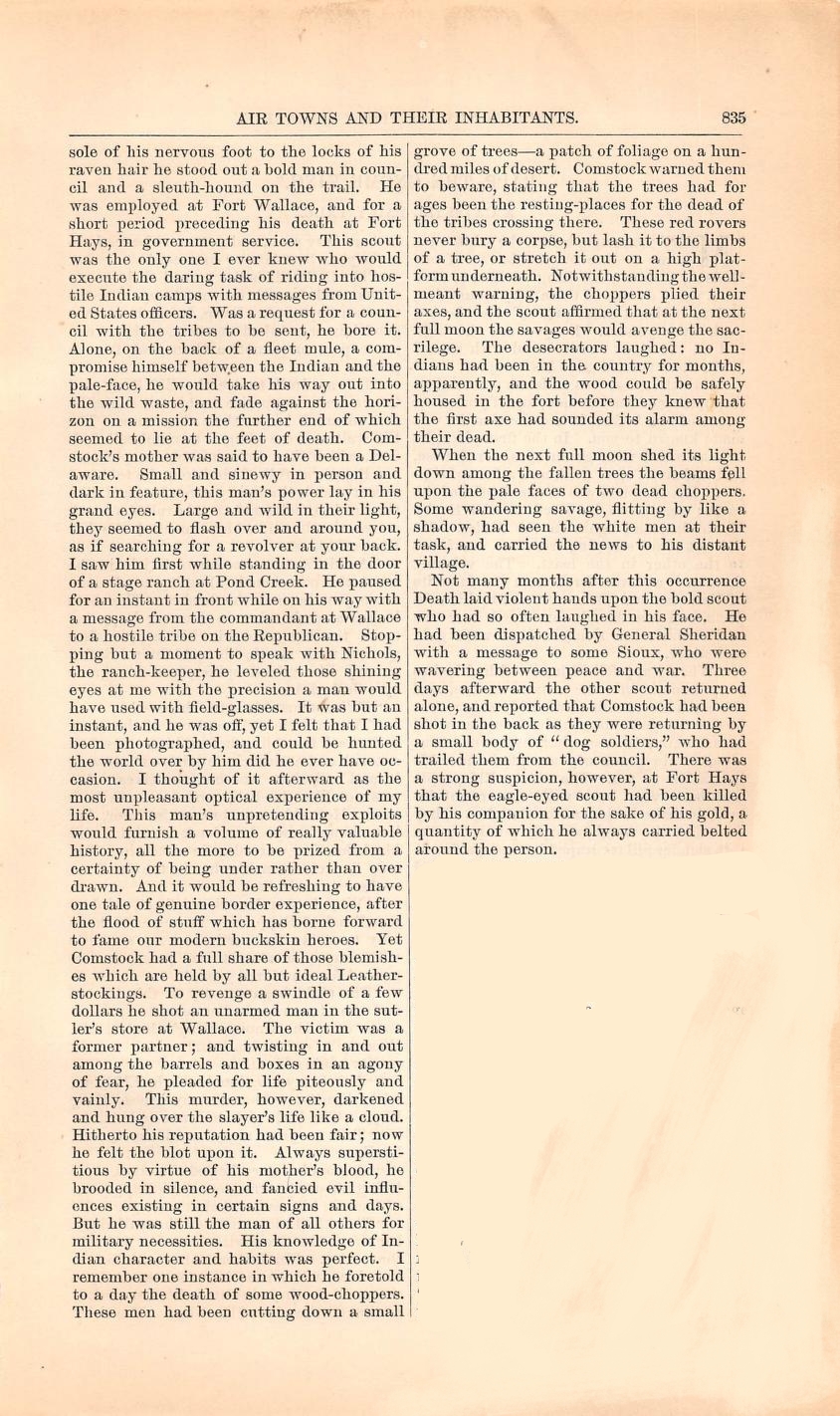
Will Comstock - Army scout

 Salvete Omnes,

Will Comstock in Harper's illustration from June, 1867

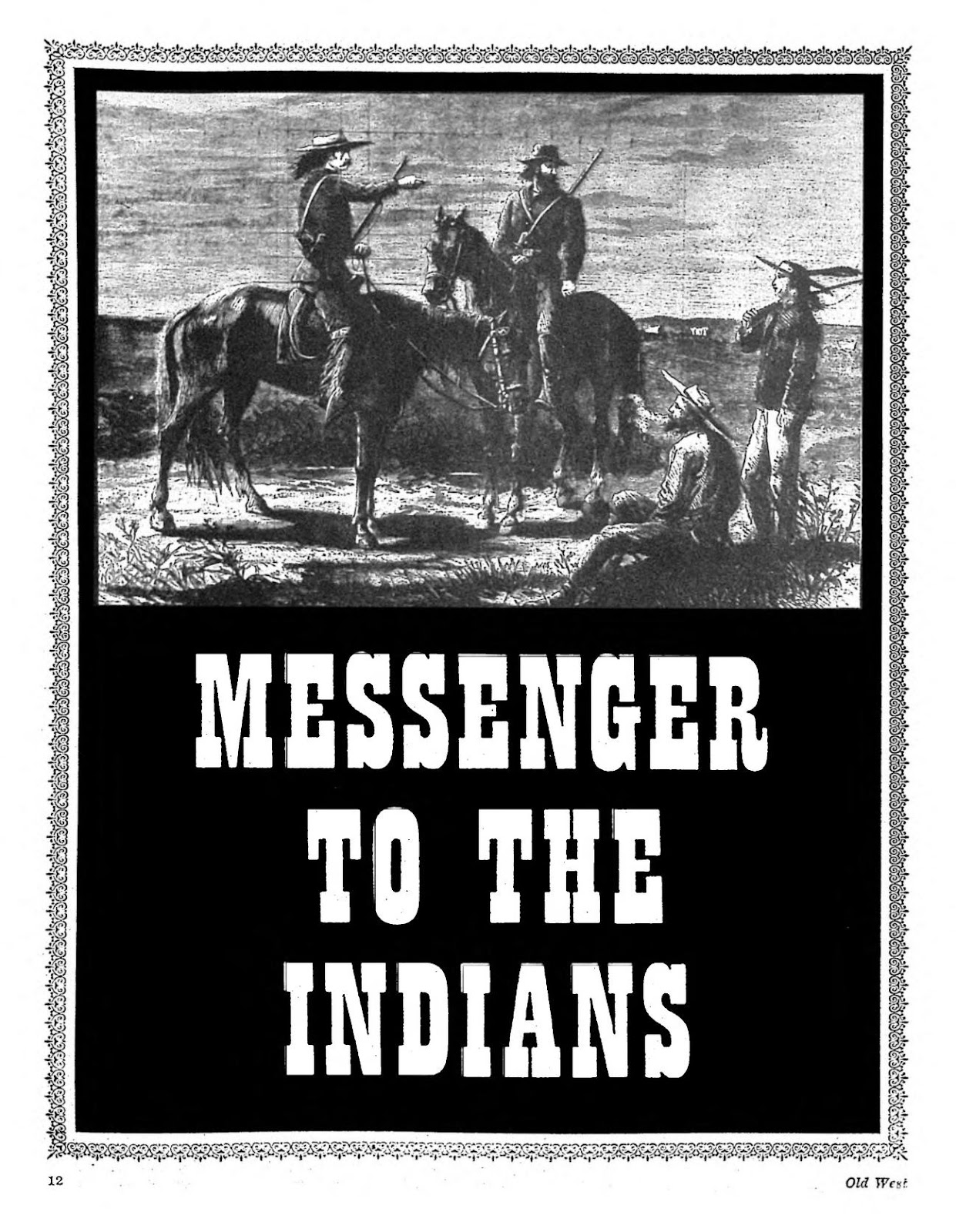
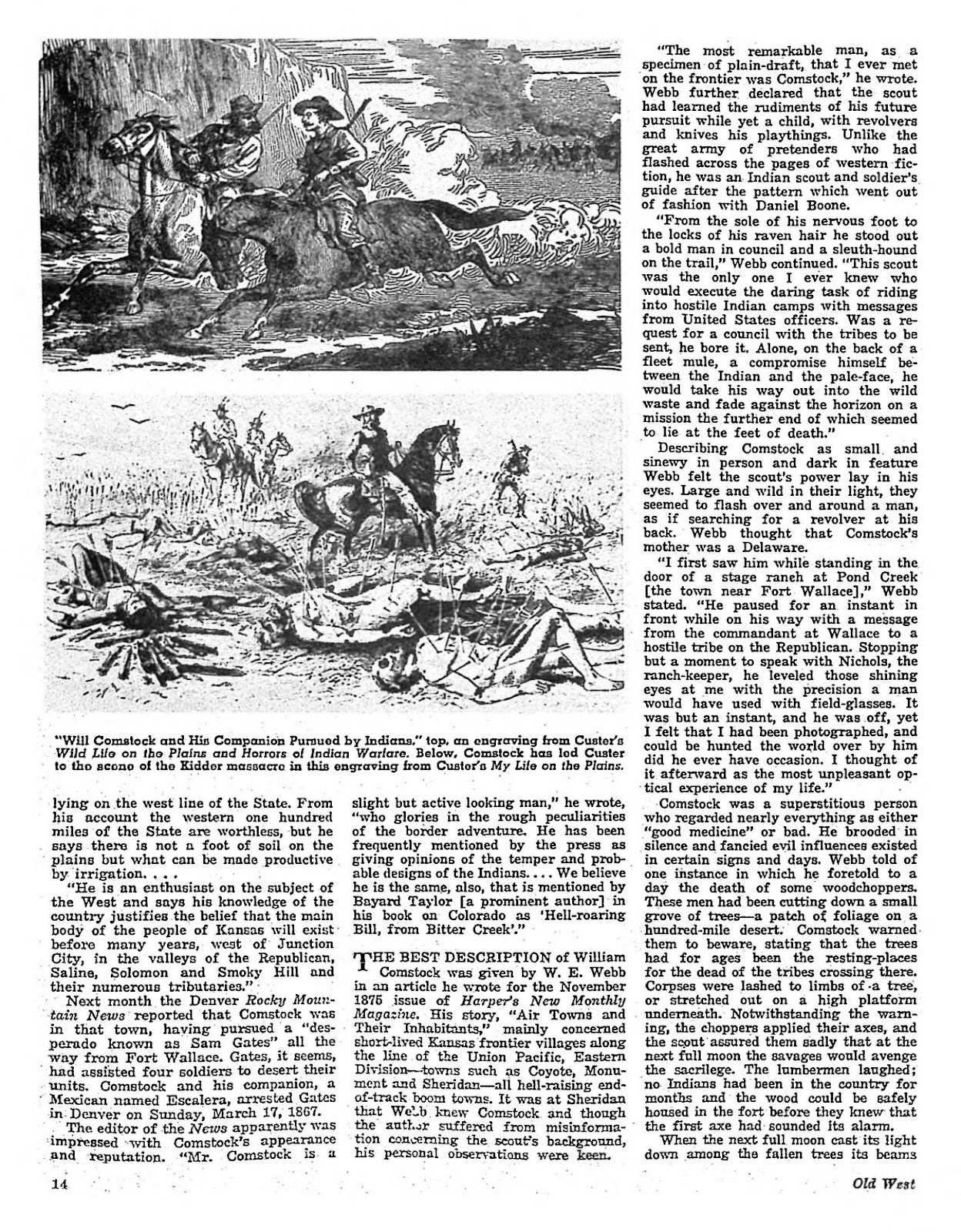
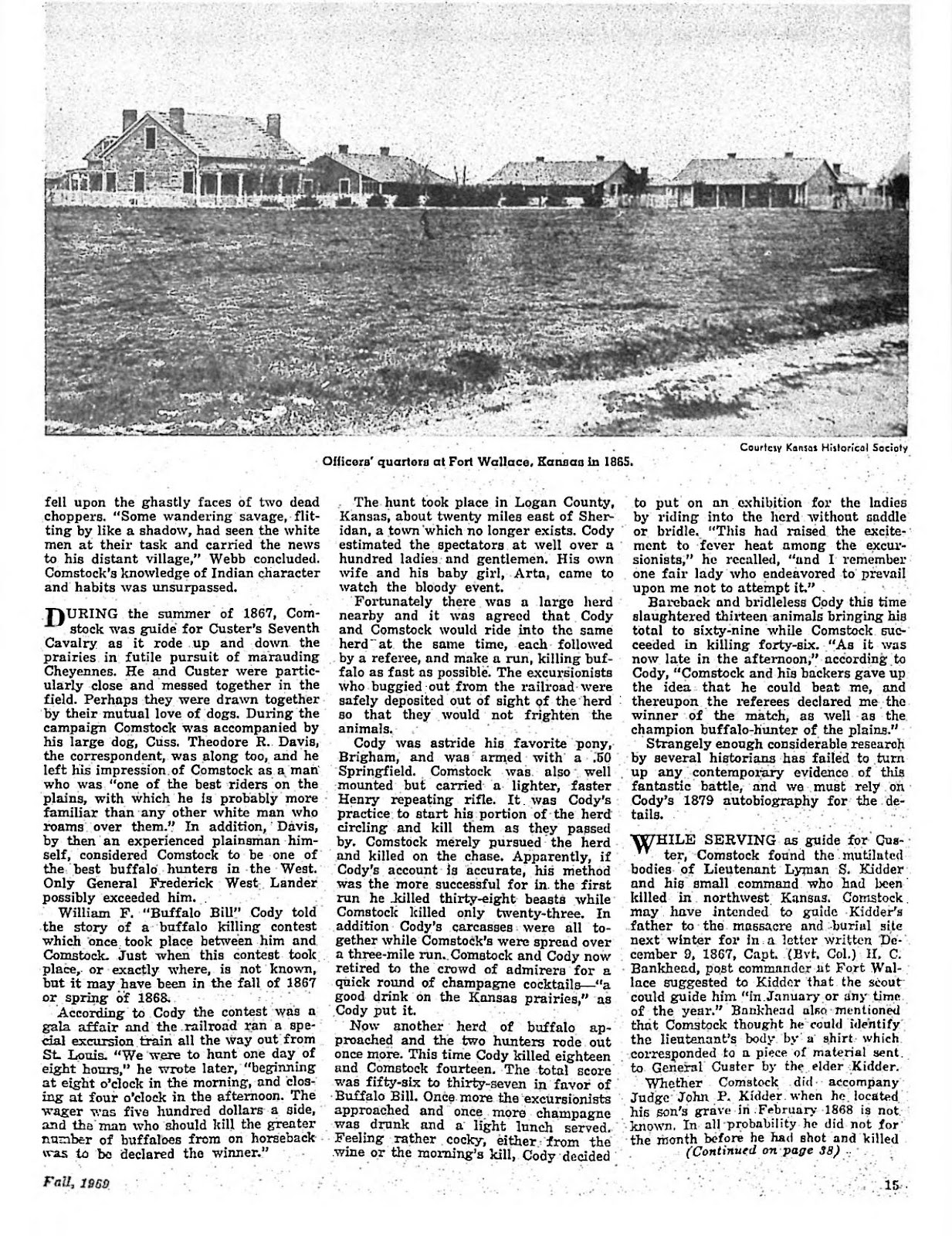
a little article from Old West Magazine 1969 on this US Army Scout and soldiers' guide - William 'Medicine Bill' Averil Comstock (1842-1868). His mother, Sarah Sabina Cooper. was a nice of James Fenimore Cooper, famous American writer.  

.

.

the contest between Buffalo Bill and Comstock in killing bison
.

.
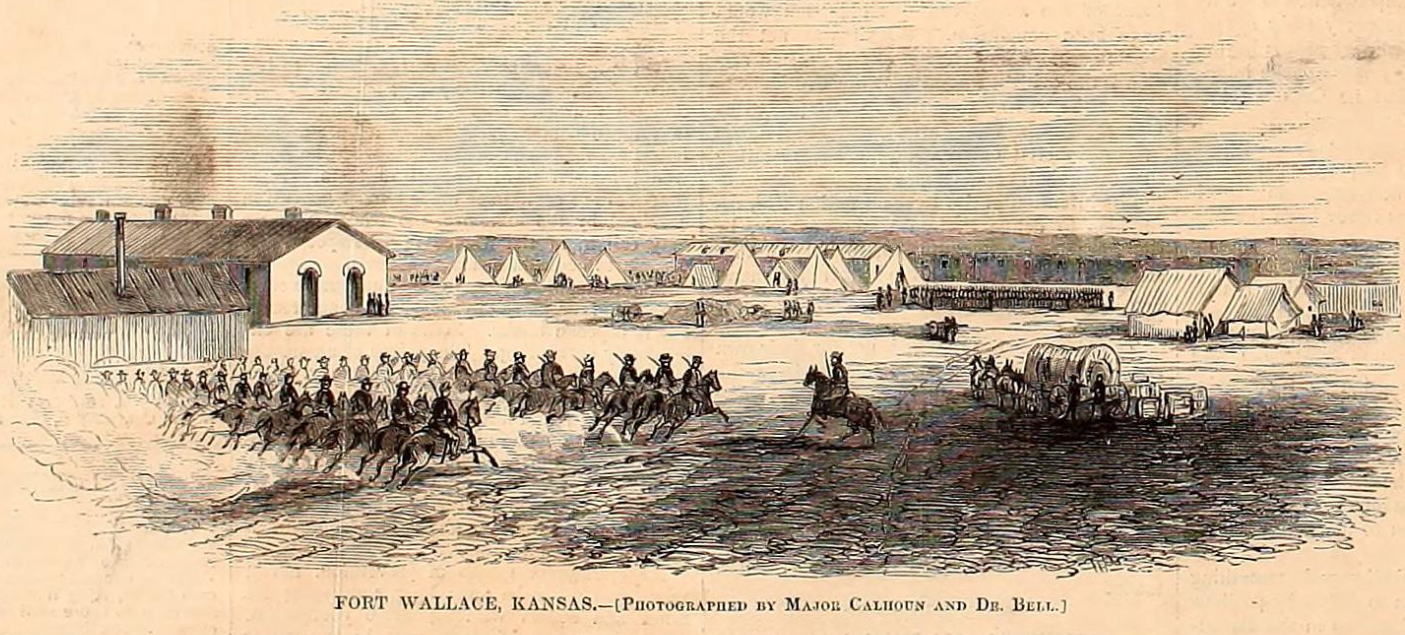
Fort Wallace 

From general G. A. Custer's  Wild life on the Plains and horrors of Indian warfare - the killing of Comstock by the Cheyenns near Fort Hayes in 1868- 

.


W.E. Webb's recollections about Comstock from Harper's Monthly Magazine, Nov 1875.


Valete

Tuesday, June 17, 2025

Rosebud Creek battle - 1876-2025

 Salvete Omnes,


Rosebud Creek battle -  June 17, 1876 - in 2021 I posted some native, Cheyenne, Lakota etc, warriors' accounts of the battle, where general Crook aided by Washakie and Plenty Coups was defeated by Crazy Horse, the blotahunka of the Oglala  Lakota.


Today I want to commemorate the battle and its participants with the prints from American media of the period.


the Lakota-Cheyenne allies would fight another grand battle at the Greasy Gras/ Little Big Horn river in 8  days. 
Here a presentation by the Rosebud Battlefield State Historical Park - via archive world library.
Stanley Vestal, Warpath: The True Story of the Fighting Sioux Told in a Biography of Chief White Bull - could be borrowed from https://archive.org library 

Valete

Monday, June 26, 2023

Comanche & Bloody Knife - books to borrow from archive.org

 Salvete Omnes,

- visiting Archive the world library - 


a short entry - there comes early summer or the  time of the year when I usually think about the famous Centennial Campaign of 1876AD, with the most famous battle of Little Big Horne/ Greasy Grass in the center of this commemoration. The battle anniversary just passed on the 25th of this month.


I recently did  discover a book by Elizabeth Atwood Lawrence about the horse that served as a war mount for Myles Keogh  of the 7th Cavalry- His Very Silence Speaks, Comanche, the Horse Who Survived Custer's Last Stand. - The book, published by Wayne University Press in 1989, is available for borrowing from the Archive. There is another book on Comanche, by Barron Brown - available eg on Amazon.


Also, another book is available for your pleasure - authored by Ben Innis titled Bloody Knife, Custer's Favorite Scout. (1994 edition published by Smoky Water Press). Bloody Knife was an Arikara warrior (from a Hunkpapa Lakota father and Arikara mother) and a US Army scout who died fighting the Lakota Sioux at Little Big Horn.


Pacem Aeternam
enjoy

Enjoy