Salvete Omnes,

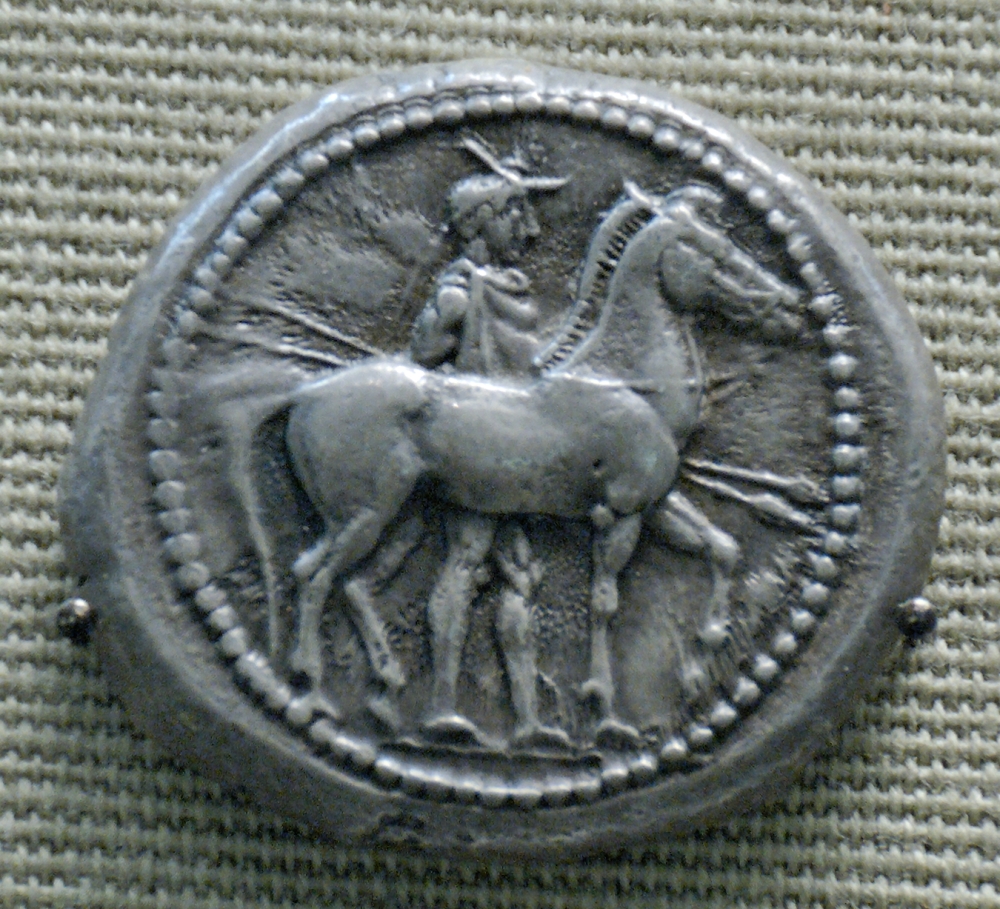
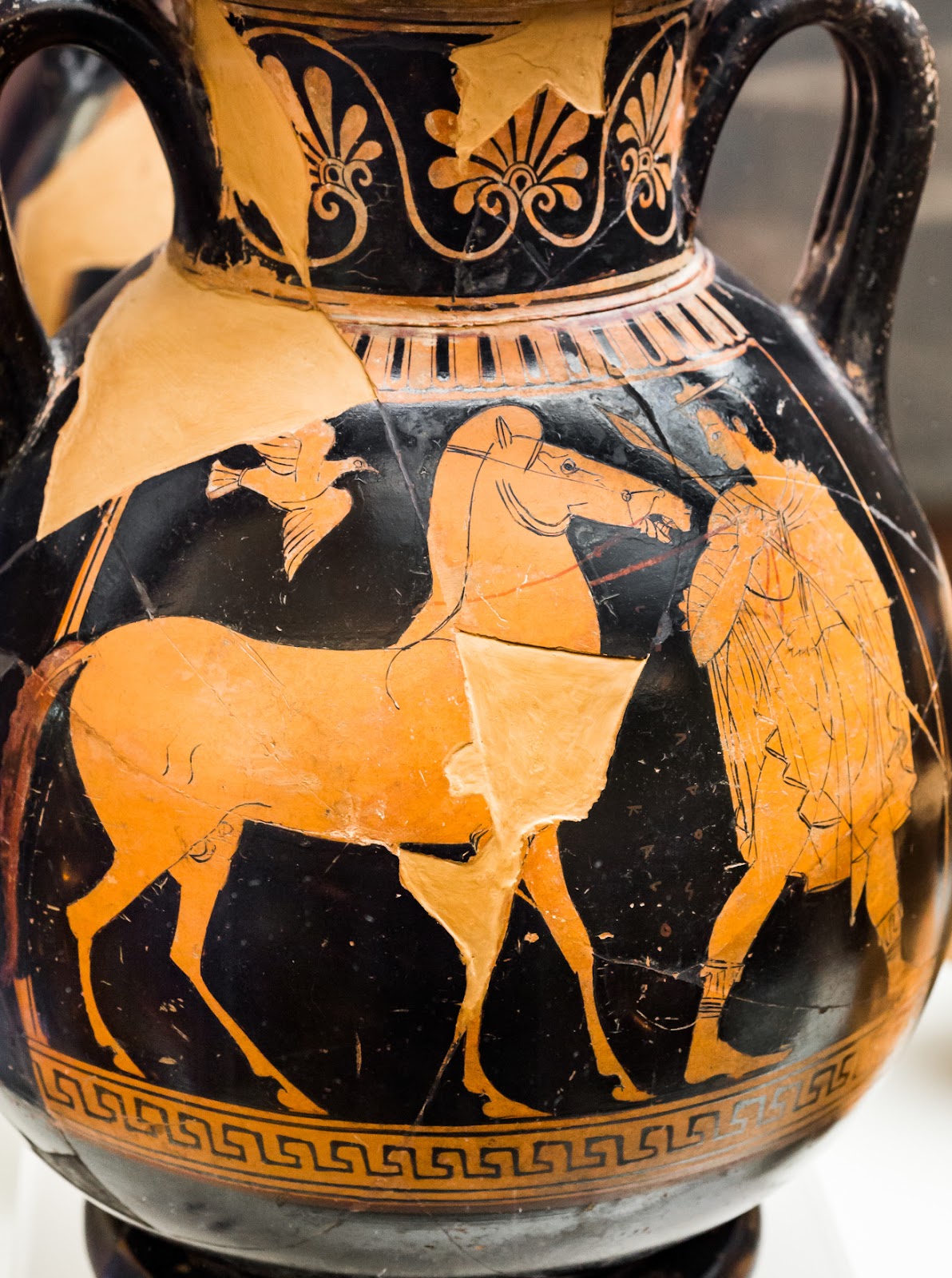
dog days of the summer - and hence to enliven them a bit - more images of the petasos hat from the ancient Hellenic world
Wiki Commons - various museum collections



Valete
Salvete Omnes,
dog days of the summer - and hence to enliven them a bit - more images of the petasos hat from the ancient Hellenic world
Wiki Commons - various museum collections
Valete
Salvete Omnes,

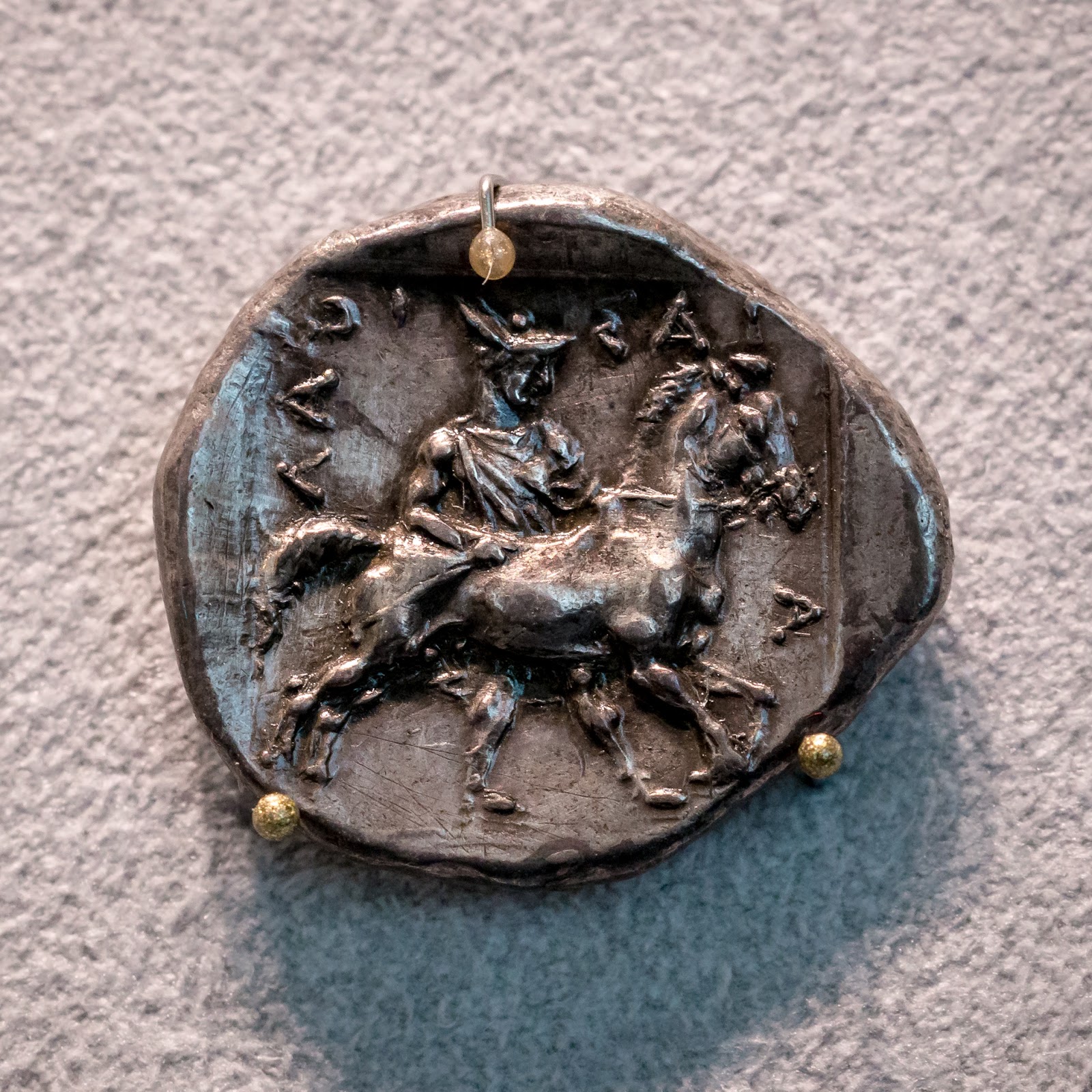
in my mind the land of ancient Thessaly has always been the land of horse and rider - with petasos, spears, javelins, chlamys etc.
Thessaly was a region of ancient Greece situated between the Pindos in the west (separating Thessaly from Epeiros) , Cambunian Mountains with Mount Olympus range in the north-east ending into the Aegean Sea (thus separating Thessaly from Macedonia), and Mount Ossa and Magnesian (Pelion) range in the southeasterly direction ending with a peninsula into the Aegean Sea, and Mount Orhrys range in the south(separating Thessaly from central Greece). In the center of this mountainous land there was a plain with rivers where ancient Greek horses were bred and horsemanship practiced.
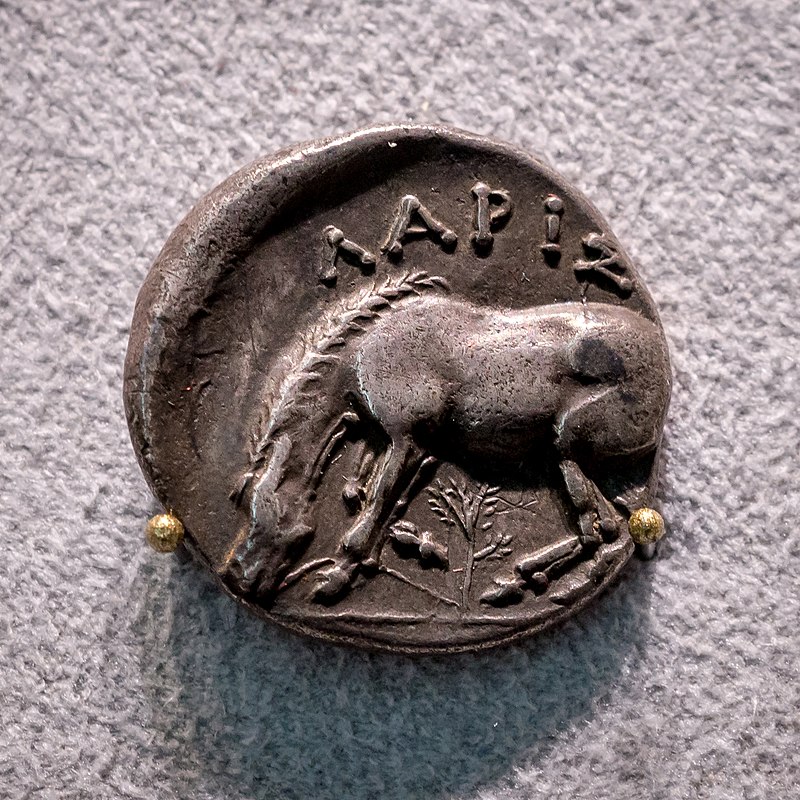
Thessalian lords had their sort of helot like dependent-class known as penestai and tribute paying free-class of perioikoi. Thessalians aligned themselves with Xerxes, the Great King of Persia, during the Persian invasion and returned to the Hellenic side after the battle of Plataeai of 479BC. Yet cities dominated Thessaly like Larissa, Cranon, Pharsalos and Pherai/Pherae somewhat unified into so called Thessalian League.
Towards the end of classical age one lord emerged as the overlord or tagus/tagos of all Thessaly- Jason of Pherae.
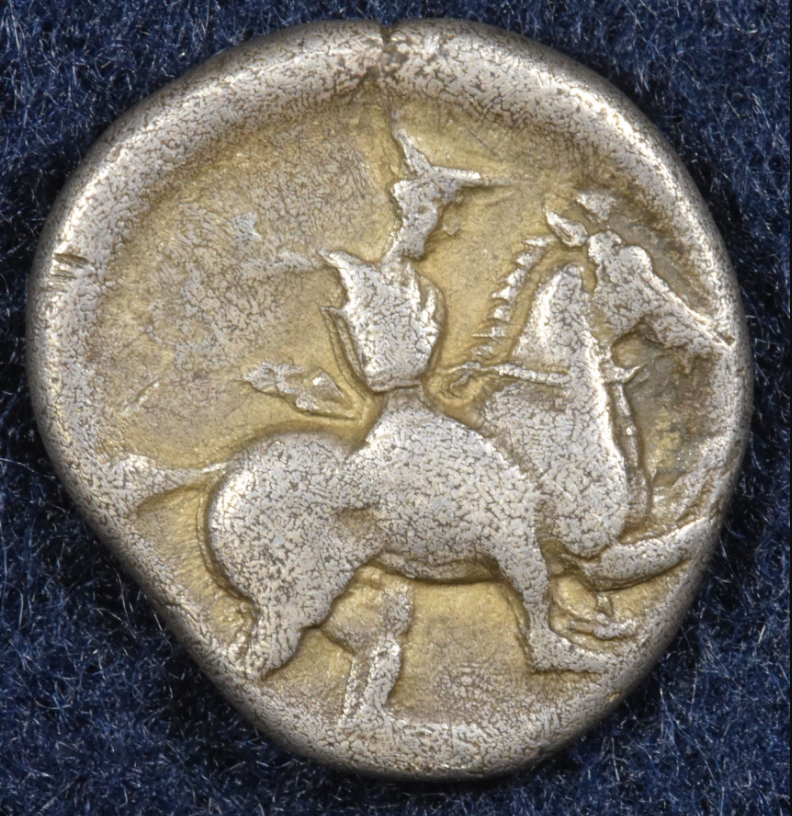


So I corralled some of the horses and riders from the Thessalian coins




Valete
Salvete Omnes,


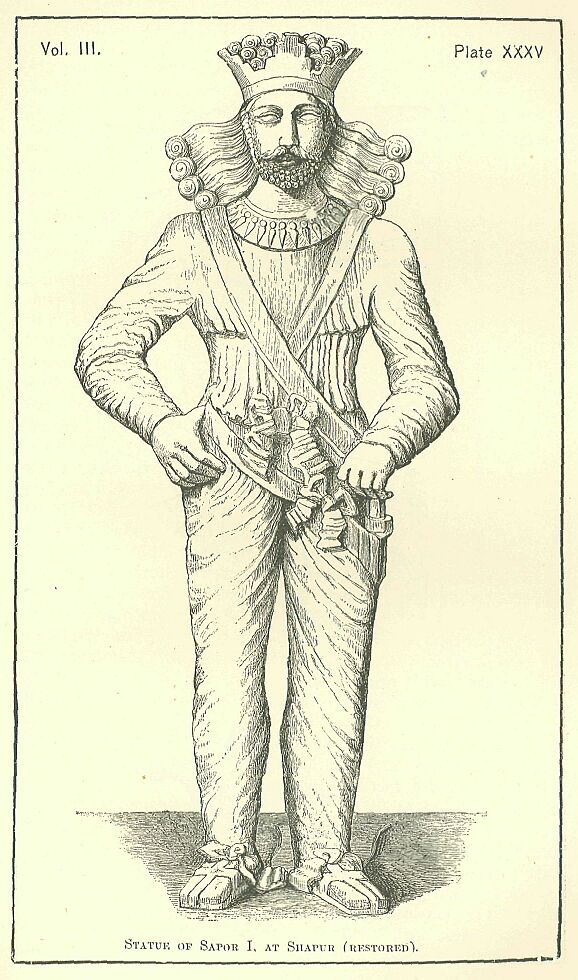
Lord Shapur, king of kings of Eran - well, let us gallop a bit across the III century AD ancient Iranian realm, with the famous king at the vanguard.. a collection of period images - triumphal and bellicose, but also very religious, and always equestrian astride his Nisaya/Nisean chargers
 |


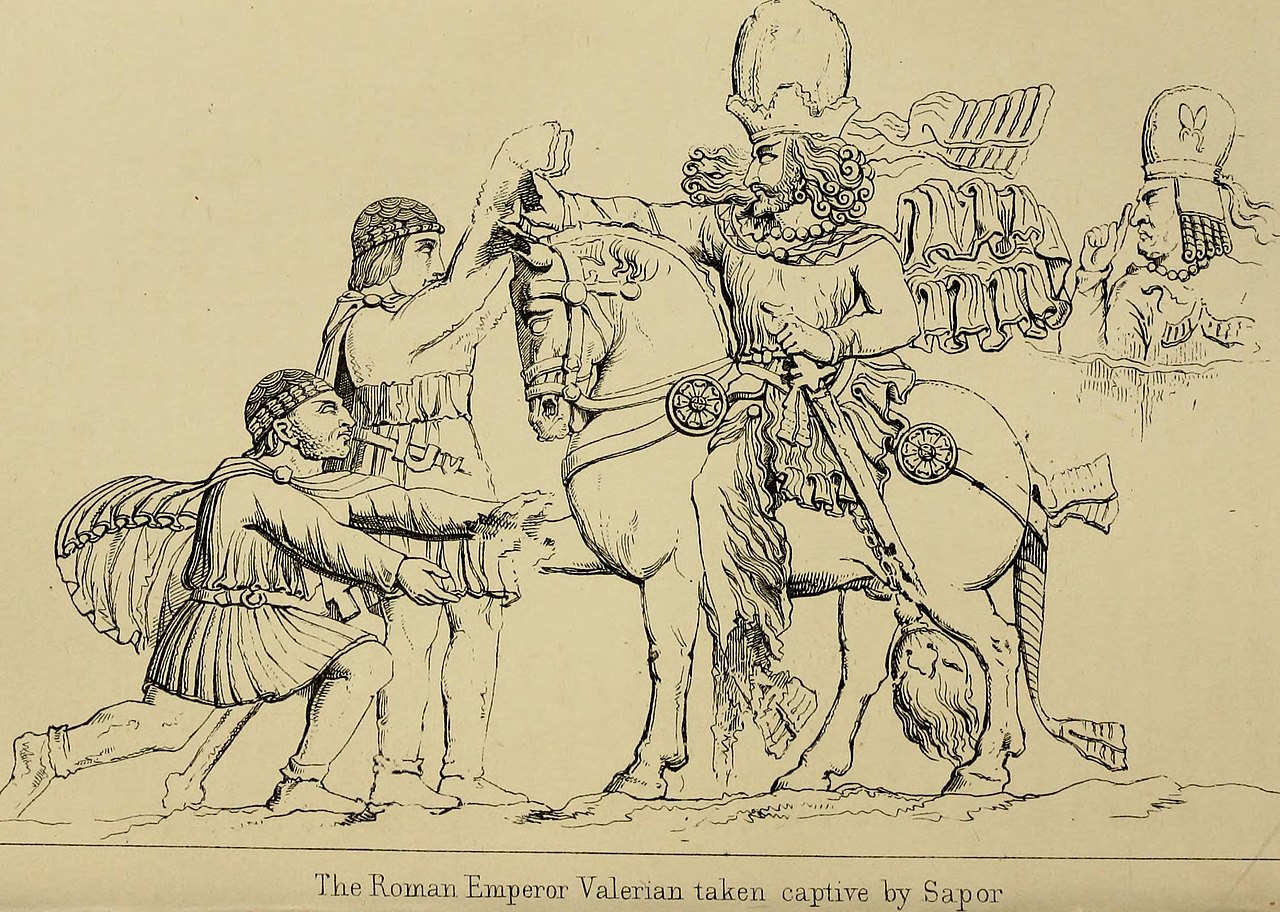


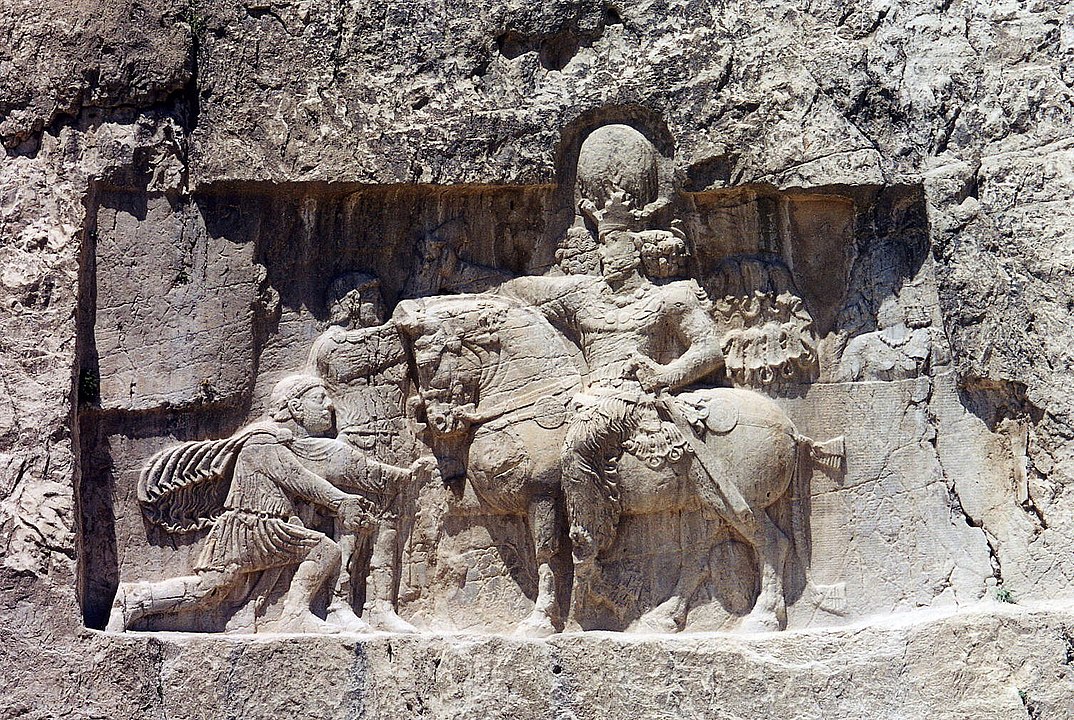


you can find Shapur I in the novels of British historian and novelist Harry Sidebottom - Ballista aka Warrior of Rome series
Valate
Salvete Omnes,
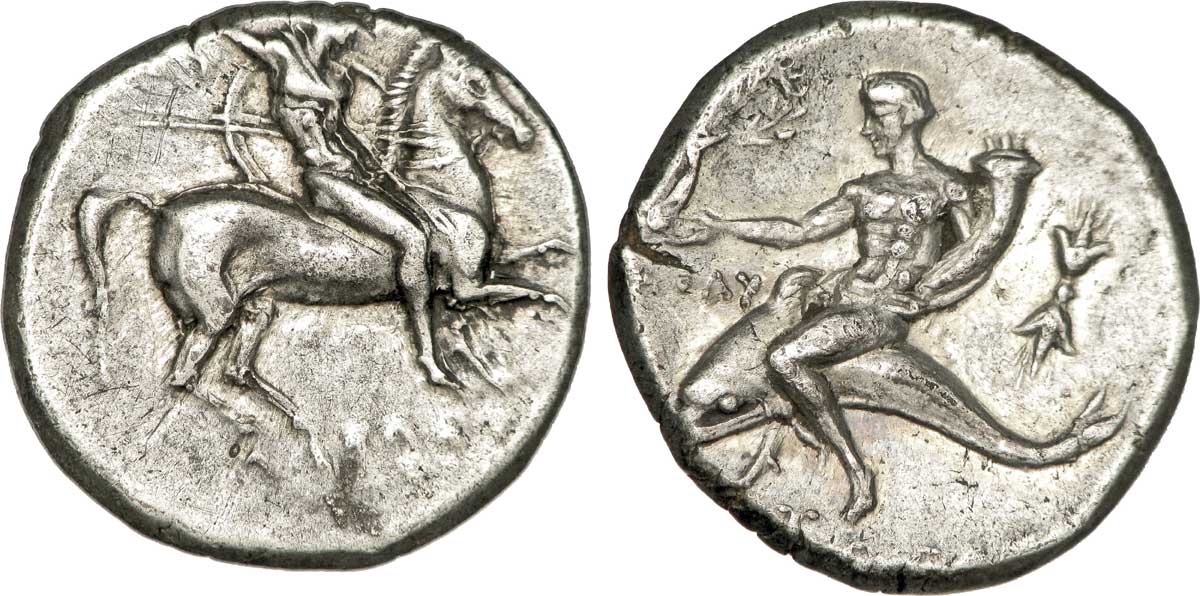
ancient polis of Tarento - Greek colony known as Taras, and after the Roman conquest known in Latin as Tarentum - was founded by the Spartans in what Greeks called Magna Graecia, or the Italian peninsula and islands adjacent to it. The city grew to become a huge (300,000 inhabitants) polis, and its mints produced some of the more appealing coinage when come to the coin equestrian (and dolphin) imagery of the ancient world.
The city and land of Apulia in general was somewhat a center of the equestrian culture, and it is said that under Archytas, who was a mathematician and political leader, reached its apex as per hegemony over Magna Graecia. Unfortunately the coming of Rome, the unsuccessful alliances, first with Pyrrus king of Epirus(the Pyrric War and the sack of Taras)

and 60 year later with Hannibal (209BC destruction ) during the 2nd Punic War

spelled their eclipse from a power a cultural center to a Roman provincial municipium.
Osprey Miltiary Publishing has a book on the so called Tarentine horsemen of Magna Graecia, and perhaps one day I will address the horse aspects of that book.
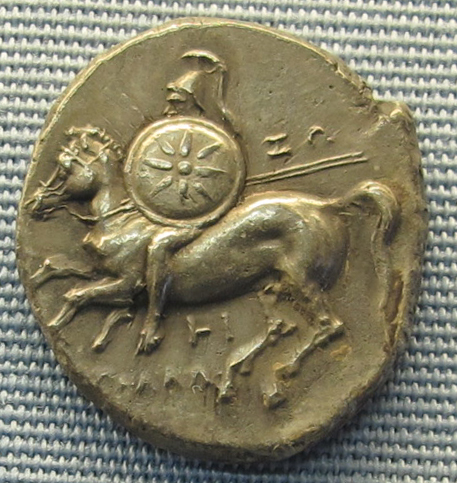
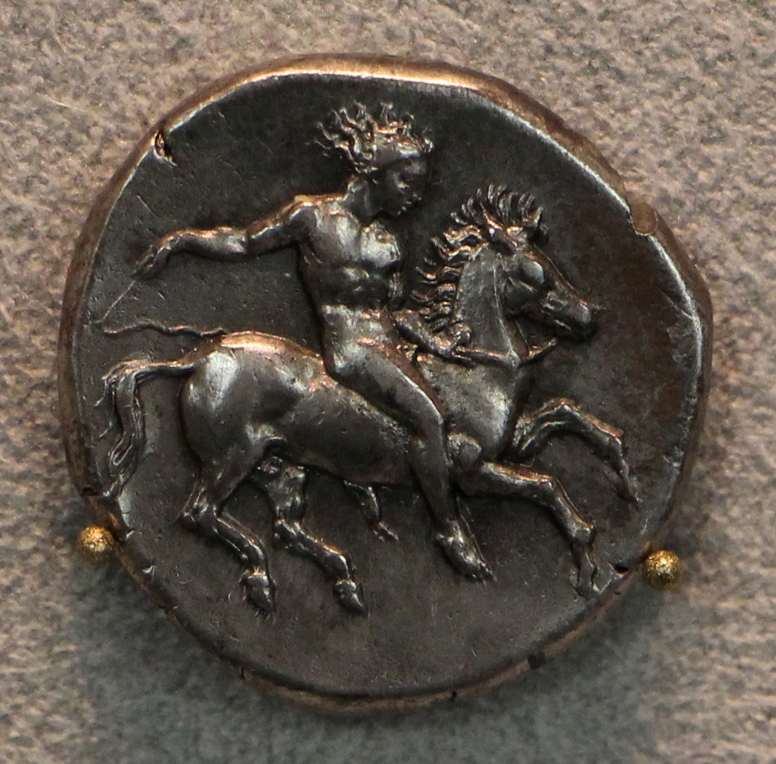
From Wiki Common come these photos of some of their coins -
military


and more civilian


Valete
