Showing posts with label Yamnaya. Show all posts

Saturday, December 31, 2022

David Anthony et al - Indo-Europeans and the Horse

 Salvete Omnes,


this 2022 is about to expire today - so I will post one more entry today:


the Proto-Indoeuroepans and their wheeled wagons and horses and the rest is history..
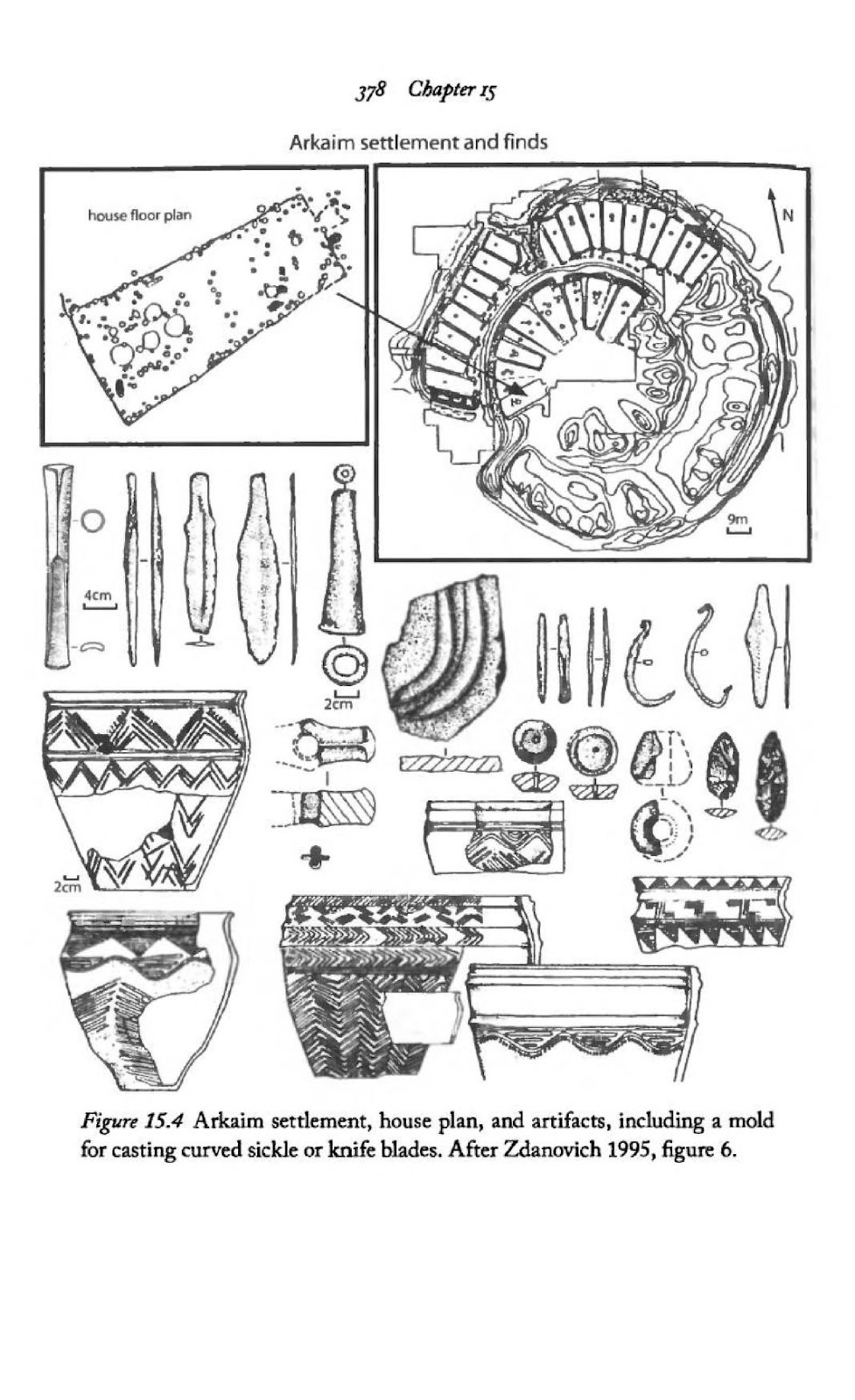


I have discovered for myself that Dr David Anthony made his book - The Horse, the Wheel and the Language - available on Archive.
And here you can listen to dr Anthony being interviewed on the subject at hand - the origin of the Indo-Europeans.


Dr Kristian Kristiansen, archaeologist from Sweden (google scholar and Academia), who participated in this great paper - The origins and spread of domestic horses from the Western Eurasian steppes- delivered a very fine lecture here - Towards a New European prehistory: genes, archaeology and language . And here dr Kristiansen gave interview on the subject - the Birth of Northern Europe.


And the very interesting interview with dr James Mallory - Finding the Indo-Euroepans.


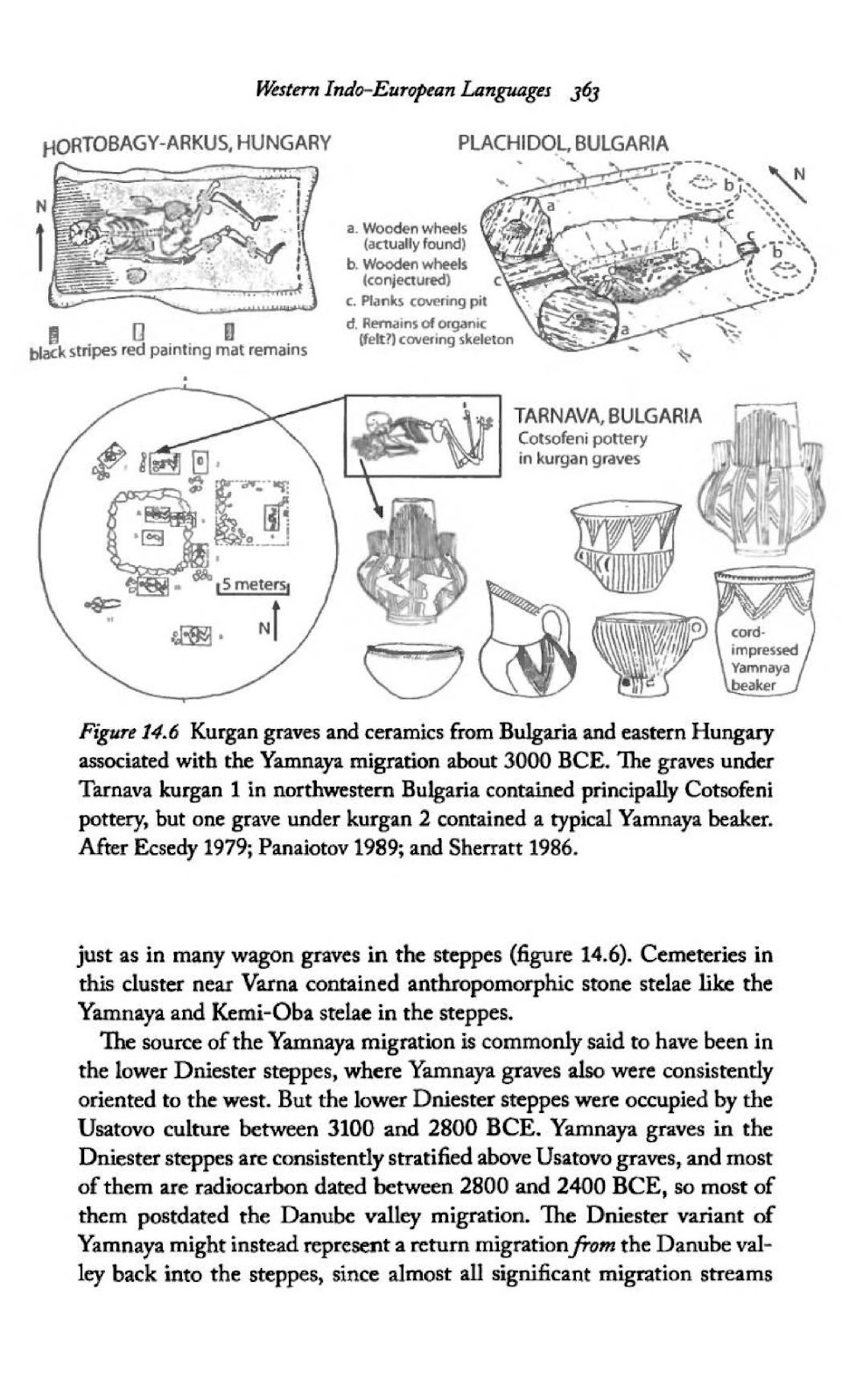
My post illustrated with the pages from The Horse, the Wheel and the Language - all archaeological artefacts. 


Happy New Year

Valete


Thursday, January 20, 2022

Indo-European Horse sacrifice - video presentation

 Salvete Omnes,


A short entry this Thursday, January 20th, 2022 - and with the pandemic going away (except for the politicians and their medical advisors) we can watch this rather intriguing presentation from Survive the Jive,  the YT channel already known here for the Yamnaya presentation. Here is the link.
The narrative includes the description of the Indo-European ritual and mythology from Indian continent across Eurasia to Ireland. Sadly, out narrator know little about the Slavic ritual traditions and myths regarding horses. So you can look up the famous horse from Arkona, Rugia Island - here an article with many illustrations.


ancient Hindu ritual Ashvamedha - in the Gupta kings coins:


and  this illustration of the Irish Kingship ritual that comes Topographia Hibernica( (c.1220) - BL Royal MS 13 B VIII ) by Giraldus Cambrensis (Gerald of Wales) shows the ritual - the sacrifice of a mare and king bathing in the cauldron full of chopped horse meat while his retainer drink the horse stew.


and this Giraldus' description of the Irish attire, horsemanship and lack of armor , for the period of the second half of XII century AD (via Wikipedia).

Their custom is to wear small, close-fitting hoods, hanging below the shoulders a cubit's length, and generally made of parti-coloured strips sewn together. Under these, they use woollen rugs instead of cloaks, with breeches and hose of one piece or hose and breeches joined together, which are usually dyed of some colour. 

Likewise, in riding, they neither use saddles, nor boots, nor spurs, but only carry a rod in their hand, having a crook at the upper end, with which they both urge forward and guide their horses. They use reins which serve the purpose both of a bridle and a bit, and do not prevent the horses from feeding, as they always live on grass. Moreover, they go into battle without armour, considering it a burthen (burden) and esteeming it brave and honourable to fight without it.


Valete

Wednesday, March 10, 2021

People of the Horse

 Salvete Omnes,


yes,  we Eurasians are the original people of the horse - from domestication of the equus caballus to inventing of  the chariot, horseback riding and fighint from horseback by turning horses into magnificent war steeds.

so today I will just share  two links coming from this Y-tube channel - Study of Antiquity and Middle Ages - where guests and their host talk about the ancient Indo-Europeans, the people of the horse of the ancient world.

First, ancient Indo-Europeans and their DNA - talk with Razib Khan.


Second, the Indo-Europeans in the Mediterranean world - talk with dr Fred Woudhuizen. - nota bene his excellent works are available on dr. Woudhuizen's academia page.

and I can still recommend prof. David Anthony (here his lecture from 2013) and his book The Horse, the Wheel, and Language. And the academia site  of his wife's, Dorcas Brown, works related to the Indo-European origin, horse domestication  and ancient equestrian research.
and on Archive.org you can find prof. Marija Gimbutas excellent works.

ride away..


Valete