Showing posts with label Hippika. Show all posts

Thursday, December 5, 2024

Krzysztof Dorohostajski, grand marshal of Grand Duchy of Lithuanian, in Krakow 1604

 Salvete Omnes,

yesterday or on the 4th of December but in 1604 AD, the rulers , many lords, magnates and common citizens of  Polish-Lithuanian Commonwealth came to the capital of the realm - i.e.,  Krakow (Cracow), to greet and welcome Constance of Austria as the new wife  of our king, Sigismund III. Constance would wed and be crowned as queen-consort of the Polish-Lithuanian realm.


The Krakow entry was commemorated in the fabulous scroll painting known as the Stockholm Roll - this name is due to the fact that the Swedish king  had the painting taken from the Warsaw Royal Castle in 1655AD and it had been stored in Sweden until returned by prime minister Olof Palme in 1974. 
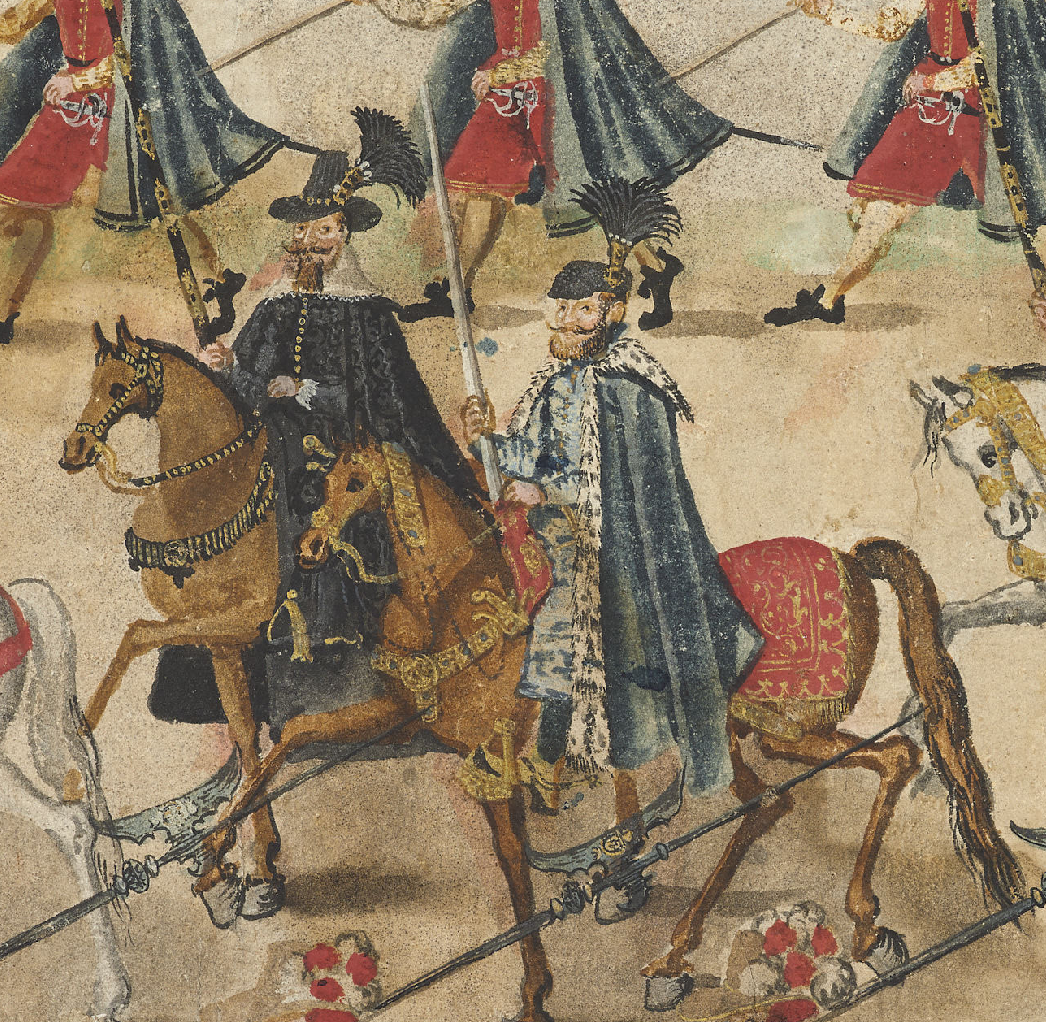


One of the officials depicted in this gouache painting is senator Krzysztof Dorohostajski vel Dorohostayski (Leliwa coat of arms),


 who was the grand marshal of GDoL during this time. 

Dorohostajski is dressed in a Spanish or Italian dark costume of the period, holding his staff of office

Pan Krzysztof, an authority on war, law and horses, is riding a bay or rather a  chestnut horse, presumably a stallion, himself being a famous writer of a horsemanship treatise, Hippika,  published in 1603, and formerly a winged hussar companion and at that time a captain of  his own winged hussar company. He would participate in the wars against Sweden and Muscovy until his passing in 1615.
Dorohostajski horse's tack appears to be very splendorous and exquisite, gold pieces on the black background, with gold or gilded stirrups.  
The court marshal of GDoL, Piotr Wiesiolowski (Ogonczyk coat of arms),
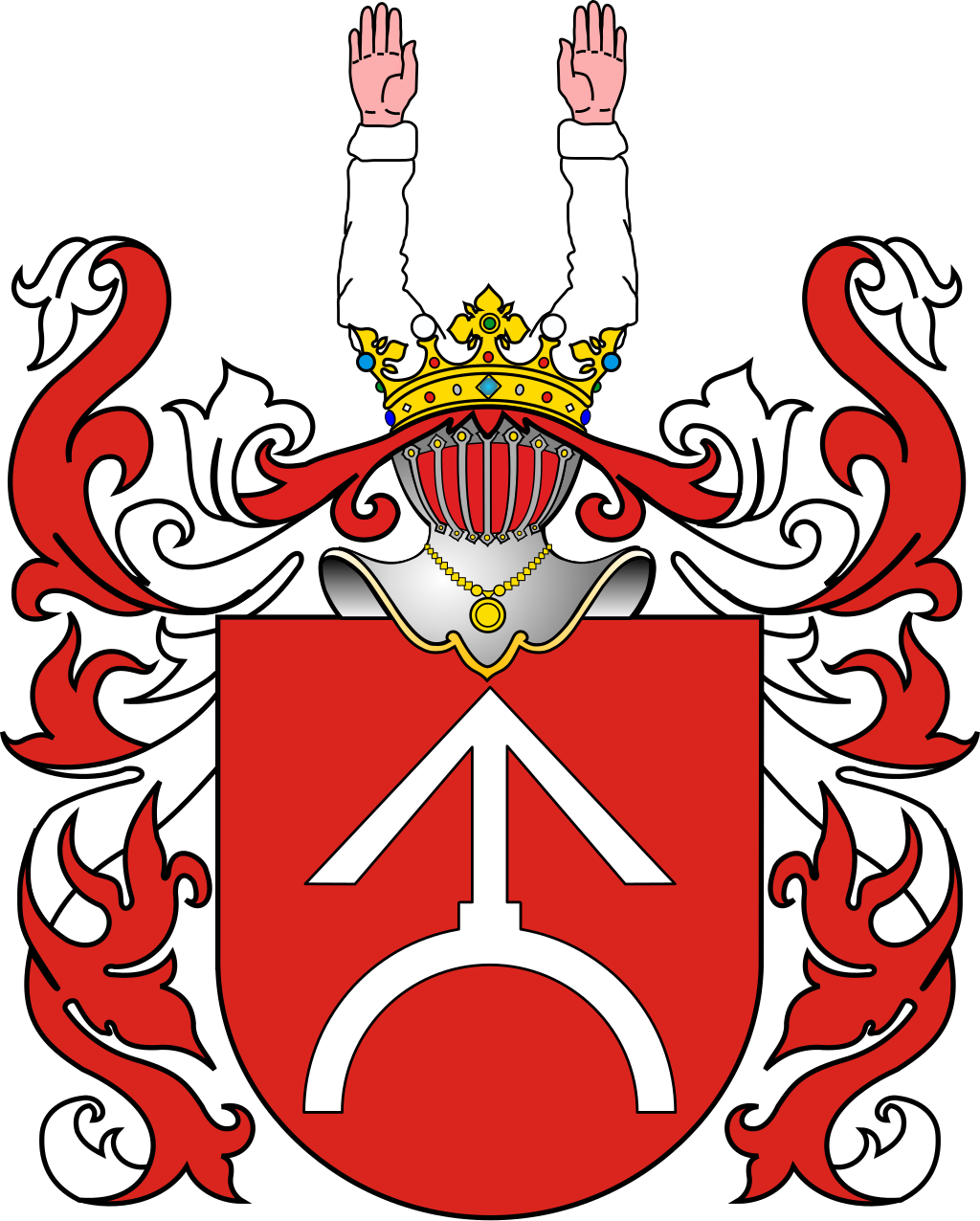


riding on a chestnut stallion next to Dorohostajski, is dressed in a prevailing then Hungarian style of  costume, his horse furniture more like of the winged hussars, and he has a sword under his thigh.  All gilded and ornamented with precious and semiprecious stones and perhaps pearls. 

                                                                                              ***

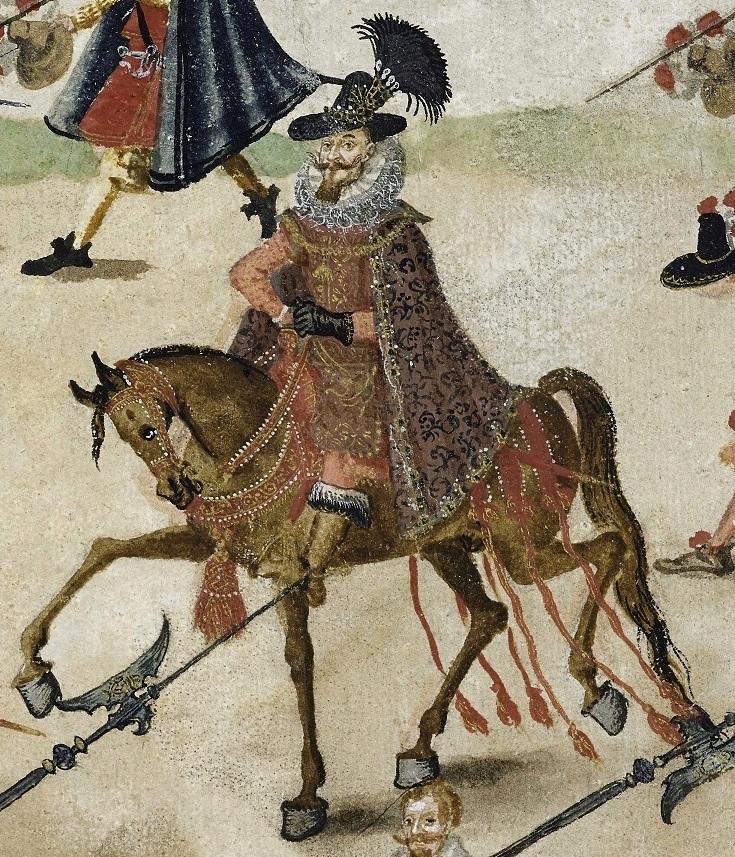
Nota bene our then king and groom, Sigismund III Vasa, is depicted as mounted on a dark chestnut stallion 


and his bride and queen to be, Constance of Austria with her royal entourage in the carraige: her mother archduchess  Maria Anna, her sister Maria Christierna and king's sister princes Anna. 


enjoy

Valete


Monday, May 29, 2023

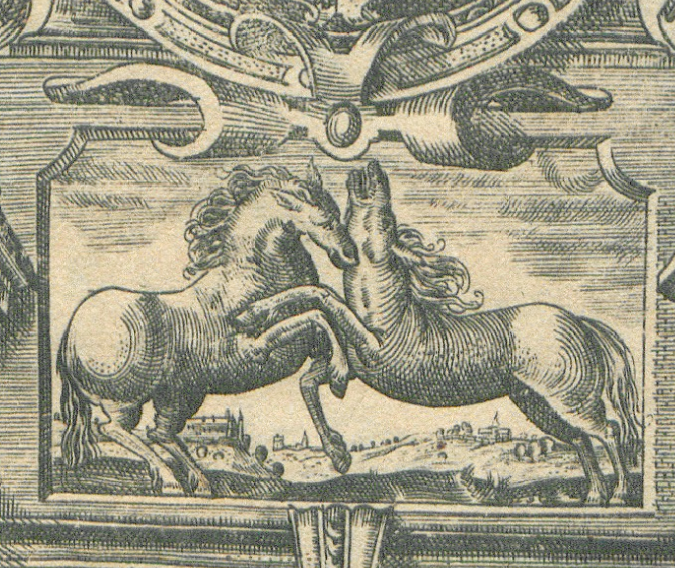
Tomasz Makowski & Horses in Hippika

 Salvete Omnes,


long time ago I posted some images by a Polish artist Tomasz Makowski (circa 1575-1650AD).


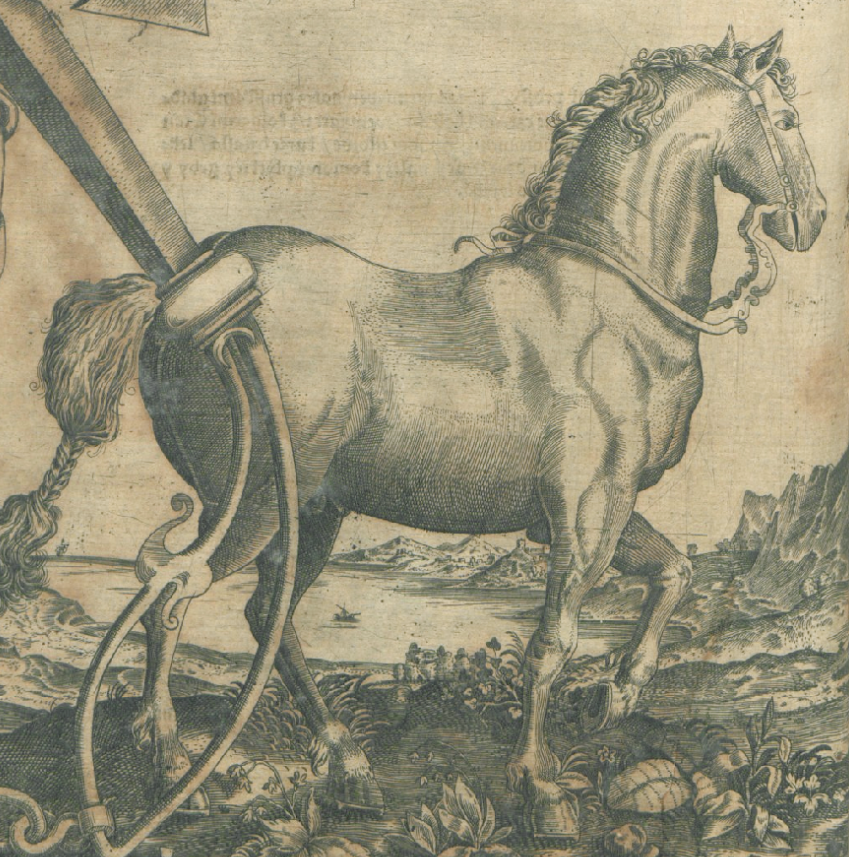
I would like to return to that edition of Krzysztof Dorohostajski' Hippika, for this blog I corralled horses from that edition of Dorohostajski book.


I wonder if this is a Polish horse,as the city in the background is most likely Krakow, with the Wawel Royal castle on the left


the horses do resemble other horses in the European prints of this period, like those by Antonio Tempesta..

enjoy

Valete

Thursday, May 7, 2020

Dorohostajski - munsztuk (hiszpanski) II

Salvete Omnes,
[in Polish]
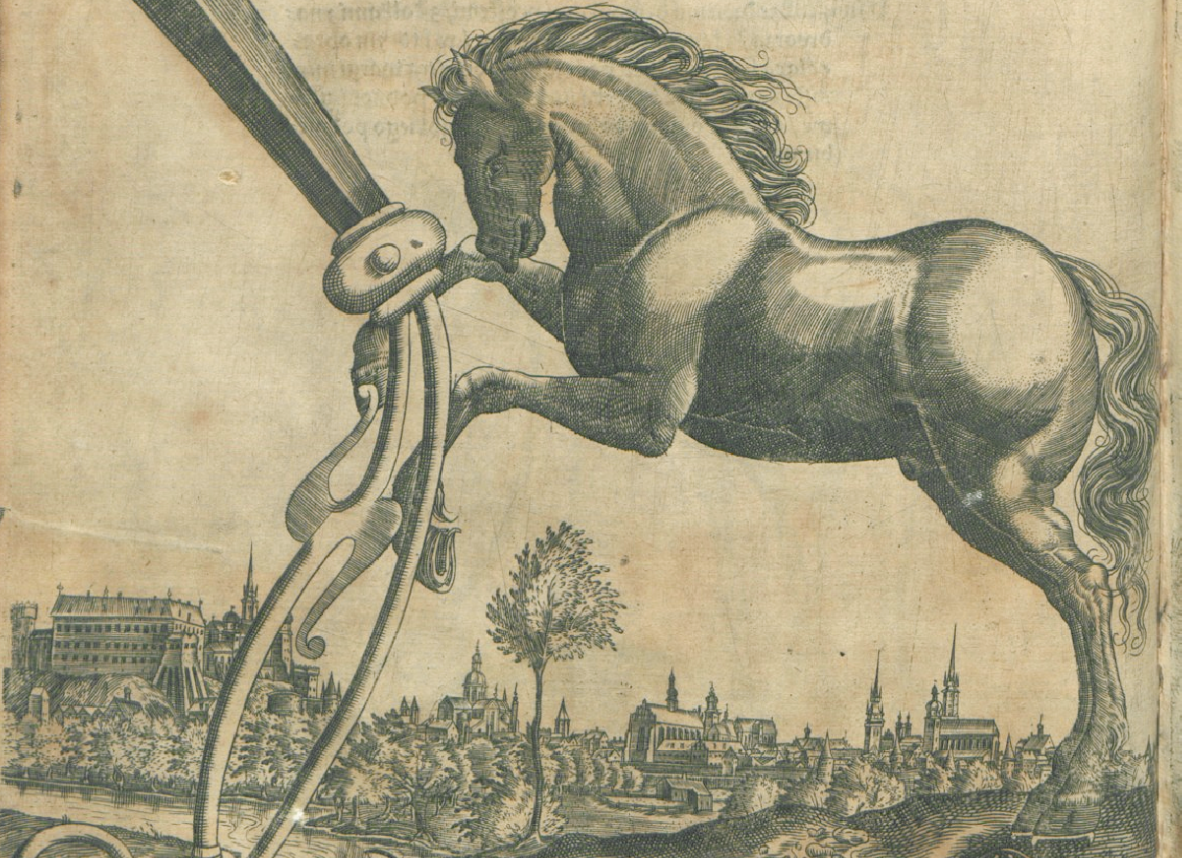
imć pan Krzysztof Dorohostajski, rycerz waleczny, towarzysz husarski, min dowódca prawego skrzydła w zwycięskiej wojsk polsko-litewskich bitwie pod Kokenhausen 23 czerwca 1601, uczestnik szturmu na mury Smoleńska  13 czerwca 1611, w swym dziele o koniach czyli Hippice opisuje munsztuk 'hiszpański' który jest podobny adziamskiego (od Adziamu czyli Persji). Munsztuk ma zakrzywiona, krótką czankę, którą autor nazywa ussarską (tak jak w przednio opisanym munsztuku).
 
Opis autora:
'Munsztuk zupełny hiszpański, na kształt adziamskiego, z gęsią szyją sowitą, z łańcuszkiem cały, z kolcami miasto igrzyska poprzecznemi, z czanką krótką, zakrzywioną ussarską, z sowitem uchem szrubowanem.
Tego munsztuka, dla kształtu, do stroju adziamskiego używają, względem krotochwil raczej, aniżeli z potrzeby, bo może być do wargi końskiej i bez nagłówka przypięty; pożyteczny jednak jest do jazdy w mieście, koniom albo raczej parepom wolnym, dobrej i postanowionej gęby, załamuje, i czyni smaczne dzierżenie, nóg podnoszenie i ozdobnego chodzenia nakłada.''

..
 Valete

Tuesday, April 28, 2020

Dorohostajski - munsztuki I

Salvete Omnes,
[in Polish]
imć pan Krzysztof Mikolaj Dorohostajski gościł na lamach bloga już nie jeden raz.
A jego wielkie dzieło pt''Hippika''  to jedno z niezwykłych dzieł polskich, sarmackich i hipologicznych.
Z tejże to Hippiki można wyjąc ryciny ze słynnymi kiełznami epoki konia rycerskiego, dworskiego i wojennego tj  munsztukami .
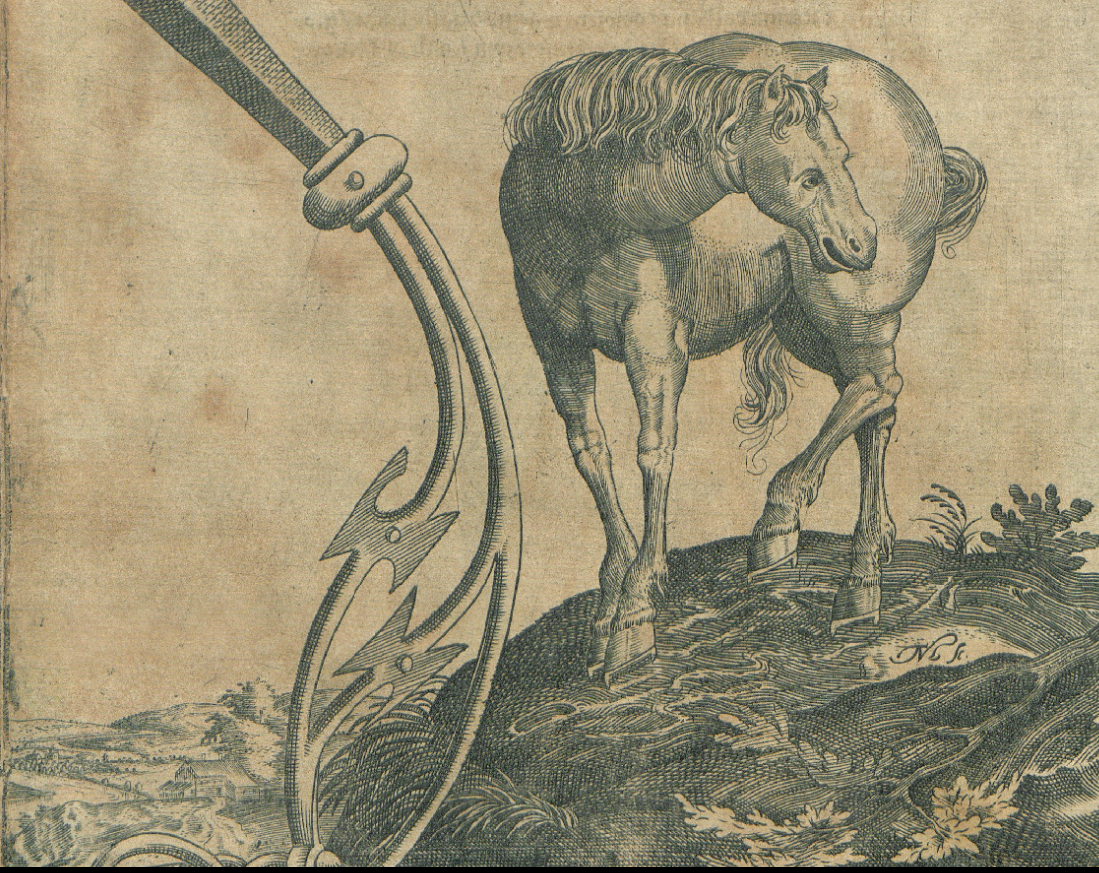
Ponizej mamy dwie rożne ryciny(z dwóch wydań)  z tym samym munsztukiem, z tzw czanka ussarską.
oto opis -
''Munsztuk otworzysty z gęsia szyją, ze dwiema tłuczkami z czanką krótką, esowatą, ussarską - daje wolność językowi wargi subtelne otwiera, pod się łamie, koniowi wolnej gęby zejdzie się - pisał ponad 400 lat temu imć pan Krzysztof.


valete