Showing posts with label Bernardo Bellotto. Show all posts

Tuesday, July 9, 2024

Polish horses by Bellotto & British Sportsman's Dictionary - XVIII century

 Salvete Omnes,

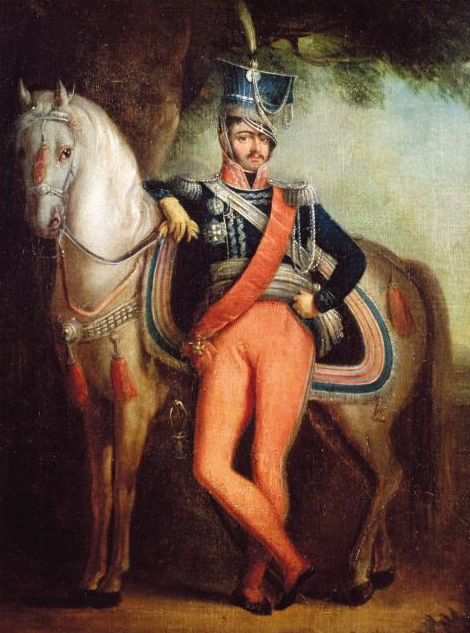
a  groom with a magnificent grey horse painted by Bernardo Bellotto


in the British publication titled The Sportsman's Dictionary (the title is longish, there were various editions throughout the XVII century - her  1778 AD edition Archive link) there is this description of the Polish horse, among many others:


the 1744 edition - 

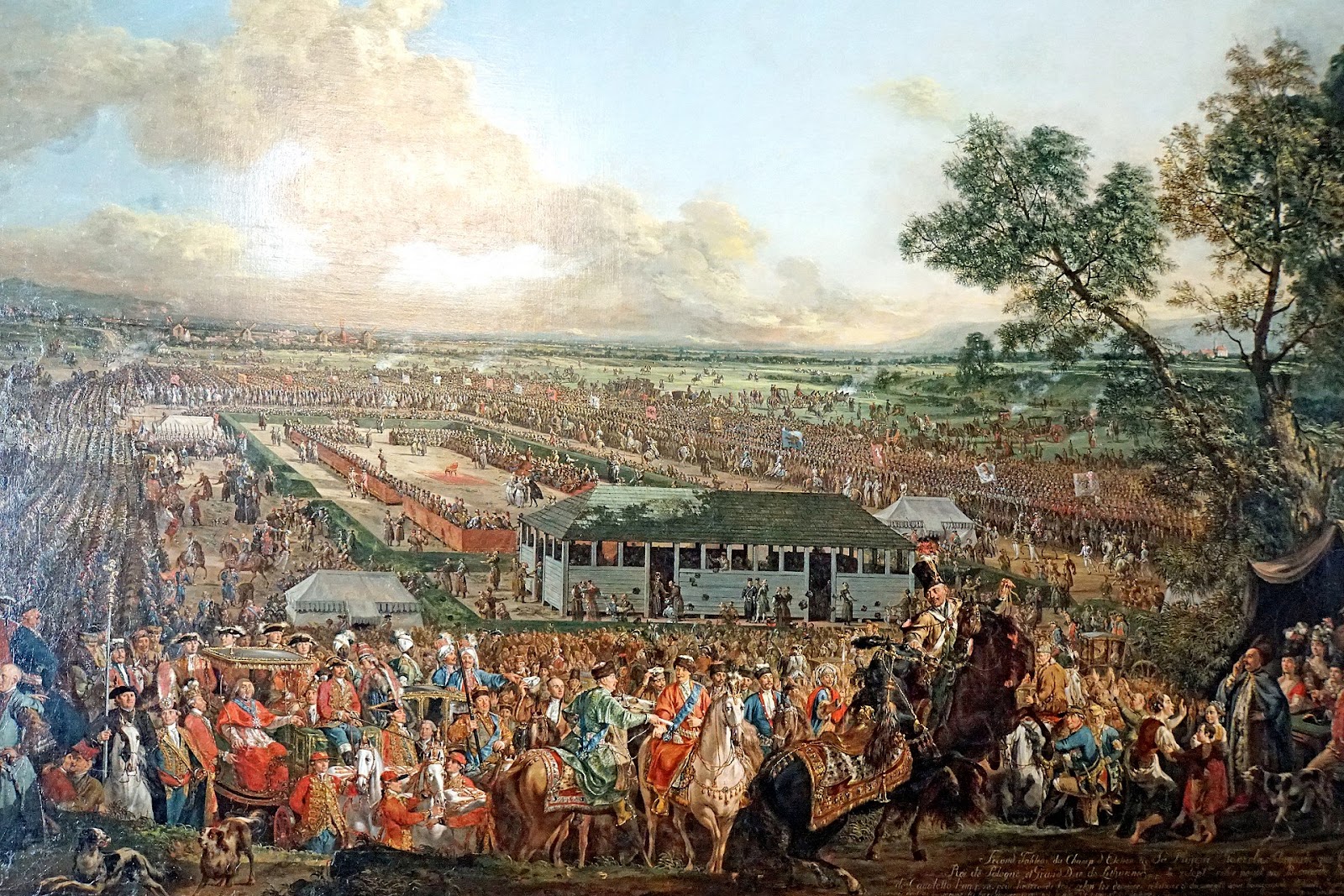
.. more horses by Bellotto in Warsaw environs - 


Valete

Sunday, January 27, 2019

Kon polski - Old Polish Horse


koń polski Adam remontowy używany w armii pruskiej od 1804 roku w regimencie dragonów królowej, a później w 9 regimencie kirasjerów, gdzie zmarł  w 1829 roku

Salvete Omnes,
[in Polish]


nieco o koniach dzisiaj:
Glinka bialogrzywy z Laszek Murowanych

książka mości Radka Sikory - Husaria, Duma Polskiego Oręża - posiada rozdział, króciutki bardzo niestety (no ale kogo interesują konie? choć bez koni każda kawaleria jest li tylko 'szarą piechotą' - ;) ), o koniach husarii  a raczej o tych koniach, które mogły być przez husarie używane ale o których zazwyczaj się nie pisze, oraz mala rozprawkę o tzw rasie konia polskiego.
Belotto


fragment sztychu Kalwarii Zebrzydowskiej

Add caption

Do tego rozdziału o koniach husarii dodany jest też rejestr roty (chorągwi) imć Marcina Kazanowskiego (AD 1580, Archiwum Akt dawnych Skarbu Koronnego) - te rejestry, bo jest ich więcej. to istna skarbnica o koniach wojska zaciężnego epoki XVI wieku.
 Orlowski


Na końcu książki przydałby się słowniczek terminów, w tym terminów hipologicznych, jako, że dla przeciętnego czytelnika mogą one niewiele znaczyć.

Nota bene na portalu Kresy jest artykuł mości Radka o Wyginięciu rasy konia polskiego. (trzeba by mu się przyjrzeć któregoś dnia - :) )
Dawno temu napisałem coś (eg  o koniu polskim od nowa, dzianet , kon polski etc ) niecoś o koniu polskim (plus dyskusja na historykach która zapoczątkował kolega Ramond), zawsze szukam i przeszukuje źródła na temat koni polskich (nota bene w książce nie znajdziecie mojego odkrycia o imporcie koni polskich do Królestwa Danii), a dzisiaj chciałbym złożyć tandem paręnaście wyobrażeń konia polskiego zaczerpniętych z ikonografii historycznej - wszystkie były już na blogu, ale nigdy wszystkie razem w jednym wpisie.

ergo,  mała galeria tychże wyobrażeń[1] razem ( cześć np jest w albumie Husaria Rzeczpospolitej panów Sikora & Szleszyński) z mojego bloga.


kodeks Behema


Charles Errard le fils konie polskie

Czapski


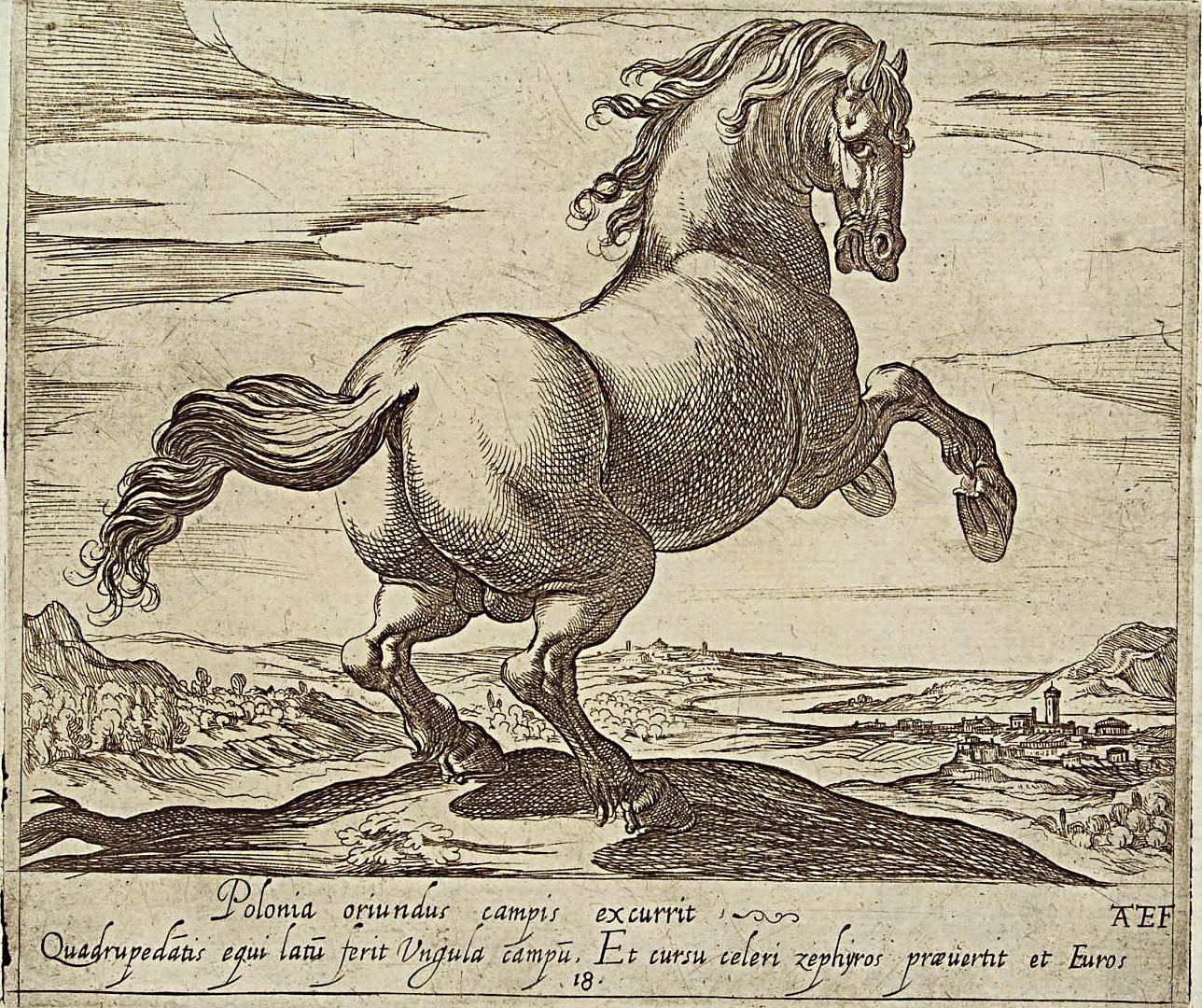
Tempesta


Lyszkowskiego kon polski


kon polski


Altomonte

Kazimierz Pulaski


Valete
&
Khoda Hafez*

...
* moja mala solidarnosc z Persja i Iranem

ps
przy okazji rozbawiają mnie wypisy jak ten na stronie Muzeum w Wilanowie. Mamy takze takie wypisy jak ten i ten na histmagu.

[1] duza czesc z nich występuje w książce, choc tylko dwa w rodziale o koniach

Friday, November 9, 2018

Bernardo Bellotto - details from his Warsaw paintings I

Salvete Omnes,
I have been itching to visit Warsaw museums to take a closer look at various Warsaw paintings (27 paintings in total, all oil on canvas) by Bernando Bellotto known in Polish Kingdom as Canaletto.
My reasons are simple, these paintings contain multitude of information related to Old Polish material history, eg civilian and military attire and costume, but especially within the scope of my blog  the horse topics:  from Old Polish horses shown profusely (from fine steeds to nags), riding equipment, sumptuous parade carriages to lowly peasant carts.
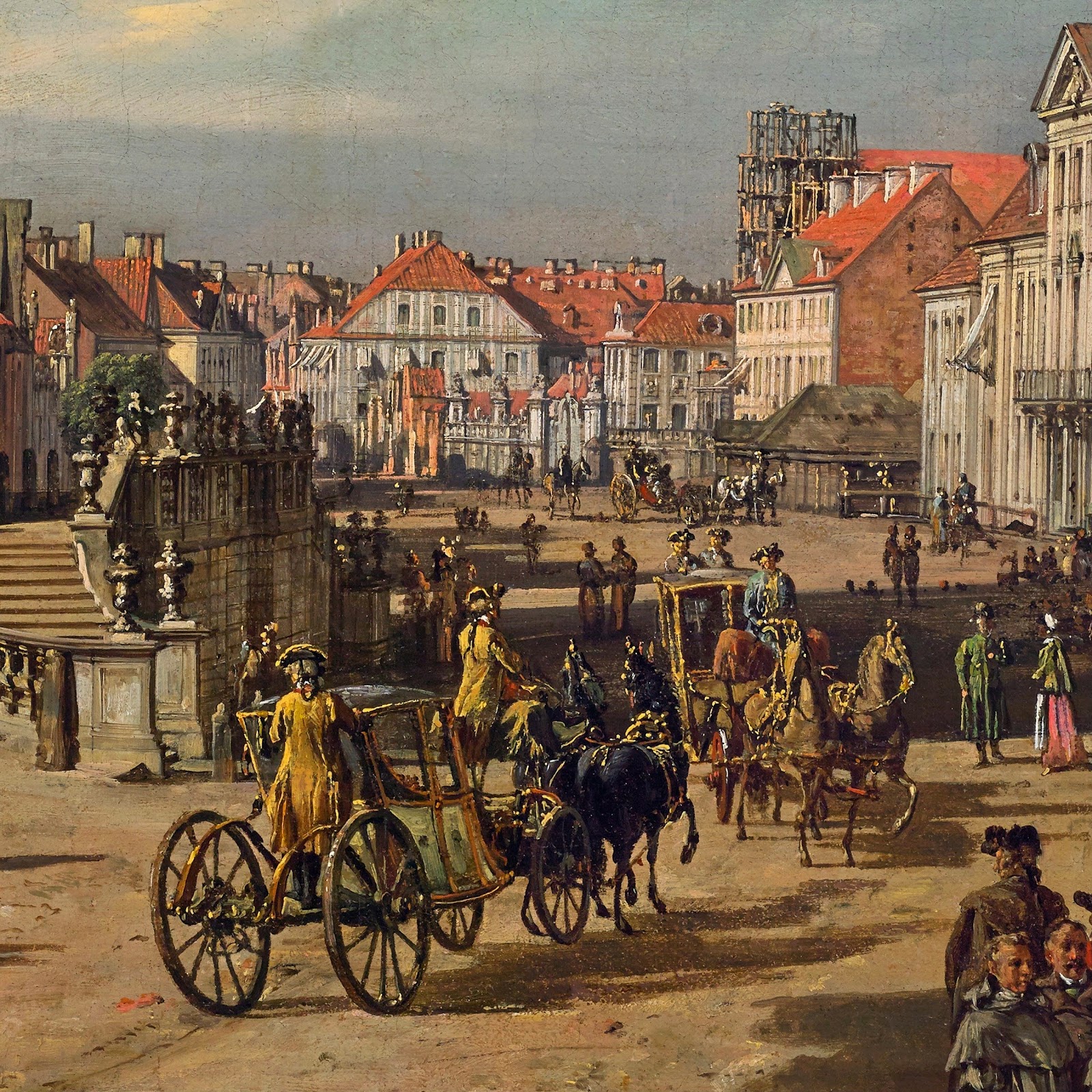
For example let's take a look at this painting

 showing situated at Krakowskie Przedmiescie street 34  Kościół Wizytek (Church of St. Joseph of the Visitationists) built during a long period of 1720-65 (consecrated in 1763) . This is perhaps a hay market scene, with peasant carts filled to a brim with hay.
going from left to right:
Old Polish horse saddled etc lead by a servant with two dogs by its hind legs


carts with hay and one wagon already empty. note the small size of the horse pulling this cart, also a fragment of a cat with a barrel, perhaps with beer, since beer had been daily drink popular in Poland

a peasant cart with sacks of something (grain?) pulled by small horses (harness off, horses feeding) and a small carriage (Basztarda[Pl.]  diligence[Fr.] or coupe)pulled by a pair of black carriage horses (not very splendorous during those times, when teams of 4 and 6 or more horses were all rage and fashion)


more carts with hay, we see variously colored  small draft horses, in between a servant (most likely) riding a taller horse with a sky blue schabraque . Cart horses harness includes a duga with hołoble ( shaft bows with ) harness - 'chomąto podlaskie' - a typical driving harness in Old Poland.


here it appears that the painter showed what appears to me  a  servant, perhaps a  in his lord's uniform  standing along with a burgher woman, with a fragment of another  carriage (perhaps another coupe?) behind them

Valete!