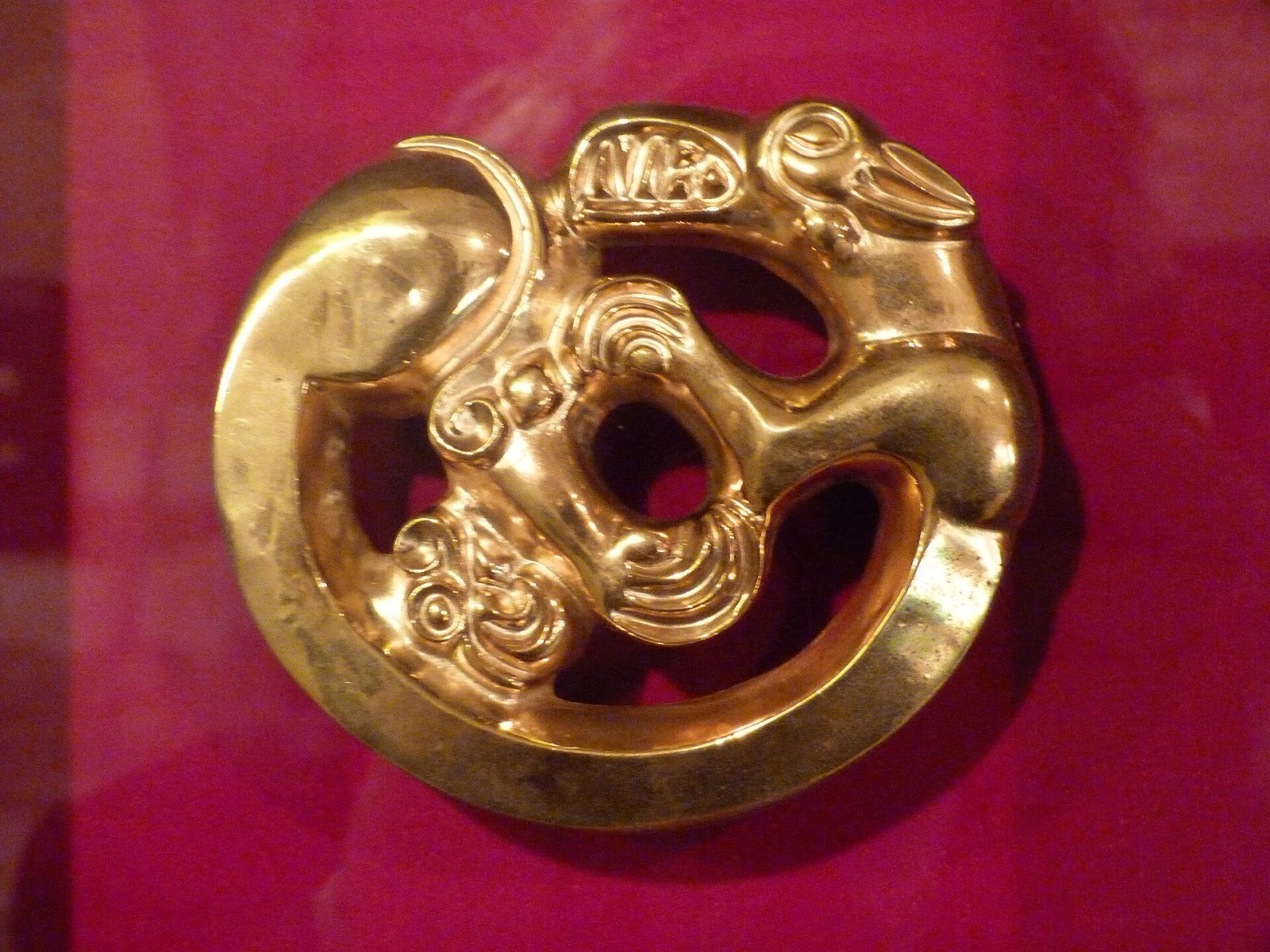
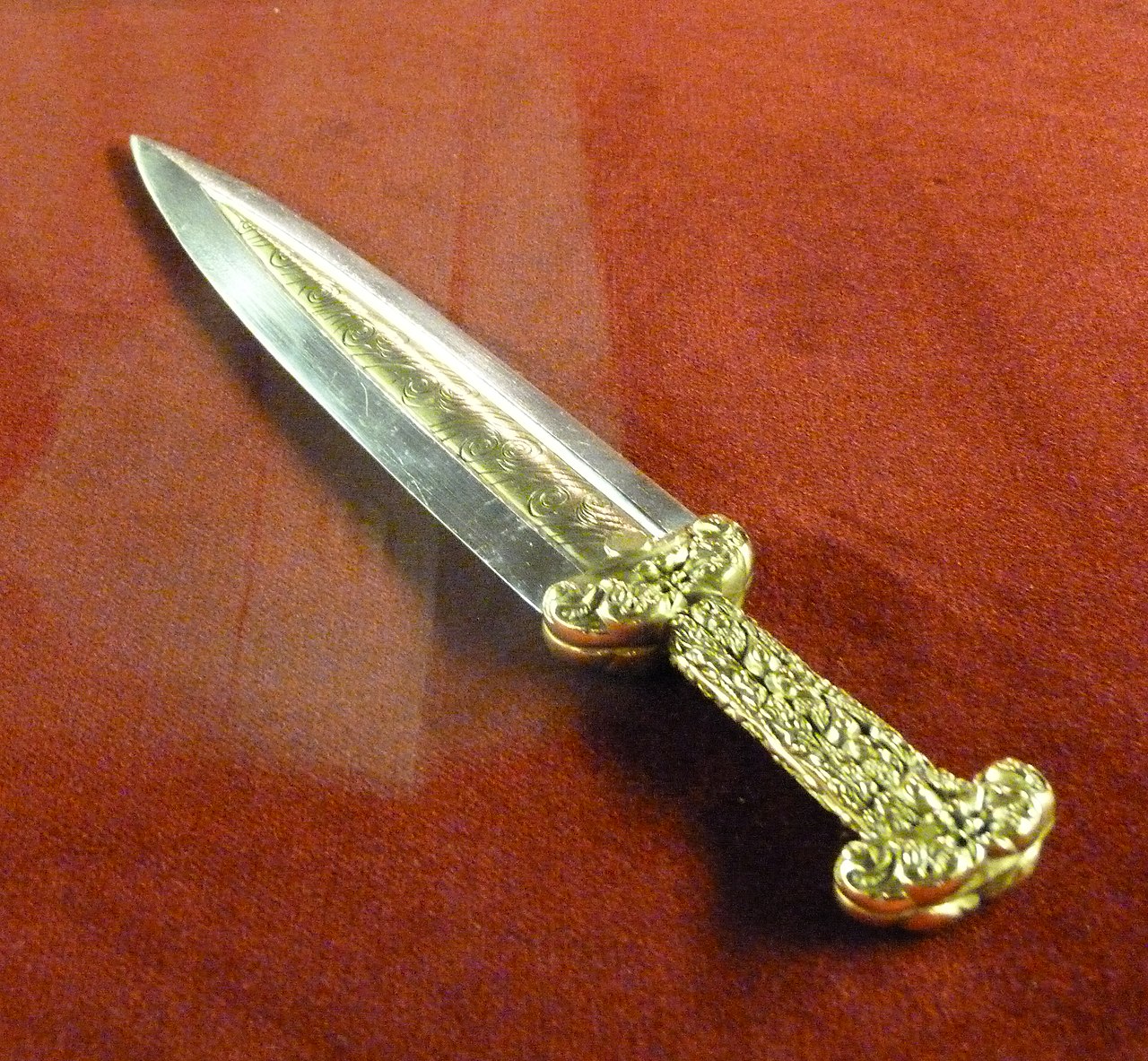
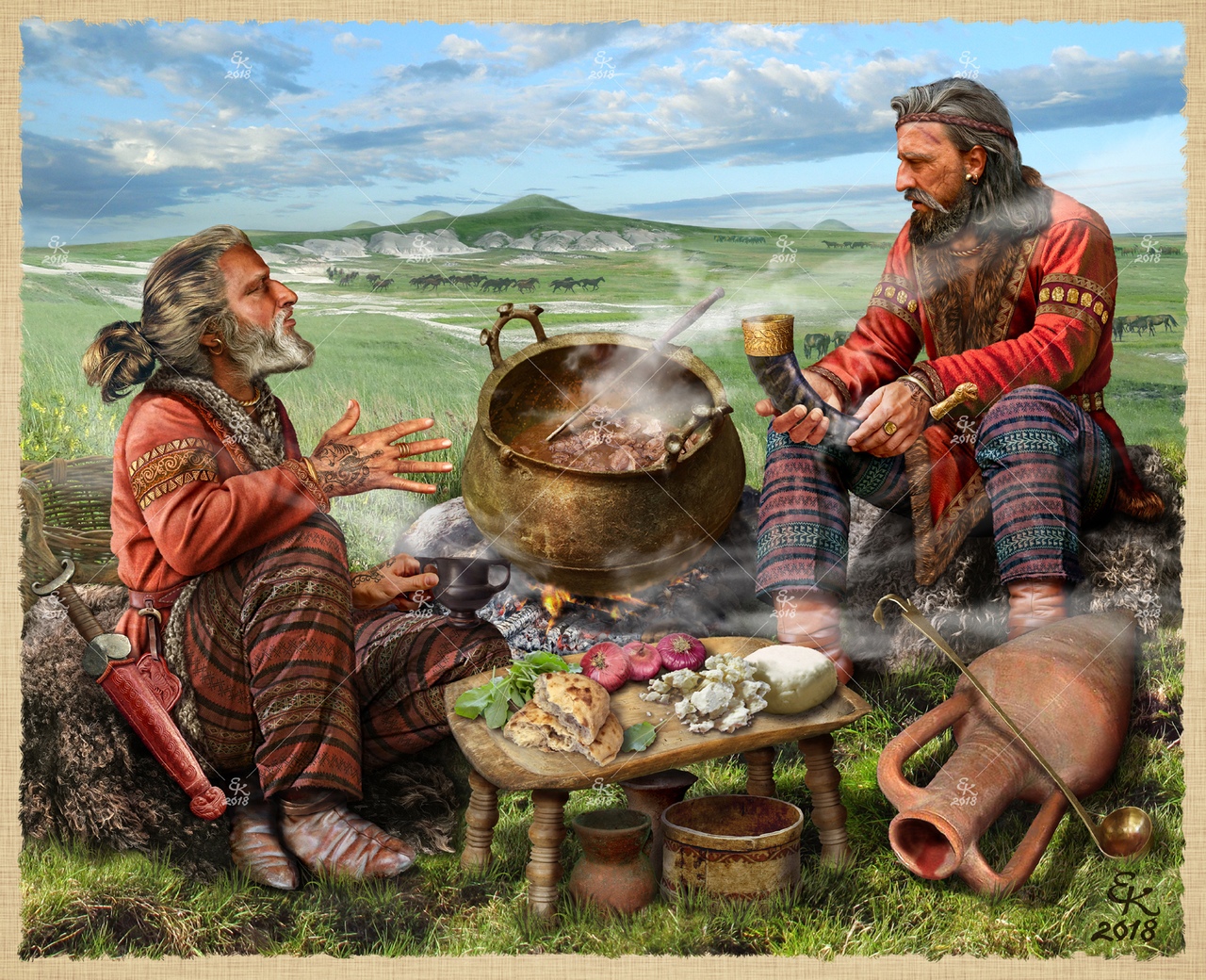
Showing posts with label Skudra. Show all posts

Thursday, July 24, 2025

Genetic History of Scythia - Herodotus & DNA

 Salvete Omnes

a short entry -  


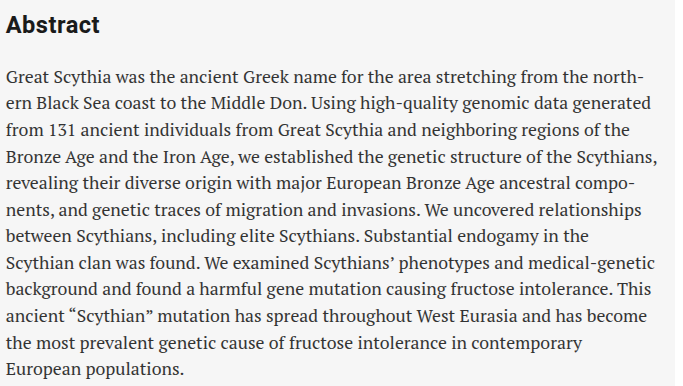
The Science Advances portal they published this article -  Genetic history of Scythia  - Tatiana V. Andreevea et al.,


.


.


enjoy

Valete

Saturday, July 31, 2021

Kul Oba Scythians

Salvete Omnes,


it has been a while since I visited my 'beloved' Scythia on this blog, hence time to somewhat mend this omission.


Kul Oba or the 'hill of ashes' (in the Kipchal Tatar tongue) was a kurgan that contained a large stone tomb with a corbelled roof located in the Kerch Peninsula of the greater Crimean Peninsula (lately of Russian Federation, but between 1954-91 AD part of the Ukrainian SSR and then between 1991-2014 AD it was an integral part of Ukrainian independent state territory).


 It was built sometime in the early IV century BC and perhaps represents pretty much the high art of the rapidly Hellenizating' Scythian aristocracy/nobility.


The following pages and images are taken from Ellis Minns, Scythians and Greeks. chapter Scythic Tombs, Kerch.


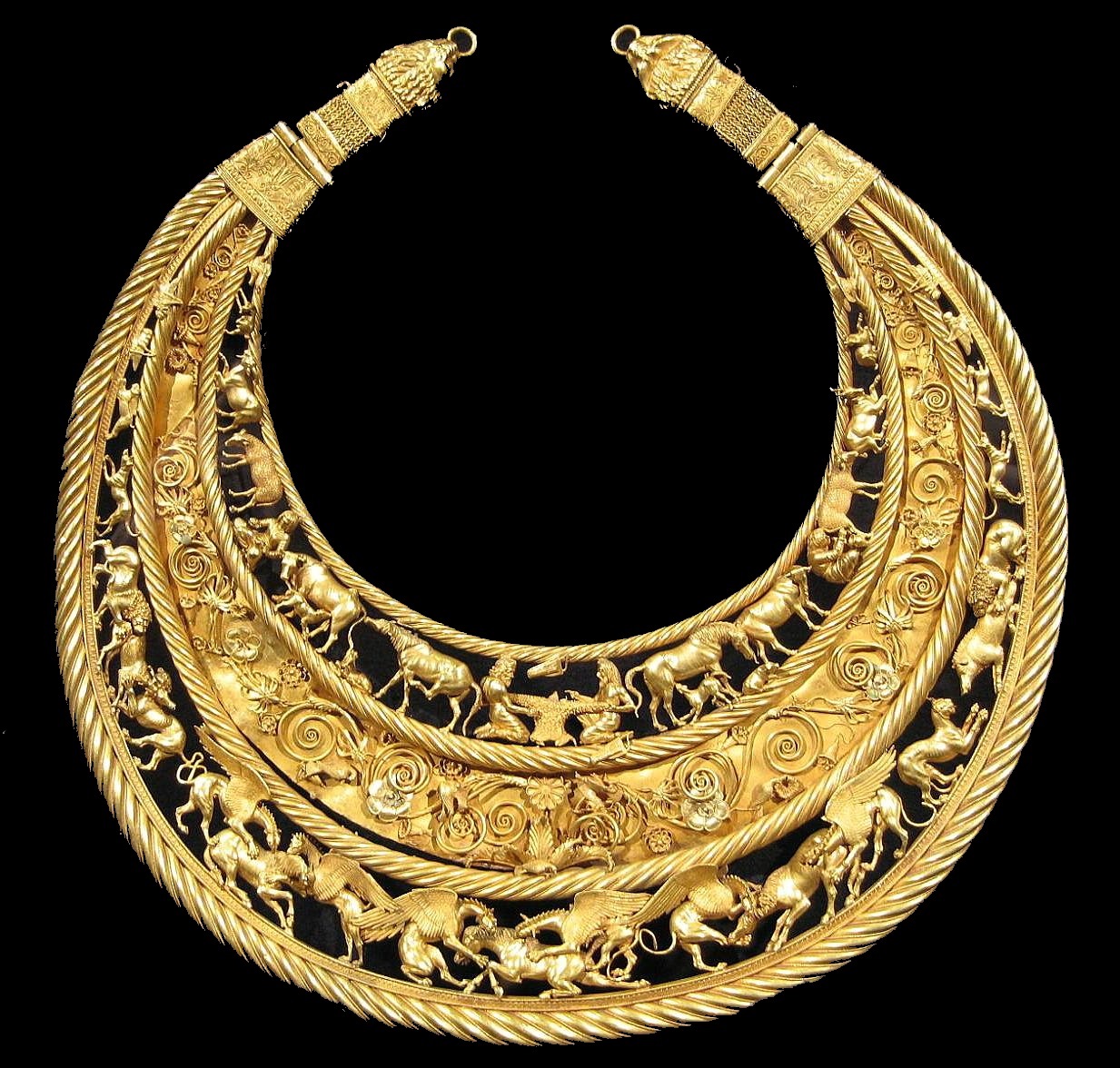
and on Academia there is article by Nikolaos F. Fedoseev - the Necropolis of Kul Oba and Juz Oba. Denis Zhuraviev's article on the standing Scythian from Kul-Oba (in Russian). Leonid Babenko's article on the famous torque's construction  from Kul Oba.{Russian with English summary]

 The Scythian theme ..  to be continued - :)

Valete

Tuesday, December 31, 2019

M. I. Artamonov - Sokrovishcha Skifskih Kurganov

Salvete Omnes,

the clock is ticking and perhaps this may next to the last post this 2019:
I watched the entire Netflix' Witcher series - for me it did not get better with each episode, so much money wasted; the hose tack in this production is horrid, mix of nonsense, pretensions and bad saddlery ideas. They should have hired some of the experienced European saddlers, like Joram van Essen et al or our Polish saddler Marcin Ruda ( Ruda Sadlery) to create some pleasing choices.

just a link (kronk site) to the color illustrations from prof. Mikhail Illarionovich Artamonov(Артамо́нов Михаи́л Илларио́нович) titled Сокровища скифских курганов в собрании Государственного Эрмитажа.-published as The splendor of Scythian art;: Treasures from Scythian tombs (1969).
The examples of the Scythian art from the Hermitage, just a few examples from the Kul-Oba kurgan 

Kul-Oba kurgan - a lancer

Kul-Oba kurgan - another lancer

 Scythian archers from the Kul-Oba kurgan
 

 Geremes kurgan - Геремесов курган ( Марьевка (Запорожский район) ),Ukraine - mounted lancer against an archer
 

Merdzhani or Merdzhana (Мерджаны) kurgan - late period - a horseman with a rython


  Elizavétinskaya stanitsa(Елизаветовская станица) kurgans -( Kuban Basin ) and one of my favorite animals - the wild boar detail from the sword scabbard discovered in the the kurgan number 16.


Valete
ps
the animal-style steppe art may be exemplified by the deer adornment for a shield that  comes from the Kostromskaya Stanitsa Kurgan numer 1, Kuban Basin.

Monday, December 30, 2019

Kurgan Solokha - Russian book & articles

Salvete Omnes,
a short entry on this last day before the last day of 2019.- :)

Academia has the entire Russian book dedicated to one of the most famous Pontic Scythian kurgans - The Solokha kurgan, the story of the collection by the Russian prolific researcher, academic Anastasia Petrovna Mantsevich ( А. П. Манцевич)- available for perusing or downloading for the future study.
Here you can seen a photo of the famous vessel with the hunting scenes from Solokha.
 
 Nikolai Ivanovich Veselovsky (Николай Иванович Веселовский) excavated the Solokha kurgan and the present site is located on the Dniepr River (ukr. Дніпро,   ros. Днепр, pol. Dniepr  ) not far the town of Nikopol in Ukraine.

Also, you may find of interest three separate articles by Mrs Anastasia P. Mantsevich on or about the objects from the Solokha kurgan-
-The Golden Comb from Solokha Kurgan - Золотой гребень из кургана Солоха (1949)  - from the kronk site.
the large photo of the comb comes from the article


 the second article on the Solokha comb(1962) - from the kronk site.


 another article on the comb and the phiale (patera) -  the kronk site. - it contains another photo of the hunting scenes vessel


- The Parade or Ceremonial Sword from the Solokha Kurgan (in Russian from the annales site, or with large scans of images from the kronk site , but can be translated by any internet translators)

 
Article by M.I. Artamonov about Solokha - the kronk site.

valete

Tuesday, January 1, 2019

Brand New 2019 - Evgeny Kray nomads

Salvete Omnes,
so we have crossed into 2019 - by by 2018 -:)
I would like to start with a link to quite spectacular page - of Evgeny Kray, Russian illustrator who has been reconstructing the ancient Eurasian nomads.
Here is the link to his VK page (including wall photos  and album showing his drawings based on Scythian kurgan of Kul-Oba artefacts).
a Skithian feast, North Pontic V-IV c BC

above and below some of the plates - with all of quite evident errors in horse anatomy etc   - while the costume and armory is his own reconstruction.
Kimmerian vs Skithian north Caucasus VII c BC
Skithian Amazon warrior - north Pontic IVc BC
Sarmatian - Kuban steppe, III-II c BC
Sarmatina, Filipovka Kurgan
Meothic horseman - Kuban region
Sarmatian from Bosporan Kingdom and a wounded Skithian - III c BC
There are many questions and few answers, but this is one giant step into the visualization of the ancient Eastern European warriors and their horse tack.

Photo by Edward S. Curtis - great American photographer who immortalized the warrior horsemen of the Great Plains
I think , bah, I feel and have felt for a long time there is a connection between the ancient nomads of our Eurasian steppes and the mounted Indians of the Americas. I have been studying both over all these years.

Valete
ps
all Skudra images(and description) are copyright of Mr Evgeny Kray.

Wednesday, October 25, 2017

Scythian saddle - articles


Salve,
long time ago I put some information and drawings regarding the Scythian pad saddle.

Recently I have been studying articles by Elena V. Stepanova, one fine Russian scholar from Sankt-Peterburg (Saint Petersburg) Russia, where she is the Hermitage Museum curator and scholar.
The articles deal with the saddles that have survived in Pazyryk, Ukok Plateau of Altai Russia, kurhans (kurgans), and other archaeological sites in Central Asia with references to other sites of Eurasian steppe. One article deals with the reconstruction and usage of such pad saddle from the Altai's Pazyryk kurgans discovered long time ago by the Soviet archaeologists led by Rudenko - English translation calls it a soft saddle, but I think this is the wrong terminology... :)

 The articles are very, very interesting and informative,and practical too. For me it means I have got to rethink and redo some of my drawings and comments on the said Scythian saddles,
so you can download the English translation from the Silk Road Foundation , volume 14. - on the reconstruction of one of the  Pazyryk (Barrow nr. 3) saddles, preserved at the Hermitage, and some interesting observations on the Bosporan saddles as visible on that kingdom funerary artwork.

Qin/Chin Shi Huang Di terracotta army of China - cavalry mount wearing a very Scythian saddle, late 3rd c. BC

or you could read the articles from Ms Stepanova's page on Academia, or you could register there and then download these articles one by one.

Getae Thracians - warriors  riding using saddles similar to the Scythian ones in this Letnitsa, Bulgaria find from IVc BC - note that the Thracian horsemen were allies of the Philip IV of Macedon and Alexander III of Macedon and took part in the conquest of Achaemenid Empire
enjoy