Showing posts with label animal-style art Eurasian steppe. Show all posts

Tuesday, September 15, 2026

Expanding the corpus of the earliest Scythian animal-style artefacts - libre article from Antiquity, Cambridge Univ. Press

 Salvete Omnes,


a short entry - a link to the Scythian related article from Antiquity. 


Journal Antiquity 2025 Vol.99 (Cambridge Univ.Press) - article by Timur Sadykov at al,  Expanding the corpus of the earliest Scythian animal-style artefacts. 


 the artefacts from the Valley of the kings in Tuva (the Turan-Uyuk) and other sites. 


enjoy

Valete

Monday, May 27, 2024

Yuezhi - camels, horses and Central Asia

 Salvete Omnes,

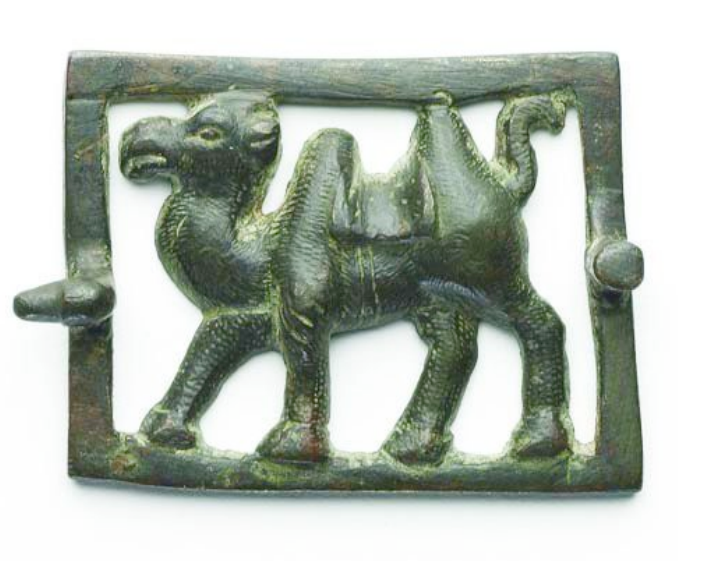
one Bactrian camel, Eurasian animal style nomad art, from the Yuezhi steppe 


and a little about  the Yuezhi themselves - the Central Asian empire builders from their horse and camel backs. 
Academia article on the name reconstruction. 
 

the extend of  the Yuezhi empire


..

Yuezhi embroidery* 


*Great Sergei Yatsenko and his article on the Yuezhi embroidery from Mongolia.

Valete

Sunday, May 26, 2024

Ordos Steppe, Ancient China & Bactrian camels

 Salvete Omnes,


back to camels -  the Central Asia and northwestern China - people of the horse and camel (and cattle and sheep, and great big dogs)


...


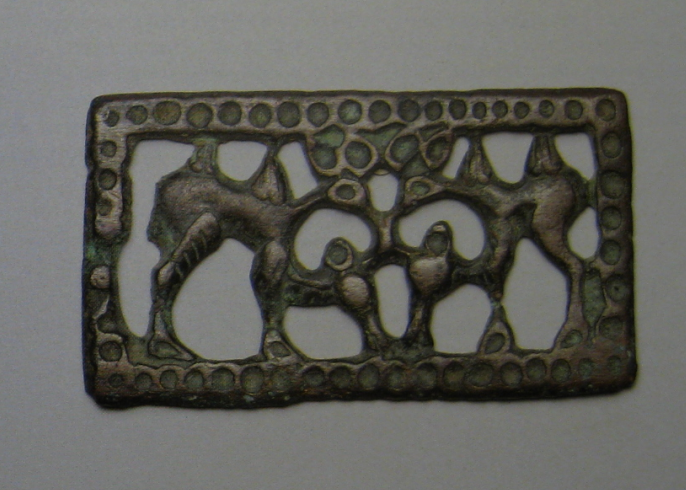
the great Ordos steppe culture - Eurasian steppe bronzes - so called animal-style art created in the vast steppes of Central Asia and northern and northwestern China.


this Bactrian clearly has a saddle and cinch


enjoy 

Valete

Sunday, January 29, 2023

Nicola di Cosmo- a lecture worth your while

 Salvete Omnes,


I would like to point your 'horses' towards this lecture (Yt) - prof. Nicola di Cosmo, titled: the Early Great Wall  and the Formation of the Silk Road. 


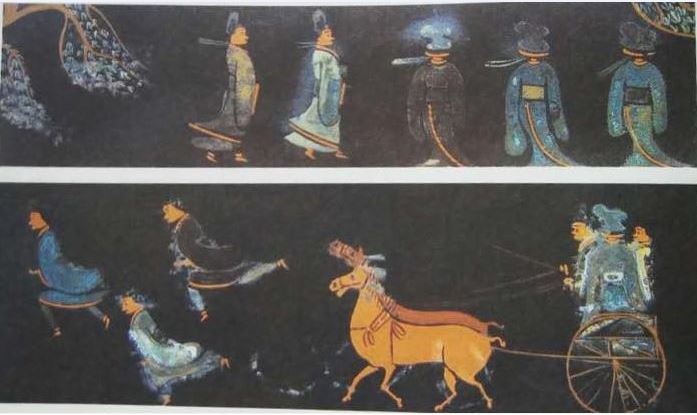
Professor talks about the Warring States in the Chinese history, especially the three northern state of Qin, Zhao and Yan, and their trading gold, silver, silk etc for for horses and cattle, furs etc  with the pastoral nomads of the northern frontier et al., creating mutual dependencies and alliances and cultural borrowing - eg the saddles and horse tack(as evidenced by the horse tack in the emperor Qin Shiq Huang Di Terracotta Army & cavalry ), riding coat, riding pants, riding boots etc from the nomads.


All in all it is a very interesting lecture delivered in an easy manner, whereas the knowledge presented is vast and while the field of ancient Chinese and Eurasian archaeology  is still expanding.
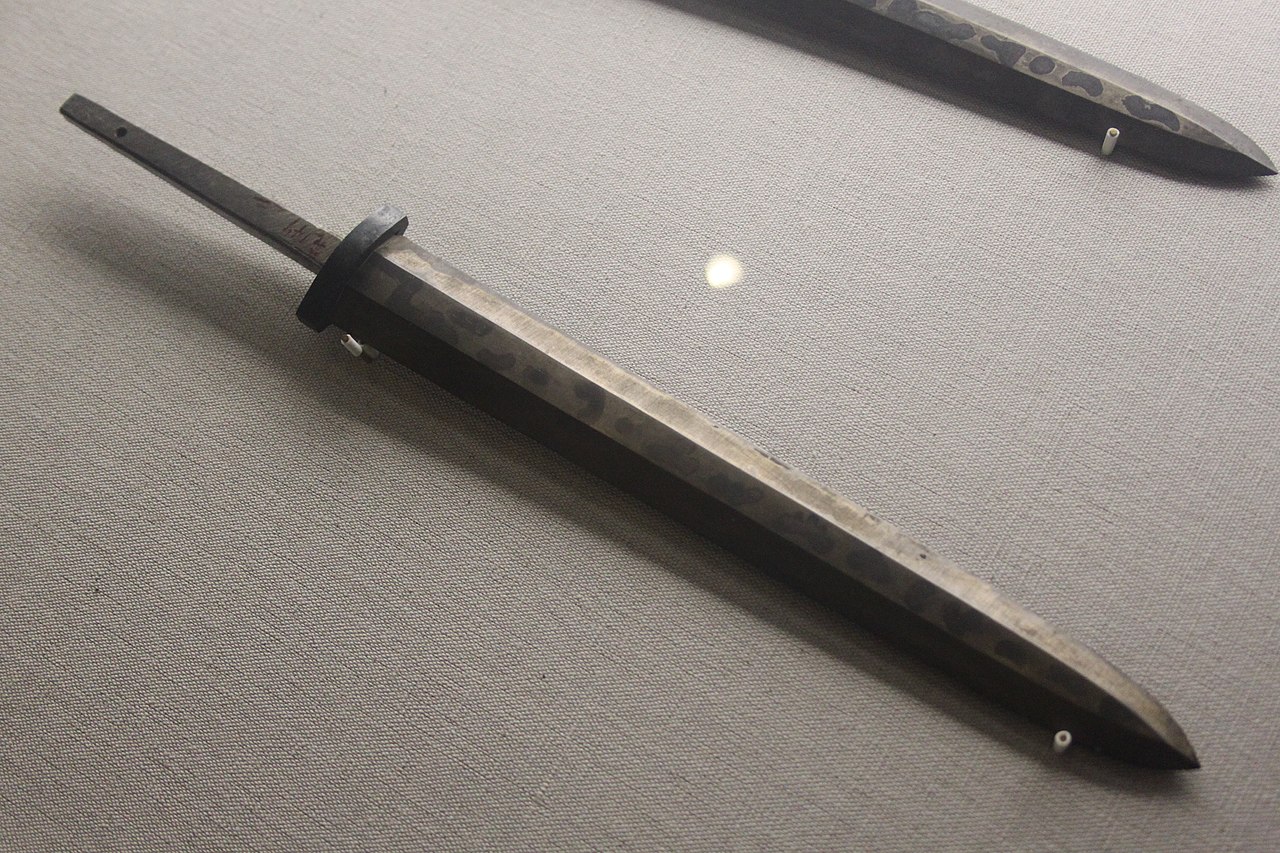
lance heads

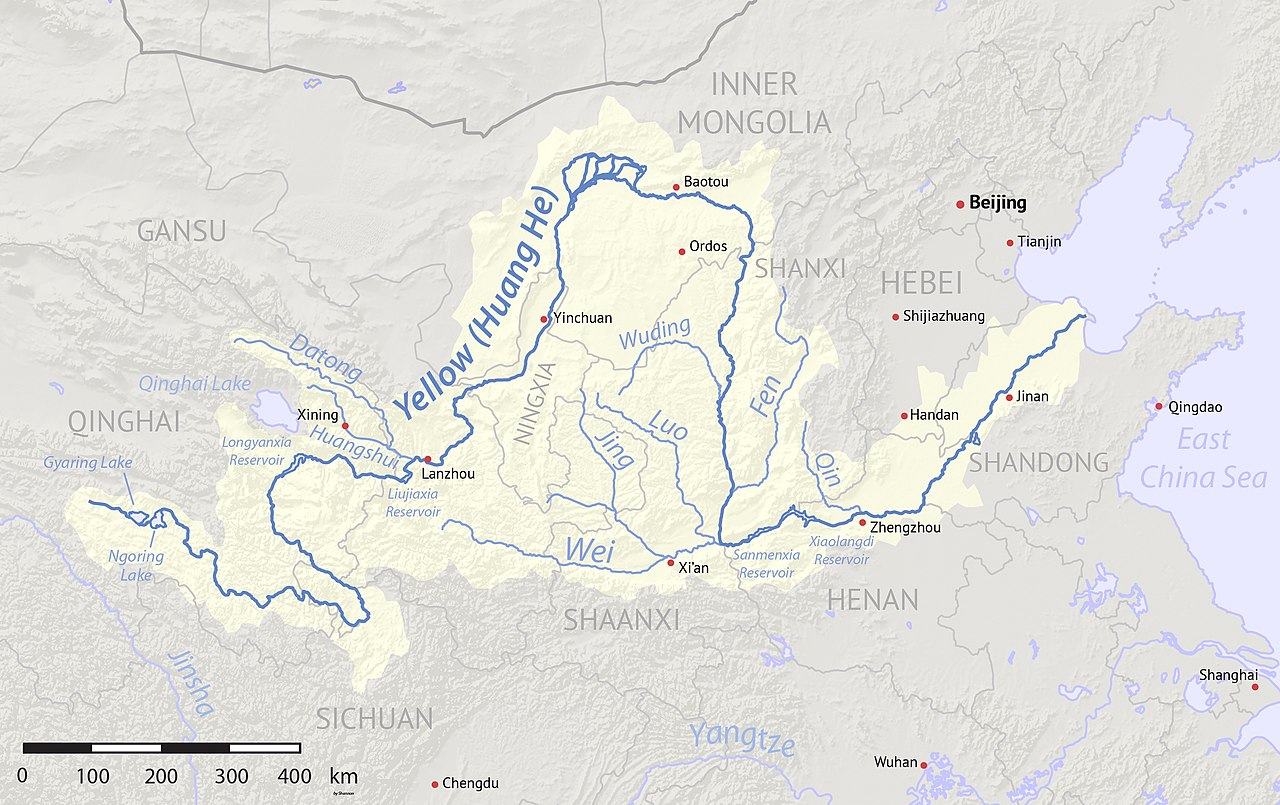
the Ordos Loop of the Yellow River, the vast grasslands that were the nomadic heaven in the old Chinese history

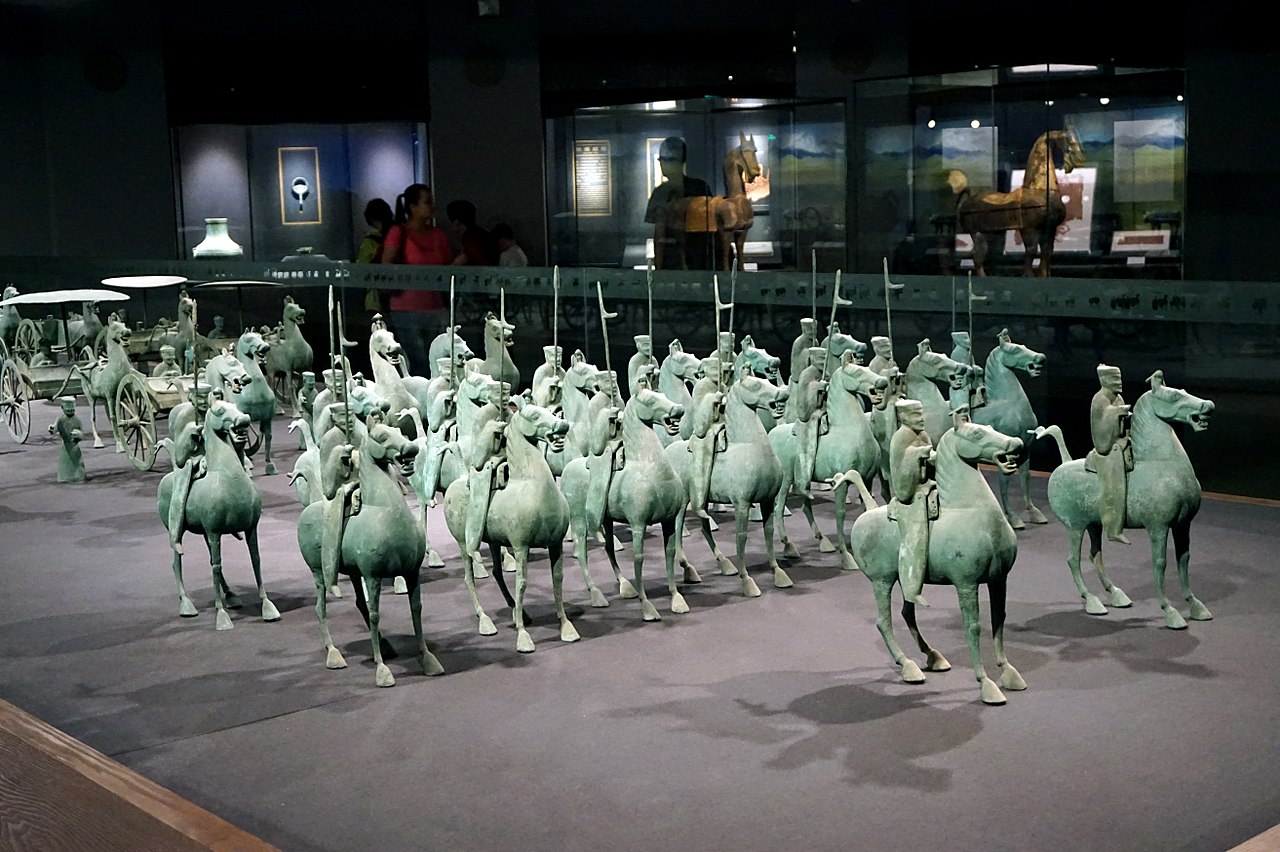
Han cavalry on the fines fine steeds Chinese empires would have produced

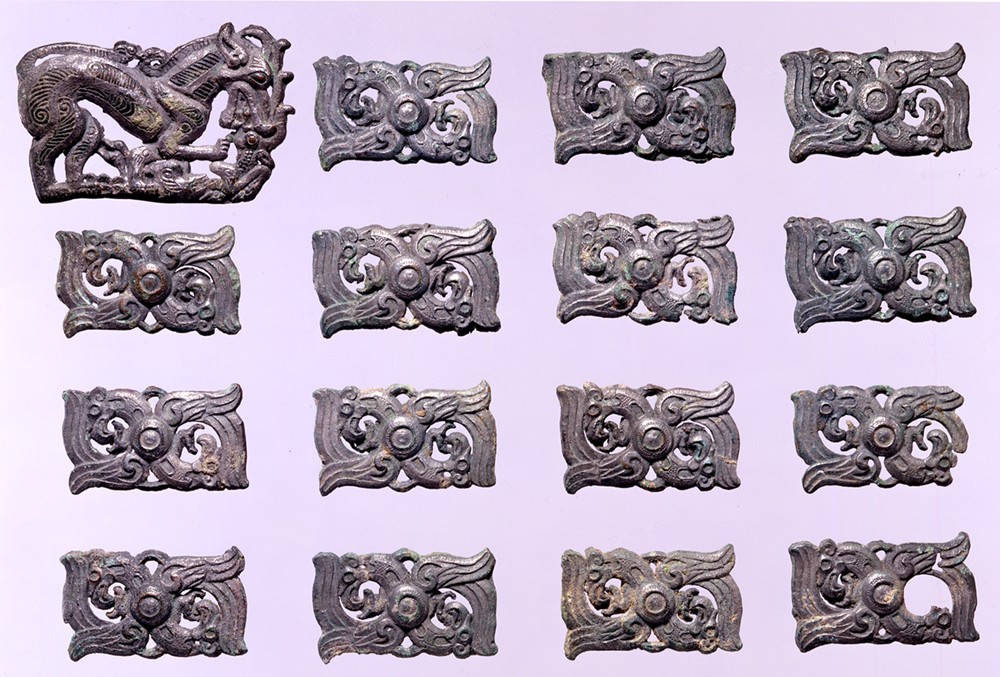
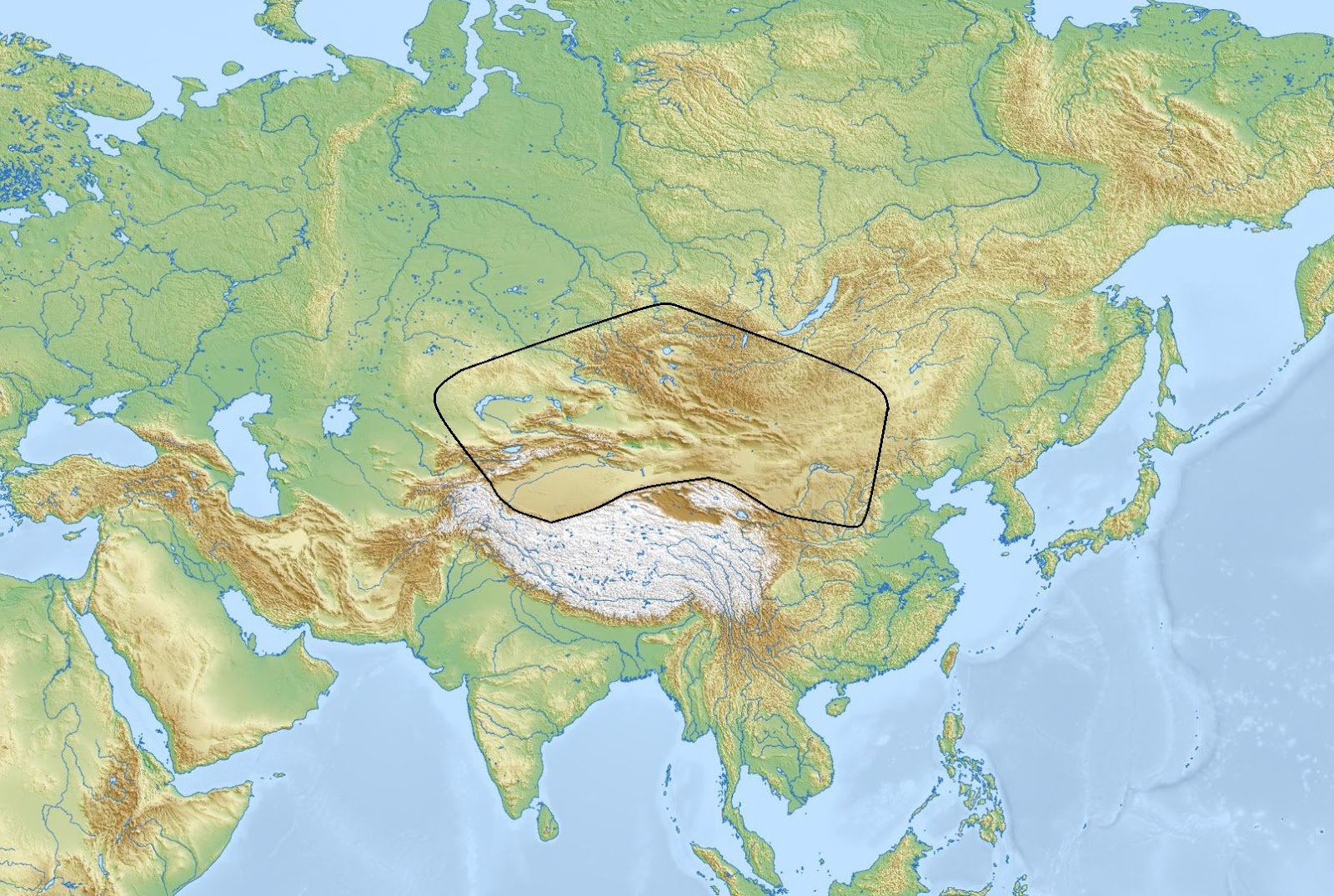
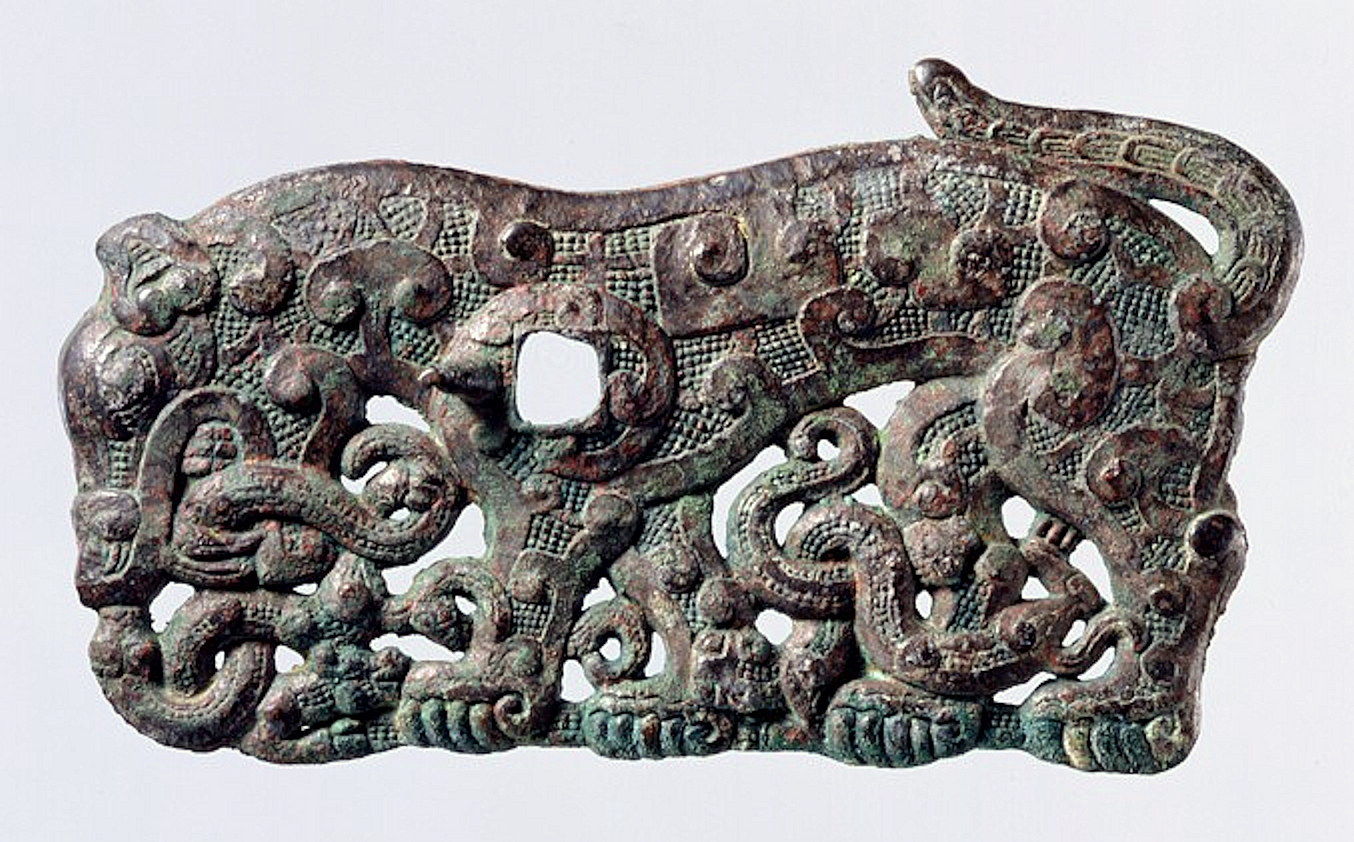
animal style of Eurasian steppe- from the western Eurasia to Manchuria and south into Warring States


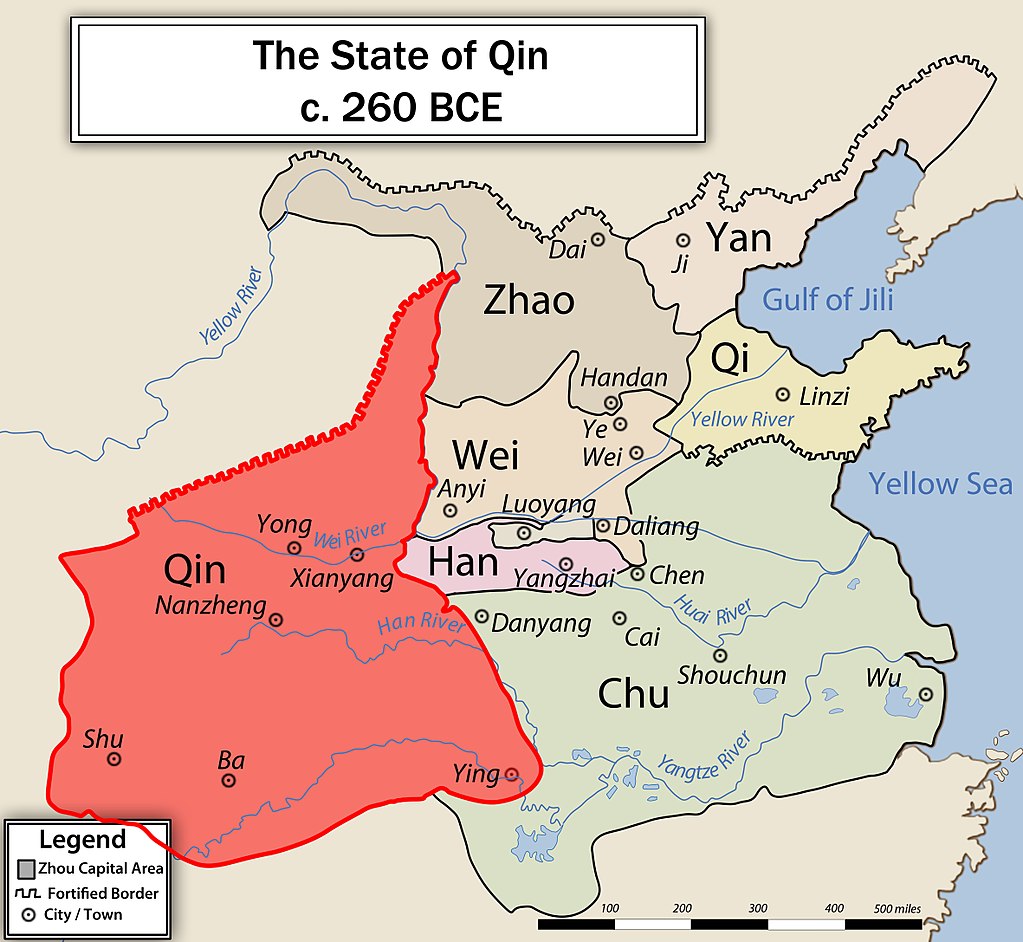
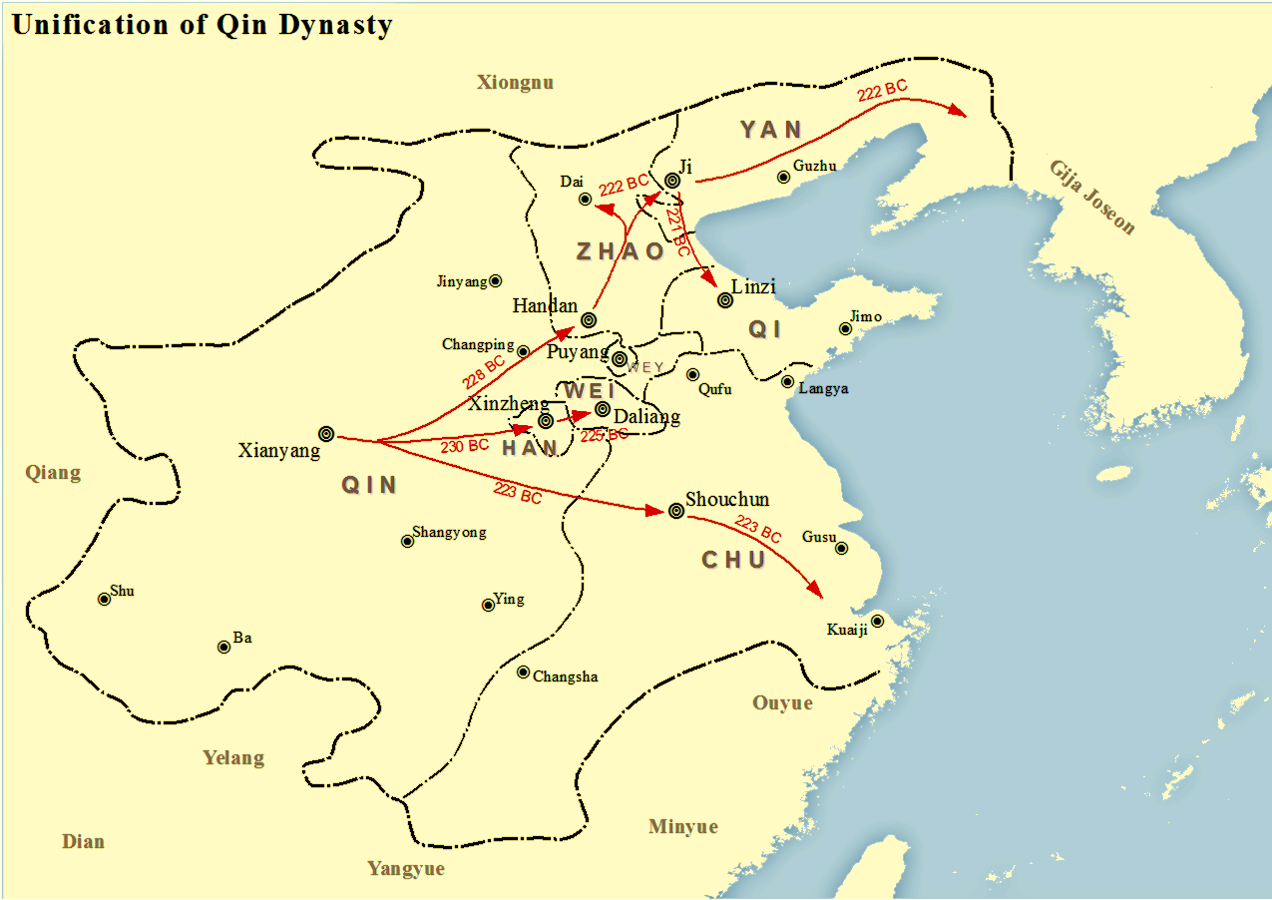
Two maps showing the early Warring States period (with various barbarian or non-Chinese groups outside the 'Han' Chinese cumulative territory ) and the end or the Qin unification:


**

*


Valete

Thursday, September 10, 2020

On the Shortfalls of Iconography in the Reconstruction of Swordsmanship. The Sasanian Case.


Slavete Omnes,

my good friend Patryk Skupniewicz made accessible his 2018 article on the shortfalls of iconography in reconstruction, in his article the reconstruction of swordsmanship of the ancient Persia.

In this context,  especially in last decade we have seen many works produced and published by the largest western military history  publisher - Osprey Military Publishing - where the issue of usage of ancient and medieval historic iconography as the source of scientific reconstruction has been controversial or even contested - see various forums like the Roman Army forum, or various medieval armor forums-groups on Facebook.

Anyway, enjoy this not short article by Patryk, with some illustrations to underline the argument.


by the way, on the academia platform there are multitudes of interesting works on the Eurasian steppe nomads, especially lately many Hsiung-nu related articles and longer works have appeared.
 
Valete