Showing posts with label Mohort. Show all posts

Friday, June 6, 2025

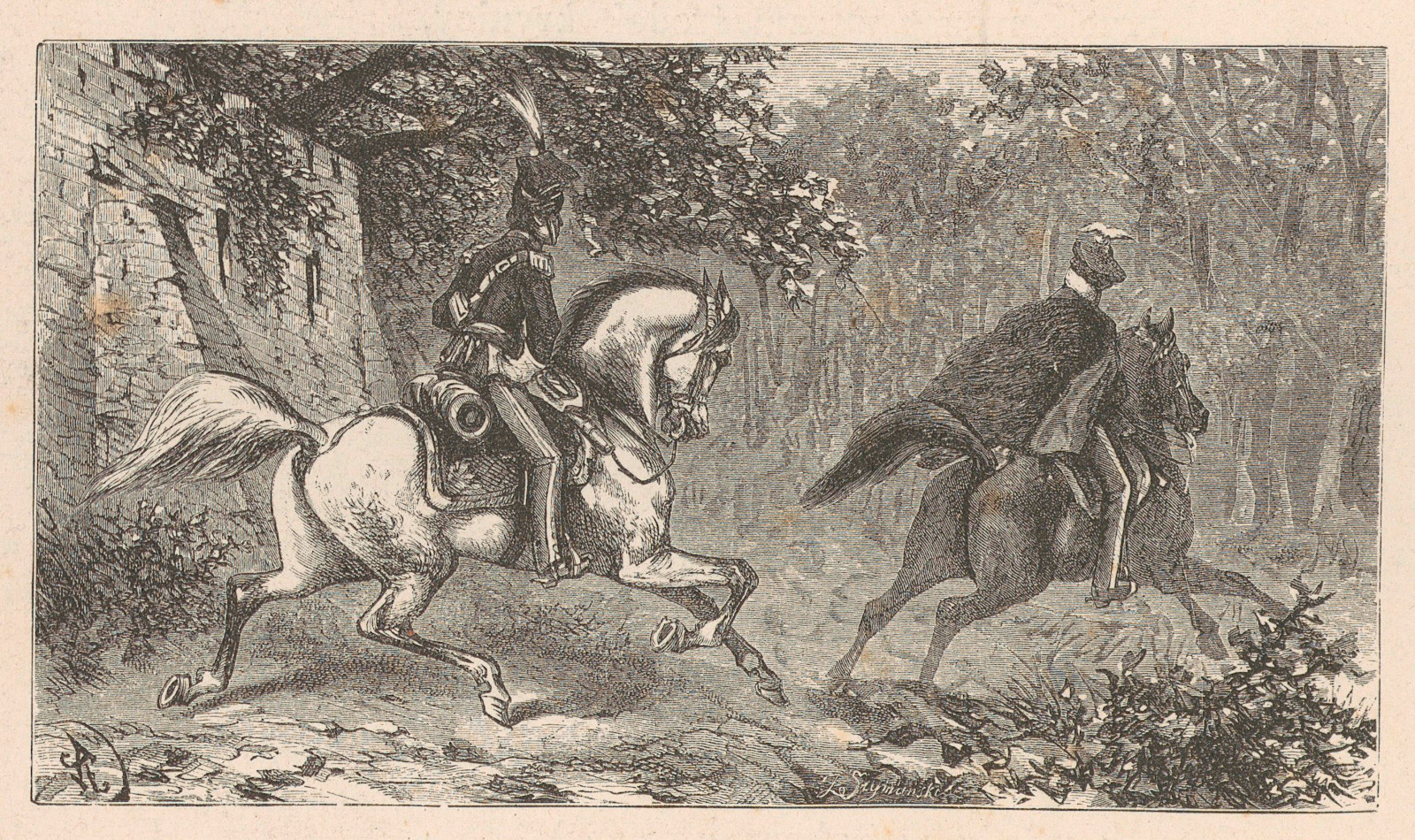
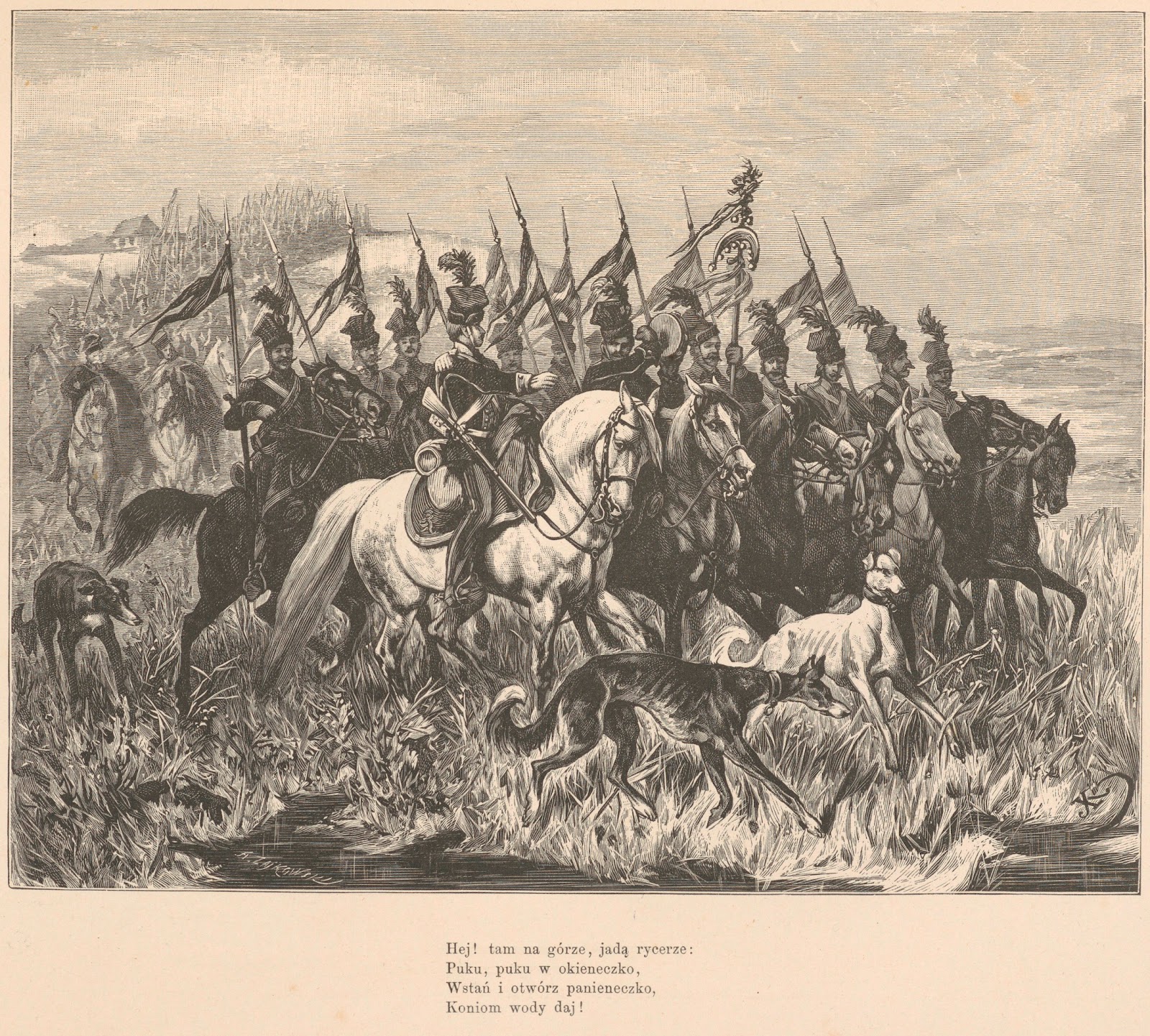
Julisz Kossak - Pol's Mohort illustrations


 Salvete Omnes,


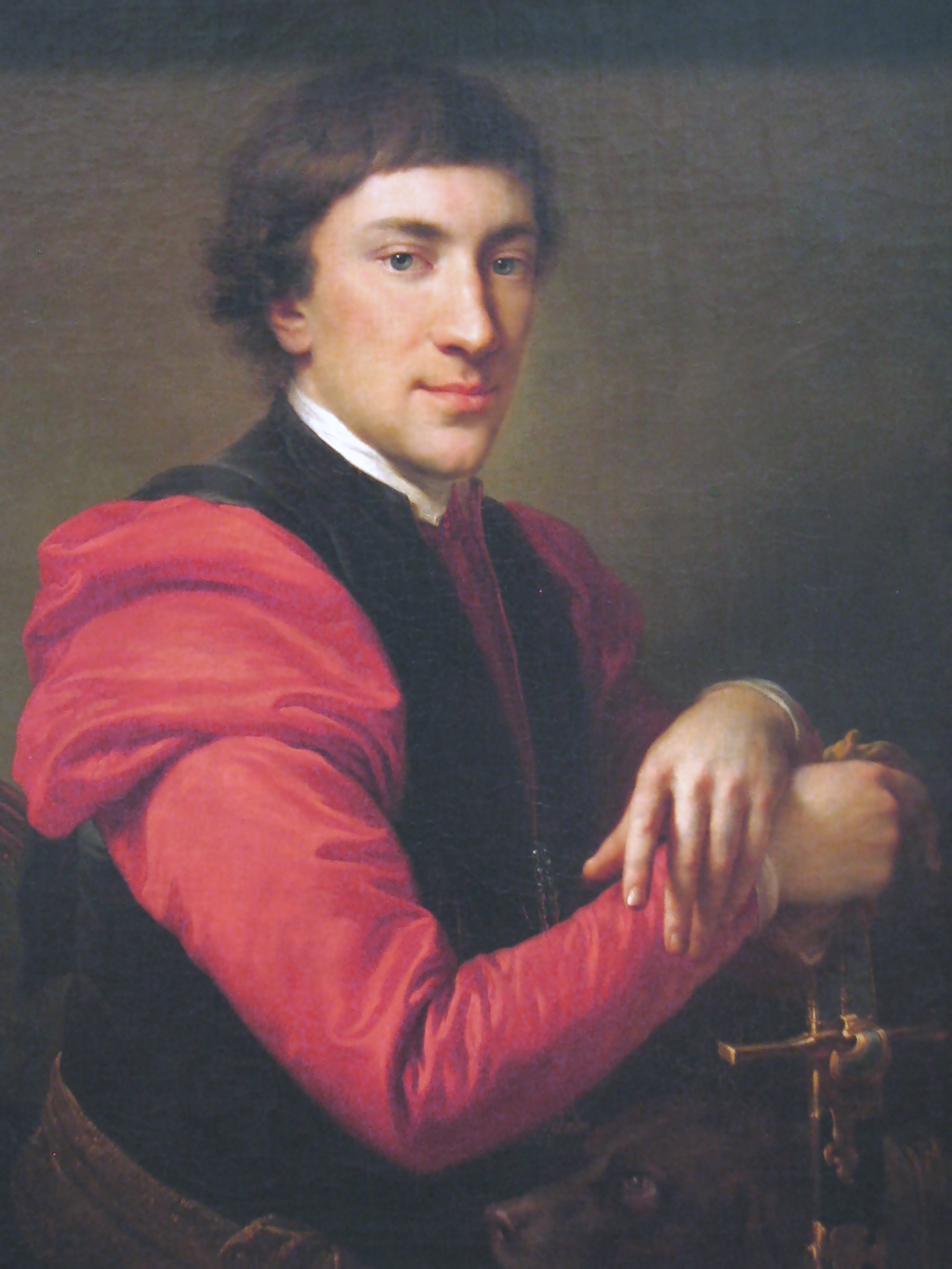
in 1836-39 while living in village of Kalenica Wincenty Pol,  already a poet and veteran of November 1831 Uprising,  met a nobleman and veteran of Polish pre-1795 army, Duchy of Warsaw and all the other wars Poles fought in the early XIX century,  general Franciszek Ksawery Krasicki. 

Pol also met and conversed with another veteran major Kazimierz Ostaszewski of Zarszyn. In Nienadowa he met another veteran soldier Antoni Debinski, commander of infantry battalion in the pre-1795 Polish Crown army.
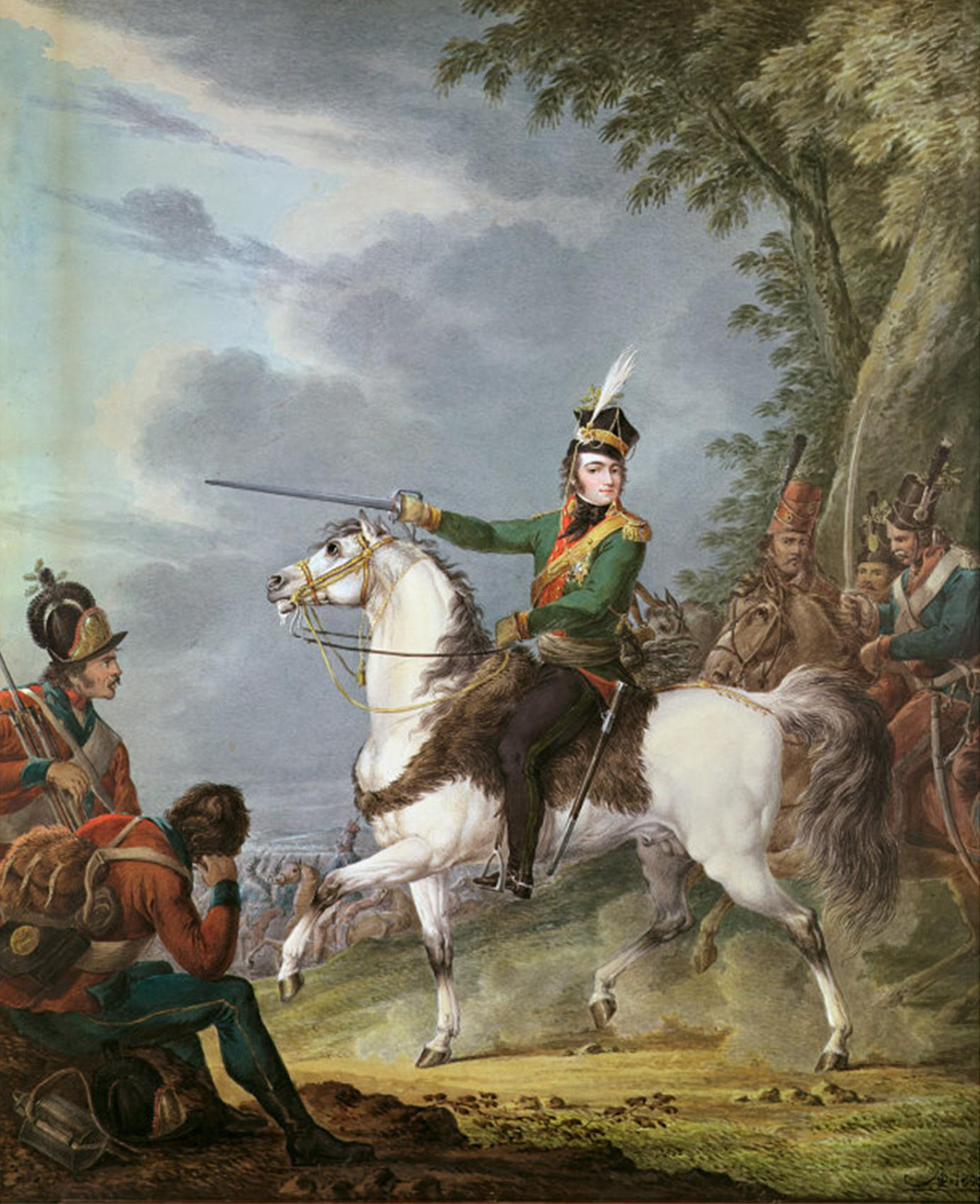
All these veterans told to Wincenty Pol these chivlaric  stories about one brave cavalryman Szymon Mohort, who in the autumn of this life, being almost a 100 years old  and still a soldier, was killed  defending Polish lands against the Russian invasion in the battle of Bruszkowice in 1792.

Inspired by these conversations our Wincenty spent a dozen year composing and polishing his poem - Mohort or  knightly rhapsody, officially finishing the poem on December 28, 1852.

Mohort Rhapsodies was published in in Krakow in 1854, and immediately  was met with praise and admiration by other writers, intellectuals, artists and general readership. It was published in many editions, more than a dozen times, between 1854 and 1914.  Many Polish artists of the era painted canvases based on Mohort poem, including Juliusz Kossak, January Suchodolski, Jozef Brodowski and others. 
The  1882 edition of Pol's  rhapsodies was particularly finely presented for the demanding audiences by Herman Altenberg of Lwow, who asked  then famous Juliusz Kossak to create illustrations for the poem.


This edition was exquisite and widely admired, adding more to the spread and interest in the Pol's poetic work.

I corralled some of these full page and smaller illuminations for our viewing pleasure - 
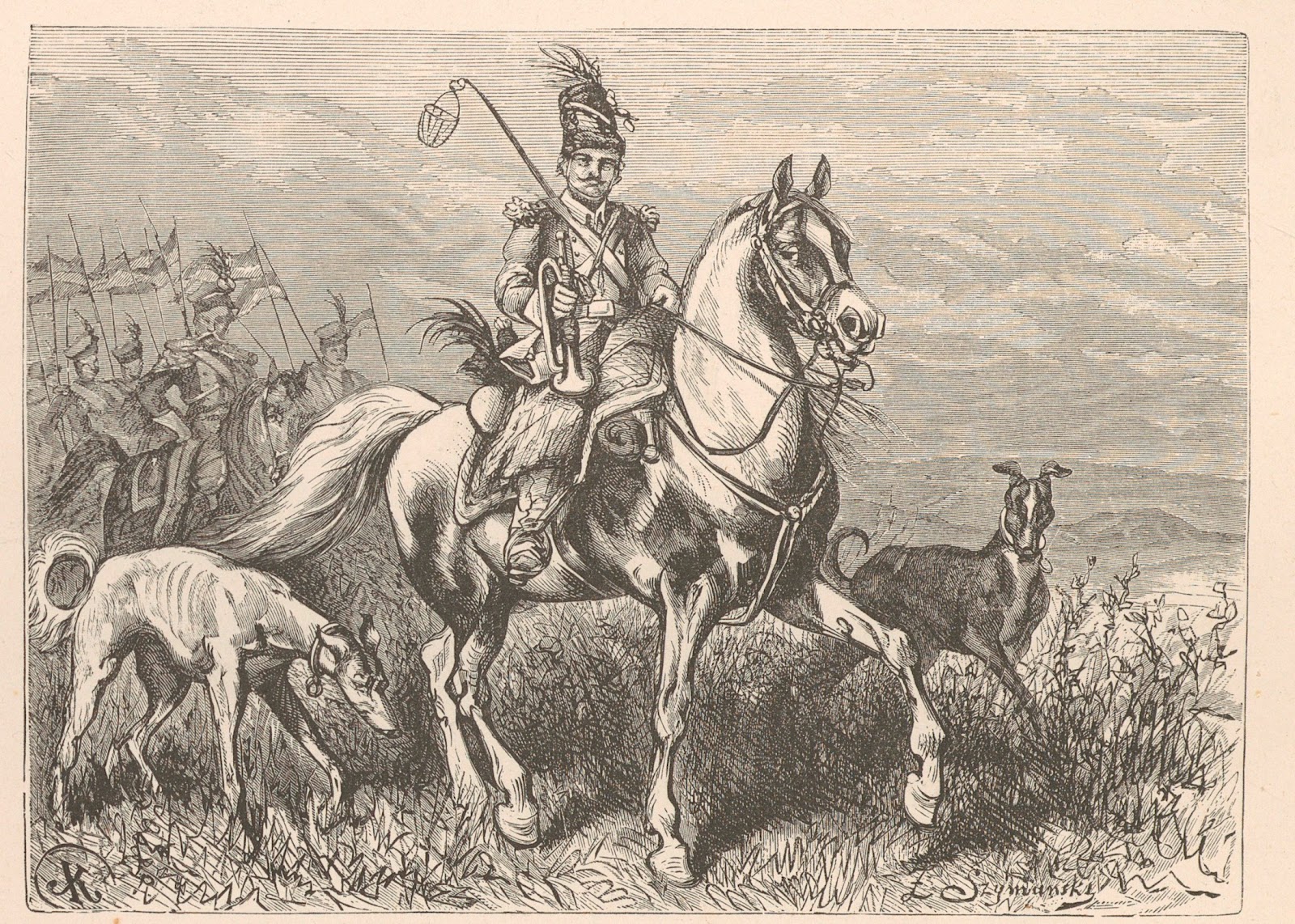


all images come from Polona, Polish National Library, digitized  edition of  Pol's Mohort.


.


.


Valete

Saturday, May 3, 2025

Constitution that triggered war of 1792

 Salvete Omnes,

some Polish history


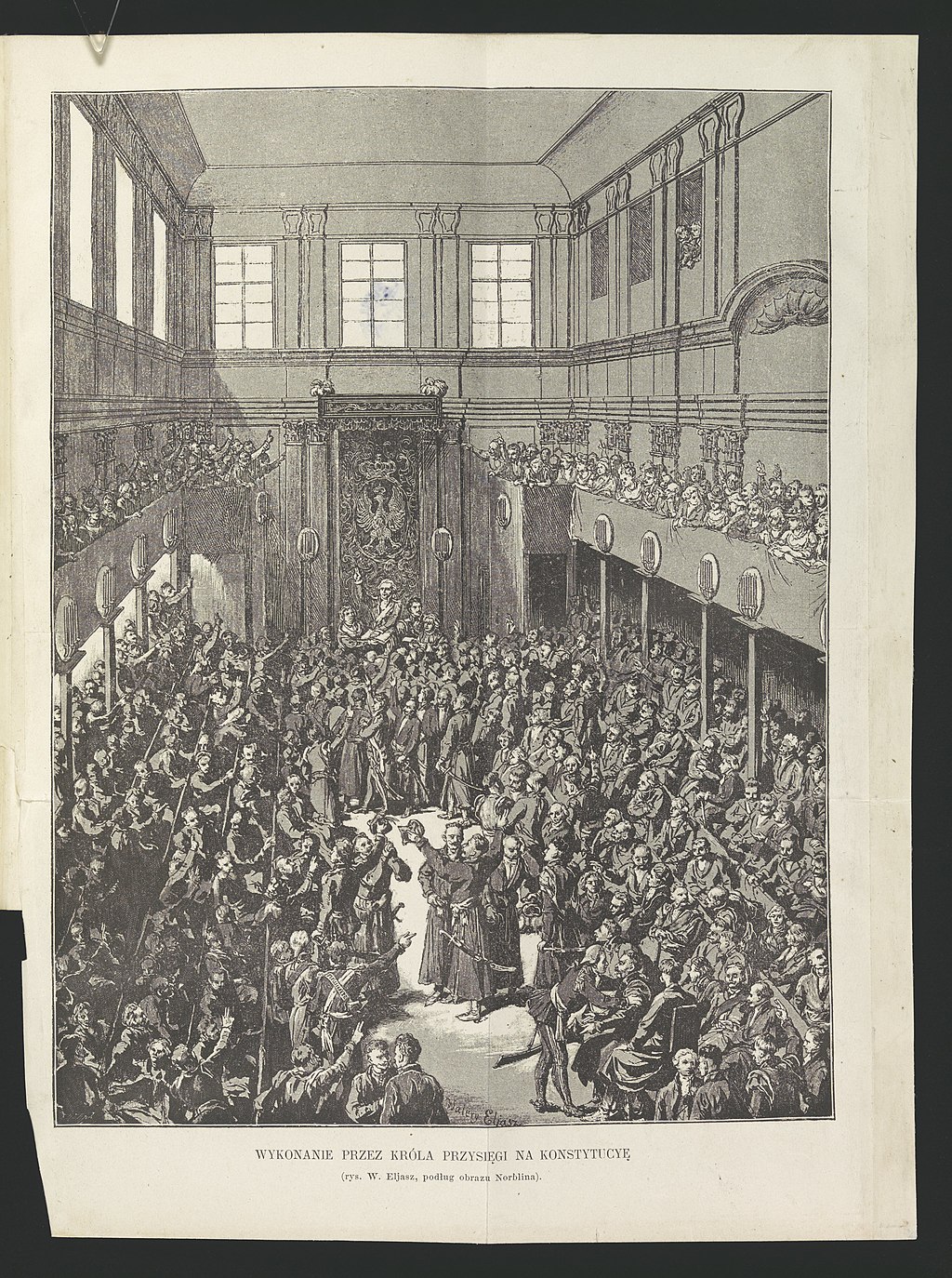
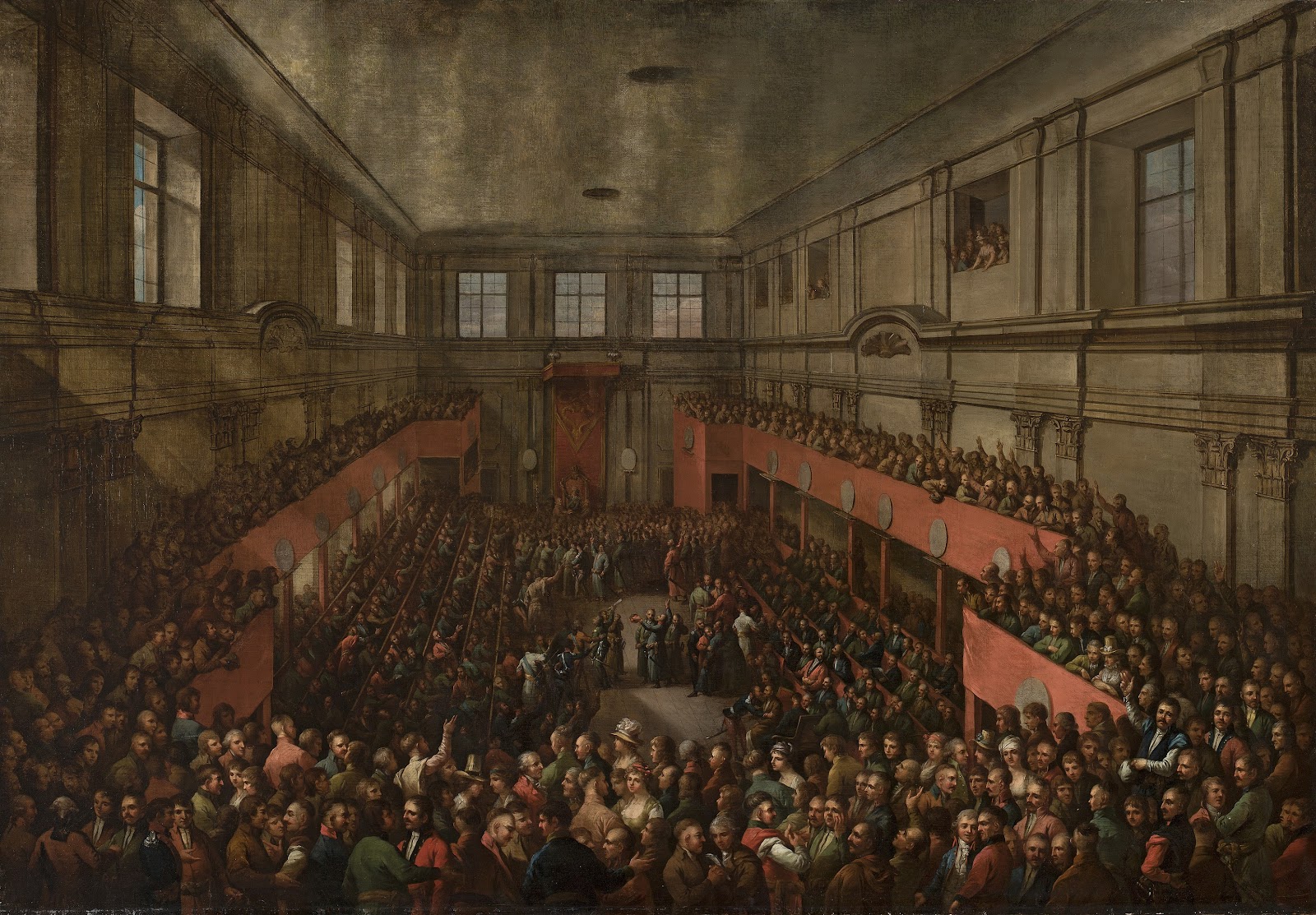
in Poland the third of  May  is celebrated as the official state holiday - the May Constitution Day - established  to  commemorate the final of the Polish constitutions passed by the Sejm (the Polish Legislature) not quite in presence of all parliamentarians present in Warsaw on May 3, 1791 AD. It was the first modern constitution in Polish history and actually also the first one in the European history too, being only second to the American constitution. 


The passing of that new constitution for the Polish-Lithuanian Commonwealth's Sejm was  opposed by many Commonwealth magnates and nobles. The new constitutional  framework for the Polish Republic was not welcomed by Russian Empire, Prussian Kingdom and Austrian Empire, those three powers that in 1772AD already took some parts of the Polish realm (known the the First Partition of Poland).


Empress Catherine II, the ruthless enlightened ruler of the Russian Empire, had the rebellion or confederacy (of some of the Polish-Lithuanian magnates, like Franciszek K. Branicki in the painting below,  and noblemen) organized in the winter of the following year ( formally declared in April 1792), and then these Commonwealth confederates commonly and jointly known as the Targowica Confederation called for the Russian intervention. 


And thus in the late spring of 1792 the Russian invasion commenced and a war started known nowadays as the Polish-Russsian war of 1792.


I would say this lawful and needful act of Polish Sejm ( Parliament) in May 1791 might have been the 'final straw that broke the camel's back,' i.e., it led to the Russian invasion,  a defensive war, cowardly  betrayal of the undefeated Polish Crown army in the field  by king Stanislaw August  and the so called reformers,   and in consequence eventually  the 2rd  partition  of the Commonwealth, then the Kosciuszko Insurrection of 1794 and the final Third Partition of Poland of 1795.

 the very young commander of the Crown Army, Jozef A. Poniatowski
Tadeusz Kosciuszko, commander of one of the divisions and  a veteran of the American Revolution
Pawel Grawbowski, commander of the 3rd infantry Regiment of the Duchy army


We can only guess and wander about the alternative history here, namely what could have happened if Polish-Lithuanian Commonwealth politicians and patriots stayed put for a few more years?
What if  the Great Sejm of 1788-92 ended without any new constitution and with no substantial reforms and thus the weak Polish state, with 900 thousand strong Jewish minority,  continued as the Russian protectorate until the coming of Napoleon and the Napoleonic war?
One could also speculate, not without a reason,  that the Prussians were behind all of this newly found courage suddenly displayed by Polish weak  king and his advisors in 1789-91, as  the Prussians themselves  were in fact  the ones who did benefit the most from the war between Polish state and Russian Empire, and the Prussians ended taking new Polish provinces, and in 1794-5 joined Russia  in fighting and then ending the Commonwealth.


Valete

Thursday, June 27, 2024

Juliusz Kossak, his stud presentation in print from National Museum in Warsaw

Salvete Omnes,

so the Dog Days of the summer have arrived.   

a little short entry 


I truly enjoy the art painted and drawn by the Polish XIX century painter Juliusz Kossak.

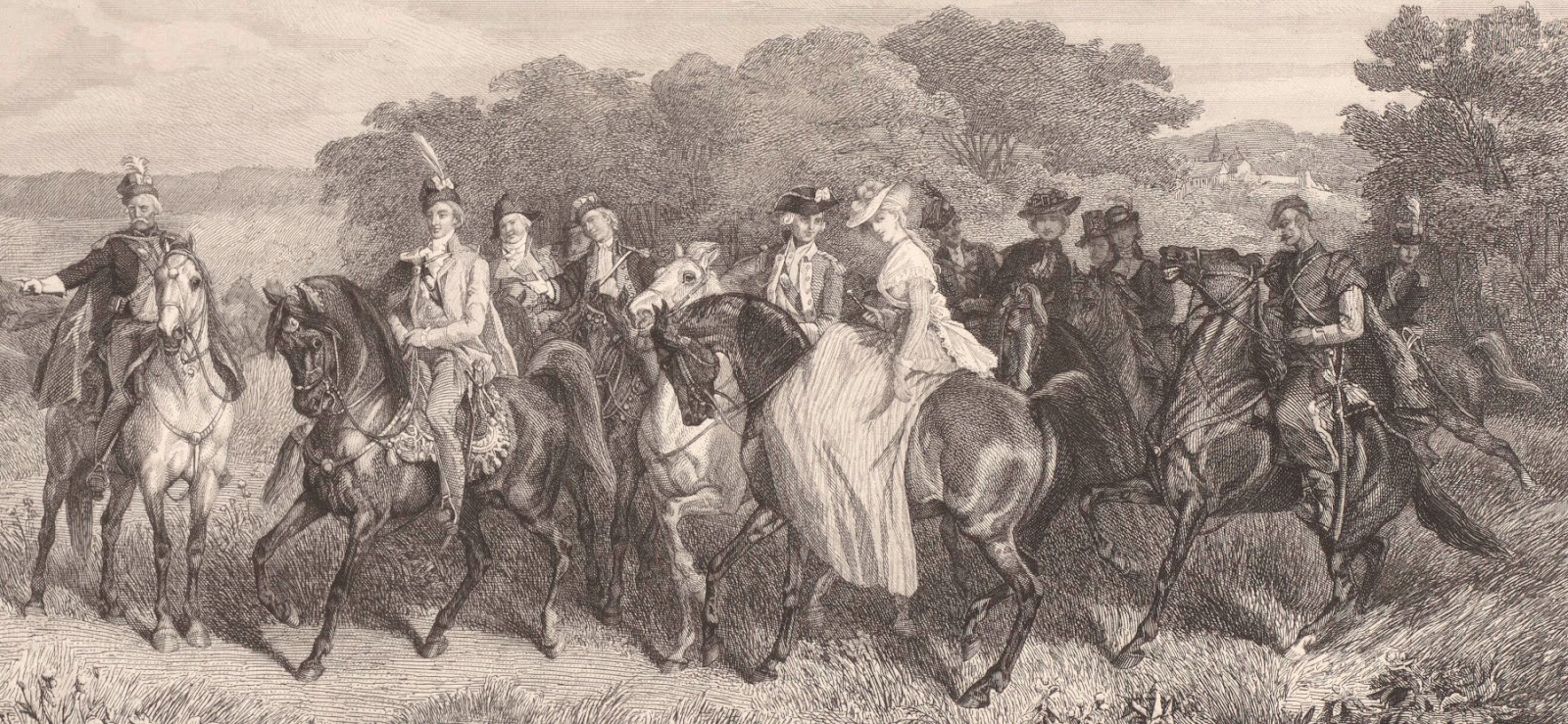
some year ago I posted this color version of Juliusz Kossak's oil painting - Mohort presenting the herd to prince Poniatowski.


Polish National Museum in Warsaw has a print (digitalized)  , showing the whole presentation scene in a  different composition, made circa 1870AD, the painting was owned by Mrs Eugenia Juszkiewiczowa.


enjoy
Valete