Showing posts with label cavesson. Show all posts

Tuesday, September 23, 2025

Luz da Liberal e Nobre Arte da Cavallaria - 1790

 Salvete Omnes,


long time ago I wrote posts about Dom Duarte (Edward) and his book of horsemanship written circa 1430AD.


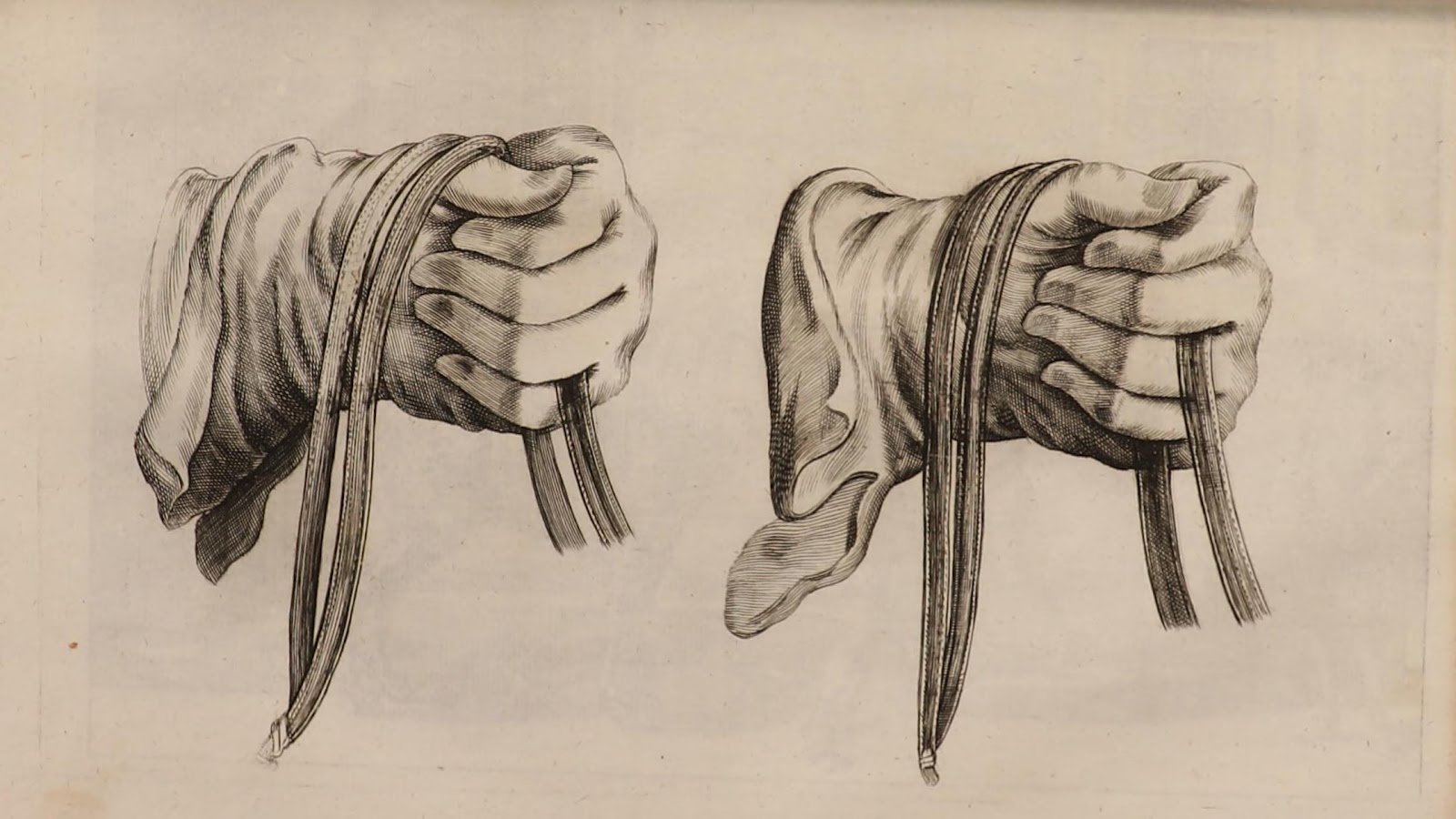
Three hundred years later another Portuguese horseman, D. Pedro José de Alcântara de Menezes Noronha Coutinho (1713-1799),  6th Count of Cantanhede and 4th Marquis of Marialva,  wrote  a book on horsemanship  -Luz da Liberal e Nobre Arte da Cavallaria, representing the Portuguese School of Equestrian Art in Sintra, Portugal.


 here I 'roped' or 'corralled' some plates illustrating the grand work. 


.


.

.


The Portuguese school still exists to this day, and their ecuyers are using  Alter Real and Lusitano Portuguese horses, 


Valete

Sunday, December 15, 2024

Have a nice Sunday with J.G. Pforr's stallions

 Salvete Omnes,
 only 9 days to Christmas - heehaa 

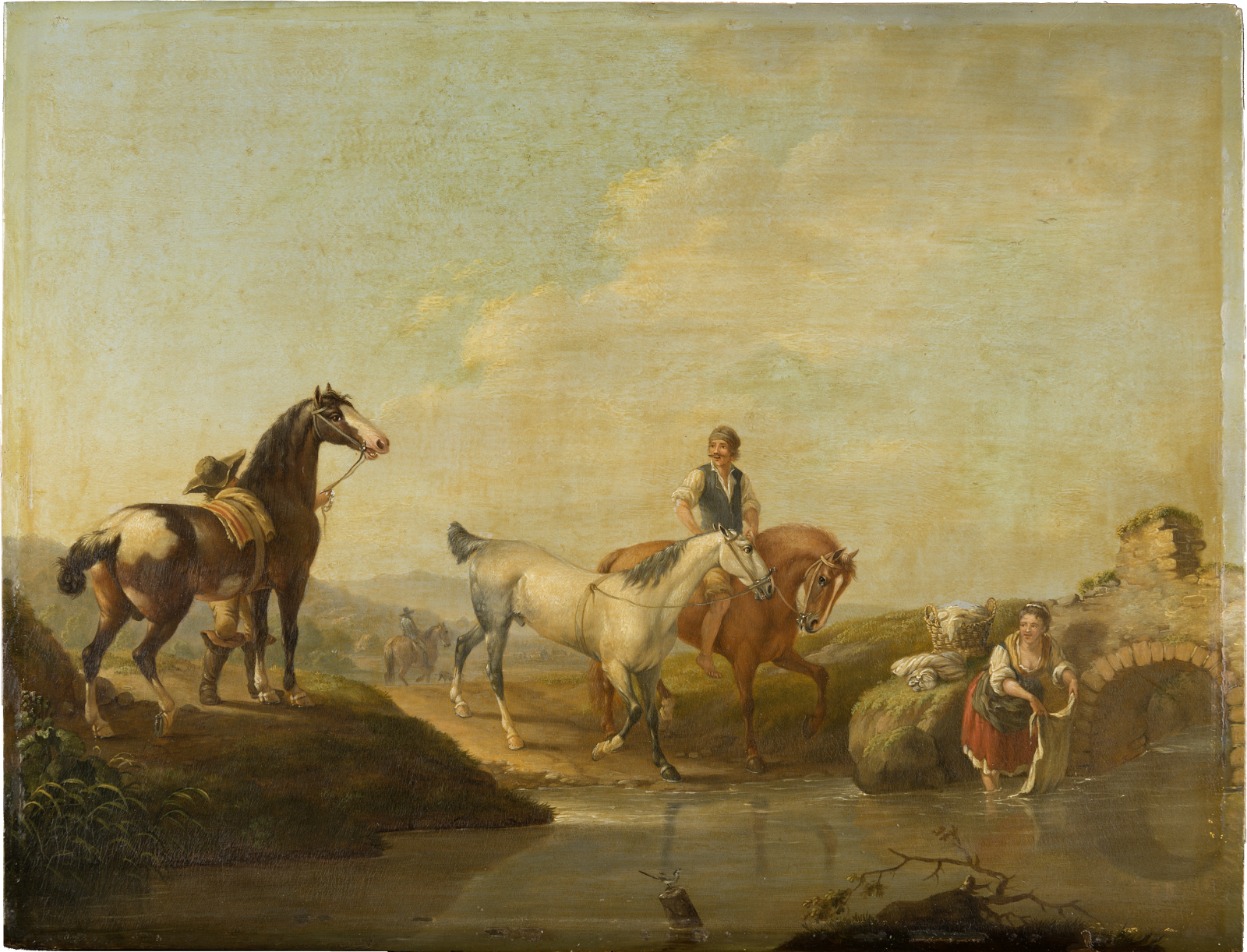
enjoy your Sunday with some beautiful Pforr's horses - XVIII century the 'crème de la crème' of the breeding and riding in continental Europe 

presenting a stallion - perhaps a Spanish, Neapolitan or Lipizzaner? 


.

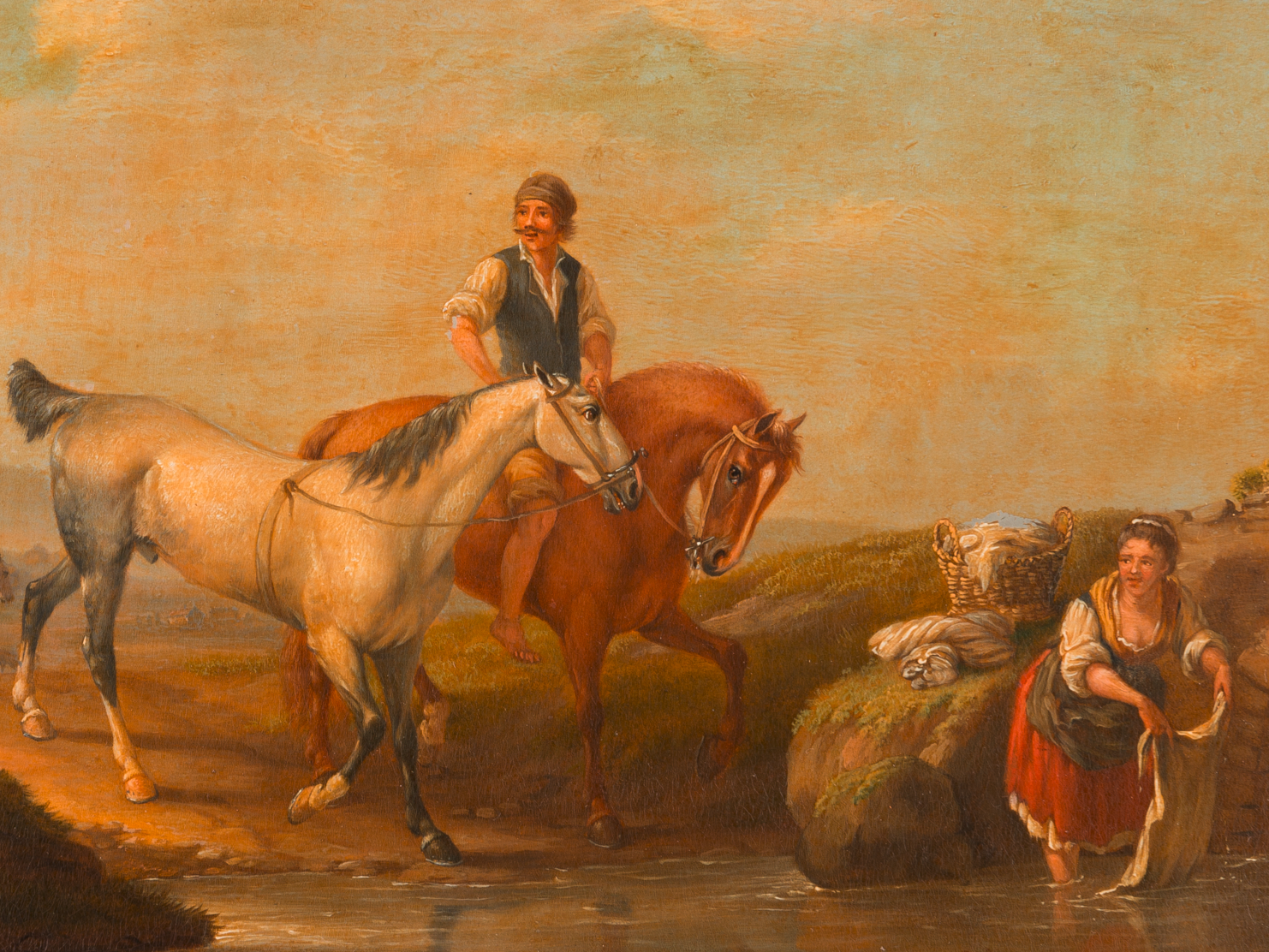
grey stallion (English Thoroughbred?) in training,  a cavesson bridle 

mustachioed, bare-leged horseman riding bareback a chestnut horse

and a nice paint in the foreground
folded blanket as the saddle, snaffle bit 

enjoy your day 

Valete

Friday, August 23, 2024

J.G. Pforr - Danish horse

 Salvete Omnes,

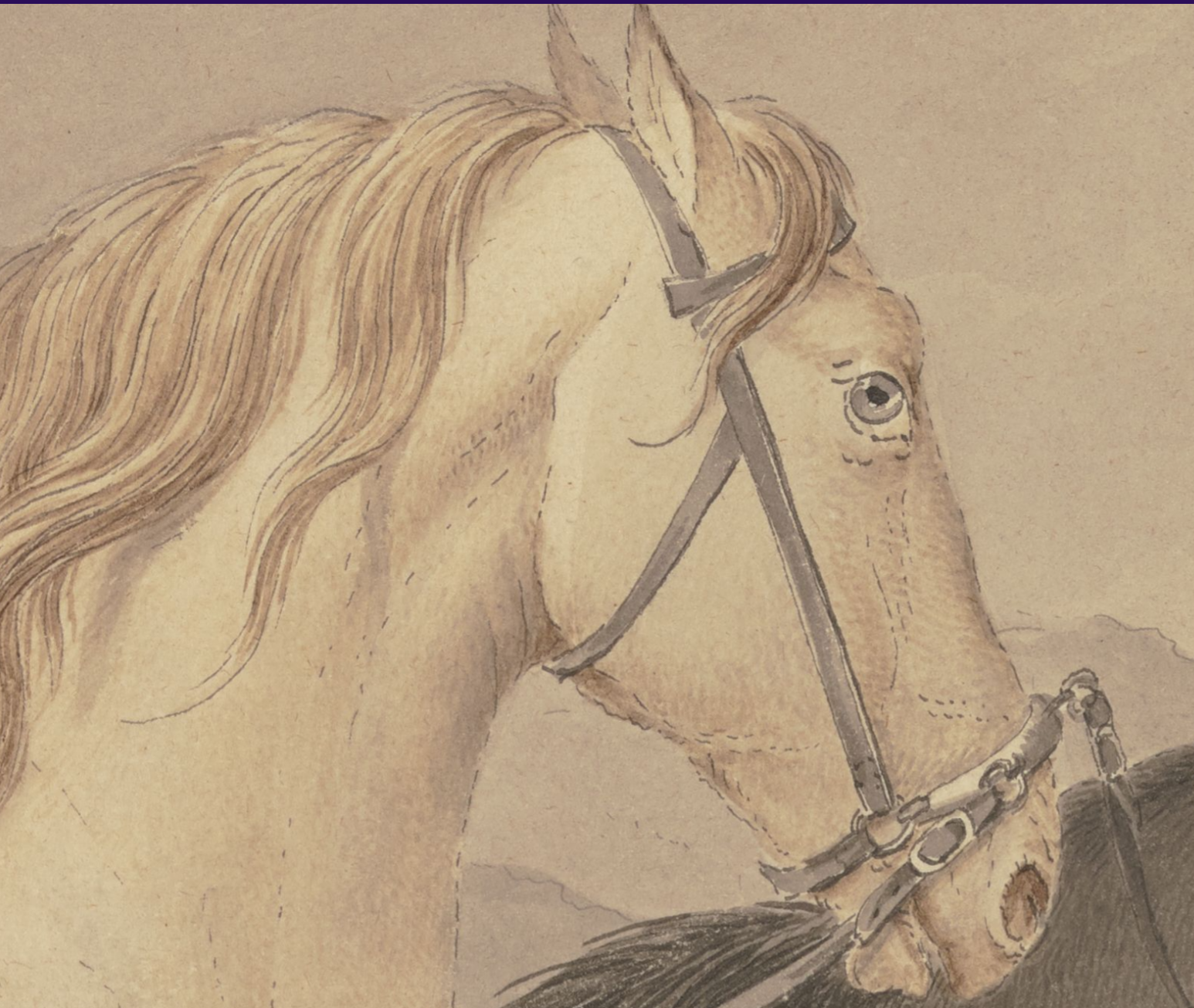
a cream, grey or palomino? 


our maestro Johann G. Pforr drew and painted  with ink a plate with the Danish horses. Two stallions, one in training with with a cavesson bridle.


.


this may be a bay stallion 


a short, of the 1700s period, description of these Danish horses

and a mastiff? in the background


Valete 

Thursday, August 8, 2024

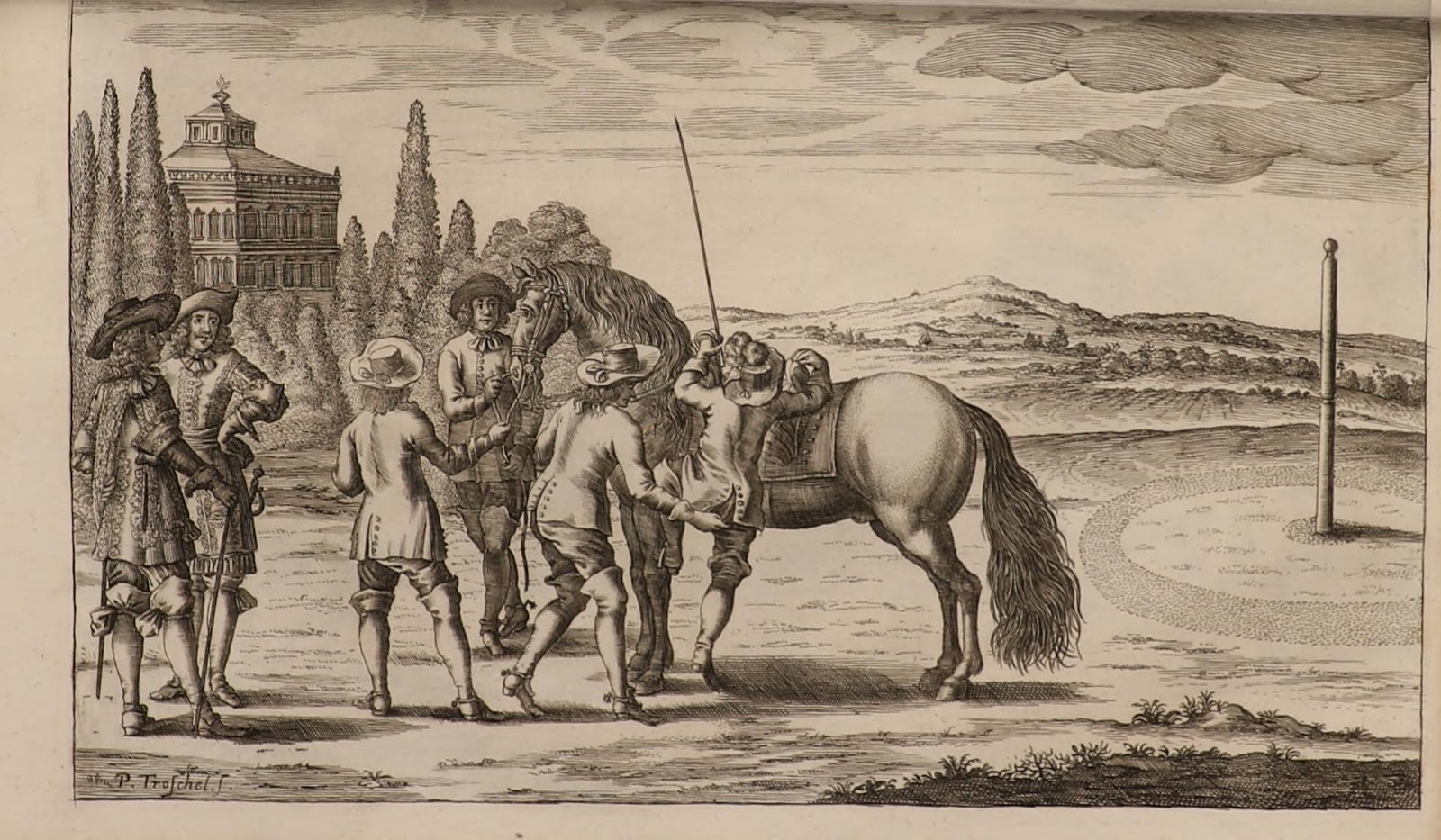
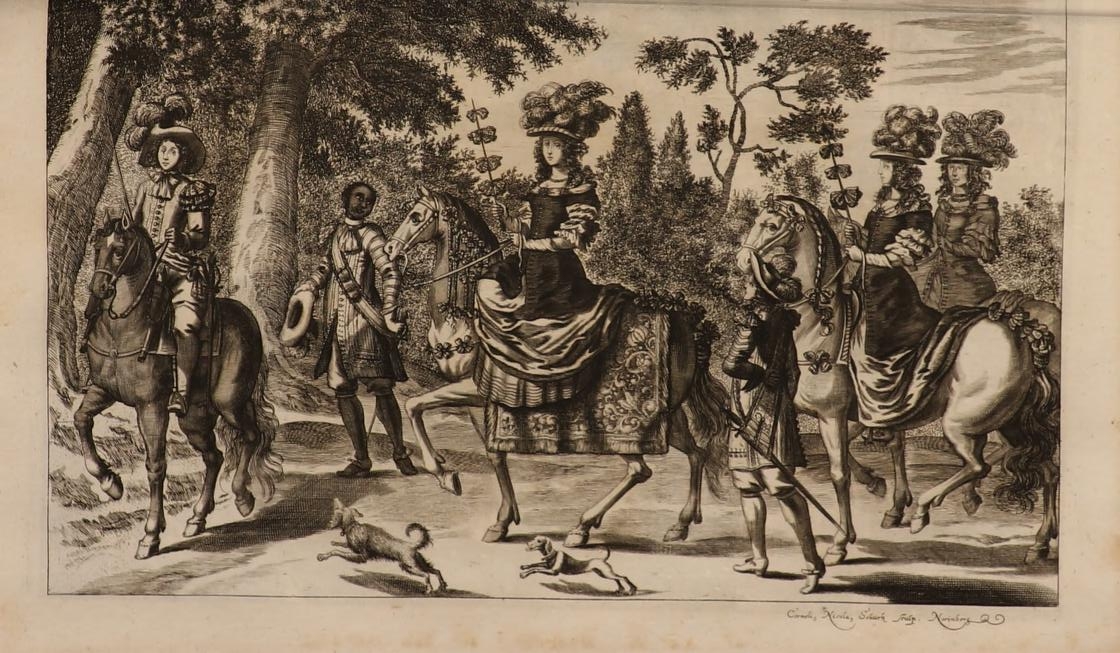
Georgii Simonis Winteri Bellerophon 1678

 Salvete Omnes,


Georgii Simonis Winteri Bellerophon [...] 1678AD


beautifully illustrated two volume treatise  on  horsemanship and horse medicinal treatment (of the era).


.


Published in Nuremberg, then a Free Imperial State, both in German and Latin, in 1678AD.


 hundreds of plates at Archive world library for your pleasure and deciphering the text itself. 


Valete

Monday, July 22, 2024

German horses of Friesland & Holstein - J.G. Pforr

 Salvete Omnes,

a cavesson on this stallion


 German horses were considered by many cavalrymen of the XVIII century as the most useful - eg in his famous work, Mes Reveries ,  one of the most skilled commanders of the era Mareshal de Saxe mentioned German horse in his military experience during the Polish campaigning.

a curb-bit and two-rein military bridle, Roman nose profile


Johann Georg Pforr drew just that - two powerful German horse (German as the entire territory of the Holy Roman Empire), one from Friesland and one from Holstein.


.

since the English of the era had a very weak cavalry and were oriented in breeding racing horse, a hunter and draft one


.German horses, bred with Spanish, Turkish, Barbs & Neapolitans were used in dressage, eg Cavendish talks about them in his famous equestrian work.

But from the military point of view we have more precise remarks  about thee horse written by general de Warnery - who said, that 
'[...]In a course of 600 paces, a good German horse, in condition, will gt before a Polish, Tatar, or other horse of that description: but if the course is continued  to a greater distance, the latter will regain its ground, leave the other behind, and continue in wind for a much longer time: and should the heavy horse be forced a little beyond his wind, he becomes insensible to the bit and spur, and loses all his activity, which is the reason that cuirassiers are never employed on any other occasion  than a regular battle[..]. 

to be continued .. 

Valete