Showing posts with label links. Show all posts

Tuesday, January 23, 2024

Massacre on the Marias

Salvete Omnes,


Almost 8 years ago, in 2016AD, some of the most heinous Islamic terror massacres on American soil  occurred  in Orlando, Florida (US).
Media outlets were quick to brand it the largest mass killing[sic!] in the American history[sic!]

Certainly it was the largest and bloodiest terrorist attack on the US soil since the most tragic 911. 

But was this the largest 'mass killing' in the American history?

Certainly not - and you do not have to look far as the American (USA territories)  Indian history would  provide countless examples of atrocities committed upon the native population, be it by the European colonists, American settlers, armies and/ or other native groups. 


Very often the difference between a terrorist act and a state act is mostly based on legality of actors' actions, not whether a massacre  is no a moral heinous act if perpetrated by the state actor. We have had the Nuremberg trials and doctrine, and various UN acts against genocide and crimes against humanity, and the law keeps developing into the right, moral direction. But for the power and prestige enjoyed by a state, their acts are as heinous and inhumane as the most perfidious murderous terrorist ones.
ad rem, 
Eugene Mortimer Baker and other US Army officers at Fort Ellis


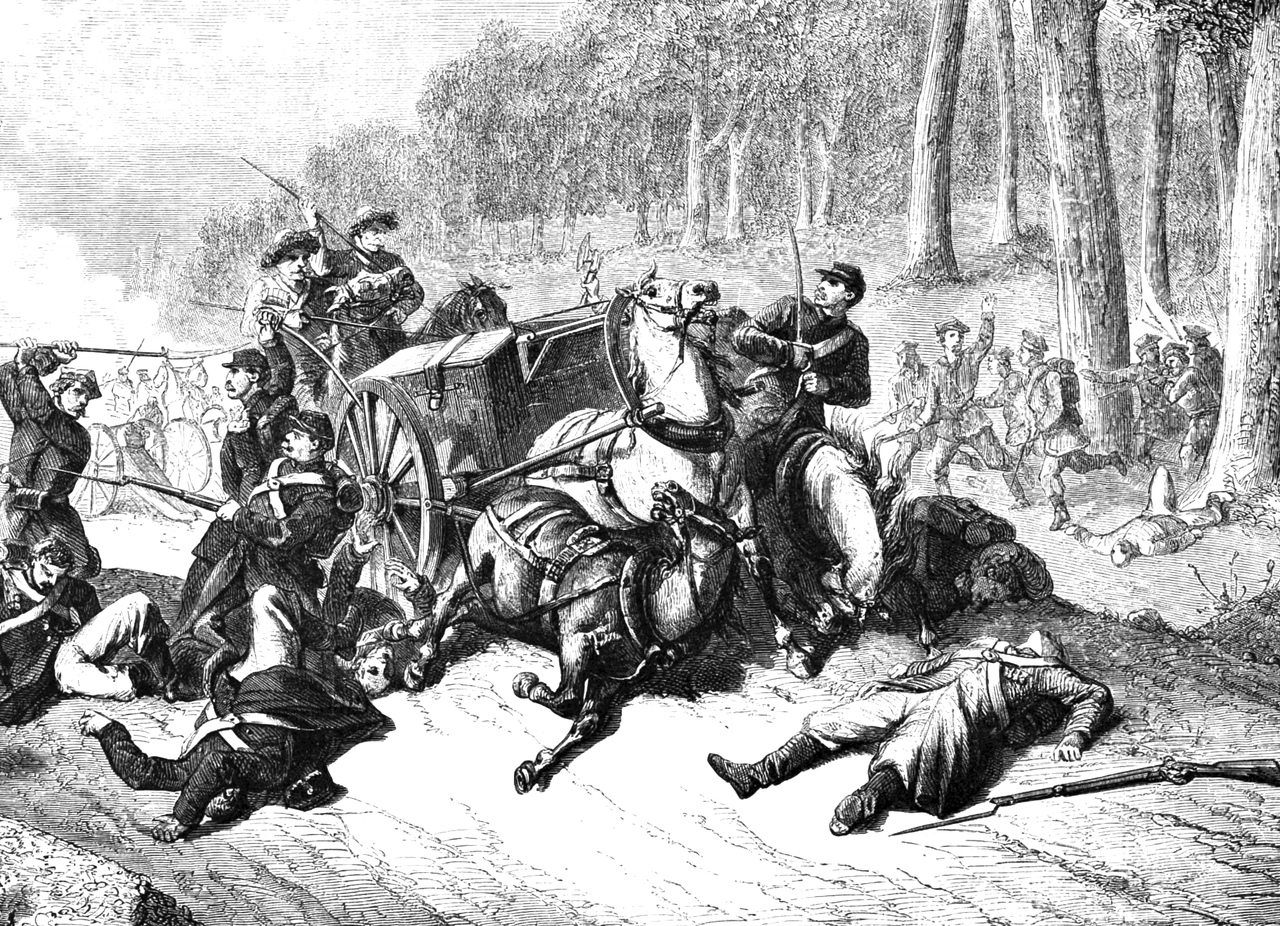
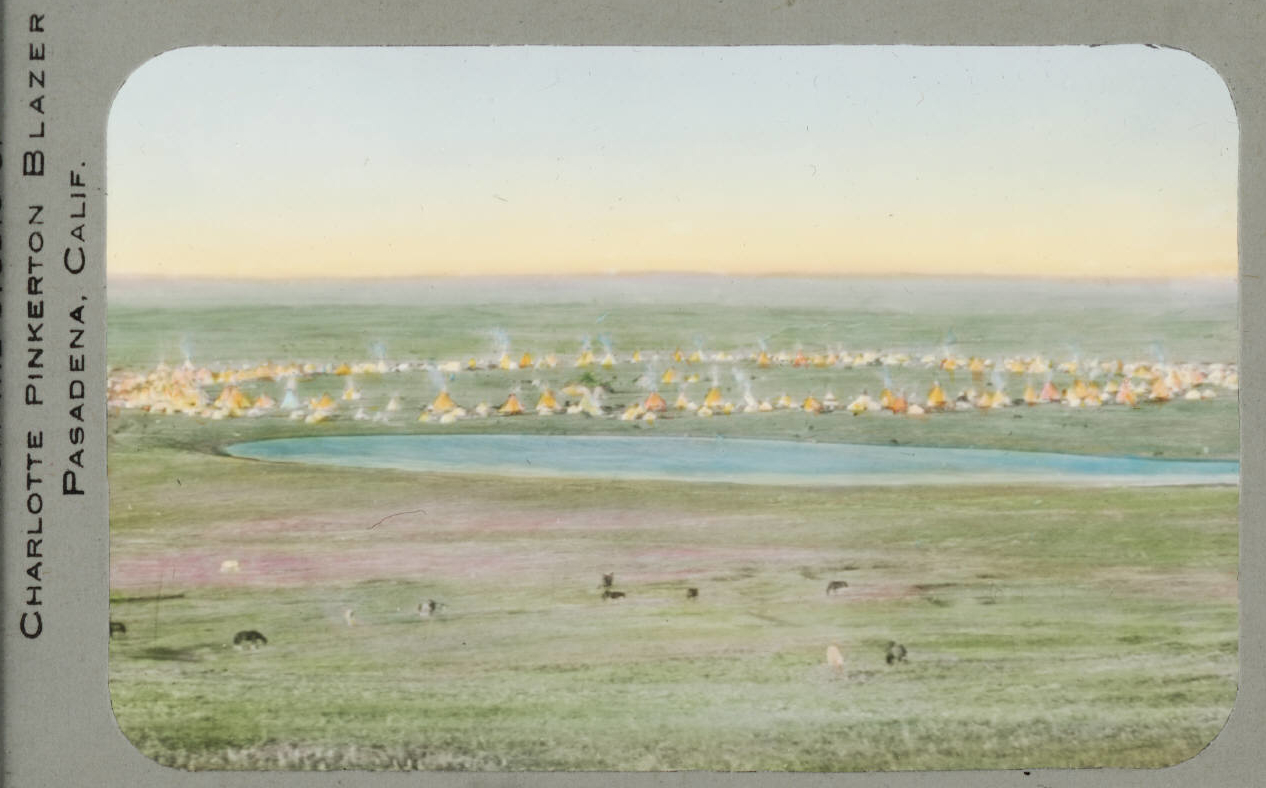
Let me bring to light some info about another  heinous and barbarously bloody attack  perpetrated by a state actor, i.e., US Army elements during the winter of AD1870 - the so called Massacre on the Marias River in Montana - that took place near the Big Bend of the Marias River on  January 23, 1870. The object of attack was the Piegan camp in Montana Territory - note that the Blacfeet Confederacy were under the Lame Bull Treaty of 1855 and its amendments. 
Sources come form the Montana Official State website.
Witnesses to the Carnage - website with testimonies. 


Fort Ellis, Montana


John C. Ewers wrote - The Blackfeet, Raiders on the Northwstern Plains (1958, University of Oklahoma Press) - there is a chapter in that book devoted to the story of the Marias River tragedy. The book can be borrowed from Archive World Library.
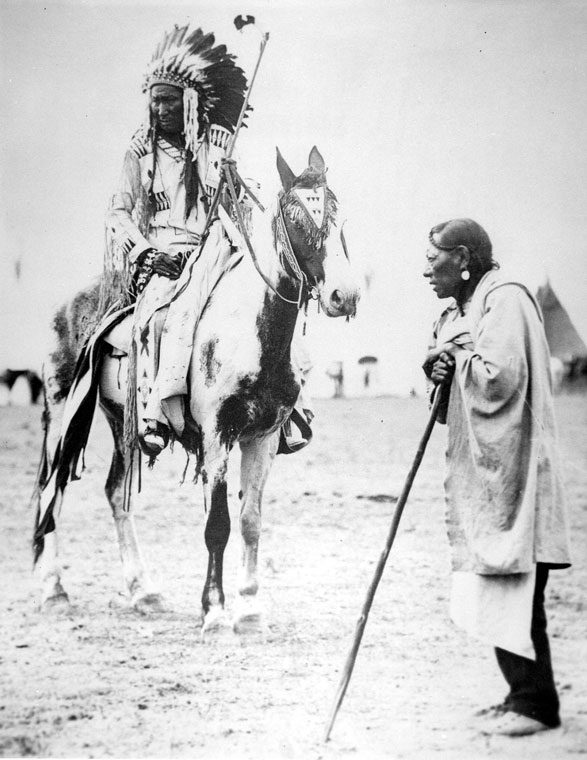
Mountain Chief


General Sheridan, acting on the reporting of general Philip de Trobirand, commanding at Fort Shaw, ordered Baker to lead the Army expedition from Fort Ellis. The order was conveyed by means of the telegraph wire:
'If the lives and property of the citizens of Montana can best be protected by striking Mountain Chief's band, I want them struck. 
Tell Baker to strike them hard.'
The Army expedition - four cavalry companies,55 mounted infantry and a company of Us infantry  - guided by a whiskey trader and Army scout Joe Kipp moved northward of Fort Shaw, and  proceeded to attack  the wrong band instead of Mountain Chief's band, for the attacked the Heavy Runner's Piegan band.  . Joe Kipp actually recognized the chief  and tried to stopp the developing attack but Baker had him detained and put under guard.  Army scout Joe Cobell shot and killed chief Heavy Runner, when he was presenting his safe-conduct papers issued by general Sully. The rest was mayhem and killing without discrimination to age and sex, in accordance of general Sheridan's tough policies of conducting was against the Plains Indians. The details you can read in the links provided.

I hope AD 2024 will end up more peaceful that our late 2023AD.
Enjoy

Sunday, January 22, 2023

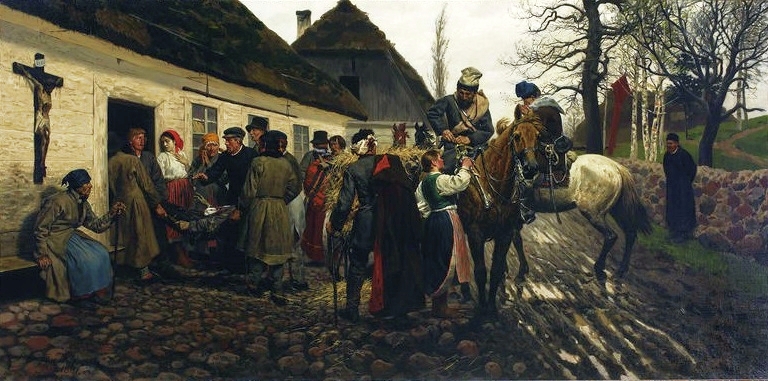
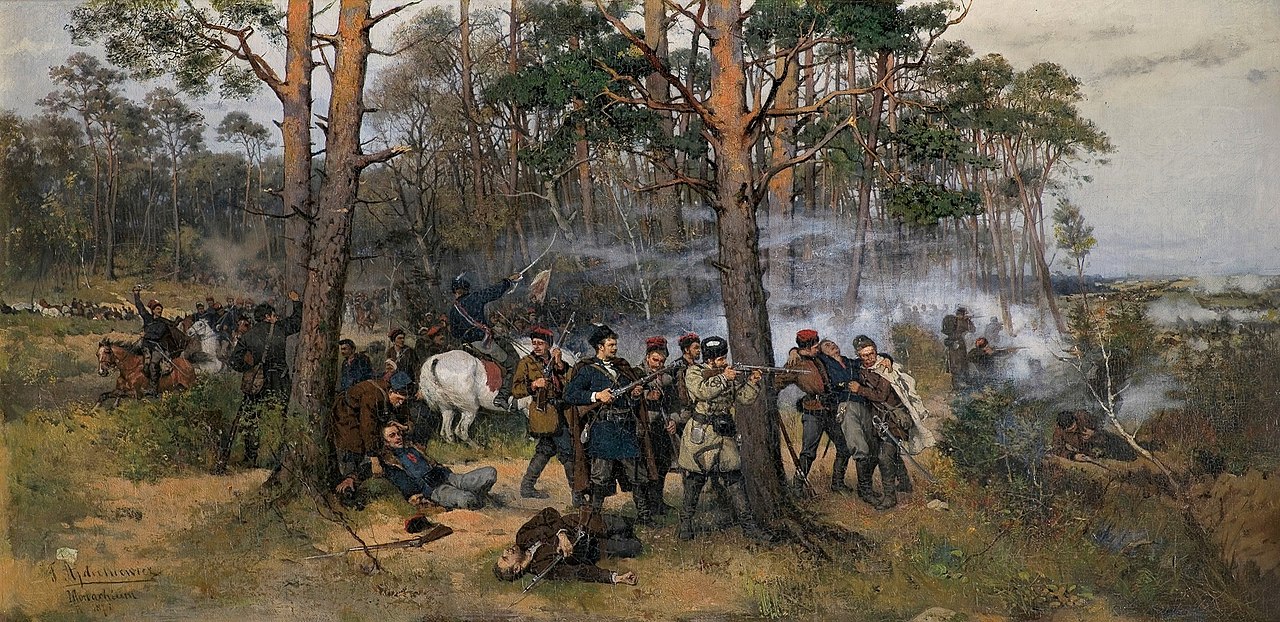
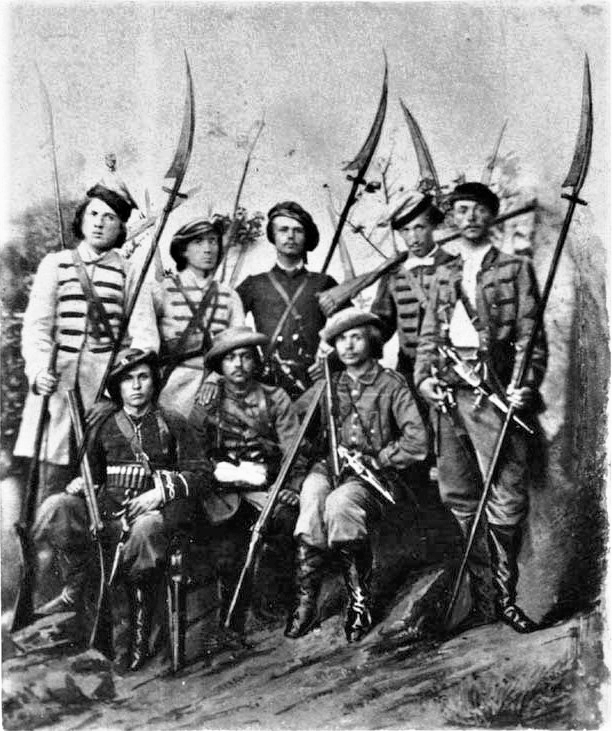
January Uprising -January 22, 1863-2023

 Salvete Omnes,


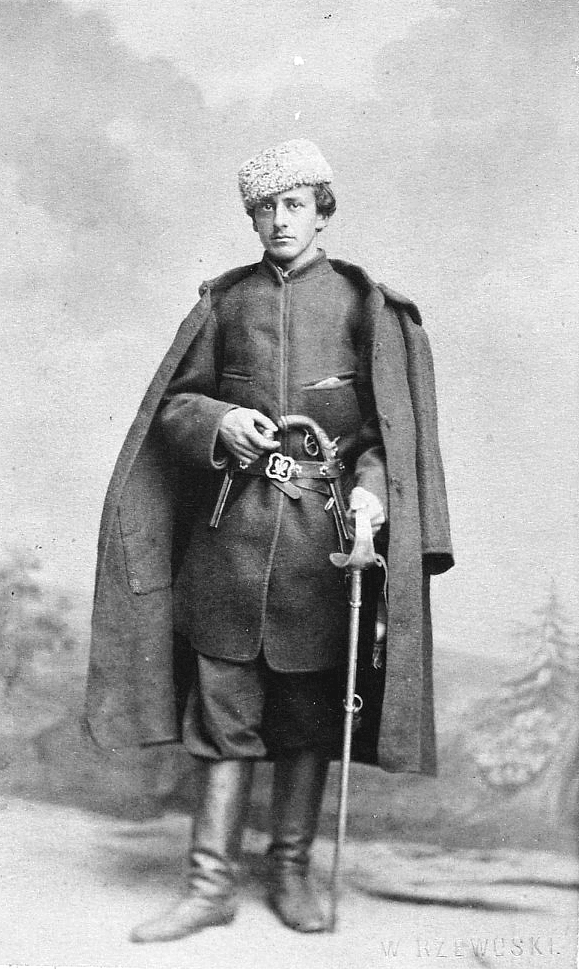
Max Giermyski was a participant of the Uprising

Map of sites of battles, encounters, ambushes and scrimmages during the Uprising


the last partizan - priest Stanislaw Brzoska


Today there is one sad anniversary - the January Uprising 1863 - a rebellion of Polish hothead patriots, men of honor and useful idiots against the Russian Empire. Without international support (like in case of Turkey during the Crimean War), without proper arms (using scythes as close combat pole weapon, and hunting shotguns and muskets)


 and with partisan logistics, and without wide national support (egthe peasants did not support widely this Uprising, they actually were neutral or even hostile ) and with the entire Imperial army weight and might, this motley of partisan units and many different leaders and bad commanders could not win any victory.


In return the Urpising brought nothing but suffering and loss of lives (and plenty of new cemeteries) , loss of entire wealth &  landed estates amassed by the previous generations and also the acute loss of any possibility for change of Polish futures within the empire (only Japanese War of 1905 and World War I brought changes and final restitution of Poland, albeit a completely different state than even the one known as Congress Poland1815-1830).


***
In return we have had a rather romantic vision of these 22 months (or so) of partisan hopeless warfare - this romantic version has been written into the Polish psyche by poets and politicians using a slogan: 'Poszli nasi w boj bez broni'('our boys took to the field without a weapon'). The Polish leadership in German-occupied Poland and with the Stalin's Red Army approaching used the same approach of romantic bloodletting in 1944, with known and most tragic results that are still felt in the Bu-Vistula-Oder country.


But then this is our past, one cannot change the history, but hopefully the Poles in the EU and around the world will do the utmost not to repeat the bloodletting and other romantic notions of doing politics by losing lives of the best and bravest and most patriotic etc. 


Ironically, when the Uprising was extinguished, some of the soldiers who retreated and surrendered into the Austrian-held Polish provinces, found themselves being shipped, be it by force or strong  persuasion, to Mexico in order  to fight there for the French and Austrian disastrous attempt to create the  Mexican Hapsburg realm. Some ended as French Foreign legionaries, others joined French Army and fought in the  Franco-German War etc. 


In  Russian Poland the time after the Uprising was very hard and mournful , many were executed and exiled.  


Many prisoners taken by the Russian Imperial forces were sent to Siberia, but after serving their sentences these Sybiraks became explorers, businessmen, and entrepreneurs  there and ...within the  wide expanses of the Russian Empire, one of the best areas for Polish expansion were  the Caspian Sea oil fields, where our Polish inventors, technicians and engineers prospered and became fabulously wealthy, and in turn used their wealth to created endowments and thus sponsored our Polish academicians, researchers, scientists, national libraries and publishing industries inside the  Russian, Prussian and Austrian-Poland. 


In  wake of the Uprising the leaders of Polish Nation worked hard to bring together the entire population, from the noblemen  to peasants, thus in 1918 through 1920 Poland was able created herself by the cunning of our leaders and blood and sweat of our soldiers and all citizens.


For Polish speakers - [in Polish]


Marek Rogowicz na YT popularyzuje bitwy i potyczki powstańczych oddziałów- aspekty militarne według źródeł z epoki:

oto linki do nagrań:
Bitwa pod Żyzynem - 1.


Bitwa pod Ignacewem 1863 - 2.


Bitwa pod Małogoszczem 24 lutego - 3.


Potyczka pod Stefankowem 22 kwietnia 1863 r. - 4.


Bitwa pod Staszowem 17 lutego 1863 r.  - 5 .


Potyczki konnego oddziału Bończy pod Gielniowem i Górami - 6. 


A tutaj rozmowa z dr Jaroslawem Centkiem - Wybrane bitwy Powstania Styczniowego.


Naczelnik Romuald Traugutt, wysoce dekorowany oficer armii imperialnej, człowiek honoru a rozpaczy, który rzucił wszystko i poszedł do Powstania honorowo coby zginać, i zginał jako ostatni dyktator Powstania na stokach Cytadeli w Warszawie,  o Powstaniu:

 zrzut za prof.Jacek Kowalskiego wypisem, tamże pieśni powstańcze - Twitter

Chwała Powstańcom i  na pohybel wrogom Polaków. Vivat Polonia na całym świecie.

valate

Wednesday, February 16, 2022

Swit panstwa polskiego et inne linki

 Salvete Omnes,

[in Polish]

chciałbym podzielić się z Wami, drodzy surferzy netowi, paroma linkami do książek i rozmów/wywiadów, które ostatnio przesłuchałem czy czytałem.
największa moja ciekawość wzbudził wykład profesora Andrzeja Buko - academia  , FBC , lubimy czytać - związany z książka 'Świt państwa polskiego'  , który odbył się na portalu Archeologia Żywa i był/jest zatytułowany Rywale rodu Piastów? - Andrzej Buko | KONTEKST 51. - czytałem książki profesora 'Bodzia' (2015), 'The Archaeology of Early Medieval Poland' (2008) i coś tam artykułów - eg ten artykuł.  Szczerze polecam ten wykład plus pytania i odpowiedzi po prezentacji tematu. Nota bene nie słuchałem jeszcze Q&A o Rusi Kijowskiej z Dariuszem Dąbrowskim (świetna 2-tomowa praca tego historyka o Danielu Romanowiczu), ani spotkania z Bartoszem Kotnym et al.  o kulturze przeworskiej, ani też o Scytach,Władcach Wielkiego Stepu. Może nadrobię -:)

Teraz pokłusujemy do XVII wieku, i tamże na portalu Ostoja Tradycji można posłuchać spotkań i gawędy dwóch Jacków - Komudy i Bartosiaka (Strategy and Future) na tematy wojenne (eg ta gawęda) i wojenno poboczne staropolskie, a wszystko w kontekście nadchodzącej premiery filmu fabularnego zrealizowanego  min z funduszy zebranych od darczyńców i Fundacji Ulanów króla Jana etc- premiera owego 'Diabla Łańcuckiego' ma się odbyć na Zamku w Krasiczynie 19 lutego, AD 2022. 

Na portalu Strategy and Future Jacek Bartosiak rozmawia z prof. Andrzejem Nowakiem, wielkim historykiem polskim i autorem serii Dzieje Polski  - temat: Rzeczpospolita, od Piastów po współczesność. 

Na portalu Historia Bez Mitów - rozmowa o micie Piłsudskiego w PRL. - gdzie Brunon Różycki i Tomasz Ciołkowski rozmawiają o meandrach mitu Marszałka. Wcześniej, bo we wrześniu 2021 odbyły się:  rozmowa mości Brunona z prof. Lechem Wyszczelskim na temat zaniedbań J. Piłsudskiego w wojsku miedzy 1926-35., i rozmowa tych dwóch przedmówców na temat Marszałka jako wojskowego 1914-23.

I na koniec raport z Fundacji Adarma - jako, że biją w teorbany, kotły i bębny wojny media a politycy jakby na Ukrainie nie toczyla sie wojna of 2014 a Białoruś z 'utajnionej przyjaciółki' stała się wrogiem RPIII - to warto poczytać krytykę projektu reformy Wojska Polskiego przygotowanej przez Strategy & Future jako Armia Nowego Wzoru. Krytyka jest arcy-konstruktywna, obfituje w odwołania do historii wojskowości, w tym oczywiście staropolskiej.

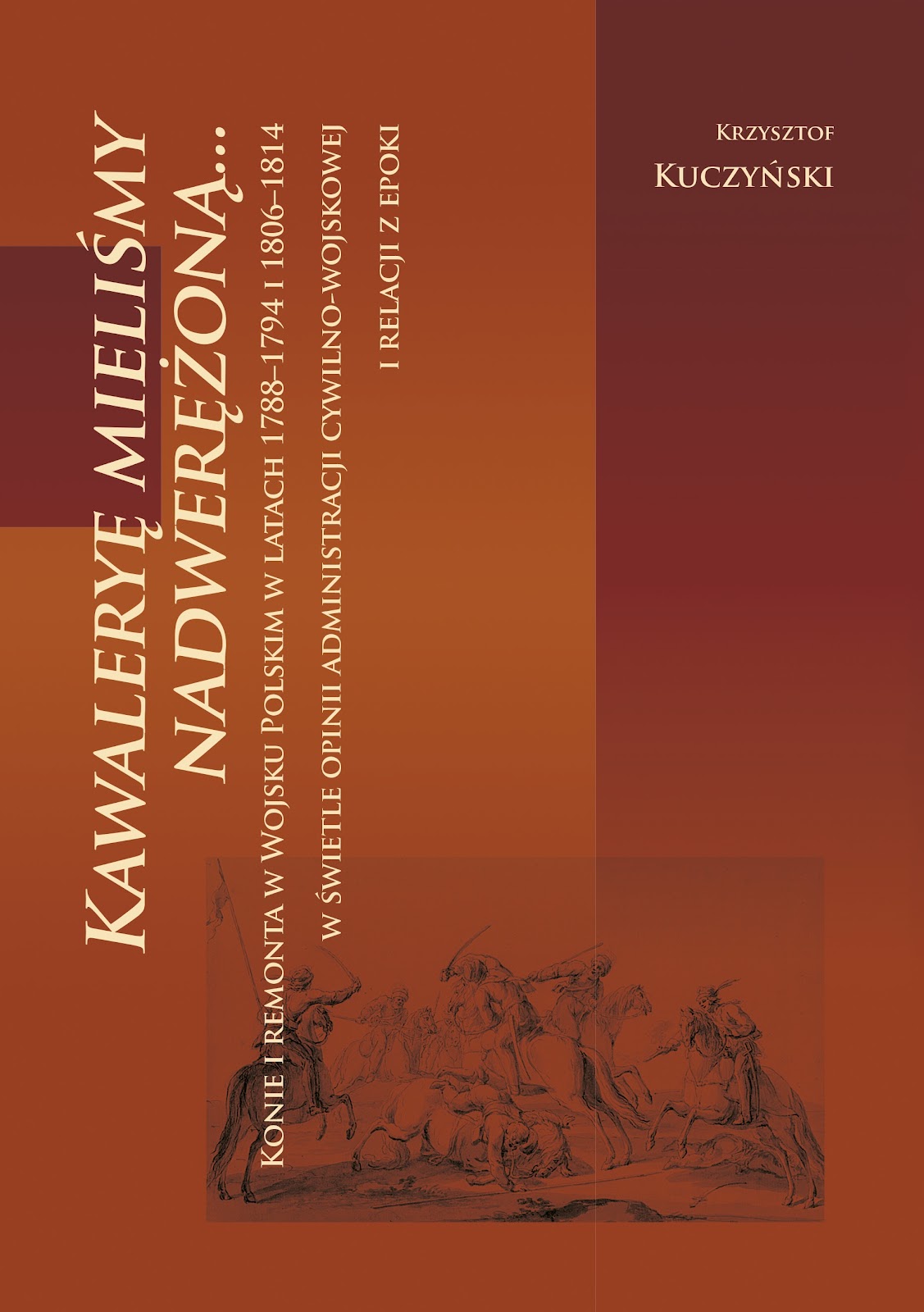
Z końskich tematowa w literaturze przedmiotu to dodam, że Infort Editions wydało prace  'KAWALERYĘ MIELIŚMY NADWERĘŻONĄ...' o koniach kawalerii epoki 1788-94 i 1806-14, Autorem jest Krzysztof Kuczyński, a prace można znaleźć tutaj.
Zresztą praca Mariusza Sampa o wojnie Mieszka I z Wieletami pt Brenna 991AD, tez mogłaby wzbudzić zainteresowanie, jak i krotkie wprowadzenie do Połowców Węgierskich Jakuba Juszyńskiego.

miłego czytania a słuchania etc


Valete

Wednesday, July 7, 2021

Vergilius Vaticanus

Salve,
The Vatican Apostolic Library has digitalized one of two oldest surviving Late Antique manuscripts - which contains parts of the Virgil's works collection (originally the manuscript might have contained the entire Aeneid, Georgics, and Ecolgues) - nice Wiki page in French. Publius Vergilius Maro(70BC-19BC)- Roman poet writing in the Homeric epic traditions - if you have studied Latin or planing to study it, then  Vergilius' works may be part of the study and enjoyment of the Latin literature.

I have corralled some horses and riders from the manuscript - end of IV century AD Romans and their mythical history.


the entrance to the Elysian Fields


Roman imperial imagery - Trojans and king Latinus on the throne


the other Roman manuscript held at the Vatican Library is the so called Vergilius Romanu - here a scholarly article on this late Roman manuscript.  
Nota bene, two  libre books, from my most favorite museum - MET, The Age of Spirituality - a catalogue of exhibit held at the MET in 1977-78 season; and the collection of articles of The Age of Spirituality, A Symposium. So if you wondering about the Late Rome and her art etc , then these works provide  rather easy access to 'pre-end of history' scholarship and commentary. 

valete

Friday, February 26, 2021

Husaria - variae

 Salvete Omnes,

[in Polish]


w ostatnich 6 miesiacach w Youtub'ie obrodzilo wywiadami i prezentacjami na temat husarii - staropolskiej jazdy slawnej od 'morza do morza', ktora dzieki licznym badaczom, w tym publikacjom Radka Sikory stala sie znow przedmiotem wielkiego zainteresowania badaczy i entuzjastow (choc nie filmowcow czy pisarzy IIIRP).

W ramach promocji ksiazki 'W boju i paradzie. Husaria Rzeczpospolitej' - wywiad z jednym z autorow tejze ksiazki, Zbigniewem Hundertem, historykiem, zwlaszcza  badaczem epoki Jana III  - link.

Historyk  Konrad Bobiatynski, autor bardzo ciekawej pracy o wojnie Rzplitej z Moskwa 1654-55 - Husaria- prawda i mity -  link.

Kuba Pokojski, prawnik i badacz historii polskiej sztuki szermeirczej, autor mongrafii o Trzew 1627 - Dzieje husarii w Polsce - link.

Finalowo, Radoslaw Sikora, 'dottore husarii', o husarii - link.


Milego sluchania czy ogladania

Valete

ps

imago husarza z chorgwia alias moja ilustracja niedokonczona (np nie ma szabli)  tylko dla zwrocenia uwagi


Assyrian chariot - reconstruction in progress

 Salvete Omnes,


as you may already have known I am a big proponent of reconstruction and historic reenactment.

A friend of mine from Poland, Kuba Mikolajczuk who is a historian, history enthusiast and journalist, provided me with the link to this Youtube content creator from Australia.   Ancient Assyrian Props & Costumes of - thanks Kuba!

This gentleman - Donald Barkho - from Australia is working on a reconstruction of an Assyrian (Neo-Assyrian Empire) chariot  - Assurnasirpal II-style, as he calls it. And  here is a video link to the progress in his reconstruction - very interesting study in actual construction and potential issues while using.


Valete

Saturday, December 26, 2020

Horse Armor via Armourer and His Craft

Salve,
and here we have the second day of Christmas.
or as the British call it - the Boxing Day.

A short entry, between the delicious lunch and eventual and equally delicious dinner.
Many times I mentioned armored horses - dextrarius opertus [singular] -but today I would like to use the available diagram from an archived book on the World Library aka Archive.
 Charles John Ffoulkes, British historian and the curator at the Royal Armouries, wrote several important works on the arms and armor of the Medieval and Early Modern European history (here  his books available via archive org library) during the early XX century.
  So in his quite famous and enduring work - Armourer and His Craft - he wrote a chapter devoted to the task of proofing the armor made by the historic armorers.
  and from the same book comes multi-language diagram showing horse armor [including the armored saddle elements] and its parts:

1.chanfron

2.peytral

3.crinet

4.pommel

5.cantel(cantle)

6.crupper

7.tail-guard

8.flanchard


Valete


Monday, November 30, 2020

Skithian and Greek


Salve,
ancient Athenian writer Thucydides said that there was no nation equal in military prowess to the Scythians/Skithians, and perhaps he was right issuing such opinion, eg the Achaemenid  Persians  and the Macedonians found this in a hard way.
So the Hellenes could have counted themselves lucky that such bellicose neighbours  preferred to stay in their great steppe and not to conquer the rest of the known world.


However, the ancient Greek writers also thought their immediate neighbours to the north, the Thracians, to have been another  nation with a huge conquering potential. In fact Macedonia felt the brunt of various Thracian 'razzias' until Philip V of Macedon put them to rest for good. Coming of the Celts a century later was another matter.
Back to the Skithians et al., during the long Hellenic colonization of the shores of the Pontic [Black] Sea there sprung many settlements in the Tauris [Crimean] Peninsula, mostly in the southern shores of this peninsula, including Pantikápaion [Panticapaeum] in the Cimmerian Bosporus [Kerch Peninsula], settled by the Milesian (Ionian Milethus- during the 'pre-Persian wars' period the greatest of all Greek cities).


 Herodotus, the famed grandfather of history - :) ,wrote plenty about slavery in the north and the role of trade between the north Pontic regions and Hellenes. 

Eventually a kingdom, called Bosporan Kingdom, arose in the Tauris and for 3 centuries one dynasty, Spartocids, had ruled the peninsula and its trade routes  - slaves, grain, honey, furs etc - with Graecia. Interestingly , in this kingdom the Thracians, Hellenes, and the ancient nomads came together, and the first  ruler of the late V century Bosporan Kingdom was a Thracian strongman named Spartocus/Spartokos, hence the Spartocid dynasty.

There had been many contacts between the Athenians and other Greeks and the Skithian world of Black Sea, some happy and many unhappy, i.e. the slave trade.

It has been more or less proved that the famous Athenian orator Demosthenes was of the Skithian descent, namely his maternal grandfather Gylon of Cerameis,  who was a warrior and soldier,  was a garrison commander  in the city of Nymphaion (Nymphaeum) on Cimmerian Bosporus in the late V century. When the city broke its alliance with Athens (for Athens quite like later Rome with Aegyptus  used the Pontic grain route to feed its population, and Nymphaion being positioned on the Chersonese sat on that grain route) and allied itself with the Spartocid Kingdom he was accused of treason by the Athenians.
He fled into the Scythian interior and there married a Skythian noblewoman. They had two daughters - Cleobule and Philia - probably while still in the Scythia. Now, Athens had some very prohibitive laws when came to descent, citizenry and full rights of citizenship.  Around  451BC Pericles, the good freedom defender  no doubt, had the Athenians pass a restriction  on the so called 'bastards' (nothoi) that required that both parents had to have been Athenian citizens in order for the kids to have been legitimate and to have possessed the full Athenian citizenship. Between 431 to 404BC the law was suspended - go figure, the Peloponnesian war  must have made these restrictions problematic when soldiers were needed.
Back to Gelon, eventually Gelon and his family  sailed to Athens, he was fined and paid this fine for his role in Nymphaion debacle, and was able to make his daughters Athenian citizens. Historians speculate that Gelon's unnamed Scythian wife must have been wealthy and the wealth was used to by their way back into Athens and to find husbands among the Athenian well-to-do citizens. Hence well-of Athenian citizen Demosthenes' father (named Demosthenes) married Cleobule and our famous orator was born. Philia married another well-to-do Athenian Demochares. But later on, when  Demosthenes was practicing as a layer and was active as a politician  he was often called a barbarian and Scythian by his legal and political opponents in Athens, his family  lineage being denigrated in public.

Greeks had Scythian archers and slaves in their service - here a nice article on the subject - and hence my quick sketch, it badly needs to be reworked and finished one day,  represents such 'policeman,' while a Greek mercenary soldier eyes him with a suspicion.

And if you are looking for some entertainment reading in this area, like a nice long historical fiction, I could point you the first 3 Tyrant cycle/saga novels by Christian Cameron - I truly like them - so a strong thumb  up.


 The Skithian topics to be continued..
enjoy