Showing posts with label bull. Show all posts

Tuesday, December 3, 2024

Ancient Egypt, Ramses II & lasso, rope, lariat.

 Salvete Omnes,


there is a word in the American English for a  long rope with a running noose used to capture cattle or horses that comes from Spanish language.
Namely, it is lasso, which comes from a Spanish noun: el lazo; this lariat, lasso, or rope with a noose (arkan in Polish) used for lassoing animals and people  is a very ancient device, invented many thousands years ago by the Stone Age hunters. 

Now,  we will quickly time travel to the ancient Egypt, where in one of their temples (started by pharaoh Seti I and completed by his son Ramses II)  at Abydos there is so called Corridor of the Bull- 


In ancient Egypt the sinewy lasso had cosmic implication - eg this article explains some aspects of the religious meanings of a lariat.


but this New Kingdom imagery was just a continuing tradition and use from the oldest Egypt dynastic periods - the Old Kingdom.
There is the so called mastaba of Akhmerutnisut (5th Dynasty, 2494-2345BC) where the tomb sponsor is depicted as a hunter wielding a lasso (more details in Ines Torres'  article). While in the mastaba of Raemkai (MET) 'prince' is hunting gazelles with a lasso.

Nota bene, there are tomb imagery showing rope making (plant fibers and leather, eg this one) , while in this article by Emily Teeter you can learn about the rope making, techniques and its terminology in the ancient Egypt. 

Unfortunately the book from Cambridge Univ. Press - The Material World of Ancient Egypt, does not have anything about lasso and its use in the ancient Egypt - the rope chapter is by far so much weaker than any of the articles listed above - nor it mentions the use of rope in warfare,  hunting, war and animal husbandry (but for animal halters and fishing).. 

Valete

Monday, September 23, 2024

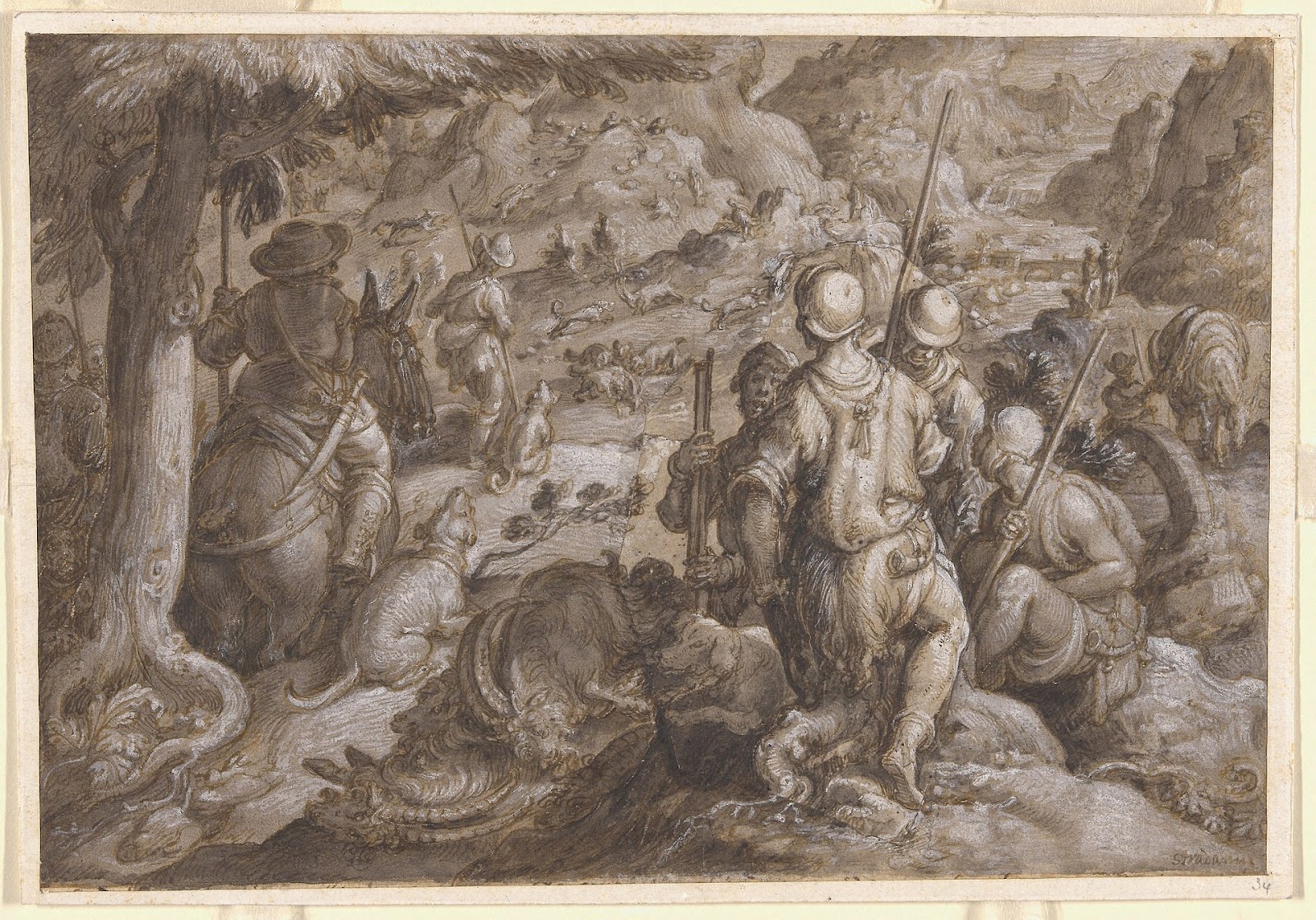
Stradanus - some hunt art

 Salvete Omnes,


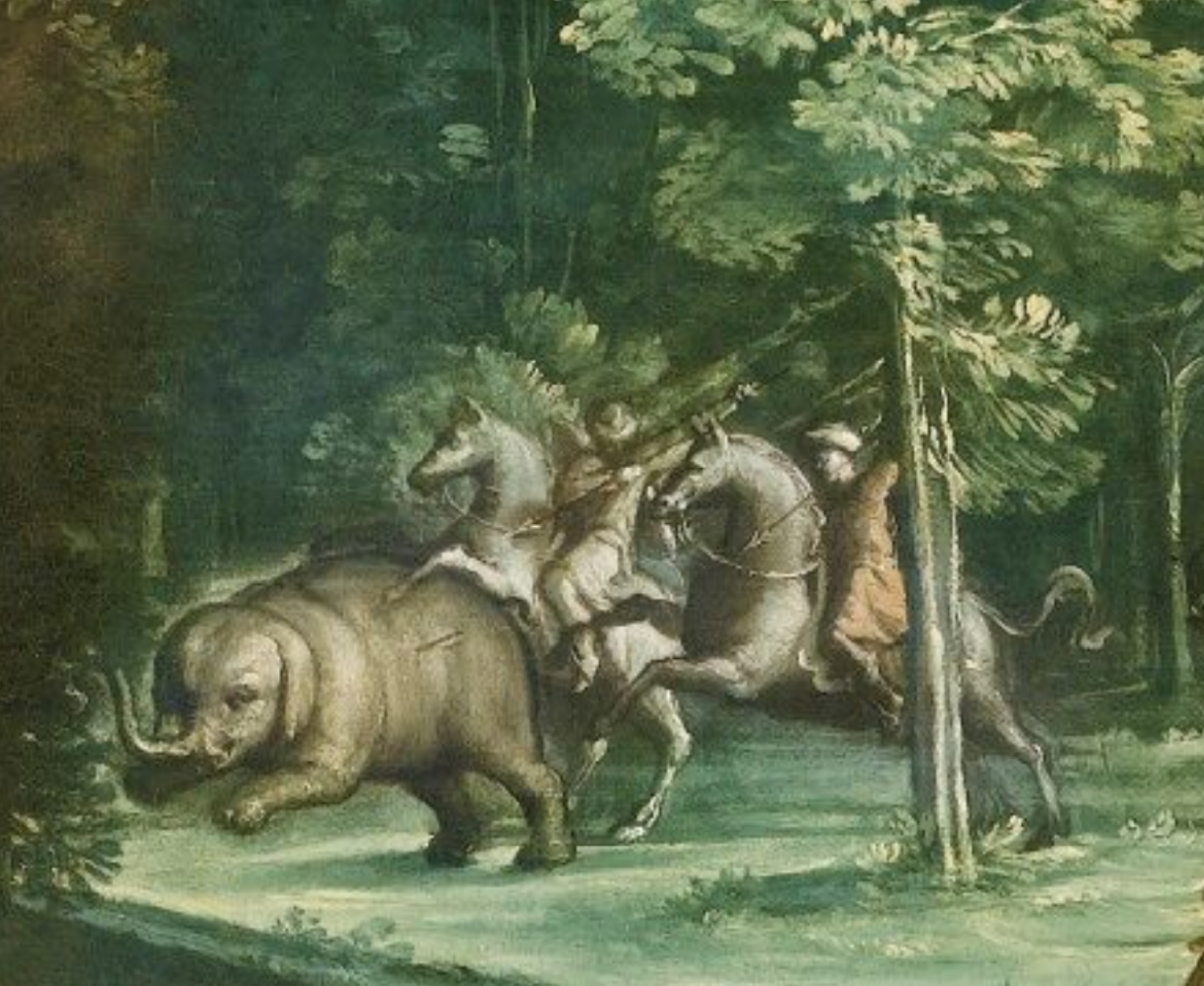
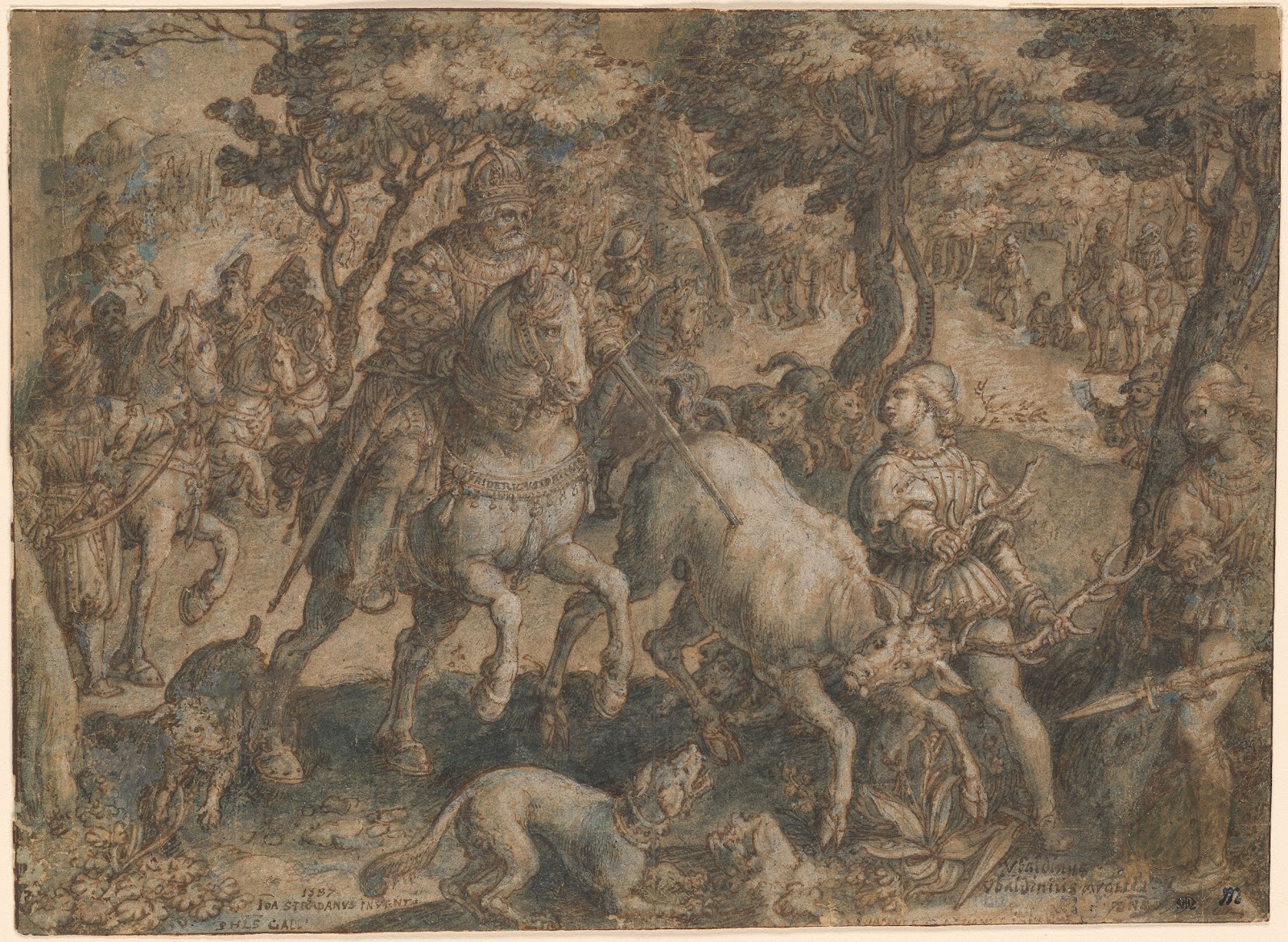
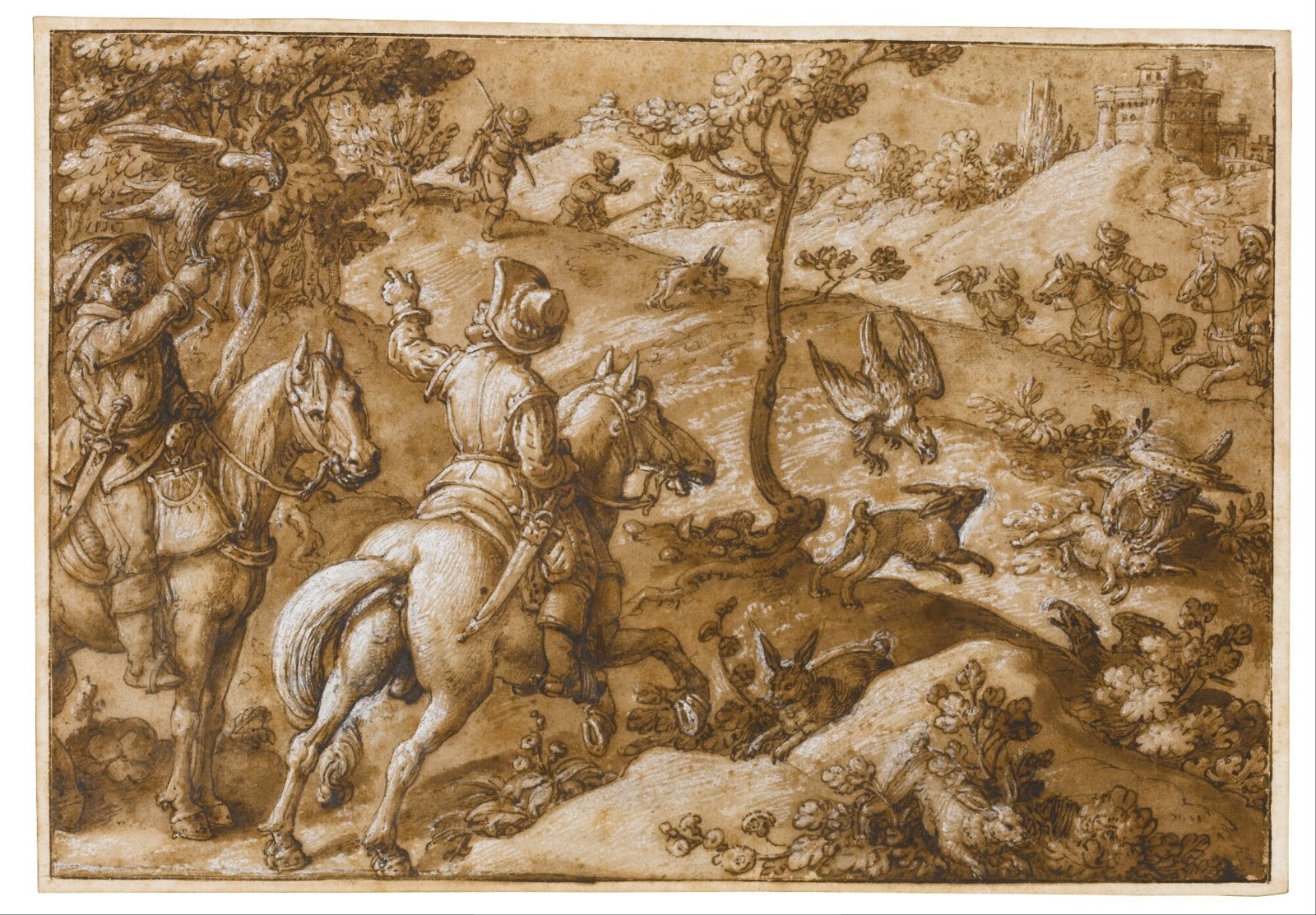
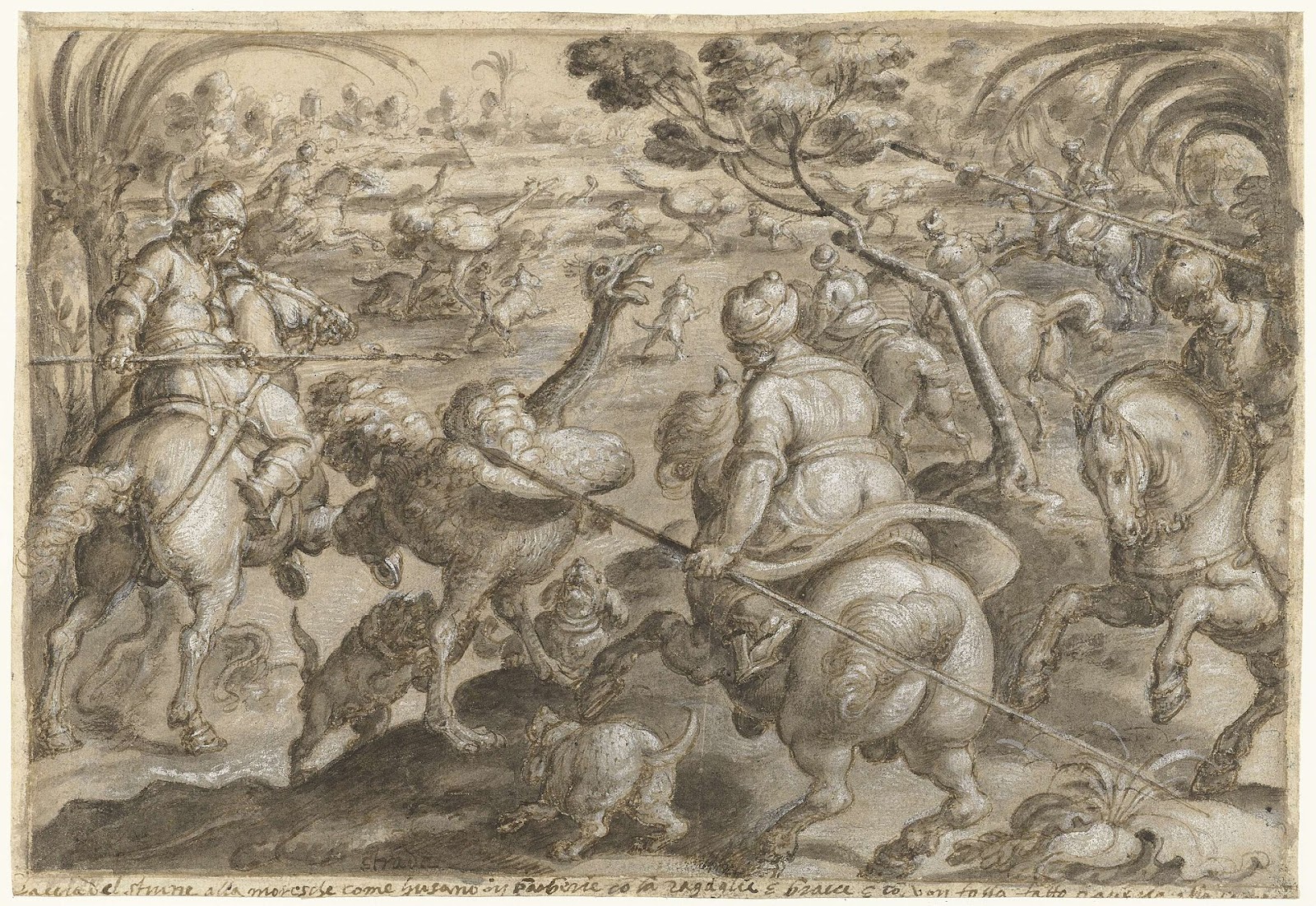
Jan van Sreaet aka Stradanus- more-hunt related art : hunting lions, elephants, bulls, ibexes, ostrich, hare etc


.


this is a bit rare - hunting bulls with hawks or some raptors


.


a bit bloodthirsty collection, but all in all excellent art and skills.  

Valete

Sunday, July 10, 2022

Ancient Thessalian horse and rider in their coins

 Salvete Omnes,


in my mind the land of ancient Thessaly has always been the land of horse and rider - with petasos, spears, javelins, chlamys etc.
Thessaly was a region of ancient Greece situated between the Pindos in the west (separating Thessaly from Epeiros) , Cambunian Mountains with Mount Olympus range in the north-east ending into the Aegean Sea (thus separating Thessaly from Macedonia), and  Mount Ossa and Magnesian (Pelion) range in the southeasterly direction ending with a peninsula into the Aegean Sea, and Mount Orhrys range  in the south(separating Thessaly from central Greece). In the center of this mountainous land there was a plain with rivers where ancient Greek horses were bred and horsemanship practiced. 


Thessalian lords had their sort of helot like dependent-class known as penestai and tribute paying free-class of perioikoi. Thessalians aligned themselves with Xerxes, the Great King of Persia, during the Persian invasion and returned to the Hellenic side after the battle of Plataeai of 479BC. Yet cities dominated Thessaly like Larissa, Cranon, Pharsalos and Pherai/Pherae somewhat unified into so called Thessalian League. 


Towards the end of classical age one lord emerged as the overlord or tagus/tagos of all Thessaly- Jason of Pherae.


Xenophon wrote about him in his Hellenica - on archive  or perseus.tufs.edu


Then came Philip of Macedon and it his 'unifying' of Thessaly (Thessalian League) with his and the Alexander's kingdom cemented the new state - only the Roman conquest ended Macedonian kingdom rule in 197BC, but then in 146BC Rome created the province of Macedonia and Thessaly was incorporated into that province. 


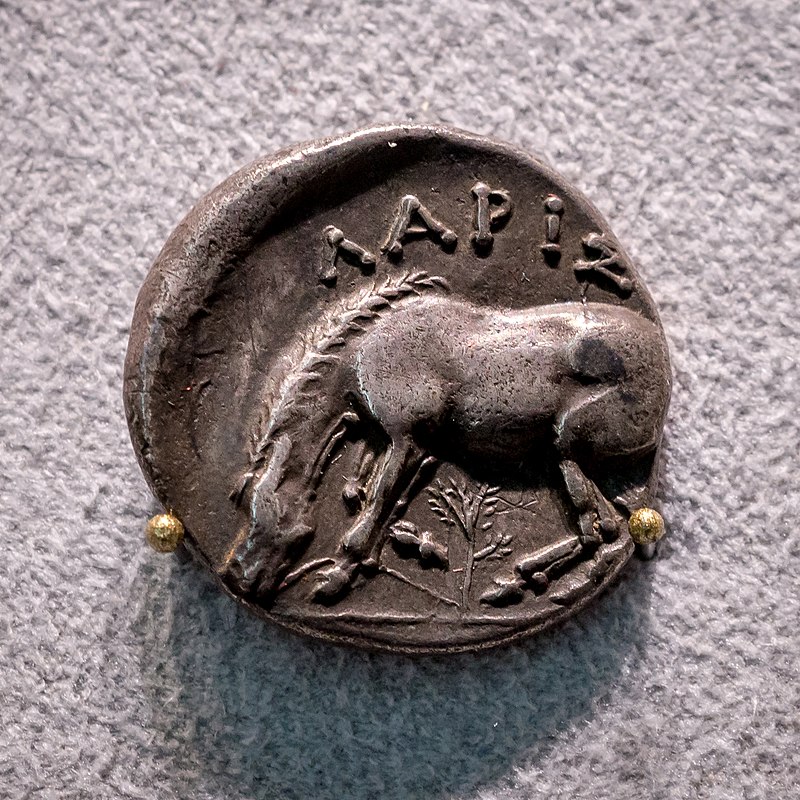
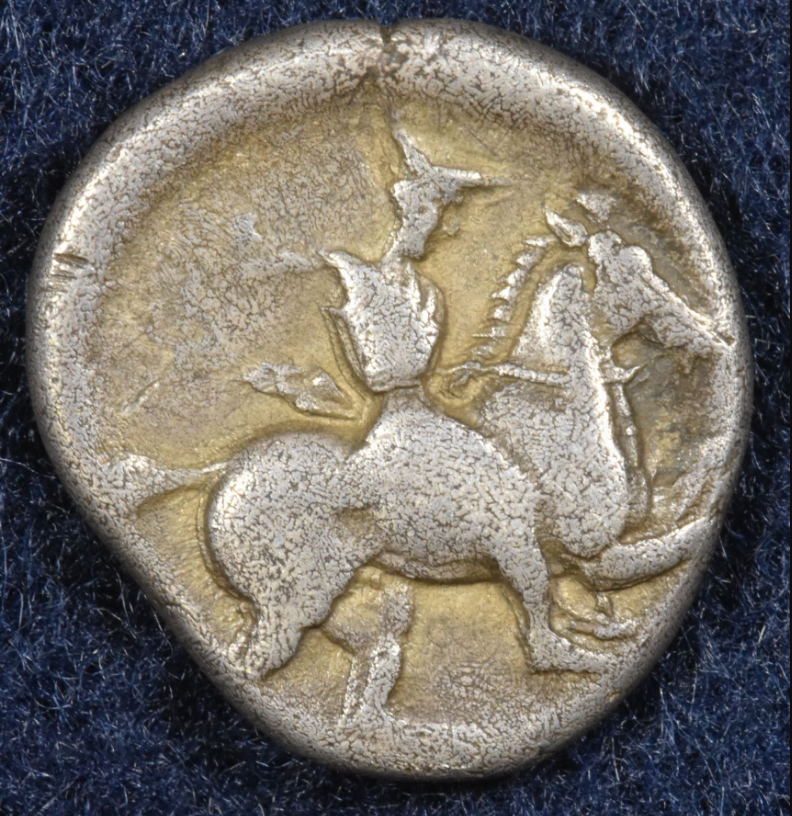
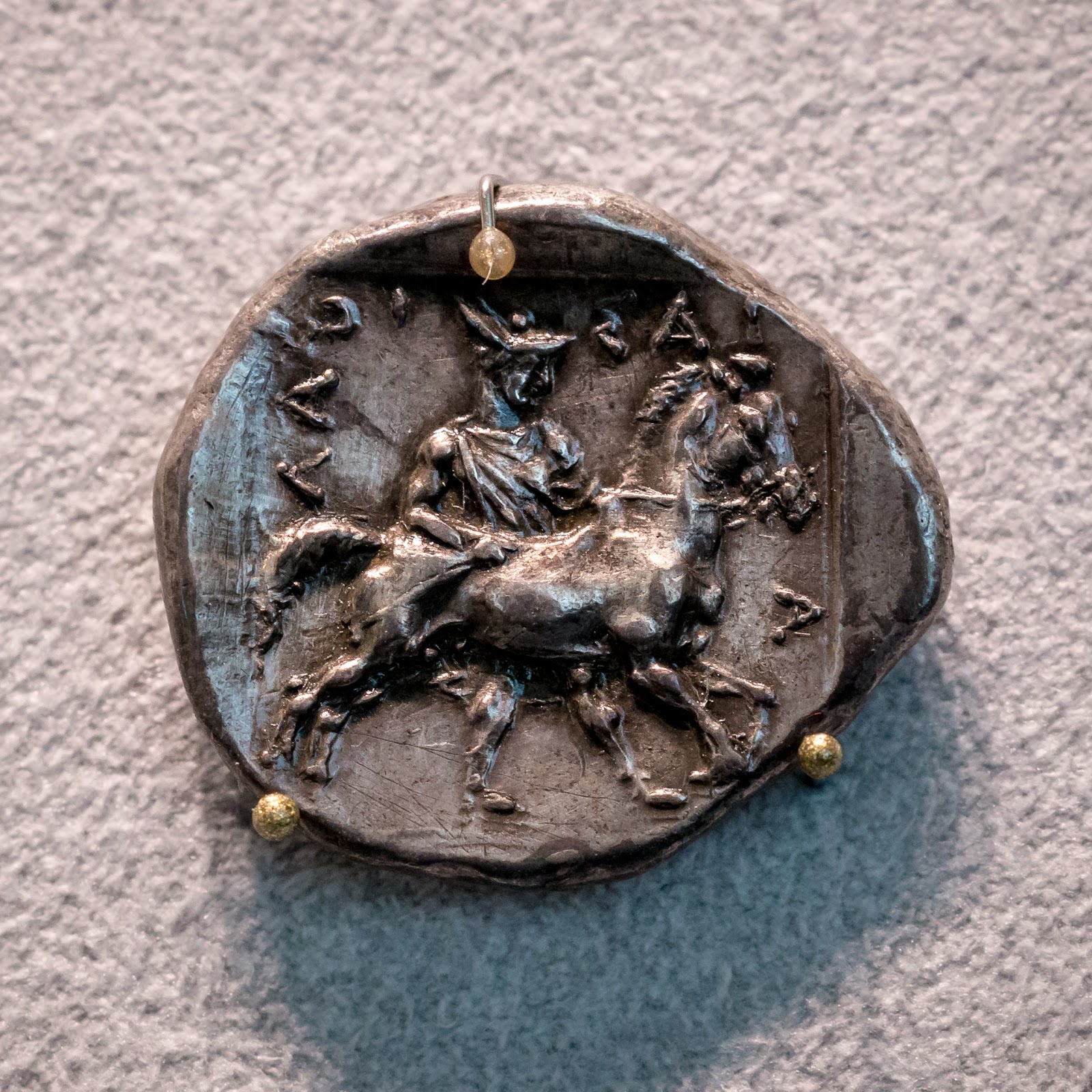
So I corralled some of the horses and riders from the Thessalian coins 


more coins of Thessaly during the classical and Hellenistic age here


Valete