Friday, December 20, 2024

Herman Wendelborg Hansen (1854-1924) - mythic West

 Salvete Omnes,

a quick 'Western' or American West post - 


Herman Wendelborg Hansen (1854-1924) was born in Denmark (in the Duchy of Holstein), trained in Europe (Hamburg, Germany and England) and in 1877 AD emigrated to the USA.


He became enamored in the Old West of the late XIX century and conveyed his liking for American horses, cowboys, Indians and landscapes in his works, from watercolor, to oils and etching.


Some galleries with his artwork on Net display - eg Invaluable MutualArt


@ Christie's auctioned painting 

@Christies 

@Christies


Valete

ps

only 4 days to Christmas' Eve  - ;)

Sunday, December 15, 2024

Have a nice Sunday with J.G. Pforr's stallions

 Salvete Omnes,
 only 9 days to Christmas - heehaa 

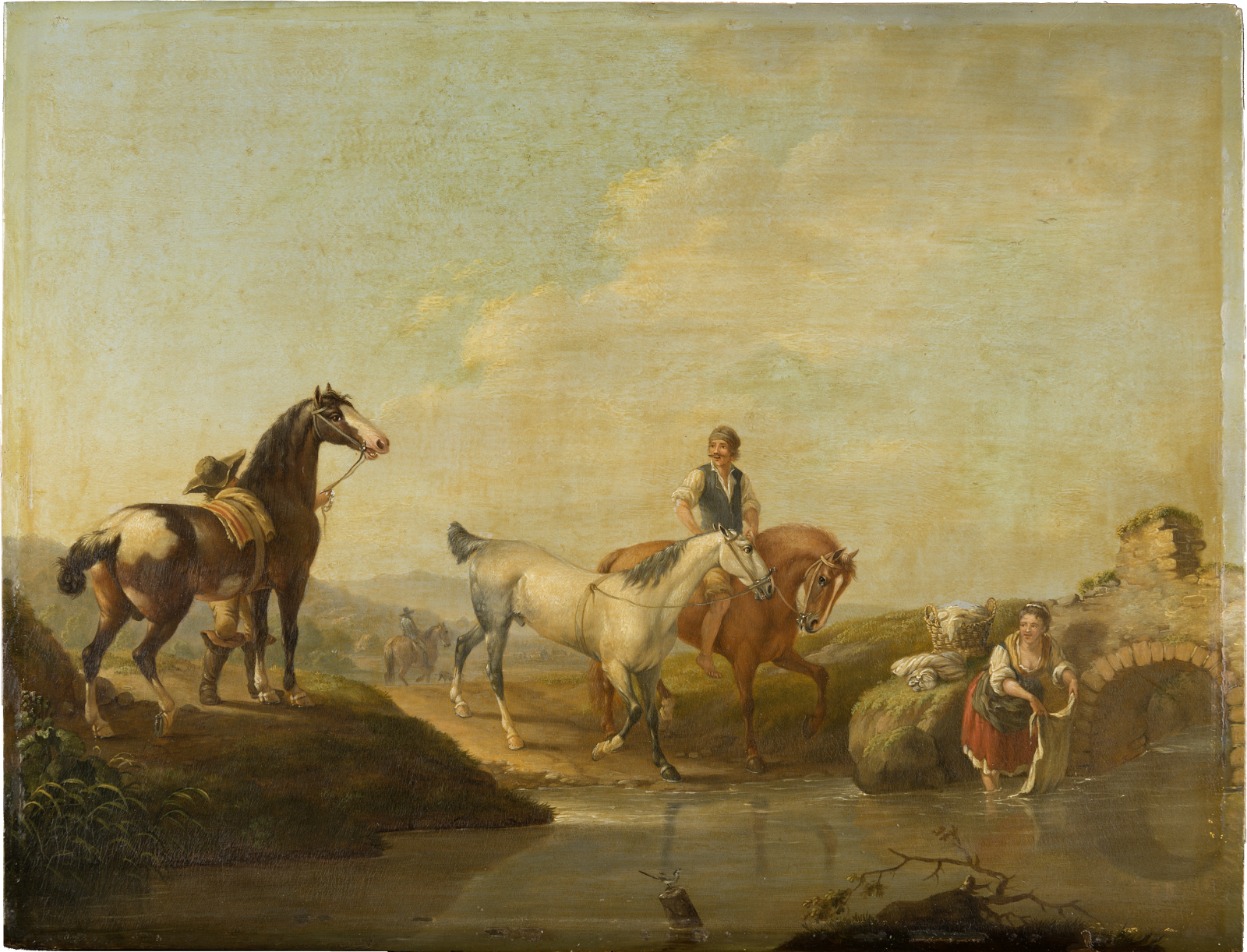
enjoy your Sunday with some beautiful Pforr's horses - XVIII century the 'crème de la crème' of the breeding and riding in continental Europe 

presenting a stallion - perhaps a Spanish, Neapolitan or Lipizzaner? 


.

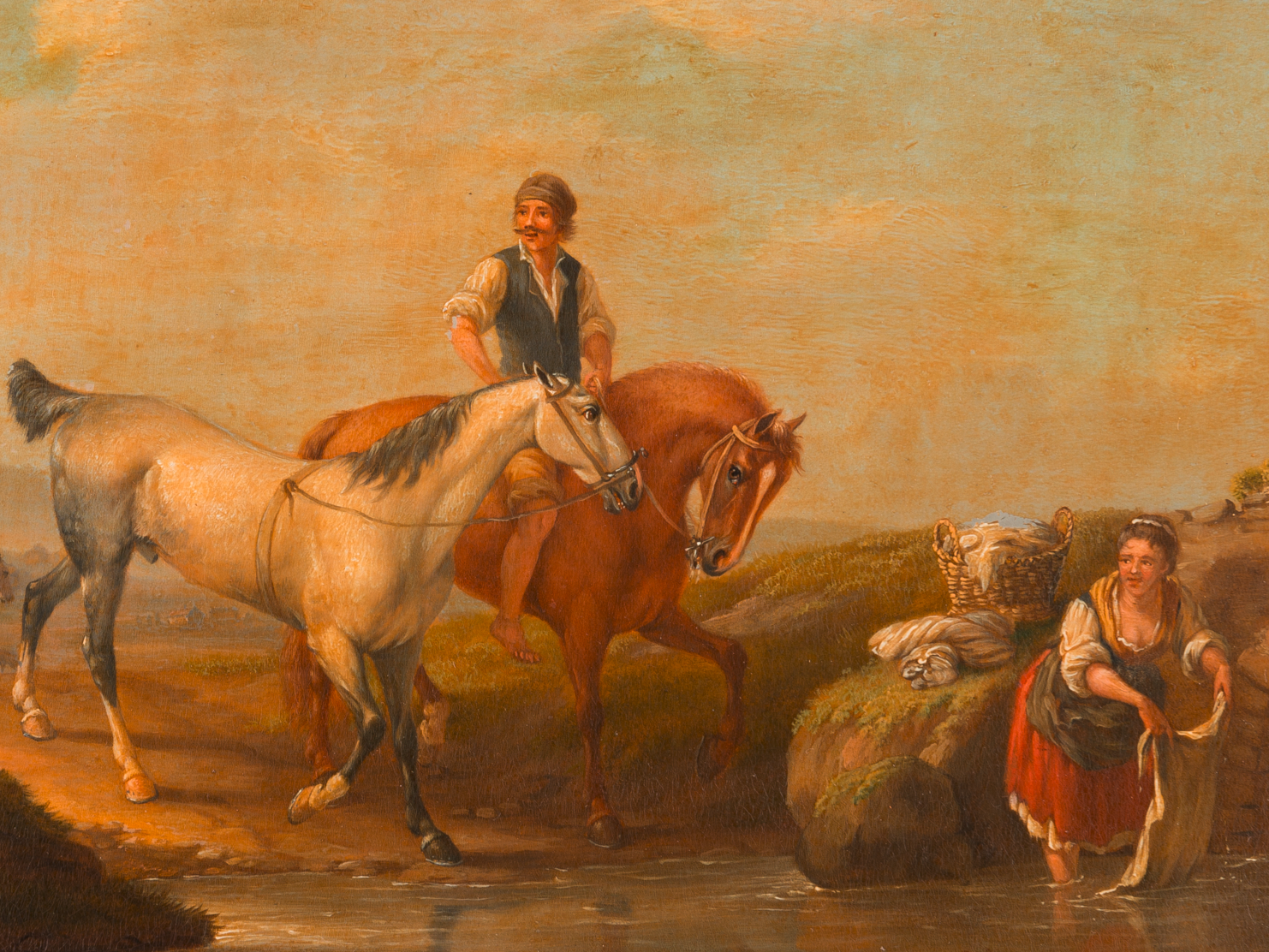
grey stallion (English Thoroughbred?) in training,  a cavesson bridle 

mustachioed, bare-leged horseman riding bareback a chestnut horse

and a nice paint in the foreground
folded blanket as the saddle, snaffle bit 

enjoy your day 

Valete

Thursday, December 12, 2024

J.G. Pforr - more peasant horses & car-stake or stake-brace

 Salvete Omnes,

just for the beauty and enjoyment - works of Johann G. Pforr

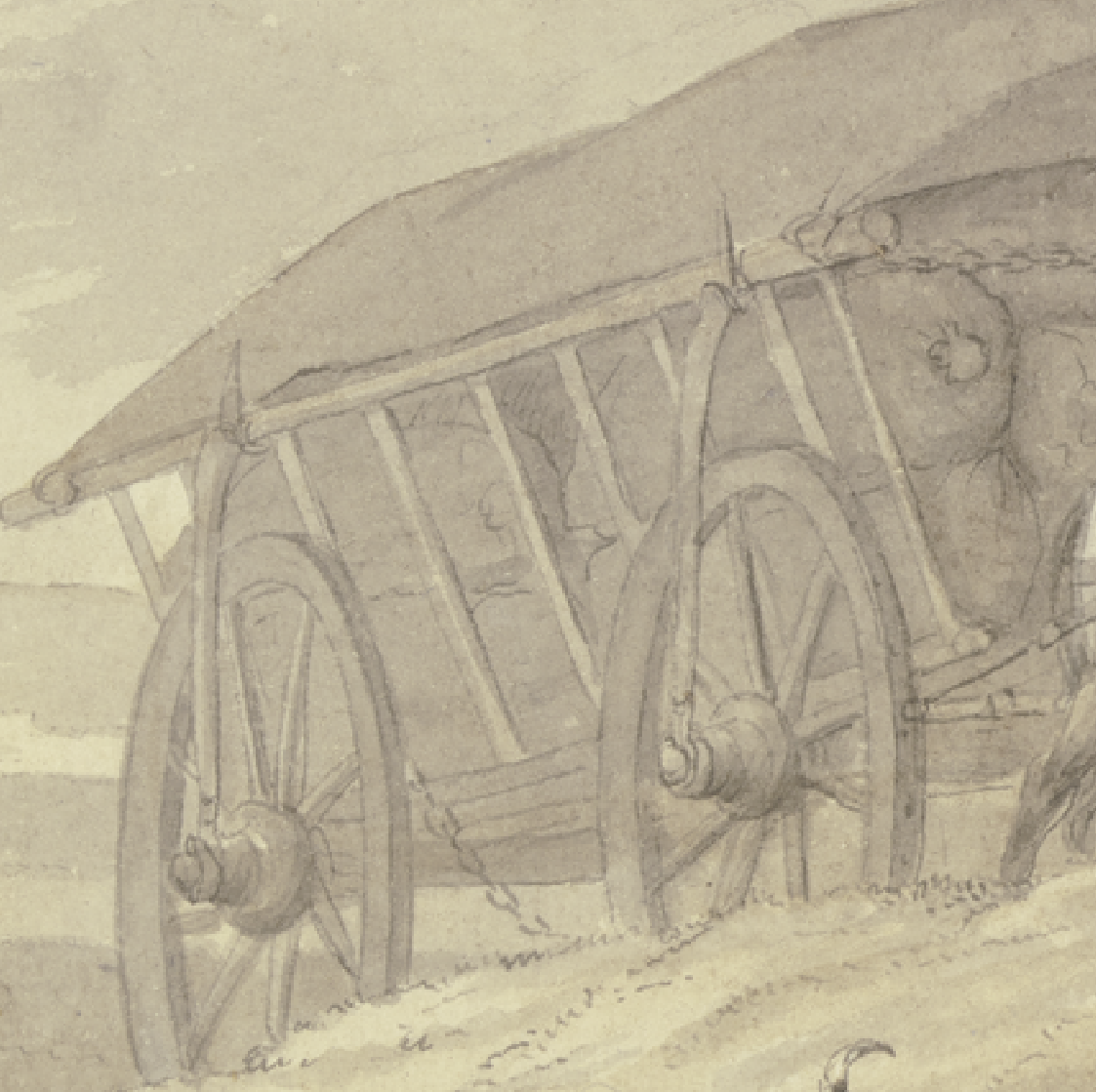
the wagon images demonstrate  the use of car-stake or stake-brace*


.

the car-stakes[1] seemed to have been an eastern European invention 


[1] lusnia[ luśnia ] in Polish - in Polish Wikipedia,  and  klonica[kłonica]  which holds the ladders in place - - see the description in  Polish Wikipedia
.

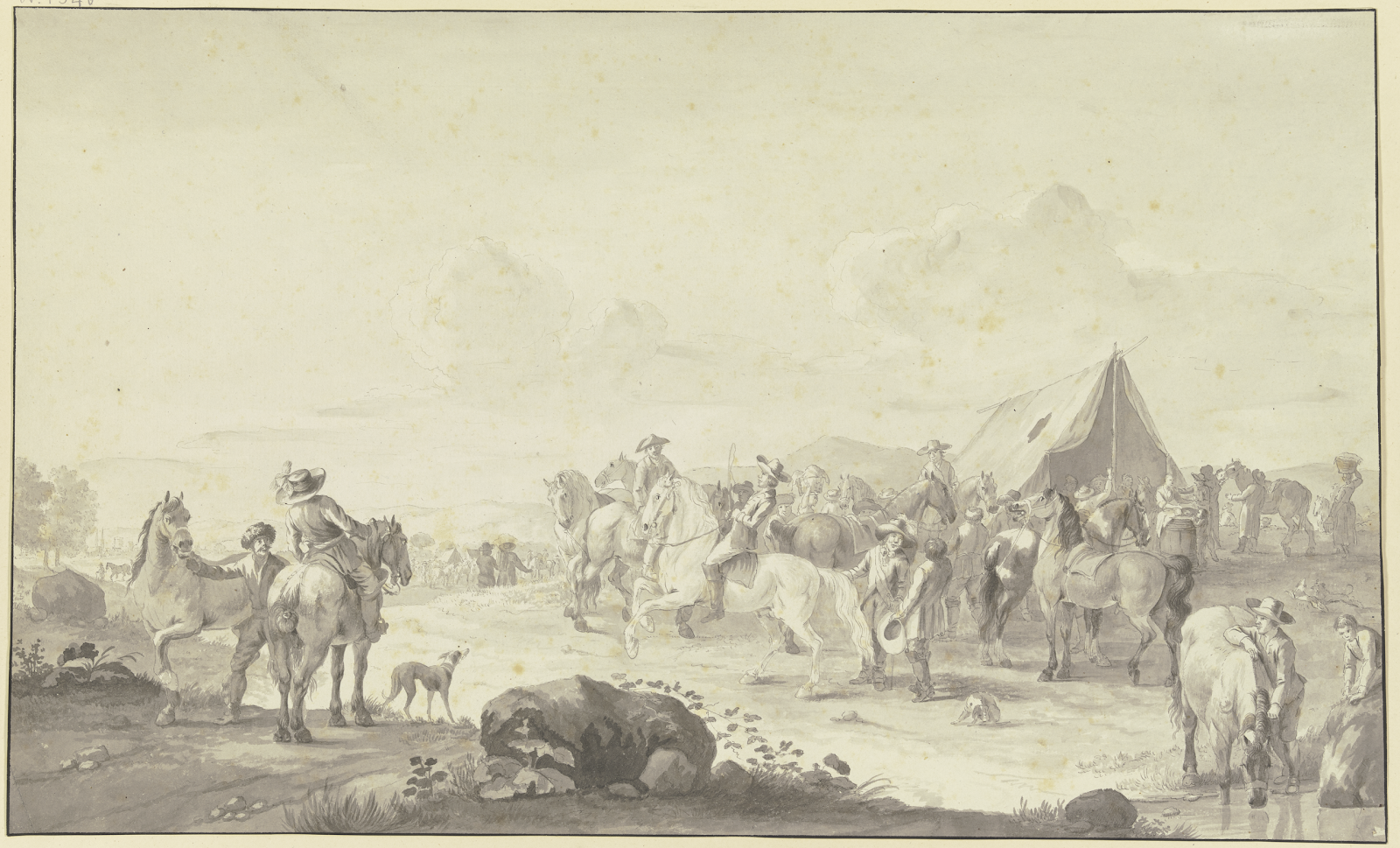
and a horse market scene somewhere in Saxony? - 


* Laszlo Tarr, The History of the Carriage, New York, 1969, page 175  & two plates XLII & XLIII.

Valete

Wednesday, December 11, 2024

Jozef Chelmonski - National Museum, Warsaw

 Salvete Omnes,

auriga, wagon driver - woznica


a short entry -
National Mseum of Arts in Warsaw, Poland holds this special exhibit  - a showcase of Jozef Chelmonski's painting.

there was no music like the folk music, Chopin's mazurkas etc came from this tradition


this temporary exhibit ends on January 26, 2025 and who knows when they gonna have another one. 


So if you are in Warsaw, Poland, these coming weeks perhaps make a trip to the museum, right in the heart of Warsaw, near the Poniatowski Bridge on the Vistula (Wisla) River.


Nota bene there will be a lecture on the 19th of December 2024 about the carriages and sleigh, horse tack and traveling during the times of Jozef Chelmonski.

Polish Jewish wagon driver 


old master of Mazowsze is collectible in Poland and without, eg Sotheby's Chelmonski - Four Horse Wagon on a Rainy Day. or Lempertz

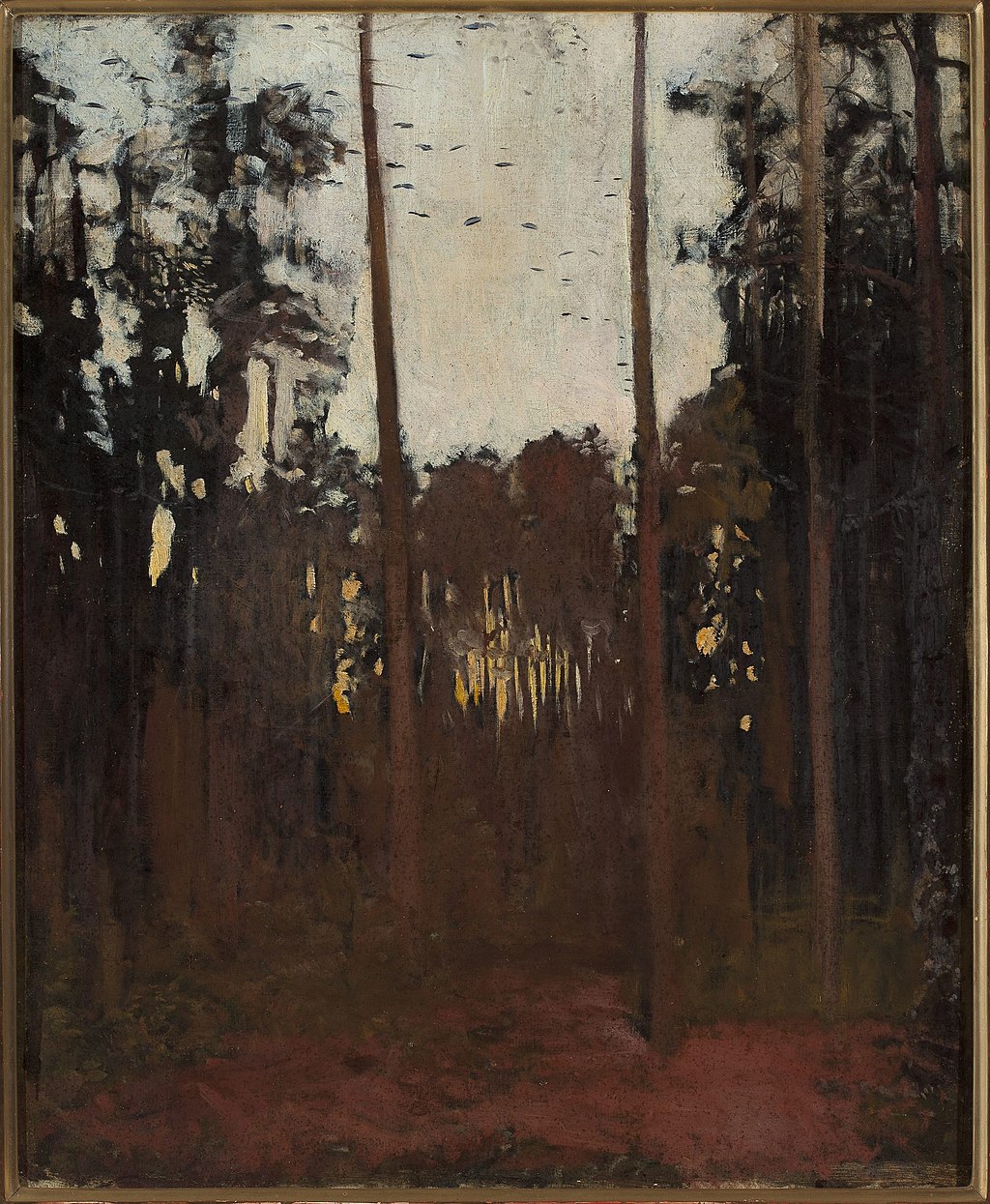
my favorite non-equestrian painting of Chelmonski - it remainds of the woods of my childhood in Lowicz Masovia (Mazowsze)


Valete

Friday, December 6, 2024

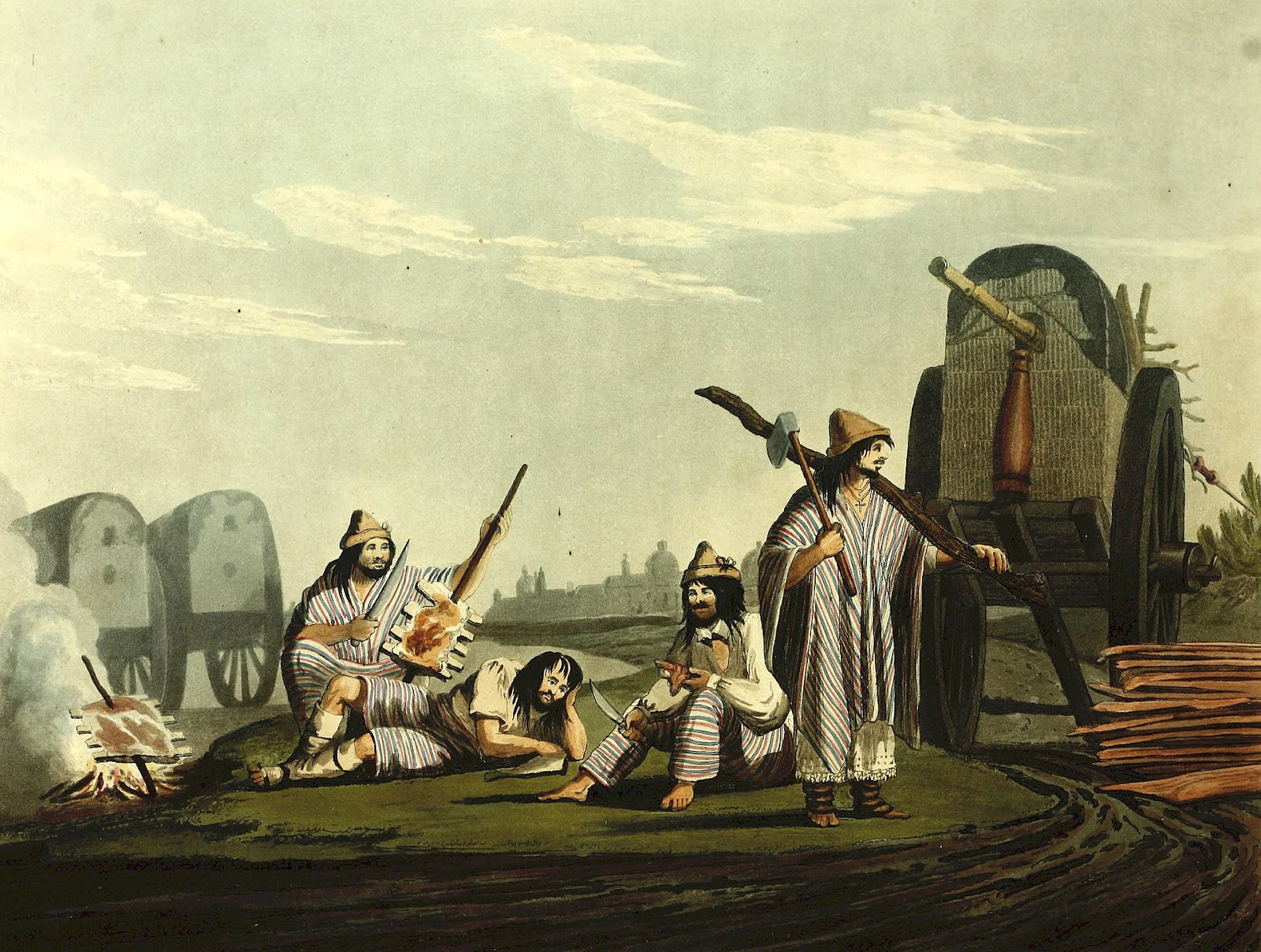
El dia del Gaucho & Emeric Essex Vidal's gauchos, circa 1818AD

 Salvete Omnes,

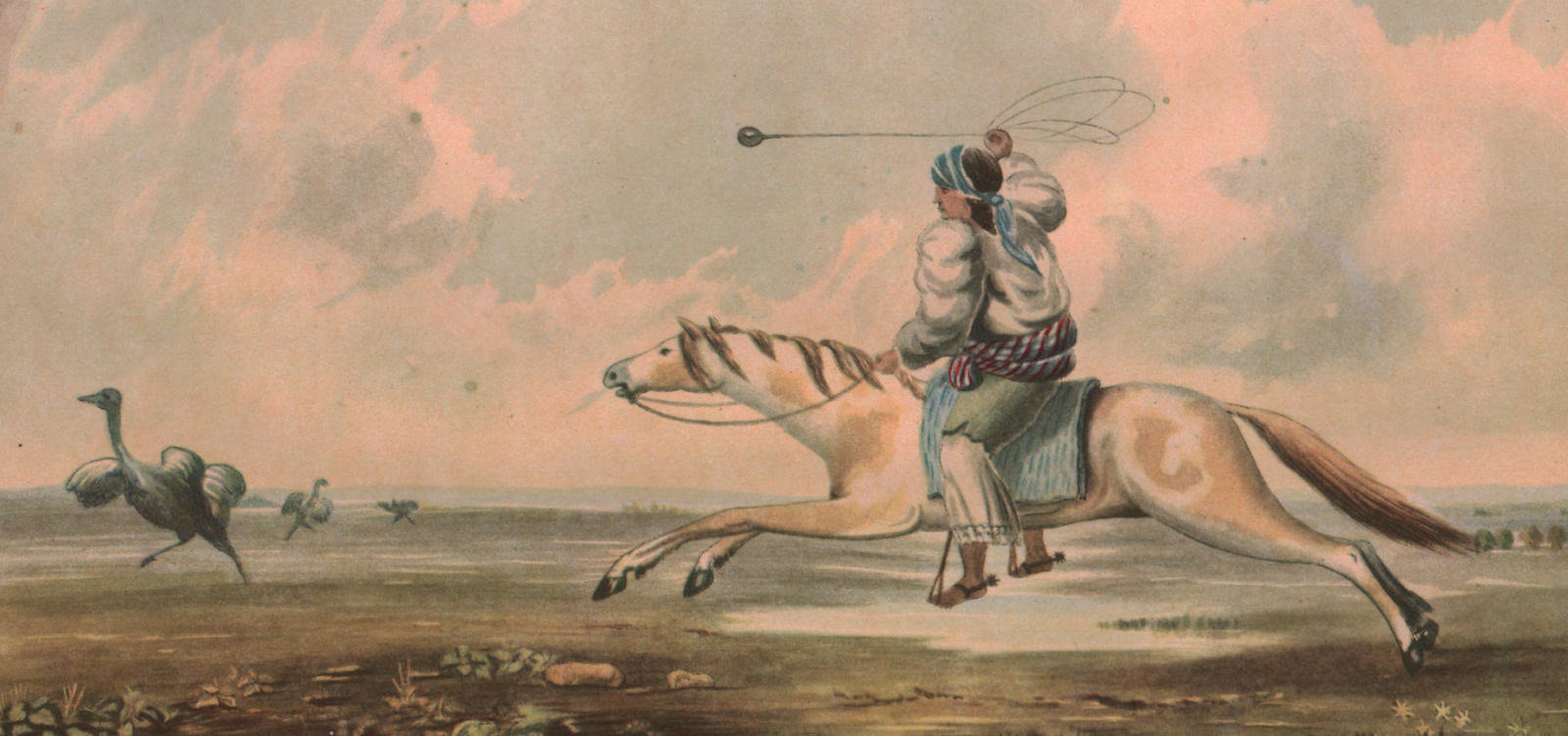
a gaucho hunting, interesting war bridle on the horse - noleadoras in action


today in Argentina they celebrate the day of gaucho - El Dial del Gaucho.
Vivat gauchos and the gaucho tradition -


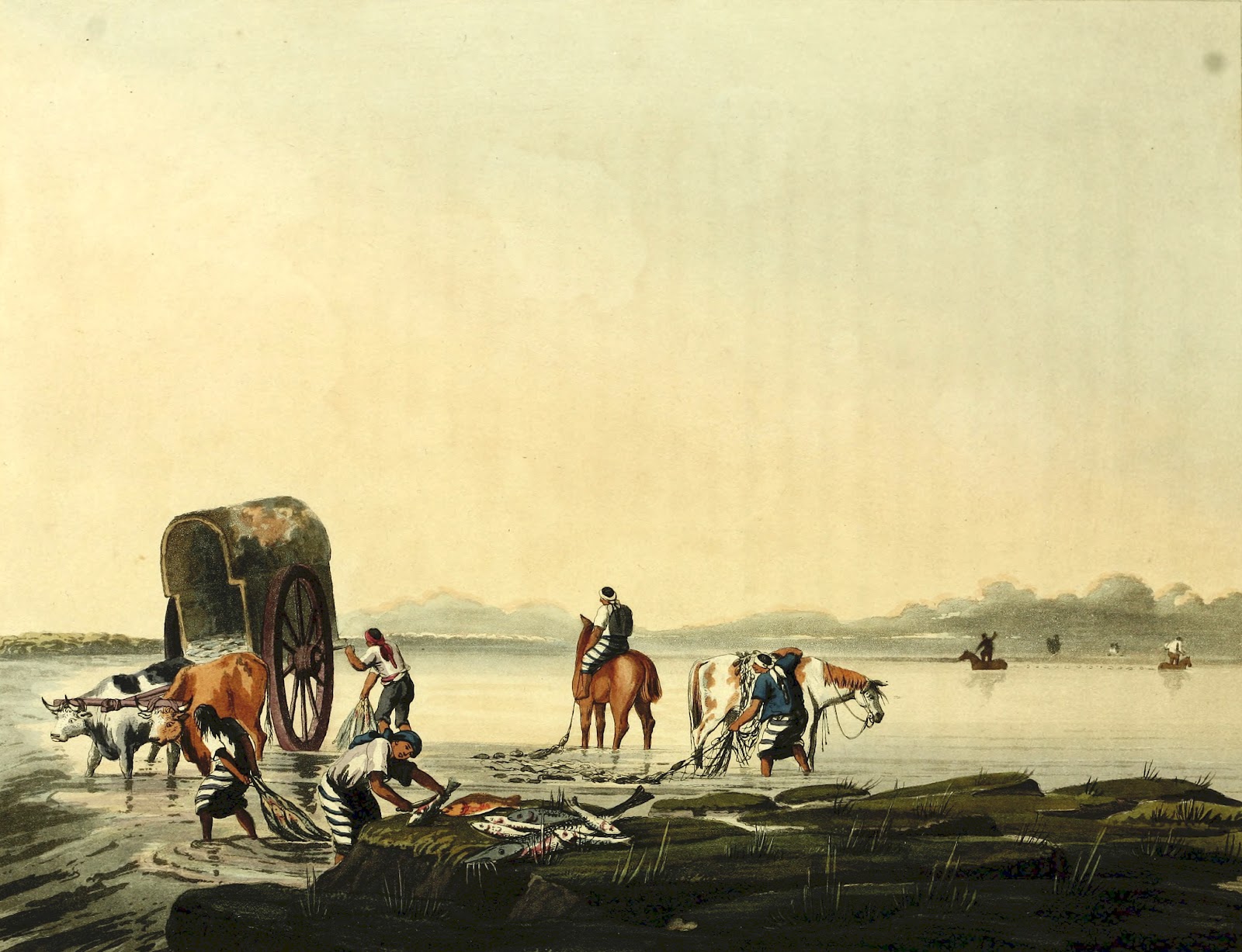
 and enjoy some watercolors painted by a British officer Emeric Essex Vidal(1791-1861) in Argentina's coast and Uruguay during 1816-1818.


The watercolors were published in a book form in London  in 1820. You can peruse them via Hathi Trust site or Archive world library


gaucho - wikipedia entry in English.

the gaucho and this holiday have their  epic literature, the most famous is the epic titled ''Martin Fierro'' by Jose Hernandez. 

Valete

Thursday, December 5, 2024

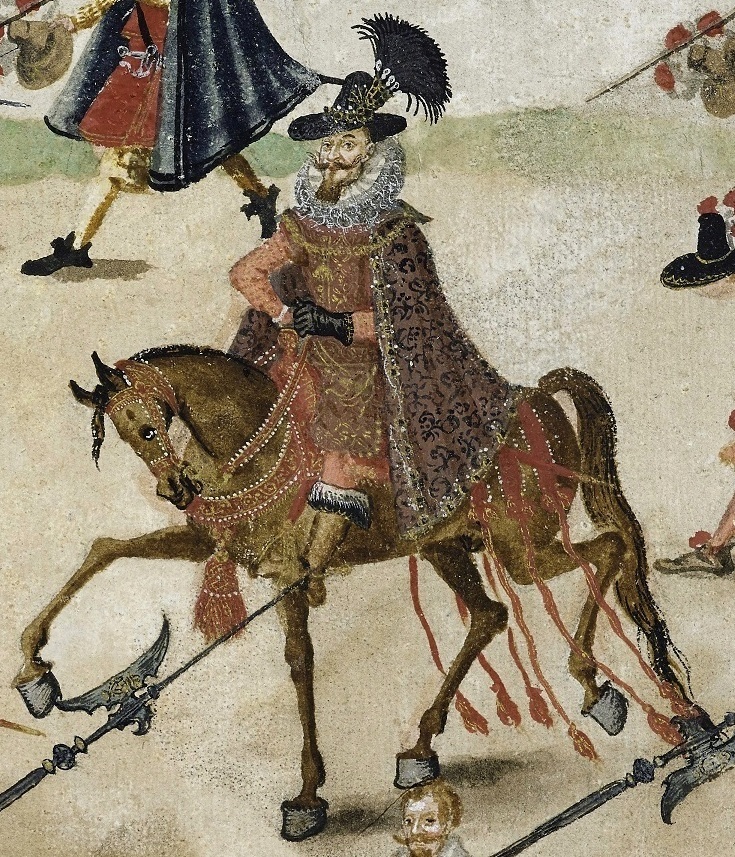
Krzysztof Dorohostajski, grand marshal of Grand Duchy of Lithuanian, in Krakow 1604

 Salvete Omnes,

yesterday or on the 4th of December but in 1604 AD, the rulers , many lords, magnates and common citizens of  Polish-Lithuanian Commonwealth came to the capital of the realm - i.e.,  Krakow (Cracow), to greet and welcome Constance of Austria as the new wife  of our king, Sigismund III. Constance would wed and be crowned as queen-consort of the Polish-Lithuanian realm.


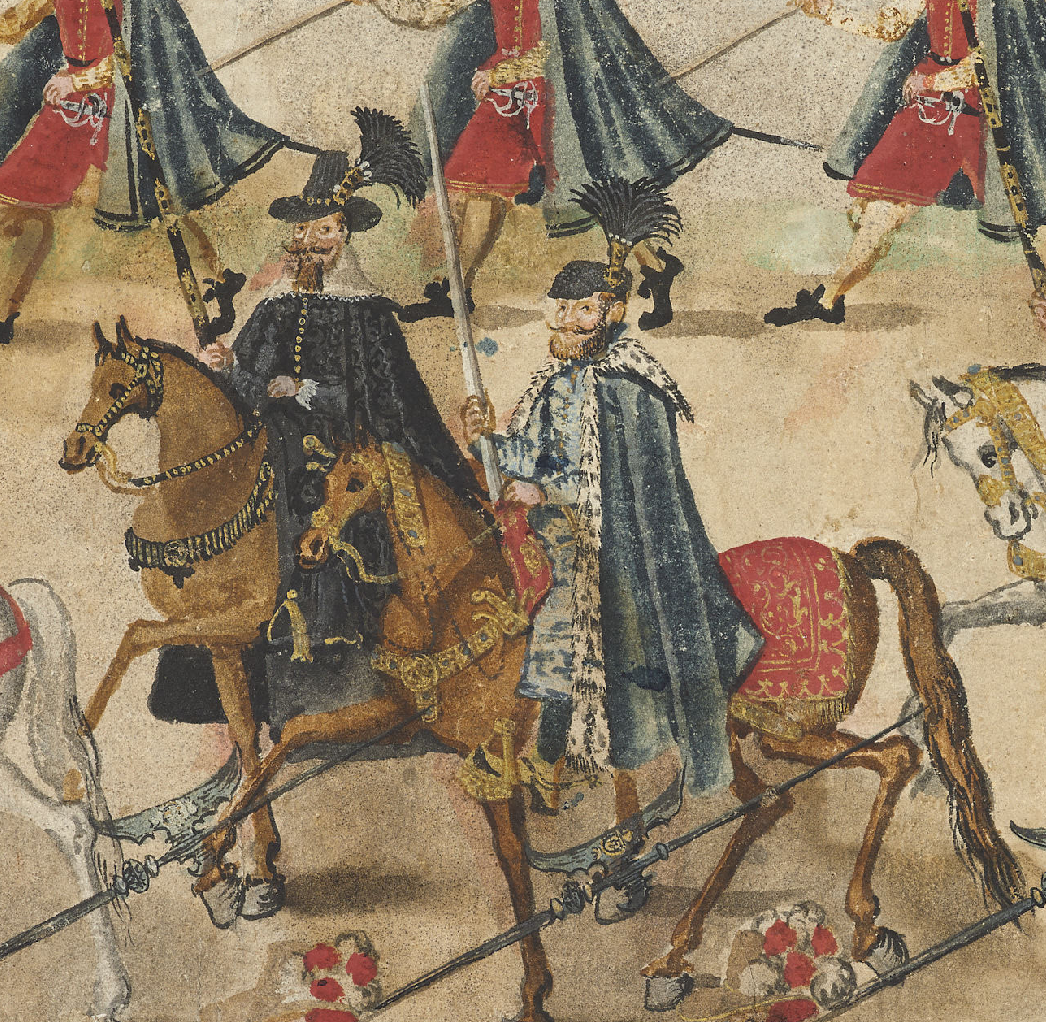
The Krakow entry was commemorated in the fabulous scroll painting known as the Stockholm Roll - this name is due to the fact that the Swedish king  had the painting taken from the Warsaw Royal Castle in 1655AD and it had been stored in Sweden until returned by prime minister Olof Palme in 1974. 


One of the officials depicted in this gouache painting is senator Krzysztof Dorohostajski vel Dorohostayski (Leliwa coat of arms),


 who was the grand marshal of GDoL during this time. 

Dorohostajski is dressed in a Spanish or Italian dark costume of the period, holding his staff of office

Pan Krzysztof, an authority on war, law and horses, is riding a bay or rather a  chestnut horse, presumably a stallion, himself being a famous writer of a horsemanship treatise, Hippika,  published in 1603, and formerly a winged hussar companion and at that time a captain of  his own winged hussar company. He would participate in the wars against Sweden and Muscovy until his passing in 1615.
Dorohostajski horse's tack appears to be very splendorous and exquisite, gold pieces on the black background, with gold or gilded stirrups.  
The court marshal of GDoL, Piotr Wiesiolowski (Ogonczyk coat of arms),


riding on a chestnut stallion next to Dorohostajski, is dressed in a prevailing then Hungarian style of  costume, his horse furniture more like of the winged hussars, and he has a sword under his thigh.  All gilded and ornamented with precious and semiprecious stones and perhaps pearls. 

                                                                                              ***

Nota bene our then king and groom, Sigismund III Vasa, is depicted as mounted on a dark chestnut stallion 


and his bride and queen to be, Constance of Austria with her royal entourage in the carraige: her mother archduchess  Maria Anna, her sister Maria Christierna and king's sister princes Anna


enjoy

Valete


Tuesday, December 3, 2024

Ancient Egypt, Ramses II & lasso, rope, lariat.

 Salvete Omnes,


there is a word in the American English for a  long rope with a running noose used to capture cattle or horses that comes from Spanish language.
Namely, it is lasso, which comes from a Spanish noun: el lazo; this lariat, lasso, or rope with a noose (arkan in Polish) used for lassoing animals and people  is a very ancient device, invented many thousands years ago by the Stone Age hunters. 

Now,  we will quickly time travel to the ancient Egypt, where in one of their temples (started by pharaoh Seti I and completed by his son Ramses II)  at Abydos there is so called Corridor of the Bull


In ancient Egypt the sinewy lasso had cosmic implication - eg this article explains some aspects of the religious meanings of a lariat.


but this New Kingdom imagery was just a continuing tradition and use from the oldest Egypt dynastic periods - the Old Kingdom.
There is the so called mastaba of Akhmerutnisut (5th Dynasty, 2494-2345BC) where the tomb sponsor is depicted as a hunter wielding a lasso (more details in Ines Torres'  article). While in the mastaba of Raemkai (MET) 'prince' is hunting gazelles with a lasso.

Nota bene, there are tomb imagery showing rope making (plant fibers and leather, eg this one) , while in this article by Emily Teeter you can learn about the rope making, techniques and its terminology in the ancient Egypt. 

Unfortunately the book from Cambridge Univ. Press - The Material World of Ancient Egypt, does not have anything about lasso and its use in the ancient Egypt - the rope chapter is by far so much weaker than any of the articles listed above - nor it mentions the use of rope in warfare,  hunting, war and animal husbandry (but for animal halters and fishing).. 

Valete