Tuesday, February 14, 2023

Favila de Asturias' Last Kiss

 Salvete,


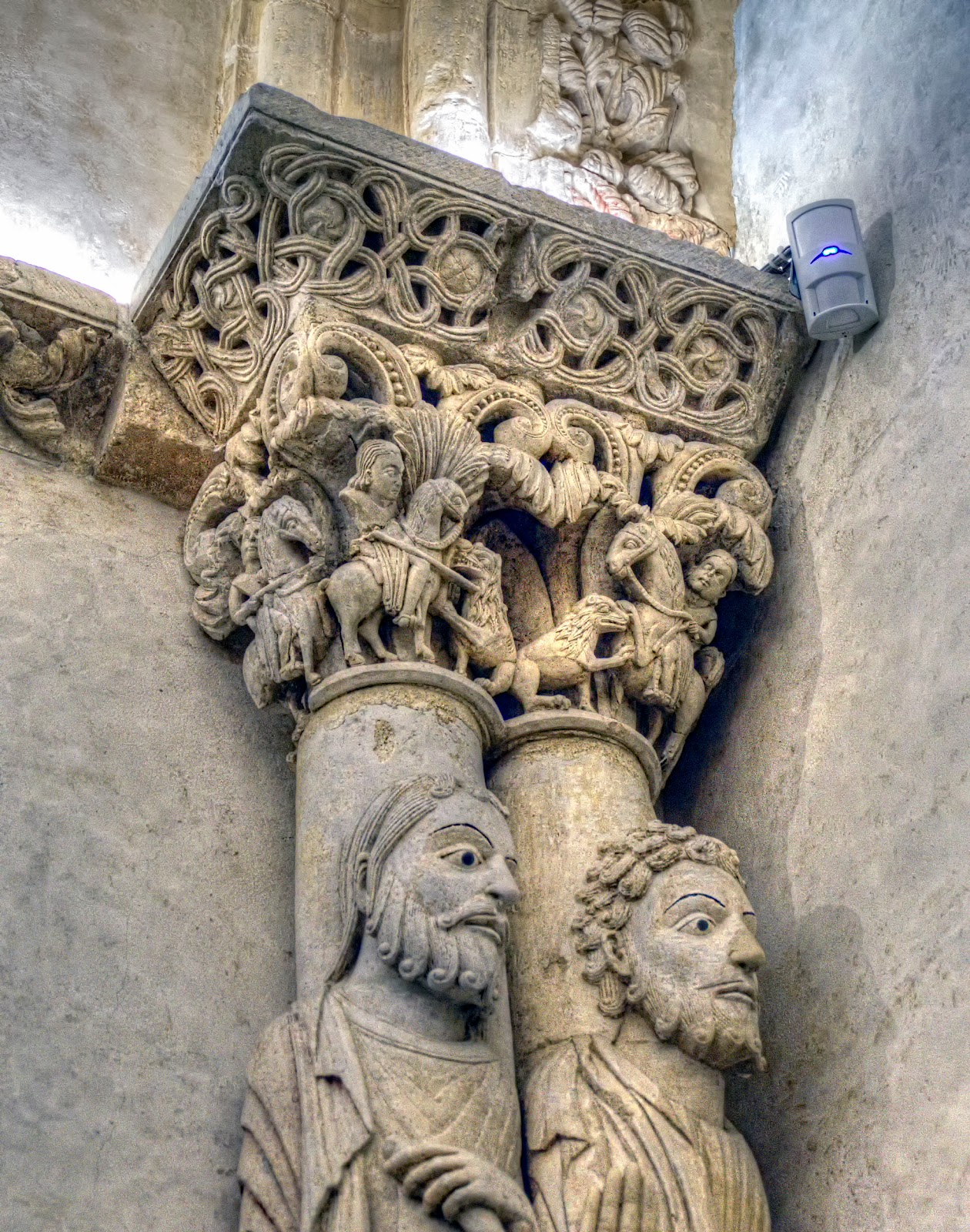
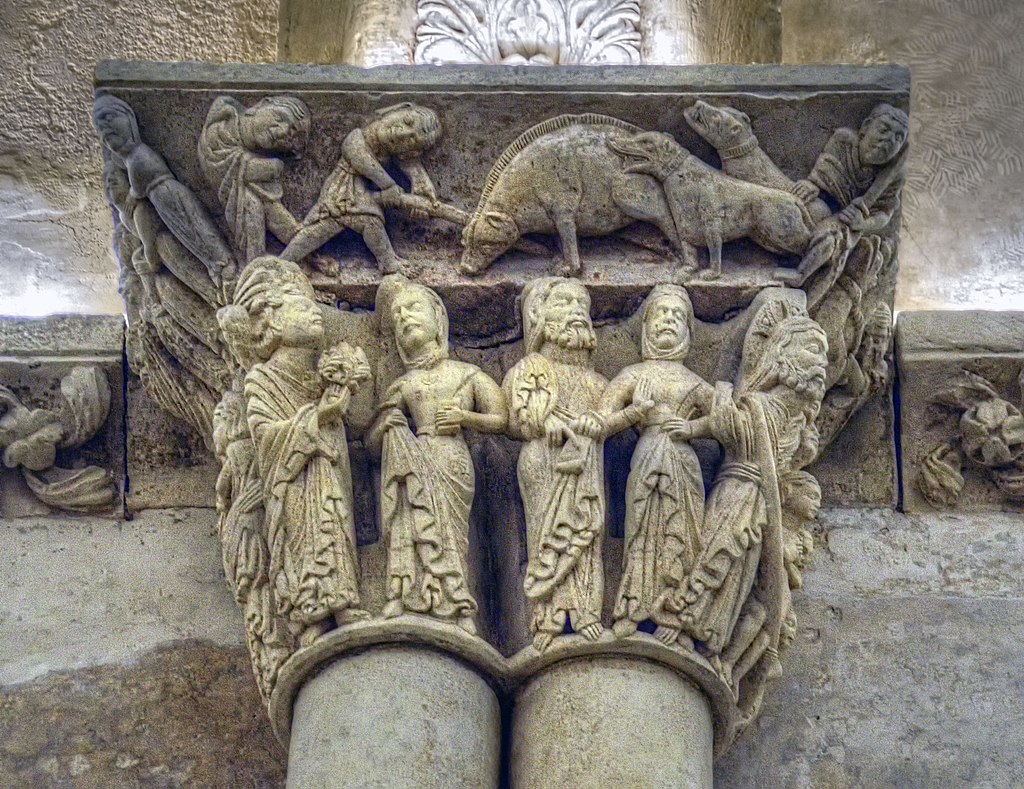
The occasion seems apt - the Valetnine's Day - so let us look at this XII century Spanish art showing king Favila de Asturias (son of king Don Pelayo and the 2nd king of the Kingdom of Asturias) and his wife Foiluba.
The Christian Reconquista (reconquest) of the Iberian peninsula from the Moorish occupation started with these Visigothic Asturian dynasts, with the legendary battle of Cavadonga, 722AD.  


From his capital Cangas de Onis Don Favila ruled but for two years, and in 739 was killed by a bear while hunting. He was burried


At the defunct monastery of San Pedro de Villaneuva (presently a parador aka hotel) there is Romansque art showing this Asturian king and his, in the spirit of Valetine's Day, beloved wife.


and there is a capitel carving  showing the royal couple in their last farewell
 and another capital sculpture showing hunters (XII century attire etc) hunting lions? or bears?


King was buried inside the small church he had founded - the  Santa Cruz de Gangas de Onis, and where he wife was also buried with him. but this temple   was destroyed and rebuilt twice (in 1632 and during the Spanish Civil War in 1936, when local Republicans? or Communists? destroyed the building to show the ancient dolmen that had been an integral part of the Christian temple) in its history, . But no trace of the  earthy remains of these royals can be found nowadays. 


enjoy your Valentine's Day

Valete

Sunday, February 12, 2023

In the saddle, on horseback - The art of war of the conquest-era Magyars - a film

 Salvete Omnes,

X century Magyar horse archer from Basilica Patriarcale (Aquileia)


a short entry - 
there is an amazing production to be watched on the web.
Namely, Digitalis Legendarium, from Hungary, produced a 28 minutes film titled:
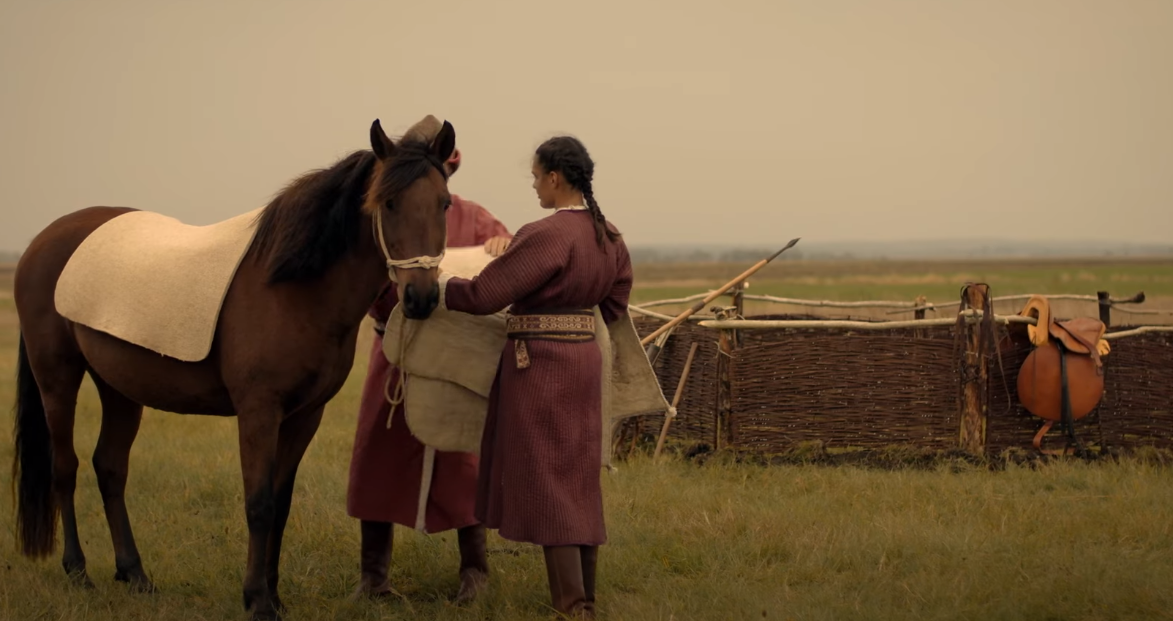
In the saddle, on horseback - The art of war of the conquest-era Magyars. - link here. 

a screen shot - 


It is breathtaking presentation of the Magyar warriors and their military equipment in a very short, beautifully shot and presented video production. We get to see the bowmaking - arrows, recurve Hungarian bow, quivers, and bowcases, including straightening the arrow shafts with a special but simple device ; iron smithing , forging sabres and making them beautiful, making helmets and chainmail etc
We get to see the display of historic horsemanship & horse archery, and spear, battleax, and sword skills while astride the fabulous Hungarian horses. 
Then there is a segment on Magyar miltary organisation, strategy, tactics, and a short story of their campaigning in the early X century Italy etc. 
at the end we get a list of archaeological sites  from where this film reconstructed objects originated.  

enjoy 
ps
the makers of these Netflix,Disney or Amazon etc films and movies could learn a thing or two about how to show history and make it amazingly accurate and pleasing to the eye too.. alas, they gave us the horrible Witcher, Rings of Power and some other ridiculous imagery of the viking or some other fantasy.. 

Valete

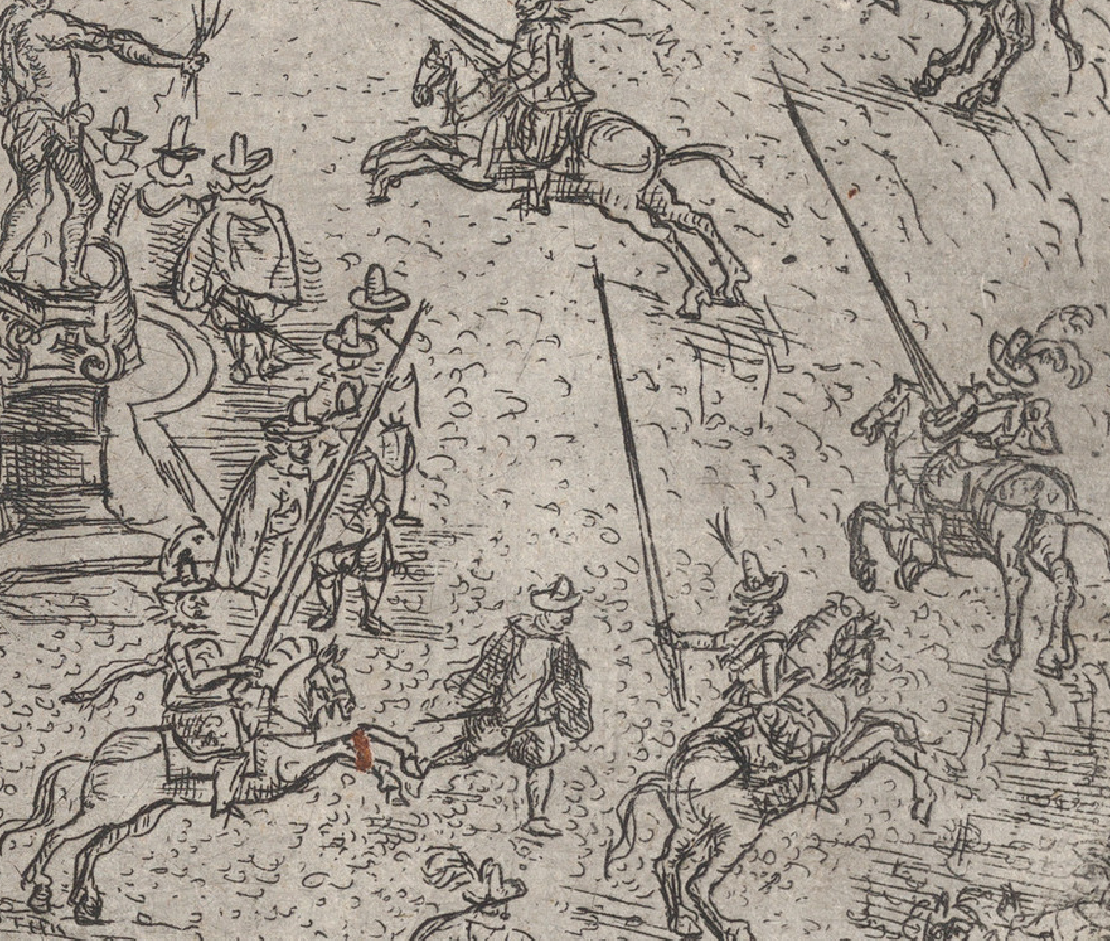
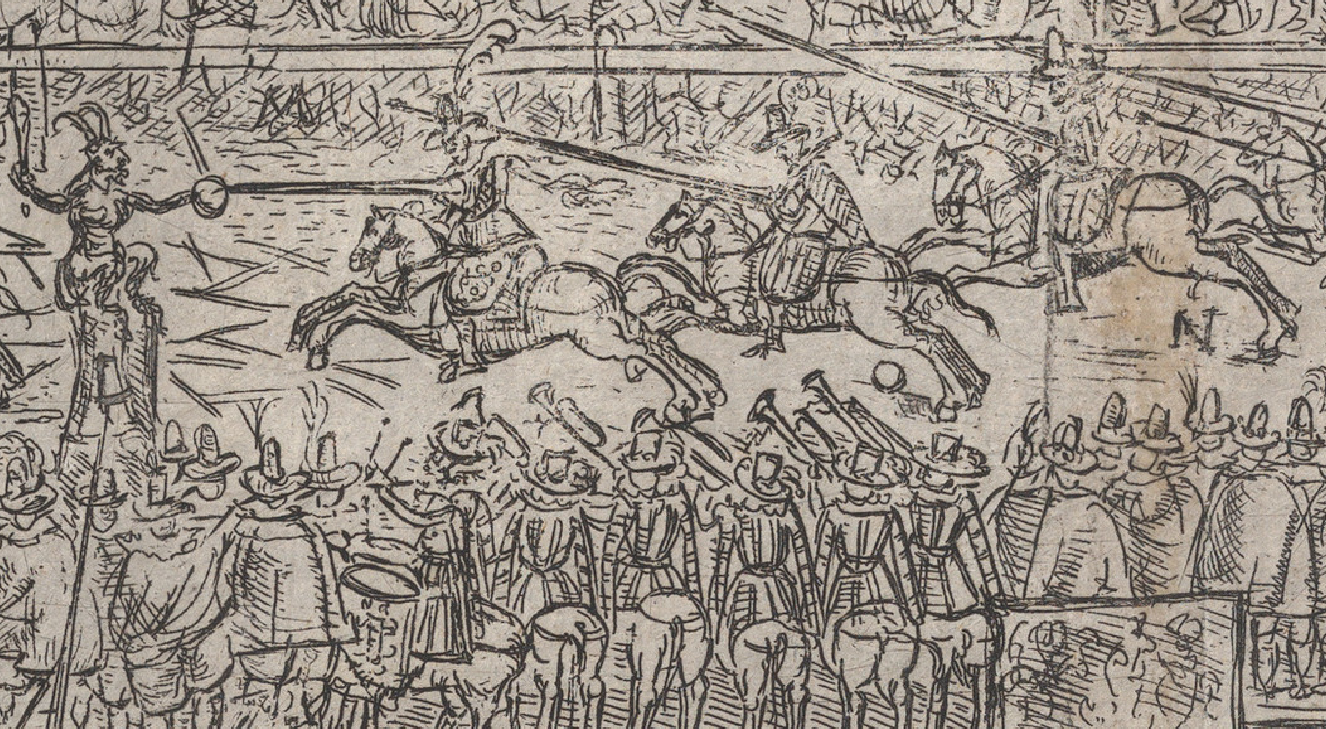
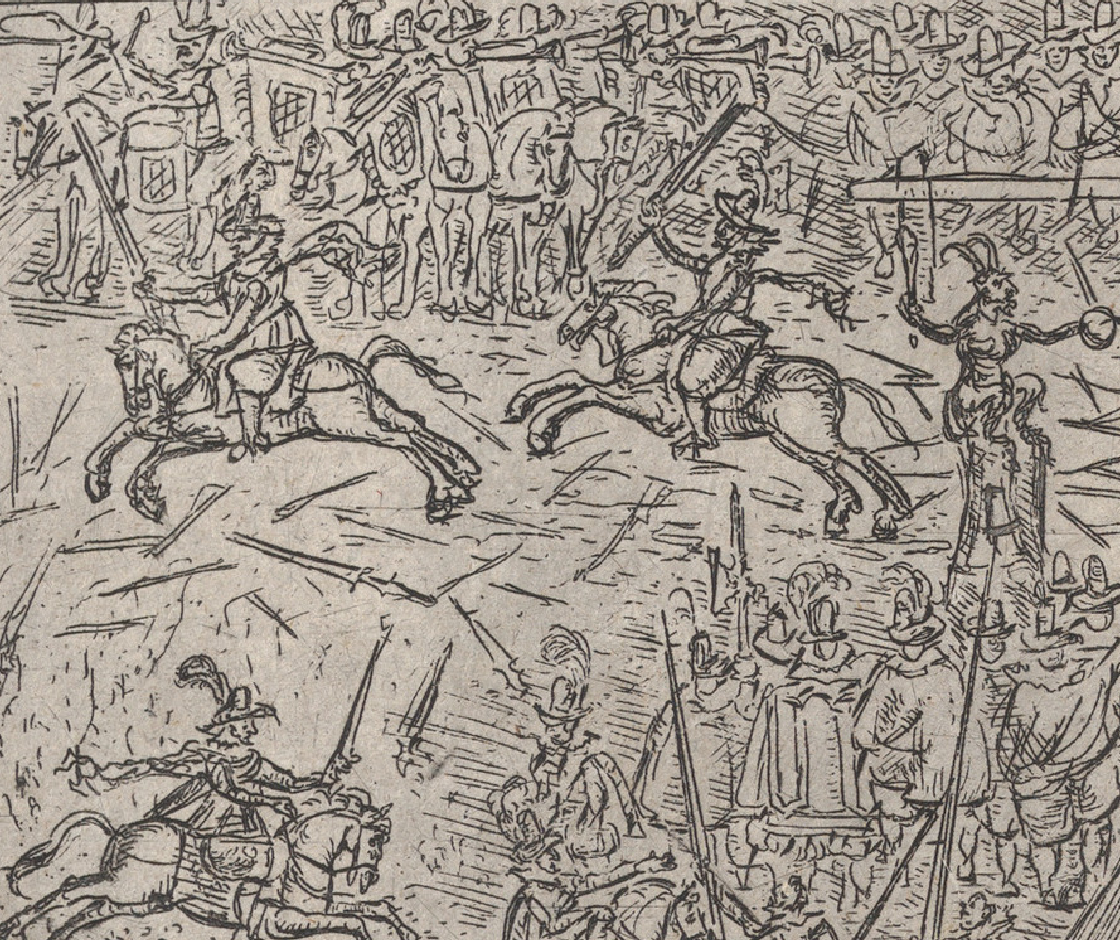
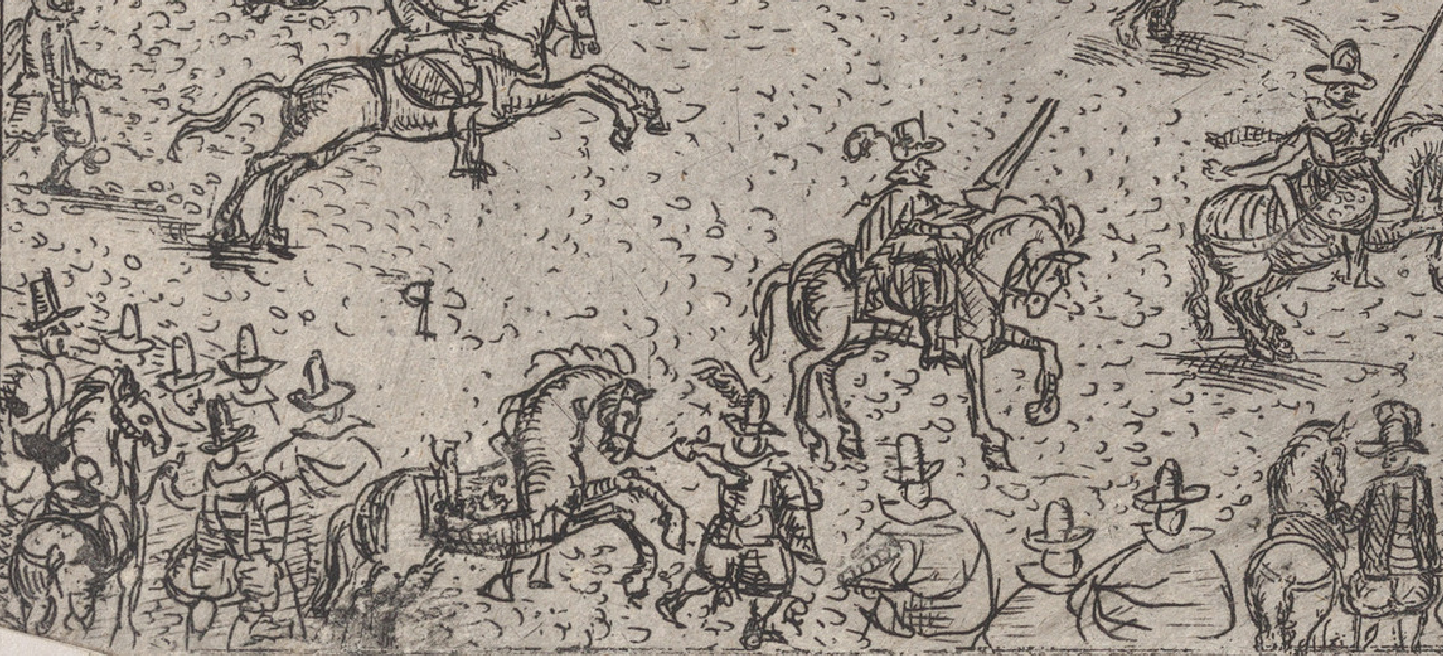
Wilhelm Peter Zimmermann - quintain at the wedding feast

Salvete Omnes,

back to the XVII century 

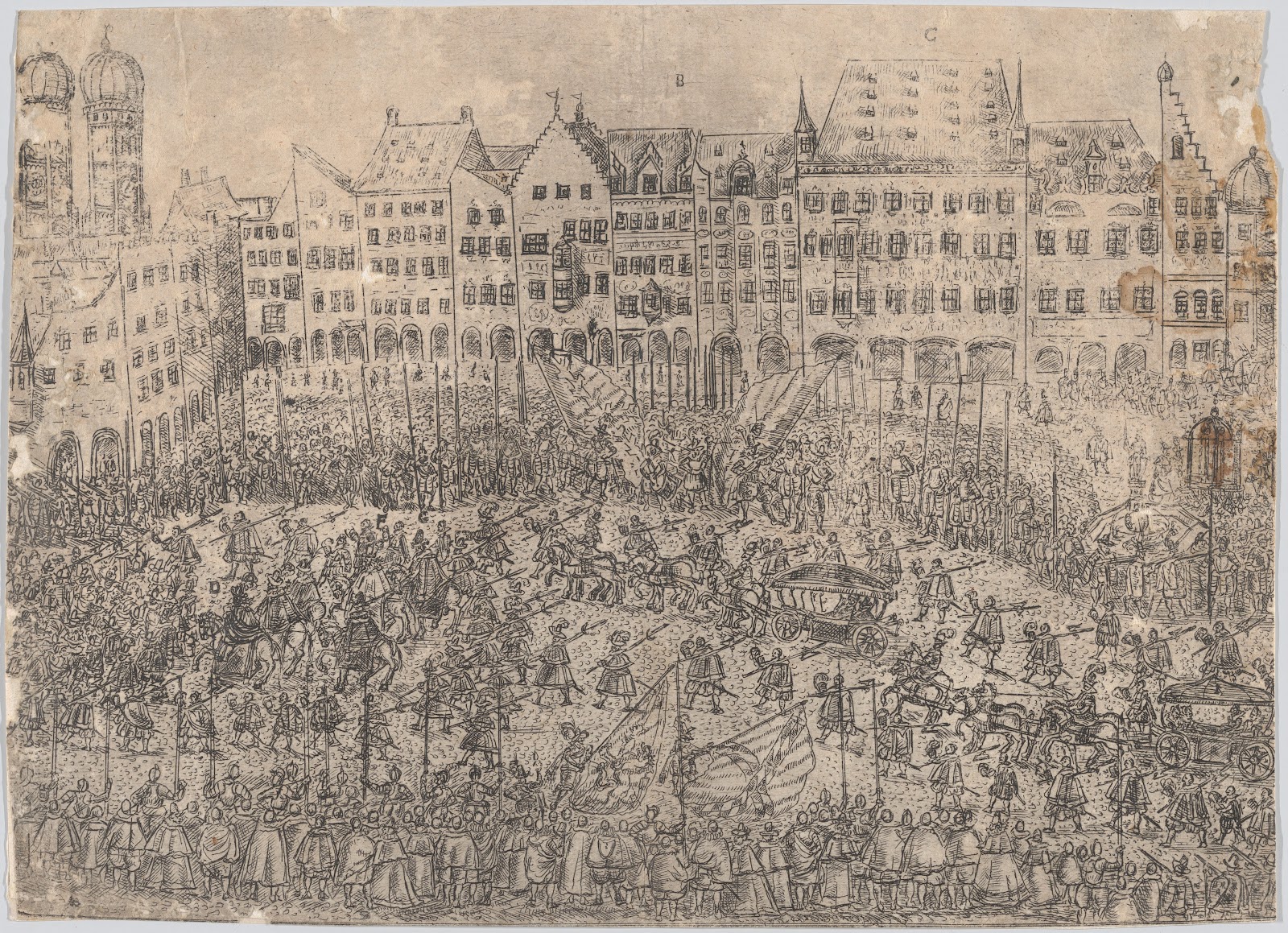
quintain with lances


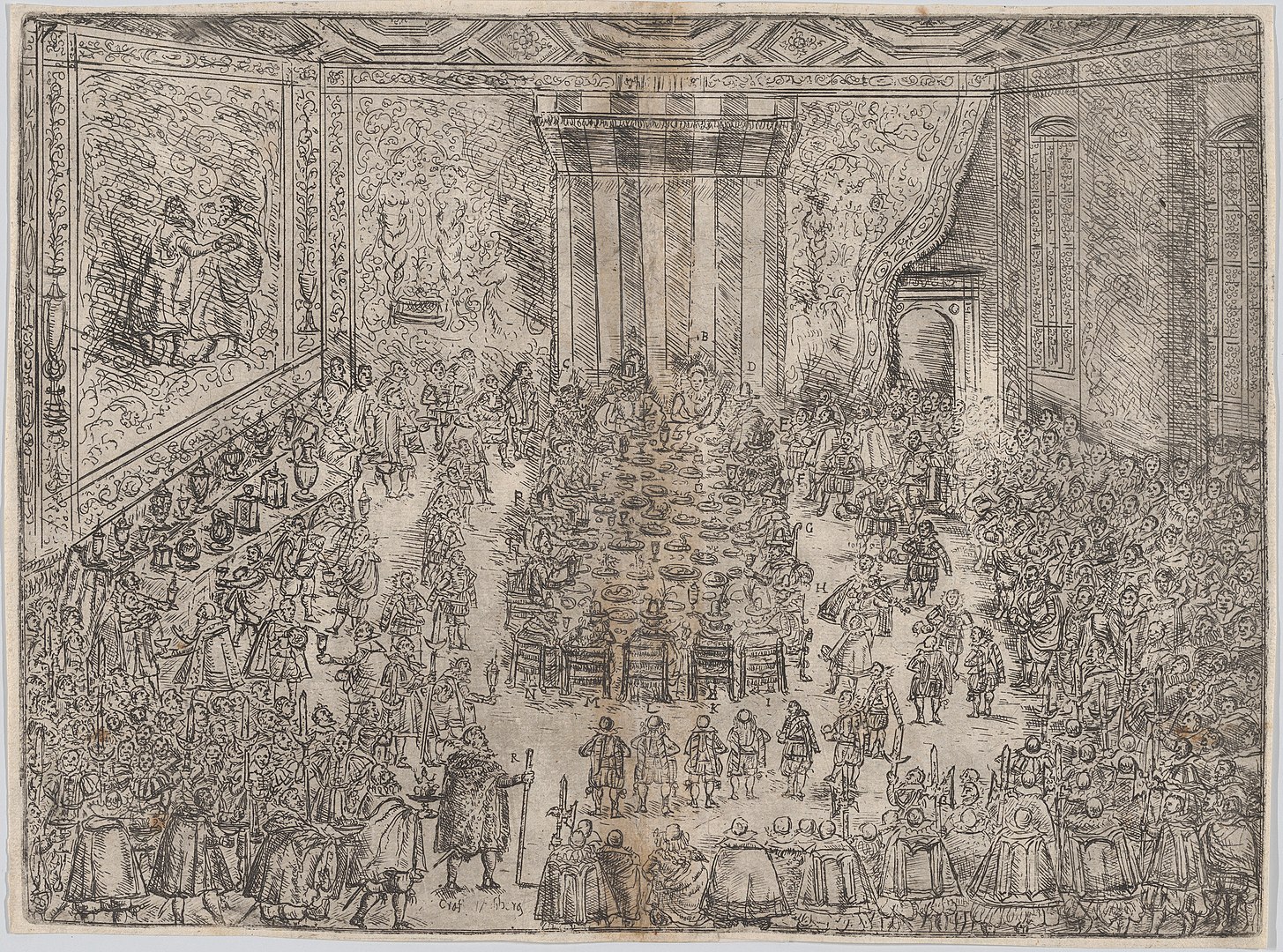
 let us move fast - so, the German printmaker Herr Wilhelm Peter Zimmermann (1589-1630) did execute 11 etchings and based on them a number of  prints celebratory of the noble wedding of the houses of Bavarian Wittelsbach  and Pflaz(Palatinate)-Neuberg Wittelsbach.
From MET description:

This print is one of 11 etched illustrations from a book containing a description of the wedding festivities for 

Wolfgang Wilhelm, Duke of Pfalz-Neuberg, Pfalzgraf (1578–1658 - great portrait with his dog) and Magdalena, Duchess of Bavaria (1587–1628) (beautiful portrait here). 

The marriage took place in Munich on November 12, 1613, and the commemorative book was published by

 Wilehlm Peter Zimmermann in 1614 in Augsburg. 


Plates 4, 7, and 10 are in the collection of The Metropolitan Museum of Art.

Book title: Beschreibung und kurtze Radierte entwerffung der Füsrtlichen Hochzeit So Der Durchleuchtig und

Hochgeborn Fürst und Herr Herr Wolffgang Wilhelm Pfalzgraff bey Rhein/ Hertzog in Bayrn... Mit.. Fürstin Fraw 

Magdalena Pfalzgräfin bey Rhein Hertzogin in Obern und Nidern Bayrn. 

Zu München im sechszehenhunfert und dreyzehenden Jahr den zwölfften Novembris Celebriert und gehalten

 (Wilhelm Peter Zimmermann, Augsburg, 1614)


...
 I will 'dissect' a bit the plate showing lancers on horseback , showing the stages in this quintain


Herr Zimmermann executed plenty of etchings showing Hapsburg-Ottoman wars in Hungary, but these we will save for later.


enjoy

Valete

Friday, February 10, 2023

David Deevad Revoy - new 2023 bundle of brushes for Krita

 Salvete Omnes,


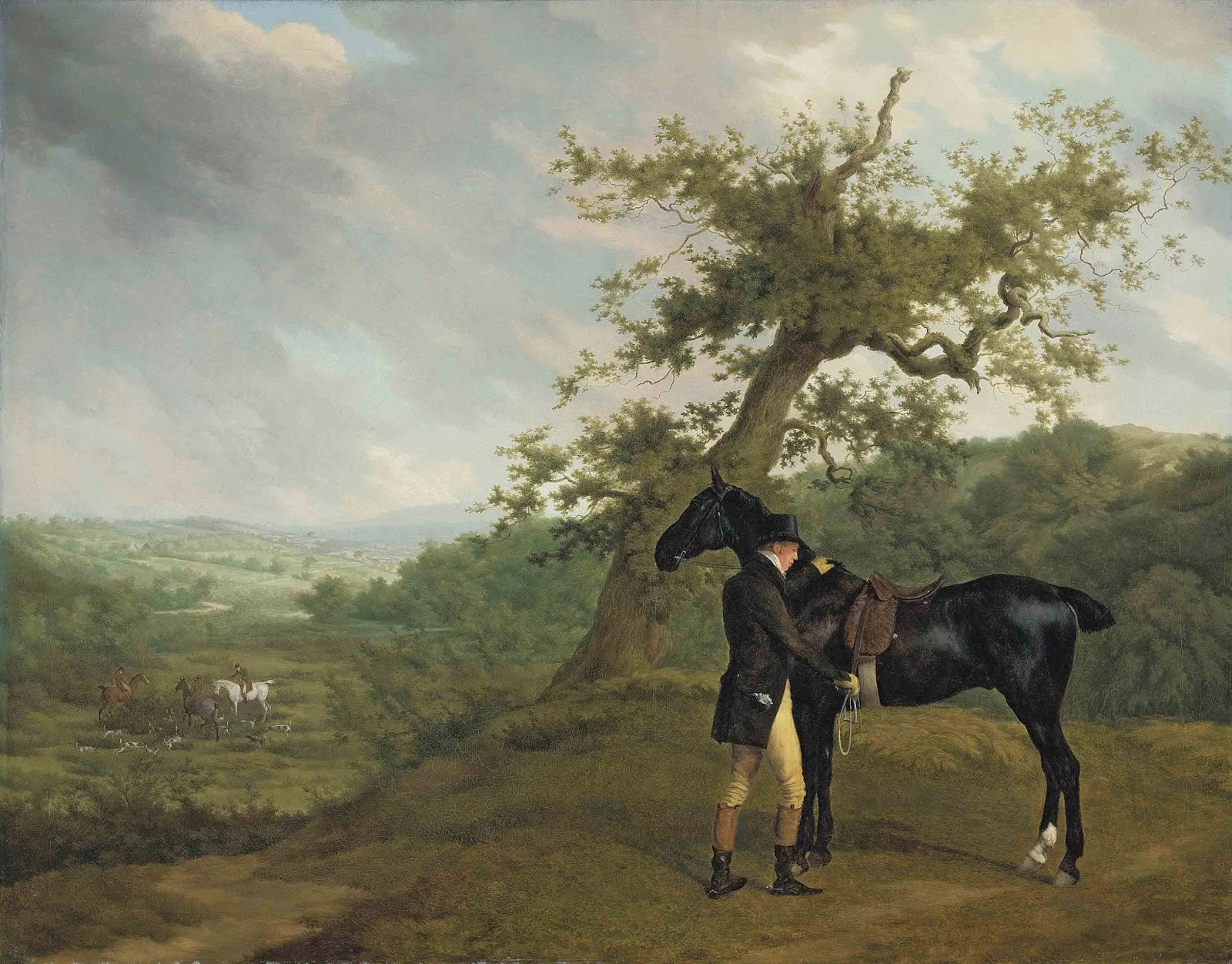
Jacques-Laurent Agasse - George Irving with his black hunter


perhaps my very shortest entry this far - namely,
I use Krita and enjoy this software digital painting program a lot.
French master of digital brushes monsieur David Revoy aka Deevad came up his newest digital brushes creation - first bundle for this 2023.

You can get it at David's website - merci David! 
On David's YT channel you can watch and practice along with David.

Enjoy and paint away -


Valete
Tuesday, February 7, 2023

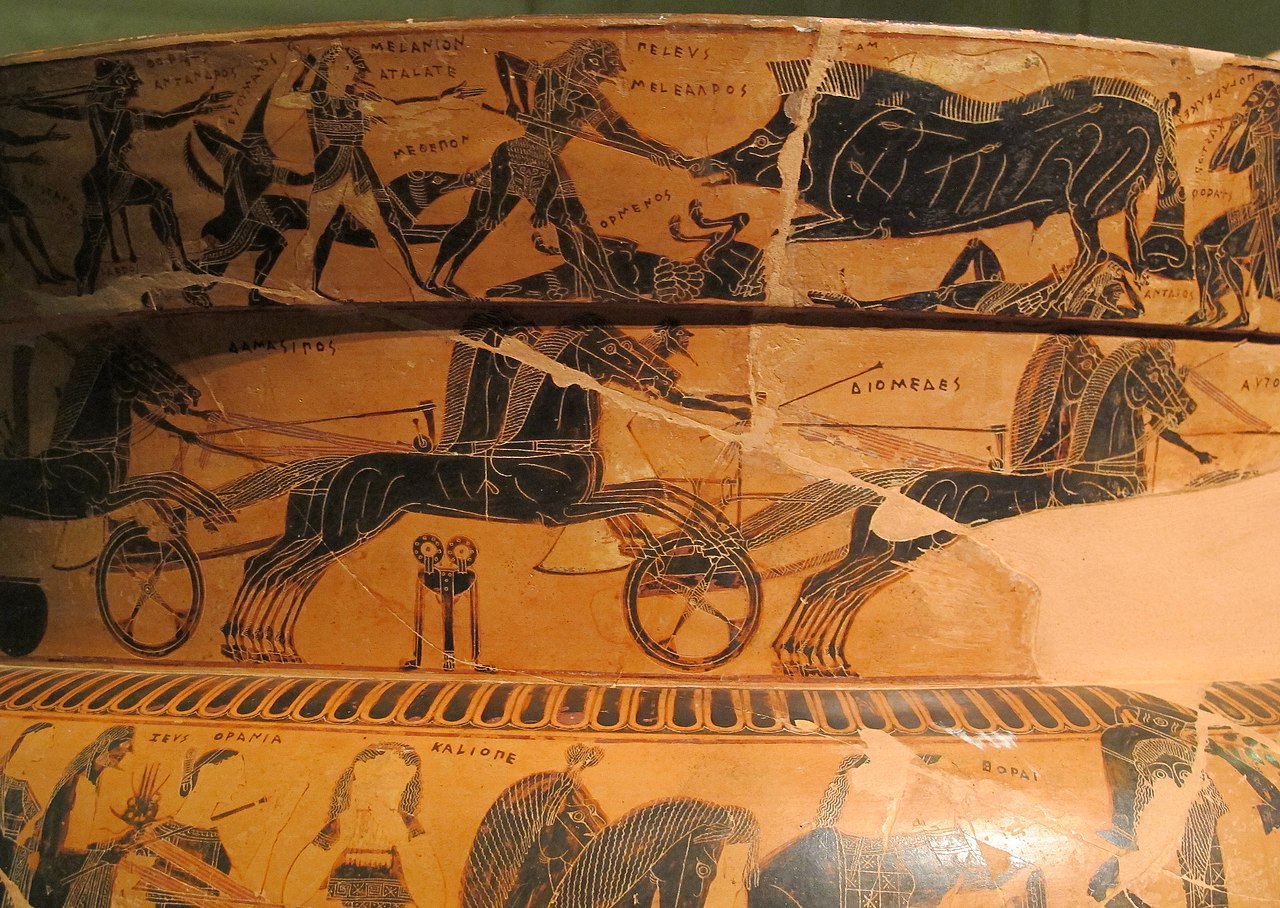
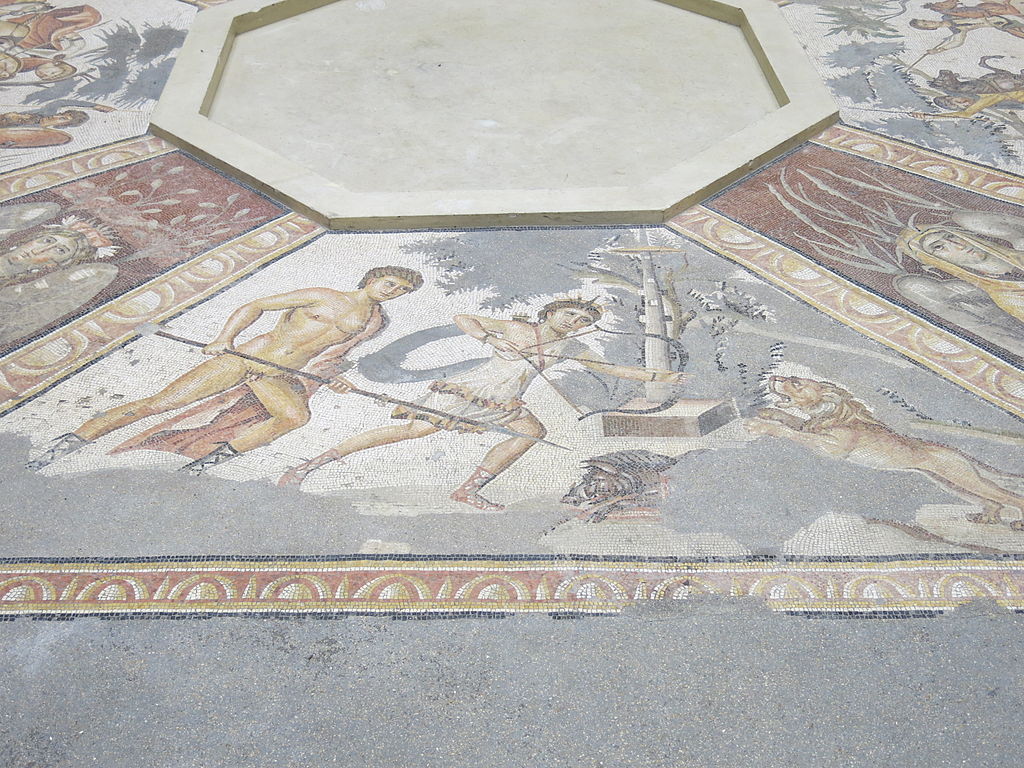
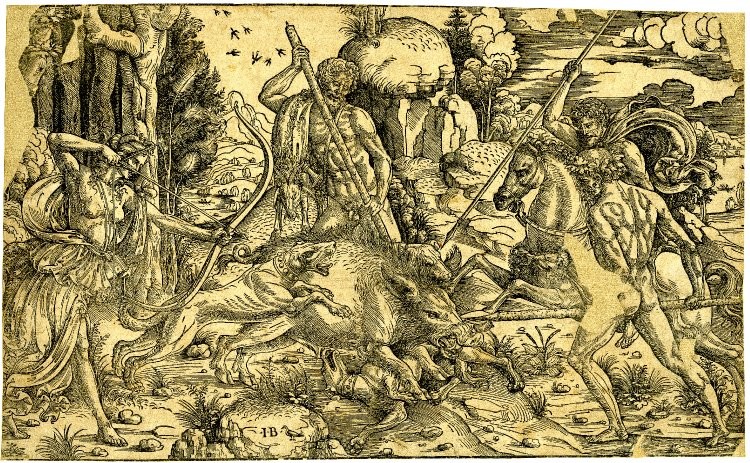
Hunting Spear - in chase and war I

 Salvete Omnes,


I am to devote more than several posts to the hunting spear, this ancient and very particular shafted weapon that for hundreds of years was used for hunting and war. Known as  'boar spear' 9or the  heavier version as boar spear) or as the French called it l'epieu, or the Slavic hunters rohatyna/Рогатина, Germans called it Saufeder/Bärenspieß, Italians chiavarina? (lancia di cinghiale) etc.
Hunting was done with a spear on foot or on horseback - nota bene there are videos on Yt showing a successful wild pig hunt with a bow & arrows on horseback (no saddle nor stirrups) from the US of A.
Caveat*
The illustrated material is rather graphic - so you are against hunting and against seeing images of hunt and war (albeit in traditional painting, textile or engraving etc) , then please do not continue perusing further down this page -
***


Valete

Monday, February 6, 2023

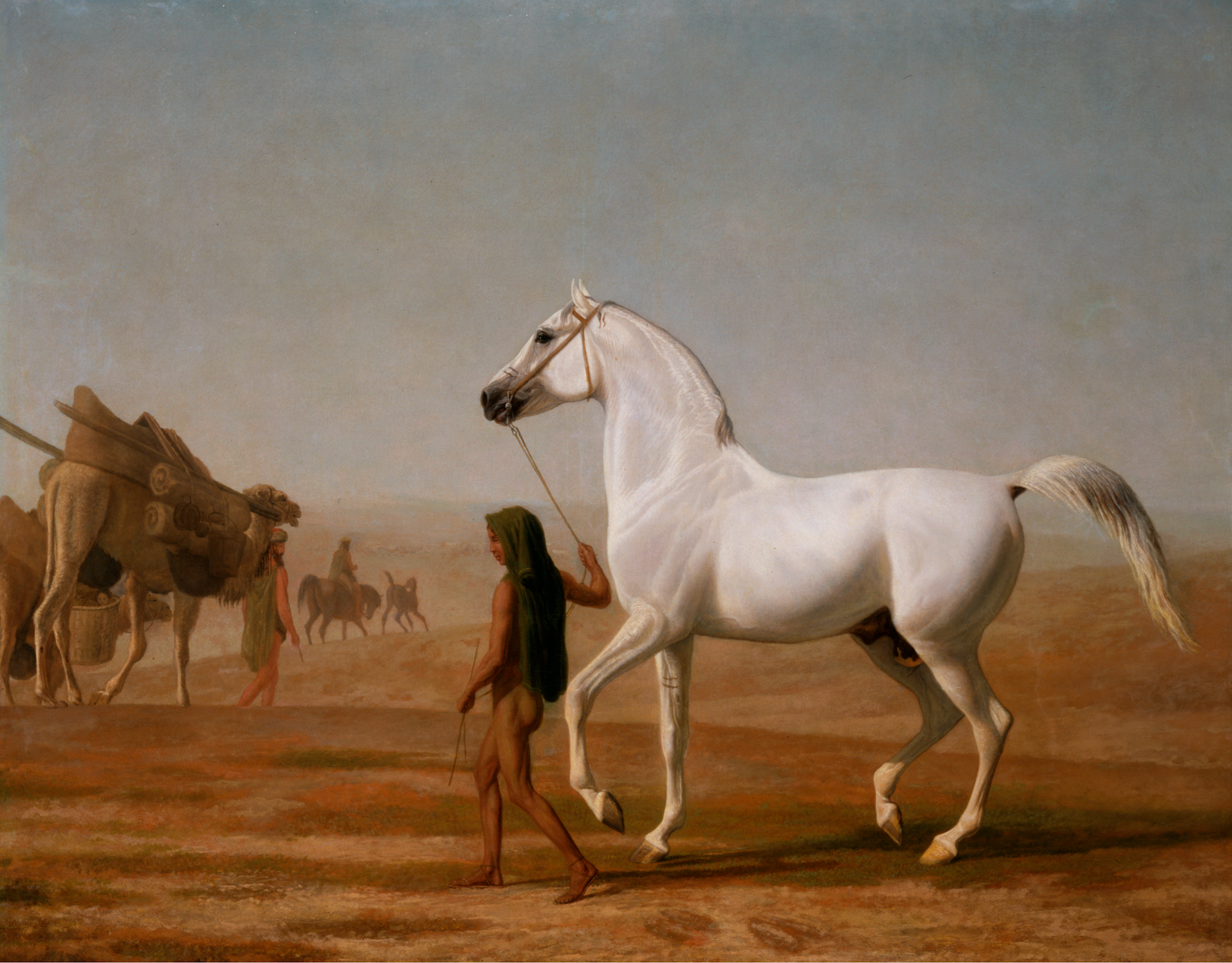
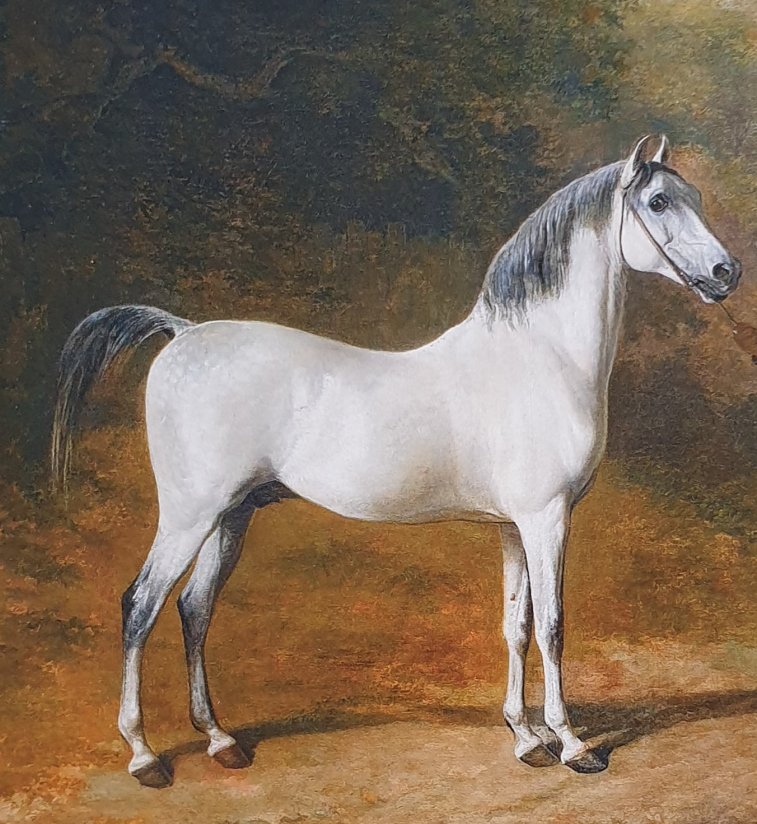
J.L. Agasse - The Wellesley Grey Arabian

 Salvete Omnes,

almost 9 years ago I posted some info and several paintings by a Swiss painter Jacques Laurent Agasse.
Perusing Yale [University]  Center for British Art I came across 20 works by maestro Agasse.
One of the paintings show The Wellesley Grey Arabian being led through the Desert. It was a historic horse, bought in the desert near Basra(?) and transported to British India, where this grey stallion was bought by  Henry Wellesley, 1st Baron Cowley, brother to Arthur Wellesley,  1st Duke of Wellington,  and ws brought to the British Isles, where he contributed through his progeny to the Thoroughbred horse breed (dame Maria - descendant of Godolphin Arabian - bore Fair Ellen, Fair Ellen bore Lilias and The Exquisite) - more info about the Wellesley Grey here .


another grey  Arabian stallions by maestro Agasse's brushwork:


Valete

Cardinal-Infante Ferdinand of Austria on horseback

 Salvete Omnes,
Peter Snayers pinxit


I already posted one Ferdinand Hapsburg , the joint- victor of Nordlingen 1634, hence it behooves me to post these portraits of cardinal-Infante Ferdinand of Austria. They were painted by many masters of brush and oil paint.

Let us start with this one by Gaspar de Crayer


and other famous masters of the ear - don Velazquez, maestro Rubes,
Diego Velazquez pinxit

Rubens or his atelier pinxit
Jan van den Hoecke pinxit

Cornelisu Schut pinxit


Alexander Voet I fecit

now, this portrait is accredited to Adam Franois/Frans van der Meulen (1632-1690 ) while whereas our Cardinal-Infante died in 1641.
So this is an imaginary portrait I suppose


this bridle is adjusted above the browband
large padding under the saddle?


Valete