Salvete Omnes,
210 years ago French, Dutch-Belgian, Prussian and British armies met at Waterloo (I am going to do a separate posting about the battle of Wavre).
10 years ago I posted about the grand reenactment festival that took place at Waterloo.
This past decade has not been the best for us, human beings, in the Western world. And new wars are taking place, in addition to the Ukraine-Russian Federation catastrophic war, as of past week - the Israeli attack on Islamic Republic of Iran (the site of my beloved ancient Persian civilization). God have mercy on all of us.
 |
| the saddle is placed too much forward or high on the withers in this display, perhaps indicating museum curators ignorance of principles of saddling and riding with a saddle on |
Ad rem,
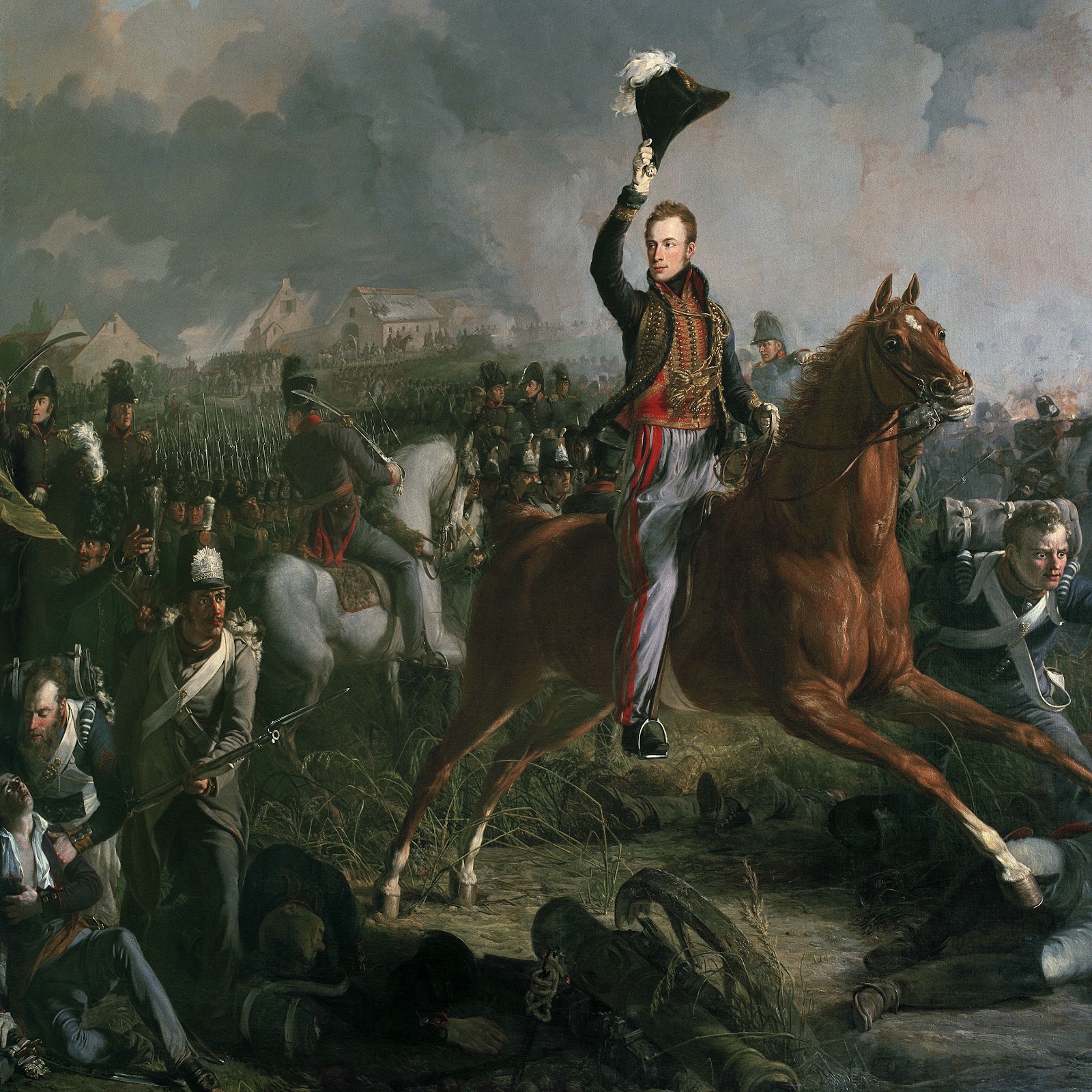
At Waterllo Commander of the 1st Corps of the Allied army William, Prince of Orange ( future William II of the Netherlands ), had a horse, presumably among many mounts his royal highness had to posses in his staff, that was called Wexy.
Wexy was an Irish hunter(?) or half English Thoroughbred, perhaps a light bay? Hard to tell from the photos.
According to the linked article it is unknown how and when this horse came into prince's possession. Perhaps during the campaigning in the Iberian Peninsula from 1811-1813, where Prince was part of the Duke Wellington's staff. Prince of Orange was popular with the British and they called him 'Slender Billy.' In Spain prince William took part in the siege of Badajoz and the battle of Salamanca.
Prince of Orange and his mount were hit by a bullet half past seven (7:30 PM) during the battle of Waterloo.
.
This warhorse lived to a tender old age, dying in 1839 or 40, having been foaled circa 1801 in Ireland.
 |
| here the saddle was placed correctly on Wexy's back, without impacting the scapula/shoulders and without restricting the movement |
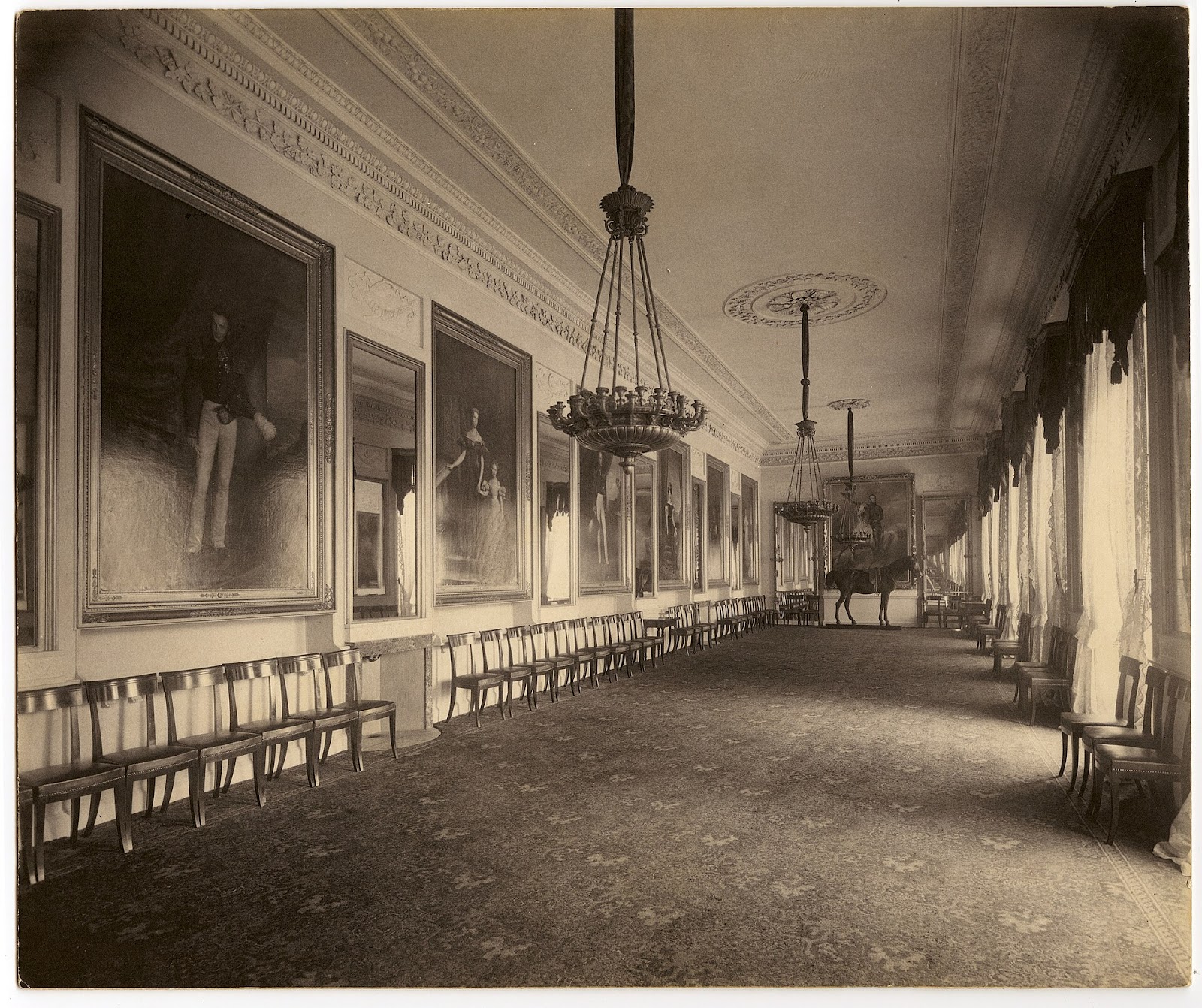
The horse was stuffed and mounted on display in Gothic Hall at Kneuterdijk Palace, and since 1900 at the Royal Stables. Daily Mail article erroneously claimed that Wexy was killed during the battle of Waterloo.
the painting showing prince William at Quatre Bras seems to be showing a different, chestnut horse, since Wexy had no socks.
I wonder if the horse in this
equestrian monument of William II was modeled after Wexy.
Valete