Salvete omnes,
let us travel on a fast horse to 1331AD, when on 27th of September or 690 years ago Polish Crown army 'ambushed' the Teutonic Order army rearguard marching towards Brzesc Kujawski, in their, Teutonic Order, attempt to conquer the duchy of Kujawy, and divide the Polish kingdom etc.
The Polish realm, slowly raising from the XIII century divisions and fragmentation, was ruled by His Majesty Wladyslaw I had been at war with the Order for a long time, from a hybrid war to an open combat et; mostly because the Order conquered the Baltic province of the Polish realm- the Gdansk Pomerania, and also took by false pretenses the Ziemia Chelminska (Tierra Culmenssis), and had ample designs to take more.
The latest truce between the sides, negotiated already in the fall of 1330Ad with the arbitration by king of Bohemia John of Luxembourg and the papal legate, with was to expire on June 24, 1331.
The Grand Master Luther von Braunschweig had planed to meet with the king of Bohemia's army near Kalisz (Calisia of the ancients) in the central part of the Polish kingdom in mid, crica 21st of September 1331AD.
Firstly, in the early summer the Order sent a raiding army to raid, kill, pillage and burn Duchy of Kujawy, Polish king's ancestral province, in order to reduce potential operational and economic abilities of Kujawy (Cuiavia) as the bulwark against the Order invasion of Polish Kingdom. Commanded by Grand Marshal Dietrich von Altenburg and komtur of Kulm Otton von Luterburg, this force consisted of cavalry only - 200 Order brother knights, and many mounted retinues of Prussian, Pomeranian and Kulm vassals. They crossed the border on the 22nd of July, captured Bydgoszcz, besieged Inowroclaw, marched south towards Kruszwica (where Piast prince Kazimierz Ziemomyslowic ruled), passed that stronghold and continuously burning and enslaving the population reached Pyzdry on the 27th. There they hoped to capture the king's governor and sole heir apparent, prince Kazimierz (future the Great). There, near the town and castle, the Order raiding force came to grips with the Polish forces lead by Wincenty of Szamotuly(who was not fully supportive of his king and lukewarm towards fighting the invasion), Mikolaj of Nowy, and Tomasz of Zajaczkowo. The Order army won the pitched battle, truncating the GreatPoles without destroying them, but perhaps because they saw the gathering of the Polish defenders, stayed on the right bank of the Warta River, and marched on Poznan, the capital of Greater Poland. The Order army was divided, one marching on towards Poznan, while the smaller division went southerly towards Srem. Near Bnin this smaller division failed to break the earthworks defended there the local levy and Polish horse, and this diversion ended with the Teutonic marching towards Gniezno. The Order army took Klecko and burned it, and also took Gniezno, burning the town but for the cathedral and two monasteries. Along the destruction of towns and churches, they burned and plundered villages belonging to the archbishop of Gniezno in Kujawy and Wielkopolska (Greater Poland), enslaving inhabitants and killing those who tried to defend their homes and knightly keeps. Last town to be taken and burned was Znin. This lightning raid ended with the Order army crossing the border and entering Torun (Thorn) castle sometime in the first days of August.

On the 12th of September, a new army, much greater and including infantry, foreign guests aka crusaders, and war and siege engines, left Torun to march onto Kalisz in Kingdom of Poland, to link with John of Luxembourg army of Bohemia there.
The commander in chief was Otto von Lueterberg, Kulm komtur, aided by the council of Grand Marshal Dietrich von Altenburg, Elblag komptur Herman von Oetingen, Gdansk komtur Albert von Oere, Heidrich von Haugevitz, Grudziac komtur Gunter von Schwarzburg, Balga komtur Herman Reuss von Plauen, and Grand Komtur Otto von Bonsdorf. Livonian Sword Brethren also sent a contingent of troops led by Land Master Eberhard von Monheim. The foreign guests or the crusaders were dominated by a large English contingent of 100 knights? knights and men at arms?, led by Thomas de Ufford, son of Sir Rober d'Uffort?.
Prof. Marian Biskup, in his work Bitwa pod Plowcami (1981) estimated this invading army to have been about 7,000 strong - 200 Order knight brothers, 100 foreign knights, about 1,7-1,800 mounted men at arms, and 2000 retainers/ lighter horsemen from Prussia and Kulmland, finally several thousands of the town and peasant infantry and train and packhorse crews, mostly from the Elblag and Balga komturias.
They did reach Kalisz on the 21st nd put the town and castle to siege, but failed to capture strongly defended Kalisz. Meantime, John of Luxembourg failed to appear with his Bohemian army (due to the Polish ally king of Hungary diversion and menace, and actual fighting against Silesian Piast duke Bolko I of Swidnica near Niemcza, so his Bohemian army approached Poznan in the last days of September, too late do accomplish anything). So various raiding columns of Teutonic Knights spread terror and slaughter in the Polish lands, among the towns destroyed they burned and slaughtered Sieradz, the capital of Sieradz land.
On the 23rd the Order army left strongly defended Kalisz, and started marching towards their border.
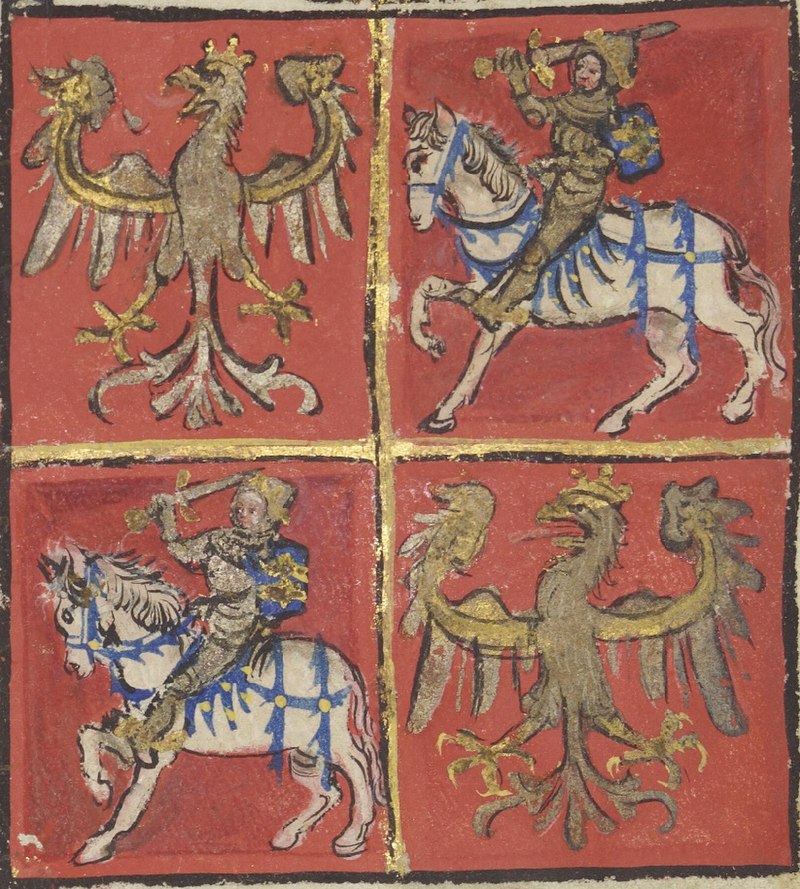
Polish Crown forces, concentrating near Leczyca, were commanded by His Royal Majesty Wladyslaw I, but at first the 'spiritus movens' was duke Wladyslaw Siemowitowic and his local Leczyca land knights and men at arms, and local levy. Soon banners and retinues from Greater Poland, Sieradz land, Little Poland reached the king's concentration area. Wincenty of Szamotuly made peace with our king and even more Greater Poland knights and men at arms joined the royal army, this time already marching after the Order's army.
Thus, the royal army, perhaps 4000 fighting men and horses strong (with servants and camp followers), presented a sizable fighting force ready to inflict some damage on the invaders.
Near Konin the vanguard of the royal army,perhaps ambushed, fought against the sudden night or late evening attack of the Order's rearguard?. Although the fighting was not unfavorable towards our king, Wladyslaw I ordered the army to pull back. Left to their own designs Teutonic army stormed Konin and burned it.
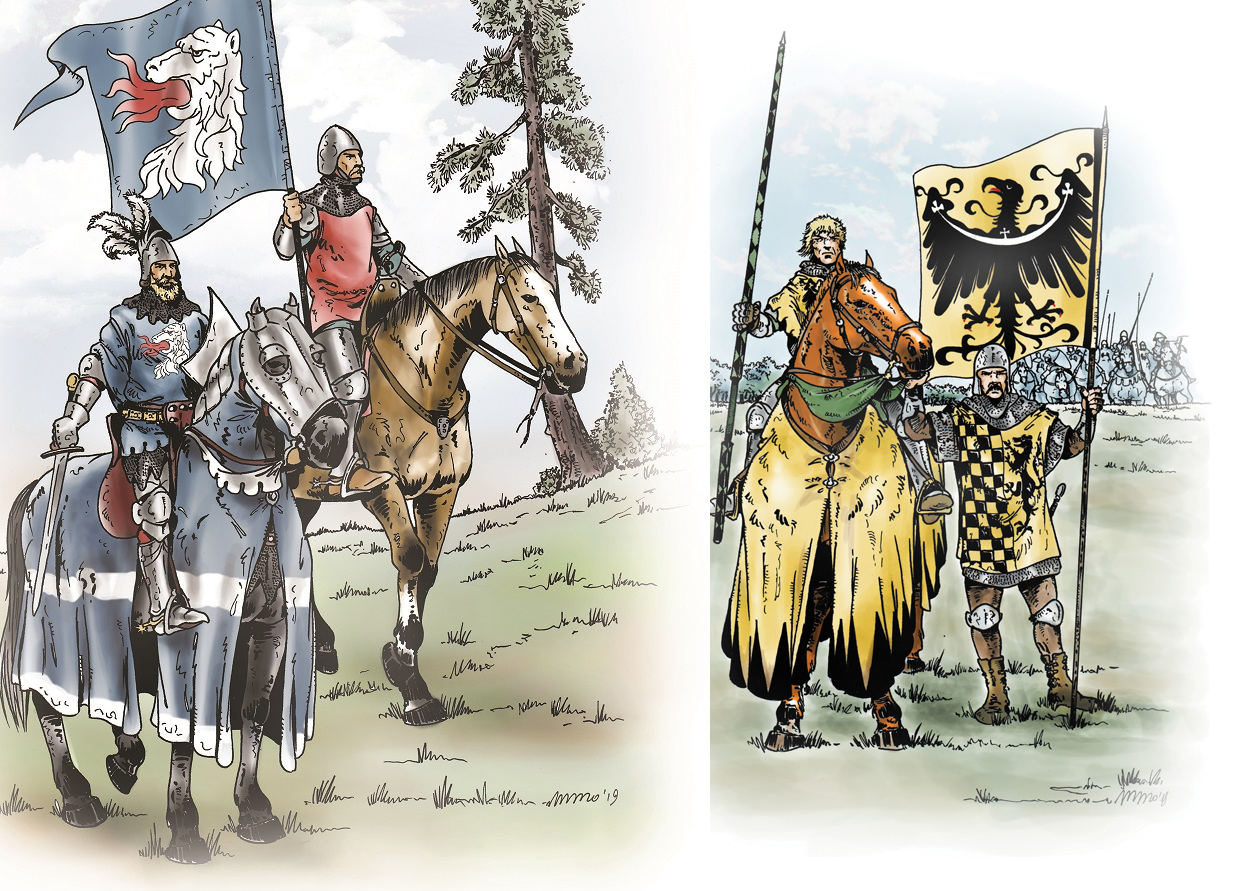
On the 25th the Order troops crossed the Notec River and aiming to capture as many as possible Kujawy towns and strongholds the central command decided to march on Brzesc Kujawski, the capital stronghold of Kujawy. On the 26th they reached Radziejow, only 25km from Brzesc Kujawski. On the 27th the Order army divided, with about 2/3 (5,000?) marching towards Brzesc to set up the siege and siege engines. Otto von Luterberg commanded this division, with Herman Reuss von Plauen commanding his vanguard.
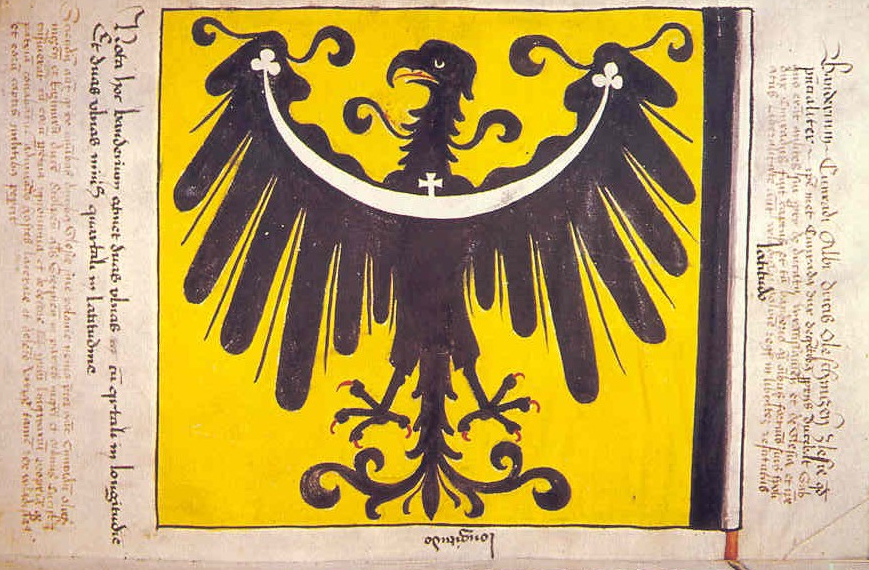
Dietrich von Altenburg was left with about 2,000 rearguard - defined in the sources as minor par exercitus - with perhaps 350 Order knights and men at arms. They had infantry and pack trains and wagons, and food supplies, and the ensign carrying the grand banner of the Order also traveled with this rear-group.
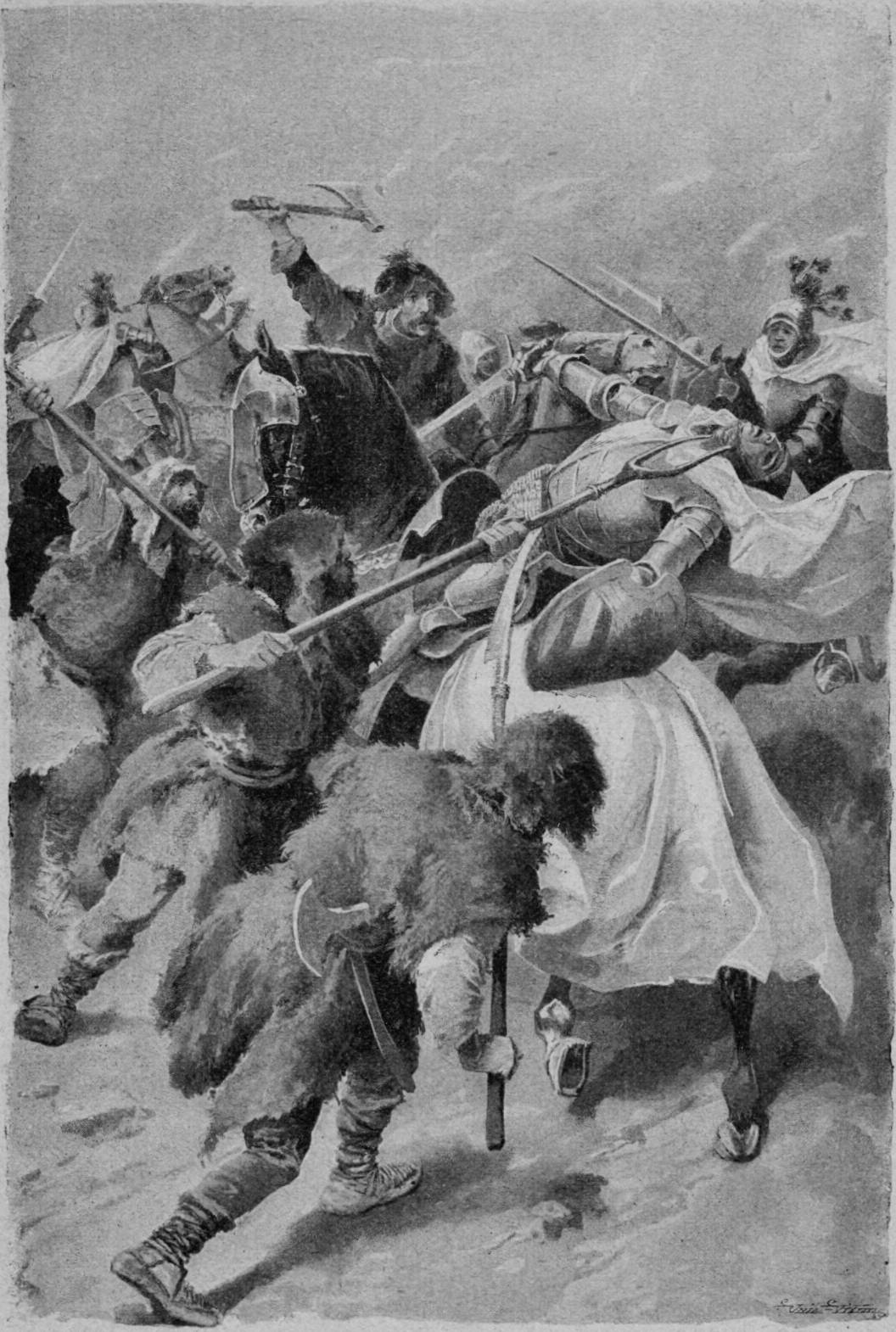
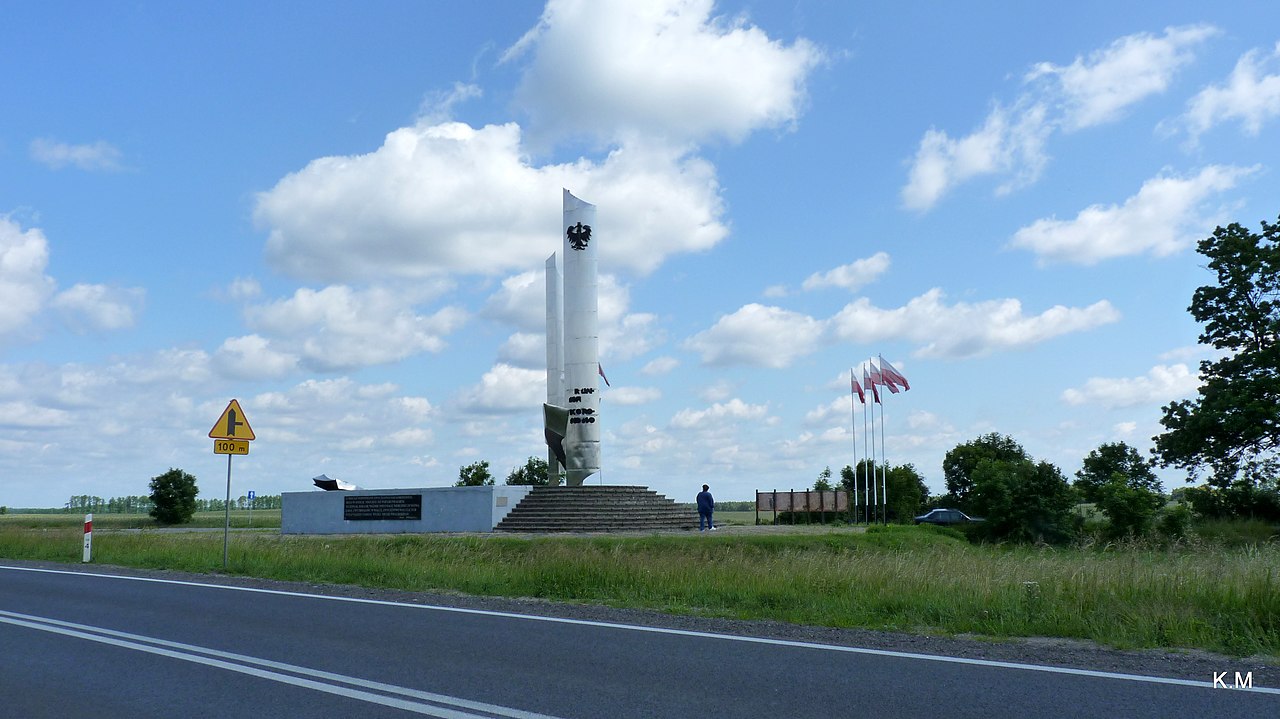
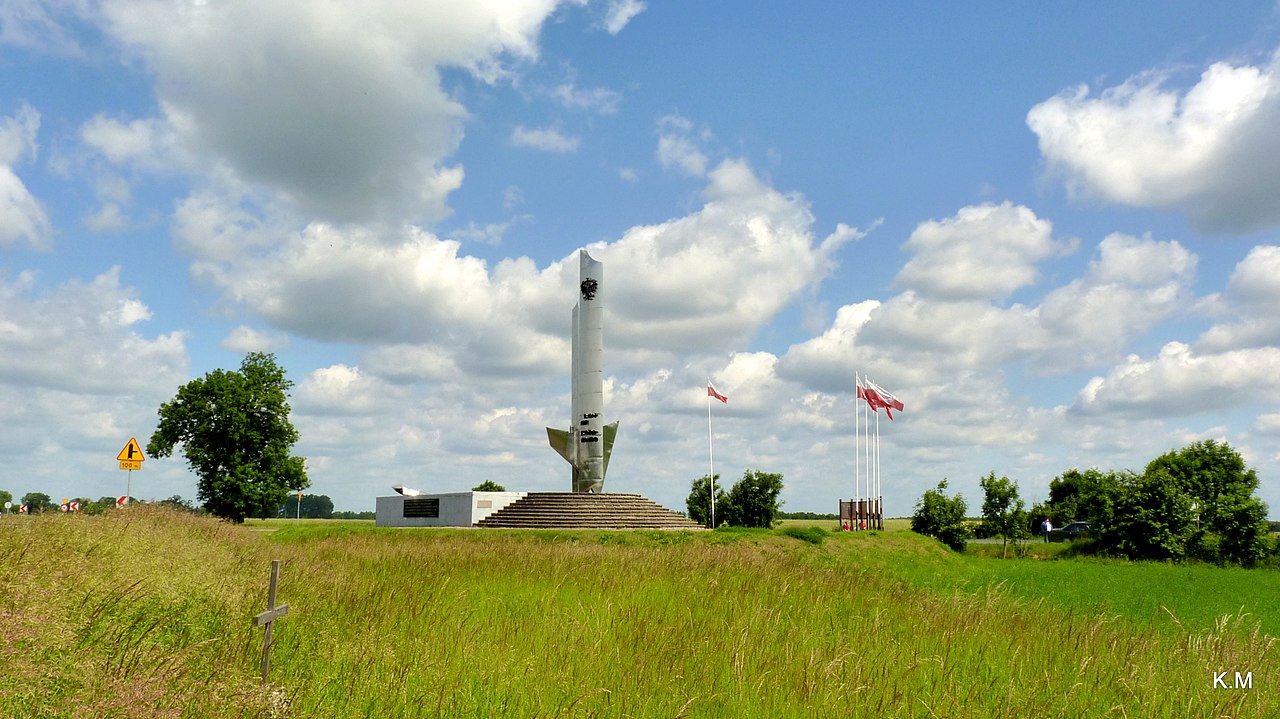
Before 9 AM, 27th of September, this rearguard entered the marshy terrain covered with dense fog south of Radziejow. Polish vanguard commanded by Wincenty of Szamotuly encountered this Order column, and waited with their attack until fog would had lifted. Since Grand Marshal knew about the Poles, he ordered his force into 5 unit commands, perhaps similar arrangement was followed by the Poles. Morning fog had lifted and the battle was joined between Plowce and Jarantowice. After about 3 hours of fighting, one of the crossbow-armed Polish retainers mortally wounded the horse ridden by the Order ensign with the Grand Order Banner. He went down with his horse, and could not raise the banner up pinned under the fallen horse. Panicking the Order army collapsed, was cut down and taken prisoner with few escaping towards Brzesc.
Sources (eg Chronicle of Oliwa) say that the 56 brother knights were killed, including komtur Otto von Bonsdorf, Herman von Oettingen, and Albrecht von Oere, while Dietrich von Altenburg was wounded and taken prisoner. The train and wagons were taken by the royal army.
King Wladyslaw ordered his royal army to march toward Brzesc, and around 1 PM the vanguard of his marching army was attacked by the Order troops. The fighting, or the new battle, started in earnest. Heinrich Reuss von Plauen was taken prisoner, komtur Eliger von Hohenstein and 40 other Order brothers were taken prisoner. During the afternoon fighting komutr of Torun Heinrich Rube was also killed.

Royal army was pushed by the main body of the Order force under Otton von Lutterberg back to the side of the morning battle - perhaps some 5km. Then our King ordered the bodyguard protecting prince Kazimierz to withdraw and ride away south.
Polish historians think that the banners from Little Poland gave way to the Order onslaught and thus many Little Poland knights were killed and taken prisoner (Krystyn of Ostrow, Jakub of Szumsk, Grzegorz Nekanda, Grzegorz of Morawica etc).
About 3PM (sunset that day was to be about 4:30 PM ) fighting slowly died out,as the Polish forces continued fighting withdrawal from the battlefield.
The Order army kept the battlefield but was truncated and full of wounded and tired and dispirited. Thus probably during the night of 27th going on the 28th they left the battlefield and marched away to Torun, some 50km away.
Before marching Otton vo Luterberg ordered killing of about 600 lesser Polish prisoners, saving only 56 knights for the future ransom etc. (nota bene they recaptured Dietrich von Altenburg).

Nota bene the execution-style killing of the Order brothers taken prisoner by our king's forces seemingly on Wladyslaw I order was a typical Order propaganda (plenty of it during the XIV and XV centuries) , and is not supported by the sources.
But various German, especially Prussian and Nazi, historians wrote copiously about it, and English and American historians copied it, including the Wikipedia.
We don't know how many Order brother knights were killed in total, at least 73 bodies of them were brought back to Torun. The Bishop of Wloclawek ordered the burial of the dead on the battlefield the following day, burials coming to a total number of 4187 bodies buried. According to the primary sources, most bodies were to belong to the invaders.
Polish army encamped by Brzesc Kujawski and on the 30th of September negotiations about the prisoners were conducted between the king and komtur Gunter von Schwarzburg.

Thus the historians say that the decisive engagement in the fields of Plowce and Radziejow broke the 1331 Order offensive and thus saved the Kingdom from a possibility of actual partition between the Order and Bohemian king.
The following year the Order alone invaded again and in fact conquered the duchy of Kujawy, but in 1334 the Teutonic Brother returned the land, people and towns etc to our Kingdom and our new king Kazimierz.
Our ancestors had to wait until 1409Ad when the great war was started, but this is a different story.
Pacem Aeternam to all.
Valete