Showing posts with label Polish cavalry XX century. Show all posts

Wednesday, November 26, 2025

Polish Cavalry Saddle of 1925

 Salvete Omnes,


  finally we have arrived in 1925, when the Polish cavalry was to received the new Polish-designed military saddle. 

saddle with leather covering, seat and saddle skirts 

saddle tree

leather saddle and skirts & linen cinch
sweat-pad /horse blanket aka potnik 

shabraque

The 1925 saddle tree bars was made from one piece of wood each, and the pommel and cantle were made out of iron metal. In the 1927 design the saddle tree bars were made from a 5 layers of birch & poplar plywood.  The straining parchment leather attached to the pommel and cantle and secured to the seat with parchment thong webbing , the whole tree covered with leather seat and leather flaps or saddle skirts. Leather saddle bags, leather shabraq, sweat-pad/horse blanket and cinch composed the remainder of the whole saddle arrangement. Finally, the Polish sabre was attached by straps under the saddle skirts, laying on the leather shabraq, 

They made four versions of this saddle for smaller and larger horses, and for officers too. 

The saddle was subject to many a discussions in the cavalry and military periodicals of the era. And these discussions would lead to a new patented saddle for Polish military, so called 1936 saddle. 


 This saddle would serve the Polish cavalry in the  1939 September campaign and was used by the Polish partisans during the war. 


valete

Wednesday, September 17, 2025

17 Sept 1939-2025

 Salvete Omnes,

Polish-Soviet border


over the years it has become my custom to commemorate the attack of the Soviet Union on Polish 2nd Republic in 1939. So one more post of the anniversary variety with some little sidelines. 

Polish guardsman in front of a Polish border marker ,with the Soviet border post behind the fence 

My favorite post of those I have written made is this one - about KOP or the Polish Border Protection Corps.

These boys, part of the espirit de corps, were part of the equestrian sporting events favored by the Polish Army Command. I encountered these photos in Wiki Commons.


.

.

.


The  eastern  borders of Poland - mostly with the Soviet Union - 


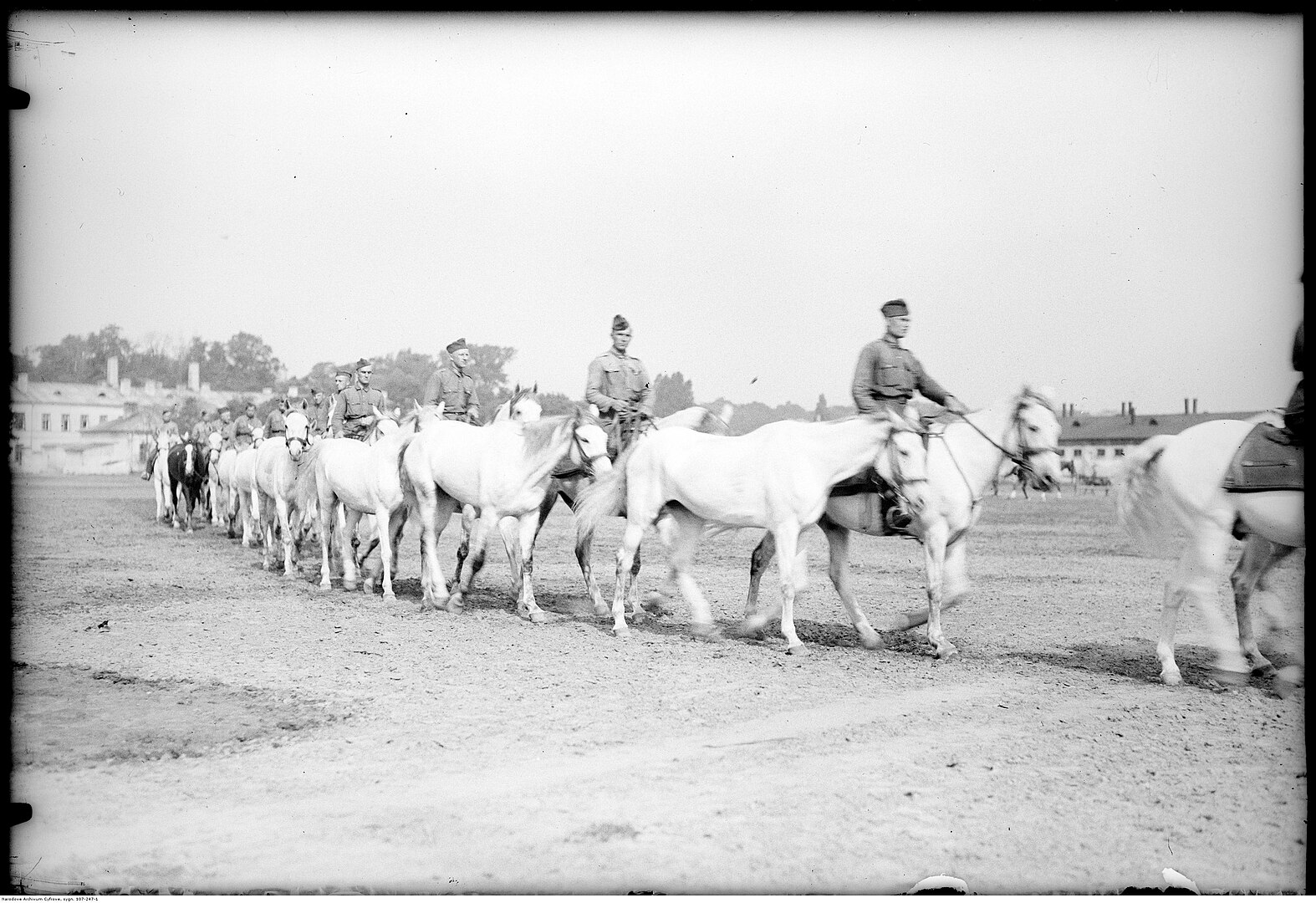
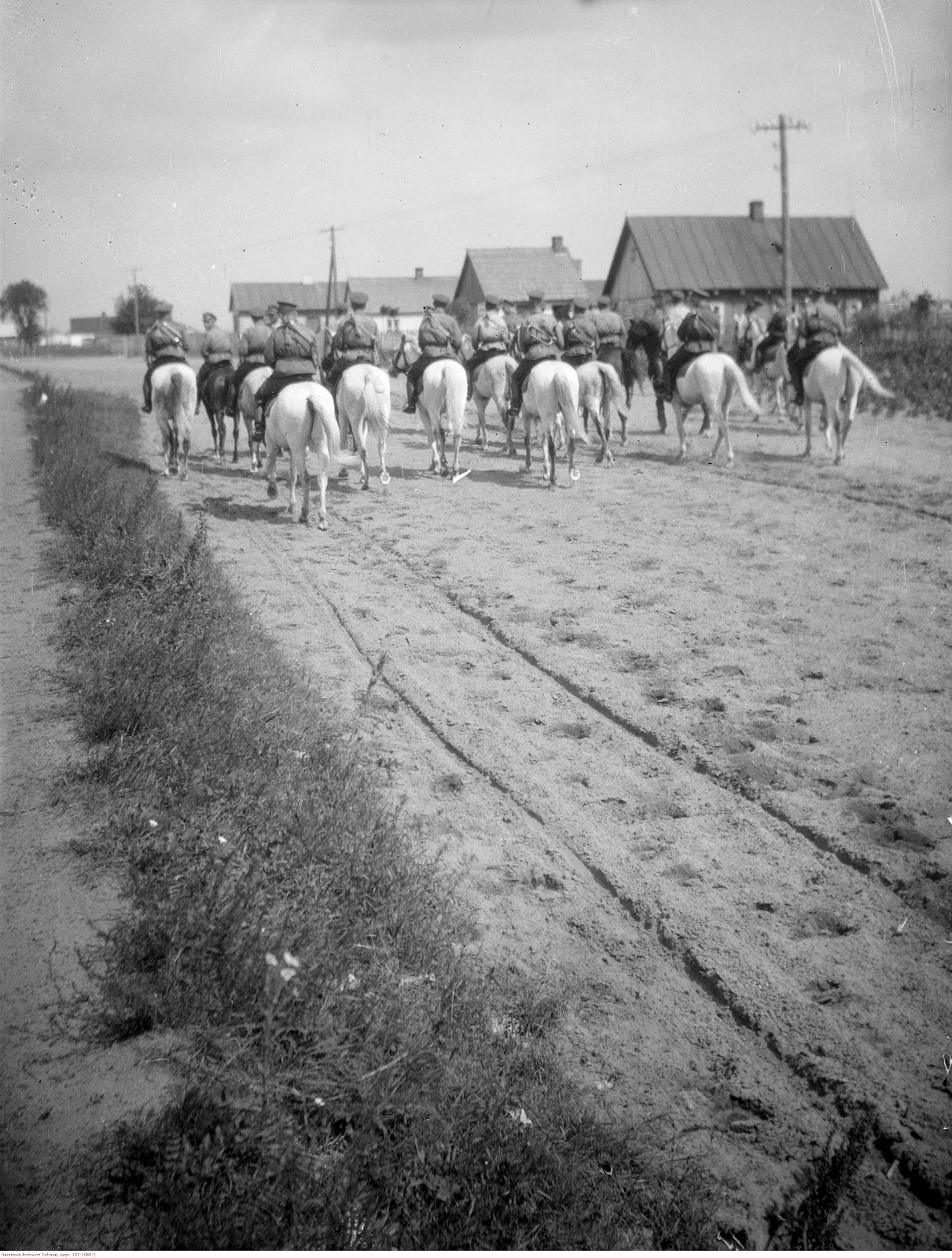
were protected by KOP outposts, where horses. both cavalry mounts and draft animals, played an important role throughout the whole period 1920-1939, especially since there were very little good paved roads in the border area. There was plenty of contraband, smuggled goods  and intelligence gathering & spying on both side of the border.


  Sergiusz Piasecki, one of the famous novelists of the Polish 2nd Republic and Polish XX century literature, was a smuggler and spy on the Soviet-Polish border, being chased by the border guards on both sides of the border line.

Soviet border crossing behind the Polish guardsman


Soviet train entering Poland


.


Bystrzyce outpost

Bystrzyce outpost stables


These boys and their horses went to fight the invading Germans on Sept 1, 1939, and the garrisons of the outposts stood firm  fighting the invading Soviet Red Army on September 17, 1939.
Pacem Aeternam 


Valete

Monday, February 10, 2025

Waclaw Boratynski (1908-1939) and his Potop postcards

 Salvete Omnes,


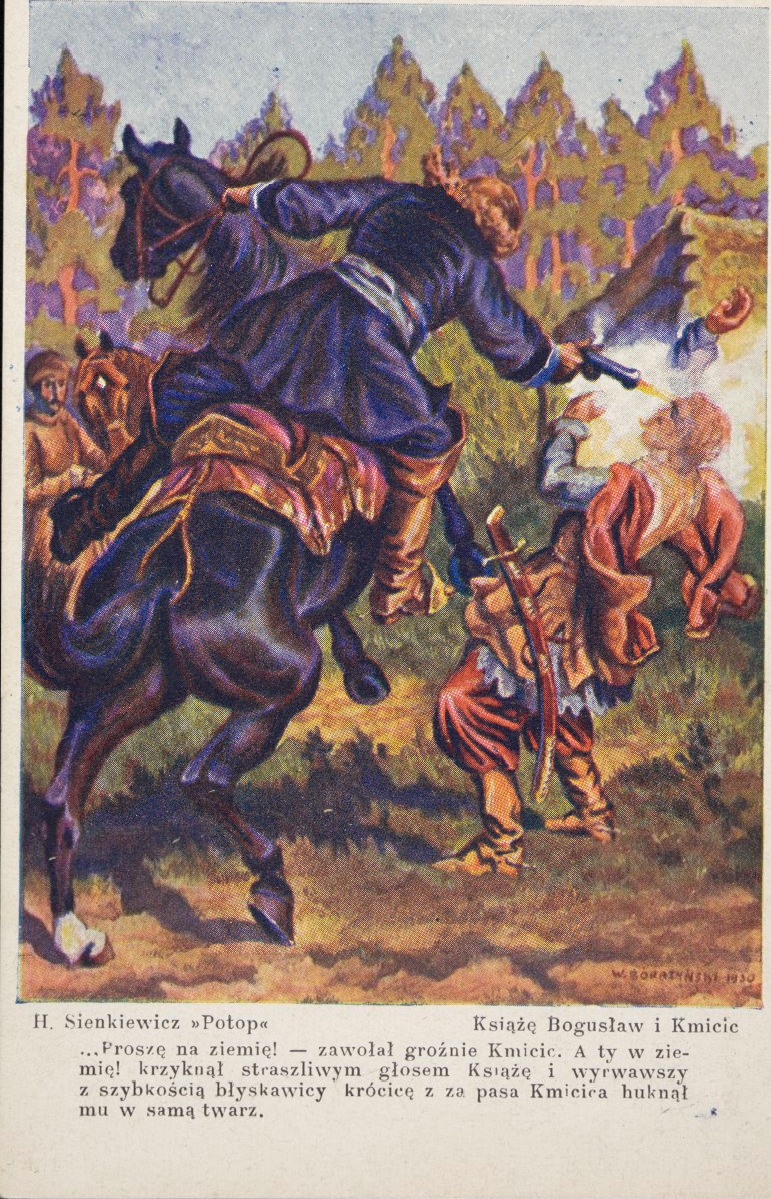
a quick post about an unusual  Polish illustrator and his artwork to illustrate the national epic , i..e., Sienkiewicz' Potop, 2nd novel in the 'Trylogia' ('The Trylogy') cycle.
Waclaw Boratynski (Pracowit z Ryglit)  was an illustrator  and painter, member of Stanislaw Szukalski's Szczep Rogate Serce (Horned Heart Band/Clan). 

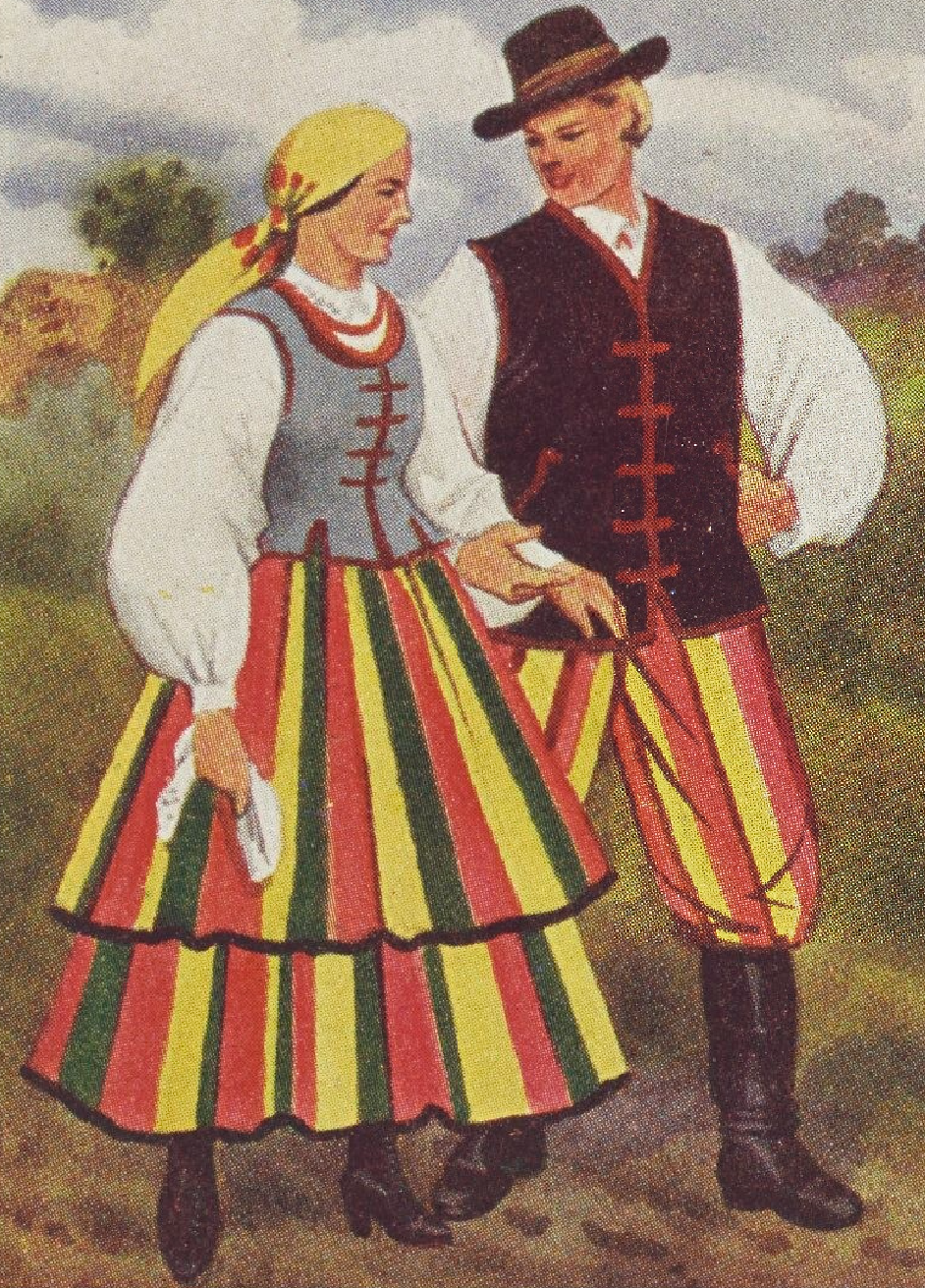
Lowicz peasant- male and female-  costume from 1930s


He was mobilized in as the infantry - 18th infantry regiment -  cadet officer (podchorazy) in 1939. He was part of the Polish army defending the city of Lwow against the German invasion, was wounded and died there on Septemebr 25, 1939, his body was buried there but it is said his grave did not survive the war, as Poles were ethnically cleansed (1939-47)  and deported from the Soviet Western Ukraine to the new Polish state. Boratynski's life was cut prematurely and Polish art was deprived of his talent.

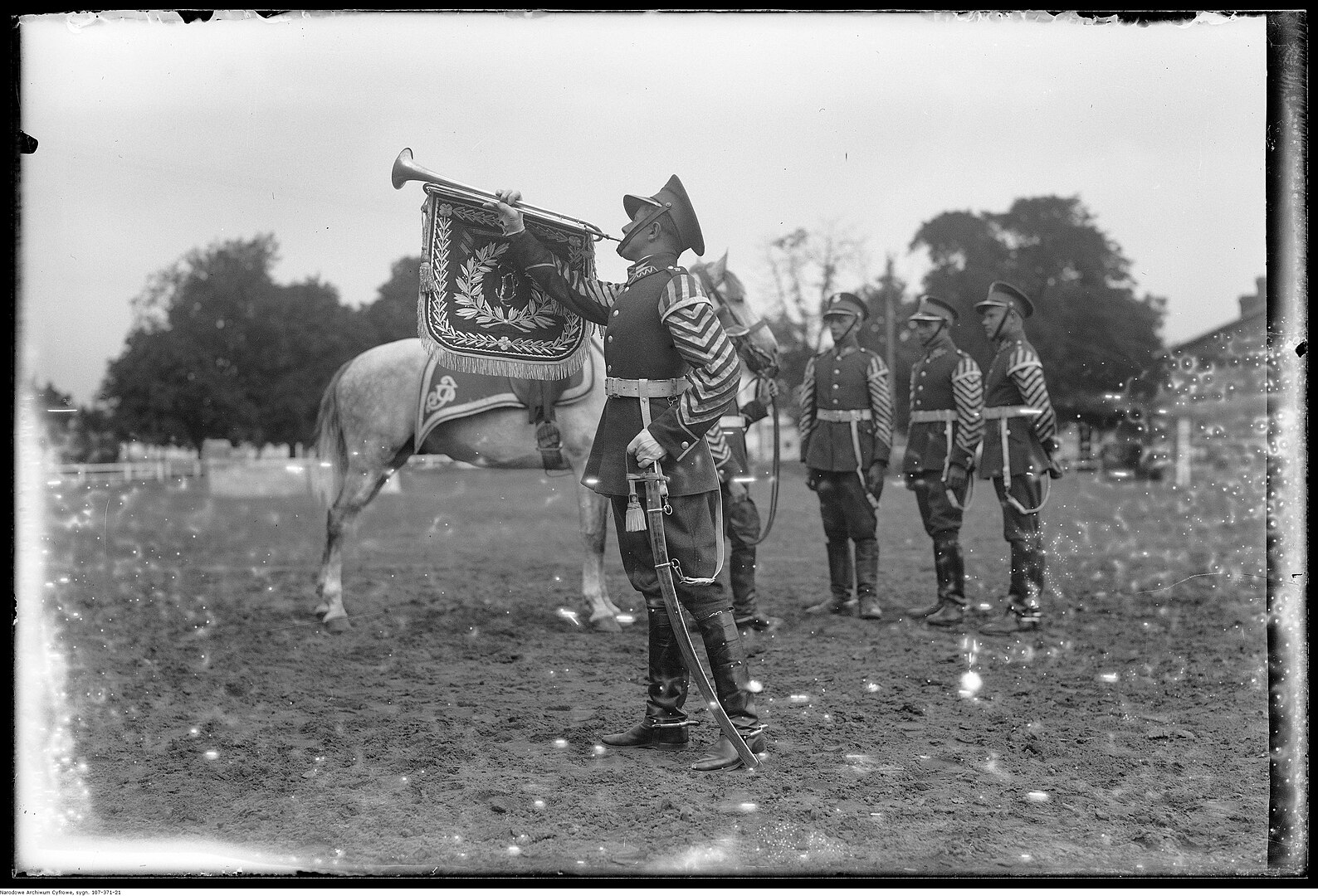
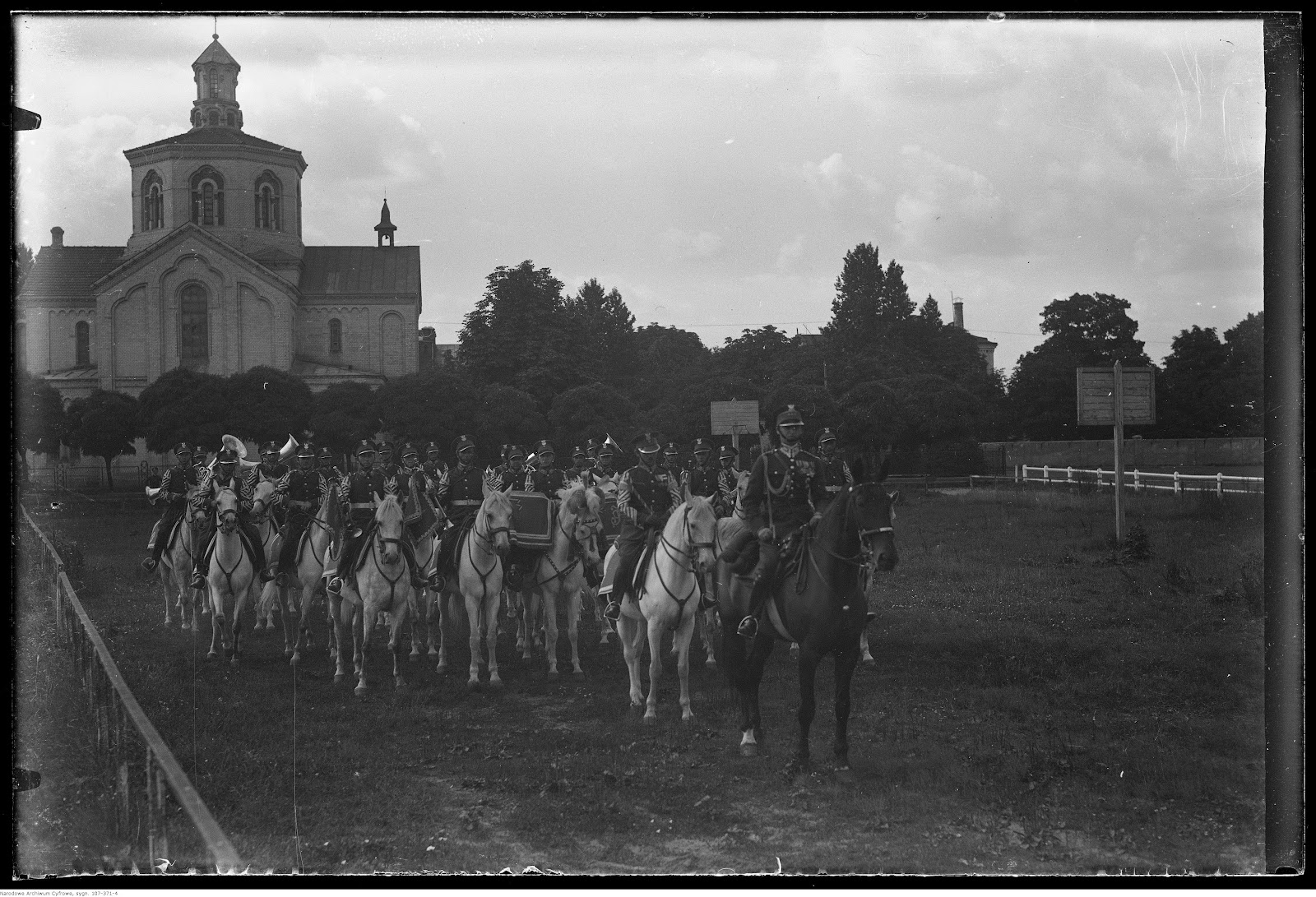
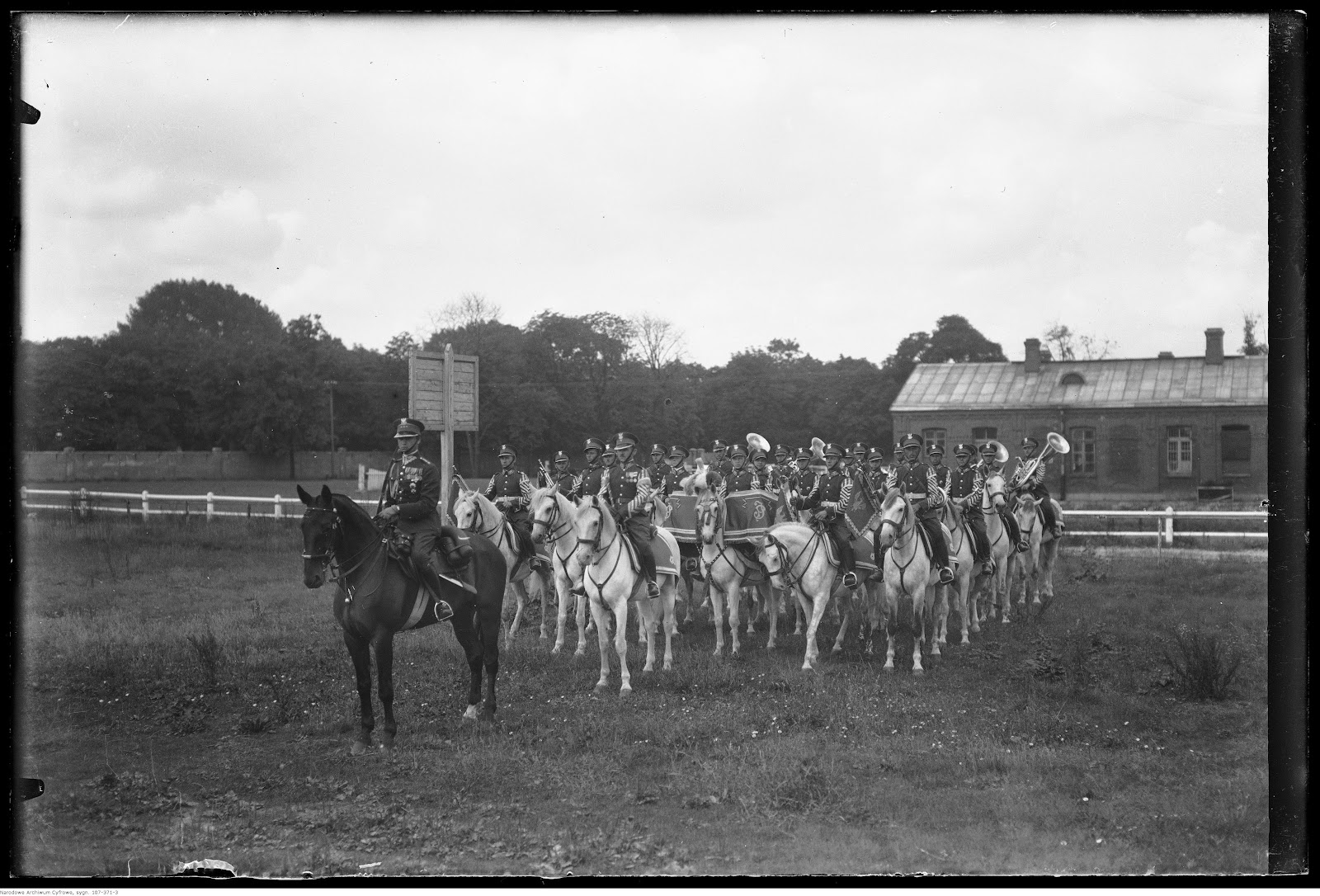
perhaps the music platoon of the 1st 'szwolezerow' regiment 

In the 1937-38 he created a series of postcards - available for download at Polona website - based on  the national epic novel 'Potop' ('The Deluge'). Kmicic, Wolodyjowski, winged hussars, Tatars, Carpathian gorale, reiters, Swedish army, Luadanska company etc in these cards


enjoy

Valete

Thursday, August 17, 2023

Zadworze - Polish Thermopylae 17th August 1920 anniversary

 Salvete Omnes,

a short posting of the summer type


in the past I devoted 2 posts - in 2020, a detailed one  here and the funeral one  here - to the commemoration of  the last stand battle of Zadworze and its aftermath.
Today I just want to commemorate the event - one of the few  truly Thermopylae-like battles in our Polish military history.
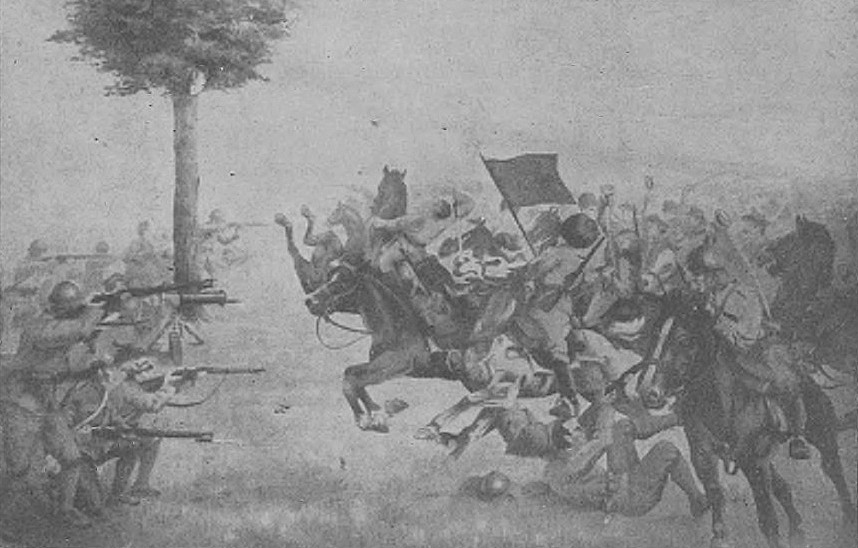
and some  unusual illustrations showing the fighting in Zadworze done  by a painter Mieczyslaw Iwanicki (in the photo below), who was a volunteer soldier of the Abraham Detachment during the very war. 


painted and published in 1938 in a magazine titled 'Wschod' (The East) - Lwow, Stanislawow, Tarnopol.


With all those machine guns and artillery, repeating carbines and grenades etc I wonder how many horses died and were wounded in this heroic fight... 

Hail to the heroes - Pacem Aeternam to the fallen

Valete

Wednesday, August 9, 2023

Polish Cavalry Trumpeters - interwar period I

 Salvete Omnes,


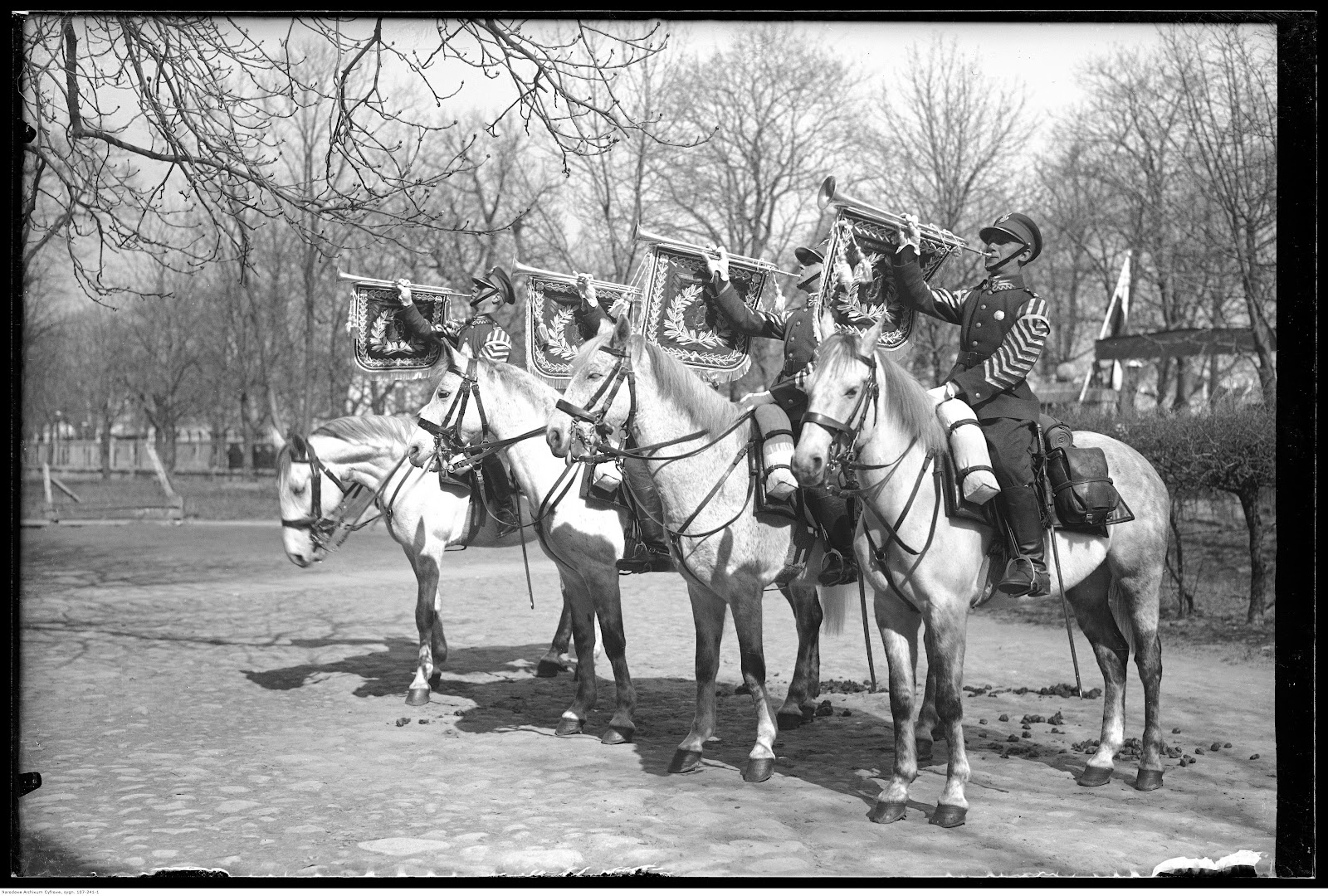
a short summer entry - Polish cavalry trumpeters from 1930 in the lenses of Narcyz Witczak-Witaczynski, nota bene tortured by German gestapo at Pawiak German prison and eventually murdered by the Germans at the KL Majdanek  (concentration camp) in March 1943.


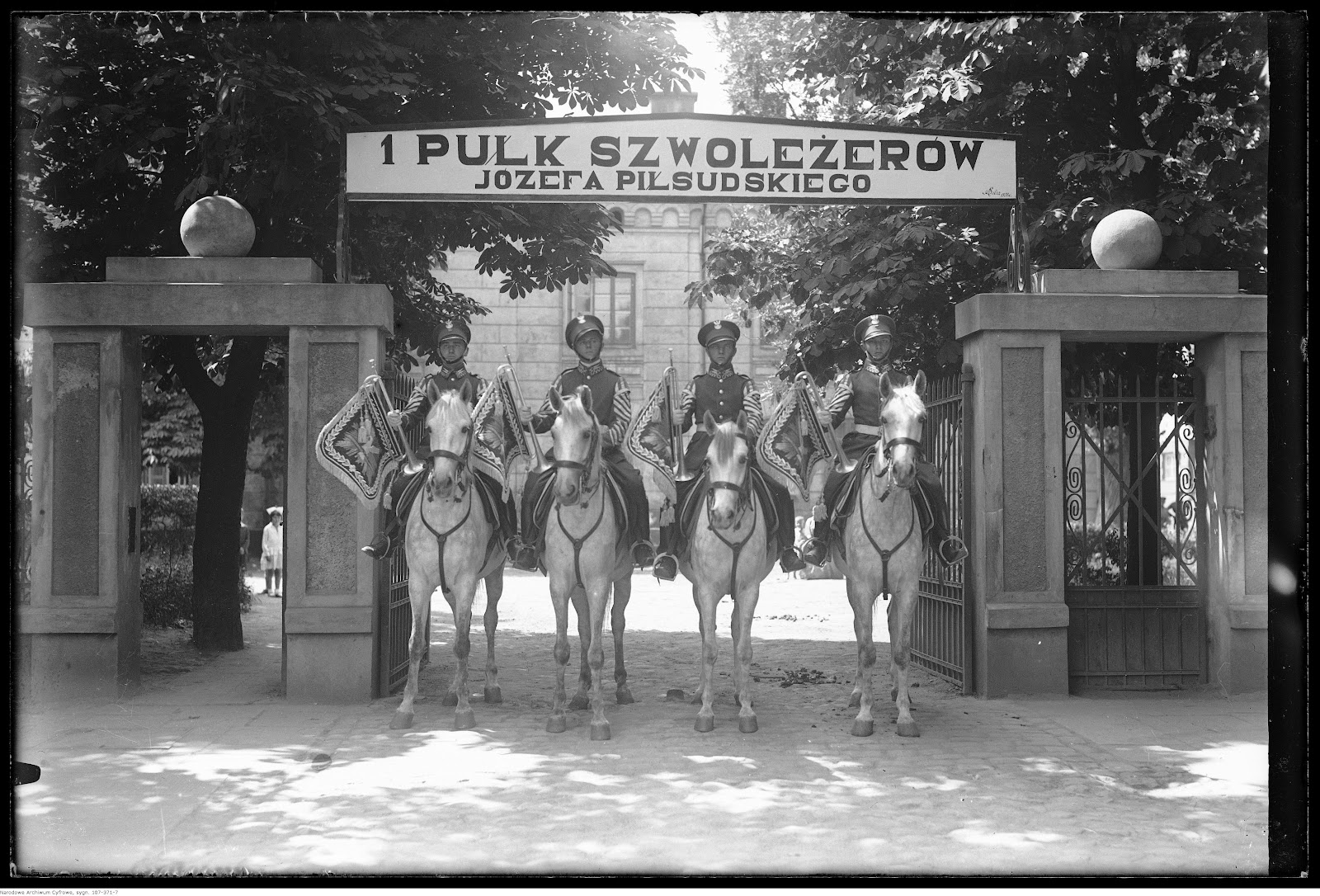
Today the cavalry trumpeters of the 1st szwolezer (chevau-leger ) regiment - famous for the 1918-20 wars for independence, and for bravery and heroism during the 1939 campaign.


note that the Polish cavalry arm of the Polish army, organized from nothing in 1918, developed training, uniforms, weapons, and especially for this blog theme their own saddles for soldiers and officers and horse tack during the 1920s and 1930s, encouraged  horse breeding and remount service(my great grandfathers bred horses for Polish cavalry)  and training centers (Grudziadz) for the cavalry regiments and horse artillery etc - it was all short of miraculous, I think.
The invasion of Nazi Germany with allies along along the Soviet Union occupation after 17th September 1939, and the partition of occupied Poland between Germany and Soviet Union 1939-41, and the later war in the east 1941-45 ended Polish equestrian & cavalry traditions in Polish lands. And the Communist goverment extinguished any cavalry regiments and traditions within the Polish Army 1949-89, in the late 1940s, after the end of World War II.  


Valete.