Salvete Omnes,

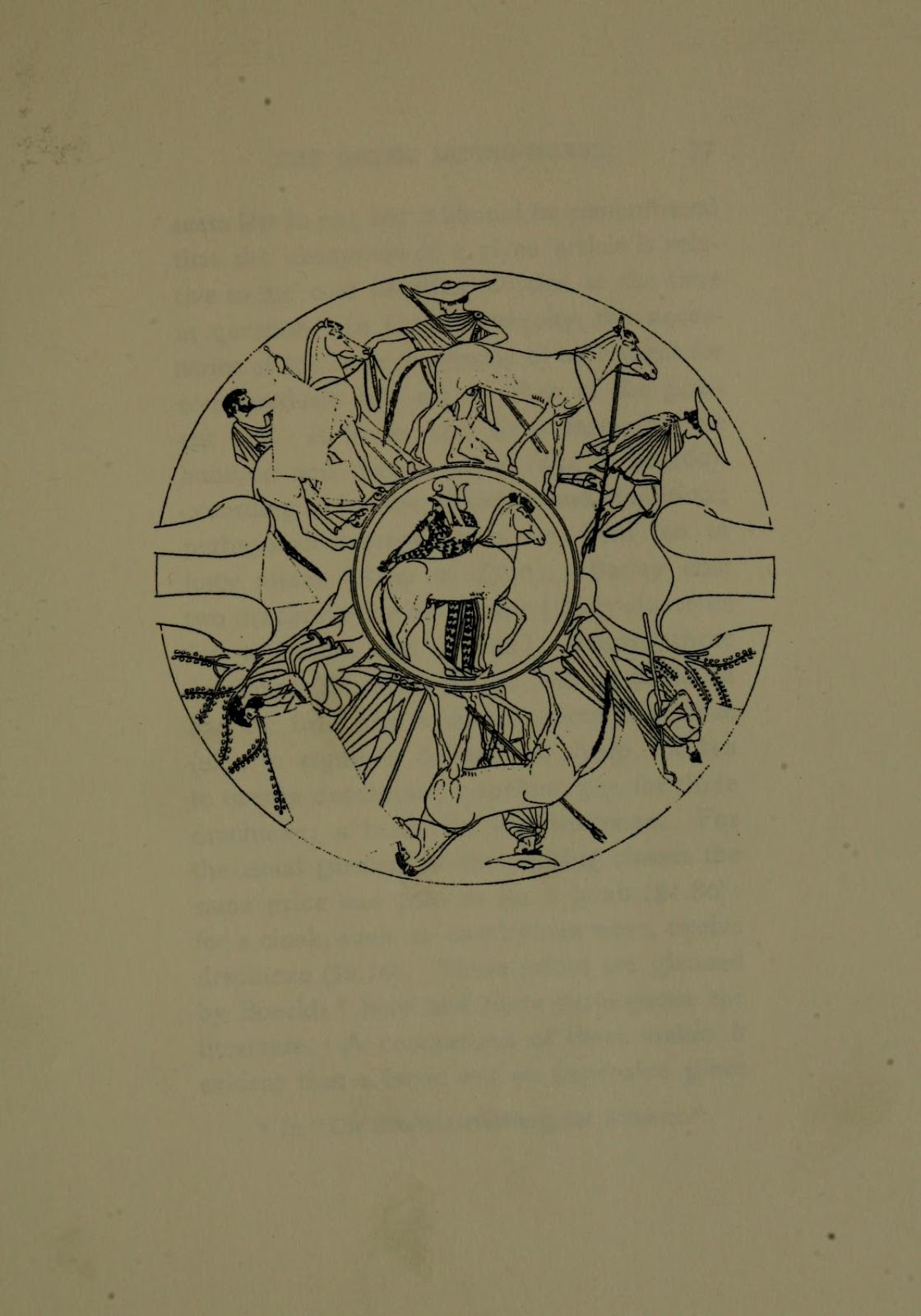
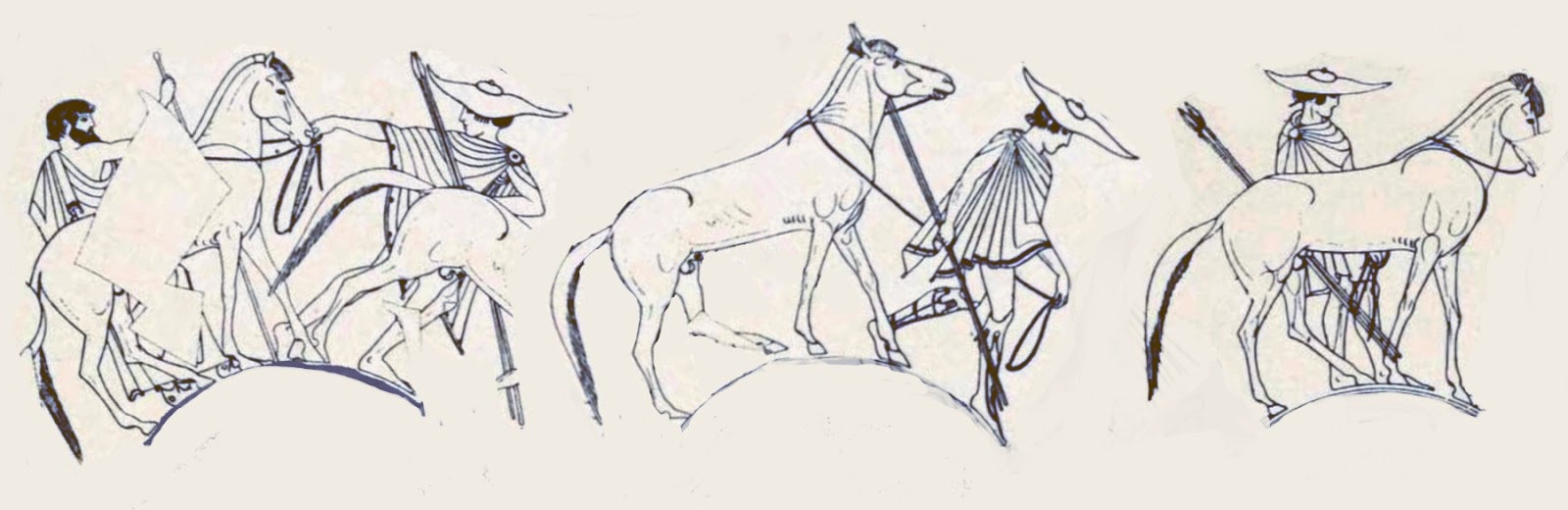
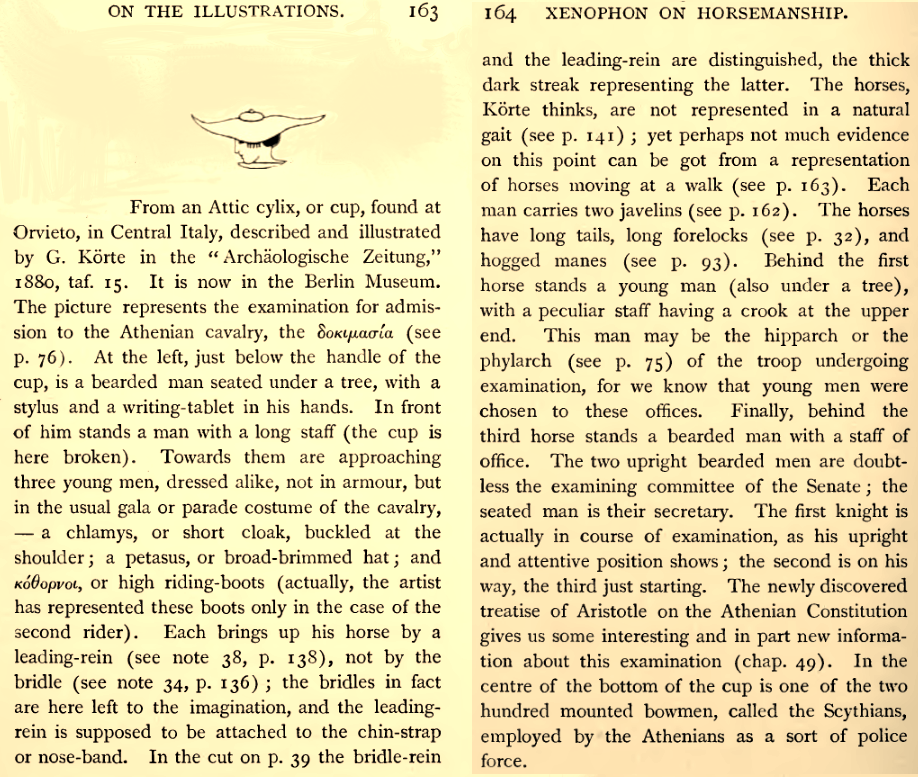
The ancient Skuda, Skula, Skolotai, Saka (Skify,Σκολότοι, Skithian, Scythians, Skudra, Sogdian, Скифы, Скіфи, Саки, Scytowie, Sakowie ) or the Archers of the Eurasian Steppe were dreaded second wave of mounted horse-archers, after the Cimmerians, in the ancient Western Asia.

But for the ancient writers the image of the armed and mounted young woman was especially or perhaps extremely untypical, intriguing, astonishing and perhaps exiting. So today we will quote an ancient writer about the virgin warriors of the steppes - the Sauromatae ha-mazan.
I have not quoted on these paged the so called father of medicine or Psuedo-Hippocrates (Hippocrates 2), a Kos/Cos-born Greek medical writer and doctor of the second half 400s BC and first quarter of the 300s BC. (460BC-375BC) who left some interesting observations or perhaps more like some tall tales about the ancient Skuda from beyond the Don River in the vastness of the Scythian Desert.

In one his medical treatises titled 'On Airs, Waters and Places' Hippocrates provided some curious glimpses into the world of the nomadic warriors and wanderers, whether he traveled there or read it somewhere and included it into his writing we simply don't konw.
First in this quotation the country of the nomads, in his Greek world view (part XVIII):
What is called the Scythian desert is a prairie, rich in meadows, high-lying, and well watered; for the rivers which carry off the water from the plains are large.
There live those Scythians which are called Nomads, because they have no houses, but live in wagons.The smallest of these wagons have four wheels, but some have six;
they are covered in with felt, and they are constructed in the manner of houses, some having but a single apartment, and some three; they are proof against rain, snow,
and winds. The wagons are drawn by yokes of oxen, some of two and others of three, and all without horns, for they have no horns, owing to the cold.
In these wagons the women live, but the men are carried about on horses, and the sheep, oxen, and horses accompany them;
and they remain on any spot as long as there is provender for their cattle, and when that fails they migrate to some other place.
They eat boiled meat, and drink the milk of mares, and also eat hippace, which is cheese prepared from the milk of the mare. Such is their mode of life and their customs.

Now, the Sauromatae virgin warriors of Palus Meotis (Meotis Swamp or the Don Delta):
Part XVII
In
Europe there is a Scythian race, called Sauromatae, which inhabits
the confines of the Palus Maeotis (for
this is the boundary of Europe and Asia*), and is different from all other
races.

Their women mount on horseback, use the bow, and throw the javelin from their horses, and fight with their enemies as long as they are virgins; and they do not lay aside their virginity until they kill three of their enemies, nor have any connection with men until they perform the sacrifices according to law. Whoever takes to herself a husband, gives up riding on horseback unless the necessity of a general expedition obliges her. They have no right breast; for while still of a tender age their mothers heat strongly a copper instrument constructed for this very purpose, and apply it to the right breast, which is burnt up, and its development being arrested, all the strength and fullness are determined to the right shoulder and arm.

A short but informative entry on the fabled Amazons or ha-mazan on Encyclopedia Iranica page.
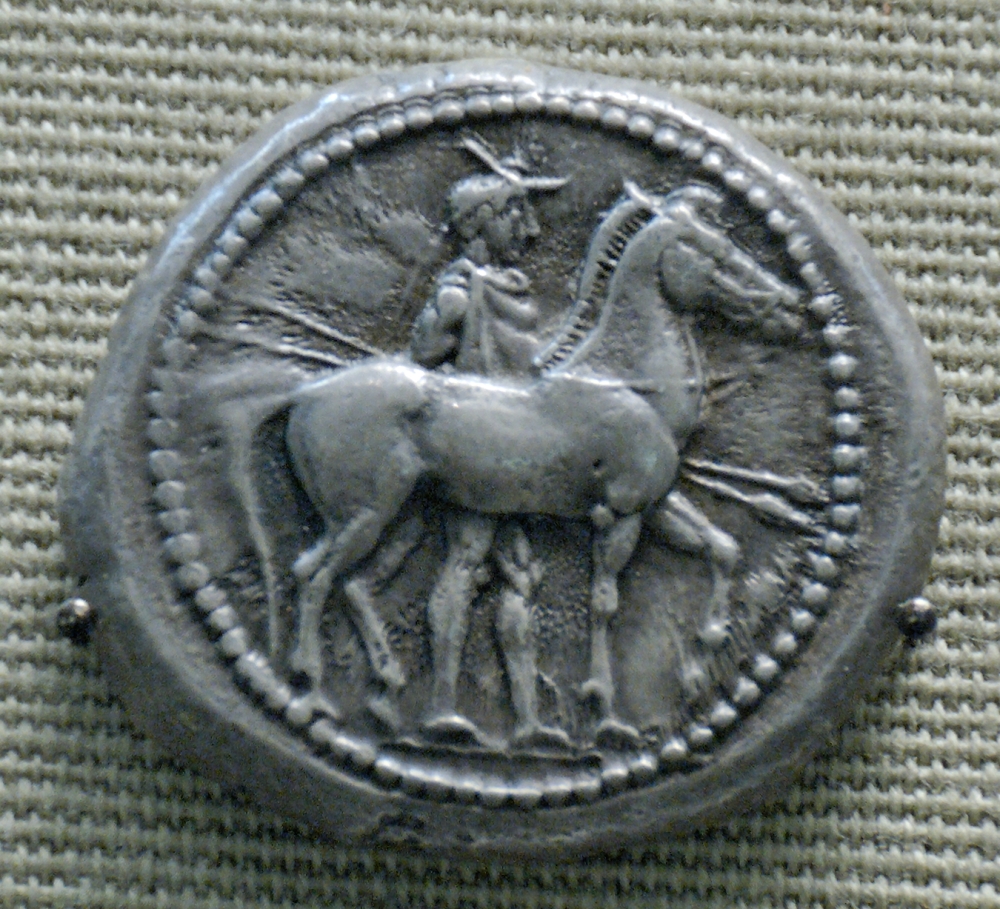
It appears that Hippocrates had some very negative views on the horseback riding and its effects on the human body - and according to his writing the ancient nomadic Scythians were affected negatively by horseback riding up to causing them impotence, which is curious since in Thessaly , where Hippocrates eventually died according to sources, and in Macedonia the aristocratic warriors rode more than walked, and Thessalians were the fabled horsemen of the ancient Greece (no Osprey about their horse, but about the Italian Greek horse, sadly).
ps
Perhaps I should bring here the writings by Herodotus on the Sauromatae.
all images come from Wiki Commons
*part XIII
Valete