Showing posts with label XXX years war. Show all posts

Friday, April 4, 2025

Luigi I d'Este - tassels, bay horse and flowing scarf

 Salvete Omnes,


Luigi I d'Este one again 

here dear Luigi I carries a very long, narrowing towards the tip sword

.

a very detailed portrait - a bay stallion, and plenty of tassels 

typically long-shanked burb-bit

.

very nice riding boots with a spur of which we cannot see the tip 

.

sort of Sassanian Persian or old Medieval chivalry

.

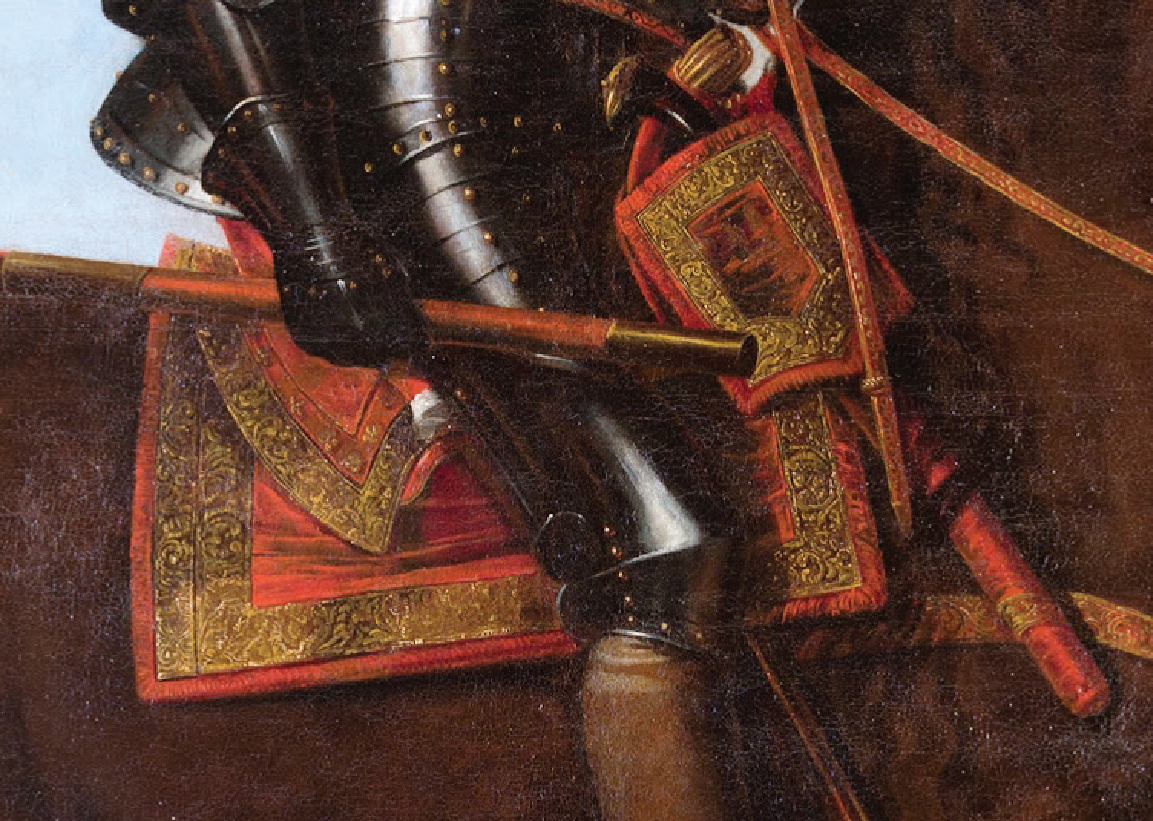
splendid saddle with pistol holster and long-barreled pistol

enjoy

Valete

Thursday, March 13, 2025

Luigi I d'Este, Marquis of Montecchio & Scandiano

 Salvete Omnes,

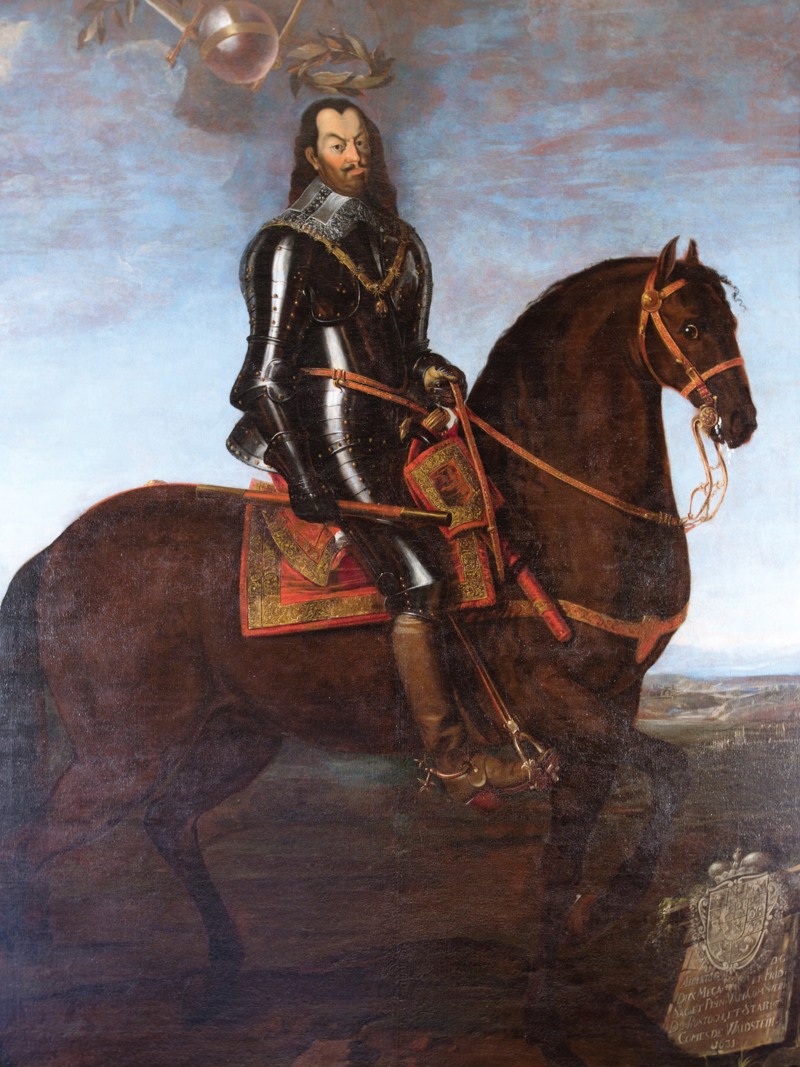
Luigi I d'Este, Marquis of Montecchio and Scandiano  - 1594-1664.
Italian imperial soldier and commander, participant of the 30 Years War and the war of Manuan Succession. 
His monumental portrait, by Nicolas Regnier, astride a powerful paint horse, probably a Neapolitan or Spanish war horse (could be Polish too, his head being small and eyes very large).


.

Marquis was portrayed wearing the final version of plate armor, a cuirassier version; most likely this armor was made shot-proof, withstanding pistol shot from close quarters if in the melee or hand to hand combat, and perhaps the cuirass itself was proofed against long distance musket shot. Note his long yellow riding boots.
His horse  was probably trained according to the highest Italian horsemanship standard, perhaps the presence of long-shanked curb-bit with rather  relaxed rein - note the tassel on its end, so the reins are split.

ornate bridle

.

ornate breastplate with a tassel
.

ornate, wide stirrups ..

there is another portrait of don Luigi while mounted, and I will discuss it too later one. 


Valete

Friday, November 8, 2024

White Mountain 1620-2024

 Salvete Omnes,


..

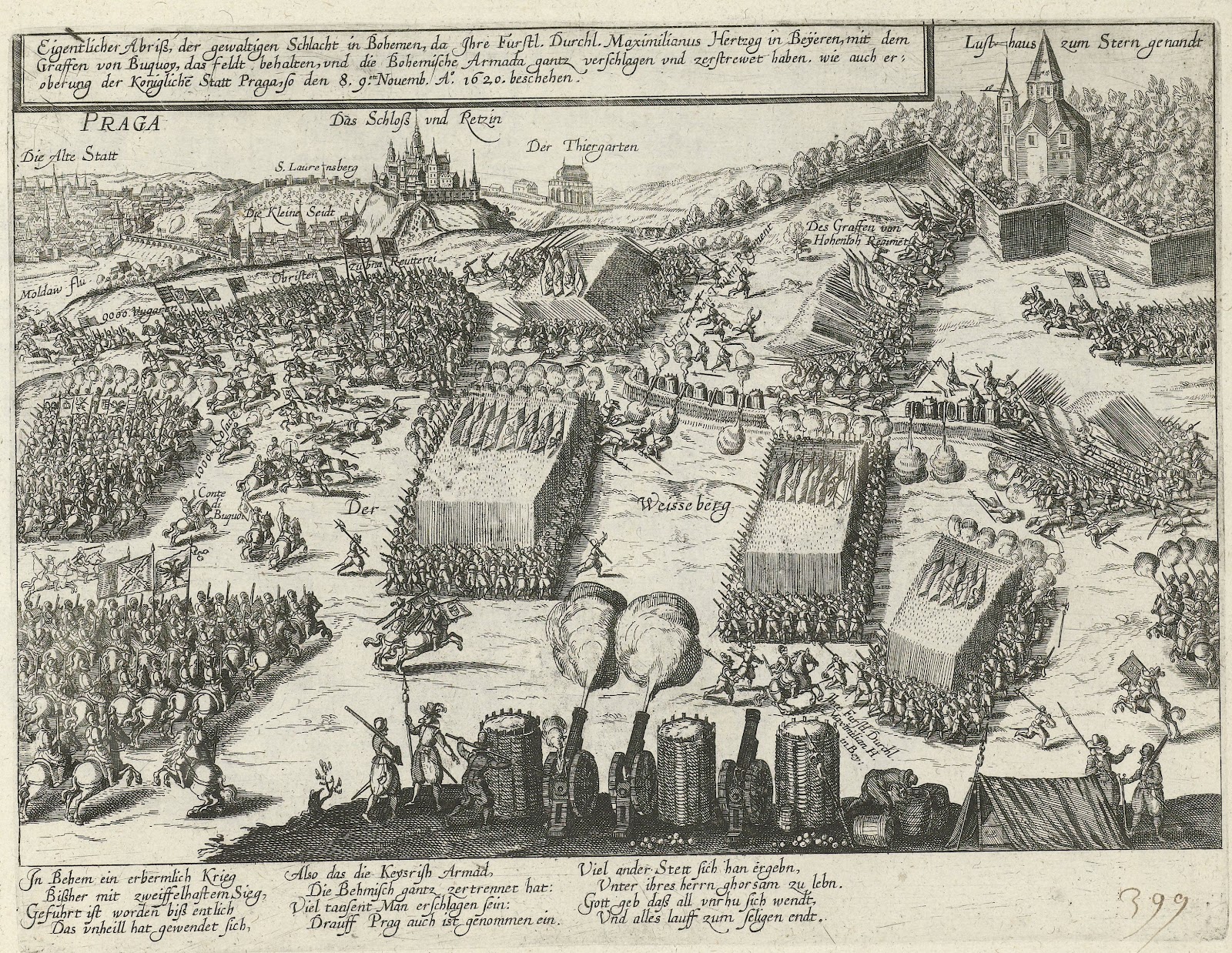
on this day in November 1620 AD at White Mountain (  Bitva na Bílé hoře) Bohemian Protestant royal army aided by the Hungarian forces, commanded by Jindrich Matyas Thurn and Christian I, Prince of Anhalt-Bernburg, was defeated by the combined Catholic armies of Imperial forces, commanded marshal de Tilly and the Catholic League under  Count of Bucquoy.

Perhaps our Polish Lisowczyks

There was also a 1,500 riders-strong mercenary  contingent of Polish cavalry known as the Lisowczyks (Lisowski kozaks/cossacks as Polish light cavalry originated during the Polish-Muscovy War). There were also Croats and Imperial Hungarian on the side of the Catholic army.

imperial and League forces, the Polish contingent is on the bottom right

..

it was a very short battle considering the size of the armies and the seriousness of the struggle  - the actual battle lasted  more or less 1 hour, and more or less 2,000-4000 men were killed on the Protestant side and perhaps the same number on the Catholic side - the losing side also sustained 2000-5000 men prisoner out of 28,000. But actual losses are uncertain.  It is certain that the Protestant army was defeated and routed and in pursuit, in which  the Poles, Croats and Imperial Hungarian excelled. 
The battle was followed by steady collapse of the Protestant struggle and armed  opposition within Czechia proper, while the contingent of the Protestant army were withdrawing, bleeding men and equipment, to the north into Silesia  (part of the Bohemian Crown) and German states to the north-west or even further to the Dutch Republic. The war was far from over and would last for 28 years more, but the very heart of it, the Bohemian Crown, was finished.
 The most serious social and political outcome of this battle  would result in the total destruction of the Protestant Czechia, especially the Protestant aristocracy and upper levels of the other parts of society,  during the subsequent months and years of the XXX Years War and further  anti-Czech policies of the Imperial politicians. Czech language and culture would begin its revival in the late XVIII century in a complete different set of circumstances. 
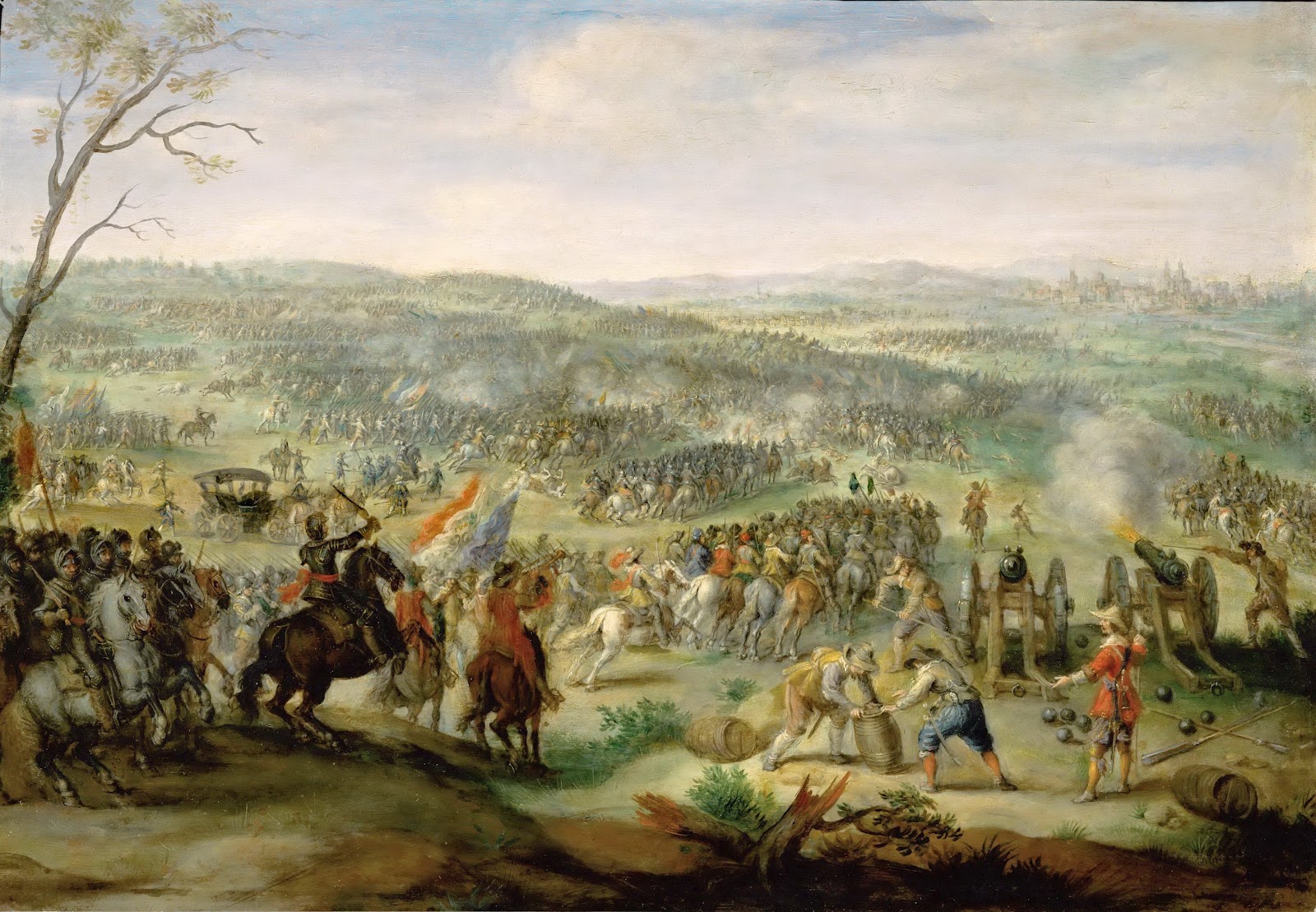
Snayers' vision of the battle

. Polish cavalrymen delegation led by captains Stanislaw  Strojnowski and Wojciech Sulimirski, presented to their commander-in-chief the  captured flags: 38 Hungarian colors, 5 infantry banners or colors and 9 cavalry standards.


Perhaps worth noting is the taking of the capital - Prague. 
On  Nov 9, 1621 the imperial & League forces entered undefended Prague, while on the 10th the  soldiers of the Royal Castle surrendered to Count Bucquoy . What followed was the great pillage and mayhem of the Bohemian Crown capital. 


Maximillian of Bavarian ina cuirassier armor


 For example Maximilian of Bavaria, commanding his Bavarian contingent,  had 1500 wagons of loot carried for his pleasure and onwerhsip, but when the unruly Imeperial soldateska continued looting and pillaging within the city and its environs  Maximillian asked commander-in-chief Bucquoy to stop the lawless pillage by the soldiers. But the war being war and the scoundrels and mercenaries alwyas hungry the pillage lasted for some time, our Lisowski kozaks not being the worst among the victorious soldateska. 


Valete

Friday, June 9, 2023

Albrecht Wenzel Eusebius Valdštejn or von Waldstein - a Czech nobleman and war captain

 Salvete Omnes,


let us 'lope' to the first half of the XVII century and we can study the artworks and dip in a bit for a little Czech and Imperial European history of that period.

In this detail from the painting by Strobel - Albrecht in his finery, note his boots and  the boots of a chevalier behind Albrecht on the right, the rowel spurs on both noblemen's heels
Alcbrecht in a buff coat, with a marshal baton, and with the Golden Fleece

Albrecht in a buff coat and long riding boots, a huge shanks on the crub-bit, and large Western war saddle - copyright Alamy


Albrecht Wenzel Eusebius Valdštejn or von Waldstein/Wallenstein (1583-1634) was a prominent Imperial (Catholic) commander and war leader during the XXX Years War. He, a scion of the Waldstein branch,  was a descendant of the ancient southern Czech noble family of Markvartici.

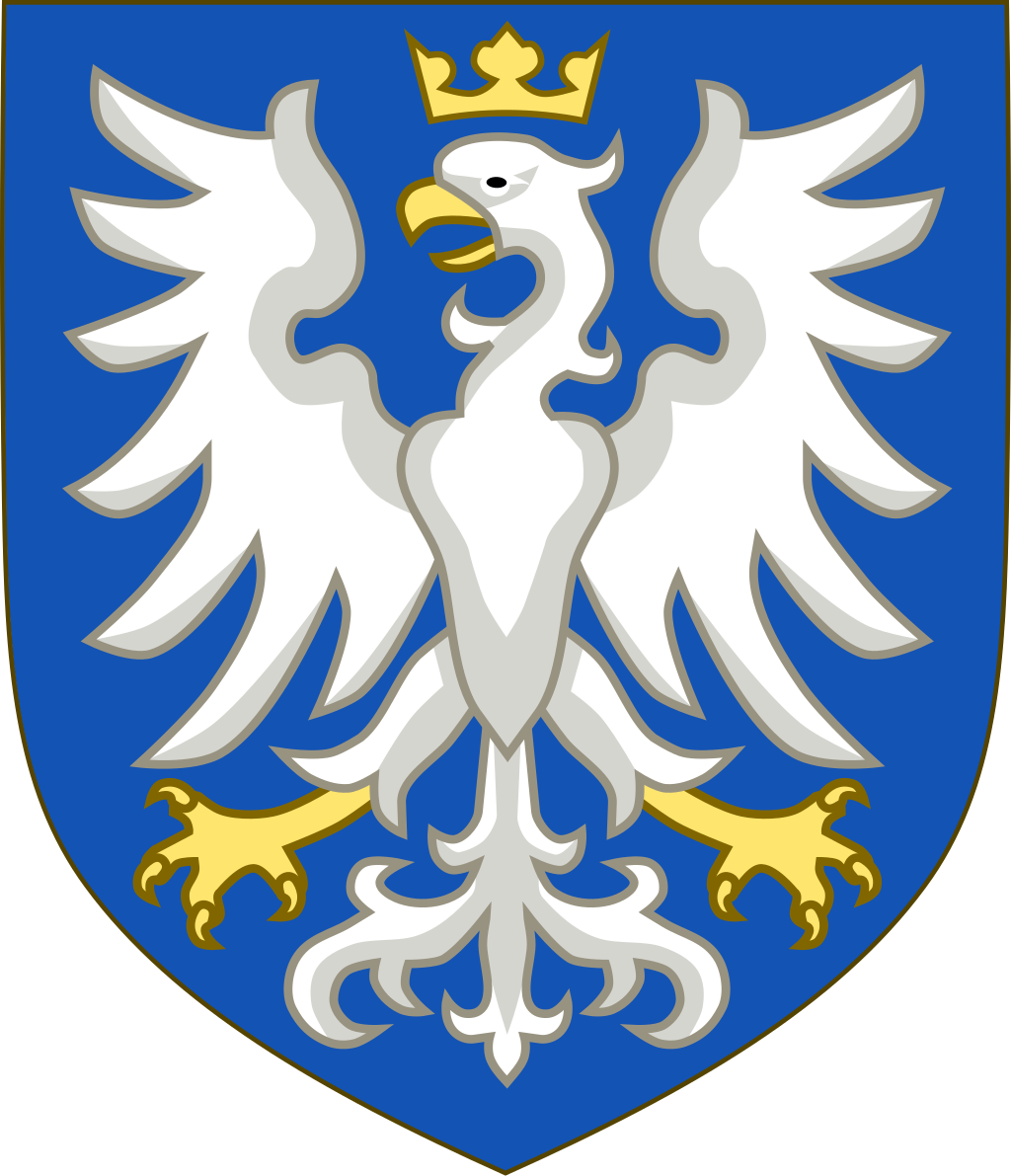
His coat of arms


He is famous for this actions during the tragic war, and perhaps infamous for plotting to switch sides, i.e., going over to the Protestant side. He was murdered by the henchmen, mercenary Scots, sent by his sovereign the Holy Roman Emperor Ferdinand II.
He was suffering from illness at least since 1620AD, after 1632 and battle of Lutzen  he was unable to ride a horse and was carried in a litter, and some researchers ascribe this illness to gout, while some to syphilis etc.


The most interesting to me is his portrait - by some unknown painter. - Waldstein appears to have been mounted on a bay horse

three-quarter cuirassier armor, long riding boots, long presumably wheel-lock pistol
long-shanked curb-bit

sumptuous war saddle, with a horn, and a pistol holstered with a crupper and breastplate

Rowel spurs on his high heeled long riding boot and a very elaborate stirrup


The artwork related to his battles (note, he participated in the the Long Turkish War - Der  lange Turkenkireg -  under Basta) - perhaps the most momentous was his defeat at Lutzen, that paradoxically changed the course of the war, for during the battle Lion of the North, Gustavus Adolphus of Sweden, the arch enemy of the Polish Vasa realm, died  fighting and the Swedish juggernaut was stopped in its relentless  advance upon the Imperials.

White Mountain

Dessau


the siege of Straslund

Lutzen in print

Lutzen on canvass

and an allegory from the palace fresco - Valdštejnský Palác.


Valete