Showing posts with label shishak. Show all posts

Saturday, September 27, 2025

Kapalin husarski - winged hussar war hat

 Salvete Omnes,


today is the 420 anniversary of the momentous battle of Kircholm (1605). I have written about Kircholm many times (please, be so kind and check labels). 


Today a word or two about the war hat found to have been used by the winged hussars(companions and retainers). Typically we associate the winged hussars lancers, especially the companions, with a helmet known as a szyszak (shishak, shishaq). Naturally during the period of late XVI and early XVII century the lancers wore a variety of helmets, and a kapalin war hat was one of them. 

Note that war hats or kettle hats were in use since the early Middle Ages, and even as late as 1630s Swedish modern army had kapalin war hats in their panoply, especially the cavalry, albeit their were often blackened.

winged hussar carrying a lance and a kapalin war hat


Polish museums, eg Krakow National Museum, have a collection of these helmets, also in Belarus too, perhaps in Lithuanian and Ukraine as well.

a 'kaapalin' from a Belarusian museum, placed on a chain mail shirt 


National Museum in Kielce has a very nice example of these kapalin war hats used by our hussars. 


Also, Museum Ziem Wschodnich-Lublin Castle   has  a well preserved example of Polish-Lithuanian cavalry kapalin war hat.


more photos of the helmet on the museum website.


So perhaps some of the boys who charged the Karl IX's Swedish army wore the kapalin war hats, a popular helmet with some companions and many retainers through 1650s.


enjoy

Valete

Monday, September 8, 2025

Winged Hussar Companion from Lapanow ca. 1652AD

 Salvete Omnes,


it has been some time since I posted anything related to the winged hussar.

Pacem Aeternam


One of my friends, Damian Loj, sent me this link to an epitaph from Lapanow's church of Saint Bartholomew the Apostle (founded in 1529 by Mikolaj Lapka, and rebuilt in 1614 by judge (iudex castri) Marcin of Lutoslaw Lutoslawski).


The Lapanow Parish was an affluent one in the end of the XVI century,  consisting of the following villages - Lapanow, Lutomierz, Kepanow, Grab, Boczow, Brzozowa, Ubrzez, Kobylec, Wola Wieruska, Janiszowka, Wolica and Wola Grabska. There were three church patrons - Hieronim Lapka, Stanislaw Lubomirski ,Druzyna coat of arms, and Jan Dabrowski (1596).

The stone plaque depicts a pious winged hussar companion Marcin Lapka (1599-1652). Lapka's wife Marianna Lipska from Lipia had the epitaph carved circa 1652. The plaque was mounted on the outside of the church and only in 2012 was moved into the church. The linked site says that the archives from 1748 noted four such epitaphs existing at that time, unfortunately only two survived the winds of times, albeit the second one from 1666AD contains only the lower part of the epitaph. The second epitaph, Andrzej Werbski Pilawa coat of arms,  was also funded by his wife Magdalena nee Lyszkowska  and their children.


 we can see clearly the hussar lance, his 3/4 plate armor, hussar helmet or shishak, and l-type Polish sabre


The plaque also contains the winged hussar's coat of arm - in my opinion it is Szreniawa, 


and not a Druzyna (also called Szreniwa bez Krzyza - Szreniawa without a Cross), as they declare on the website linked above. But on the other hand, Druzyna is part of Szreniawa lore, and some historians, following Jan Dlugosz  consider Druzyna to have been the original coat of arms out of which the Szreniawa developed or originated. Bartosz Paprocki, the author of the monumental Polish heraldry, listed the Lapka family as both Szreniawa and Druzyna (circa 1543), later writers like Niesiecki and Boniecki say that Lapka were of Druzyna coat of arms.


Lapanow has also a very unusual monument to the farmer peasants killed, 5 killed and 10 gravely wounded protesters,  by the government's forces on June 5, 1932,  which makes this column a symbol of our Polish peasant farmers struggle for the peasant rights during the 2nd Polish Republic.


ps
8th of September is also the anniversary of the 2nd battle of Orsza(Orsha) - a huge  and victorious battle for the Polish-Lithuanian realm against the Muscovy ( the Orsha battle was won but the war did not result in recovering Smolensk, the gateway to Lithuanian Duchy).

Valete
Friday, June 30, 2023

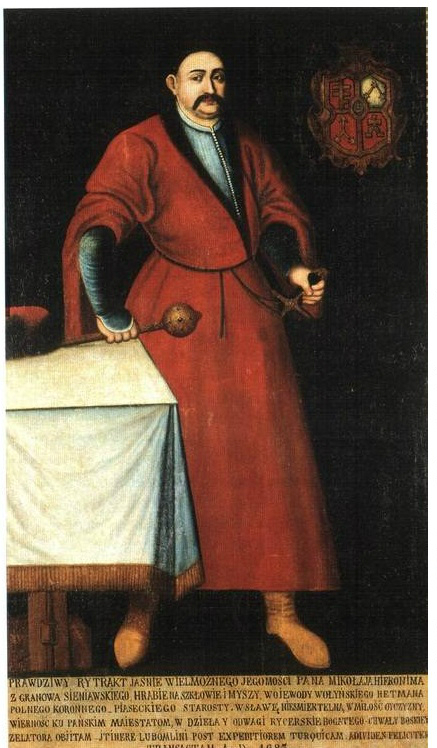
Mikolaj Hieronim Sieniawski, Leliwa Coat of Arms

 Salvee Omnes,


National Museum in Krakow has been digitalizing their collections - so I decided to corral some items associated with Mikolaj Hieronim Sieniawski, Leliwa coat of arms, who was a Field Crown Hetman during the reign of Jan III, and participated as a commander in many battles of this period, dying in present day Slovakia during the return of the Commonwealth armies to Poland from the 1683 Vienna campaign.

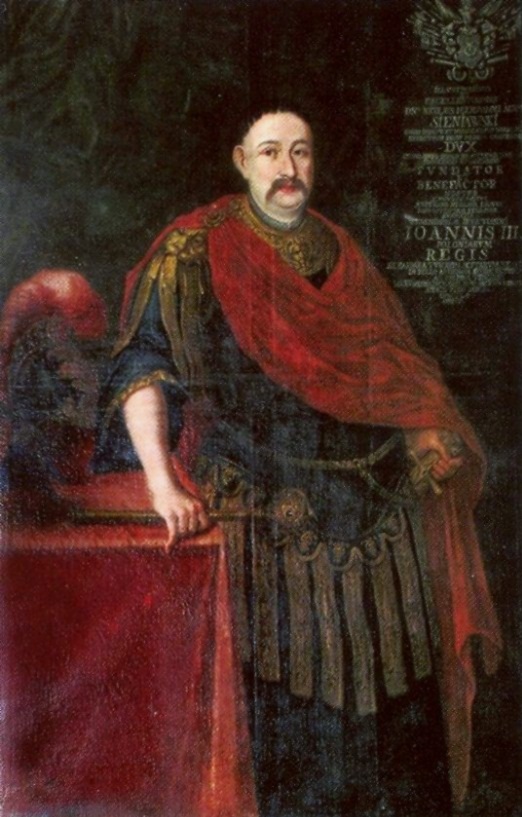
So here are the itemes - a portrait


his karacen scale armor with a winged hussar helmet /shishak - 


his sabre - 


his powder horn -


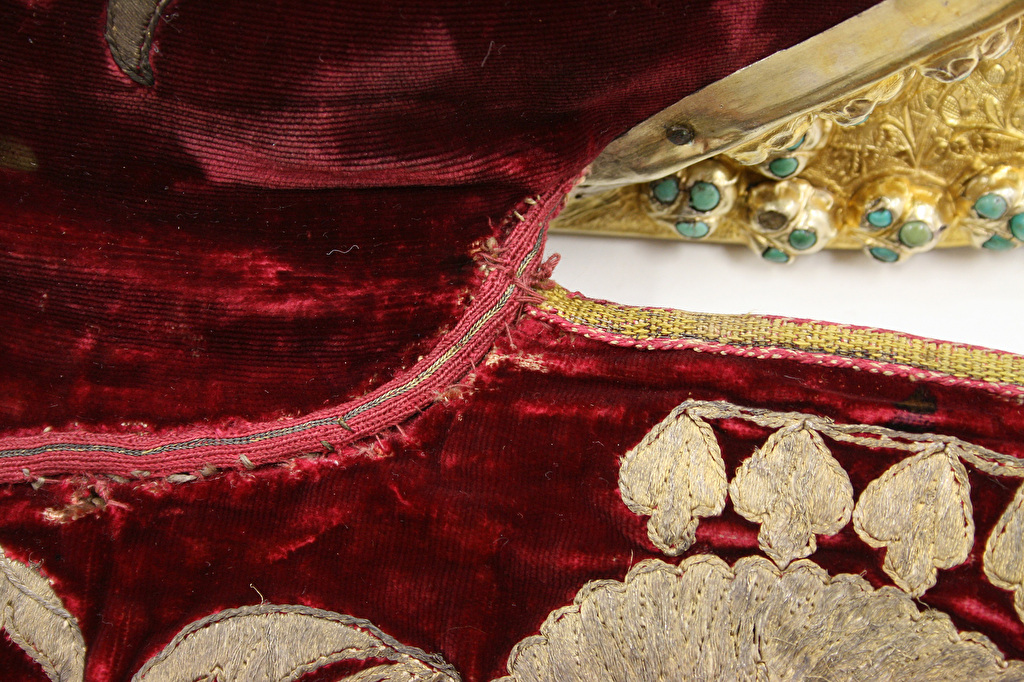
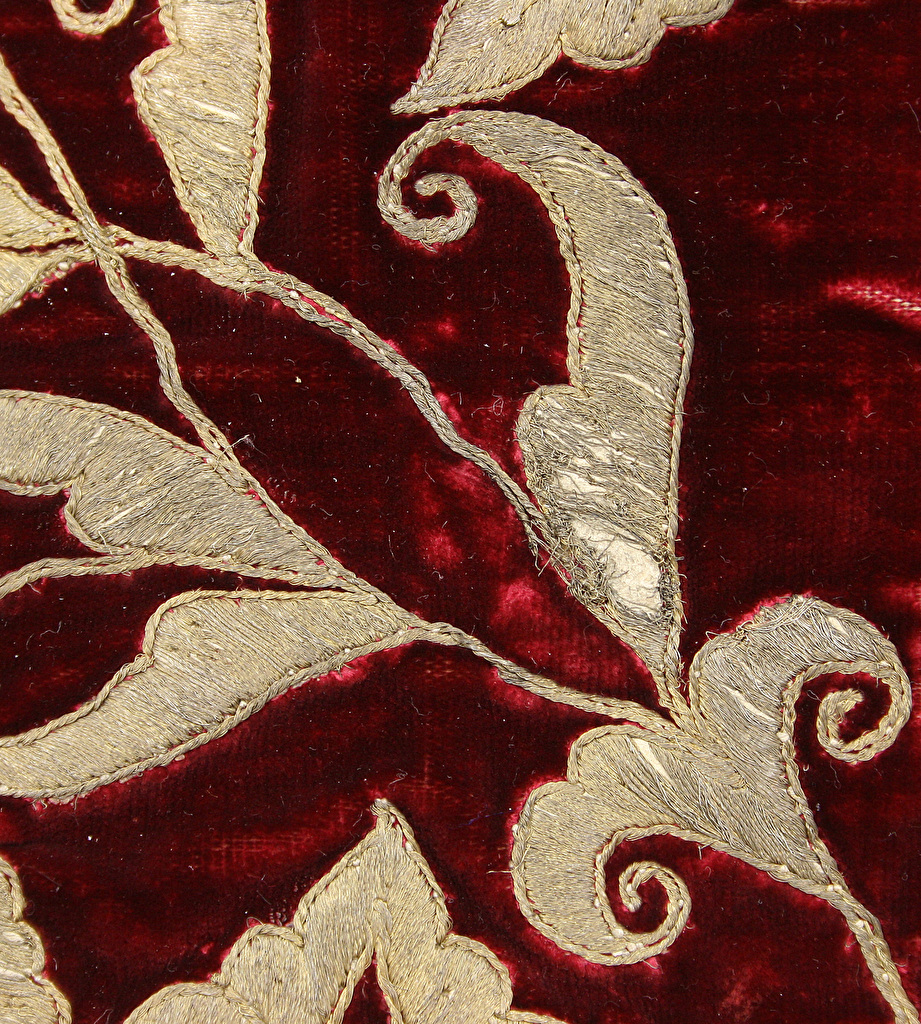
his beautiful saddle in detail 


 finally some of his portraits from wiki commons, a mix of the XVII and XVIII century works. 


Valete

Monday, February 27, 2023

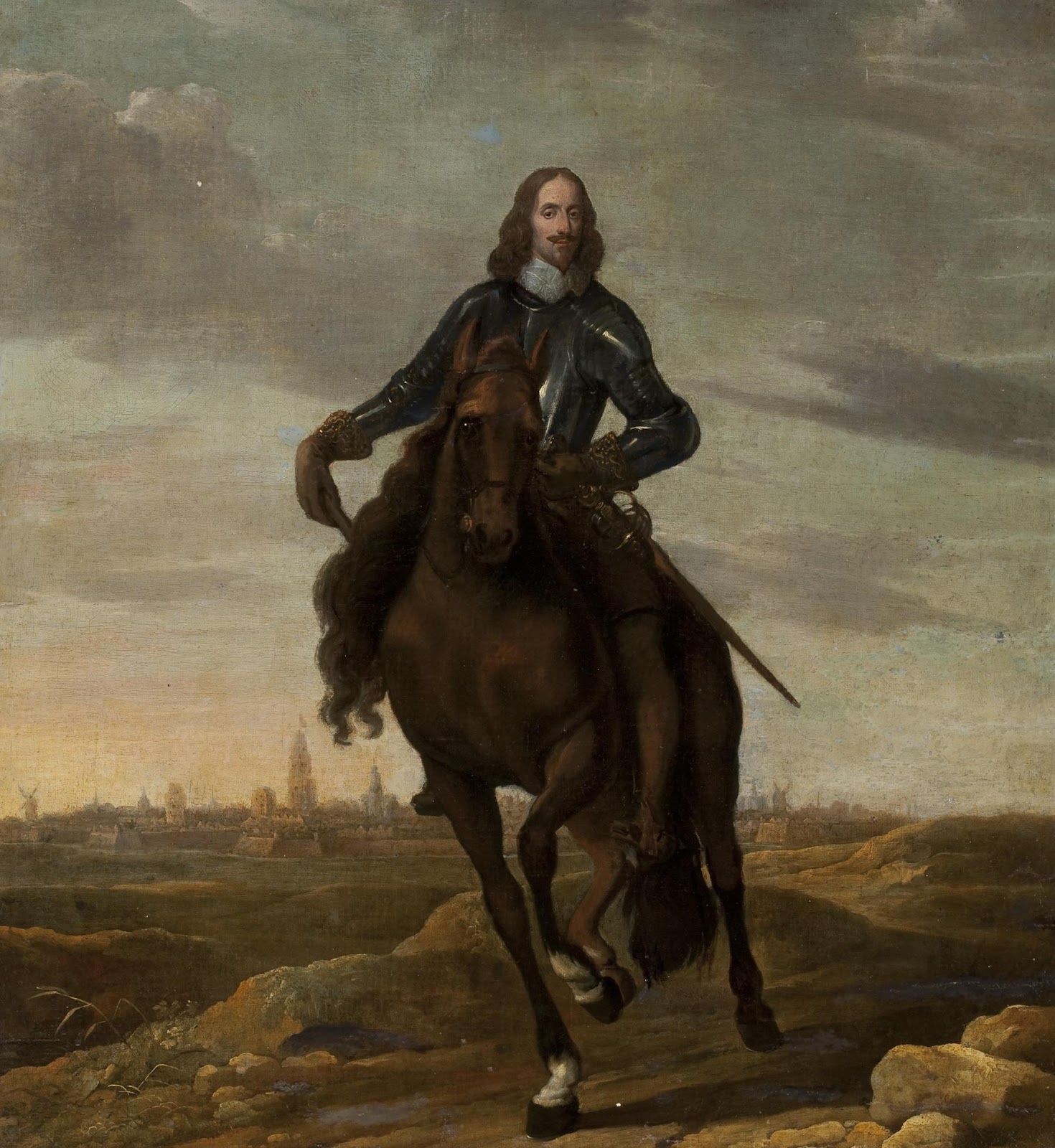
Leopold Wilhelm Habsburg on horseback

Salvete Omnes,
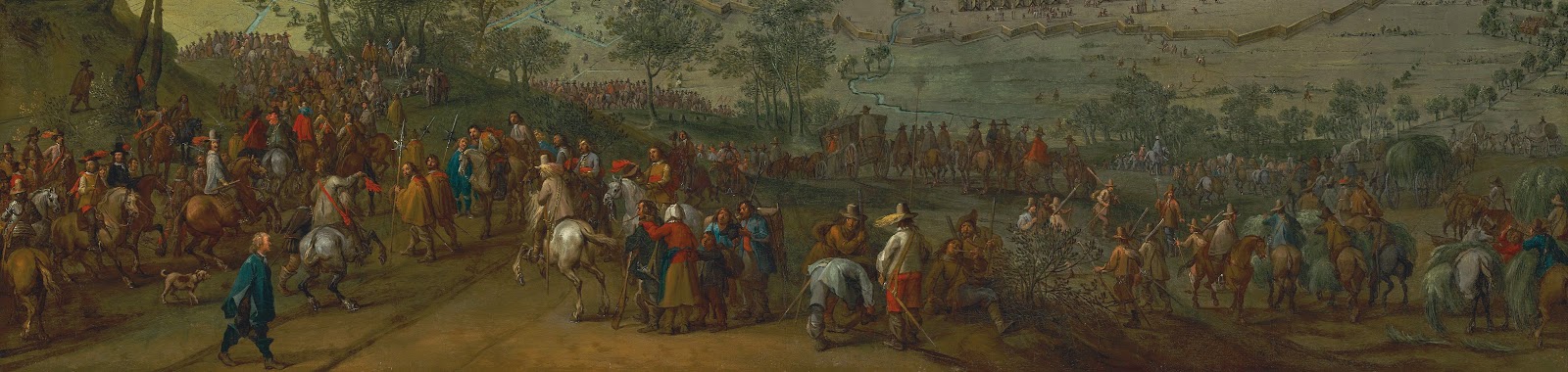
back to the XVII century equestrian portraits from royal Europe.

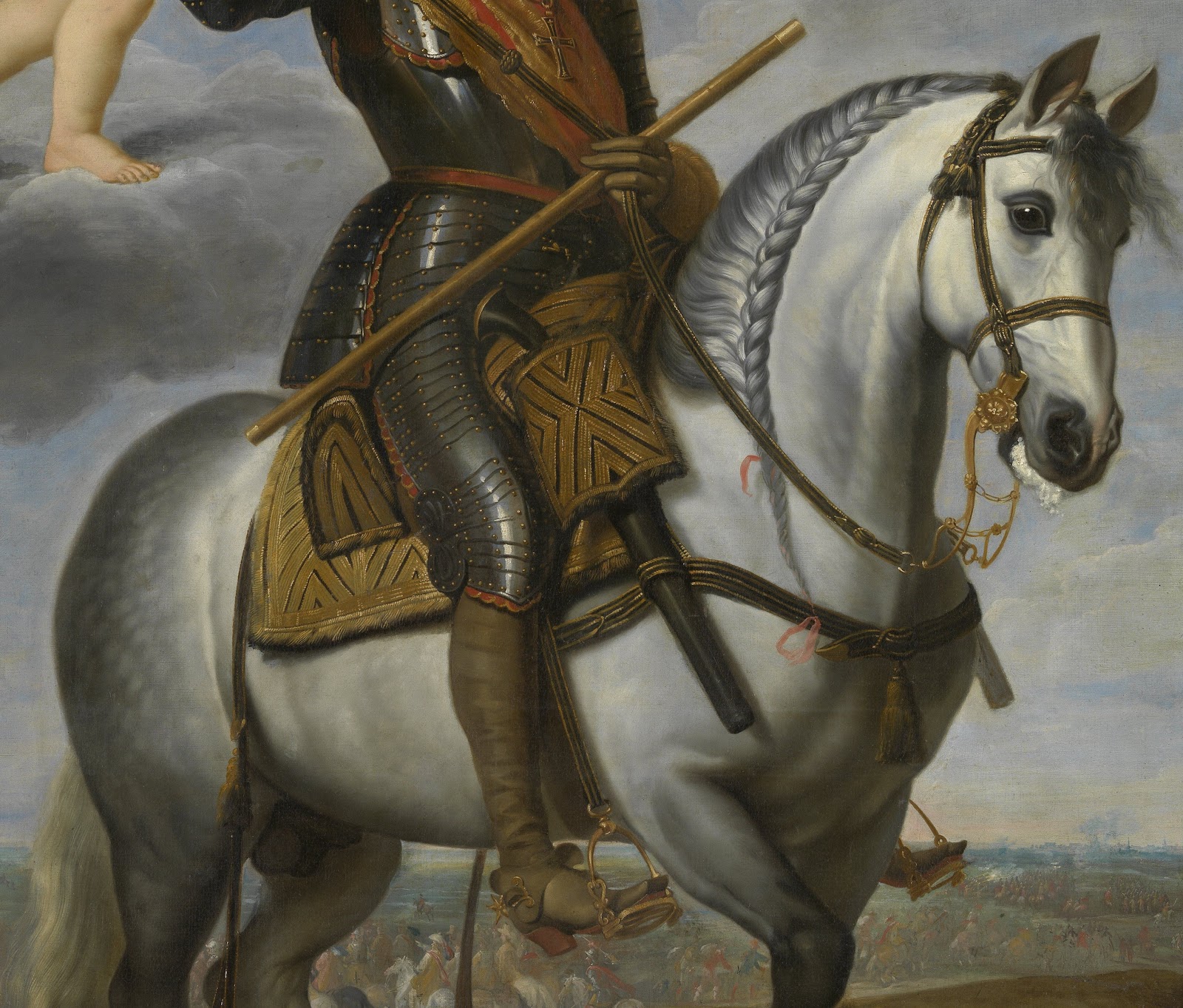
a detail of Peter Snayers' painting - Siege of Armentierers - and archduke on a gray horse

another Snayers - Siege of Diskmuided - this time archduke is mounted on a chestnut steed 


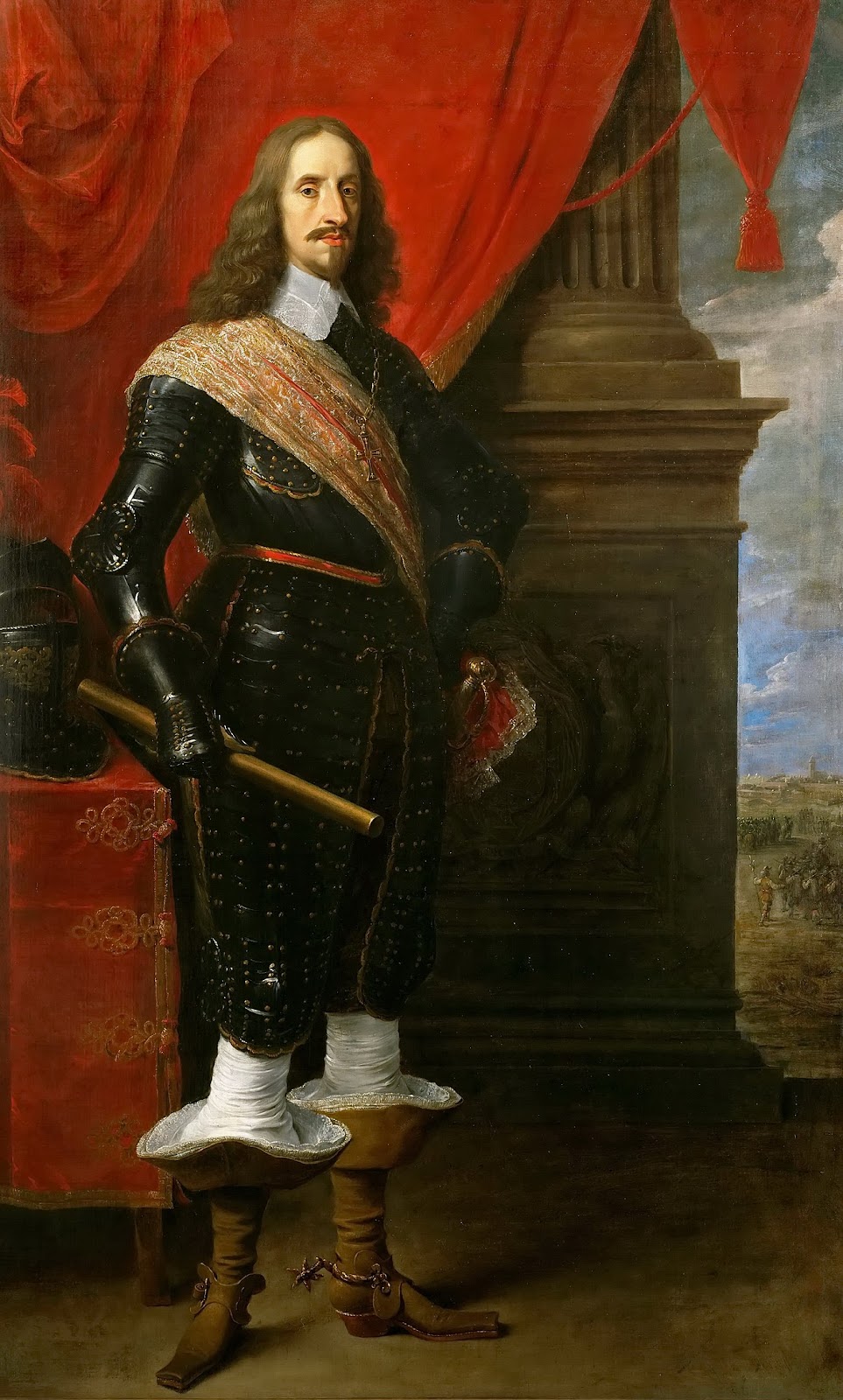
This time it will be archduke Leopold Wilhelm  von Osterreich (Hapsburg) - a scion of the Austrian imperial family: son of emperor Ferdinand II and brother of emperor Ferdinand III, who was not very lucky or perhaps unlucky as a military commander, but made it into history as art collector and bishop of Wroclaw (Breslau) upon  passing of  our Vasa royal, Karol Ferdynand Wasa in 1655/6 (he held 3 more bishoprics as the time of his passing in 1662), and also a Grand Master of the Teutonic Order.

National Trust images - 


a stallion and most likely a Spanish royal horse


I think this mount was a dark chestnut horse
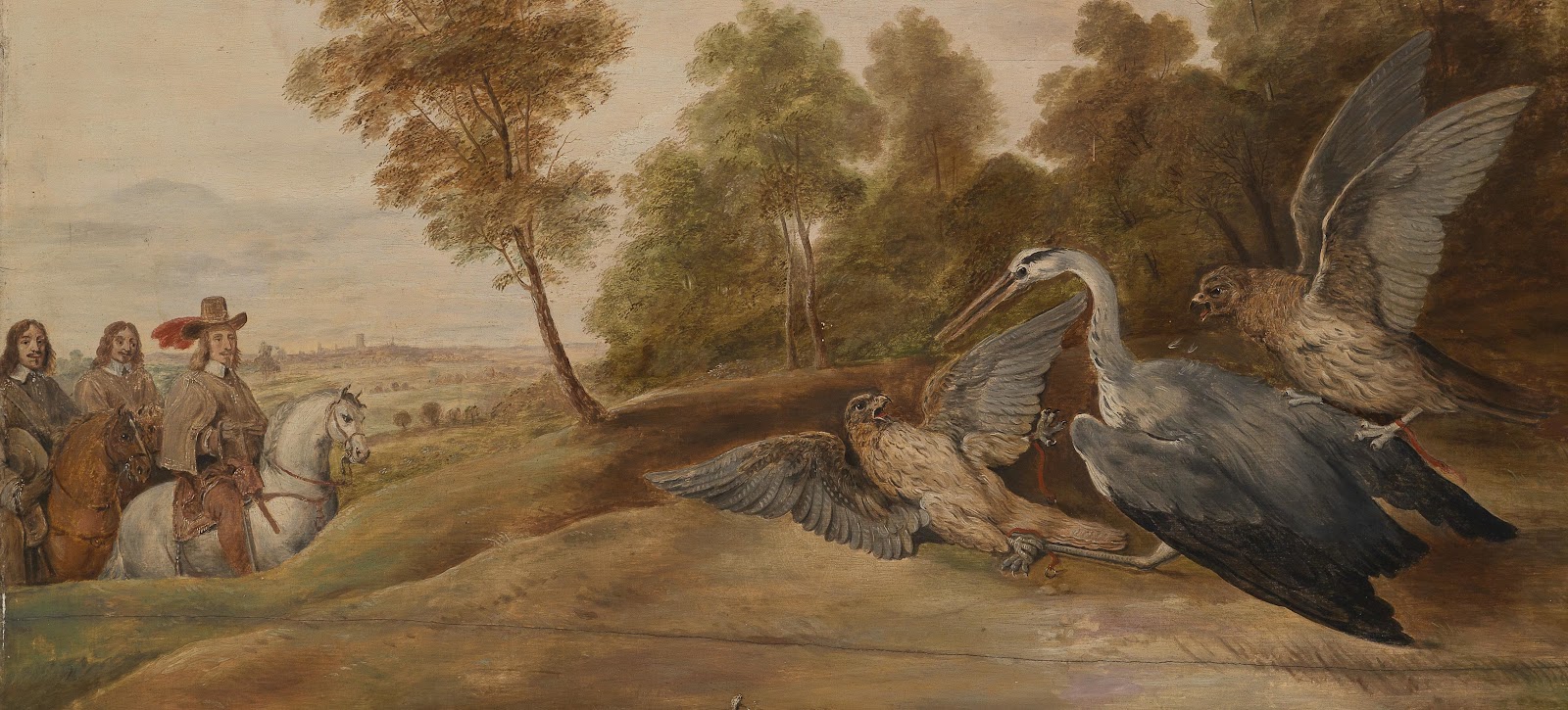
and here archduke hawking by David Teniers the Younger 


nota bene Leopold Wilhelm had some nice suits of armor as evidenced in these portraits, also showing the changes in fashion, including helmets etc. 


Valete