Showing posts with label chart polski. Show all posts

Friday, June 6, 2025

Julisz Kossak - Pol's Mohort illustrations


 Salvete Omnes,


in 1836-39 while living in village of Kalenica Wincenty Pol,  already a poet and veteran of November 1831 Uprising,  met a nobleman and veteran of Polish pre-1795 army, Duchy of Warsaw and all the other wars Poles fought in the early XIX century,  general Franciszek Ksawery Krasicki

Pol also met and conversed with another veteran major Kazimierz Ostaszewski of Zarszyn. In Nienadowa he met another veteran soldier Antoni Debinski, commander of infantry battalion in the pre-1795 Polish Crown army.
All these veterans told to Wincenty Pol these chivlaric  stories about one brave cavalryman Szymon Mohort, who in the autumn of this life, being almost a 100 years old  and still a soldier, was killed  defending Polish lands against the Russian invasion in the battle of Bruszkowice in 1792.

Inspired by these conversations our Wincenty spent a dozen year composing and polishing his poem - Mohort or  knightly rhapsody, officially finishing the poem on December 28, 1852.

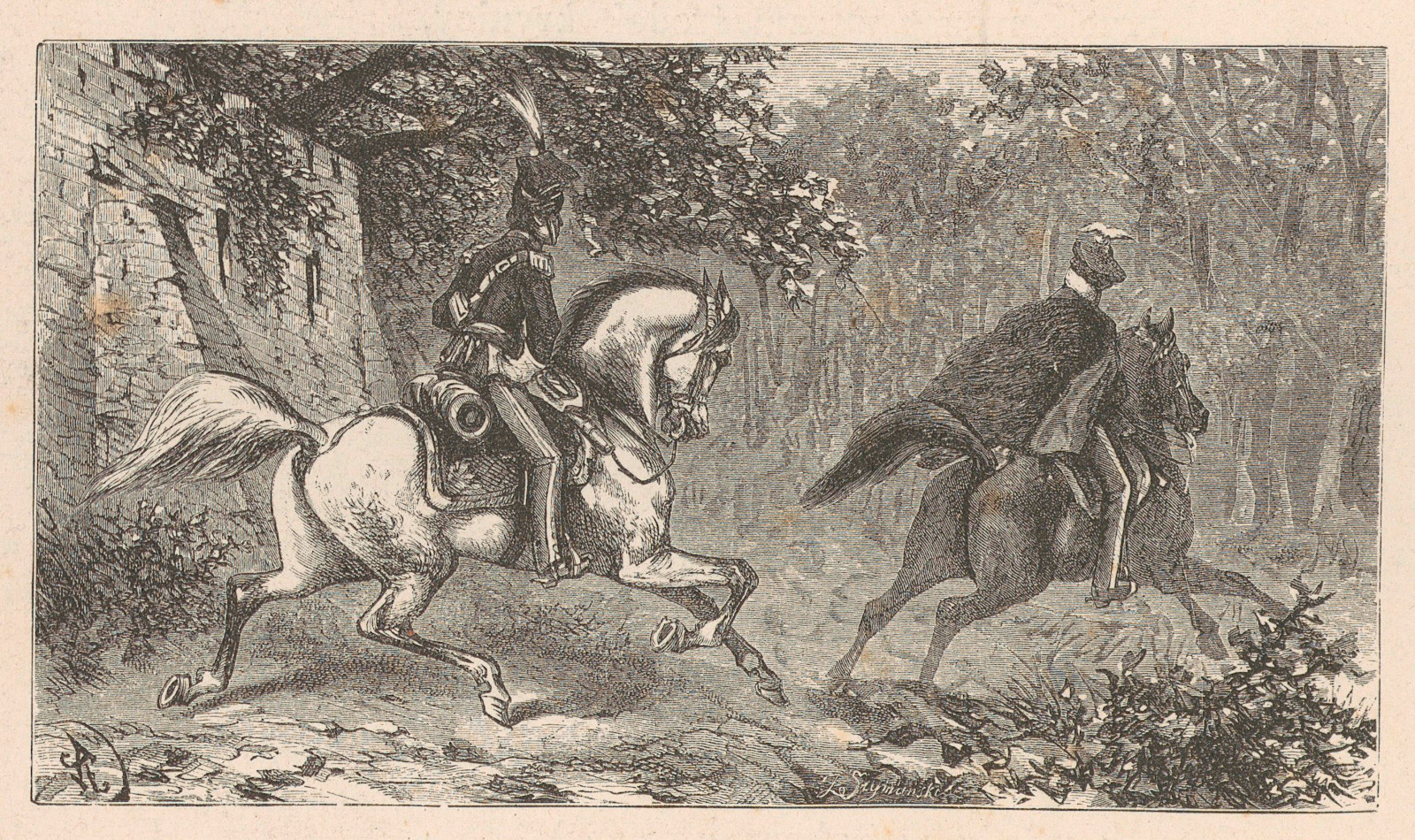
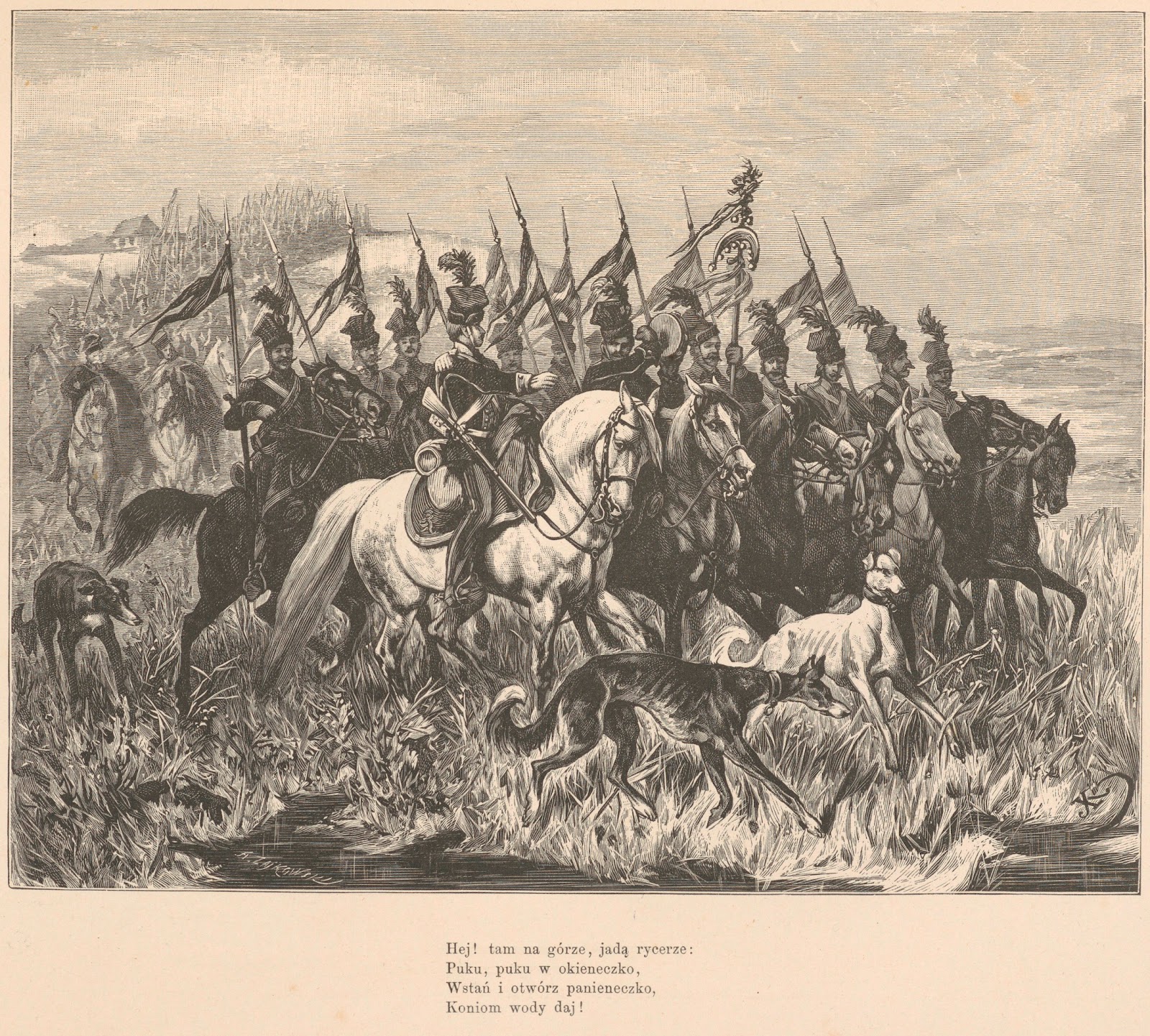
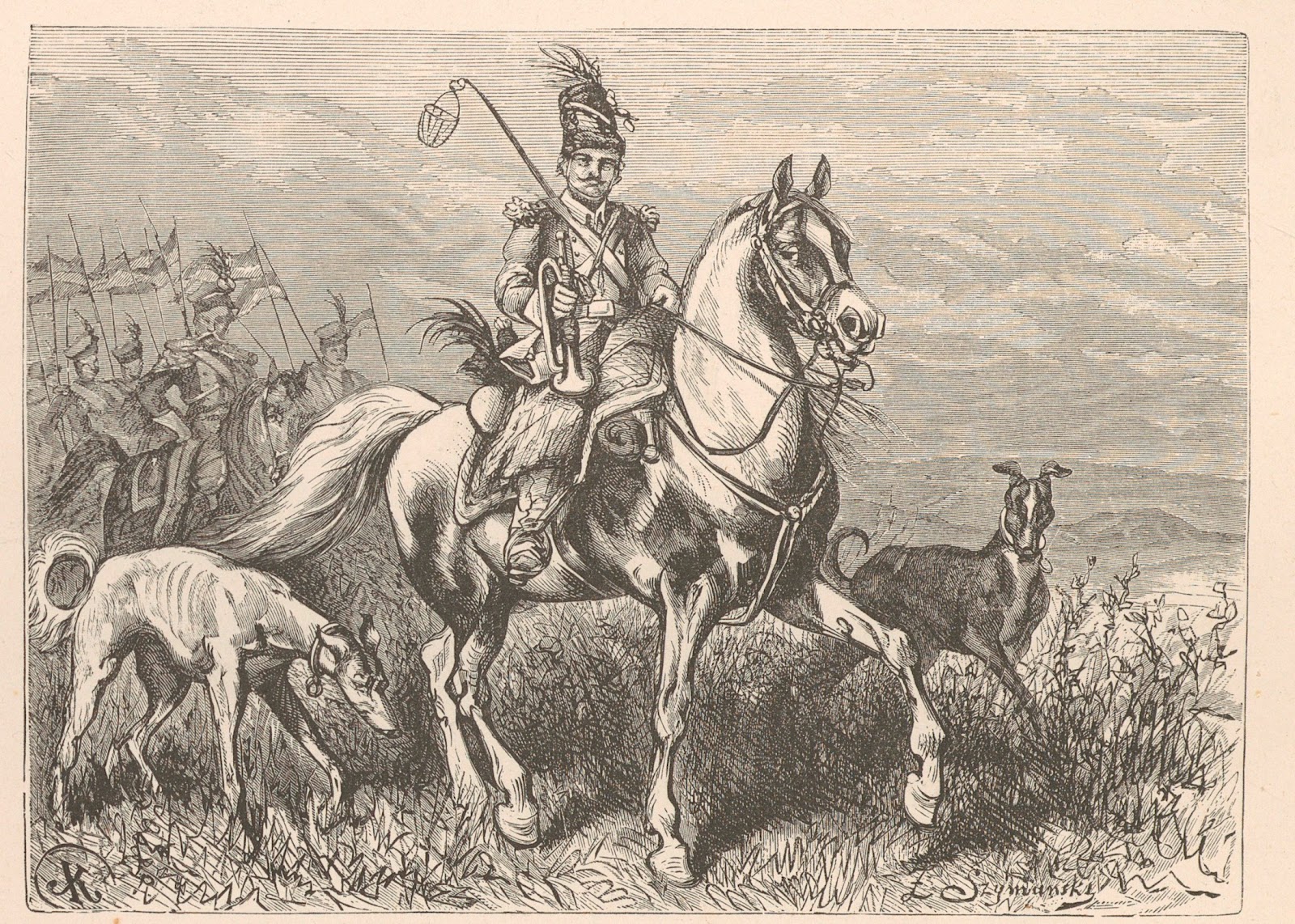
Mohort Rhapsodies was published in in Krakow in 1854, and immediately  was met with praise and admiration by other writers, intellectuals, artists and general readership. It was published in many editions, more than a dozen times, between 1854 and 1914.  Many Polish artists of the era painted canvases based on Mohort poem, including Juliusz Kossak, January Suchodolski, Jozef Brodowski and others. 
The  1882 edition of Pol's  rhapsodies was particularly finely presented for the demanding audiences by Herman Altenberg of Lwow, who asked  then famous Juliusz Kossak to create illustrations for the poem.


This edition was exquisite and widely admired, adding more to the spread and interest in the Pol's poetic work.

I corralled some of these full page and smaller illuminations for our viewing pleasure - 


all images come from Polona, Polish National Library, digitized  edition of  Pol's Mohort.


.


.


Valete

Wednesday, September 7, 2022

Maslowski & his brushes & pencils

 Salvete Omnes,


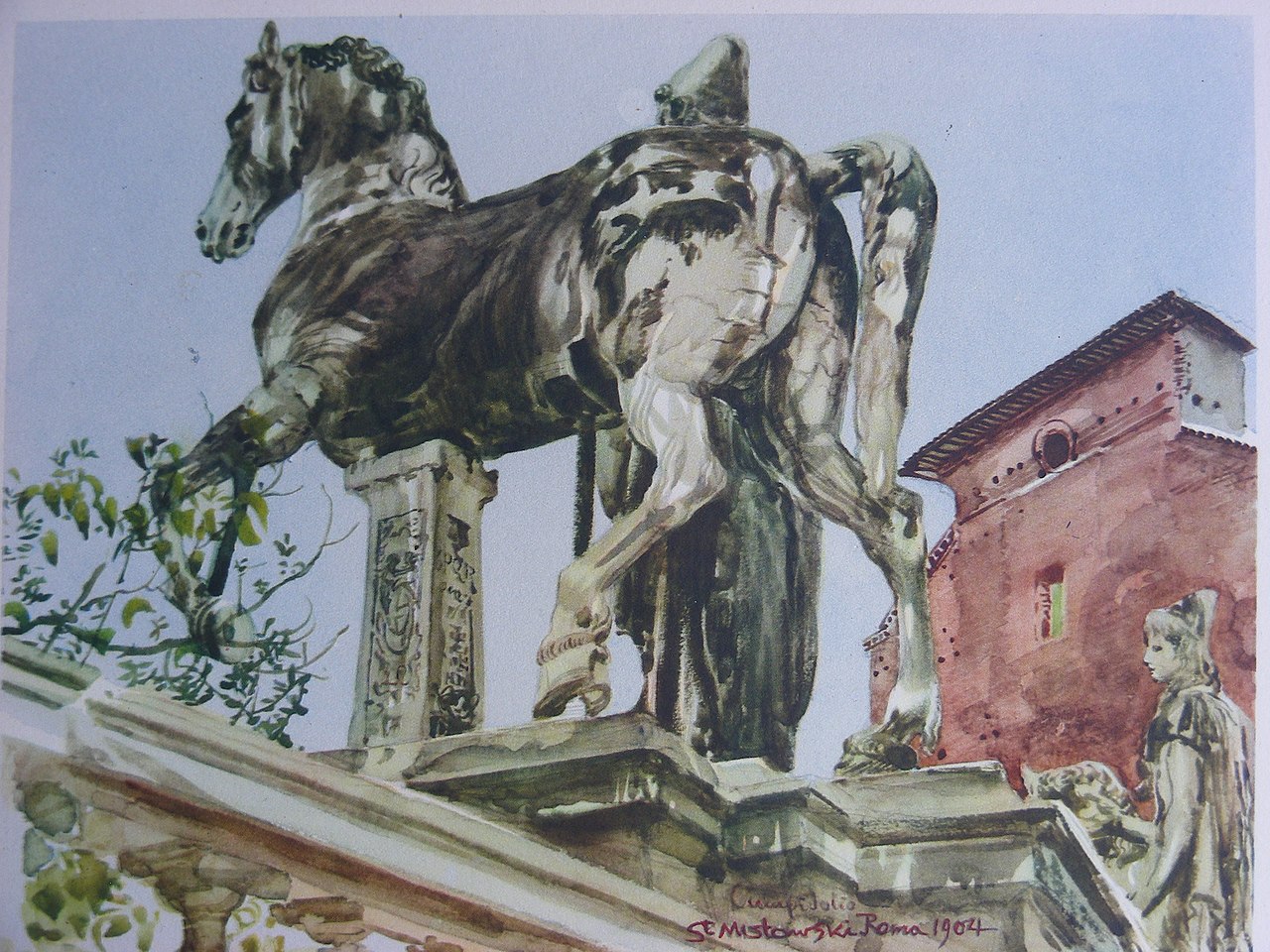
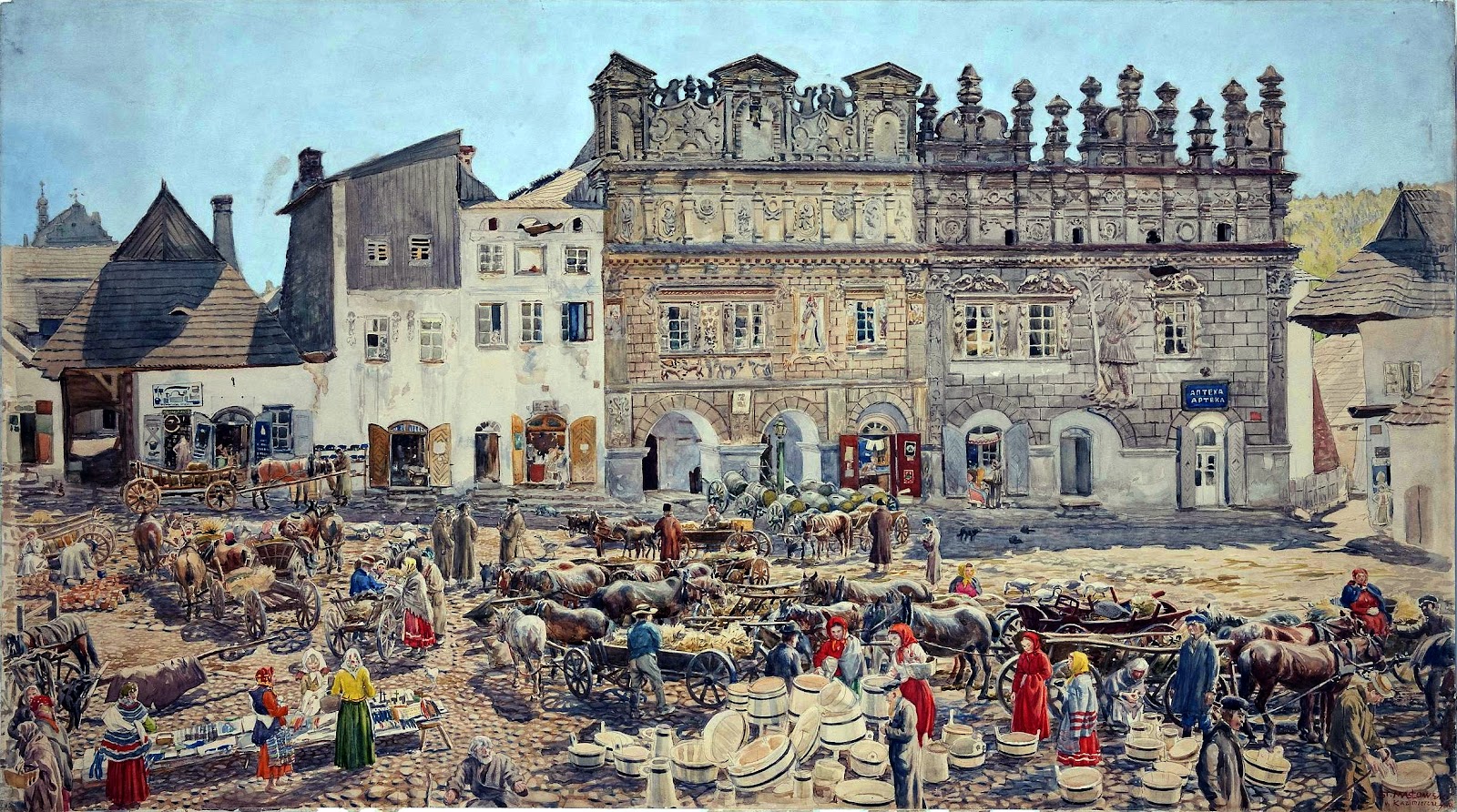
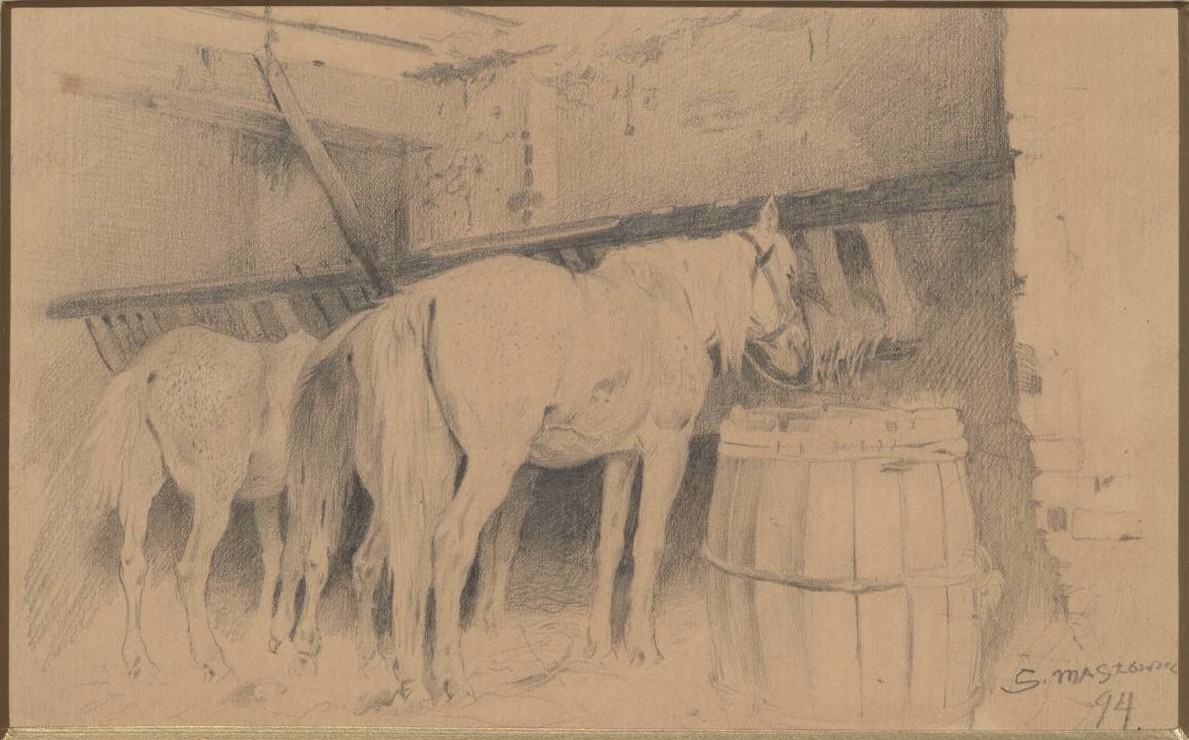
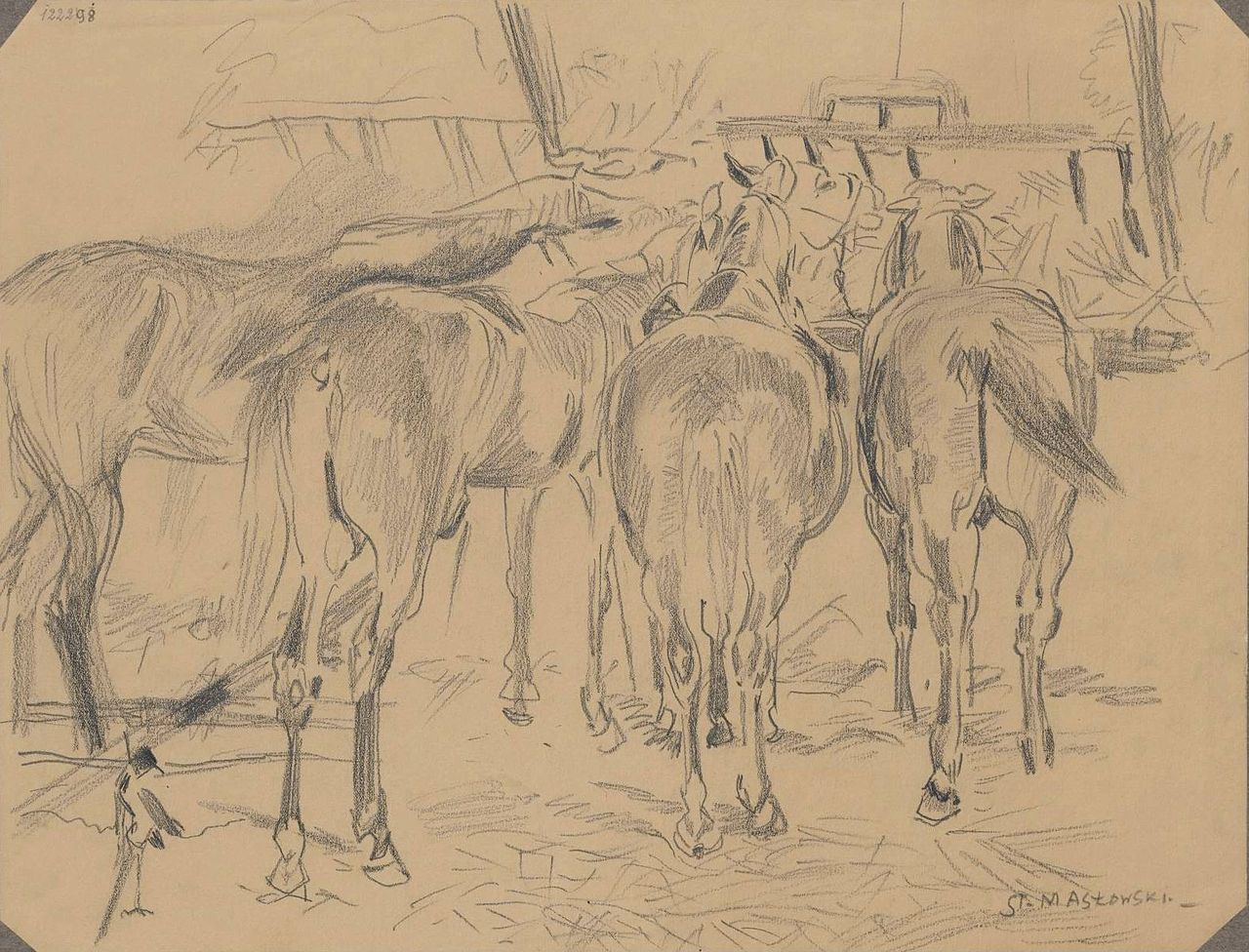
today just some beautiful art from a Polish  artist named  Stanislaw Maslowski (1853 -1926).


He was a scion of a lesser Polish noble family with a rather unusual coat of arms - Samson.
His maternal grandfather, Wincenty Danielewicz(1787-1878) Ostoja coat of arms,  was a chevau-leger lancer of the 1st Polish Light Cavalry Lancers Regiment of the Imperial Guard, for his bravery and heroic actions pan Danielewicz was awarded a Legion of Honor.  


Pan Stanislaw Maslowski being a working artists also was moved by his passions for art history, especially by the  Italian and French art histories and writings, and this passion resulted in his translation of Giorgio Vasari's famous work The Lives (see the link - :) ) from Italian to Polish.


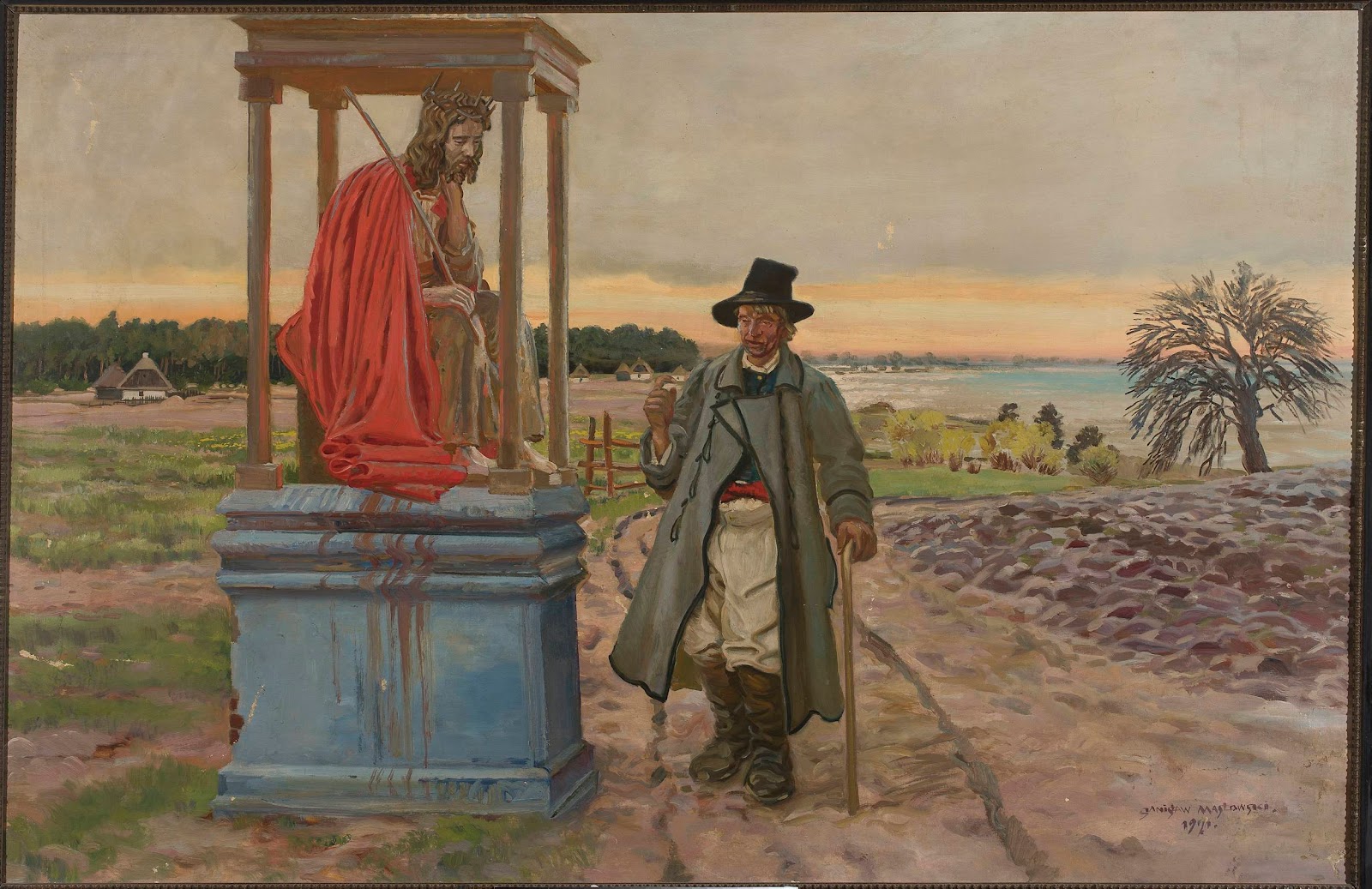
 and this beautiful piece


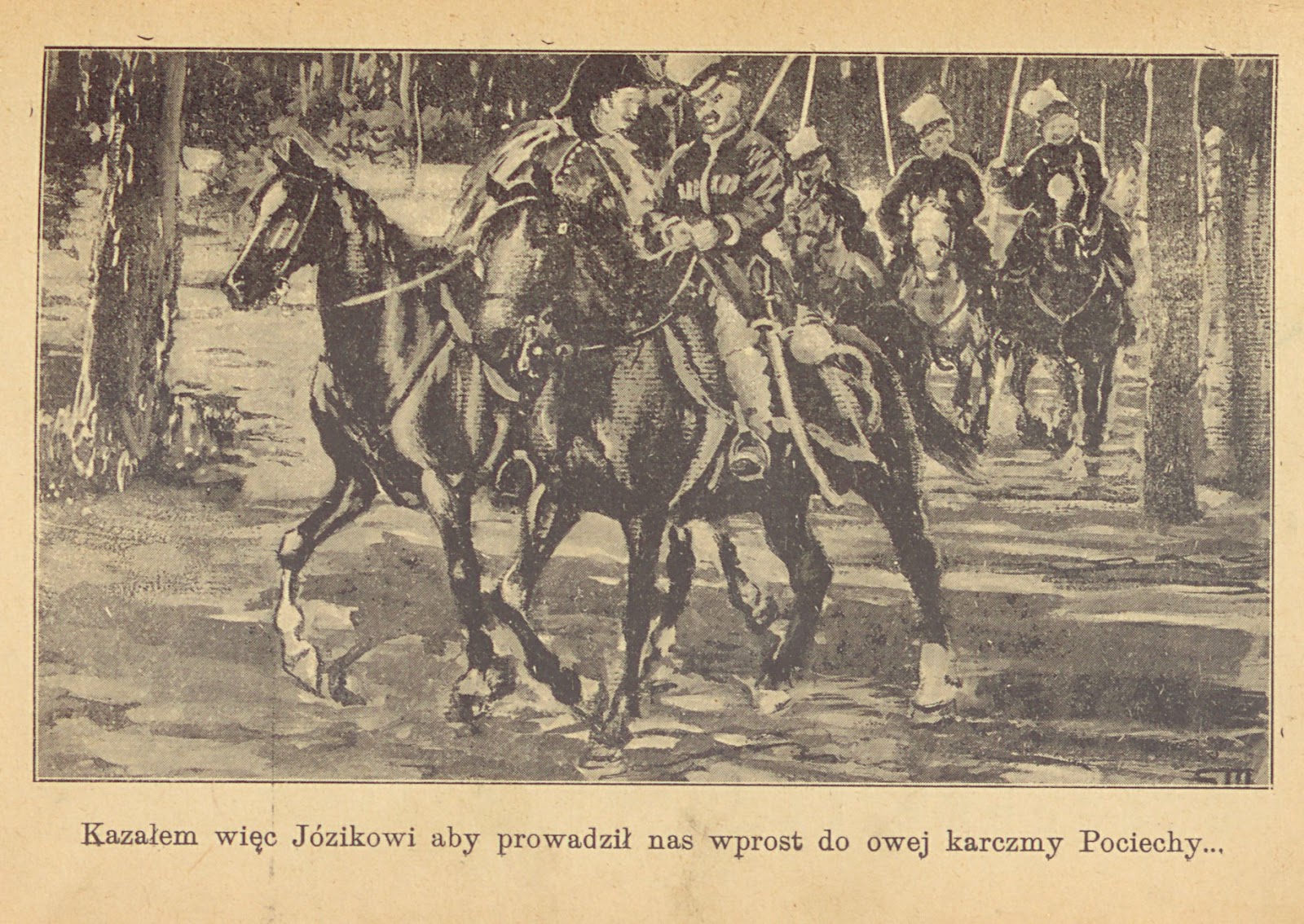
Pan Stanislaw was also a book illustrator - eg a historical fiction by Walery Przyborowski, Adyutant Naczelnego Wodza( Adjutant of the Supreme Commander) .


enjoy


Valete


Saturday, December 16, 2017

Polowanie z chartami


Salvete omnes,
[in Polish]
Przeglądając via FBC numer 11/1938 słynnego Przeglądu Kawaleryjskiego natrafiłem na opis polowania z chartami, w domyśle zapewne polskimi.

Oto karty z ta jakże  pyszna, staropolska w tradycji, charakterze i języku, opowieścią myśliwską nieznanego autora (Z.K.):

.
 .

 .

 .

.Heczha!  Hycoo!

. mości pana Juliusza Kossak wyobrażenia chartów, polowań z chartami i końmi - fragmenty z rycin zamieszczanych  w Tygodniku Ilustrowanym

Valete

Friday, March 22, 2013

Daily drawing - Silesian noble and chart polski

Salve,
 as tradition demands a MyPaint sketch of a XVI century Silesian noble with a chart polski.   Going along my point of interest, i.e., cattle driving accross Polish Crown and Silesia into Germany, then the  old Piast cities of Wrocław and Świdnica were big cattle markets for the Polish oxen, and later in XVIII century also horses.


Silesian nobility, with their roots deep  in the Piast Poland while augmented with the blood of German and Bohemian nobility of the Holy Roman Empire, was often seeking employment with the Polish Crown and her magnates, although as often fought against the Polish Crown, especially under their own Piast dukes during the later Middle Ages and later in the employment of their Hapsburg emperors, eg battle of Byczyna. The most famous Silesian nobleman who achieved great fame and success in Poland during XVI century was this great knight and military lord Bernard Pretwicz, "Wczele"  coat of arms,  known in Poland as Murus Podoliae and Terror Tartarorum. One day I would like to write more about his numerous deeds, amongst them there is a legend of unicorn's horn.

Sunday, July 18, 2010

Polish-Lithuanian warrior with his Polish sighthound


Salve,
during the XV century  through first half of  XX century Polish chart/ plural charty/  (sighthound   chart_polski/  ) was a close companion of the Polish-Lithuanian noblity, especially during their military campaigns and hunting excursions into the vastness of  our steppes and forests.

 These beautiful dogs, often called wolf-hounds, as they were great against wolves,  are often present in the paintings  and memoirs (most accessible in English famous  Pasek Memoirs   page 255 )  of this bygone era.
 In more modern literature, in the Polish writer Bohdan Krolikowski's cycle of fantastic and beautifully written trilogy on the Swedish and Muscovy wars of the mid XVII century, the main hero Blażej Siennicki had a near death experience while hunting with his companions and their Polish charty in the vicinity of the Swedish army, forgetting that the war was all around them.
Hunting in spite of  war all around the hunters always brings to my imagination the famous chase that Scythian nobles undertook after a hare that had appeared between their own lines and the Achaemenid Persian of Darius the Great army arrayed for battle - or so wrote in his Ἱστορίαι  Herodotos (Book IV).
Our Polish chart is a close cousin of Russian borzoi (nice little book on borzoi observed in the early XX century here  observations on Borzoi ). Nota bene Polish sighthound was often called 'Polish borzoi' (swift or fast) dog in the XIX century, and belonged to the great Asian family of  borzoi dogs (sighthounds), for  it was also a cousin of a dog from southern Ukraine called Crimean borzoi, bred by both arch-enemies and sometimes friends of their northern neighbors-  the Crimean Tatars, and the Central Asian borzoi that was bred by the Central Asian nomads from time immemorial :); also a cousin of Moldavian sighthound, Caucasus sighthound, Persian sighthound etc.

Polish painter Juliusz Kossak  ( .wikipedia /Juliusz_Kossak  ) often painted these splendid dogs in   XVII-XIX century settings, the first scene most likely he observed in person eg:


My drawing was done with a 'F' size  Rotring Artpen and watercolor brushes, and then I worked it a little bit  with GIMP Paint Studio and Wacom tablet.