Showing posts with label horse drummer. Show all posts

Saturday, January 31, 2026

Sassanian plate from Northern Wei tomb

 Salvete omnes,

the month of January is coming to its end today. It has been a very cold month in our Northern Hemisphere. 


King hunting wild boar

perusing the Wiki Commons archives I came across this Sassanian metal plate found in the Northern Wei tomb. Which gives me a chance to share some very fine photos of the Northern Wei tomb art showing their horses, warriors, horse musicians, hunting and their heavy cavalry on caparisoned horses. 


You can listen to the Chinese History podcast to learn more about the Northern Wei ( in the comfort of your own surroundings)- an interview with prof. Scott Pearce , author of the book on the Northern Wei.  

Northern Wei fresco - detailed images of horse archers, dogs, and prey animals
Model of the Northern Wei tomb

Northern Wei fresco 


. all these Bactrian camel sculptures come from the Northern Wei tombs - long distance travel, trade and influence  across the Central Asian lands were the essential parts of the Northern Wei state.


.
Nota bene, the story of Mulan (Hua Mulan) 


seems to have come  from this period (preserved in the writings of Song Dynasty), hence some researchers say that she was not really a Han Chinese but a  warrior from the northern China Sinicized (assimilated into the Han Chinese culture etc) nomadic northern peoples. 


enjoy

Valete

Saturday, September 27, 2025

Kapalin husarski - winged hussar war hat

 Salvete Omnes,


today is the 420 anniversary of the momentous battle of Kircholm (1605). I have written about Kircholm many times (please, be so kind and check labels). 


Today a word or two about the war hat found to have been used by the winged hussars(companions and retainers). Typically we associate the winged hussars lancers, especially the companions, with a helmet known as a szyszak (shishak, shishaq). Naturally during the period of late XVI and early XVII century the lancers wore a variety of helmets, and a kapalin war hat was one of them. 

Note that war hats or kettle hats were in use since the early Middle Ages, and even as late as 1630s Swedish modern army had kapalin war hats in their panoply, especially the cavalry, albeit their were often blackened.

winged hussar carrying a lance and a kapalin war hat


Polish museums, eg Krakow National Museum, have a collection of these helmets, also in Belarus too, perhaps in Lithuanian and Ukraine as well.

a 'kaapalin' from a Belarusian museum, placed on a chain mail shirt 


National Museum in Kielce has a very nice example of these kapalin war hats used by our hussars. 


Also, Museum Ziem Wschodnich-Lublin Castle   has  a well preserved example of Polish-Lithuanian cavalry kapalin war hat.


more photos of the helmet on the museum website.


So perhaps some of the boys who charged the Karl IX's Swedish army wore the kapalin war hats, a popular helmet with some companions and many retainers through 1650s.


enjoy

Valete

Friday, September 12, 2025

Vienna 1683-2025 - horses

 Salvete Omnes,


today we commemorate the battle of Vienna 1683 -  I have written many posts on the battle, and I am sure will write many more, God willing. 

I would like to commemorate the struggle with the images of horses from the period paintings, mostly from this one - Anonym Entsatz Wien 1683 (painting in Vienna , Austria). 


Many thousands, perhaps a hundred thousand,  of horses participated in this battle. Horses on both sides suffered from lack of adequate feed. Days before the battle the Ottoman side had to take  their horses across the  Danube River to pasture and hay cutting parties roamed further and further from the besieged city and their own camps. During the battle some horses died from wounds but many more, especially of the Polish cavalry and wagon trains, died from malnutrition and near  starvation (the last couple days before the battle they ate tree leaves or nor food at all,  ). After the battle there was very little fodder  in and near Vienna, captured Ottoman camps had stores of fodder but they were wasted by the pillaging victorious soldiers,  while mostly Polish forces captured more than 20,000 animals in the Ottoman camps, including some very fine Turkish and Arabian noble horses.
Imperial bureaucracy was slow to deliver hay and grain to the encamped armies, while the armies  immediate supplies for men and horses. Only when the Polish royal army decamped away from Vienna and entered the country near Pressburg (present Bratislava) they had enough fodder for their horses - but then many Polish soldiers were sick with fever (bloody dysentery) and dying from this plague.
There was more fighting to be had in October against sultan's vizier Kara-Mustafa and his armies. 

Valete

Monday, February 10, 2025

Waclaw Boratynski (1908-1939) and his Potop postcards

 Salvete Omnes,


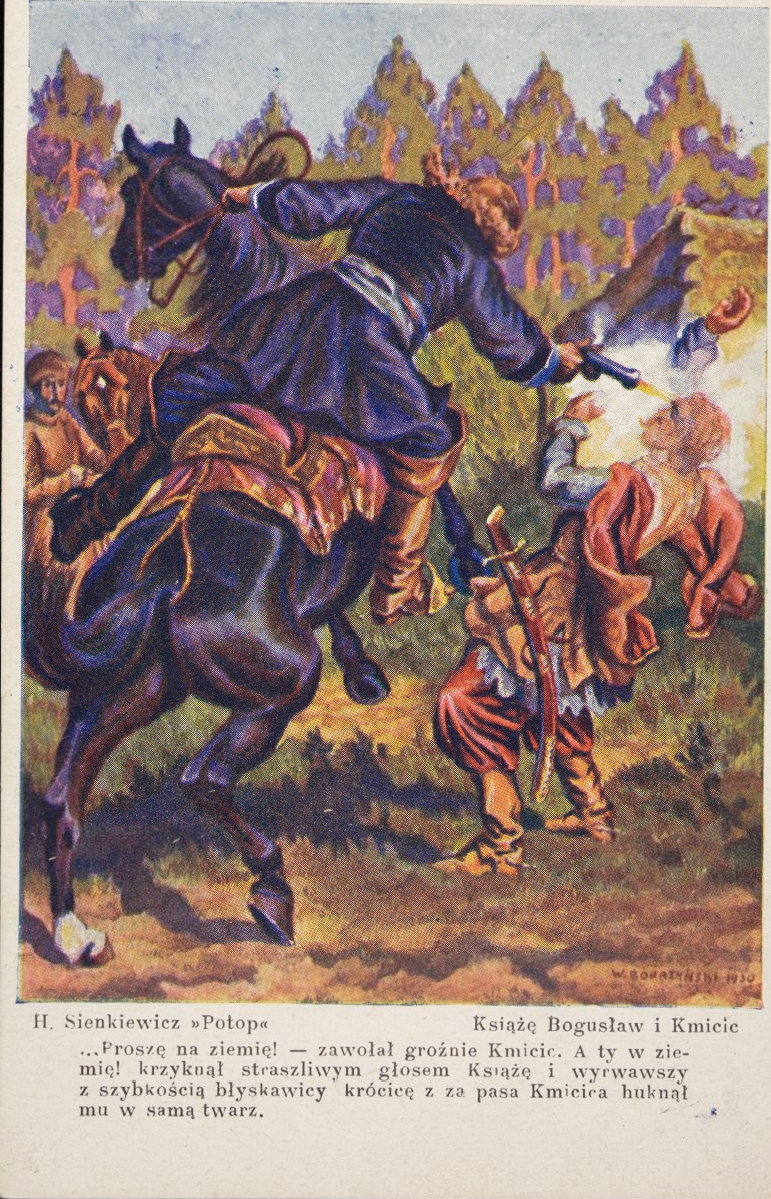
a quick post about an unusual  Polish illustrator and his artwork to illustrate the national epic , i..e., Sienkiewicz' Potop, 2nd novel in the 'Trylogia' ('The Trylogy') cycle.
Waclaw Boratynski (Pracowit z Ryglit)  was an illustrator  and painter, member of Stanislaw Szukalski's Szczep Rogate Serce (Horned Heart Band/Clan)

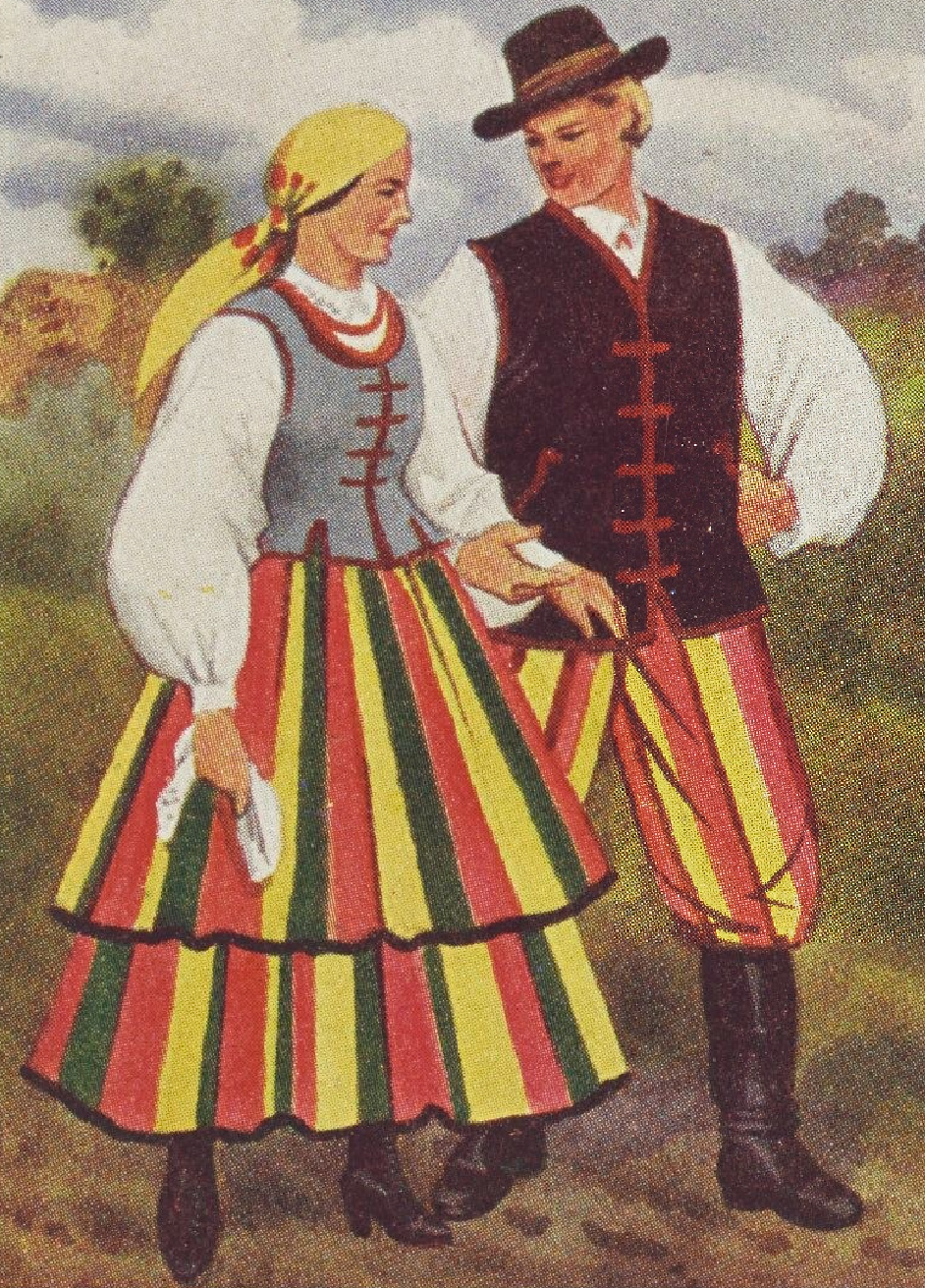
Lowicz peasant- male and female-  costume from 1930s


He was mobilized in as the infantry - 18th infantry regiment -  cadet officer (podchorazy) in 1939. He was part of the Polish army defending the city of Lwow against the German invasion, was wounded and died there on Septemebr 25, 1939, his body was buried there but it is said his grave did not survive the war, as Poles were ethnically cleansed (1939-47)  and deported from the Soviet Western Ukraine to the new Polish state. Boratynski's life was cut prematurely and Polish art was deprived of his talent.

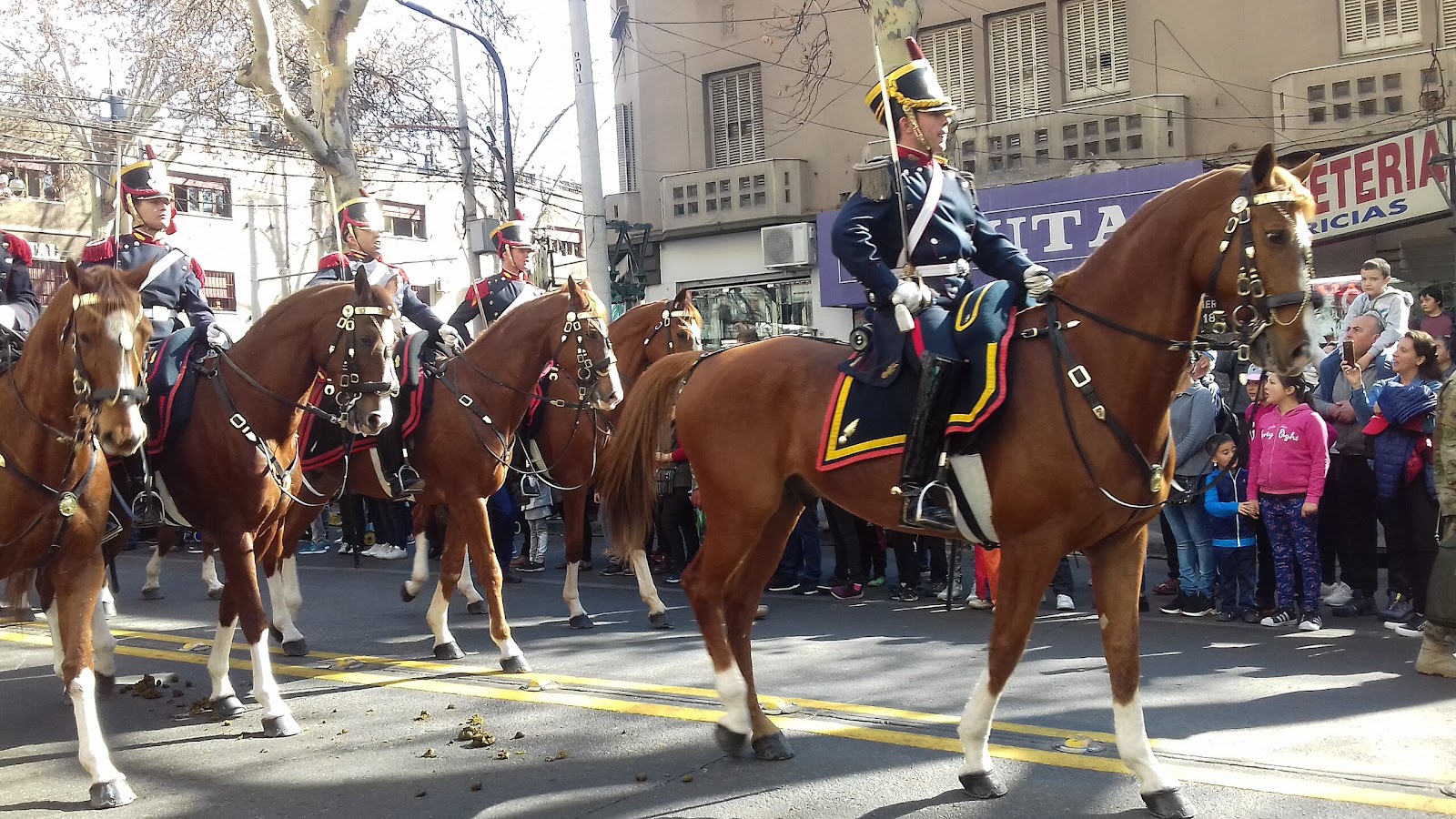
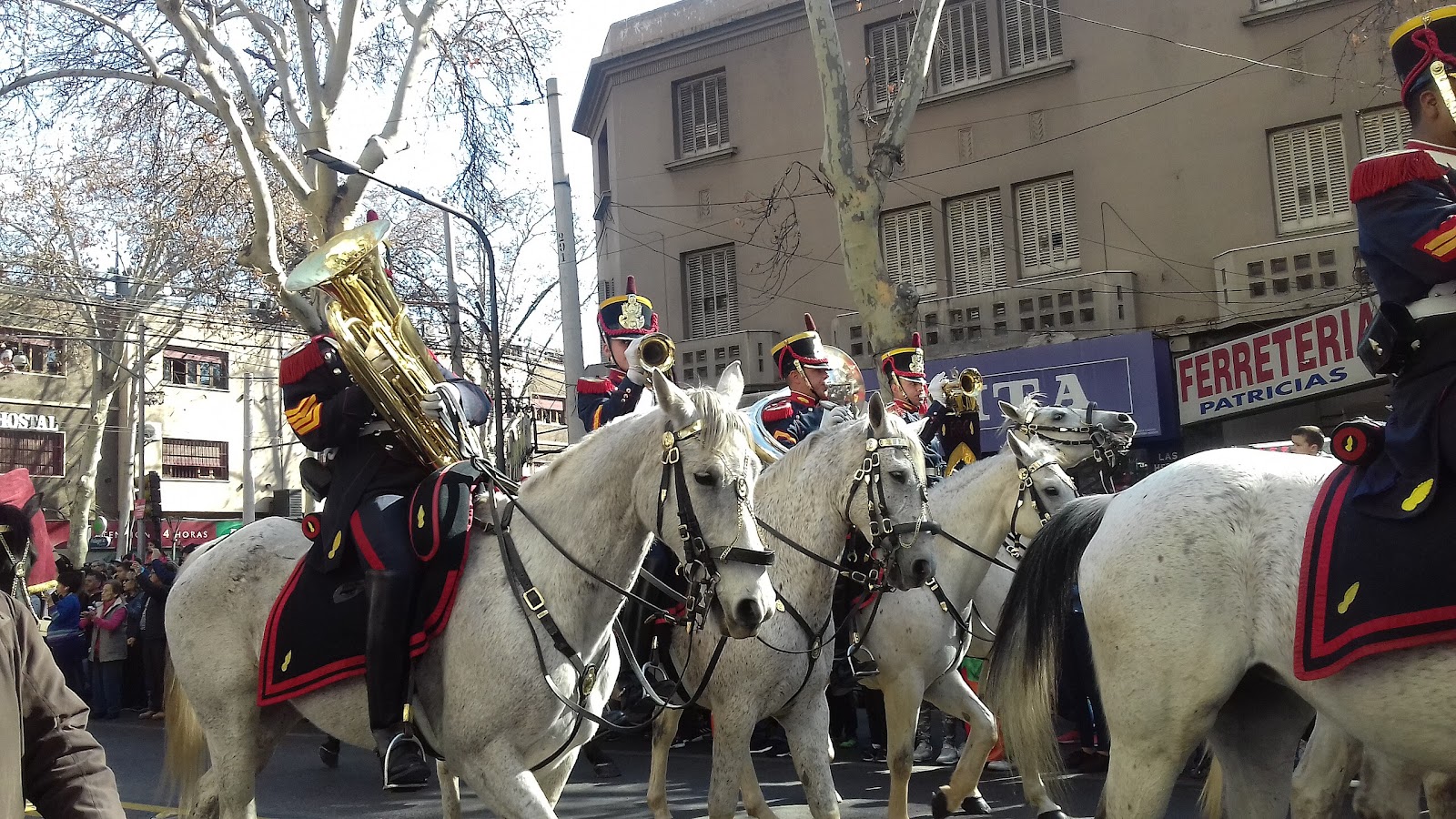
perhaps the music platoon of the 1st 'szwolezerow' regiment 

In the 1937-38 he created a series of postcards - available for download at Polona website - based on  the national epic novel 'Potop' ('The Deluge'). Kmicic, Wolodyjowski, winged hussars, Tatars, Carpathian gorale, reiters, Swedish army, Luadanska company etc in these cards


enjoy

Valete
Monday, February 3, 2025

Birth of Argentine Cavalry Feb. 3, 1813 - battle of San Lorenzo

 Salvete Omnes,

today we will canter to Argentina, when the country was being born and its cavalry too. 


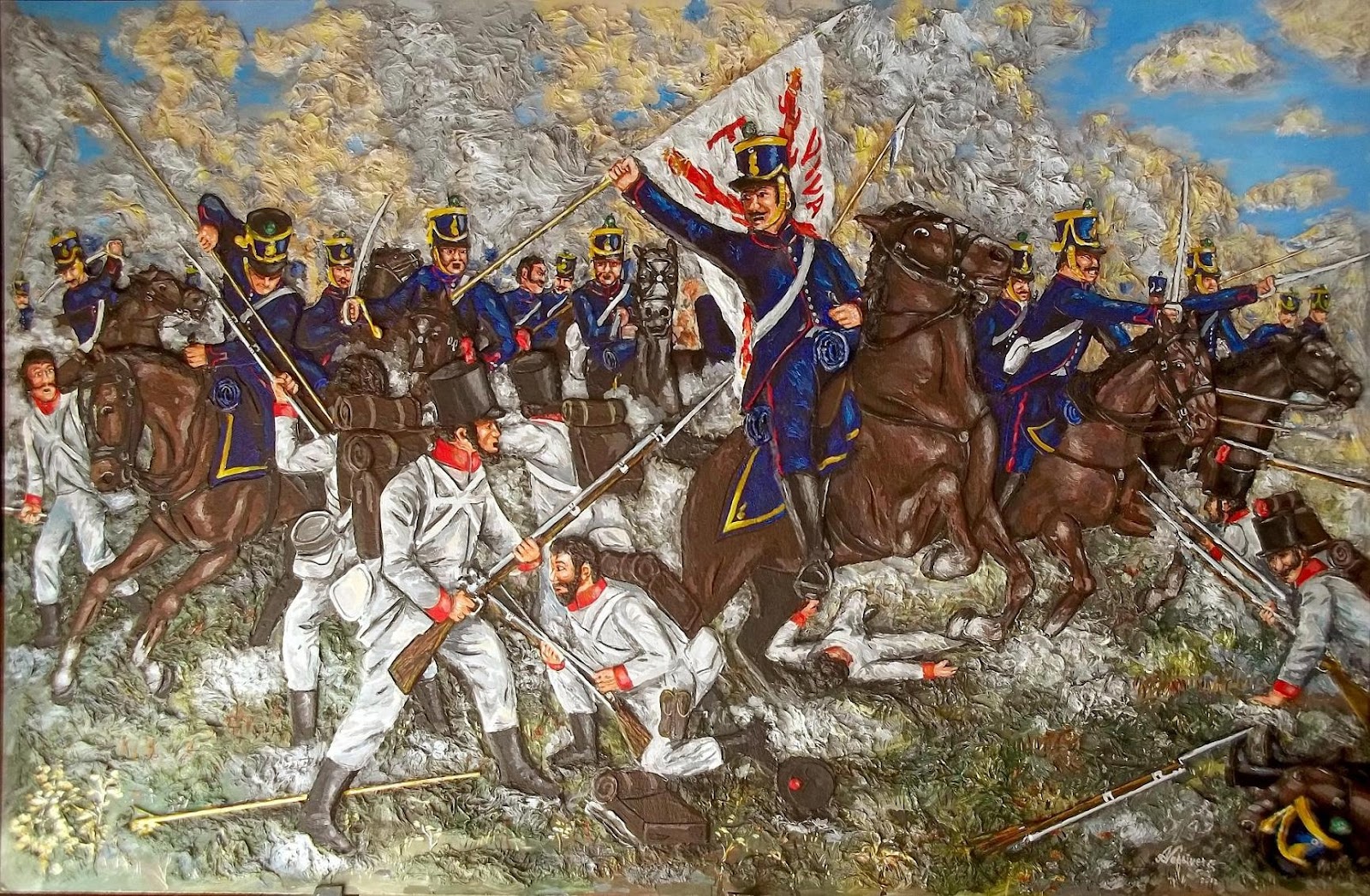
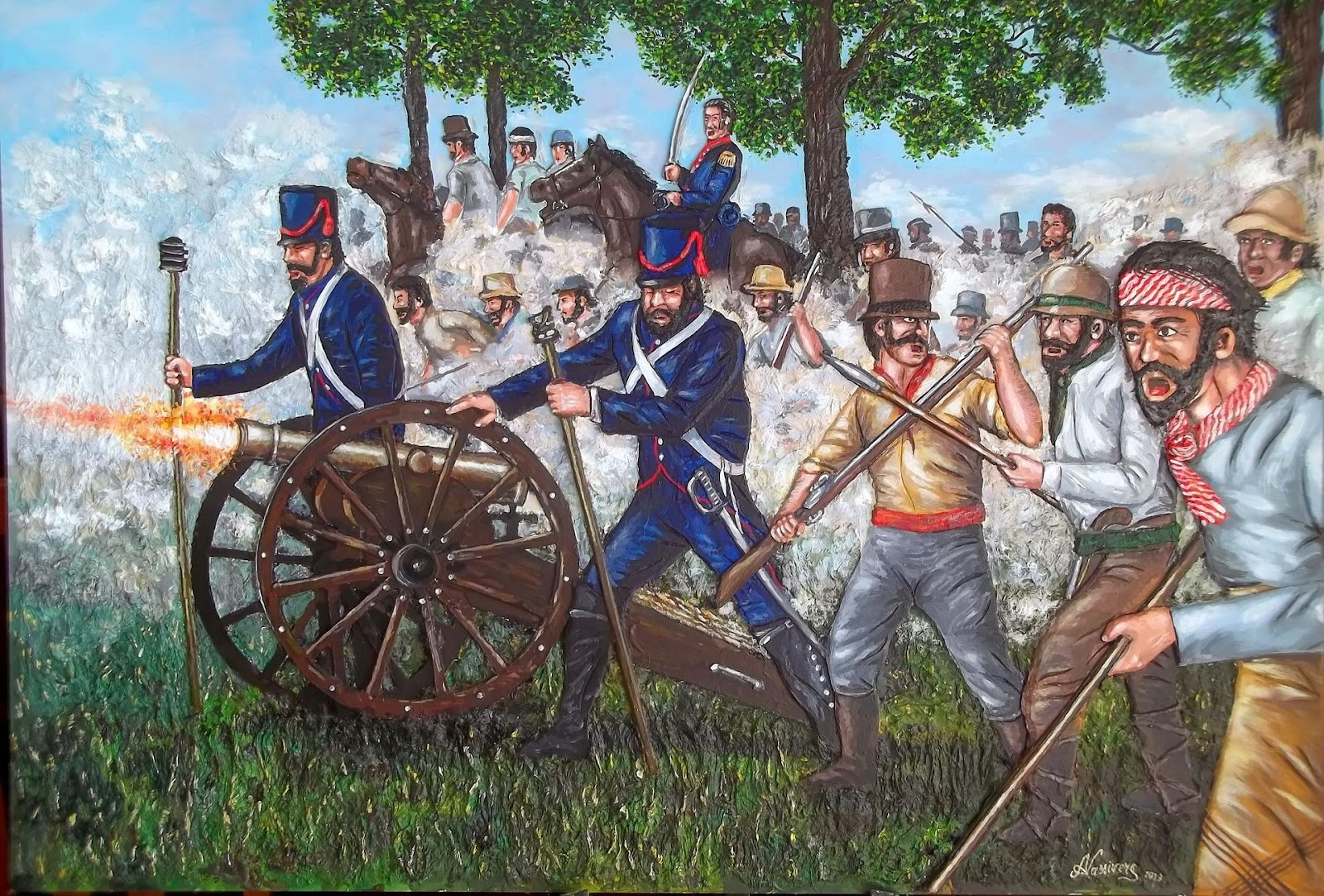
I saw this monument by Fernando Pugliese  on the Argentinian portal and decided to do a quick post about the Argentinian cavalry and their first victorious battle, of San Lorenzo, during long war for the Latin American independence. 


In early March 1812 Lt. Colonel Jose Francisco de San Martin petitioned the junta (el Primer Triunvirato) to organize cavalry unit  for the rebellion and on March 16, 1812 the first squadron of the cavalry (Ganaderos a Caballo) was born, housed in the Cuartel de la Rancheria (moved in May 1812 to the Cuarteles de el Retiro) in Buenos Aires. In September 1812 2nd squadron  was organized, and the 3rd was formed in the late 1812.
The  newly formed cavalry regiment consisted of 3 squadrons, 
each squadron :    1 squadron commander, 

1 squadron Corporal Major, 1 Adjutant Major, 1 Guidon Bearer 

1 cavalry captain, 1 cavalry lieutenant and 1 cornet.
9 cavalry sergeants, 3 cavalry corporals, 31 cavalry grenadiers and one cavalry trumpeter
 The cavalrymen were armed with lances, flintlock carbines,   and curved sabres. They rode in the so called Hungarian saddles.* 

Montevideo, the capital of Spanish viceroyality of La Plata, was under siege of the rebellion's forces (or Republican) but royalist organized naval raids on the settlements along Rio de la Plata, using ships,  boats and naval-borne infantry aka marines.  That February 1813 the royalist landing force force, 250 militia infantry with 4 artillery guns, were about to raid the vicinity of the settlement of San Lorenzo.


De San Martin was ordered to 'raid the raiders' and upon scouting the plains around the San Lorenzo Convent he prepared, in a gaucho fashion,  a dawn surprise attack on the raiders coming onto the land from their ships and boats. During this expedition he led 125 cavalry, men and horses, and 50 militia. 


Lt. Colonel de San Martin ordered his cavalry to use their white arms only and his cavalry, divided in two columns of 60 each moved, in a pincer movement, charged the infantry, fought a hard fight and eventually defeated the raiding royalists. 


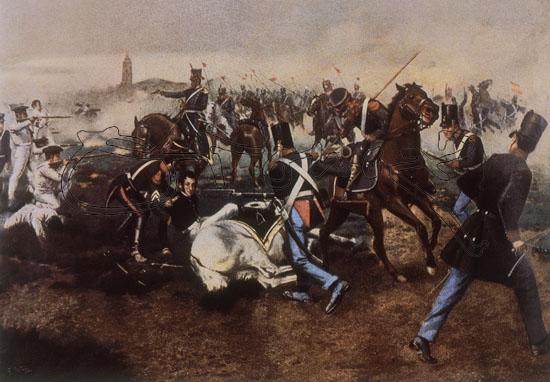
during the fighting one of the cavalrymen, el sargento Juan Bautista Cabral, saved de San Martin's life, when   lt. colonel de San Martin was pinned down by his fallen horse and in danger of betting killed - as depicted in the said  monument  in from the the modern regiment's barracks. 


* original document printed in ''La Revista de Buenos Aires,' v. Iv, 1864 page 480-1 , 

***

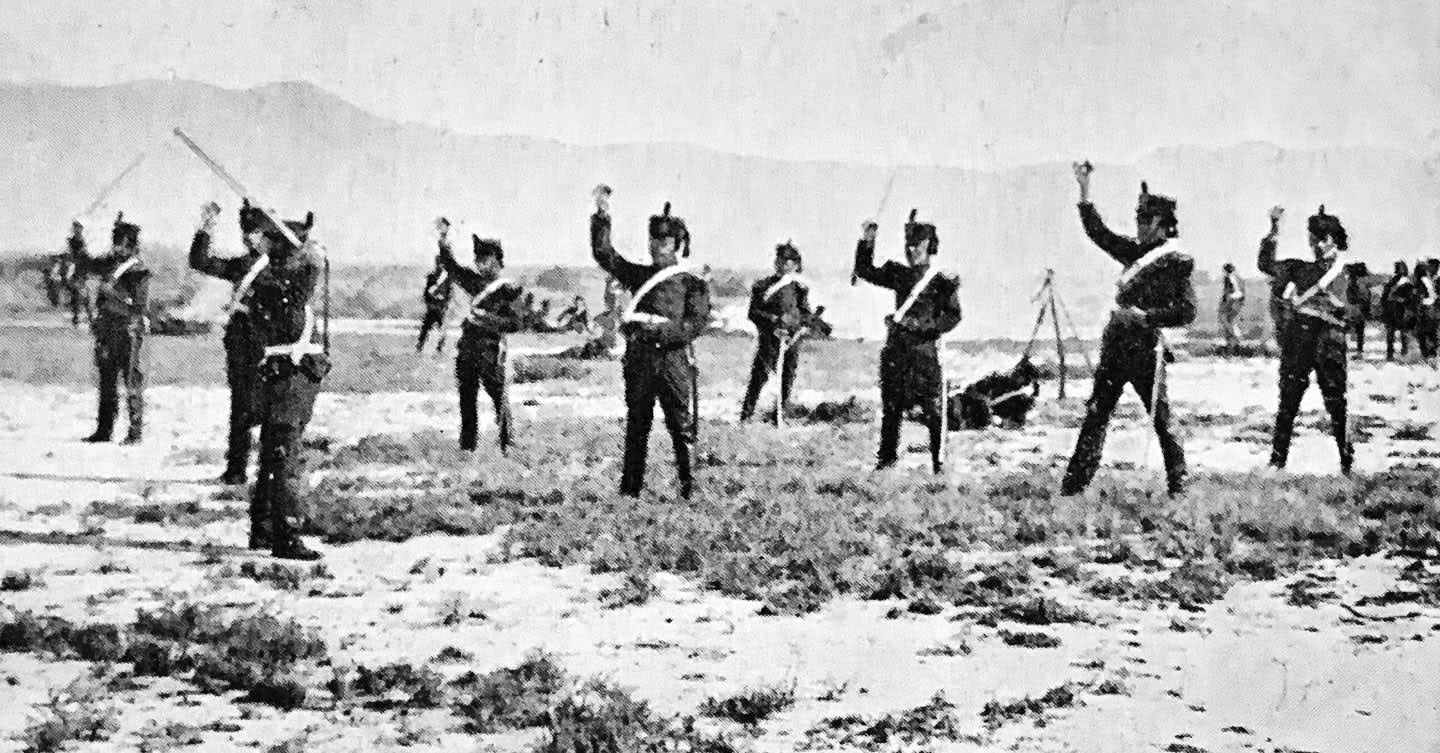
the Regiment is the guard regiment of the Argentinian army - 


Valete