Showing posts with label Piast Poland. Show all posts

Thursday, April 24, 2025

Polish Kingodom of Boleslaw I the Great - 1025-2025

 Salvete Omnes,

glorious anniversary

king Mieszko II

more than a thousand years ago  some of the Polish tribes unified into one state under the their own dynasts from Greater Poland. 

Traditionally and in the Polish Christian lore and historiography duke Mieszko I is considered the first ruler of Polish realm circa 966AD, but naturally this could not be not true, as if duke Mieszko appeared from a thin smoke.
Especially since the Polish archaeologists have been digging into the soils of Greater Poland for more than a century and can reasonably show the sudden development of large strongholds around 920-40s AD within the heartlands of Polish state, i.e., Greater Poland - Wielkopolska, the center of the Polish state for the next centuries to come. It was duke Ziemomysl and his son Mieszko I who unified the tribal territories and make Polish tribes into one realm. Mieszko I chose Roman Catholic Christianity as his state's official religion in 966AD, and wed Czech princes Dobrawa for wife and mother of his children.

a chalice from Gniezno Archdiocese museum


Fast forward to duke Boleslaw I, the son and successor of Mieszko I, who after a long war against the German Empire, which he won in 1018AD.
Duke Boleslaw I was crowned king, according to the primary sources, in 1025AD. There are many ideas why and how this Piast (the name Piast as the name for the Polish dynasty was used by Polish XV century chronicler Jan Dlugosz)  dynast fought and negotiated his way to the crown.
The date of the coronation and the site are unclear - it is thought that the ceremony was performed on Easter or close to it in 1025AD, which was the 18th of April 1025. Some historians theorize that it was April 23, 1025AD.

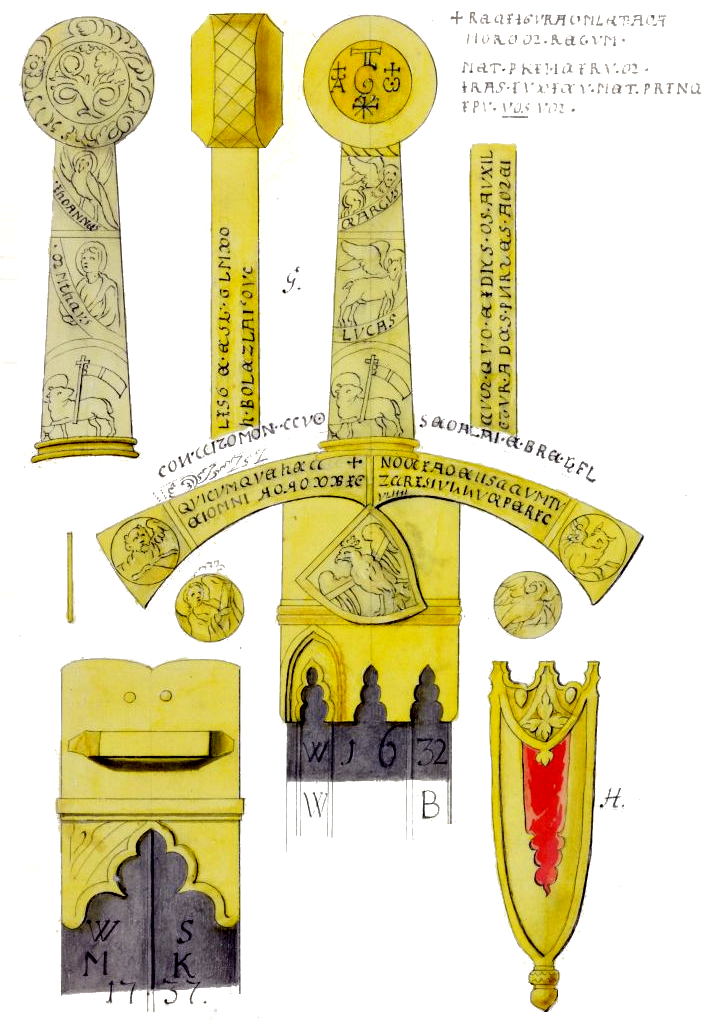
Emperor Otto III gave this spear to duke Boleslaw I in 1000AD

Curiously the younger son of our first king, Mieszko II, was crowned king of our Polish Kingdom along with his father and lord.

Boleslaw I's coin 992-1000AD

Bolesla I's denarius


This is the greatest anniversary in Polish history - the birth of Polish Kingdom.

here you can download  Mariusz Kozik's' very high resolution of his digital painting


the beauty of  all things is that  my friend Mariusz Kozik created a digital painting, true, an imaginary scene of this coronation - Boleslaw I in the Gniezno cathedral.
(Note that Boleslaw I had this first cathedral  built before 1000AD, and created then and there the sanctuary to the martyred Saint Adalbert. 
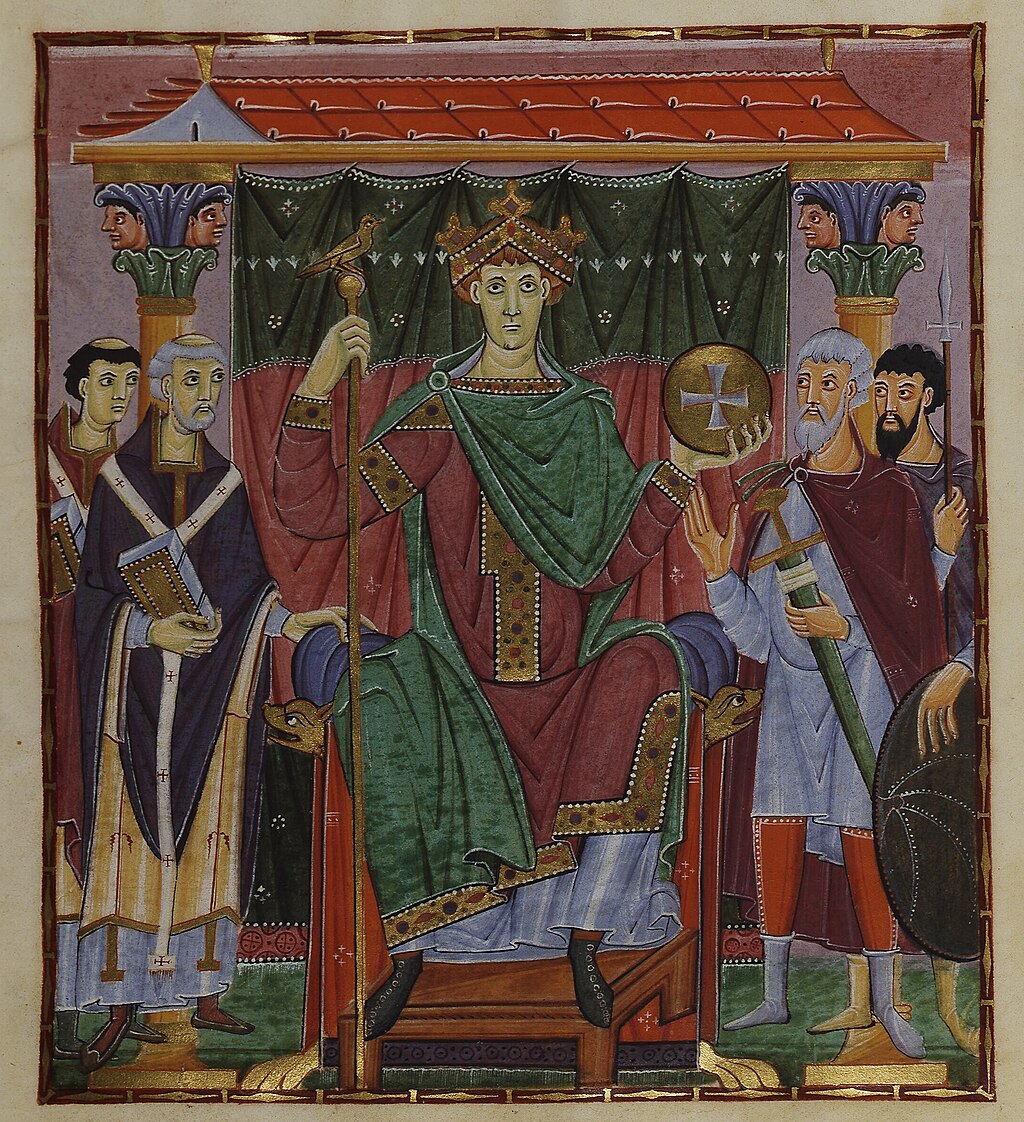


Emperor Otto III visited the cathedral and the sanctuary in the year 1000AD. 

Gniezno Door's detail  (1170AD) - Boleslaw I pays for the body of martyred Bishop Adalbertus

Unfortunately in 1038AD Czech duke Bretislav destroyed the city and the cathedral, which was rebuild in a Romanesque style by our king Boleslaw II in 1064AD)

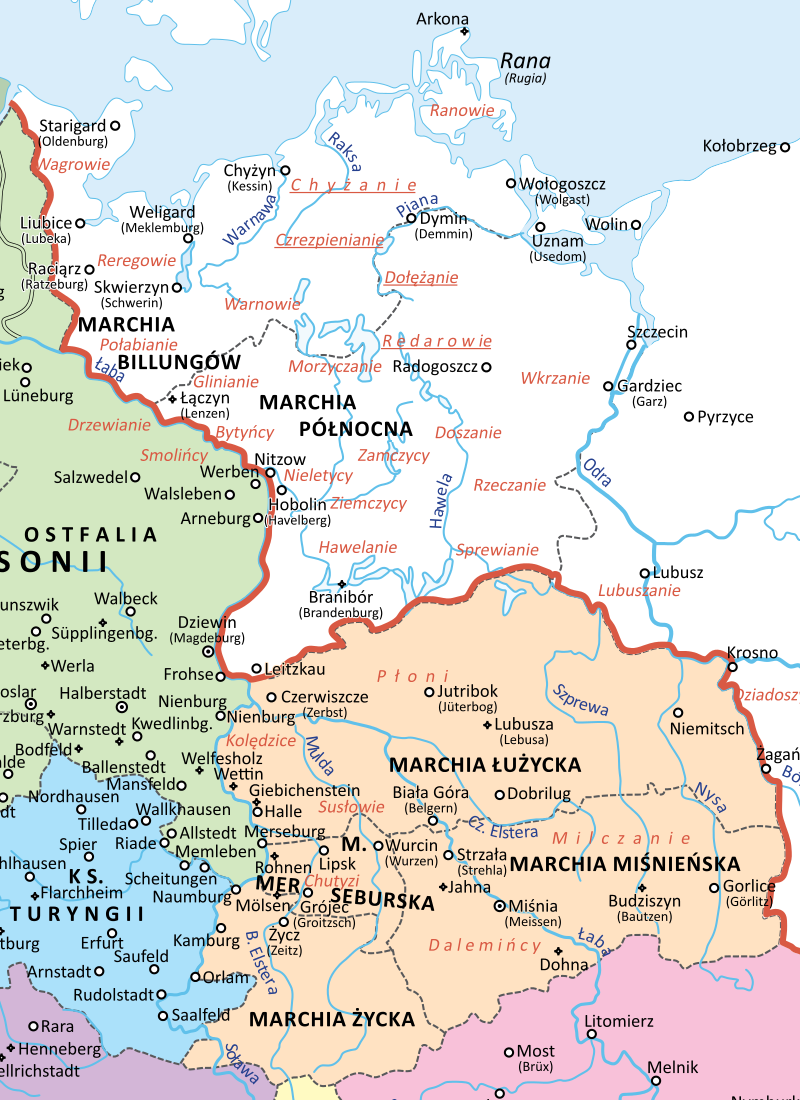
Polish Kingdom during the reign of Boleslaw I and Mieszko II


Maestro Mariusz Kozik made his fine work available for free to any and all - if you are teacher or aficionado of all things medieval you can download and print this digital work for free.

Vivat Polish Kingodm, vivat Polish people around the world - some say circa 65-70 million strong.

this time - the X & XI centuries were the period of the Ottonian Golden age in art


Enjoy

ps

if you understand Polish  then the Yt page of prof. Gosciwit Malinowski is a great place to visit for a great journey into the world of sources and their interpretations  

Wednesday, June 28, 2023

Battle that made Polish Kingdom - Cedynia 972AD

 Salvete Omnes,


hearkening back to some 1051  years ago: 

Based on sources on June 24 Polish or Piast duke Mieszko and his brother Czcibor defeated the German/Saxon force of Markgraf  or margrve (border lord or Marcher lord)  Hodo (Odo) and Siegfried. This martial event is supposedly the first known victory of Polish army over the German state (Imperial or Holy Roman Empire and Saxon Kingdom) army. 


And from the Chronicle of bishop Thietmar of Merseburg   comes the following passage:

 Meanwhile, the honorable margrave Hodo [Odo I] attacked duke Miseco [Mieszko I], who loyally paid tribute to the Emperor [Otto I] for the lands up to the Vurta [Warta, Warthe], with an army. To his aid came alone my [Thietmar's] father lord Sigifrid [Siegfried von Walbeck], then an unmarried juvenile, with his [men], and on the day of John the Baptist [24 June] they fought against him [Miesko]; they were victorious at first, but then his [Miesko's] brother Cidebur [Czcibor], except for the aforementioned great lords [Odo and Siegfried], slew all the best warriors at the site called Cidini [Cedynia, Zehden]. Disturbed by this miserable story, from Italy the emperor sent orders to Hodo but also Miseco, that by his graciousness, until he arrived himself to investigate the case, they were to remain peaceful.

Jaroslaw Strankowski pinxit - by author's permission


Thus was preserved into eternity the very first 'official' armed conflict between the state of Piast Polan rulers against the German realm. 


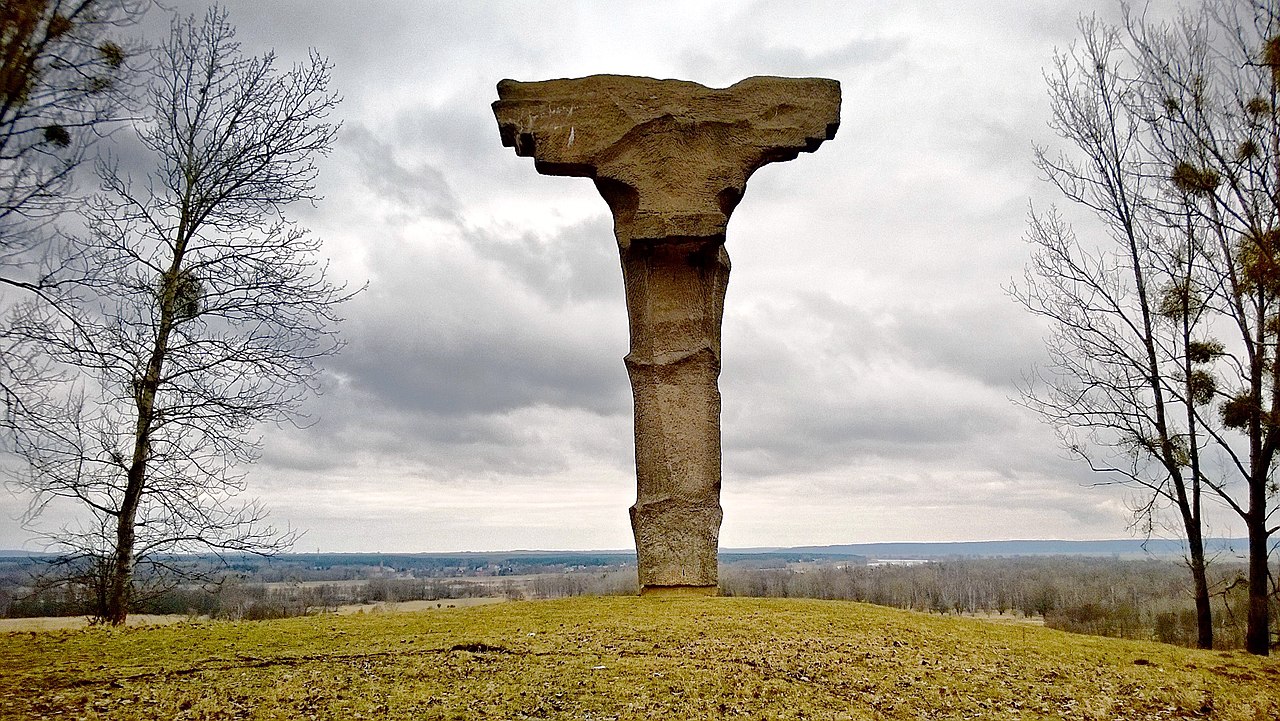
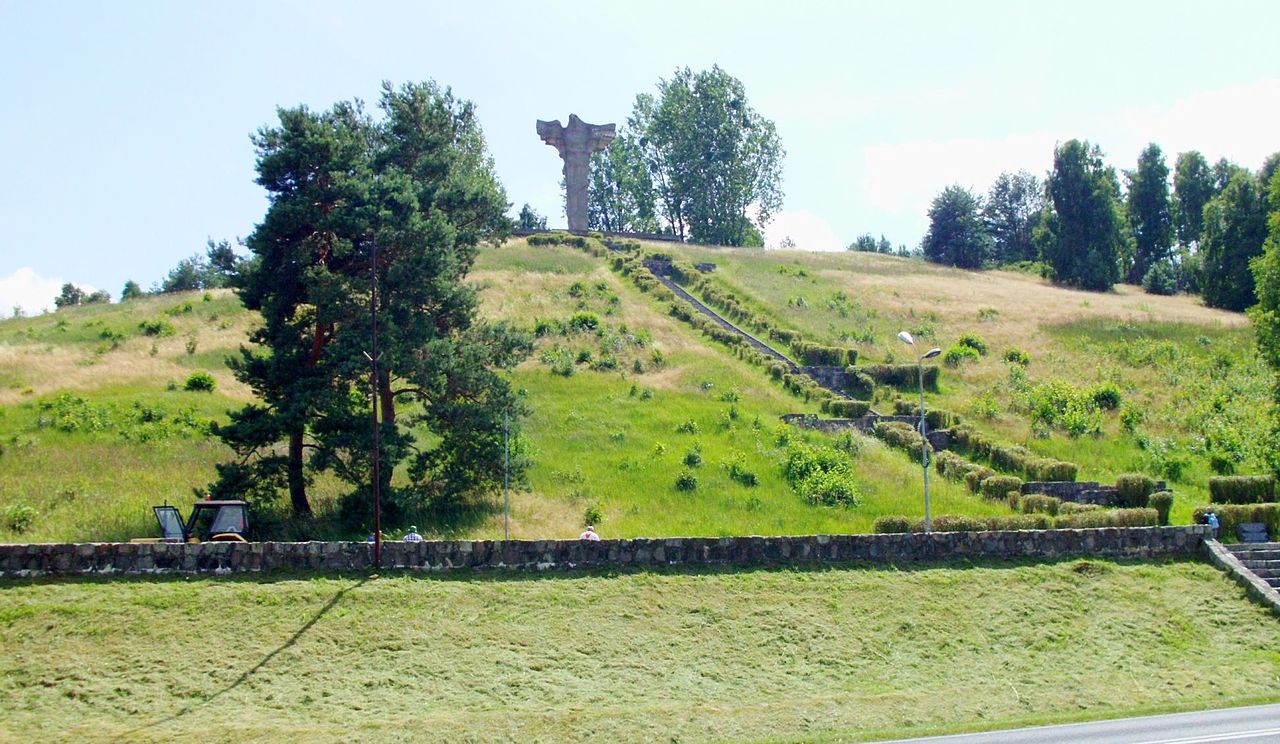
It became widely celebrated in Polish tradition and historiography in the previous century. Peoples' Polish Republic (1949-89) had a monument erected at Cedynia, West Pomeranian voivodeship. 


However, the debate about the battle and the whole conflict is ongoing among the historians. 

Valete

Monday, August 15, 2022

Piotr Michalowski and Polish Soldiers Feast Day

 Salvete Omnes,


Today is a good day to celebrate if you are a Polish Polonian - :)  and more than 1000 years of Polish Armed Forces 


sadly, the current government felt it was  not appropriate to celebrate this Armed Forces Feast Day with a  military parade in Warsaw, with Polish Armed Forces respective representational units marching in the capital city, and hundreds or even thousands of reenactors did not march either, like they did in years prior, with yours truly in 2016.


So why not some beautiful art to wipe the tears of rage and disappointment - hence Piotr Michalowski's works come in handy 


and we reminisce about the Polish Armed Forces more then a millennium long tradition with Michalowski's painting showing our good king (then still official but a Piast prince) Boleslaw I Chrobry entering Kiev/Kyiv on August 14, 1018. 


Polish king came to help his son-in-law prince Sviatopolk I of Kiev against their enemy prince Yaroslav. Our king Boleslaw's Kiev Expedition was a grand success and brought lots of plunder and booty, including princes Predslava, his new wife in common. With Boleslav's entry  into the capital of Kievan Rus  comes the origin legend of our Crown sword, Szczerbiec


where Boleslav was to chip his sword against the  Kiev's Golden Gate.  Jan Matejko also painted a canvass showing this moment of Polish Piast ruler triumph.


Poland Piast realm under Boleslaw I Chrobry (the Brave)
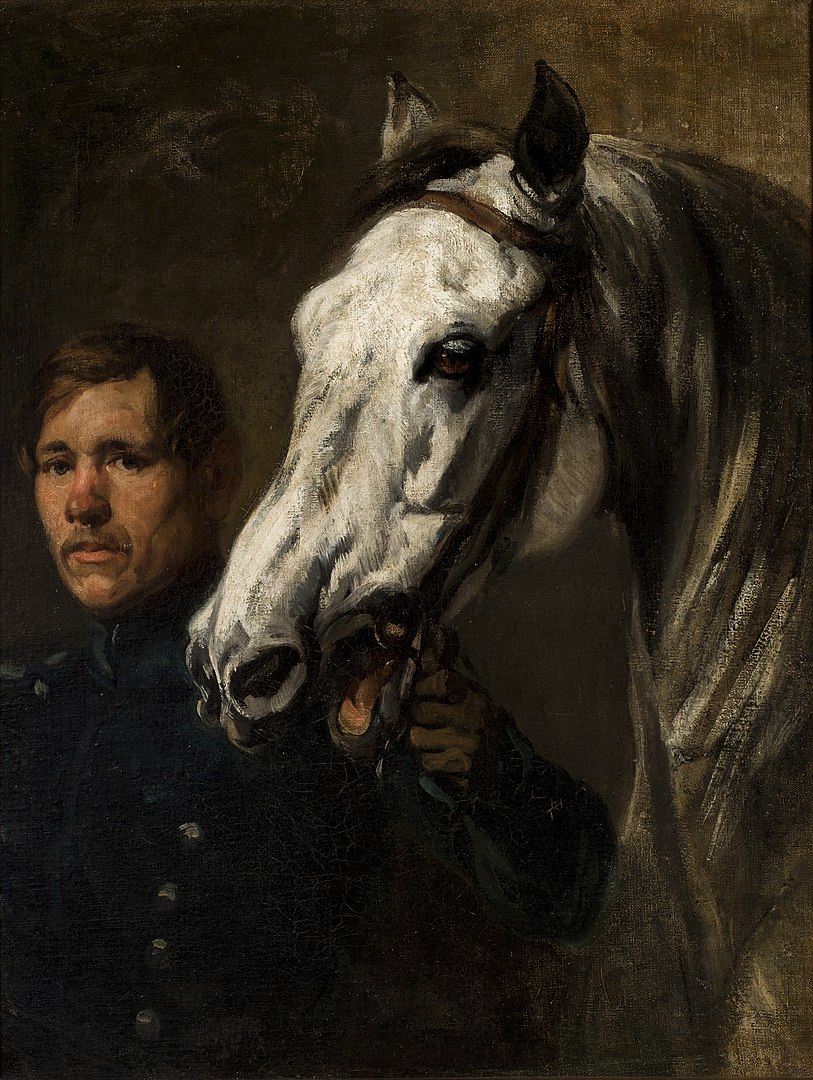
and today is also the anniversary of the beginning of the famous battle of Warsaw 1920 and in this painting by Michalowski we have a Polish peasant on horseback. It was the peasant leader and prime minister Wicenty Witos who addressed and called upon our Polish farmers and peasants to defend the Homeland against the bolsheviks in 1920.  Thus finally Polish peasants were officially acknowledged as the defenders of Poland reborn.  The defend they did. But new Poland did not repay their defenders back, but that is a story for another day. 


Valete

Wednesday, February 16, 2022

Swit panstwa polskiego et inne linki

 Salvete Omnes,

[in Polish]

chciałbym podzielić się z Wami, drodzy surferzy netowi, paroma linkami do książek i rozmów/wywiadów, które ostatnio przesłuchałem czy czytałem.
największa moja ciekawość wzbudził wykład profesora Andrzeja Buko - academia  , FBC , lubimy czytać - związany z książka 'Świt państwa polskiego'  , który odbył się na portalu Archeologia Żywa i był/jest zatytułowany Rywale rodu Piastów? - Andrzej Buko | KONTEKST 51. - czytałem książki profesora 'Bodzia' (2015), 'The Archaeology of Early Medieval Poland' (2008) i coś tam artykułów - eg ten artykuł.  Szczerze polecam ten wykład plus pytania i odpowiedzi po prezentacji tematu. Nota bene nie słuchałem jeszcze Q&A o Rusi Kijowskiej z Dariuszem Dąbrowskim (świetna 2-tomowa praca tego historyka o Danielu Romanowiczu), ani spotkania z Bartoszem Kotnym et al.  o kulturze przeworskiej, ani też o Scytach,Władcach Wielkiego Stepu. Może nadrobię -:)

Teraz pokłusujemy do XVII wieku, i tamże na portalu Ostoja Tradycji można posłuchać spotkań i gawędy dwóch Jacków - Komudy i Bartosiaka (Strategy and Future) na tematy wojenne (eg ta gawęda) i wojenno poboczne staropolskie, a wszystko w kontekście nadchodzącej premiery filmu fabularnego zrealizowanego  min z funduszy zebranych od darczyńców i Fundacji Ulanów króla Jana etc- premiera owego 'Diabla Łańcuckiego' ma się odbyć na Zamku w Krasiczynie 19 lutego, AD 2022. 

Na portalu Strategy and Future Jacek Bartosiak rozmawia z prof. Andrzejem Nowakiem, wielkim historykiem polskim i autorem serii Dzieje Polski  - temat: Rzeczpospolita, od Piastów po współczesność. 

Na portalu Historia Bez Mitów - rozmowa o micie Piłsudskiego w PRL. - gdzie Brunon Różycki i Tomasz Ciołkowski rozmawiają o meandrach mitu Marszałka. Wcześniej, bo we wrześniu 2021 odbyły się:  rozmowa mości Brunona z prof. Lechem Wyszczelskim na temat zaniedbań J. Piłsudskiego w wojsku miedzy 1926-35., i rozmowa tych dwóch przedmówców na temat Marszałka jako wojskowego 1914-23.

I na koniec raport z Fundacji Adarma - jako, że biją w teorbany, kotły i bębny wojny media a politycy jakby na Ukrainie nie toczyla sie wojna of 2014 a Białoruś z 'utajnionej przyjaciółki' stała się wrogiem RPIII - to warto poczytać krytykę projektu reformy Wojska Polskiego przygotowanej przez Strategy & Future jako Armia Nowego Wzoru. Krytyka jest arcy-konstruktywna, obfituje w odwołania do historii wojskowości, w tym oczywiście staropolskiej.

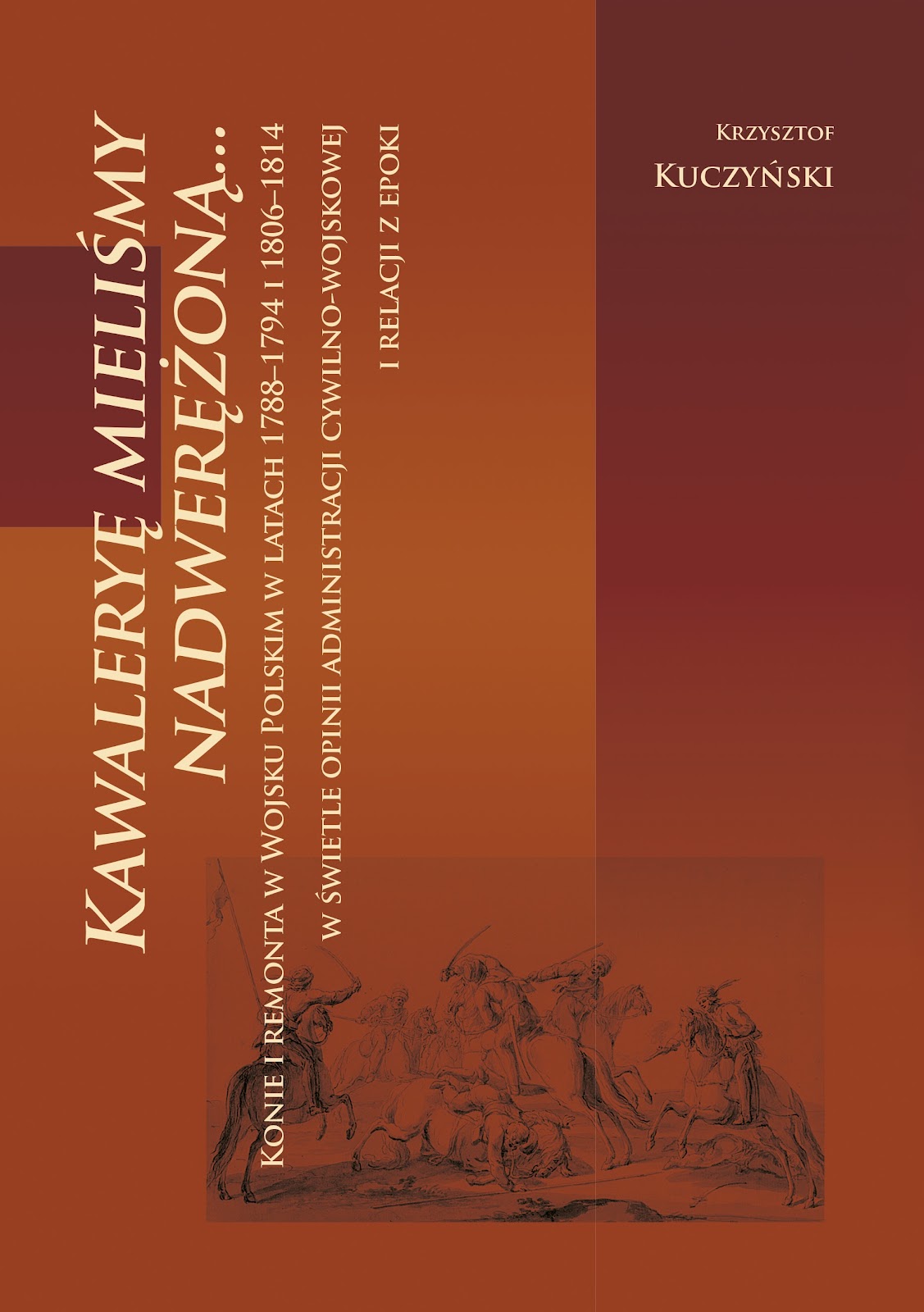
Z końskich tematowa w literaturze przedmiotu to dodam, że Infort Editions wydało prace  'KAWALERYĘ MIELIŚMY NADWERĘŻONĄ...' o koniach kawalerii epoki 1788-94 i 1806-14, Autorem jest Krzysztof Kuczyński, a prace można znaleźć tutaj.
Zresztą praca Mariusza Sampa o wojnie Mieszka I z Wieletami pt Brenna 991AD, tez mogłaby wzbudzić zainteresowanie, jak i krotkie wprowadzenie do Połowców Węgierskich Jakuba Juszyńskiego.

miłego czytania a słuchania etc


Valete

Tuesday, May 25, 2021

Trutina 1110AD - my new book cover

 Salvete Omnes,

May 2021 is ending fast, and the InfortEditions publisher from Poland has published another Polish medieval history work - titled Trutina * X 1110, it is a study  of our bellicose and pious Piast ruler Boleslaw Krzywousty (Wrymouth)  and his army's  expedition to Bohemia in 1110AD. The books represents the research done a young historian, horse archer and reenactor Jakub Juszynski


According to the author the Polish army was composed of lightly armed horse archers and those horse archers were instrumental in defeating the Czech warriors at Trutina. 


Here is the cover I painted on my computer with Krita, GIMP and MyPaint, as allowed by the publisher on their bookstore site - wanax.pl


Valete

Thursday, February 18, 2021

Budziszyn 1029 - sketches

 Salvete Omnes,
I would like to share with you some of my artwork regarding the creative process and development of the cover for the Budziszyn 1029 book from Inforteditions,
Below, I am attaching  three  sketches (as one ) that show some progress, from inception to solid development,  in my concept and learning about the period ,i.e., warriors, equipment and horses and their tack.

I consulted the last sketch(from left to right) with Igor Gorewicz from 'Druzyna grodu Tryglawa' in Szczecin, who is a well-known and avid reenactor of the early medieval Slavic warriors, researcher and author of numerous books, including two books on the Slavic warrior and Slavic arms and armor.-  from his publishing house Triglav. Obviously I consulted these fine books and well as several sites and web galleries devoted to the medieval Slavic reenactment.
While famous photographer from Szczecin Marek Kalisinski allowe me a closer look of many of his reenators' portraits and photos of reconstructed equipment  etc.

All the mistakes henceforth are still mine and mine only.

Enjoy

ps

this is a wholly digital work - I  drew directly on Wacom Cintiq using Krita, Gimp and Mypaint via Ubuntu Linux operating system.

Valete!

Budziszyn 1029 - cover from the publisher

 Salvete Omnes,

Inforteditions, the publisher of the Budziszyn 1029 book by Mariusz Samp, has  allowed a large  image of the cover of this book on their bookstore site, so I am linking it here as well as copying it directly to my blog


Valete

Sunday, January 31, 2021

Infort Editions - Budziszyn 1029

 Salvete Omnes,

[Polish] 

 z drukarni właśnie schodzi najnowsza produkcja Wydawnictwa InfortEditions - Budziszyn 1029 (seria Pola Bitew), autorstwa dr Mariusza Sampa, opisująca działania wojenne z okresu panowania syna wielkiego piastowskiego witezia i króla polskiego Bolesława Chrobrego -   Jego Królewską Mość Mieszka II zwanego Lambertem. Do tejże pracy miałem przyjemność  wykonać scenkę na okładkę, pokazująca walczących jeźdźców z epoki.
Przy rekonstrukcji w dużej mierze oparłem się na pracach Igora D. Górewicza - tutaj zwlaszcza 'O Broni Slowian' (wydana przez Triglav i Wydawnictwo Poznanskie w 2020) i śledzeniu rekonstrukcji piastowskich i zachodniosłowiańskich rożnych drużyn działających obecnie w Polsce.


 [English]

I am pleased to share with you my newest creation for the Polish publisher  InfortEditions - the cover of Budziszyn 1029AD.  The volume belongs to the series 'Fields of battle' and covers the campaign by His Royal Majesty Mieszko II against the forces of Holy Roman Emperor Conrad II the Salic. The campaign took place in Lusitia, then a part of the Piast  Kingdom of Poland.

I consulted various Igor D. Gorewicz's works, especially O Broni Slowian (2020) and Wojownicy Slowian (2019), and actual reconstructions done by the various Polish  reenactment groups, those recreating Piast and Western Slavic warriors and their world. 

also, on Academia there are archaeological works by various Polish and German archaeologists on these early Piast and Western Slavic subjects - eg by Leszek Gardela or Kamil Kajkowski.

Valete

ps

w przyszłości zdaje sie zmierzę się z tematem wyprawy wojsk władcy Polski Piastowskiej Bolesława Krzywoustego  na Czechy w 1110 roku.

Thursday, April 14, 2016

the 1050th Anniversary


Salve,
 they say that today, on April 14, but 1050 years earlier or in 966AD a Polish ruler Mieszko (Dagome) and his court were baptized and became members of the Christian community. This ceremony occurred perhaps  in one of the strongholds these Piast rulers had built in Wielkopolska (Greater Poland), either in Ostrow Lednicki or Poznan. He was a ''Rex Barbarorum'', and his state quickly arose to prominence on the eastern flank of the Holy Roman Empire, at odds with the fellow Slavic and Christian Bohemian state, and poised to take more lands and tribes in all directions.

As the records are scant we can but speculate about the extend of his state so by the 990AD


Since the very beginnings of Christian Poland are mostly shrouded in myth, legend and hearsay, other than written records have to provide some more detailed info about the early medieval Poland.

Archeology has provided some answers about the Piast state. It appears now from dendro-chronological analyses undertaken in 1990s that the early medieval Polish state begun at the turn of the IX century, while the huge building projects peaked in the 930s through early 940sAD, thus it can be said with certainty that our Piast Poland rose to prominence in 940AD.

Sunday, September 8, 2013

Project White Eagle

Salve,
some time ago in June I mentioned this anniversary - 718 years since white eagle (aquila)  was officially adopted as Poland's national emblem.
Eagle has been the symbol of  states and tribes and clans since time immemorial, Greeks, Romans, and Scythians, just  to name the few. In ancient Greece and  republican Rome  eagle was the companion of Zeus and Jupiter, carrying their thunderbolts, one of the symbols of the Roman Republic. With these divine thunderbolts in his claws eagle also became  the symbol of Imperial Rome, and the symbol of Rome's legions. Imperial Byzantium had a two-headed eagle as its symbol (according to Konopczyński it derives its symbolic two heads from Roman god Janus), while Charlemagne had his palace in Aachen adorned with a large image of the royal raptor. It would eventually  became the symbol the the Holy Roman Empire. (in 1410)
During the high Middle Ages the lands of central and south central  Europe, from Modena, Karniola, and Serbia in the south , through Tyrol, Bohemia, Moravia, Holly Roman Empire and lands of Polish principalities eagle would become the principal image in their coats of arms., while in the north and west image of the lion would dominate.
In Polish history - the Piast state - the first image of an eagle come from a denarius minted by our first king Bolesław  the Brave, while the first mention to the eagle may come from Gallus Anonimus, the author of his 'Gesta principum Polonorum,' who  wrote in the early XII century that Polish troops carried victorious signs.  Wincety Kadłubek, another chronicler and author of the first use of a 'res publica' term for  Poland, wrote that in 1182 our duke Kazimierz II's troops carried ''the signs of a victorious eagle, symbol of royal majesty,'' in the battle against the Kievan Rus troops at the battle of Brest in 1182., so during the Period of Fragmentation various Piast dukes and princes adopted eagle as their heraldic symbol,  first in Silesia, then in Lesser Poland and Greater Poland, later in Kujawy and Mazowsze.
First it was duke of Wrocław Henryk IV Probus who already possessing  the heraldic symbol of black Silesian eagle,, added white eagle, but without a crown, as his second heraldic symbol  in 1290, when he took the throne of Krakow and Lesser Poland.  A month later he had the same eagle, but with a crown on its head, on his seal.
Upon Henryk IV's death, his successor,duke of Greater Poland and Gdańsk Pomerania , Przemysł II took, as per his agreement with Henryk IV,  the throne of Kraków and with it the heraldic symbol of the royal seat - White Eagle. It has been determined that the eagle was white, with a gold ribbon across his wings and chest in the fashion of the Silesian eagle, and its heraldic shield/field  was red/crimson.

I started this project - drawing king Przemysl II in his most royal appearance, most likely mounted, on a fully caparisoned horse.

sketches:

 .

sources
.. from National Archives at Kraków :
Duke Henryk IV Probus - with Silesian eagle on his shield - a drawing from his tomb

.. Henryk IV  Probus from his sepulchre - coats of arms on Poland and Silesia

..  Henryk IV Probus  as shown in the mauscript Mannese Codex - great source for the period costume, weapons, heraldry and horse tack - here the caparisoned horse

.. another Silesian Piast prince Henryk V of Legnica


..Bolko I of Świdnica-Zębice - particularly splendid effigy of this Piast prince

..
King Przemysł II as drawn by Jan Matejko
.. king Przemysł II's royal seal - Premisl II Dei Gratia Regis Poloniae Domini Pomeraniae

.. Szczerbiec

.. the inscription on this Przemysław's seal says: Redidit ipse potens vitricia signa Polonis (God Almighty returned Polish victorious signs, ie, the eagle)

..

to be continued
* into to Polish heraldry on Wikipedia 

Ps
also, Sept 8  is an anniversary of the Orsza victory(Orsha battle) fought between the Lithuanian-Polish forces under knez Ostrogski (Kanstancin Astrožski ) and the Grand Duchy of Muscovy army under Chelyadnin and Knez Bulgakov-Golica in 1514.  The battle is famously depicted in the Orsza painting (National Museum in Warszawa), one of the most important iconographic sources to the period; please note that early Polish hussars (based on the Serbian and generally speaking Balkan mercenaries) are depicted in the painting.
A song celebrating this victory in Belarusian - (and lyrics)
another song (in Belarusian)