Showing posts with label XVII century armor. Show all posts

Thursday, October 22, 2026

David Teniers the Younger - Guard room with saddle, pistolssuch & armor

 Salvete Omnes,


the paintings of the Flemish Teniers family artists have already graced this blog.
Today I would like to share with you this painting by David Teniers the Younger - The Interior of a Guard Room (painted between 1635-45). 


And in the foreground, on the right, we get a depiction of a Western European war saddle of this period (the Thirty Years War).


On the wall there is a pair (or a brace) of pistols in holsters, also done in red, like the saddle

war hammer /nadziak 


.


another saddle from this 1643 saddle (  a black and white/sepia photo of the painting available on wiki commons )

such armor could have been worn by reiters/pistoleers/cuirassiers and Polish winged hussars
and the another version or the color photo of the same painting -


enjoy 

Valete

Sunday, May 10, 2026

Guardroom with a saddle and armor by Thomas Apshoven

 Salvete Omnes,


Flemish painter Thomas Apshoven (1622- circa1667) painted genre scenes, including guardrooms similar to David Teniers the Younger.


. in this detail we see a fine riding saddle typical of the period - mid XVII century - in Western Europe
saddle, horseman ax and a sabre with a thumb guard/ring

a pair of pistols for a horseman 
a cavalry trumpet?
a spur?  pieces of armor


The Wiki Commons galleries have   this painting showing a village life -

in the background there are two wagons painted in rather sketchy manner, being far removed from the main scenes by the river - boats, washing laundry and bathing etc.


. two types of water wells in these paintings 


enjoy

Valete
Saturday, February 18, 2023

Wolfgang Wilhelm von Pfalz-Neuburg on horseback

 Salvete Omnes,


a quick entry showing equestrian portrait from the XVII century, German lands as there was no one Germany then, rather 'Germanies' then under the emperor and collectively known as the Holy Roman Empire.
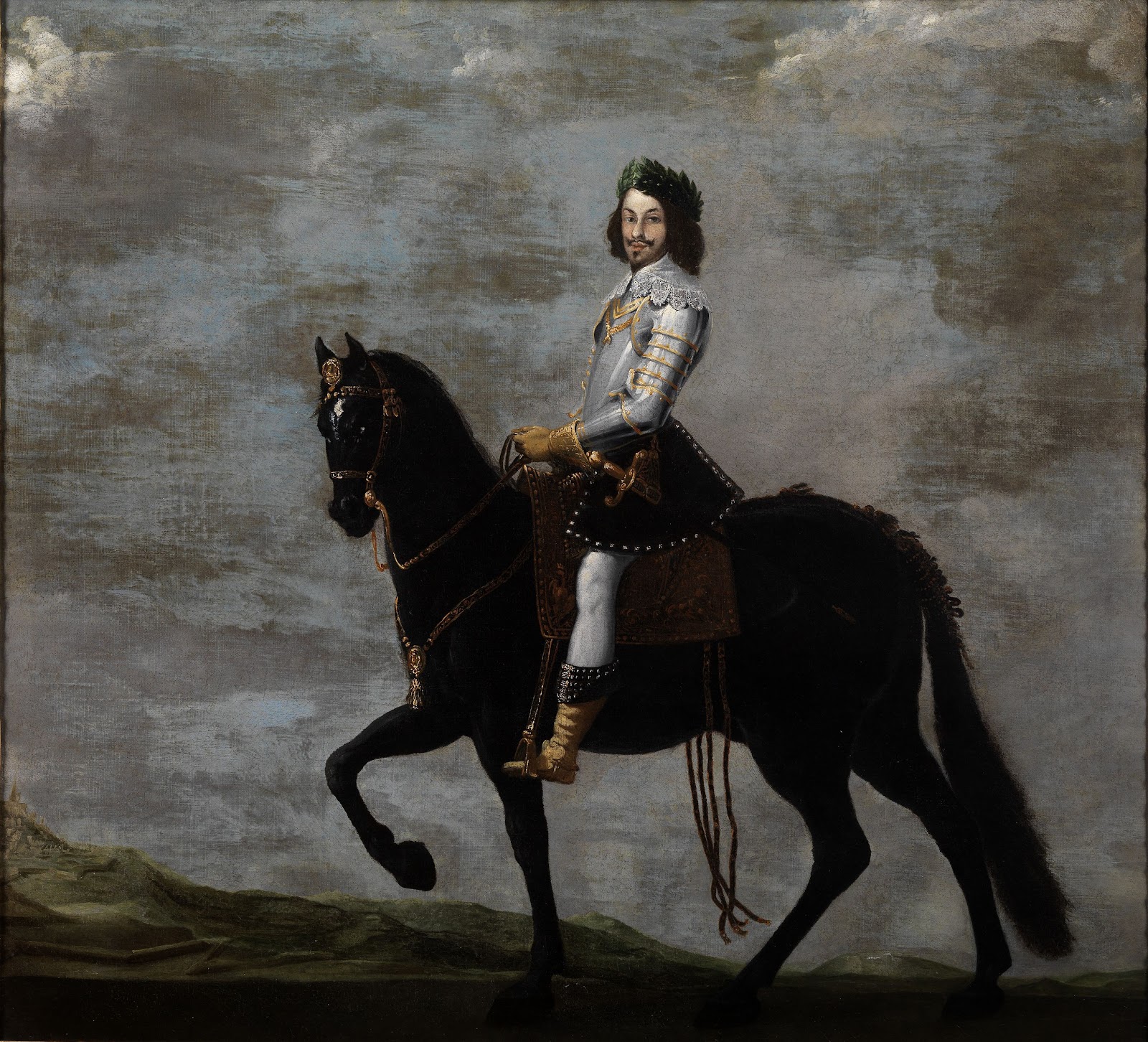
So in this picture we have a chivalrous  prince Wolfgang Wilhelm, who was the groom from the wedding pictured in etchings by  Herr Zimmermann in Munich,  portrayed in a full equestrian plate armor, with a Marschallstab aka marshal baton .
The canvas was painted by a master from Rubens close circle of artists, named Deodat del Monte  ,

Let us take a closer look at his mount- 

 A palomino horse, perhaps a Spanish one. with a star a snip, and a sock on his left rear leg.

the head with a nice star and snip , while the bridle has a gilded curb-bit with longish shanks popular of this period

a Baroque Western saddle with a ornate 'horn'  - textile skirts 

horseshoes

gilded stirrups and spurs, a textile woven cinch visible


 and our  prince in the chisels of Abracham Hogenberg, German Kupferstecher .


If you ever in Dresden, ancient capital of Saxony, do check the castle where they display the most sumptuous XVII century saddles of the Saxon 

Valete

Monday, January 30, 2023

Emperor Ferdinand III in portrait paintings

 Salvete Omnes,


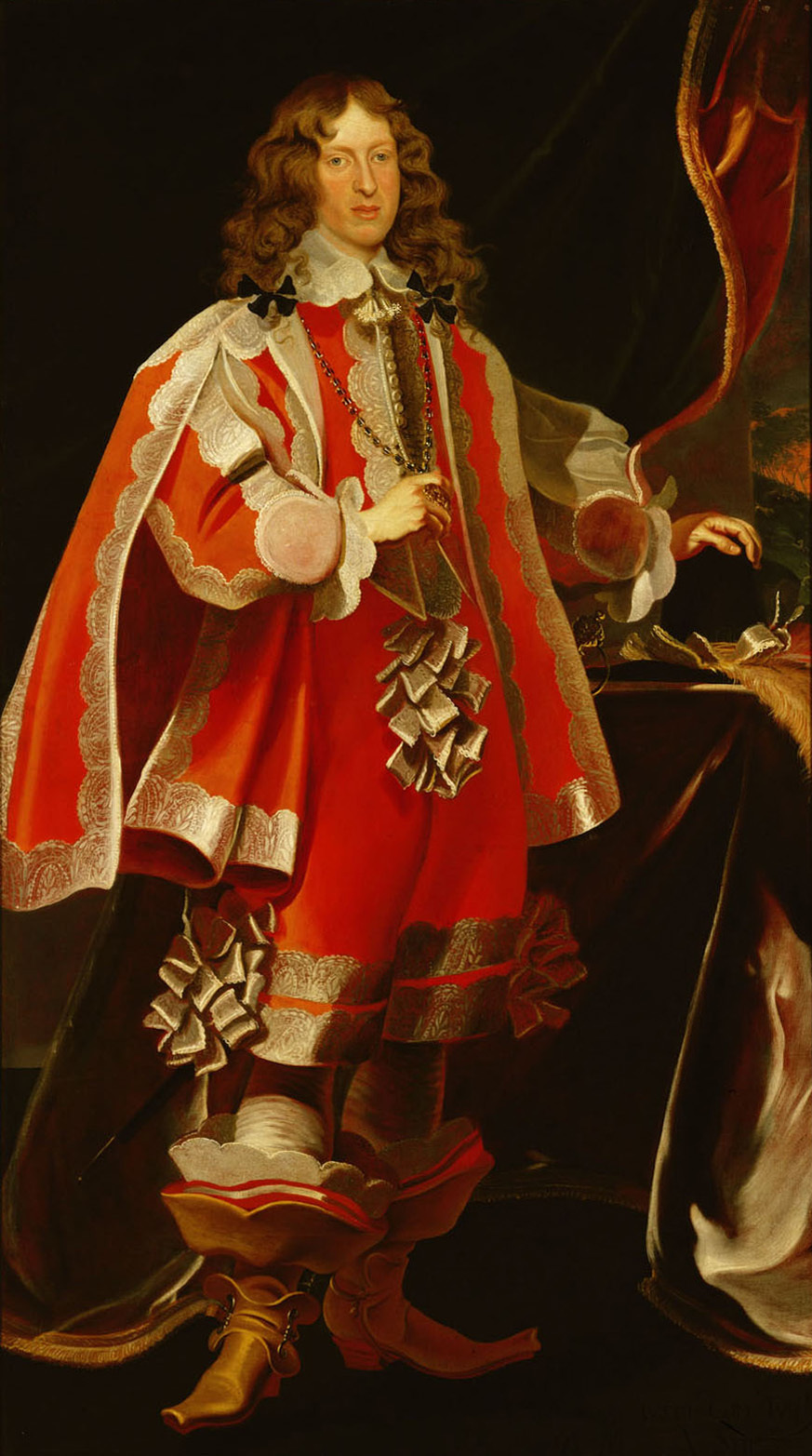
wearing a very splendid riding coat known as a cassock/casaque

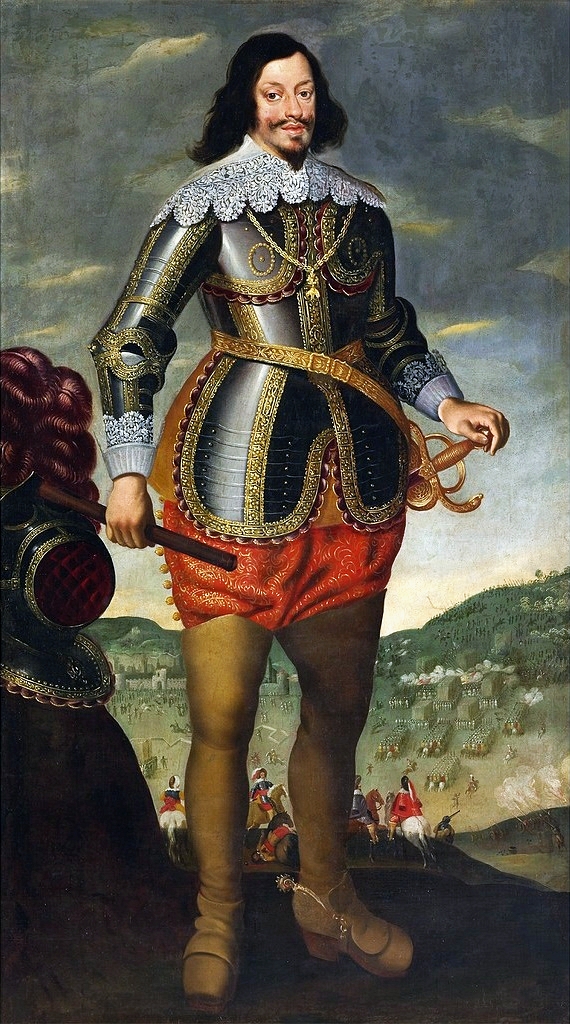
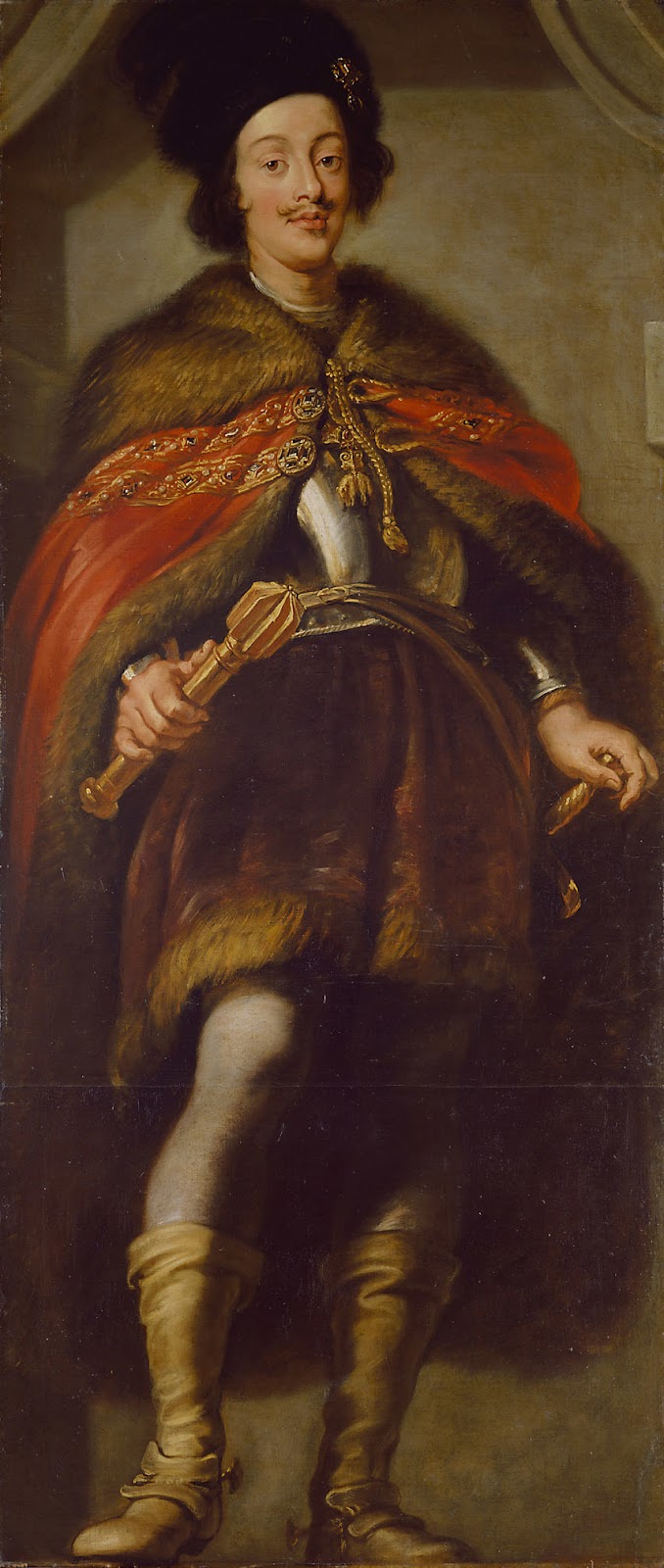
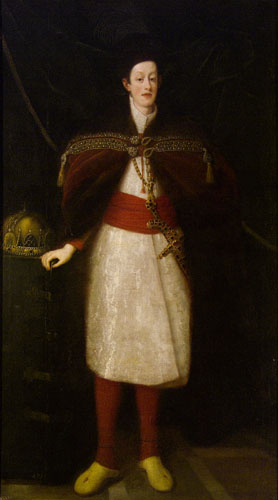
January 2023 almost over - so I am winding up this month with a collection of portraits showing Ferdinand III who was the Holy Roman Emperor, King of Hungary and King of Bohemia (Bohemia included  most of the duchies of Silesia, with the Piast dynasts slowly dying out during this reign ) .

Ferdinand III (1608-1657) was an able military commander during the XXX years war, especially famous for the battle of Nordlingen, won together with his cousin cardinal-infante Ferdinand of Austria over the protestant armies.


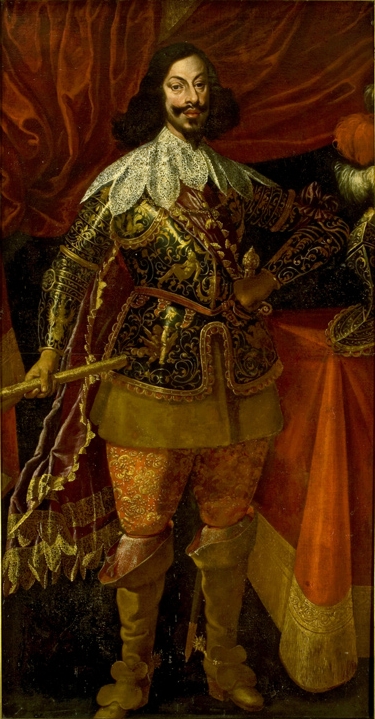
during his life Ferdinand III  was subject of a number of portraits, and some of them show him in great armor, on horseback and in this other realm national costume - Kingdom of Hungary attire.

by all appearances this warhorse might be a Spanish one


King of Bohemia and Hungary

great Hungarian attire - including a delia riding coat


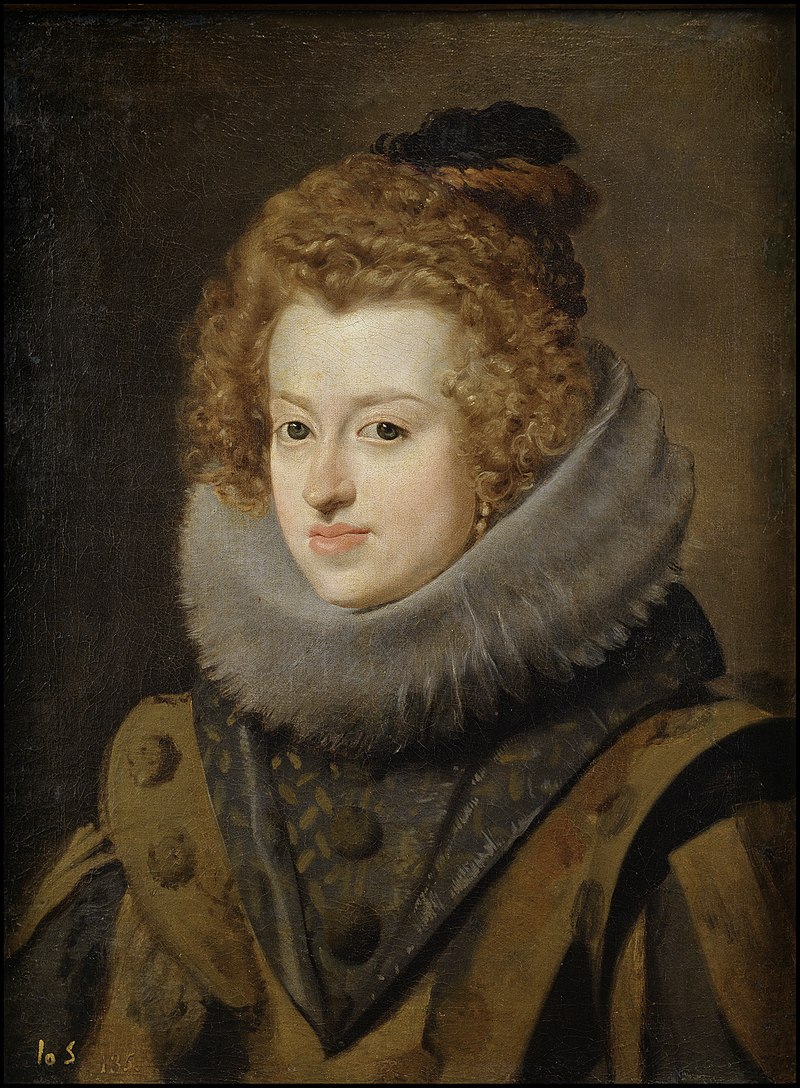
Nota bene emperor Ferdinand was married first to Maria Anna of Austria, his cousin.

and his second wife was Eleonora Gonzaga princess of Mantua etc - their 2nd daughter was a Queen of Poland etc.
and an allegorical  print from his reign 


valete