Showing posts with label ancient horse tack. Show all posts

Wednesday, August 16, 2023

A Horseman from Albania's ancient Greek past

 Salvete Omnes,

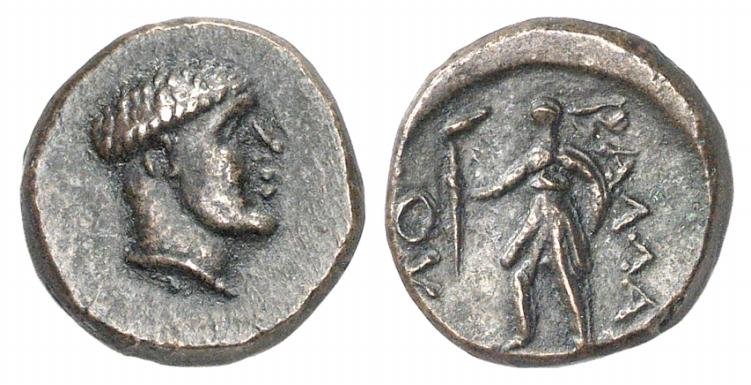
if you are in southern California, US, then you could visit Paul Getty Museum -Getty Villa, where until January 2024 they have an ancient equestrian sculpture from ancient city of Arnissa, in present day Albania, in Europe. The figurine seems to show a rider covered in torso (cuirass)  and hips-covering (leather pteruges)  armor, his sword suspended under arm, in process of throwing a javelin or striking with his spear? The left arm perhaps held a shield? The horse is clearly a warhorse being  quite powerfully sculpted, with upright mane and stand up(tied?) forelock, while the tail is wrapped? or at least braided. Bridle depiction has not survived too well, but lower part of the psalia is visible, as well as parts of the leather headstall.  No saddle nor saddle cloth are visible. 

Ancient Albania was home to the Epirote Greeks, Greek colonists from down south Greece, Illyrians,   Thracians and Paeonians. 
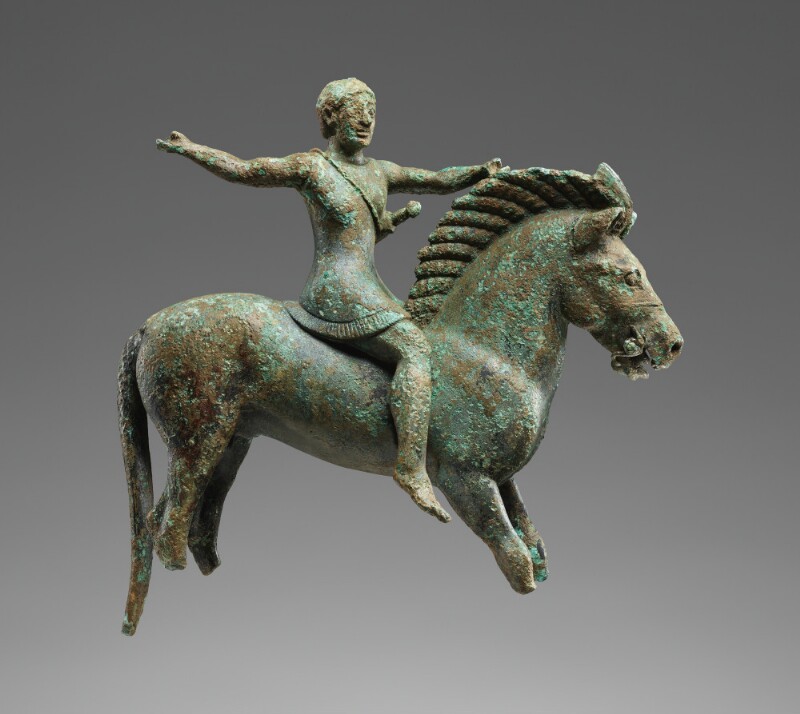
this article shows the process of renovation of the rider and his horse


the map of Illyrian tribes in the ancient period up to the Roman conquest. -  this article may be entertaining a bit but also persuasive, and  then why not challenge yourself 

from the period of Roman conquests articles on the Illyrian  king Ballaeus/Ballaios ..


the map of ancient Paeonians' country


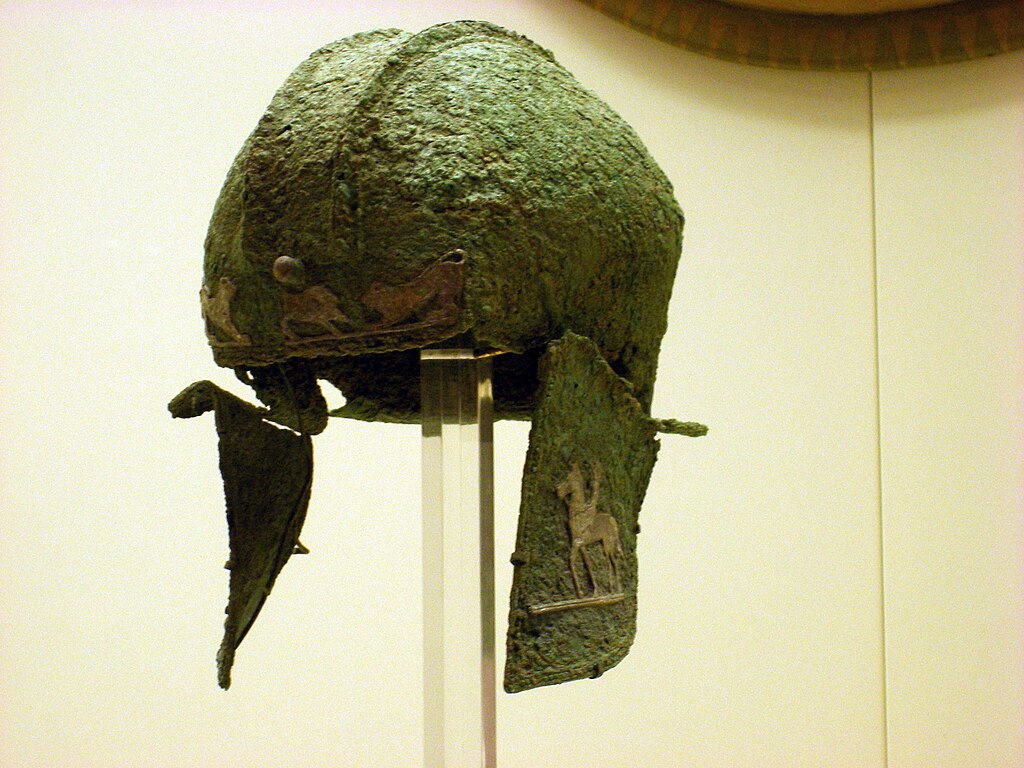
Illyrian helmet

Valete

Tuesday, June 21, 2022

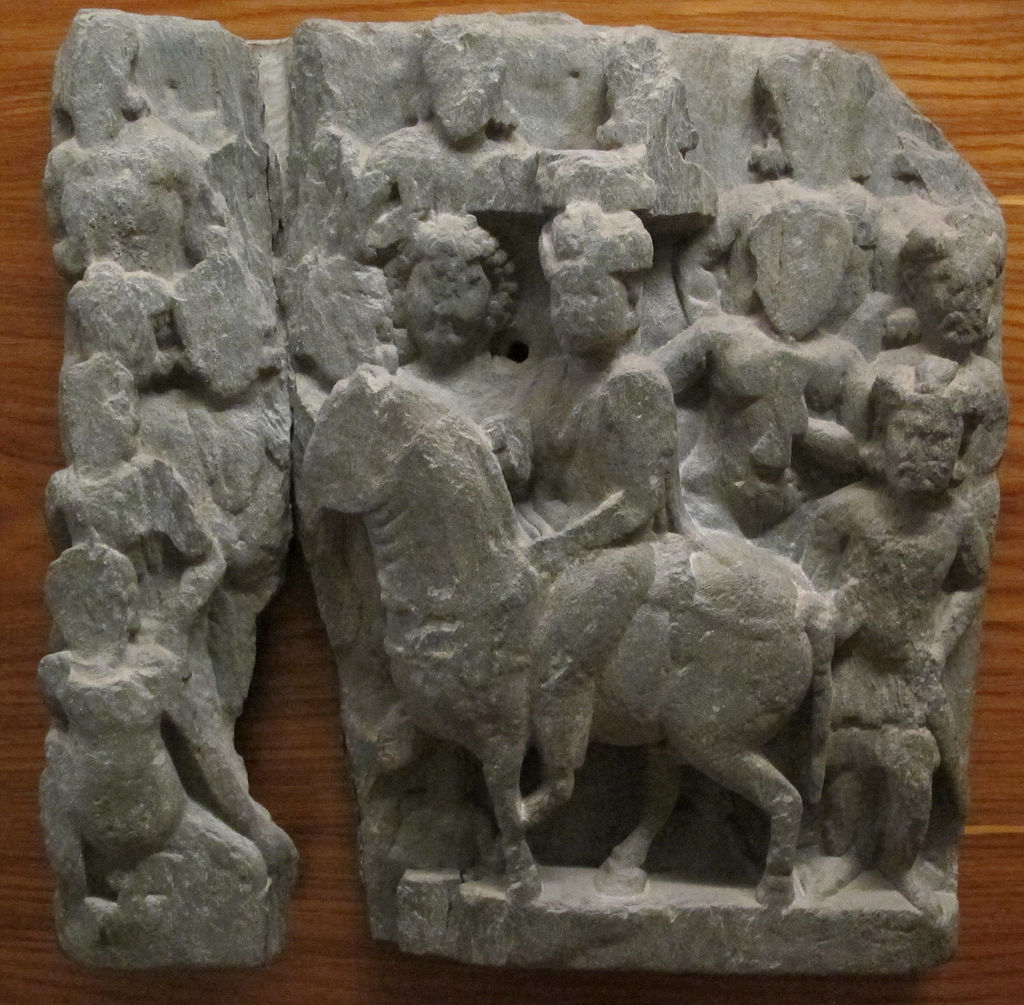
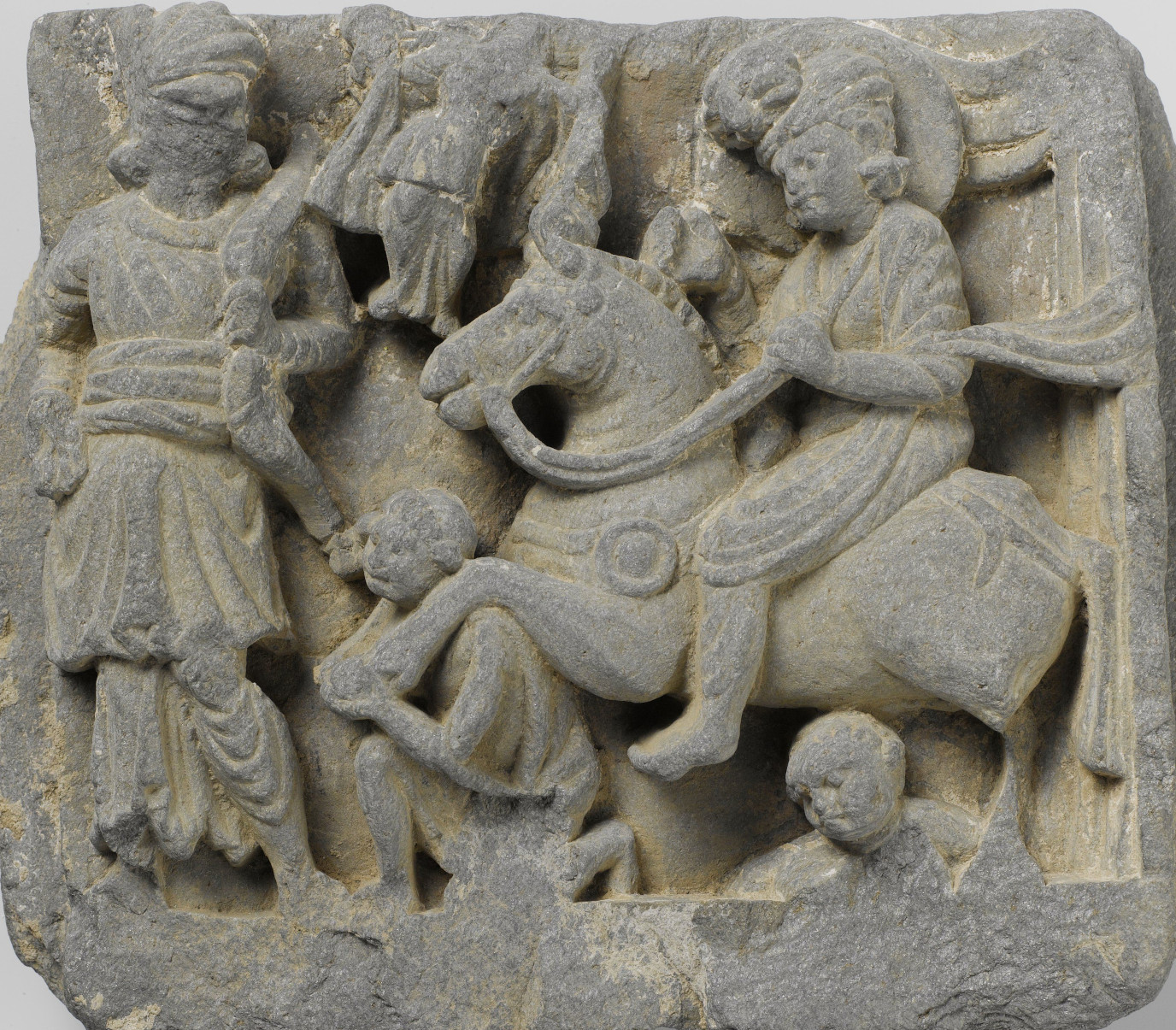
Horses & Riders of Gandhara

 Salvete Omnes,

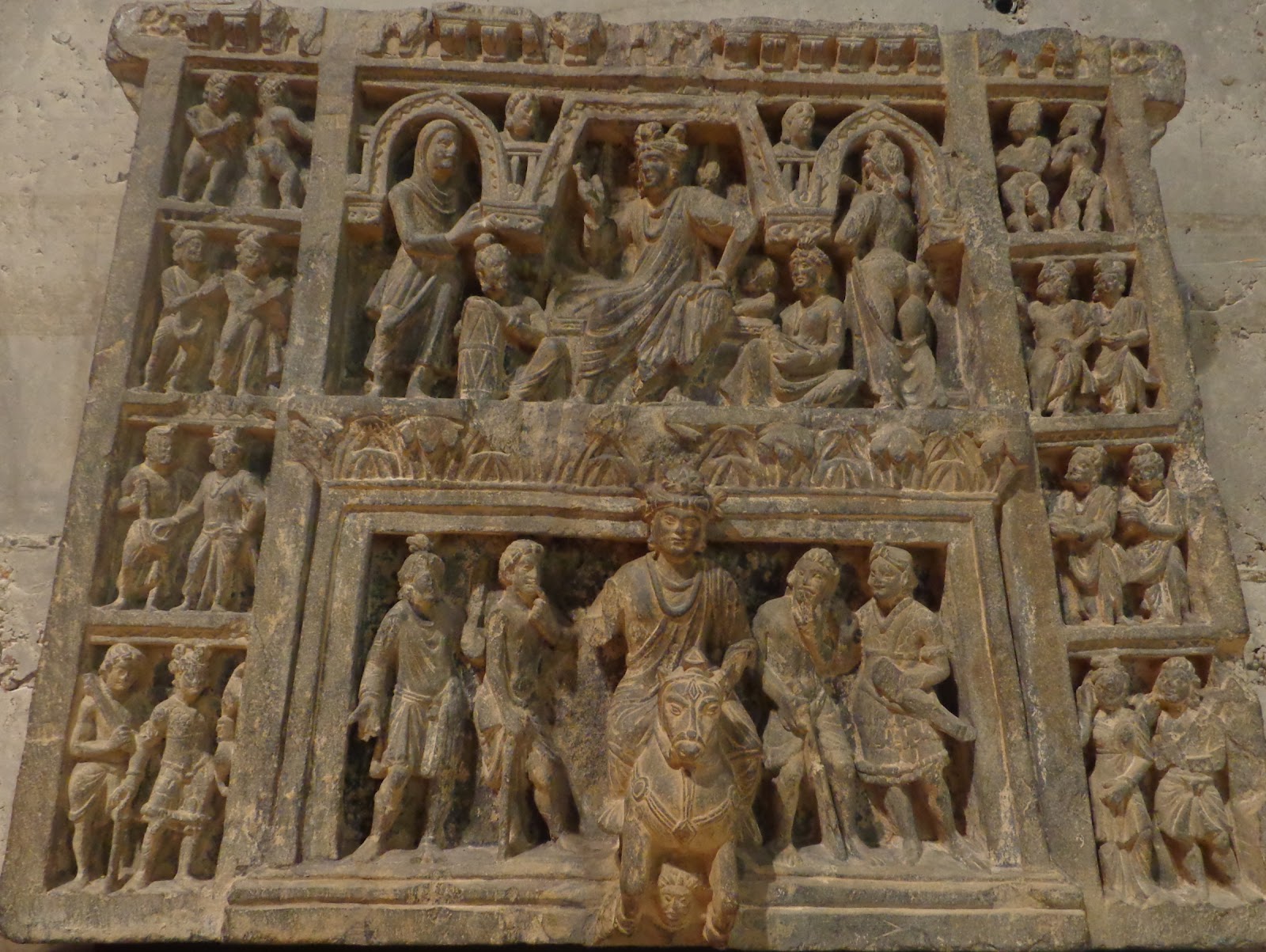
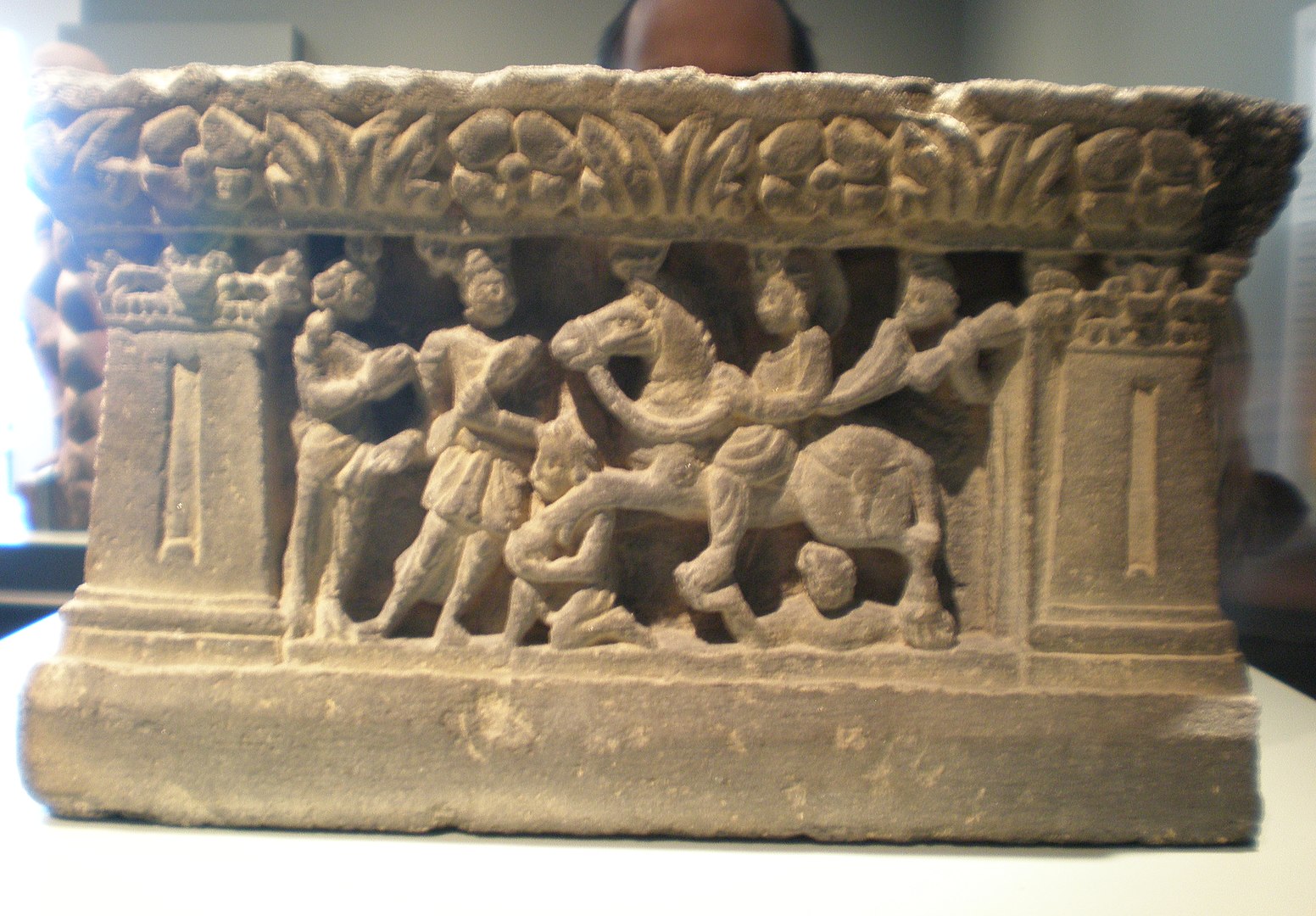
during the late Hellenistic age the northern ancient India, eastern Persia and the land beyond the Oxus & Jaxartes produced  a very specific melange of art styles and forms.


Gandhara is the lost  Shangrila of the ancient world, that is the region was this geopolitical and cultural area where Hellenistic (and older Near Eastern traditions) merged with the ancient Indian and Bactrian (Bactria was the Achaemenid Empire's jewel in the shah's crown) traditions.
so here I corralled some horse&rider-related images , that are finally available on Wiki, I have had most of them in my books and albums, but they were under the copyrights, nowadays they are freely available


Elephant with a rider in a chair


ps
more Indo-Greeks, Bactrians, Indo-Saka to come ..

Valete

Tuesday, January 28, 2020

Ancient Roman carriages etc

Salvete Omnes,
we will travel to the ancient Rome and the wider Mediterranean world and will take a look at the Roman vehicle traveling on the famous Roman roads. 

 So this is this rather  short entry on the vast and interesting subject of the  ancient Roman vehicle and its types and varieties -  here the excellent article (and much more in other chapters) by Dr Judith A. Weller titled Roman Traction Systems.
Below various images on Wiki Commons -

 Roman carriage
 
 (replica, more photos here)
 
Some o the vehicles - carts, chariots, wagons and carriages listed below:
horse, mule or oxen oxen carried litter known as 
-basterna

I . Singel axle vehicles

-biga
-birota
-essedum
-cisium (fast traveling 2 person vehicle)
-covinnus
-carpentum
-plaustrum (two wheels)

- quadriga


II .   the second category was the  2 axles (four wheels) vehicles, drawn by horses, mules or oxen:
 

-plaustrum(4 wheels)

-sarracum (serracum)
-carrus
 -carrus arcuatus
 -carrus triumphalis
 -carrus falcatus
-carruca (dormitoria)
-petorrium
-pilentum


Post and mail carriage
-rheda
-angaria
 
and some other types or Roman vehicles
-arcera
-capsum
-benna
-labula (military wagon)

-labularium (military wagon)

-tensae/thensae

Carpentum (Eon Images)


 Nota bene the town dwellers who had money to rent a vehicle they could do it from a cisiarius.
they were slaves or free men who would be driving the hired vehicle, and they were notorious for driving very fast the cisium, covinnus or even rheda carriages.
Those cisiarii (banded into a profession) located at the livery stables  at the town gates, although perhaps also having offices at the mansio (inn) - there were more or less 1 mansio  per 4 mutationes (mutatio or hostel), were spread out in towns along the Roman roads or cursus publicus, and for example Julius Caesar hired a carriage to travel from Rome to Rhone and allegedly his hired coach traveled the distance of some 1,200 kilometers in just 8 days .
 another example or Roman travel - in 38 or37 BC poet Horace traveled along with Octavian's envoy Maecenas  from Rome to Brindisi and wrote about this,  in his poem Sermones or Satirae 1.5.

Valete

ps
A Dictionary of Greek and Roman Antiquities John Murray, London, 1875. - web version. - where many of the named vehicles are listed and explained with the primary literary and iconographic sources.

Monday, December 30, 2019

Kurgan Solokha - Russian book & articles

Salvete Omnes,
a short entry on this last day before the last day of 2019.- :)

Academia has the entire Russian book dedicated to one of the most famous Pontic Scythian kurgans - The Solokha kurgan, the story of the collection by the Russian prolific researcher, academic Anastasia Petrovna Mantsevich ( А. П. Манцевич)- available for perusing or downloading for the future study.
Here you can seen a photo of the famous vessel with the hunting scenes from Solokha.
 
 Nikolai Ivanovich Veselovsky (Николай Иванович Веселовский) excavated the Solokha kurgan and the present site is located on the Dniepr River (ukr. Дніпро,   ros. Днепр, pol. Dniepr  ) not far the town of Nikopol in Ukraine.

Also, you may find of interest three separate articles by Mrs Anastasia P. Mantsevich on or about the objects from the Solokha kurgan-
-The Golden Comb from Solokha Kurgan - Золотой гребень из кургана Солоха (1949)  - from the kronk site.
the large photo of the comb comes from the article


 the second article on the Solokha comb(1962) - from the kronk site.


 another article on the comb and the phiale (patera) -  the kronk site. - it contains another photo of the hunting scenes vessel


- The Parade or Ceremonial Sword from the Solokha Kurgan (in Russian from the annales site, or with large scans of images from the kronk site , but can be translated by any internet translators)

 
Article by M.I. Artamonov about Solokha - the kronk site.

valete

Thursday, November 22, 2018

Thracian bit - some ideas about attachment

Salvete omnes,
great MET has in their collection this bronze bit -
''The mouthpiece consists of two canons studded with rounded spikes, linked by a ring in the center. Each one terminates with a ring for the reins and a long and straight full-cheek piece, pierced with two holes for hanging it from the bridle.''

I have drawn over the MET photo of this artifact and propose the following arrangement of this bit  attachment  to the headstall -
Hermitage has many images of the surviving bridles -headstalls and bits - from the Central Asia (Ukok Plateau etc) barrows.
 My prior post about Dodona bit also includes the Athens museum proposed reconstruction of the bit and the bridle.


Valete

Wednesday, October 17, 2018

Ancient bit from Dodona Sanctuary

Salvete Omnes,
a little time jump today, we will time travel to the ancient Epirus where at Dodona since the time immemorial had been a sanctuary and oracle.
Pegasus or  winged horse from Louvre

Excavations brought forward various and amazing objects of art from across the ancient Greek antiquity.
 Among them, on display at the Athens Museum,  there are the fine examples of the ancient metal forging arts from the IV century BC/Ante Christum , a two different bit parts (one from Dodona, and one from an unknown location), shown at the museum as one large bit: with large S psalia and elaborate discs on the 'bit-bar,' shortened ringchain and studded bars between the psalia and discs. The s-shaped psalia or cheekpieces look a bit like the wild boar's tusks and could make the horse head appear quite unusually grotesque. Similar bit is displayed on the Alexander Mosaic.


the way this composite bit is constructed or displayed on a see-through horse's head -
- with its discs sharp, pointy and this large inside the horse's mouth and the metal chain rings joining the two pieces very short and with rings loose inside the mouth (perhaps dangling on the tongue) to create one horse bit,
- then perhaps this display  in this entirety presents a hypothetical piece of horse equipment, and not a real one (my old rendering of the Persian bits now make me think twice about them too). Because how would they  operate this bit without completely ruining a horse's mouth  (as it is 'reconstructed' in the museum).

a horse from Dodona, rider missing - note this  horse with rider from Boston Museum, dated to late VI century BC.
horse from Louvre

Valete!
ps
Alexander Mosaic from Pompei -  the Persian Achaemenid horses with S-shaped bit


***

Wednesday, July 8, 2015

Roman cavesson

Salve,
time again I will return to my visit to Mainz archaeological museum, where I saw some surviving first class Roman cavalry harness.
They have on display two fragments of such cavessons as used by the Roman cavalry. I have seen a name 'psalion' used in the academic literature for this type of cavesson.
As usual the Comitatus website is a good place to start your reading on the Roman cavalry reconstruction and reenactment.

Roman military artifacts has some great photos of the cavessons used by the Romans.
Roman Coins page has some first rate images of the Roman cavalry harness and  armour.

 Finally, Roman Army Talk has a discussion on the Roman cavalry horse tack.
enjoy