Showing posts with label Wincenty Pol. Show all posts

Friday, June 6, 2025

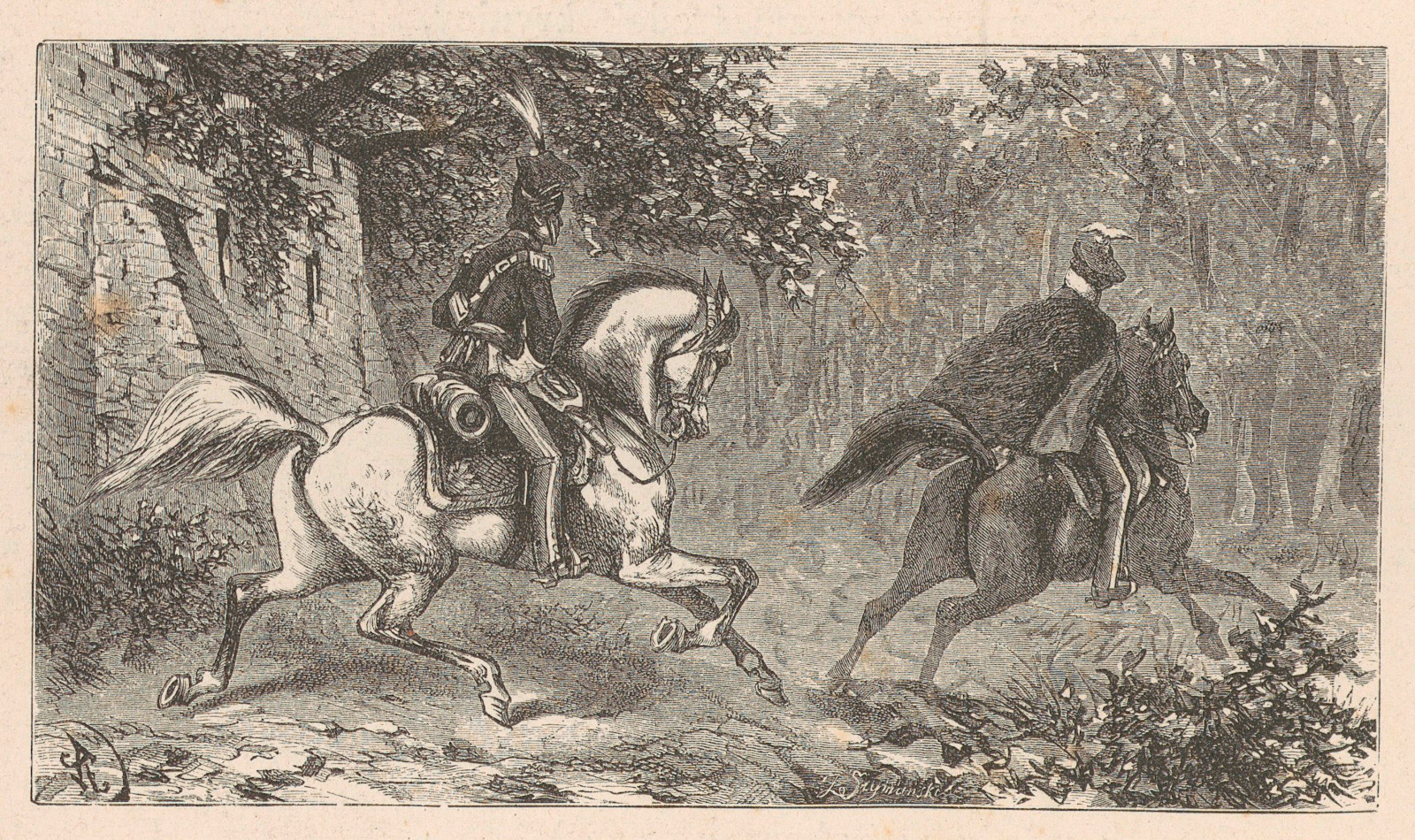
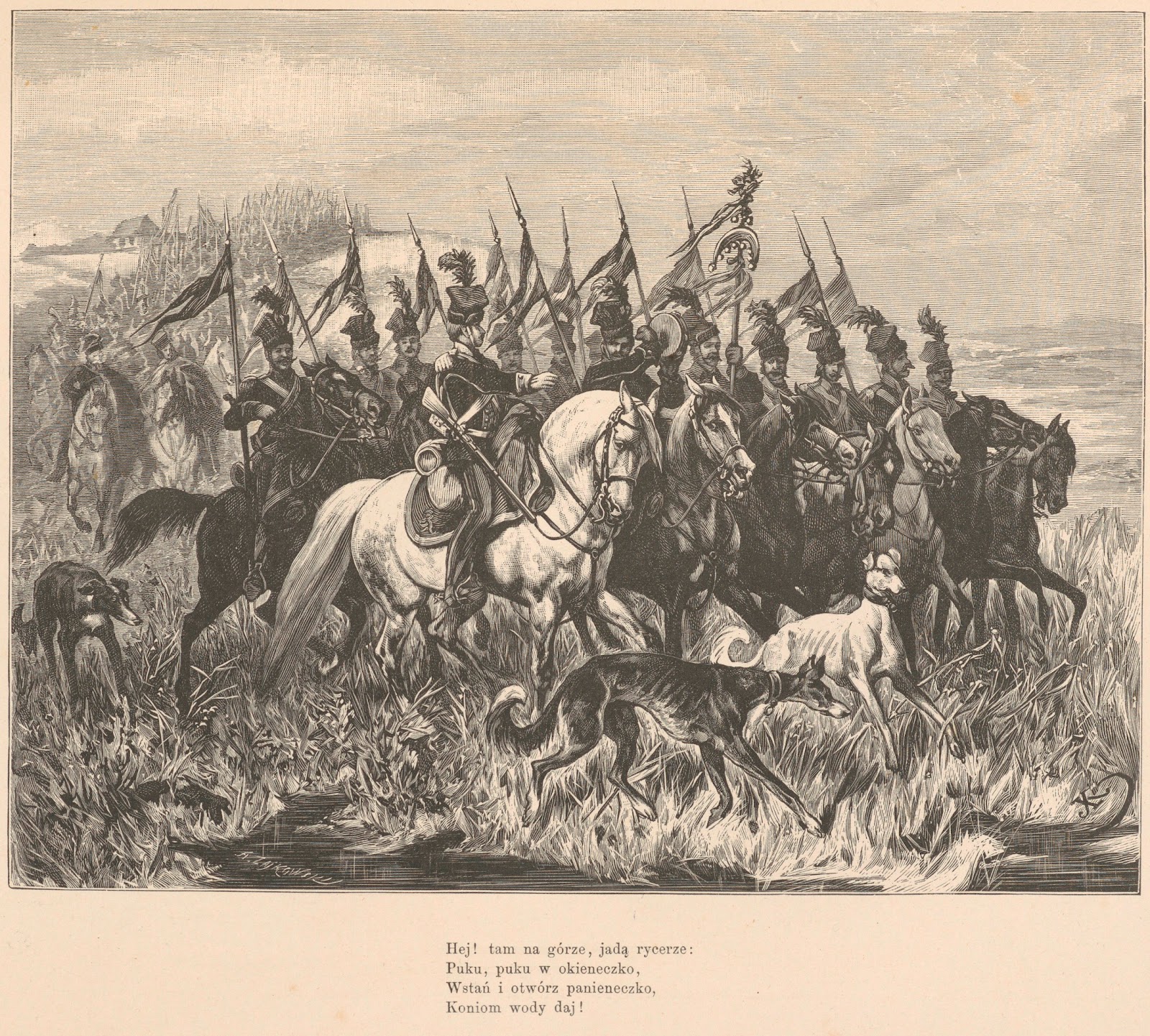
Julisz Kossak - Pol's Mohort illustrations


 Salvete Omnes,


in 1836-39 while living in village of Kalenica Wincenty Pol,  already a poet and veteran of November 1831 Uprising,  met a nobleman and veteran of Polish pre-1795 army, Duchy of Warsaw and all the other wars Poles fought in the early XIX century,  general Franciszek Ksawery Krasicki

Pol also met and conversed with another veteran major Kazimierz Ostaszewski of Zarszyn. In Nienadowa he met another veteran soldier Antoni Debinski, commander of infantry battalion in the pre-1795 Polish Crown army.
All these veterans told to Wincenty Pol these chivlaric  stories about one brave cavalryman Szymon Mohort, who in the autumn of this life, being almost a 100 years old  and still a soldier, was killed  defending Polish lands against the Russian invasion in the battle of Bruszkowice in 1792.

Inspired by these conversations our Wincenty spent a dozen year composing and polishing his poem - Mohort or  knightly rhapsody, officially finishing the poem on December 28, 1852.

Mohort Rhapsodies was published in in Krakow in 1854, and immediately  was met with praise and admiration by other writers, intellectuals, artists and general readership. It was published in many editions, more than a dozen times, between 1854 and 1914.  Many Polish artists of the era painted canvases based on Mohort poem, including Juliusz Kossak, January Suchodolski, Jozef Brodowski and others. 
The  1882 edition of Pol's  rhapsodies was particularly finely presented for the demanding audiences by Herman Altenberg of Lwow, who asked  then famous Juliusz Kossak to create illustrations for the poem.


This edition was exquisite and widely admired, adding more to the spread and interest in the Pol's poetic work.

I corralled some of these full page and smaller illuminations for our viewing pleasure - 
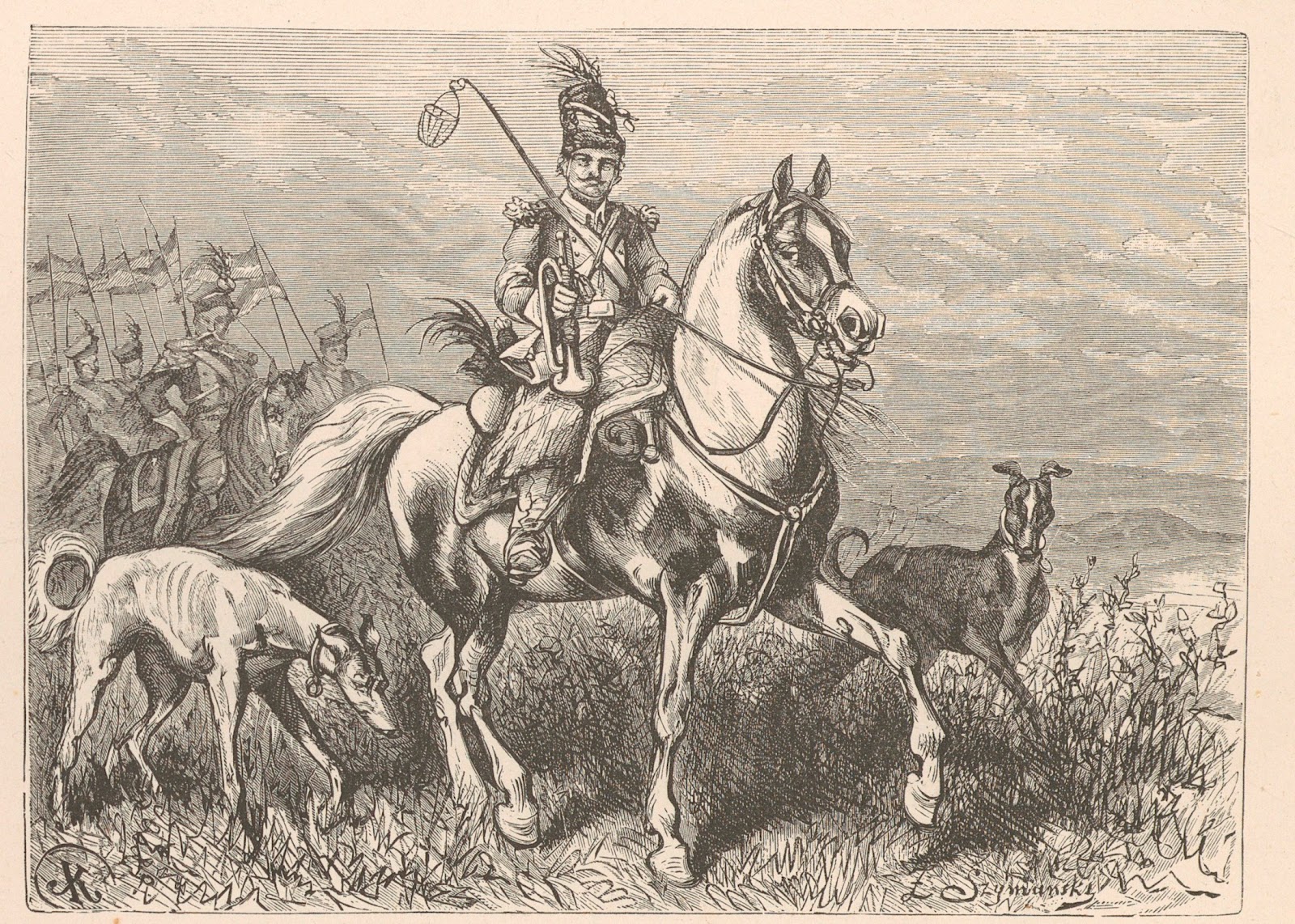


all images come from Polona, Polish National Library, digitized  edition of  Pol's Mohort.


.


.


Valete

Friday, November 26, 2021

Radoslaw Sikora YT channel

 Salvete Omnes,

my friend Radoslaw Sikora has started his own YouTube channel - here
where hopefully in time the author will share with his audience the vast knowledge about husaria, XVi-XVII century warfare in our part of Eurasia, and introduce concepts, ideas and imagery from the primary sources, reenactment festivals and tournaments, and many other interesting or fascinating 'stuff' about our winged hussars, their enemies and allies.

Already there are some interesting short videos on the channel eg:
Husaria and pancerni reenactors during the 2018 August 15, parade in Warsaw, Poland.
 or this one, where well known horseman, horsebreeder and reenactor Alex Jarmula is  interpreting a part of the epic poem by a XIX century poet Wincenty Pol, titled 'Pachole Hetmanskie.' (Hetman's little squire).


on the cover of Radek's collection of primary sources on or about winged hussars, there is a Polish veteran of the Afghan war, PT Soyers, reenacting a winged hussar - there is a short video about this soldier.


and this video, from 2018, when the Polska Liga Husarska (Polish Winged Hussars League) was about to begin, and in this tournament that took place in the famous Golub-Dobrzyn castle, on the castle's grounds many winged hussar reenactors presented themselves and their horse, and during the difficult tournament  gave their best to show their skills with the lance, sword astride their trained horses etc.

and more 

Valete

Friday, March 13, 2020

Wespazjan Kochowski - Nagrobek Koniowi

Salvete omne,
[in Polish]
Wespazjan Kochowski herbu Nieczuja gościł już na moim blogu -

a dzisiaj krótki wiersz mistrza barokowego pióra, który przecież był walecznym rycerzem sarmackim i obrońcą Ojczyzny epoki rebelii Chmielnickiego i Potopu a także stronnikiem marszałka Lubomirskiego stając min w bitwie pod Mątwami, który w tym wierszu nieco naśladuje mistrza Jana Kochanowskiego.


Nagrobek koniowi
J.m. panu Mikołaja Raszkowskiego*

Tu pod tym słupem leży koń  łysocisawy
Jeżeli który zgodny do Marsowej sprawy.
Za fraszkę Bellerofont i Pegazus lotny,
Przeszedł  ich dzielny rumak, rączy i obrotny.
Namniej mu bieg, i praca, trudy nie szkodziły,
W potrzebach szczęścia pełen, na podjazdach siły.
Nakoniec tu dla pana swej miłości
Ochwatem zamorzony, martwe złożył kości.

Nota bene 'łysina' to albo łysina podługowata (ang. Blaze) - odmiana na głowie końskiej, która jest podłużną białą plamą idącą od czoła aż pomiędzy nozdrza, albo idąc definicją Wincentego Pola  zwana łysina szeroką(ang. Bald face)- plama mogła sięgać i przechodzić za oczy czy brwi etc (  ta ostatnia nie była pochwalana przez autora Hippiki Dorohostajskiego ani przez piszącego ponad dwa wieki później Pola).

ze zbioru - Epigramata Polskie, czyli po naszemu fraszki.
przy okazji piękna ilustracja do wydania poezji mości Wespazjana (z FBC Polona) u stop poety grającego na lutni kirys i kopia husarska z proporcem, koncerz, sajdak i łubie oraz tarcza.


 *zdaje sie, ze herbu Sas

Valete
ps
zdrowia życzę wszystkim podróżnikom netowym i czytelnikom mojego bloga

Saturday, October 17, 2015

Wincenty Pol - "Nasza Ojczyzna"


Salve,
'kanikula' u mnie, przeprowadzki et tutti quanti, ergo słabo z blogowaniem.

Czytam ostatnio nowa powiesc pani Eli Cherezinskiej - Turniej Cieni - swietnie sie czyta, choc powiem mialem zupelnie inne wyobrazenie o mosci Chlopickim i jego dowodzeniu po Grochowem.

A tutaj wiersz mosci Pola - sliczny i wlasciwy na nasze czasy, mysle..

Cudze chwalicie, swego nie znacie,
Sami nie wiecie, co posiadacie.
Alboż nie śliczne te wioski liczne?
Ten kraj kochany, bogate łany?
Bujne ogrody, łączka wesoła,
Na której trzody widzisz dokoła.
 
Z daleka borek, na górze dworek,
Wkoło topole, a tam na dole
Strumyk jak wstęga ku rzece sięga.
Tu niskie chatki, a przy nim dziatki
Hoże, rumiane jak malowane.
 
Co to za życie! O! Takie dziecię
Widzieć wam trzeba z partyką chleba,
Z kawałkiem sera; tam dusza szczera,
Pełna prostoty, a nie brak cnoty.
Przy chatce chatka, w pracy czeladka,
W polu figury, w podwórku kury.
 
Na oknie kotek, przy płotku płotek,
A pies przy budzie. A co za ludzie!
Każdy gotowy sercem i słowy
Przyjąć w gościnę; da i pierzynę,
Sobie odejmie, a da uprzejmie.
Gdyś wstąpił w progi,
toś nam już drogi.
 
Tu zacna matka, uczy pacierza,
O Bogu prawi, dobro rozszerza.
Nie jedź po świecie,
Znajdziesz tu przecie
Niezgorsze rzeczy; nikt nie zaprzeczy,
Że w tym kąciku cnoty bez liku,
                   Uczucia żywe, serca poczciwe.

 Wiecej tutaj... lub tutaj.
ps
ilustracje to dziela mosci Juliusza Kossaka via Wiki Commons