Salvete Omnes,

Cyprus - Late Bronze Age - had a vibrant chariot culture. Cyprus polis were trading with Ugarit and other trade centers in the eastern Mediterranean.


.

.


.

Enkomi - British Museum - an article by Veronica Tatton-brown.

Valete
Salvete Omnes,
Cyprus - Late Bronze Age - had a vibrant chariot culture. Cyprus polis were trading with Ugarit and other trade centers in the eastern Mediterranean.
.
Enkomi - British Museum - an article by Veronica Tatton-brown.
Valete
Salvete Omnes,


the subject of today's postingi is the late Bronze Age city of Ugarit in northern Syria, the city most famous for the so called Ugarit texts -


royal fortress

houses


Ugarit had a force of chariots ( 2-horse chariots invented and brought to the Near east from Eurasian steppes) and their riders ( maryannu class, of Mitanni and other Indo-European chariot societies, functioning within the administration of polis at the top of the society), warriors, including archers, and perhaps later on in the period also some horsemen .
 |
| horses appear in the Ugarit myths |
 |
| Ugarit was engaged in the horse trade with other states, like Cyprus, Mari, Karkemish & Hatti |


 |
| arrow bronze points |


 |
| armor scales |
see this huge article on the chariots on Academia by Caroline Sauvage & Mariann H. Feldman - Object of Prestige? Chariots in the Late Bronze Age Eastern Mediterranean.(2010)
 |
| diagram from the said article |
Valete

Tajikistan and Uzbekistan share a fine river, that is known nowadays as the Zeravshan [Зарафшон] River ( the Polytimeus River of the ancient Greeks, later also the Sughd River) , which meaning in Persian is the 'spreader of gold,'
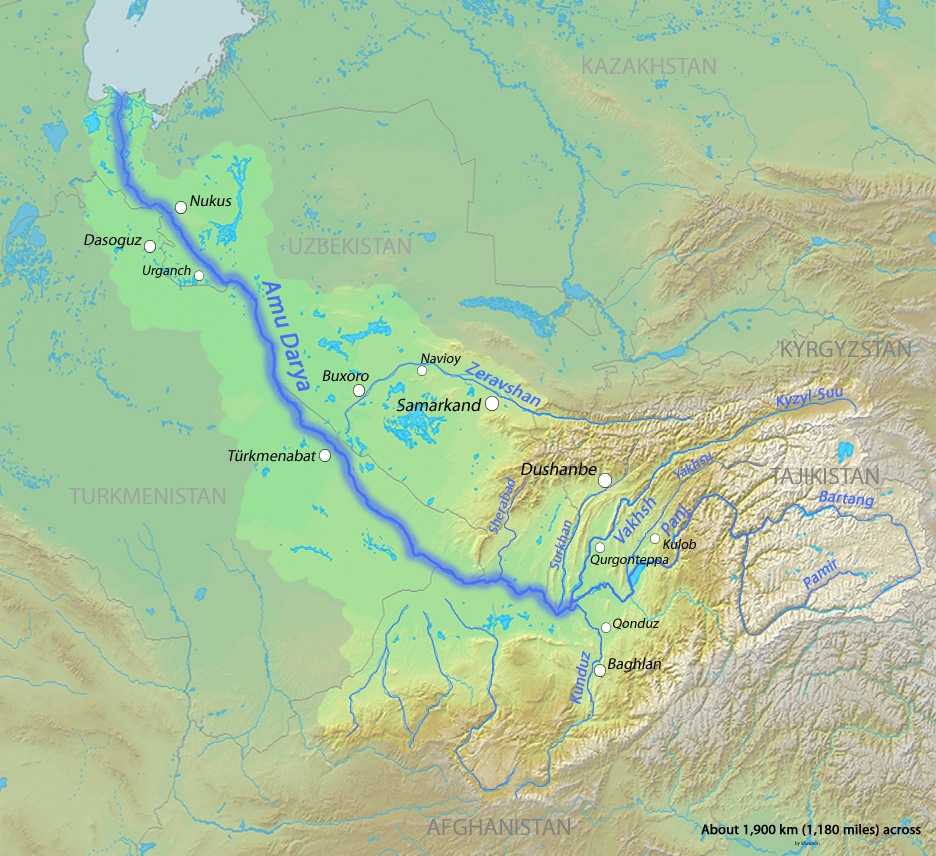
flows from the Zeravshan glacier of the Zeravshan Mountains, passes between two mountain ranges, Zeravshan and Turkestan, and empties her waters into the irrigation projects and sands of the Kizil-Kum (Kyzyl-Kum) desert before reaching the mighty Amur-Daria River.


Near the famous Panjakent [in Tajik Панҷакент or in RussianПенджикент] in the Zeravshan Valley there is this ancient BMAC site - Sarazm - that between IV (Namazga I-II) through late III millennium BC(Namazgan V) was residing on the edge of the world, between the vastness of Eurasian steppe and its Proto-Indoeuropean inhabitants and the sedentary civilizations to the south, west and east. It was the center for tin and copper, turquoise trade. With the copper and tin mined in the steppe, processed there and shipped by the Sarazm traders to the Akkadina and Ur elites, to the Harappan, Mohnejo-Daro and Elam sites, as well in the Caucasus and further west.
About 30 km west of Sazam at Tugai, not far from today Samarkand, as Sarazm was being abandoned some Petrovka -Sintashta nomads moved east and settled at the end of III millennium and/or early II millennium (Namazga V) to practice copper smelting and smithing. They moved from the Ural-Ishim steppes with their wagons, cattle, sheep and goats, and chariot-pulling horses.*
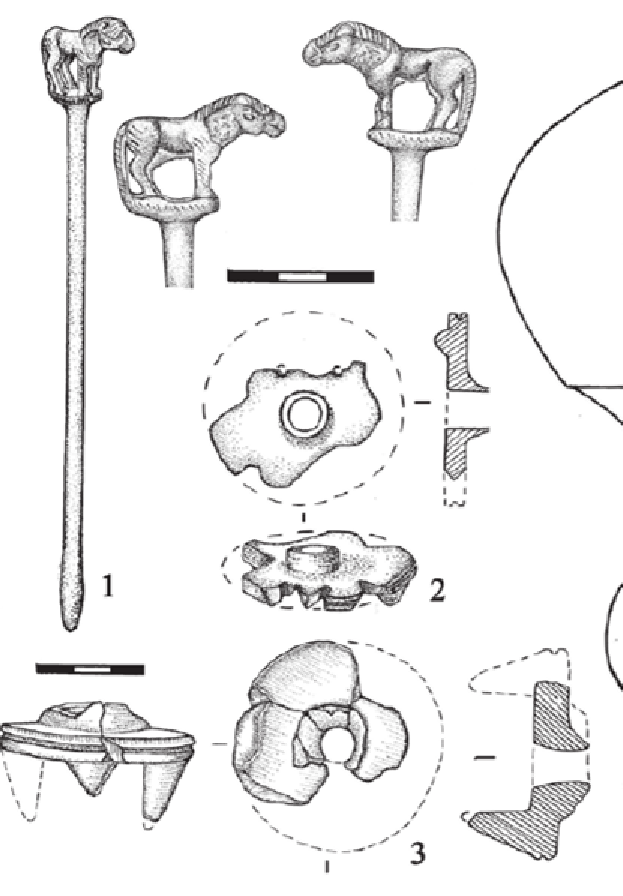
Circa 1km from Sarazm there is a burial site at Zardcha-Khalifa. There a male was buried - his plentiful grave gifts included two bronze bar bits with looped ends; two complete bone disc-shaped cheekpieces and two fragmented ones of the Sintashta type. The bar bits are the older known metal bits found. The arrangement suggests that was part of the chariot team equipment.*


Valete
Salvete Omnes,
[in Polish]

Natrafiłem na ciekawa stronę o filmach robionych przez Zdzisław Cozac - Archeo-Film
Tamże, wśród innych arcyciekawych produkcji, jest film pt Trzcinica - Karpacka Troja.
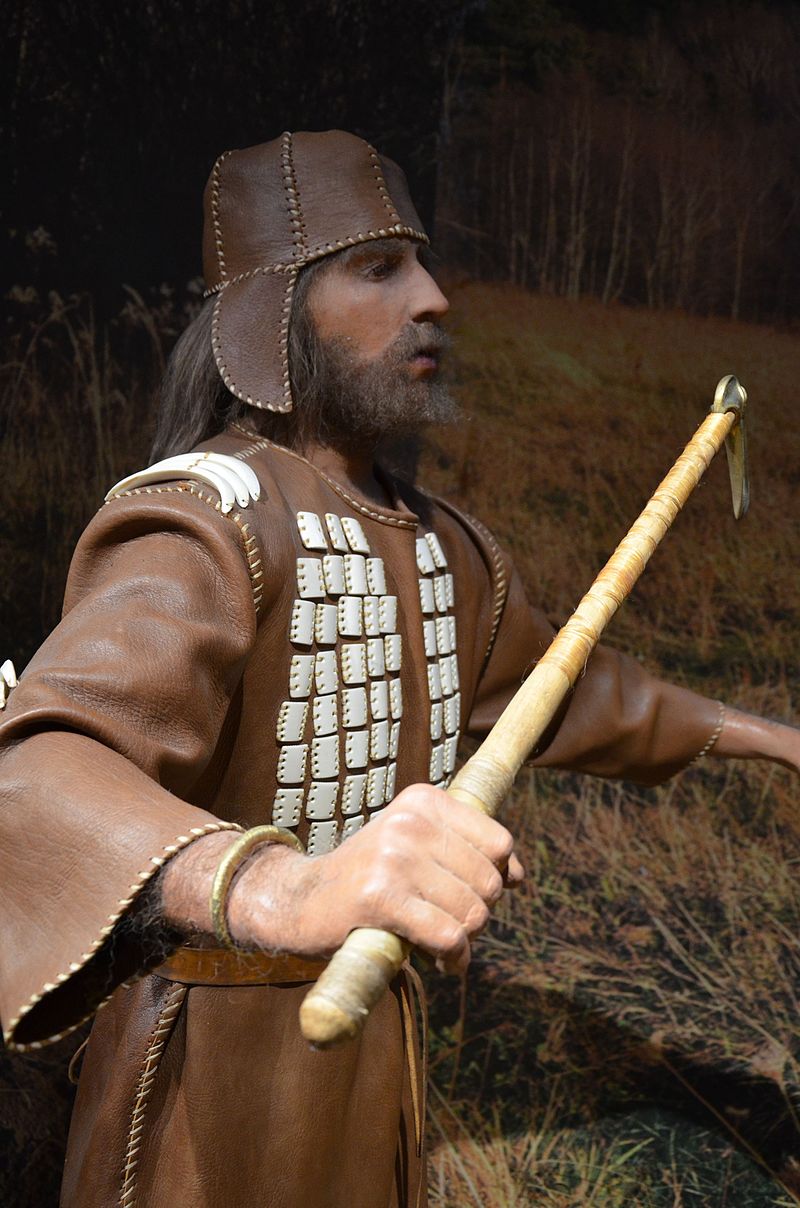
Dotyczy on skansenu archeologicznego w Trzcinicy kolo Jasła na Podkarpaciu, gdzie archeolodzy od lat prowadzą badania nad zabytkami pozostawionymi przez mieszkańców tego miejsca żyjącymi na tamtym terenie od wczesnej epoki Brązu po epokę wczesnych Piastów (kiedy gród został zniszczony , domniemanie przez Piastów) , zaś pomysłodawcą stworzenia miejsca eksperymentalnej archeologii i żywej historii był Jan Gancarski (wideo z prezentacją tutaj).



 |
| na tym zdjęciu nieco widać te uprząż końska i sposób zaczepienia uprzęży do wozu |
 | |
| Rekonstrukcja domów przysłupowych 1650-1350 l. p.n.e. na terenie Skansenu Archeologicznego w Trzcinicy |
Valete


