Salvete Omnes,
we have not visited the ancient Assyrian in a while.
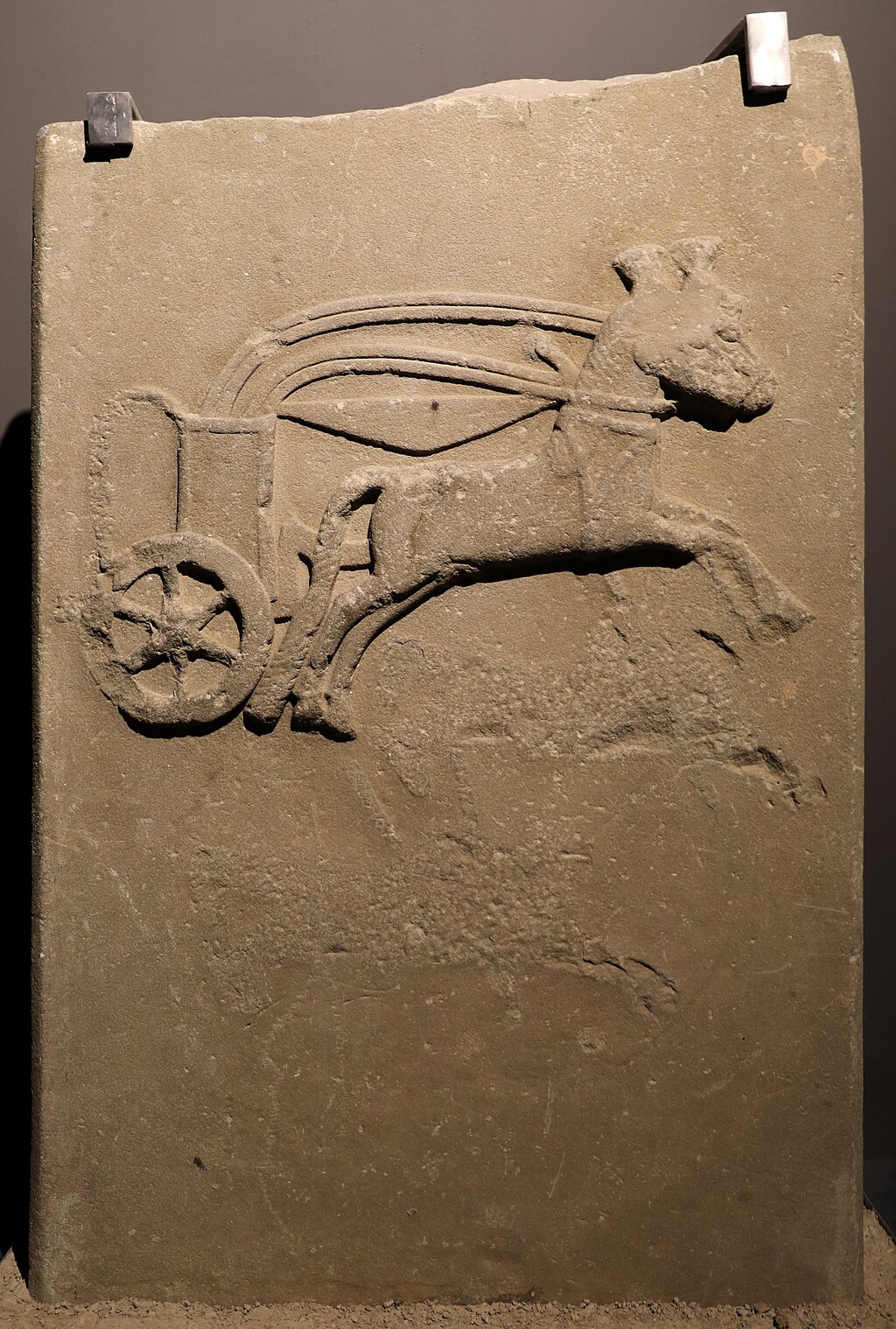
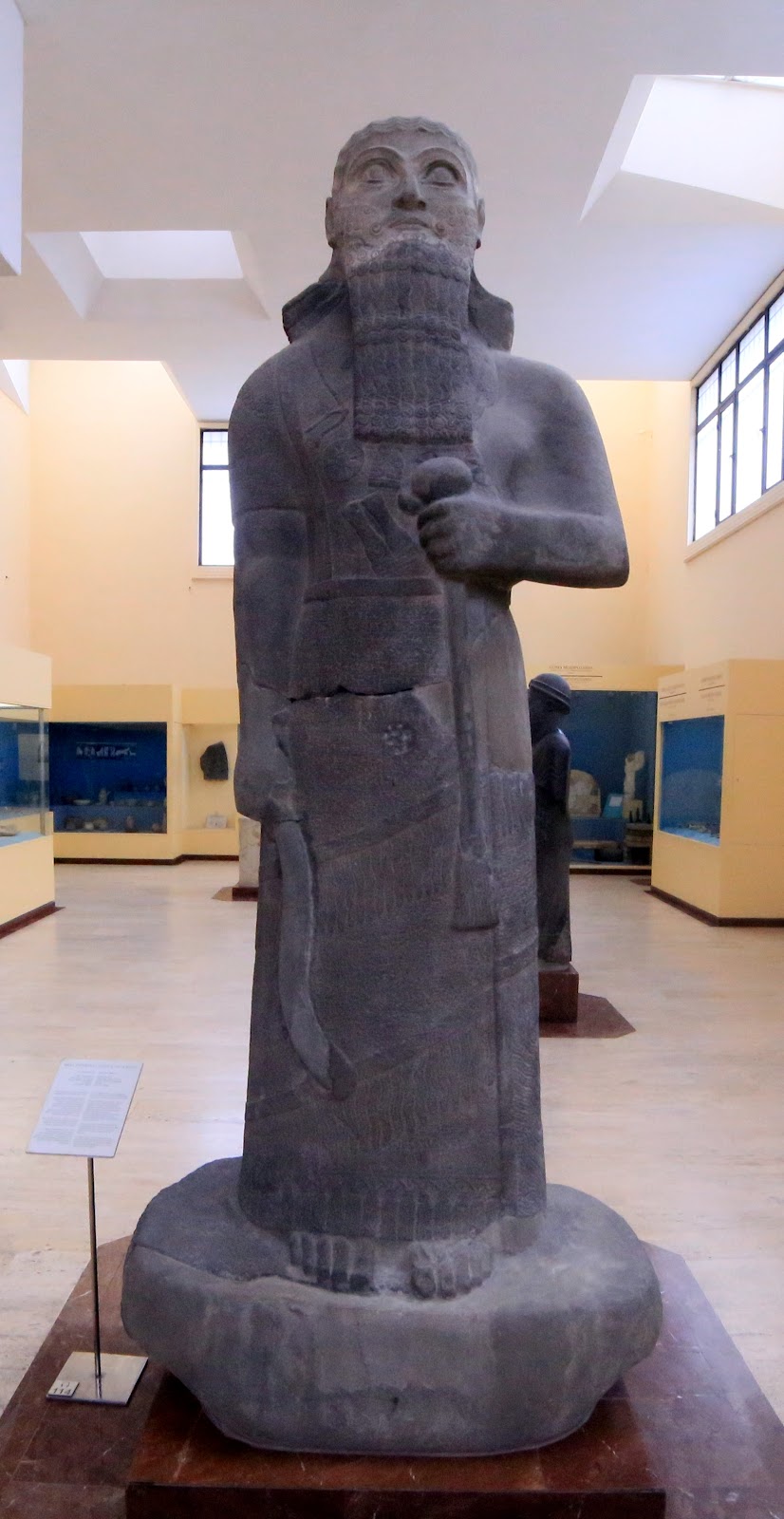
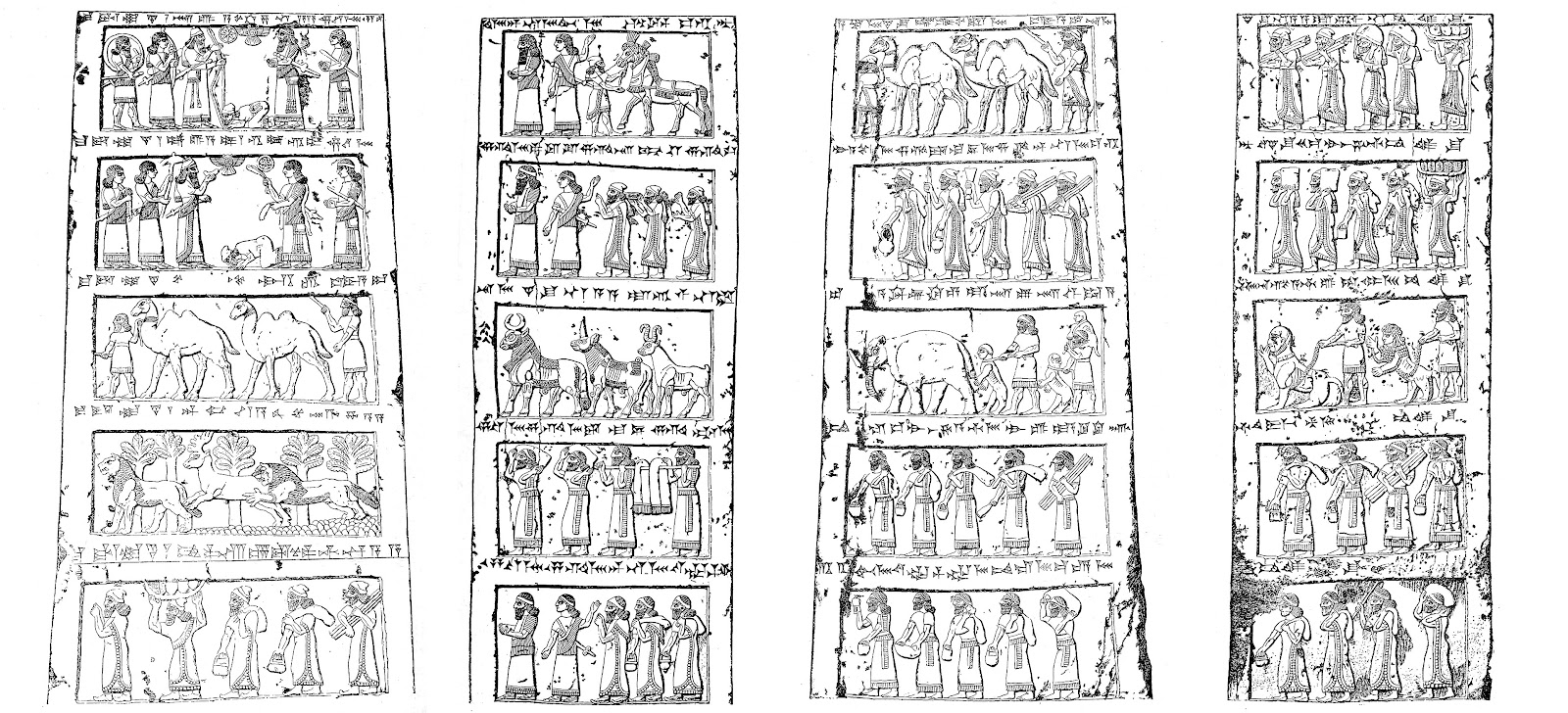
so here we have something worthy of our look and study - the dais of the Neo-Assyrian king Shalmaneser III throne, where he himself was carved into several scenes along with his vassals and tributaries.
And as usual with the Neo-Assyrian kingdom their horse is featured and it is shown prominently in this relief, these chariot horses are tribute from the Chaldeans and Neo-Hittites.
. This dais was found in the eastern end of the throne room (T1) at
Fort Shalmaneser in the city of Nimrud (in modern-day Nineveh
Governorate, Iraq) in 1962 CE. The front and sides of the dais were
carved in relief depicting various tributary scenes. The dais was
completed around 846-845 BCE (and that would be the king's 13th year
of reign).


This scene is part of a long tributary one where the Shalmaneser III
(r. 858-824 BCE) receives Chaldean tribute from Musallim-Marduk, son
of Ukani. On the right, a groom leads a pair of horses, unharnessed
except for the halter by which they are controlled. This is followed
by a second group of tribute bearers. The procession is headed by a
bearded male figure (probably the prince). Before him, a smaller male
figure (child), probably his son, appears. Both raise their hands in
a homage or submission gesture. They are followed by a chamberlain
bearing his staff of office, followed by a bearded figure carrying in
his extended hands a small tray of loaf-like objects, perhaps ingots
of some relatively precious metal.

This scene is part of a long tributary one where Shalmaneser III (r.
858-824 BCE) receives tribute from Qalparunda (c. mid 9th Century
BCE) of the Land of Unqi (a Luwian Syri-Hittite state, also known as
Pattin). This is the rear part of the tributary procession. The rear
is brought up by two grooms in long, belted tunics, one brandishing a
whip, and each leading a pair of ornately caparisoned horses
During the ransacking of the Iraq Museum in April 2003 CE, this
object[dais] was not vandalized and remained intact. It is on display at
the Assyrian Gallery of the Iraq Museum in Baghdad, Republic of Iraq.
Valete
ps the description comes from the Wiki Commons page on the details of this dais -