Showing posts with label sabretache. Show all posts

Monday, August 11, 2025

Horse soldiers of Duchy of Warsaw - prints circa 1831AD

 Salvete Omnes,

a quick entry - Dog days of the summer - 

ad rem, one of my favorite periods in Polish uniform history is the Duchy of Warsaw: 1806-1815AD , during the Napoleonic Wars.

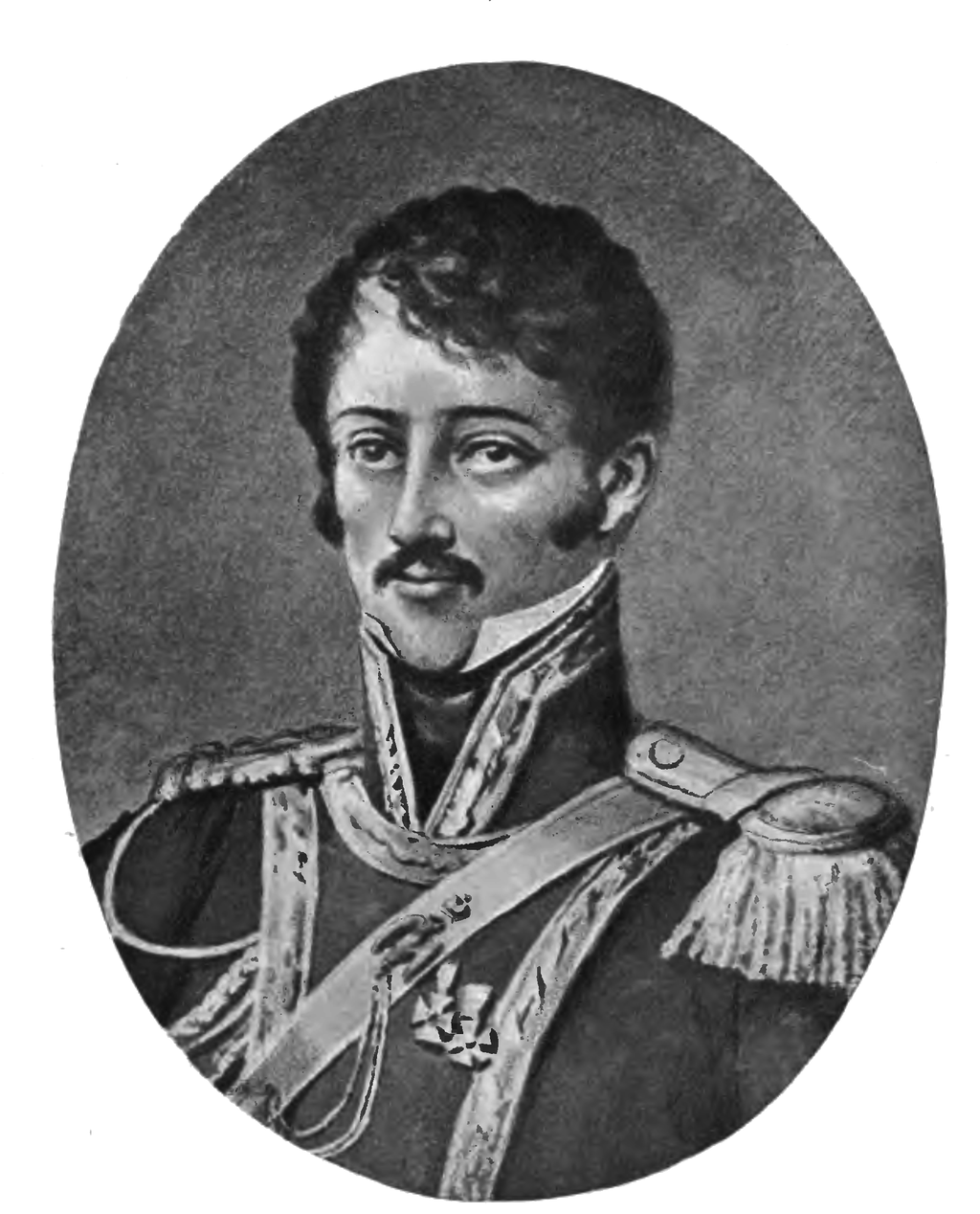
Poniatowski and his staff in Krakow's Sukiennice 1809, Stachowicz pinxit

Stachowicz, Michał (1768-1825) conceived the idea and drawings while a German engraver Sebastian Langer (1772-1841) executed the prints for a publication in Krakow (then a so called Free City of Krakow) in 1831.


.


.

.

Valete

Saturday, March 15, 2025

Battle of Reims 1814

 Salvete Omnes,

on the 13th of this month it passed another anniversary of the battle of Reims, one of the battles during the 1814 campaign of France.

we can see here the splendor of the Hungarian-style uniform of the Guards of Honour


Briefly, as you can read in many books and on many webpages, Emperor Napoleon I brought crica 10,000 strong army against a combined Prussian-Russian command (15,000 strong) under the command of general Emmanuel Saint-Priest.
Polish cavalrymen of the 1st Chevaulegrs Lanciers  Polonais (Polish Lancers of the Guard) commanded by general Wincenty Krasinski  charged across the streets of Reims and breaking Prussian-Russian defences and capturing hundreds of enemy soldiers.


During this battle a cavalry regiment known as the Eclaireurs-Lanciers (3e Regiment d'Eclaireurs de la Garde Imperiale or 3rd Scouts) also distinguished themselves. This cavalry unit was  a regiment organized based on the reorganization of the Polish lancers by the emperor in December 1813. They were attached to our Polish lancers and with mostly Polish officers and sergeants within their ranks. But curiously all the regimental farriers were German by birth, while all 14 trumpeters were all French.  On March 8, 1814 they had 66 officers and 794 men.

Per uniforms they wore a czapka lancer cap (rogatywka) dark-blue kurtka jacker and trousers, armed with lances and sabres & pistols. 


During this battle of Reims Polish officer  captain Wincenty Szeptycki commanded the duty squadron of the 3rd and they attacked with their valiant captain at the head and captured an entire Prussian infantry battalion. 


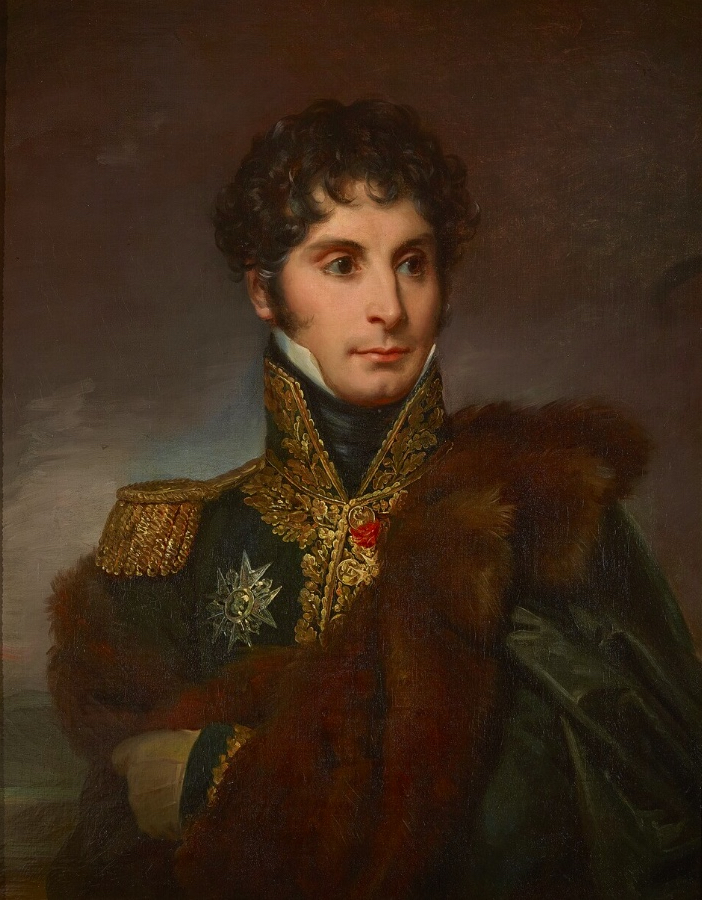
Imperial French cavalry also had another late comer to the Grand Army there , the  3rd Regiment of Guards of Honour, it was organized in Tulouse in 1813 - you see and study their uniforms below. And the 3rd took part in the 1813 and 1814 campaigns. , during this campaign  it was commanded by general Philippe-Paul de Segur,  a seasoned cavalry officer, who commanded personally in front of his horse soldiers, engaging in hand to hand combat with the enemy dragoons and Cossacks. 


 During the battle  the 3rd along with elements of the 1st Regiment of Guards of Honour charged the Russian dragoons at the Soissons-Epernay crossroads, and went through them all the way to the gates and walls of the city. After many deed of valour, facing the artillery fire from the walls and a canister shot form two cannons of the Russian artillery unit and musket fire from the Riazanski , Russian, Regiment, the Honour cavalrymen persisted but many officers and soldiers and their horses sustained many wounds, including mortal ones. 

The colonel-major (2nd in command) Count Cesar Vachon de Belmont-Briancon was killed. The officers of the regiment tasked Horace Vernet to paint a posthumous portrait of the colonel-major as he appeared on the morning of the 13th of March.

light cavalry saddle under the ornate green and silver lace shabraque


 He was dressed in his Hungarian hussar-like campaign dress: dark green pants with silver buttoned side-stripes, dark green pelisse with silver braid and sleeve rank stripes, and a red shako with one narrow and one wide rank stripes at the top and the white plume of a regimental staff officer.  He has a red leather sabretache on his left hip.

light cavalry bridle, in the Hungarian of Old Polish fashion

horses and cavalrymen of the 3rd regiment of the Guards od Honour on campaign  


enjoy

Valete

Tuesday, January 7, 2025

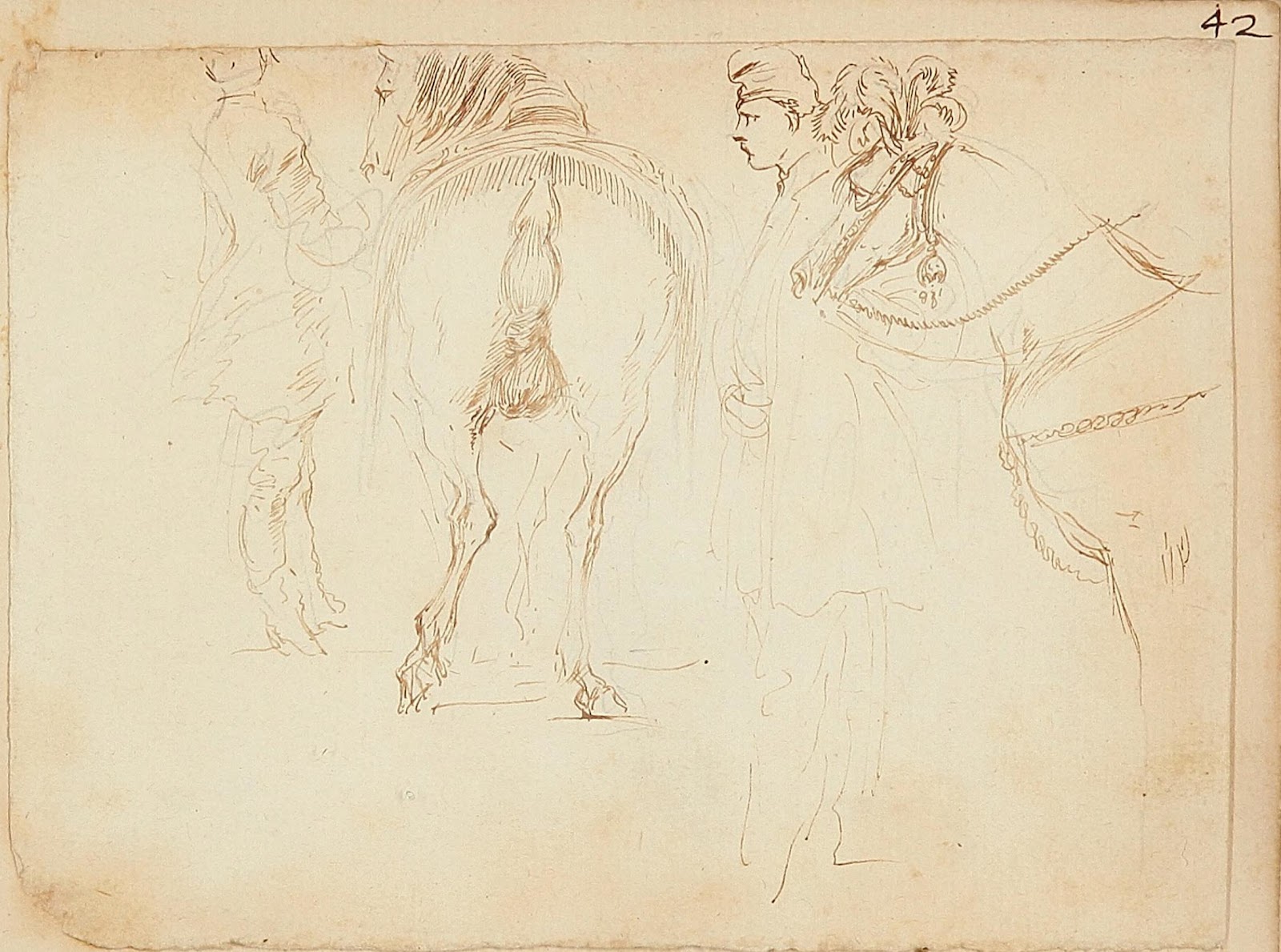
Stefano Della Bella, Disegni e pensieri originali (schizzi a penna) - Polish horse & horsemen

Salvete Omnes,


a quick but full of wonderful sketches in pen and ink by an Italian maestro of the XVII century.

Polish costume - zupan, delia and kolpak


 Stefano Della Bella, Disegni e pensieri originali (schizzi a penna) from Florence, available on Archive .  Sketches were drawn  in Rome during the 1630s, and can be associated with the so called Ossolinski entry into Rome. 

I corralled for you the Polish horse and horsemen, ad a few Ottoman & Safavid Persian portraits drawn by maestro Stefano:


outfitted horse with a jarczak saddle and splendid bridle 


tying of the sash, Polish style, also shaved head with a hair lock, sabretache 


..


enjoy 

Valete

Sunday, February 12, 2023

In the saddle, on horseback - The art of war of the conquest-era Magyars - a film

 Salvete Omnes,

X century Magyar horse archer from Basilica Patriarcale (Aquileia)


a short entry - 
there is an amazing production to be watched on the web.
Namely, Digitalis Legendarium, from Hungary, produced a 28 minutes film titled:
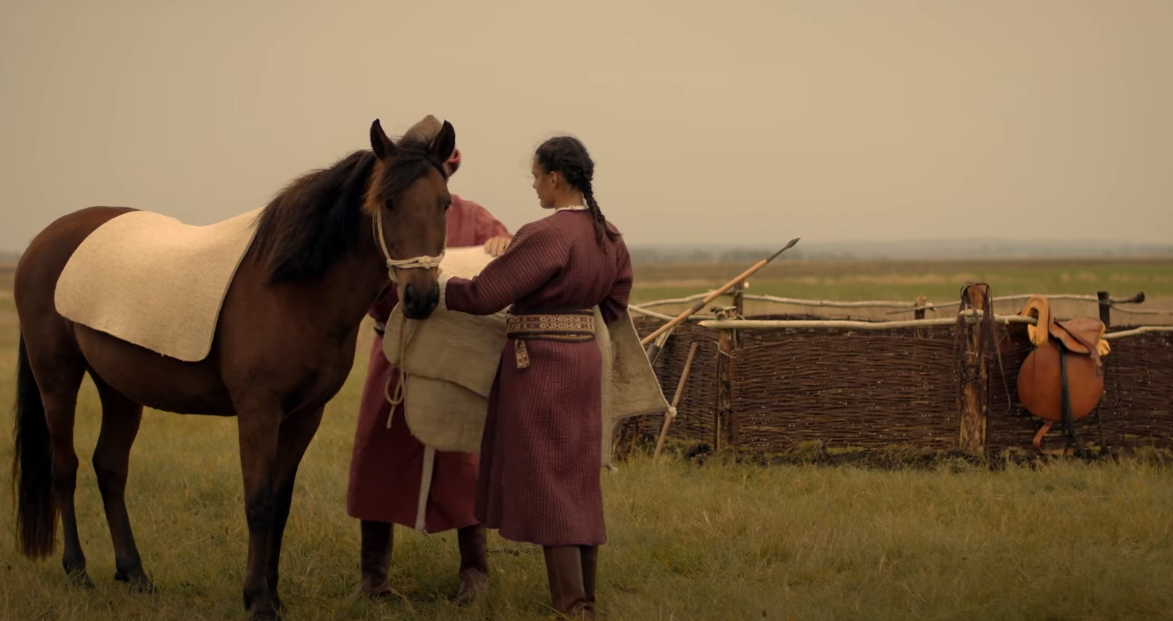
In the saddle, on horseback - The art of war of the conquest-era Magyars. - link here. 

a screen shot - 


It is breathtaking presentation of the Magyar warriors and their military equipment in a very short, beautifully shot and presented video production. We get to see the bowmaking - arrows, recurve Hungarian bow, quivers, and bowcases, including straightening the arrow shafts with a special but simple device ; iron smithing , forging sabres and making them beautiful, making helmets and chainmail etc
We get to see the display of historic horsemanship & horse archery, and spear, battleax, and sword skills while astride the fabulous Hungarian horses. 
Then there is a segment on Magyar miltary organisation, strategy, tactics, and a short story of their campaigning in the early X century Italy etc. 
at the end we get a list of archaeological sites  from where this film reconstructed objects originated.  

enjoy 
ps
the makers of these Netflix,Disney or Amazon etc films and movies could learn a thing or two about how to show history and make it amazingly accurate and pleasing to the eye too.. alas, they gave us the horrible Witcher, Rings of Power and some other ridiculous imagery of the viking or some other fantasy.. 

Valete

Tuesday, February 25, 2020

Jakuba Michałowskiego straty pod Zborowem AD 1649

Salvete Omnes,
[in Polish]
ostatnio na grupie końskiej na Facebook'u prowadziliśmy rozmowę na temat  ruszania na wojnę i występowania do bitwy z oporządzeniem bogatym i 'piórno' (ze pożyczę określenie od kronikarza a towarzysza husarskiego Marcina Bielskiego). Padło również nawiązanie do epoki staropolskiej czyli XVI-XVII wiecznej wojskowości polskiej - i mamy sporo źródeł w temacie tego, co  nasi przodkowie-rycerze zabierali ze sobą na wyprawy wojenne a kampanie.
Dodam, ze zachowały się spisy strat koni (bojowych i pociągowych) i wyposażenia pocztów jazdy z kampanii i walk (np są straty w koniach i sprzęcie u towarzyszy i ich pocztów   rożnych chorągwi jazy armii hetmana koronnego Stanisława Żółkiewskiego herbu Lubicz biorących udział w zwycięskiej bitwie pod Kłuszynem AD 1610 - listę te skompilował R. Sikora w swej książce o bitwie z 2010r.

Poniżej zamieszczam listę strat - nazywaną przez autora rękopisu 'komputem rzeczy porabowanych i potraconych' -  które znajdują się w rękopisie Jakuba Michałowskiego herbu Jasieńczyk, wojskiego lubelskiego i chorążego nadwornej chorągwii JKM Jana Kazimierza pod Zborowem, 15-16 sierpnia AD 1649roku.

Wypis tychże strat zamieścił po raz pierwszy polski historyk XIX-wieczny Ludwik Kubala w swej pracy o Zbarażu i Zborowie, zawartej w Szkicach historycznych, seria pierwsza (dostępne tutaj lub tutaj). Nota bene w czasie wyprawy beresteckiej mości pan Michałowski również poniósł był znaczne straty (o tych kiedy indziej).

Rpis Bibl. Ossol. Inv. Nr. 189, str, 264. Punkta z listu Andrzeja Szołdrskiego, biskupa poznanskiego. 

Kopia: PAN Kr. Rkps 2253/I, k. 208v.
 — Jakuba Michałowskiego rękopis p. t. 
Komput rzeczy porabowanych i potraconych pod Zborowem 
Jakóba Michałowskiego, wojskiego lubelskiego, chorążego nadwornej chorągwi: 
Kontusz aksamitny niestrzyżony czerwony, takimże 
atłasem podszyty, ze złotemi pętlicami. 
Delia karmazynowa strzyżona ze złotem! porzebami, 
takimże atłasem podszyta, ze złotymi guzami wielkimi. 
Delia tabinowa zielona ze złotymi guzikami, takimże atłasem podszyta. 
Kontusz tabinowy lazurowy ze złotemi pętlczkami atłasem podszyty. 
Kontusz amarantowy ze złotemi pętlicami. 
Żupan: - karmazynowy afasowy, -ceglasty atasowy, -brzoskwiniowy atłasowy. 
Ubranie karmazynowe podszyte. 
Falandysz lazurowy na ubranie. 
Czapek sobolich aksamitnych dwie. 
Płaszcz karmazynowy jedwabny wielki sakiewski. 
Nóż turecki. 
Szabeltas haftowany złotem. 
Welensów trzy. 
Siedm kap z herbami na konie 
Platów aksamitnych do kulbak dwie. 
Mituk półszkarłatny ze złotymi kwiatami i kapa na kulbakę. 
Mituk póigrawatny zielony z frandzią długą u dołu. 
Kulbaka aksamitna karmazynowa srebrem oprawna, za którą 360 zł dałem 
Kulbaka safianowa. 
Kulbaka podróżna z pistoletami. 
Misiurka. 
Kobierzec z obwinięciem, w którem chusty biate, koszulek kilka pod żupany atłasowe 
i dołomany, chustki, prześcieradła, obrusy, serwety, podszewki i i. 
Puzdro cyny i talerzów. 
Kuchenne naczynia; kotły, garce miedziane wszystkie. 
Karwaszów par dwie. 
Karwasze złociste. 
Czeladne suknie wszystkie. 
W szkatułach łańcuch z trzema portugalami, dwa pierścienie, kubek srebrny, 
solniczka srebrna. 
Szkatuła korzenna wielka zapełniona.
Apteka wielka, pełna ingredjencji. 
Kobeł trzy. 
Muszkietów dwa. 
Muszkiet węgierski. 
Proporców dziewięć. 
Czaprak aksamitny wiśniowy ze złotymi, wielkimi kwiatami. 
Szopa wielka.
Namiot. 
Łóżko. 
Prochu 2 kamienie. 
Koszulka dziana. 
Dwa Szyszaki. 
Pasy dwa do zbroi do przedniej blachy. 
Wina 60 garcy. 
Petercymonu baryła. 
Małmazji białej i czerwonej puzdro.
 Cytrynowego soku flasza garcowa, fiołkowego druga. 
Wódki puzdro. 
Gorzałki przedniej dwie baryły. 
Pierników, biszkoptów, konfektów nie mało. 
Dwa wozy skarbowe czerwonem suknem nakryte po 6 koni. 
Jeden wóz skórą obity skarbowy z 4 końmi 
Wózek prosty z parą koni. 
Teleszka z jednym koniem. 
Klacz naręczna (zdechła w drodze) i podjezdek, 
Pleśniwego konia.
 Źrebca gniadego. 
Należnego kałuskiego konia wolskiego, struszowskiego i cisawego, 
także od karetki para koni ze wszystkiem i szorami wzięto ! 
od wszystkich wozów cugi pobrano. 
Legominy wszystkie. 
Szynek sześć.
Wóz wołowy z legominami i pięć wołów. 
Talszesanów kilkanaście. 
Pieniędzy dwa worki, pościel i ksiąg siedm,


Valete

Monday, August 22, 2011

Uhlan of the Dziewanowski regiment from the Towarzysz regiment 1806-7


Salve,
 Let us turn for a moment to the Napoleonic era and the glorious year 1806 when Napoleonic armies liberated a small portion of Old Polish-Lithuanian Commonwealth, the events leading to creation of Duchy of Warsaw, with the most dashing cavalryman at the helm of the Duchy army- prince Józef Poniatowski.
The subject of today's post is a Towarzysz of the  Dziewanowski regiment ('pułk') - winter 1807.
There was this cavalry  in Prussian army, called 'Towarzysze'' or companions (called Das Korps Towarczys -in the army order Hussarenregiment No.9:  a regiment of 10 squadrons and a battalion of 5 squadrons - here in Knotel's reconstruction  ), created from petty noblemen (companions) and peasants (retainers) of the newly conquered Polish provinces in 1799-1800, including one squadron of 'Polish Tatars' (
''Tartaren Schwadron'' ), and organized along the lines of then nonexistent Polish National cavalry regiments, with companions armed with lances and retainers with pistols and carbines, or as I found elsewhere the companions carried lances painted in white and the retainers painted in two colors (perhaps more research into the German sources could elucidate on this element of their equipment). 
During the war of 1806 when Prussian army was beaten by Napoleon and his commanders, and French armies entered Poland, some of the Towarzysz regiment cavalrymen deserted to the newly organizing Polish cavalry allied with Napoleon - here a discussion in Polish, fantastic forum on the Napoleonic period,  about the period 1800-1807 - while the Towarzysz battalion was destroyed at the battle of Bieżun, where uhlans surrendered to the French, in December  1806.
They were grouped under the command of Dominik Dziewanowski  and valiantly fought the Prussians and Russian during the Winter and Spring of 1807. Historian and Napoleonic reenactor Andrzej Ziółkowski , who is writing a book on the 6th and 2 more uhlan regiments, kindly shared with me a piece of his writing on these cavalrymen where I read that they had worn Prussian uniforms while back in our Polish Homeland service and had horse hair plumes attached to their headgear- black peakless shako.  In spite of the risks involved, wearing the uniform of the  former command and present enemy, these uhlans performed fine service during the numerous skirmishes and battles of the reconquest of Gdansk Pomerania from Prussia.   These uhlans eventually became the core element of the 6th regiment of uhlans of Duchy of Warsaw, commanded by Colonel Dziewanowski, the best cavalry regiment of the Polish Napoleonic army (Vistula Lancers and Polish Chevaulegers were part of the French Napoleonic army).
 Here a text on the early life future German emperor Wilhelm (William I) and his infatuation with the Towarzysz regiment :  ''he saw the uhlan regiment
Towarczysz, at that time the only one in Prussia,
and was so charmed with its singular uniform
that he begged his father for one like it. The
King, always ready to encourage his military tastes,
granted his wish, and from that time he alternated
between a uhlan and a hussar.''

Prussian cavalry in 1805, when Poland's Warsaw was but a medium Prussian city
A good introduction to the Prussian cavalry of the era  Prussian-Cavalry-Napoleonic-Wars-Men-At-Arms 1

And here, at the Kujawsko-Pomorska Digital Library, a book by Janusz Staszewski on the Pomeranian campaign  in 1806-07 , can be downloaded in djvu format.
 ...
ps
I did not give him the sabretache that they normally carried at the belt while in the Prussian service.
...
Some German info:
Regiment Towarczys Nr. 9, mit Lanzen bewaffnet, 10 Escadrons. Focht 1807 in Preußen und blieb bestehen. Es hatte kein Depot.
Bataillon Towarczys, 5 Escadrons. Focht in Preußen und blieb bestehen, Inspektion der Towarczys: General Lieutenant v. L'Estocq.
1. Das Regiment Towarczys.
Inspektion des General-Lieutenants v. L'Estocq. Garnison: Tulczyn, Drohyczin, Iabludow, Lomza, Ostrow, Bransk, Ostrolenka, Knyszyn, Boczky, Wyztowo. Chef: General-Lieutenant L'Estocq, General-Major v. Kall Commandeur.
2. Das Bataillon Towarczys.
(Hieraus wurde das jetzige Westpreuß, Ulanen-Regt. Nr. 1 u. das Schles. Ulanen-Regt. Nr. 2 formirt.)
Garnison: Augustowa, Raigrod, Suchawolla, Ianow, Lipsk.
Major und Commandeur: Schimmelfennig v. d. Oye.