Showing posts with label cassock casaque. Show all posts

Wednesday, December 17, 2025

Esaias van de Velde - ambuscades & attacks

 Salvete  Omnes,


a short entry - Esaias van de Velde (1587-1630AD) - already  I posted one entry on maestro Esaias's drawings last year.


So perhaps a few of his works showing his paintings depicting ambuscades and attacks on the travelers etc in the countryside (he was a master of landscape painting).


.


.

.

.


.


.


. some details from Esaias van de Velde's paintings 


Valete

Wednesday, September 6, 2023

Gaston, Louis XIII and the Mousquetaires du roi

 Salvete Omnes,

a little different time period but still history -

 namely  the world famous king's guard from Kingdom of  France when ruled by Louis XIII  and ... cardinal Richelieu. 
And who has not heard of the cavalier d'Artagnan.. and his companions of the king's musketeer guards?  

Monsieur d'Artagnan by Nicolac Cochin, 1661

                                                                                                           ***

Mousquetaires du roi (King's Musketeers)  or later  Mousquetaires de la maison militaire du roi de France - the very favorite subject of the  novels by Alexandre Dumas and many movies made based on the novels. So Wiki Commons and MET have some interesting prints showing the Guards during the life of their create, Louis XIII.

mounted Guard drummers - Stefano della Bella

Musketeer of the Guard on horseback wearing a casaque and long riding boots - by Stefano della Bella


  French print showing king of France Louis XIII with his rebellious brother Gason, duc de Orleans, and in the background, among the troops on display  there are  Royal  Mousquetaires.. I think. The print, by Abraham Bosse done in 1630, comes from the MET. 


duke Gaston or Monsieur was a rebellious king's brother

Gaston's full length portrait, in armor & lace and holding a marshal baton, painted by van Dyck 


this was the tiem of duels and here we have one French nobleman and 'espadachin' print by Abraham Bosse 

and more Guards' prints by the same artists


Valete

Wednesday, March 15, 2023

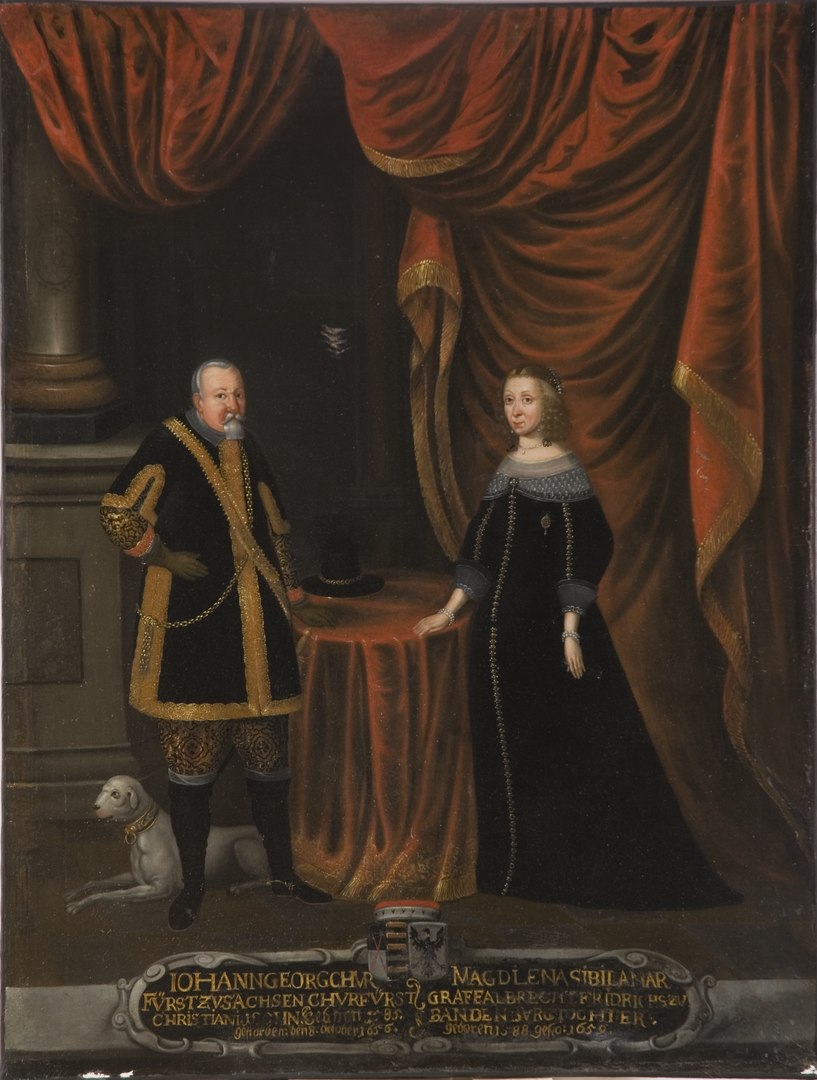
Johann Georg of Saxony arms and armor

 Salvete Omnes,


10 days ago I posted about a Scottish pistols for Duke of Courland, one of them held at MET (NYC, USA)and that in 1616AD or so  this pair of pistols was given by Duke Fredrich Ketler to Elector of Saxony, Johann Georg I (1585-1656) of the Wettin House.
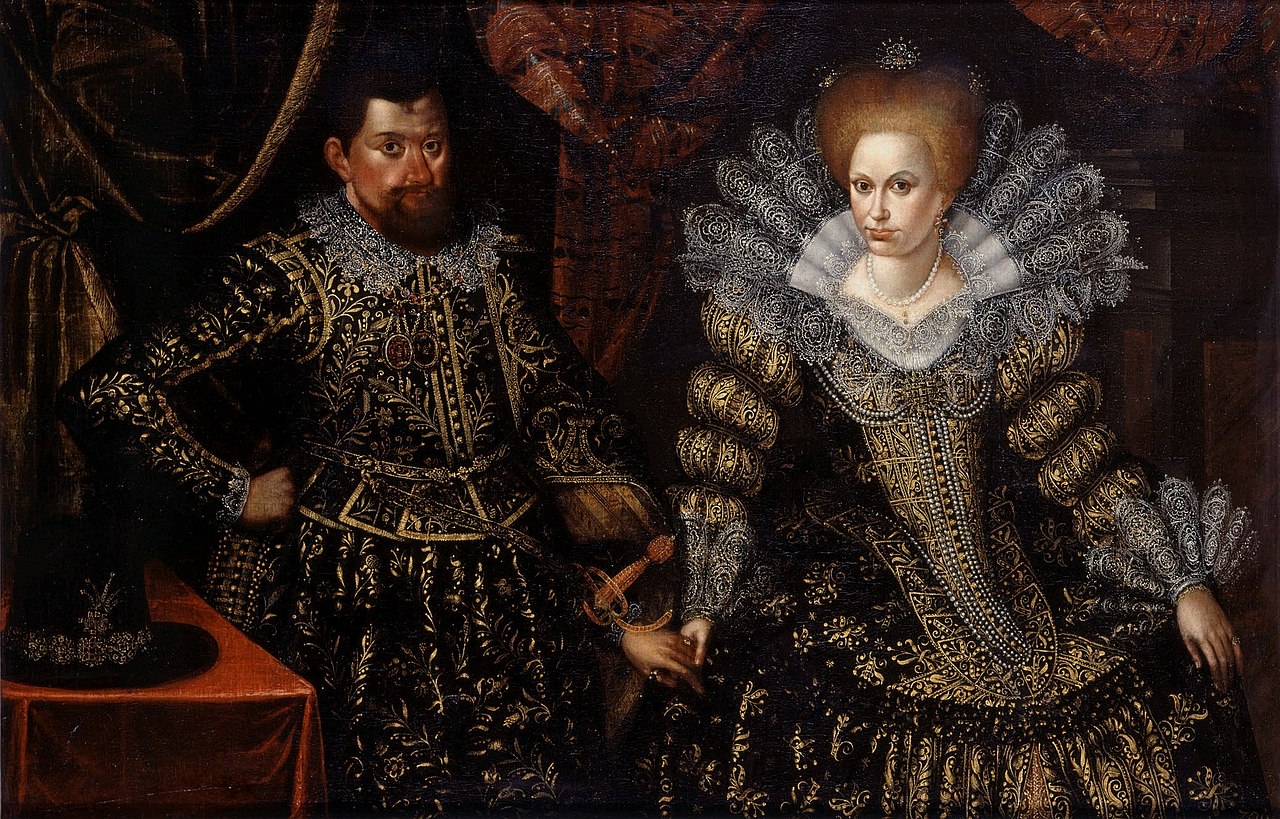
Johann Georg I and His Wife Magdalene Sibylle


During the reign of Johann Georg Dresden Schloss aka Dresden Castle (in Saxony, Fed.Republic of Germany) was the capitol of then quite powerful Saxony (Prussia and her wars on Saxony and Congress of Vienna 1815 reduced Saxony to a shadow of her former glory and importance within the Germanies - more than 270 German states & statelets prior to the Napoleonic Wars).


Johann Georg was reining during some of the most momentous and tragic periods of the European history, namely the Thirty Years
War(1618-1648).


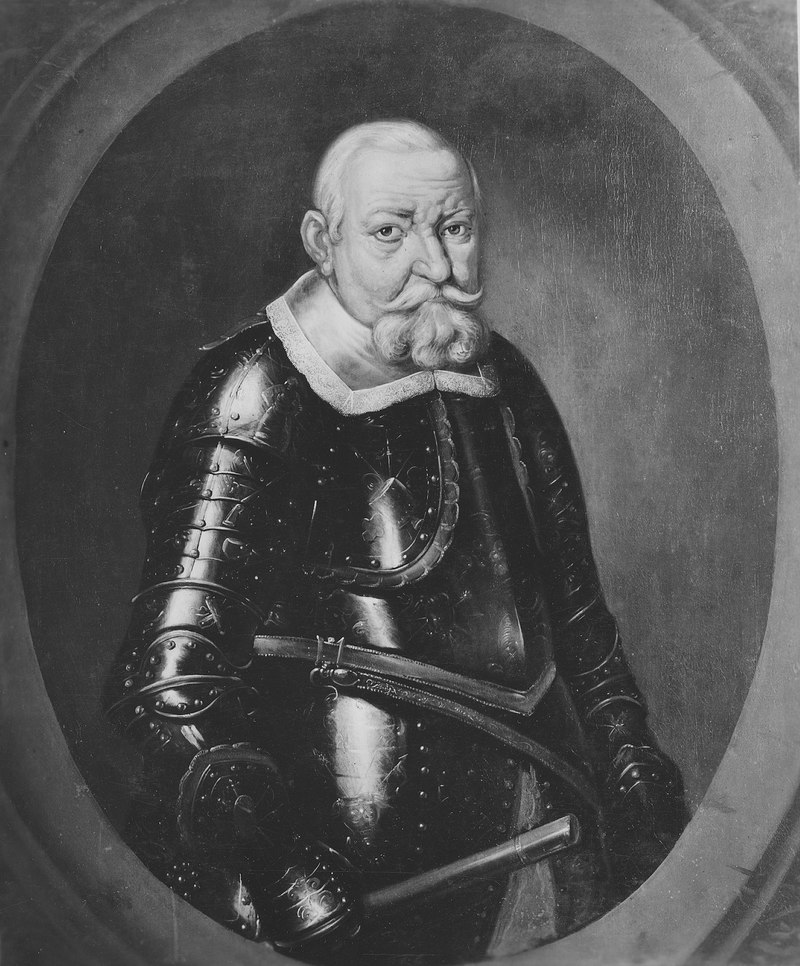
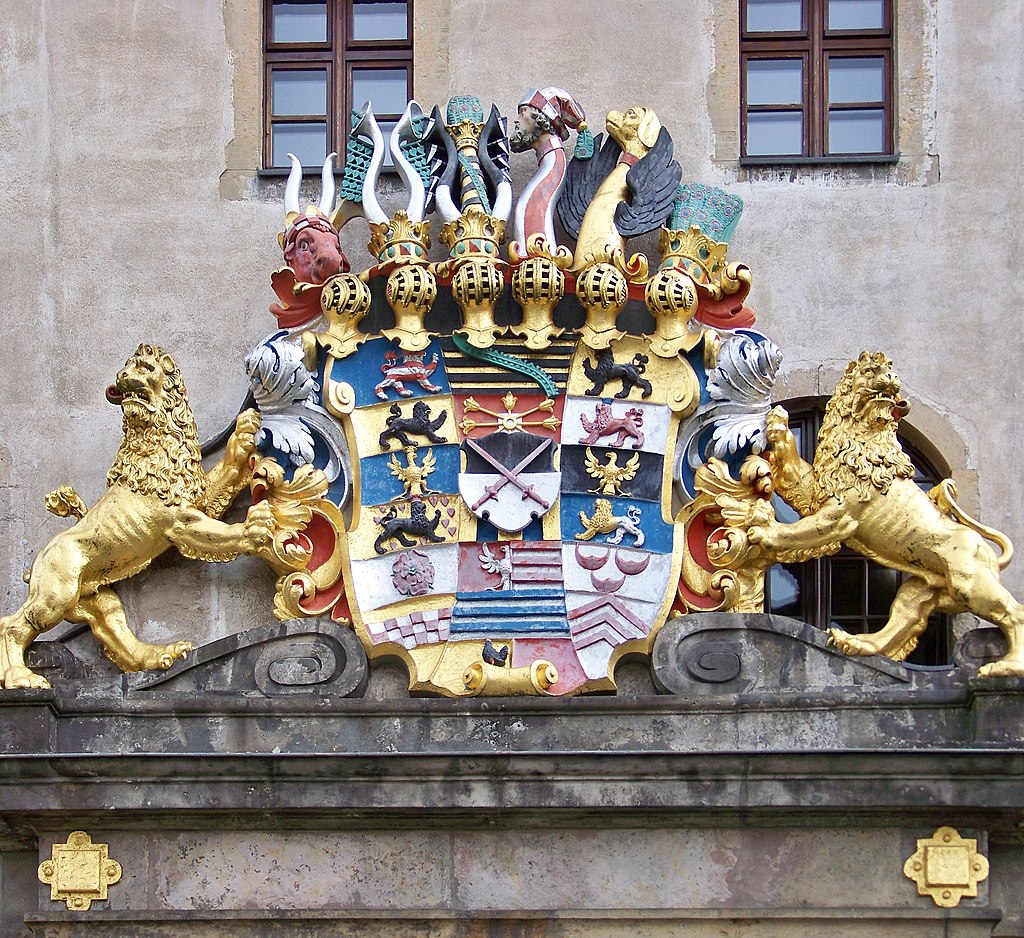
We happily have some interesting iconography related to this prince and chivalry, his wars and reign etc.

our prince in the 30 Years War high fashion - buff coat.


Johann Georg I wearing a riding cassock alias casaque

Back to his Courland connection - dr Mariusz Balcerek,  mentioned in my previous post Polish researcher, wrote an article titled Murder in Jegalva [Mitau/Mitawa] in 1615  - published in 2008AD- can be read from his academia page.
From the article we learn that during the summer of 1615AD duke Wilhelm Ketler, who jointly ruled the duchy with his brother Friedrich, had his henchmen murder  two noble opposition leaders - brothers Nolde. His brother duke Friedrich was somewhat implicated
Upon learning about this crime in Mitau our  Polish suzerain, Sigismund III Vasa, and Polish Diet acted on this Courland high crime and misdemeanor. During the investigation undertaken in January -February 1616AD the royal commission concluded that duke Wilhelm was guilty of these crimes. 
In May 1616AD Sejm aka Polish Parliament extinguished Wilhelm's claims to Courland's throne.   ruled to have duke Wilhelm deposed,  banned from the duchy of Courland. In June our Sejm ruled that since then only duke Friedrich Ketler would remain the ruler of the duchy of Courland. Wilhelm went to live and eventually die in  Kukulow (Kucklow), town belonging  in the realm of West Pomeranian duke Boguslaw XIV.
During the period of late summer 1615 and early spring 1616 duke Wilhelm and his brother Friedrich wanted to preserve the status quo of their duchy as its joint rulers, and even  started hiring soldiers and shouldering support of various lords (like prince Lew Sapieha) and kings of Europe, hence James I of Scotland and England, and Gustavus Adolphus of Sweden, and Johann Georg I of Saxony. Perhaps - says dr Balcerek in a private exchange - the Scottish pair of pistols was part of a larger gift presented by the Kelter brothers to prince elector Johann Georg to ask him to intervene on their behalf at the Polish court.
Pistols stayed in Dresden but Wilhelm had to be gone from Courland for ever.
Fortuna audaces juvat.

Valete

Monday, January 30, 2023

Emperor Ferdinand III in portrait paintings

 Salvete Omnes,


wearing a very splendid riding coat known as a cassock/casaque

January 2023 almost over - so I am winding up this month with a collection of portraits showing Ferdinand III who was the Holy Roman Emperor, King of Hungary and King of Bohemia (Bohemia included  most of the duchies of Silesia, with the Piast dynasts slowly dying out during this reign ) .

Ferdinand III (1608-1657) was an able military commander during the XXX years war, especially famous for the battle of Nordlingen, won together with his cousin cardinal-infante Ferdinand of Austria over the protestant armies.


during his life Ferdinand III  was subject of a number of portraits, and some of them show him in great armor, on horseback and in this other realm national costume - Kingdom of Hungary attire.

by all appearances this warhorse might be a Spanish one


King of Bohemia and Hungary

great Hungarian attire - including a delia riding coat


Nota bene emperor Ferdinand was married first to Maria Anna of Austria, his cousin.

and his second wife was Eleonora Gonzaga princess of Mantua etc - their 2nd daughter was a Queen of Poland etc.
and an allegorical  print from his reign 


valete